

Thiruthalaichanga Nanmadiyam Temple, Thalachangadu, Tamil Nadu
Thalachangadu is a small village near Sirkazhi in Tamil Nadu. It sits close to the seashore, where the Kaveri River meets the Bay of Bengal. In this quiet corner stands the Divya Desam known as Thiruthalaichanga Nanmadiyam, home to Chandrabagavan Perumal and Thirumangai Nachiyar. The temple is unusual because it connects Vishnu’s blessings with the Moon god, Chandra. Very few temples in South India carry this link. It is a temple tied to the idea of regaining brightness after a fall, of recovering dignity and peace after a period of decline. The stories and rituals here revolve around renewal.
The main legend at Thalachangadu centres on Chandra, the Moon god. Chandra was once cursed by his father-in-law, Daksha, for showing partiality toward one of his wives. The curse caused him to fade, losing his brightness day by day. Struggling under the weight of this curse, Chandra looked for a place where he could regain strength and clarity. He came to this spot, prayed to Vishnu with sincerity, and received relief. Vishnu restored his radiance and allowed him to grow bright again. Because of this story, Vishnu is worshipped here as Chandrabagavan Perumal, the one who brings back lost brilliance. Devotees who feel mentally drained or emotionally dim often come here for that reason.
Another legend states that this is the place where the Sudarsana Chakra, Vishnu’s discus, appeared in a gentle form, reflecting moonlike coolness rather than fiery power. This soft form is referred to as Chandra Sudarsana, again linking the temple with the Moon’s calm and reflective quality. Some local stories also connect the place with Indra, the king of the gods, who performed worship here to regain lost strength after a battle. These stories share a common thread: someone weakened or burdened finds renewal through Vishnu’s grace. The name Thalachangadu itself reflects this moon symbolism. Thalai refers to the head, changam/changam refers to the moon or brightness, and kadu means forest. Together, it paint an image of a sacred landscape where divine light was restored.

The region around Sirkazhi and Poompuhar is one of the oldest cultural belts in Tamil Nadu. Temples here often blend mythic stories with early Chola history. Thiruthalaichanga Nanmadiyam shows signs of early Chola workmanship in its stone foundations and structural layout. Inscriptions from this era refer to land donations, offerings of rice, oil for lamps and instructions for maintaining daily pujas. These small details capture what the temple meant to the community: a place of constant worship, even when kings changed. Later, during the Nayak period, the temple received maintenance and some architectural adjustments. The mandapam pillars likely date from this era, with their clean lines and modest decorations. The Divya Desam gained spiritual identity largely through Thirumangai Alvar, who sang about the deity here. His verses describe Vishnu as the one who restored Chandra’s lost brightness. Once the Alvar’s songs entered the Divya Prabandham, the temple became part of the broader Vaishnavite pilgrimage circuit. Villagers kept the temple alive through the centuries with small, steady contributions. Though not large or politically central, the temple survived through devotion rather than royal attention. Its endurance mirrors its own core message: light returns slowly but surely.
The temple layout follows the simple style of many coastal temples. It has a modest gopuram, a courtyard dotted with trees and a sanctum that feels quietly enclosed. The architecture doesn’t overwhelm; instead, it draws visitors inward. Inside the sanctum, Chandrabagavan Perumal stands facing east. The deity’s expression is gentle, often described as “cool,” reflecting the Moon’s mood. The idol is in a standing posture, holding the conch and discus. Unlike fiery representations of Vishnu, this one embodies calm strength. Thirumangai Nachiyar, the goddess here, has a separate shrine. Her space carries a soothing quality. Women often come here seeking peace in emotional matters or relief from periods of instability. The temple also houses a shrine for Chandra himself. This is rare in Vaishnavite temples. The link between Vishnu and Chandra is visually clear, the Moon god stands in a posture of gratitude.
Other architectural elements include a small mandapam with granite pillars, simple carvings of yali and lotus motifs, a narrow prakaram that allows a slow circumambulation, and a temple tank known as Chandra Pushkarini. The proximity to the coast gives the temple a different ambience. The air is slightly salty, the breeze constant, and the light softer. The granite walls carry marks of weathering from sea winds, adding to the temple’s character.

Daily worship here follows the standard Vaishnavite rhythm. Morning pujas begin early, followed by alankaram, neivedyam and darshan. Evening puja is calm and unhurried, with lamps casting gentle shadows across the temple. Major festivals include Vaikunta Ekadasi, when the temple sees its largest crowds, Panguni Brahmotsavam, which is celebrated with processions, Purattasi Saturdays, which draw families from nearby towns, and Chandra-related observances, especially for those seeking relief from emotional imbalances or mental strain. A unique practice at this temple involves offering prayers for mental clarity. Many devotees visit to mend periods of confusion, indecision or emotional heaviness. This practice stems from the legend of Chandra regaining stability here. Some families offer white flowers and ghee lamps at this temple, symbolic of coolness, purity and calm light. Women often visit Thirumangai Nachiyar’s shrine to seek balance at home, especially during times of stress or transition. Even during festivals, the temple retains a gentle atmosphere. Volunteers help with crowd movement, prasadam distribution and decoration. The community treats the temple as a shared space rather than a formal institution.
Reaching Thalachangadu usually involves travel through coastal villages near Sirkazhi and Poompuhar. The landscape shifts between fields, marshland and patches of trees. The sea breeze is ever-present, carrying a quietness that sets the tone even before you enter the temple. The village feels timeless. Houses stand close together. Children play in the lanes. The temple blends into this environment rather than rising dramatically out of it. Inside the temple, the light falls softly around the sanctum. The stone is cool underfoot. The air carries the smell of oil lamps and old granite warmed by the sun. Many visitors say the temple feels like a place where you naturally slow down. There is no rush. No pressure to move quickly. You can sit quietly near the mandapam or in the courtyard and absorb the silence. Pilgrims often include this temple in a longer Divya Desam route through the Nagapattinam–Sirkazhi belt. But Thalachangadu stands out for its coastal atmosphere and the calm, uplifting energy tied to the Moon. Because the temple is not heavily commercialised, you won’t find many shops outside. Tea stalls and small groceries serve basic needs. People usually bring water or eat before and after visiting.
In local culture, Thalachangadu is tied strongly to the idea of regaining brightness. Parents tell stories of Chandra’s fading and restoration to teach children about humility and second chances. The temple appears in oral traditions, folk songs and recitations of Alvar hymns. Village storytellers often remind listeners that even celestial beings make mistakes and seek forgiveness. Thirumangai Alvar’s verse anchors the temple in classical Vaishnavite literature. In his lines, he highlights Vishnu’s readiness to help those who feel diminished or lost. The nearby coastal history adds weight to the temple’s identity. Poompuhar, once a major port, has a long cultural lineage. The connection between the sea, the moon and the divine is felt naturally in this landscape. Artists sometimes depict Chandra worshipping Vishnu here. The imagery of the Moon bowing before the calm deity becomes symbolic of finding light again after a difficult period. Families in the region visit during key life transitions like work changes, family disputes, emotional uncertainty or anything that affects mental clarity. The temple has become part of their toolbox for healing.

Today, the temple functions smoothly, though on a modest scale. The administration handles daily pujas, while local devotees assist during festivals. Renovation work happens slowly, ensuring the original structure stays intact. The temple has gained quiet visibility online as travellers share photos of the Moon shrine, the small mandapam and the coastal surroundings. Younger devotees are discovering it through heritage blogs and Divya Desam guides. Tourism is not heavy, which helps maintain the temple’s peaceful feel. Many visitors come specifically for its connection to Chandra, often seeking clarity, stress relief or emotional balance. As interest in mental well-being grows, the temple’s message resonates more strongly today: light can return even after fading.
Thiruthalaichanga Nanmadiyam stands in the Divya Desam network as a temple of renewal. Its mythology speaks directly to anyone who has felt drained, confused or diminished. Chandra’s story reflects human experience of losing strength through mistakes or pressure, seeking help, and finding a path back to wholeness. Chandrabagavan Perumal represents calm guidance, not force. His presence supports rather than overwhelms. The temple’s architecture, rituals and atmosphere reinforce this message. It is a place where silence feels like company and worship feels like rest. In the vast spiritual geography of Tamil Nadu, Thalachangadu holds a steady, reflective place, one that reminds devotees that brightness can always return.

Thiruindalur Temple, Indalur, Tamil Nadu
Thiruindalur, located near Mayiladuthurai, is known for its close link to Indra, the king of the gods. The presiding deity here is Parimala Ranganatha Perumal, a reclining form of Vishnu. His consort is Parimala Valli Thayar. The temple is part of the sacred cluster of shrines along the Kaveri river, each carrying its own message and mood. Thiruindalur stands out for its theme of renewal after failure and reassurance during periods of instability. The atmosphere is peaceful. The temple sits in a residential pocket of the village, with houses close on both sides. When you enter the temple, the bustle of everyday life seems to fall away. The mood is gentle and steady.
The main legend tied to the temple centres around Indra. According to tradition, he faced a period of decline after losing a battle with demons. His strength, pride and authority were shaken. Seeking a way to regain his power and clarity, he came to this place and prayed to Vishnu. Pleased with Indra’s sincere repentance, Vishnu appeared as Parimala Ranganatha, lying in a peaceful reclining posture. From this form, Vishnu blessed Indra and restored his strength. This story shows how even powerful beings can fall, and how humility and prayer can restore balance. It’s a message that resonates with everyday life. People come here when they feel weakened, emotionally, professionally or spiritually, and seek a fresh start.
Another story explains the name Indalur. It says the village was once called Indiranthurai, meaning the place where Indra stayed and prayed. Over time, the name softened into the current Indalur. Some versions connect the temple with the concept of fragrance, parimalam, suggesting Vishnu here spreads a soothing divine presence similar to gentle perfume. This idea links the temple to healing and calmness rather than grand displays of power. The temple’s mythology is simple yet grounded in human experience: people lose their balance sometimes, but grace can restore what feels lost.
Thiruindalur sits in a region rich with early Chola history. Several temples along the Kaveri were built or supported during this period, and this one shows signs of that influence in its design and structural layout. Inscriptions found in and around the temple mention donations of land, rice, oil and funds to support daily worship. These records show the place wasn’t just a spiritual centre but also part of community life. Families and small landowners contributed to its maintenance, showing strong local involvement. During the Nayak era, the temple underwent some renovations, especially in the mandapam and outer structures. The stone pillars and corridor sections reflect this style—functional, clean and slightly more decorative than early Chola work.
The Divya Desam status comes from Thirumangai Alvar, who composed a verse praising the deity here. He described Parimala Ranganatha as a calm, reassuring god who responds to sincere prayer. This verse placed the temple firmly within the sacred Vaishnavite network, ensuring that pilgrims continued visiting it across centuries. Like many smaller temples, Thiruindalur survived through steady community effort rather than royal grandeur. It is a place shaped by continuity rather than spectacle.
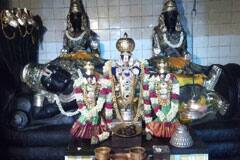
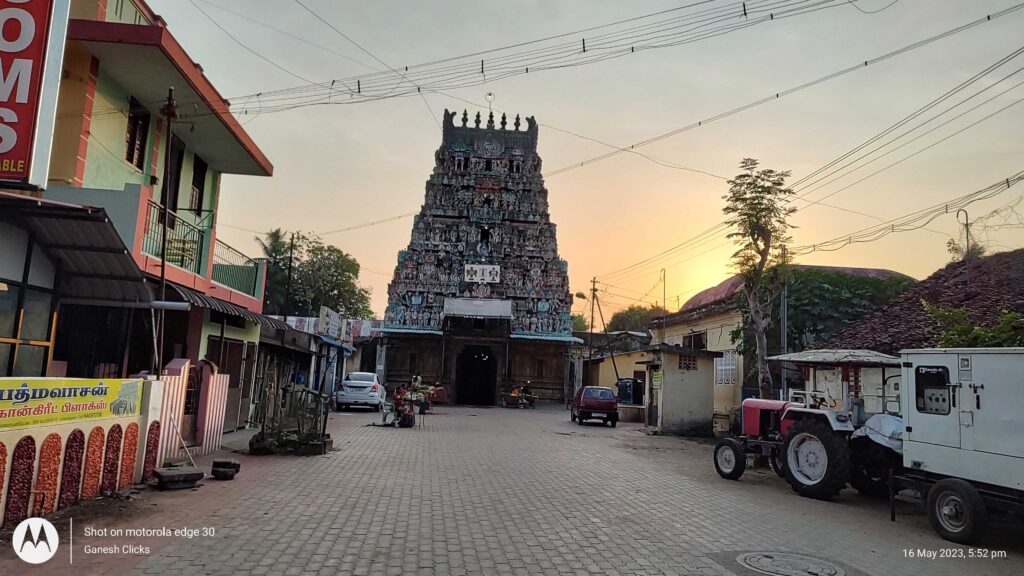
The temple follows a classic South Indian layout but with a modest scale. The entrance is simple, marked by a small gopuram. When you step inside, the courtyard opens up quietly. The layout is clean, without unnecessary extensions. The main deity, Parimala Ranganatha, rests in a reclining posture facing east. The posture is peaceful. Vishnu appears resting on Adisesha, with a facial expression that suggests reassurance rather than grandeur. The idol’s proportions are balanced, and the sanctum carries a soft glow from small lamps. Parimala Valli Thayar has her own shrine. Her form brings warmth to the temple’s emotional tone. Women often visit her shrine seeking balance at home, guidance in family matters or inner strength during transitions.
Architectural elements include a mandapam with granite pillars, carvings of lions, lotus motifs and simple floral patterns, a narrow circumambulatory path around the sanctum, and a temple tank called Indra Theertham, associated with Indra’s worship. The tank is central to the temple’s identity. Its link to Indra adds symbolic weight; it represents clarity returning after confusion, much like water clearing after disturbance. One distinctive feature is the fragrance symbolism tied to the deity’s name. Though the structure itself is granite, the belief is that the divine presence here carries a subtle, soothing emotional fragrance. This sense is passed down through local lore.
Daily puja here is calm and unhurried. Priests perform morning rituals that include suprabhatam, thirumanjanam, alankaram and darshan. The temple stays peaceful throughout the day. Major festivals include Vaikunta Ekadasi, which brings larger crowds, the temple Brahmotsavam, which is celebrated with processions through the village streets, Panguni Uthiram, which is significant for both Perumal and Thayar, Purattasi Saturdays, when devotees traditionally visit Vishnu temples, and special Indra-related worship, focused on renewal and clarity. A unique practice here involves devotees performing prayers for relief from confusion, indecision or prolonged periods of stagnation. Inspired by Indra’s story, people come when they feel stuck or unsettled in life. There is no elaborate ritual for this, just a simple prayer, lighting lamps and quiet reflection. Many women offer flowers at Thayar’s shrine for emotional stability and harmony at home. A sense of sincerity defines the worship practice here. Nothing feels rushed. During festival days, volunteers from the village take charge of decoration, crowd management and prasadam distribution. It is a community-led temple where responsibility is shared.
Reaching Thiruindalur is straightforward. Most pilgrims travel from Mayiladuthurai, which serves as a major access point. The road passes through a stretch of paddy fields before reaching the village. As you enter Indalur, the temple appears naturally among homes and narrow lanes. The village has an easy pace. You’ll find small shops selling tea, snacks and everyday groceries, but nothing commercial or loud. Inside the temple, the atmosphere settles into silence. The stone floor is cool even during warm afternoons. The sanctum often has a faint scent of incense, tulsi and oil lamps. Pilgrims say the temple feels grounding. It gives the sense of a pause rather than a busy religious stop. Many people sit quietly in the mandapam after darshan, taking a moment to collect their thoughts. The temple tank, Indra Theertham, adds to the setting. During certain times of the day, its still water reflects the sky and surrounding trees, giving a feeling of composure. Pilgrims often include this temple with others in the region like Thirunageswaram, Thiru Indhalur (Kaveri thir), Thiruvazhundur and others. But Thiruindalur stands out because of its message: strength returns quietly, not suddenly.
Thiruindalur has a strong place in the local cultural memory because of its connection to Indra. The story of Indra’s renewal is often retold by elders to younger generations as an example of humility and persistence. Thirumangai Alvar’s hymn gives the temple its prominence within Vaishnavism. His verse focuses on Vishnu’s gentle reassurance and the idea that divine help arrives when most needed. The temple finds mention in oral storytelling, festival songs and small religious gatherings in the village. Children grow up hearing about Indra losing his power and regaining it here, which becomes a moral story about learning from mistakes. Local calendar art sometimes depicts Indra praying before Vishnu in his reclining form. These images appear in homes, shops and small roadside shrines. Because the temple links to themes of mental clarity and emotional renewal, many families return here regularly during turning points, career decisions, children’s exams, marriage planning, or difficult phases at home. The temple has helped shape the emotional landscape of the area more quietly than historically grand temples. Its impact is subtle but long-lasting.

The temple today functions with a simple but steady routine. Daily pujas continue without disruption. The administration oversees maintenance, and villagers remain closely involved. Recent repairs include repainting the gopuram, reinforcing parts of the inner mandapam and clearing the temple tank. These updates are done with restraint so the temple’s original structure and atmosphere remain intact. The temple has slowly gained visibility through social media posts by travellers and Divya Desam enthusiasts. This has brought a newer wave of pilgrims, including younger people who are tracing all 108 temples. Despite modern attention, the temple has not become commercial. The mood remains authentic and calm. Worship is still simple, without layers of added rituals. Thiruindalur continues to be a place where people come to reset themselves. In a time when many seek grounding in the middle of uncertainty, the temple’s message feels more relevant than ever.
Thiruindalur is a Divya Desam that speaks to anyone who has lost confidence or direction. Its mythology of Indra’s renewal is relatable and steady. Parimala Ranganatha Perumal’s reclining form reinforces the idea that reassurance often comes in quiet ways. The temple’s architecture, rituals and atmosphere create a space for rest and clarity. It may not be large, but its emotional presence is strong. As part of the Divya Desam journey, it offers a moment of pause, a reminder that setbacks don’t have to define the story. Renewal is always possible. In the wider spiritual map of Tamil Nadu, Thiruindalur remains a gentle, reassuring presence, carrying forward the message of recovery and grace.

