
Welcome to the second quarter of the year! The first quarter of 2026 has already slipped by, almost quietly, almost without asking for attention. It feels like the days have been moving faster than usual, weeks folding into each other, routines taking over, and before you know it, another month is done. There’s been progress, of course, in small and steady ways, but also a sense of time passing just a little too quickly to fully hold on to each moment.
That feeling isn’t just in your head. There is something real behind it. As we grow older, our perception of time changes. One reason is familiarity: when days are filled with similar routines, the brain processes them more efficiently, which can make time feel compressed in hindsight. Novel experiences, on the other hand, tend to slow our perception because the brain is taking in more detail. There’s also a simple mathematical truth: each year becomes a smaller fraction of our total life lived, so it feels shorter compared to earlier years. Attention plays a role, too. When we are constantly switching between tasks, screens, and responsibilities, time can feel fragmented and accelerated. We move quickly through days without fully registering them. Maybe the quiet invitation here is to notice more. To break routine where we can, to create small pockets of novelty, and to be just a little more present in the ordinary. Because even if time feels like it’s speeding up, the moments themselves are still here, waiting to be lived fully.
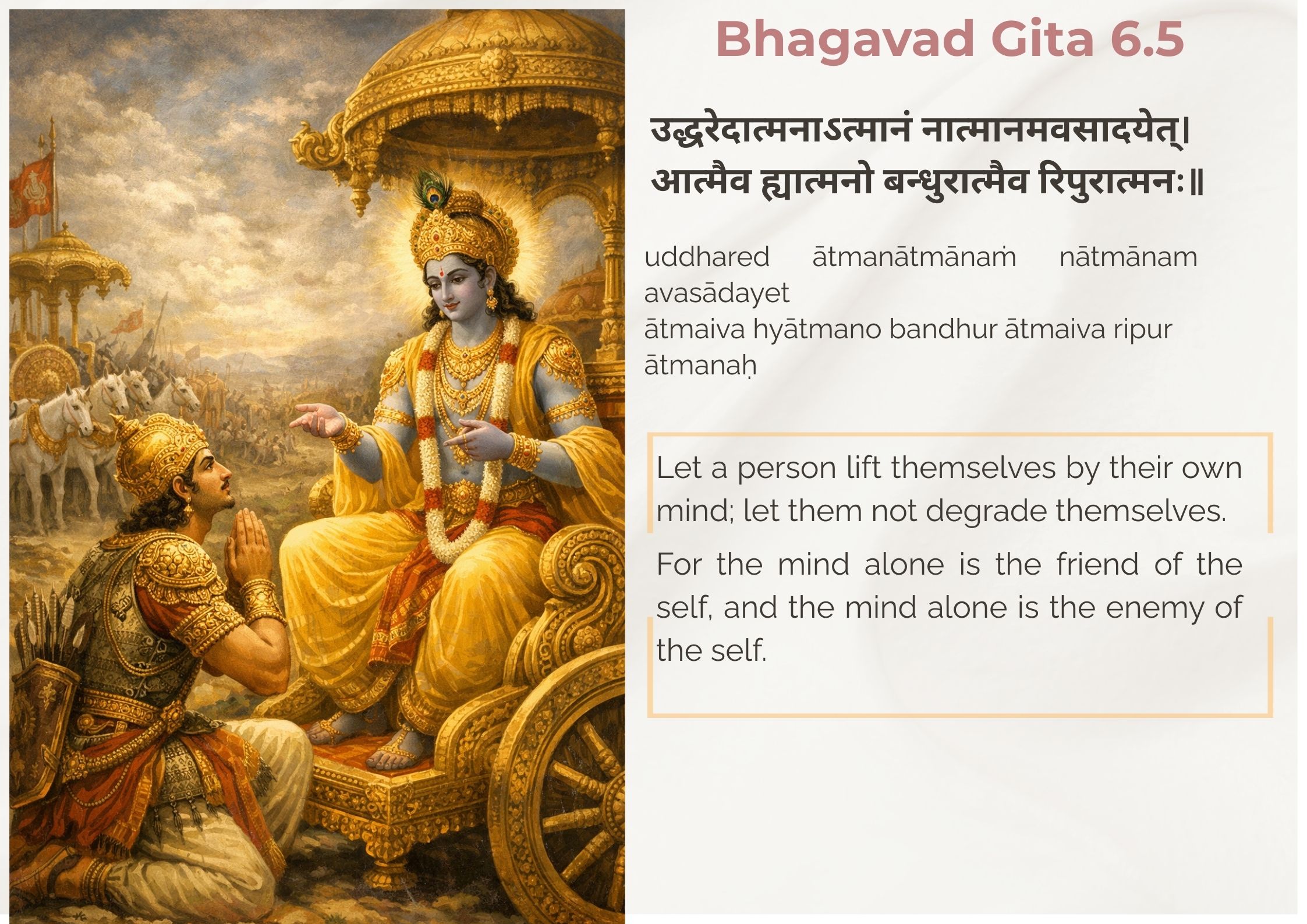
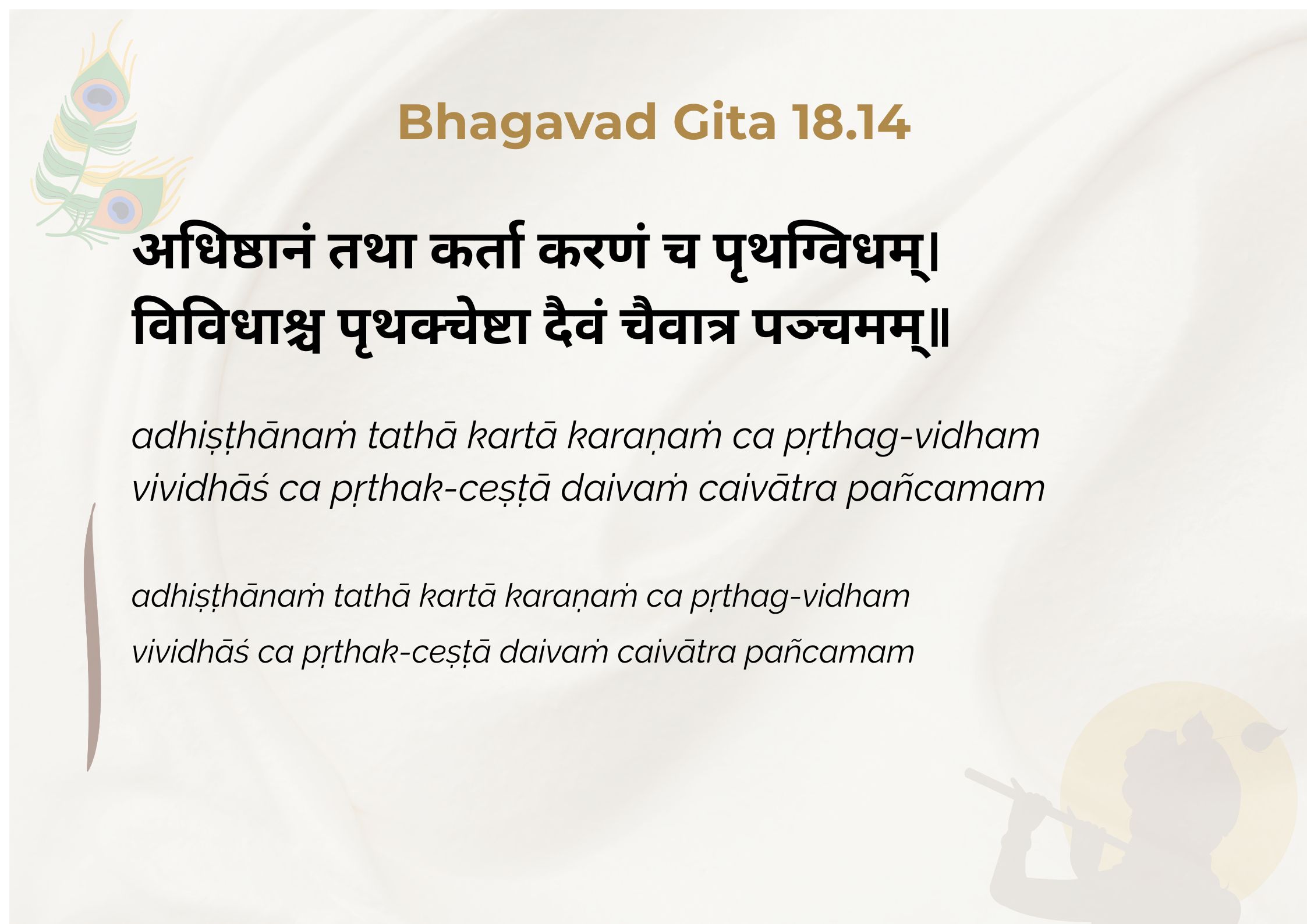
Today’s from the Bhagavad Gita removes excuses gently but firmly. The Gita does not say life is easy. It does not deny circumstance, history, or difficulty. But it says something uncomfortable: the direction of your inner life is largely yours. The mind can sabotage. It can replay, exaggerate, assume, and spiral. Or it can be steady, interpret wisely, and choose restraint. The same mind that drags you down can become your strongest ally. Self-mastery here does not mean suppression. It means responsibility. It means noticing the narrative you are repeating and asking whether it is useful. It means choosing discipline when indulgence feels easier. April begins here: not with a dramatic transformation, but with the quiet decision to stop being your own obstacle. The Gita is not asking for perfection. It is asking for participation.
This week, let’s see how joy is a choice you need to make every day. Notice what’s good, even amid chaos and struggle. Celebrate the small wins, and savour the moments of light in your day more fully. Even when life feels heavy, you can still find something to laugh about. Challenges are a part of life, but that doesn’t mean you have to deprive yourself of the experience of joy. You don’t have to wait for things to be perfect to embrace happiness
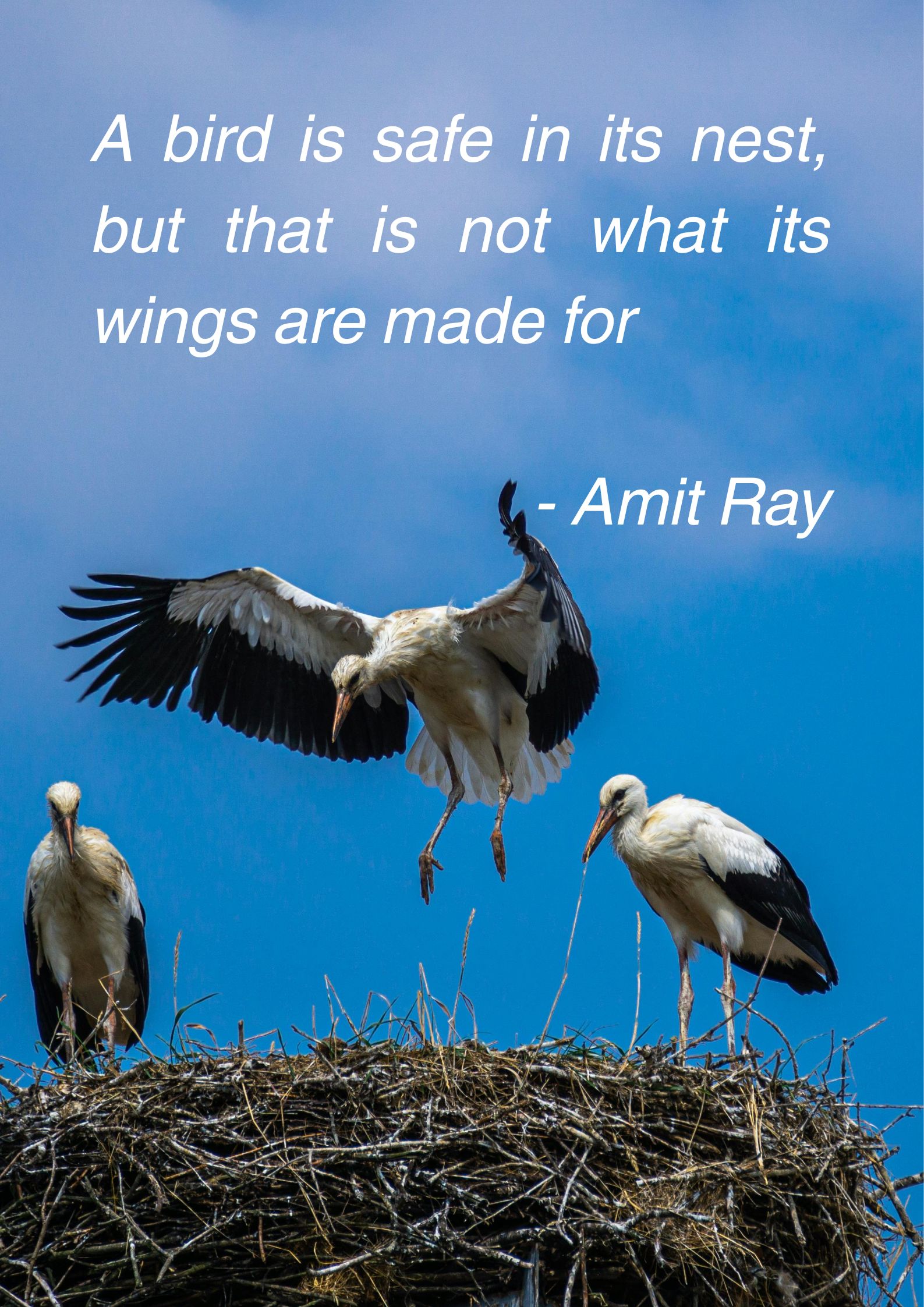
Today’s quote by Indian spiritual teacher, author, and meditation guide known for his work on mindfulness, compassion, and inner transformation, Amit Ray, is a gentle but powerful reflection on comfort, growth, and purpose. The nest represents safety, familiarity, and security. It is where the bird is protected, where nothing is uncertain or threatening. But the quote reminds us that safety, while important, is not the ultimate purpose of life.
Wings are meant for flight: for exploration, movement, and expansion. In human terms, this speaks to our potential. We are not meant to stay confined within what is comfortable or predictable. Growth often requires stepping beyond what feels safe, even when it brings uncertainty. If we remain only where we feel secure, we may protect ourselves from risk, but we also limit our ability to discover what we are capable of. The quote doesn’t dismiss the value of the “nest.” Rest, grounding, and safety are necessary. But they are not meant to become permanent boundaries. At some point, we are meant to venture outward: to try, to fail, to learn, and to grow. That is where life becomes fuller and more meaningful. There’s also an element of trust here. Just as a bird must trust its wings, we must trust our abilities, instincts, and resilience. The fear of leaving the familiar is natural, but it often stands between us and our potential.
As we step into the second quarter of 2026, there’s a quiet sense of recalibration. The urgency of the year’s beginning has softened, and what lies ahead feels less like a sprint and more like a steady unfolding. Q2 offers space to refine what we started, to build with a little more intention, and to move forward without the pressure of perfection. Perhaps this is the quarter to focus on consistency over intensity. To follow through on what matters, adjust what isn’t working, and allow progress to take shape in quieter, more sustainable ways. There’s still plenty of the year ahead, so no need to rush, just enough reason to keep going.
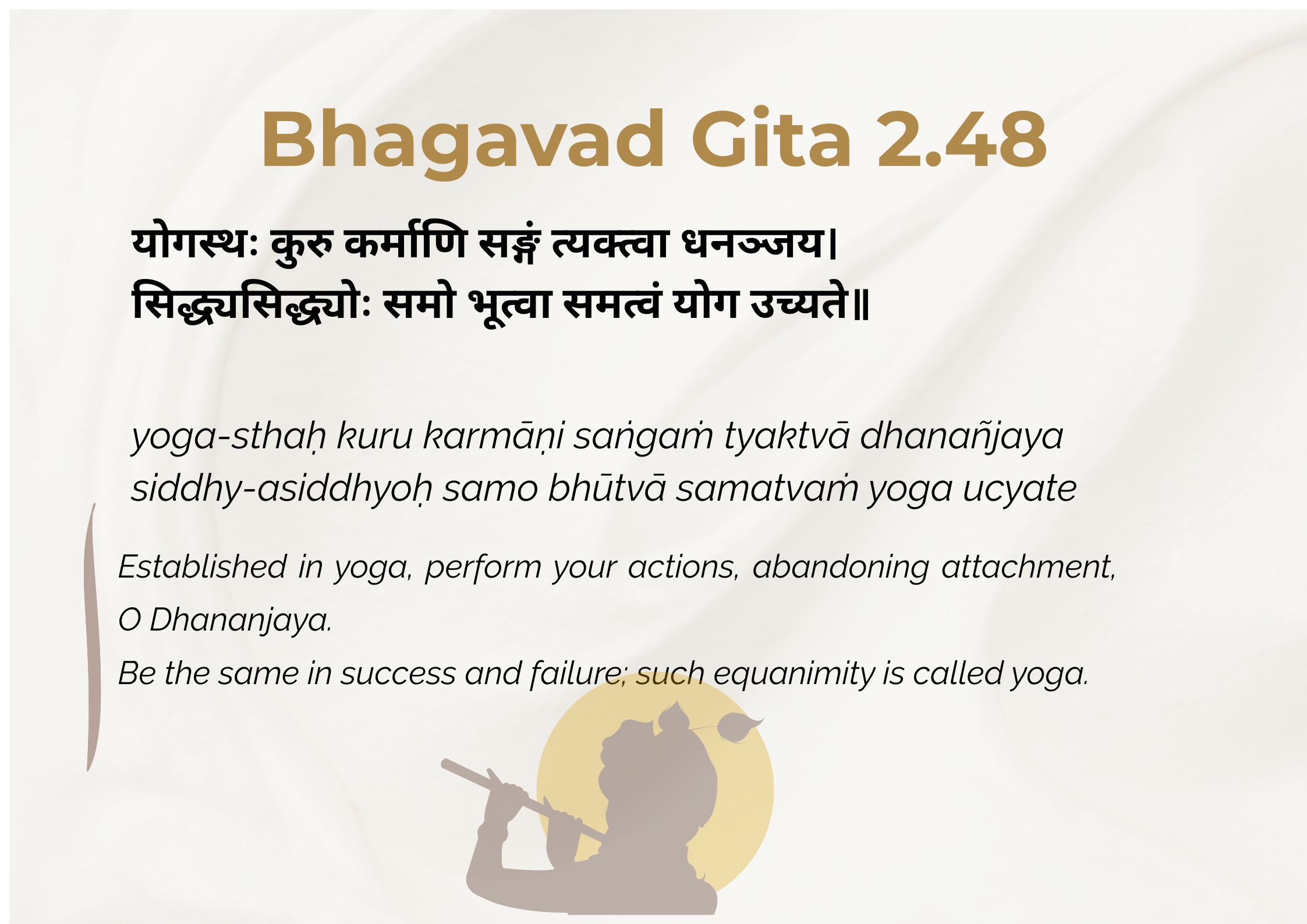





 Memories and Such