Mumbai Memories: The Preservation of the Agraharam Tamil Dialect

Growing up, everyone around me spoke Tamil or a Malayalam-tinged Tamil, and I didn’t think anything was amiss. This was my normal. I did hear a slightly different Tamil in the movies, but I didn’t really think too much about it, assuming it was normal for films to sound that way. However, after I moved to Singapore, I experienced culture shock in terms of the Tamil language spoken. The first one came from S and his family, who spoke Tamil, but it was slightly different from what I spoke and had heard spoken all my life. When I asked them, they said their Tamil is the Tamil of the masses, and when they spoke the Tambram dialect, they were teased and made fun of in school and outside, so over the years, the Tambram community in Singapore slowly stopped speaking that dialect and instead switched to the more locally spoken version.

But I am adamant about preserving my heritage, and so far have refused to succumb to subsuming my dialect into the standard Tamil. I don’t speak a lot of Tamil here in Singapore, but when I do, it’s the Tambram Tamil I spoke while growing up. Even with GG & BB, I always spoke to them in this dialect, but given their mostly English language usage, there’s not much hope that they will continue to speak this dialect, and so, at least in my family, the dialect will end with me.

However, the Tamil Brahmins from Tamil Nadu and Kerala who migrated to Mumbai in the 1930s, 1940s, and 1950s have remarkably preserved their Agraharam-style Brahmin Tamil dialects, setting them apart from their counterparts who remained in South India and gradually adapted their speech to local influences. This linguistic retention became a hallmark of communities in areas like Matunga and Chembur, where strong social bonds and cultural traditions reinforced the continuity of dialect and identity across generations.

The migration of Tamil Brahmins to Mumbai was driven by economic opportunities, education, and employment, especially in the early to mid-20th century. Communities from Palakkad in Kerala and Tanjore in Tamil Nadu settled in “urban agraharams” in Mumbai, where they recreated their traditional neighbourhoods with proximity to temples and strong community networks. These settlements fostered a unique microcosm reminiscent of their ancestral villages, creating an environment conducive to linguistic and cultural preservation.

Unlike Brahmins in Tamil Nadu and Kerala, who gradually incorporated elements of regional dialects and accents due to increased interaction with other linguistic communities, those settled in Mumbai retained the Brahmin Tamil dialect, often marked by Sanskritised vocabulary, specific pronunciation patterns, and unique idiomatic expressions. This form of speech, sometimes referred to as “Brāhmik” or “Agraharam Tamil,” remained virtually unchanged for decades because within these tight-knit Mumbai communities, Tamil was spoken largely among themselves, with limited outside influence.

Agraharam Tamil, as spoken by Mumbai’s Tamil Brahmin community, is distinguished by specific lexical, phonetic, and grammatical features that have remained remarkably consistent over decades. Vocabulary features include the extensive use of Sanskrit loanwords or Sanskritised Tamil vocabulary, even for everyday terms (e.g., “upahara” instead of “tiffin” or “snack”); a preference for traditional Brahmin Tamil words such as “aathu” (home) instead of the more common “veetu”; and words and phrases for family, kinship, and rituals that retain old usage (e.g., “aaththu manushaa” for family members).

Pronunciation and phonetic features include the retention of retroflex and “zh” sounds, as in “Tamizh”; here, the older pronunciation is kept alive. Pronunciation is stricter with consonant stress and word-final vowels that are preserved, sometimes more closely adhering to Sanskrit or North Indian phonology (e.g., “Bhāratham” rather than “Bāratham”). The word-final “u” pronounced as a full back vowel in specific contexts.

Grammatical distinctions include specific verb conjugations unique to Brahmin Tamil, such as “varela?” (Are you coming?) versus “vareengla?” in non-Brahmin Tamil. The imperatives use “vaango” (please come) instead of “vaanga”, while the third person plural is often merged with feminine forms, maintaining certain archaic grammatical constructions.

Idiomatic and register features include the frequent use of polite, honorific forms and respectful address stemming from Agraharam culture (words like “mama” and “mami” used for elders or equals), and idioms, greetings, and proverbs rooted in traditional religious or familial contexts.

Social features of the Agraharam Tamil include the use of the dialect within the community for cultural, religious, and domestic discourse, but a code-switch to standard Tamil, English, or Hindi in broader Mumbai society. These features set Mumbai’s Agraharam Tamil apart from both non-Brahmin Tamil and the evolving Tamil of South India, preserving an older, Sanskritised, culturally distinctive dialect in a modern urban setting.

Matunga, Chembur, and similar neighborhoods facilitated daily use of Tamil in religious, social, and family settings. Social gatherings, festivals, and temple activities provided communal reinforcement, allowing younger generations to hear and use the traditional dialect frequently. The cultural insularity of these groups, everyone known as “mama” (uncle) or “mami” (aunt), further insulated their speech patterns from citywide influences, slowing language attrition compared to other urban South Indian populations.

First-generation migrants spoke fluent Palakkad or Tanjore Tamil and often Malayalam, while their children balanced multilingualism, learning Hindi, Marathi, and English for school and work but still using traditional Brahmin Tamil at home. Over time, the third generation adopted more of Mumbai’s urban culture, leading to some language shift, but remnants of the original dialect persist in family conversations, proverbs, and religious contexts.

Brahmins remaining in Tamil Nadu and Kerala were more exposed to local non-Brahmin speech and urban Tamil developments. Political changes and cultural movements led to linguistic adaptation, and many Brahmin families shifted towards regionally dominant accents. In contrast, Mumbai’s Tamil Brahmins maintained a diaspora-style “mini Madras,” echoing older, more formal acculturations of Tamil.

Brahmin Tamil is generally characterised by an elevated use of Sanskrit borrowings, a conservatism in pronunciation and grammar, distinct idiomatic expressions, greetings, and terms, and the retention of certain words, sentences, and intonations associated with temple rituals or traditional family interactions.

These urban agraharams not only preserved language but also traditional food, dress (such as “pavadai” for girls), festivals, and rituals, further reinforcing linguistic distinctiveness. The synergy between physical environment (temple proximity, cohesive housing) and social activities ensured that dialect and culture remained intertwined and resistant to outside change for many decades.

The enduring legacy of the Agraharam-style Tamil dialect among Mumbai’s Tamil Brahmins is a testament to the resilience of cultural identity in the face of migration and urbanization. These communities have preserved not just a way of speaking, but a way of being, deeply rooted in tradition, even as they embraced the cosmopolitan vibrancy of Mumbai.

Sacred Stones, Spaces, and Stories: Jyotirlingas Part 2 – Somnath Temple

Somnath Temple, located in Prabhas Patan near Veraval on the western coast of Gujarat, India, is renowned as the first among the twelve sacred Jyotirlinga temples of Lord Shiva. Revered as Somnath, which means “Lord of the Moon,” the temple is intimately tied to ancient Hindu mythology and spiritual tradition. Positioned at the confluence of three rivers: Kapila, Hiran, and Saraswati, Somnath is not only a centre of profound religious significance but also a testimony to India’s enduring faith, resilience, and heritage. The temple serves as a radiant beacon for devotees seeking spiritual upliftment and a connection to the divine cosmic light that Shiva embodies.

The legends surrounding Somnath are as ancient as they are captivating, weaving together cosmic elements and divine intervention. The temple’s origins trace back mythologically to the Moon God, Soma or Chandra, who, according to legend, was cursed by his father-in-law, Daksha, for favouring his wife Rohini over his 27 other wives. This curse gradually dimmed Soma’s luminescence, threatening his celestial brilliance.

Desperate to redeem himself, Soma came to this sacred confluence, bathed in the Saraswati River, and prayed intensely to Lord Shiva for relief. Impressed by his devotion, Shiva lifted the curse, restoring Soma’s radiance, symbolising the waxing and waning moon cycles. In gratitude, the Moon God established the first temple of Lord Shiva here, dedicating it as Somnath, the protector of Soma’s lost lustre.

Another symbolic legend connects Somnath to the mythical Syamantaka jewel, associated with Lord Krishna, intertwining it with epic lore. The temple is also seen as a place where Lord Shiva manifests directly in the form of a Jyotirlinga, a column of radiant, unending light, representing the formless infinite. Devotees visit Somnath believing it to be a gateway to the divine and a powerful purifying force for the soul.

Somnath’s history is a tapestry of spiritual glory, cultural riches, repeated devastations, and resilient restoration. It is one of the earliest known Hindu pilgrimage sites, mentioned in sacred texts like the Skanda Purana and the Rigveda. Its sanctity as a Jyotirlinga dates back thousands of years.

The temple site, originally called Prabhas, was visited by ancient kings, including the Gurjara-Pratihara Nagabhata II in the 9th century. The first major stone temple is believed to have been constructed or renovated by the Solanki ruler Bhima I in the 10th century. However, Somnath is no stranger to destruction. It was famously looted and demolished by Mahmud of Ghazni in 1025 AD, an event deeply etched in Indian history. Though he broke and took rich temple treasures, the temple’s sacred Jyotirlinga was said to have been protected or quickly restored by faithful custodians, and the site continued as a pilgrimage destination. Over the centuries, Somnath experienced multiple waves of destruction by invaders and periodic restorations by devout kings like the Chaulukya ruler Kumarapala in the 12th century.

In the medieval period, the temple was sacked again in 1299 by Alauddin Khalji’s forces. Yet, the resilience of Somnath is legendary, each destruction was met with reconstruction, underscoring the indomitable spirit of Hindu worshippers. The most momentous reconstruction in modern times was completed in 1951, spearheaded by Sardar Vallabhbhai Patel, India’s first Deputy Prime Minister, as a symbol of India’s unity and revival after independence.

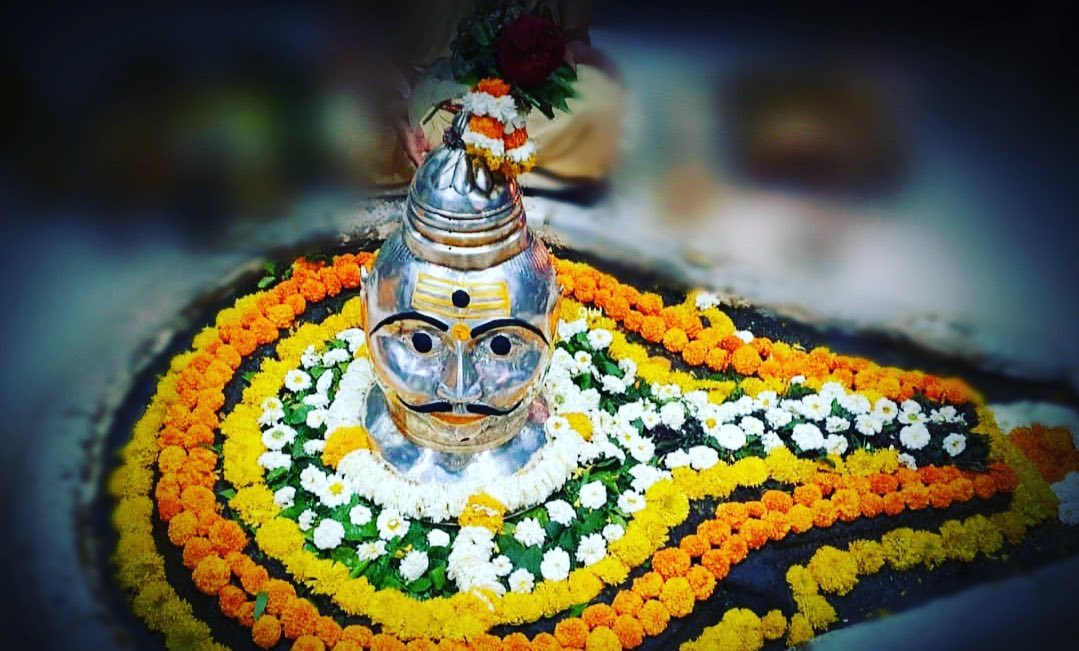
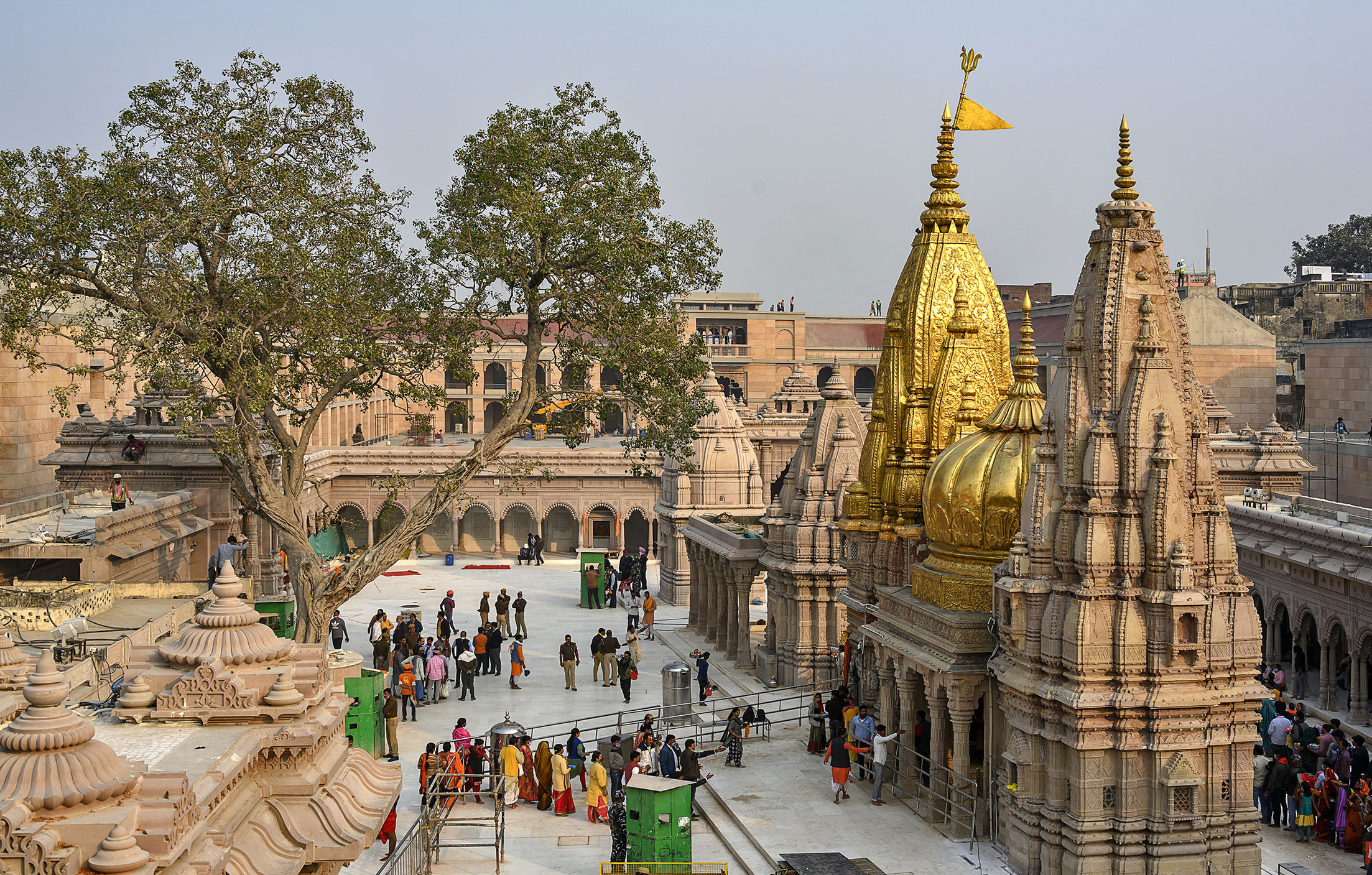
Today’s Somnath Temple blends tradition and grandeur in its architecture, reflecting the classic Chalukyan style infused with contemporary architectural revivalism. Positioned majestically on a rocky promontory overlooking the Arabian Sea, the temple’s striking silhouette is a blend of solid stonework and intricate carvings.

The temple complex is built predominantly of sandstone and marble, structured with multiple spires or shikharas that mimic the radiant cosmic pillar of light symbolised by the Jyotirlinga. Its massive walls and gateways bear sculpted depictions of Hindu deities, mythological tales, and floral motifs. The temple’s sanctum sanctorum houses the main Shiva lingam, enshrined beneath a large shikhara that draws the eyes heavenward. The temple layout adheres to traditional Hindu temple design principles, with an imposing mandapa or assembly hall leading to the garbhagriha or sanctum. The outer halls and corridors accommodate multitudes of pilgrims, emphasizing accessibility and communal worship.

The temple’s coastal location is architecturally significant, achieved by careful stone construction resistant to salt air corrosion and sea winds. The sound of the waves around the temple adds a dynamic aesthetic, enriching the spiritual atmosphere.

Beyond its spiritual and historical significance, Somnath Temple also houses a unique monument that reflects the advanced scientific and geographical knowledge of ancient India: the Baan Stambh or Arrow Pillar, which connects the temple’s sacredness with an extraordinary understanding of Earth’s geography. Dating back to approximately the 6th or 7th century CE, the pillar bears an inscription stating that if one were to draw a straight line due south from Somnath, there would be no landmass until reaching the South Pole or Antarctica. This claim: “there is no hindrance or no piece of land till the South Pole on this path”, has been confirmed by modern geographical knowledge and satellite imaging, making it a stunning testament to the advanced understanding of geography, astronomy, and Earth’s spherical nature held by ancient Indian scholars. This knowledge, inscribed centuries before the advent of modern navigation, points to a rich scientific heritage where spiritual sanctity and empirical observation coexisted. The pillar stands not only as a physical monument but as a symbol of India’s profound legacy in merging cosmic insight with earthly wisdom.

Somnath Temple’s ritual calendar is rich and vibrant, overseen by a dedicated group of priests who maintain continuous worship. Daily worship begins at dawn with the abhisheka, ceremonial bathing of the Shiva lingam with holy water, milk, honey, and bilva leaves, the sacred trifoliate leaves associated with Shiva. Devotees witness elaborate chants of the Vedas alongside the ringing of temple bells and burning of incense.

The temple celebrates all major Shiva festivals with grandeur, especially Mahashivaratri, attracting tens of thousands of devotees who vow fasting, night vigils, and special prayers to honor Shiva’s cosmic dance and benevolence. Other notable observances include Somvati Amavasya or New Moon days falling on Monday and Pradosham, days auspicious for Shiva worship.

Distinctive traditions include pilgrim offerings of coconuts, flowers, and silver bells, and the distributing of prasad or blessed food. Local communities participate actively in festival preparations, processions, and maintenance, highlighting the temple’s role as a shared spiritual and social space.

The journey to Somnath is as much a spiritual pilgrimage as a physical voyage. Located some 400 km from Ahmedabad, the temple is accessible by road, rail, and nearby airports at Diu and Rajkot. Pilgrims often combine visits with other nearby sacred sites in the Saurashtra region.

The town of Prabhas Patan around Somnath is known for its warm hospitality, with countless accommodations, eateries, and shops catering to pilgrims. The experience is enriched by the coastal ambience, sea breeze, and views of the Arabian Sea, making the temple visit soothing and contemplative. Many pilgrims recount tales of healing and peace upon arriving at the temple, reflecting its atmosphere of solemnity mingled with jubilant devotion. Local folklore includes stories of miraculous events, divine interventions, and blessings that have drawn believers for centuries.

Somnath Temple’s significance transcends religion; it has inspired literature, music, and art through ages. Praises of Somnath appear in Bhakti poetry, classical Sanskrit texts, and folk songs, celebrating Shiva’s power, the temple’s sanctity, and the heroic resilience of its custodians. The temple is a cultural symbol of Gujarat and India’s Hindu heritage, frequently invoked in nationalist narratives, especially post-independence, as an emblem of cultural integrity against adversity. Artistic depictions of Somnath adorn paintings, sculptures, and modern media, captivating visitors and devotees alike. The temple’s resilient history and spiritual aura continue to inspire performances, lectures, and pilgrim tales, contributing to the living cultural fabric of the region.

In the present day, Somnath Temple operates under the Shri Somnath Trust, which manages its maintenance, festivals, and visitor amenities. The temple is a major tourist and pilgrimage destination attracting millions annually, boosted by government initiatives to improve infrastructure and global awareness campaigns. Modern restoration efforts utilise advanced conservation techniques, blending heritage preservation with accessibility upgrades. The temple’s security and administration reflect contemporary needs while honoring traditional customs. Somnath’s festivals remain vibrant, incorporating large-scale events coupled with spiritual discourse, outreach, and cultural programs. Besides worship, the temple premises host charitable activities and community services.

The Somnath Temple stands as a luminous sentinel of India’s spiritual heritage: the first Jyotirlinga, a symbol of Shiva’s infinite light, lunar cycles, and divine resilience. Its history embodies the oscillation between destruction and spiritual revival, mirroring the eternal cycles Shiva governs. As the southern gateway of the Jyotirlinga pilgrimage circuit and a beacon for seekers of faith and renewal, Somnath not only enriches the religious landscape but also reflects the enduring cultural soul of India. Its sacred stones, rituals, and stories continue to draw pilgrims and culture lovers, ensuring that the eternal flame of Somnath shines brightly for generations to come.

Beat the Quit: Outsmarting Quitters Day and Winning at Resolutions

Quitters Day, observed on the second Friday of January, has become a cultural milestone that spotlights a common challenge: keeping New Year’s resolutions.

What Is Quitters Day? Quitters Day refers to the day when most people give up on their New Year’s resolutions, typically falling on the second Friday of January. Coined through analysis of data from fitness apps such as Strava, this day marks the point at which enthusiasm for ambitious goals starts to diminish and the realities of daily life set in. While the name may seem tongue-in-cheek, Quitters Day represents a genuine phenomenon rooted in human behaviour and motivation.

The concept of setting goals for the new year dates back roughly 4,000 years to the ancient Babylonians, who made promises to gods at the start of their calendar year (which began in spring, not January). With time, this tradition evolved and became a global practice, with January 1 serving as a symbolic reset for millions.

Quitters Day’s specific origin is data-driven: In 2019, Strava analysed 800 million activities logged by users and found that most give up on their resolutions by the second Friday of January. Recognising a sharp drop-off in goal-oriented activity, Strava dubbed this day “Quitters Day.” Since then, the day has been covered by major media and wellness advocates as an opportunity not to mock, but to encourage reflection, refocusing, and resilience.

Why do we quit? The psychology behind giving up
Most people start the year with ambitious resolutions: lose weight, get fit, save money, or eat healthier, but the drive and novelty quickly dwindle as daily routines and challenges resume. Studies show that up to 80% of New Year’s resolutions fail by February, and only about 6% of people persist through the year.

Common psychological barriers include:

  • Overambition: Setting unrealistic or overly broad goals leads to discouragement when progress is slow or setbacks occur.
  • Loss of motivation: The initial excitement wears off after a few weeks, making routines feel burdensome.
  • Lack of social support: Isolation makes it harder to stick to challenging habits, while support systems strengthen accountability.
  • Neglecting process: Focusing solely on outcomes rather than the daily habits that produce results can undermine motivation and adaptability.

Strategies to stay on track
Defeating Quitters Day and making resolutions last throughout the year is possible with intentional preparation, realistic goals, and proactive strategies. Below are proven tips and tricks:

  • Be picky with resolutions: Choose one or two meaningful goals rather than a long list. This prevents overwhelm and sets the stage for success. Being specific with resolutions, such as “go to the gym thrice a week” rather than “get fit,” also helps clarify the path forward.
  • Plan and prepare: Effective planning includes scheduling time for your goal, anticipating possible setbacks, and breaking down your resolution into smaller, actionable steps. For example, if quitting smoking is the target, research average timelines and expected withdrawal symptoms, and get support ready for tough moments.
  • Focus on process, not just outcomes: Success comes from developing daily habits rather than chasing distant results. Emphasise routines and create a supportive environment that fosters your goals: keep healthy snacks handy if you’re seeking to eat better, lay out workout clothes in advance for exercise objectives, and use reminders to keep commitments top-of-mind.
  • Create a supportive social network: Studies highlight that accountability and support strengthen the likelihood of sustaining habits. Join online communities, fitness groups, or simply share your goals with a friend or partner who can encourage and motivate you. Being part of a tribe lightens the emotional load and transforms challenges into collective endeavours.
  • Track progress and celebrate wins: Monitor your efforts and celebrate even the smallest successes. Use journals, apps, or planners to record achievements, reflect on setbacks, and measure growth over time. Small milestones, like completing a workout or resisting a craving, reinforce positive behaviour and keep motivation high.
  • Stay flexible and resilient: Anticipate setbacks and view them as learning opportunities, not failures. Life will disrupt routines and present temptations, but developing strategies for getting back on track is crucial. Recommit to your goal for a day, then a week; incremental recommitments compound into lasting habits.
  • Make goals specific and measurable: Use the SMART framework, which stands for specific, clear, and concrete goals; measurable and trackable outcomes; achievable and realistic expectations; relevant and personally meaningful; and time-bound deadlines or schedules set. Instead of “exercise more,” try “run 2 miles on Monday, Wednesday, and Friday for 2 months,” a goal you can monitor and adjust.
  • Keep a written commitment: Write goals down and revisit them regularly. People who articulate their objectives are significantly more likely to achieve them. Posting notes, using digital reminders, or sharing commitments on social media can raise accountability and reinforce intentions.
  • Embrace positive self-talk: Replacing negative inner dialogues (“I’ll never stick with this”) with encouraging ones (“I’ve made it this far; I can continue”) helps maintain persistence. Visualise success, use affirmations, and focus on progress rather than perfection.
  • Return after slipping up: Missed workouts or momentary lapses don’t equal failure. View setbacks as inevitable and temporary. Instead, recommit immediately, focusing on short intervals, day by day or week by week, until momentum returns.

Countless individuals have turned around their Quitters Day experiences by leveraging these strategies. For example, some have found that exercise adherence improves dramatically when joining group classes or training with a partner. Others report that food journaling, regular reflection, and celebrating tiny victories create positive reinforcement loops that sustain motivation long-term.

From quitting to thriving
Quitters Day puts a spotlight on a widespread challenge but also creates opportunities for growth, reflection, and renewed determination. Use Quitters Day as a checkpoint: reassess, adapt your approach, and recommit with fresh energy and smarter tactics.

Success with New Year’s resolutions is not about avoiding setbacks but developing resilience, adaptability, and self-compassion in how goals are pursued. Each stumble can be a step toward long-term change if met with persistence and strategic adjustments.

Actionable Tips
Success with New Year’s resolutions relies on building strong habits and choosing achievable objectives. Start by setting realistic goals, focusing on just one or two key changes rather than tackling an overwhelming list. This approach streamlines attention and energy, making progress more attainable. Planning is pivotal; break goals into smaller, actionable steps and anticipate obstacles, preparing solutions in advance to boost follow-through.

Instead of placing all focus on future outcomes, prioritise the everyday processes that lead to change. Daily routines and thoughtful adjustments become the true drivers of long-term success, while building a supportive network elevates commitment and accountability. Whether teaming up with a friend or joining a group, sharing your goals increases motivation and helps overcome challenges.

Tracking progress and celebrating wins along the way reinforce good habits and maintain inspiration. Even small milestones warrant recognition, fostering positive momentum. By embracing setbacks and remaining flexible, recommitting after slips, individuals cultivate resilience and the capacity for growth. To further enhance commitment, write down goals in visible places and revisit them regularly; this practice helps reinforce intentions and clarifies priorities.

Positive self-talk is another powerful tool. Encouraging affirmations and a constructive mindset shape persistence as obstacles arise. Ultimately, returning to your aim after setbacks and narrowing your focus to short-term intervals helps regain momentum, proving that sustainable improvement is founded on resilience, adaptability, and self-compassion.

If the second Friday in January finds motivation waning and old habits creeping back, remember: Quitters Day isn’t an endpoint, but an invitation to pause, regroup, and press forward. With realistic planning, focus on process, enduring support, and flexibility, every resolution can become a sustainable new reality.

Sacred Stones, Spaces, and Stories: Jyotirlingas Part 1

In the vast and intricate tapestry of Indian spirituality, certain symbols resound across centuries, uniting story, devotion, architecture, and memory. Among these, the concept of Jyotirlinga occupies a place of deep reverence. These are not simply temples, not merely shrines, but radiant embodiments of the infinite cosmic light of Lord Shiva, that manifest in forms that bridge the seen and unseen, the earthly and transcendent.

In Sanskrit, Jyoti means “light” and Linga means “mark” or “sign.” Thus, a Jyotirlinga is the “radiant sign of Shiva.” Devotees believe that these shrines are not representations of Shiva crafted by human effort but are rather natural manifestations of his infinite energy, breaking through the earthly veil as columns of light.

There is a famous story in the puranic tradition: once, the gods Vishnu and Brahma debated the supremacy of creation and preservation. To settle their disagreement, Shiva manifested as an endless pillar of light, extending beyond all measure. No beginning, no end, just infinite brilliance. Brahma and Vishnu, even with all their might, failed to find its origin or terminus. That boundless beam is the essence of the Jyotirlinga.

Each Jyotirlinga temple is thus not merely a place of worship but a cosmic reminder that divinity cannot be contained, only glimpsed. While many Shiva temples exist across the subcontinent, thousands upon thousands, the twelve Jyotirlingas are especially sacred, each considered a direct site where Shiva revealed himself as light.

The Shiva Mahapurana recounts that originally Shiva manifested in innumerable Jyotirlingas, but twelve came to hold supreme prominence. These are spread across India, forming not a neat geographical circle but a sacred web binding disparate landscapes into a single spiritual network.

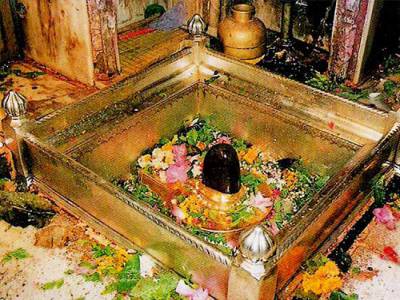
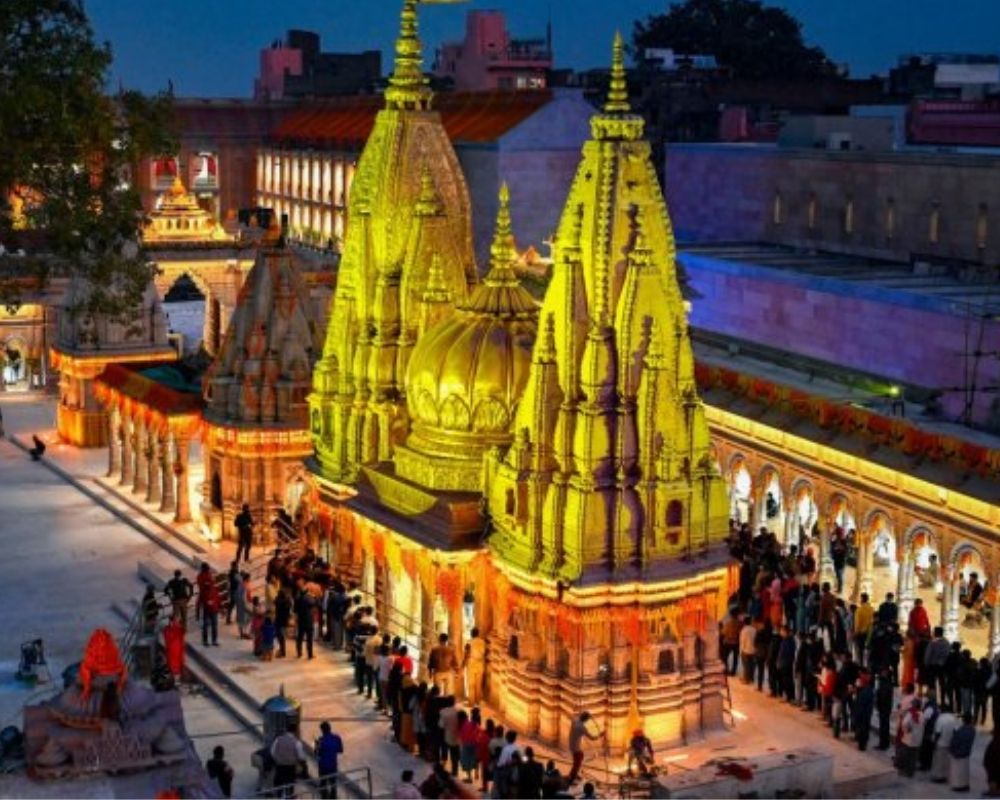
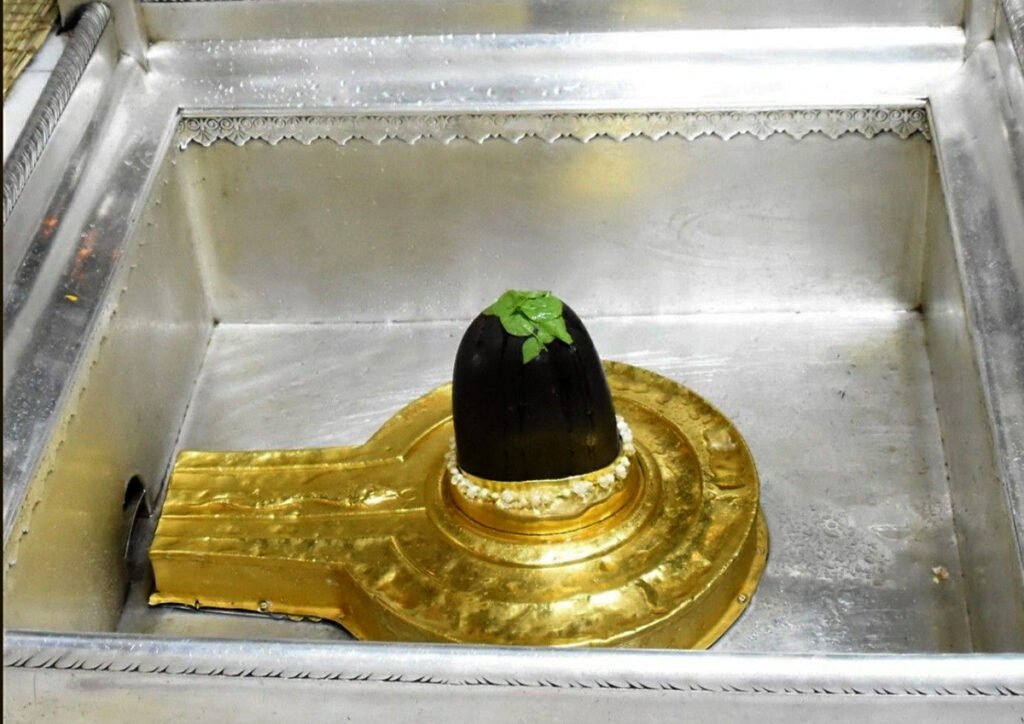
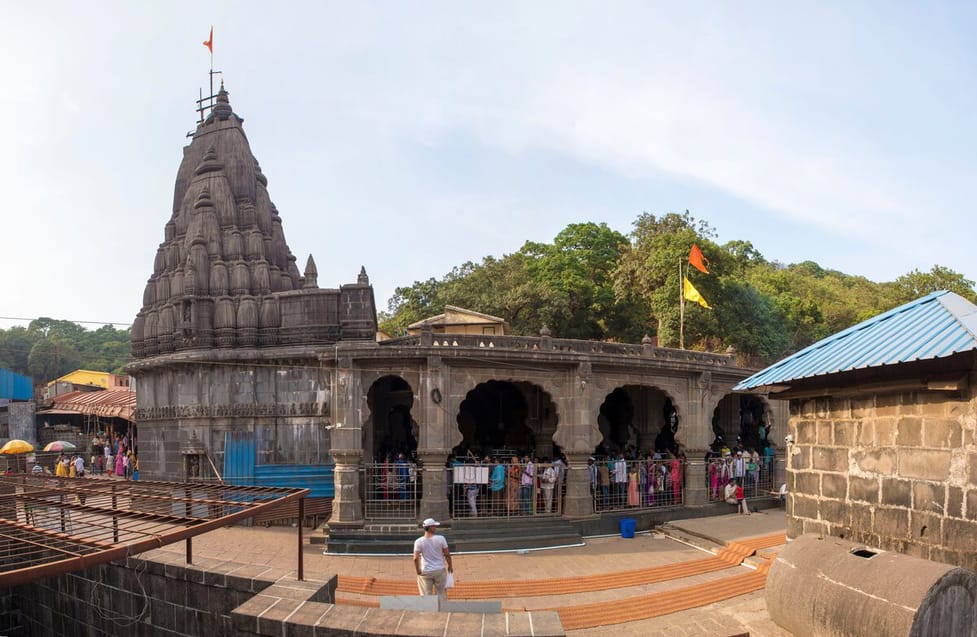
The 12 Jyotirlingas are traditionally named as: Somnath, Mallikarjuna, Mahakaleshwar, Omkareshwar, Kedarnath, Bhimashankar, Vishwanath (Kashi Vishwanath), Trimbakeshwar, Vaidyanath, Nageshwar, Rameshwaram, and Grishneshwar.

Each has its unique legends, but collectively, they narrate a larger cultural truth: the omnipresence of Lord Shiva. From the Himalayan slopes of Kedarnath to the coastal waves of Rameshwaram, from the deserts of Gujarat to the dense temples of Maharashtra, the Jyotirlingas embody the principle that divinity pervades all terrain, all time, all people.

Unlike pilgrimages that cluster around one region, the circuit of Jyotirlingas cuts across the entire Indian subcontinent. This makes them not only holy destinations but also cultural highways through which stories, practices, and communities travelled.

North and South: Kedarnath rises in the snow-clad Himalayas, while Rameshwaram marks the southern reach of the Tamil coast.
East and West: Vaidyanath lies in today’s Jharkhand, while Somnath shines on Gujarat’s western shoreline, carrying centuries of resilience in the face of invasions.
The Central Heartland: Madhya Pradesh hosts temples like Omkareshwar and Mahakaleshwar, where Narmada and timeless cityscapes converge.

In this way, the Jyotirlingas collectively become not just a religious map but also a civilizational geography, showcasing the range of India’s landscapes, heritage, and local traditions. For pilgrims over centuries, undertaking journeys to one, several, or all of the Jyotirlingas was not just about devotion but about experiencing the vastness of their own homeland: mountain, river, plain, forest, desert, and sea, each sanctified by Shiva’s light.

At the heart of every Jyotirlinga is a story. But unlike fixed myths, these narratives exist in multiple versions, layered and adapted across regions. Somnath tells of the moon god’s relief from a curse; Omkareshwar emerges from the tale of divine contest on the Narmada; Kedarnath is linked with the penance of the Pandavas after Kurukshetra; Rameshwaram connects to Rama’s journey before crossing the sea to Lanka. In these stories, we glimpse a pattern: the Jyotirlinga shrines don’t emerge only from abstract theology but are deeply entwined with epic history, cosmic events, and moral lessons. Some legends highlight the consequences of pride, others the power of repentance, still others the compassion of Shiva as healer, protector, or cosmic witness. These stories also underscore a uniquely Indian way of sacralising geography: temples are not arbitrary but spring from mythic episodes rooted in the very soil, waters, or mountain where the shrine arose.

Though united in sanctity, the Jyotirlinga temples are strikingly diverse in architectural style. This diversity mirrors India’s regional creativity with each temple absorbing the styles of dynasties, local artisans, and materials at hand. Somnath rebuilt multiple times, embodies defiance and renewal, its sandstone spire rising against the Arabian Sea. Mahakaleshwar holds its sanctum underground, where rituals unfold in the raw intimacy of stone. Kedarnath, perched high in the Himalayas, stands austere and unyielding amid glacier and storm. Rameshwaram is famed for its magnificent corridors, among the longest in the world, echoing with chant and silence. Grishneshwar, smaller in scale, radiates intimacy with its sculpted beauty.

In each, stone becomes story, architecture becomes theology. Shikhara towers stretch skyward like frozen prayers. Mandapas receive wandering pilgrims. Intricate carvings unfold symbolic worlds: snakes, lotuses, cosmic wheels—all testifying to Shiva’s manifold nature.

The Jyotirlinga temples remain not relics of the past but vibrant centres of living tradition. Daily rituals unfold in sequence: dawn abhisheka with waters, milk, and flowers; chants of Vedic mantras; fragrance of incense; the rhythmic ringing of bells. Pilgrims arrive with hopes, vows, burdens, and gratitude. Water from sacred rivers is poured over the linga. Ashes are smeared on brows. Offerings are carried with devotion in baskets of marigold and bilva leaves. Nights resound with hymns and processions.

Beyond individual worship, festivals magnify the spirit of the Jyotirlingas: Mahashivaratri, in particular, transforms each temple into a vibrant ocean of chanting and fasting devotees, who hold vigil through the night to honour Lord Shiva’s cosmic dance.

The core symbolism of Jyotirlinga worship is profound. Where icons depict form, the Jyotirlinga signifies the formless infinite. The lingam is not an idol in the conventional sense but a symbol, a reminder of the ineffable, suggesting that the divine cannot be confined within anthropomorphic imagery. The idea of Shiva as formless light aligns with deep philosophical currents in Indian thought, especially Advaita philosophy: reality as one without a second, beyond image, beyond time, infinite like light itself. Worship of the Jyotirlinga thus becomes not just an act of bhakti or devotion, but also a gateway into contemplative realisation: the one who bows before the linga is also bowing before the boundless within themselves.

Perhaps one of the most remarkable aspects of the Jyotirlinga temples is their resilience. They have faced invasions, destruction, natural calamities, and yet have been rebuilt time and again, symbolising not just survival but renewal of faith. Somnath, for example, was desecrated multiple times across centuries, yet always rose anew. Kedarnath witnessed devastating floods, but continues to be a magnet of devotion. Rameshwaram has absorbed tidal rhythms of history and faith.

In this resilience lies a lesson: that the sacred, even when broken, is never truly destroyed. Faith finds ways to rebuild, to sing, to remember, to sanctify again. The Jyotirlingas are living examples of this civilisational continuity.

The Jyotirlingas are not only pilgrimage sites but cultural fountains. They have inspired poetry, devotional songs, art, and ritual practices across centuries. Saints and mystics, such as Tulsidas, Adi Shankaracharya, and countless regional poets, have sung of Shiva’s presence in these sacred shrines. Economically, the temples have long sustained communities of artisans, priests, and pilgrims. Socially, they facilitate gatherings that dissolve barriers: rich and poor, scholar and villager, all queue together to pour water over the same linga. They also serve as cultural markers: to say one has walked to Somnath, climbed to Kedarnath, bathed at Rameshwaram, is not only to claim devotional merit but to claim a deeper cultural identity.

In today’s world of fast travel, the Jyotirlinga circuit has taken new shapes. Devotees sometimes attempt to visit all twelve within a single journey, aided by trains, flights, and tour packages. For others, the pilgrimage is spread across a lifetime, an unfolding quest where each temple marks a personal milestone. Yet, even amidst modernity, the essence remains untouched: to travel to a Jyotirlinga is to step outside ordinary routine, to participate in a timeless cycle, to stand beneath stone spires and remember the infinite light.

Finally, the significance of the Jyotirlingas is not limited to geographical shrines. Many teachers remind us that the truest Jyotirlinga resides within, as the spark of consciousness and light at the core of being. The pilgrim’s outer journey, through dust roads and mountain passes, is mirrored by an inward journey, through meditation and realisation. The twelve Jyotirlingas may be seen as stations of the larger inner pilgrimage: toward recognizing the self as shaped by nothing but light, infinite and eternal.

The Jyotirlinga temples are not twelve stones scattered across India. They are twelve flames in a greater fire, twelve windows into infinity, twelve markers reminding us of the endless dance of destruction and renewal that is Shiva himself. To reflect on them is to reflect on a civilisation’s memory, on resilience against time, and on humanity’s longing to touch the infinite. So follow me along, as together we will walk more slowly into each temple’s world, pausing to hear its legends, study its architecture, savor its rituals, and glimpse how community and culture intertwine around its sacred space.

For now, let us hold this wider vision: that across mountains, coasts, rivers, forests, and deserts, the Jyotirlinga temples stand as luminous testimonies to the eternal light of Lord Shiva: stones that carry story, spaces that breathe devotion, shrines that forever point beyond themselves to the formless, radiant source of all.

Adulting 101: The Importance of Problem-Solving and Critical Thinking Skills

Adulthood often arrives without warning. One day you’re sitting in university lectures, and the next you’re picked to lead a team project at your first job. Challenges, big and small, come at you from every direction: academic deadlines, workplace dilemmas, financial independence, and shifting social responsibilities. At the heart of thriving in these situations lies one essential duo: problem-solving and critical thinking skills.

For young adults stepping into independence, cultivating these abilities can be the difference between feeling overwhelmed and confidently navigating life’s complexities. Read on to dive deep into what these skills truly mean, why they are so important in school and early career life, and how you can actively cultivate them to build a strong foundation for adulthood.

What Are Problem-Solving and Critical Thinking Skills?

Problem-Solving Skills:
Problem-solving is the ability to identify challenges clearly and develop effective solutions. It is not about avoiding problems but rather transforming them into opportunities for improvement and growth. A good problem-solver is analytical, creative, and resilient enough to test different strategies until finding the best fit.

Key components of problem-solving include:

  • Identifying the problem: Understanding the real issue rather than reacting to the surface-level symptoms.
  • Analysing causes: Digging deeper into why a challenge exists in the first place.
  • Brainstorming alternatives: Thinking creatively to generate multiple possible solutions.
  • Choosing solutions thoughtfully: Weighing pros and cons before making a decision.
  • Implementing and evaluating: Acting on the chosen solution and adjusting as needed.

Critical Thinking Skills:
Critical thinking goes hand in hand with problem-solving. It is the ability to evaluate information objectively, avoid being misled by biases, and form well-thought-out judgments. Instead of accepting things at face value, critical thinkers ask why and how, and they use logic and reasoning to assess information.

Elements of critical thinking include:

  • Questioning assumptions: Not blindly accepting perceived truths.
  • Evaluating evidence: Looking at facts, statistics, and sources before forming opinions.
  • Connecting ideas logically: Making sense of how concepts link together.
  • Considering different perspectives: Understanding that issues often have multiple sides.
  • Making reasoned decisions: Drawing conclusions based on evidence, not emotions alone.

Together, problem-solving focuses on what to do about challenges, while critical thinking ensures you’re making those decisions with accuracy and fairness.

Why These Skills Matter

In University Life:
University is often the first testing ground for independent problem-solving and critical thinking. Professors don’t just hand you the right answers; you’re expected to research, evaluate, and form conclusions on your own. Common university scenarios include:

  • Managing time and priorities: Balancing coursework, part-time jobs, and social life requires constant decisions about resource allocation.
  • Academic assignments: Research papers and presentations demand evaluating sources, building logical arguments, and solving subject-specific challenges.
  • Group projects: Navigating clashing opinions and finding consensus requires both thinking critically about team dynamics and approaching problems with solutions that work for everyone.

In the Early Career Stage
Once stepping into the professional world, young adults quickly notice that employers highly value these skills. Consider the following workplace realities:

  • Decision-making responsibilities: Even entry-level positions require making daily judgments that affect workflow.
  • Complex projects: Many jobs involve ambiguity, and employers look for employees who can handle uncertainty while still delivering results.
  • Innovation and growth: Companies thrive when employees can spot problems, propose improvements, and think creatively about solutions.
  • Conflict management: Workplace disagreements are inevitable, and resolving them effectively requires a mix of reasoning and diplomacy.

In Everyday Life
Beyond school and work, critical thinking and problem-solving skills prove invaluable in everyday decisions, whether it’s budgeting, resolving disagreements with roommates, or choosing the right career opportunities. These are not abstract academic skills but real-world survival tools that reduce stress and improve outcomes.

Building and Cultivating Problem-Solving Skills
Problem-solving can feel overwhelming, but like any skill, it strengthens through practice. Here are ways young adults can develop stronger abilities:

  • Break Problems Down: A large, complex problem is easier to tackle when broken into smaller parts. For example, if you’re struggling with poor grades, instead of panicking about the entire picture, analyse individual courses, identify weak areas, and devise targeted solutions.
  • Use a Structured Approach: Methods like the IDEAL model (Identify, Define, Explore, Act, Look back) or design thinking can provide structure. These systems encourage systematic analysis rather than hasty guesswork.
  • Embrace Creativity: Sometimes solutions won’t be obvious. Allow space for brainstorming unconventional ideas. Creativity might help you innovate beyond traditional approaches.
  • Learn from Mistakes: Not every attempt will succeed, and that’s essential. Reflecting on what didn’t work helps you refine your strategy for next time.

Developing Critical Thinking Skills
Critical thinking, much like problem-solving, is a lifelong pursuit. Below are actionable strategies:

  • Ask More Questions: Instead of taking information at face value, challenge yourself to ask, “What evidence supports this?” Who benefits? What alternatives exist?
  • Diversify Perspectives: Expose yourself to different viewpoints: read books and articles on both sides of debates, talk to people with different opinions, and stay open to adjusting your perspective.
  • Practice Reflection: Journaling can help critically process daily experiences. Writing down what happened, how you felt, and why it mattered sharpens your ability to analyse situations.
  • Evaluate Information Sources: In an age of social media algorithms and misinformation, being discerning about where your information comes from is crucial. Learn to spot biases, verify data, and prioritise credible sources.

Exercises and Habits for Growth
Problem-Solving Habits

  • Puzzles and logic games: Activities like Sudoku, chess, or escape rooms sharpen problem-solving muscles.
  • Scenario challenges: Write out “What if?” scenarios and practice crafting response plans.
  • Project planning: Take initiative in planning events or group tasks, which forces you to organise resources and anticipate obstacles.

Critical Thinking Habits

  • Daily news analysis: Don’t just read headlines; analyse context and multiple outlets’ coverage.
  • Structured debates: Engage in respectful arguments with peers to practice defending ideas logically.
  • Reflective reading: While reading any book or article, pause to evaluate the strength of the argument and note any assumptions.

Tips and Tricks for Everyday Use

  • Pause before reacting: Often, emotional reactions cloud judgment. Taking even a short pause allows space for rational thought.
  • Seek mentorship: Learn problem-solving approaches from professors, managers, or more experienced peers.
  • Learn decision-making frameworks: Tools like SWOT analysis (Strengths, Weaknesses, Opportunities, Threats) can make decisions more systematic.
  • Use feedback wisely: Constructive criticism should be seen as an opportunity to test and refine your critical thinking.
  • Embrace uncertainty: Not every challenge has a clear answer. Sometimes the skill lies in moving forward confidently despite ambiguity.

The Long-Term Benefits of Mastering These Skills

Problem-solving and critical thinking are not just about handling situations today; they are investments in your entire adult future. Cultivating these abilities pays off by:

  • Improving employability: Employers consistently rank these as top skills sought in new hires.
  • Enhancing adaptability: Life is unpredictable, but with strong critical thinking and problem-solving, you can adjust more easily.
  • Boosting independence: Confidence in decision-making reduces reliance on others for solutions.
  • Strengthening relationships: Whether with colleagues, friends, or partners, being able to think through disagreements fosters healthier interactions.

The journey of adulthood is lined with both opportunities and obstacles. Young adults in university or entering the workforce are uniquely positioned to grow into resilient, thoughtful individuals by sharpening their problem-solving and critical thinking skills. These are not abstract academic theories; they are practical tools for making better academic, professional, and personal choices.

By practising questioning, evaluating information, exploring creative solutions, and learning from mistakes, you cultivate habits that prepare you for the complexities of the real world. As you step into independence, mastering these skills won’t just help you survive adulthood; it will empower you to thrive.