International Day of Education

Education is every human being’s fundamental right. And today, as we celebrate the International Day of Education, this couldn’t be more true.

The International Day of Education was proclaimed by the United Nations General Assembly in December 2018 to recognize the role of education in promoting peace, sustainable development, and global citizenship. The choice of January 24th commemorates the adoption of the Sustainable Development Goals or SDGs, in 2015, with Goal 4 specifically focusing on ensuring inclusive and equitable quality education for all.

Despite its undeniable importance, access to quality education remains a pressing global challenge. According to UNESCO, 258 million children and youth are still out of school, and 763 million adults are illiterate. These disparities disproportionately affect girls, minorities, and individuals living in conflict-affected areas. These statistics represent not just numbers, but human lives robbed of the opportunities that education affords. Imagine a world where every child, regardless of their background, has the chance to learn, to dream, and to contribute to the betterment of society. This is the world we must strive for, and education is the bridge that will lead us there.

Education is not merely the transfer of knowledge; it is a catalyst for societal transformation. It is the key that unlocks doors to opportunities, empowers individuals to realise their full potential, and propels communities towards progress.

Education has the power to break the intergenerational cycle of poverty. It equips individuals with the skills and knowledge needed to secure better economic opportunities, creating a ripple effect that uplifts families and communities. Education is a potent tool in dismantling gender disparities. It empowers girls and women, providing them with the tools to challenge societal norms, pursue careers, and contribute meaningfully to their communities. It nurtures a sense of global citizenship, and instills values of empathy, tolerance, and understanding, fostering a generation that is aware of and engaged with the interconnected world in which we live. In the face of challenges, be they economic downturns or global health crises, educated societies are more resilient. Education equips individuals and communities with problem-solving skills, adaptability, and the ability to navigate uncertainties.

While the International Day of Education is a celebration of progress, it is also an opportunity to acknowledge the challenges that persist in the realm of global education. Despite concerted efforts, millions around the world still face barriers to accessing quality education. These challenges include disparities in access to quality education, both within and between countries. Marginalised communities, rural areas, and conflict zones often face limited educational resources, perpetuating cycles of poverty. While progress has been made in advancing gender equality in education, disparities persist. Girls, particularly in certain regions, may still face barriers to access, including cultural norms, early marriage, and lack of resources. Access alone is not enough; the quality of education is equally crucial. In some regions, even when children have access to schools, the quality of teaching, infrastructure, and learning materials may fall below acceptable standards. The digital revolution has opened new frontiers in education, but a digital divide persists. Not all students have equal access to technology and online learning resources, exacerbating existing inequalities. Global crises, such as the COVID-19 pandemic, have underscored the vulnerability of education systems. Disruptions, whether due to pandemics, conflicts, or natural disasters, can have lasting consequences on the education of millions of children and youth.

In 2024, children should not have to fight for their right to educate themselves. The power of knowledge should be used to address the challenges of our time. Let us use education to build a world where everyone has the opportunity to reach their full potential and contribute to a more just, peaceful, and sustainable future. Every action, however small, can make a difference. Together, we can make education a reality for every child and young person, paving the way for a brighter future for all.

Remember, education is not a luxury; it is a fundamental human right. It is the foundation for a just and equitable society, and it is the key to a sustainable future. Without inclusive and equitable quality education and lifelong opportunities for all, countries will not succeed in achieving gender equality and breaking the cycle of poverty that is leaving millions of children, youth and adults behind.
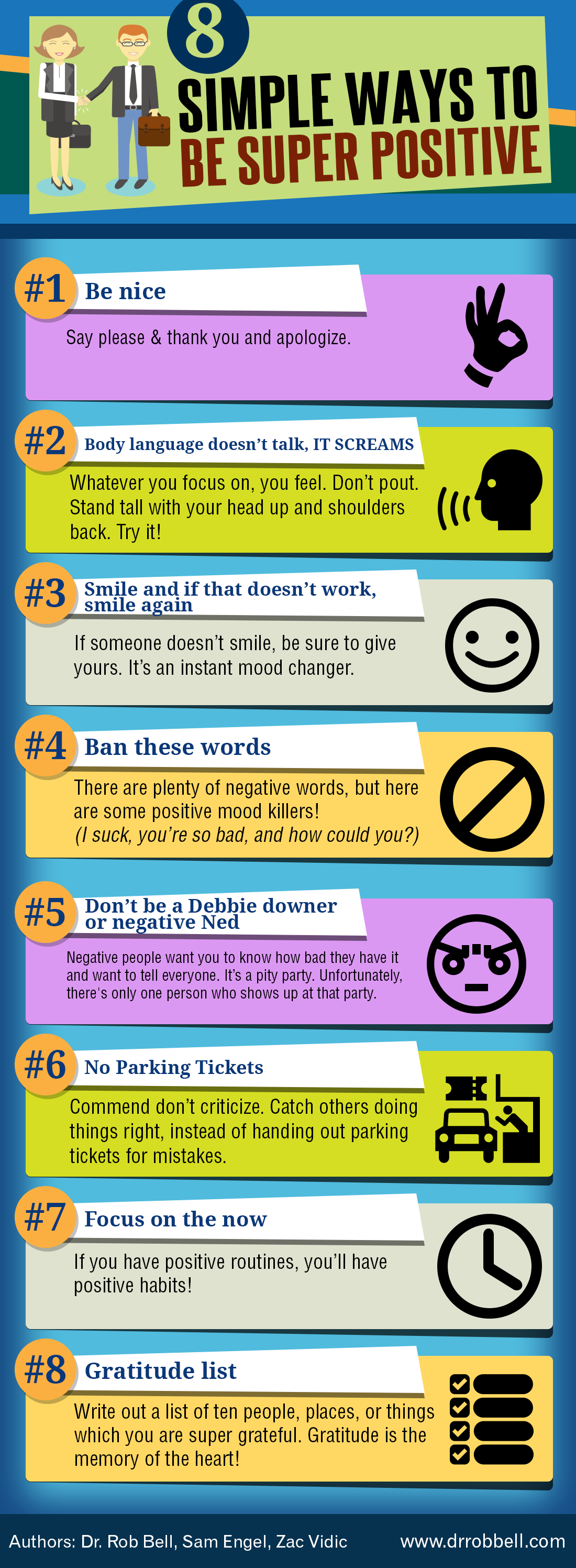
Positive Attitude: The Transformative Power of Having One

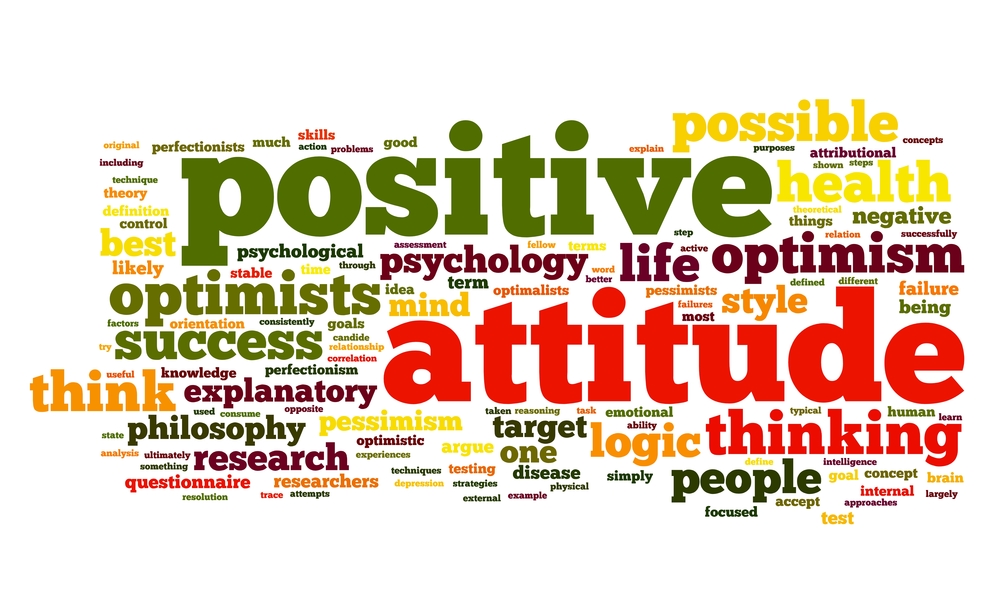
As we go on in life, our attitudes colour every experience, shape our perceptions and influence our decisions and responses to challenges and triumphs. A positive attitude, one that is characterised by optimism, resilience, and a proactive mindset, is the lens through which we interpret the world, shaping our interactions and influencing the trajectory of our lives. Our attitude is a compass, guiding us through the storm and calm with grace and resilience.

The benefits of a positive attitude extend far beyond simply feeling good. They ripple outward, enriching every corner of our existence. Positivity acts as a potent elixir, promoting well-being on a holistic level. Studies reveal its power to reduce stress, bolster the immune system, and even influence longevity. Positive emotions trigger physiological changes that directly impact our health, turning optimism into a tangible investment in our well-being. In the workplace, a positive attitude becomes a secret weapon. It enhances problem-solving skills, fosters collaboration, and inspires those around us. Individuals with a sunny outlook are perceived as more competent, trustworthy, and resilient, drawing opportunities like bees to pollen. Research shows that employees with a positive attitude are more likely to receive promotions and achieve career success.

Positive emotions are contagious, weaving stronger, more resilient connections into the fabric of our lives. Those who radiate optimism draw others in, building supportive and encouraging relationships. This extends beyond personal ties, influencing interactions with colleagues, clients, and even strangers. In the symphony of interpersonal connections, a positive attitude harmonizes the notes, creating a melody of trust and warmth. A positive attitude acts as psychological armour, helping us navigate these detours with grace and resilience. It allows us to reframe setbacks as opportunities for growth, fostering a belief in our ability to overcome obstacles and emerge stronger. When faced with adversity, the thread of positivity ensures we’re not merely weathering the storm but actively learning from and evolving from its winds.

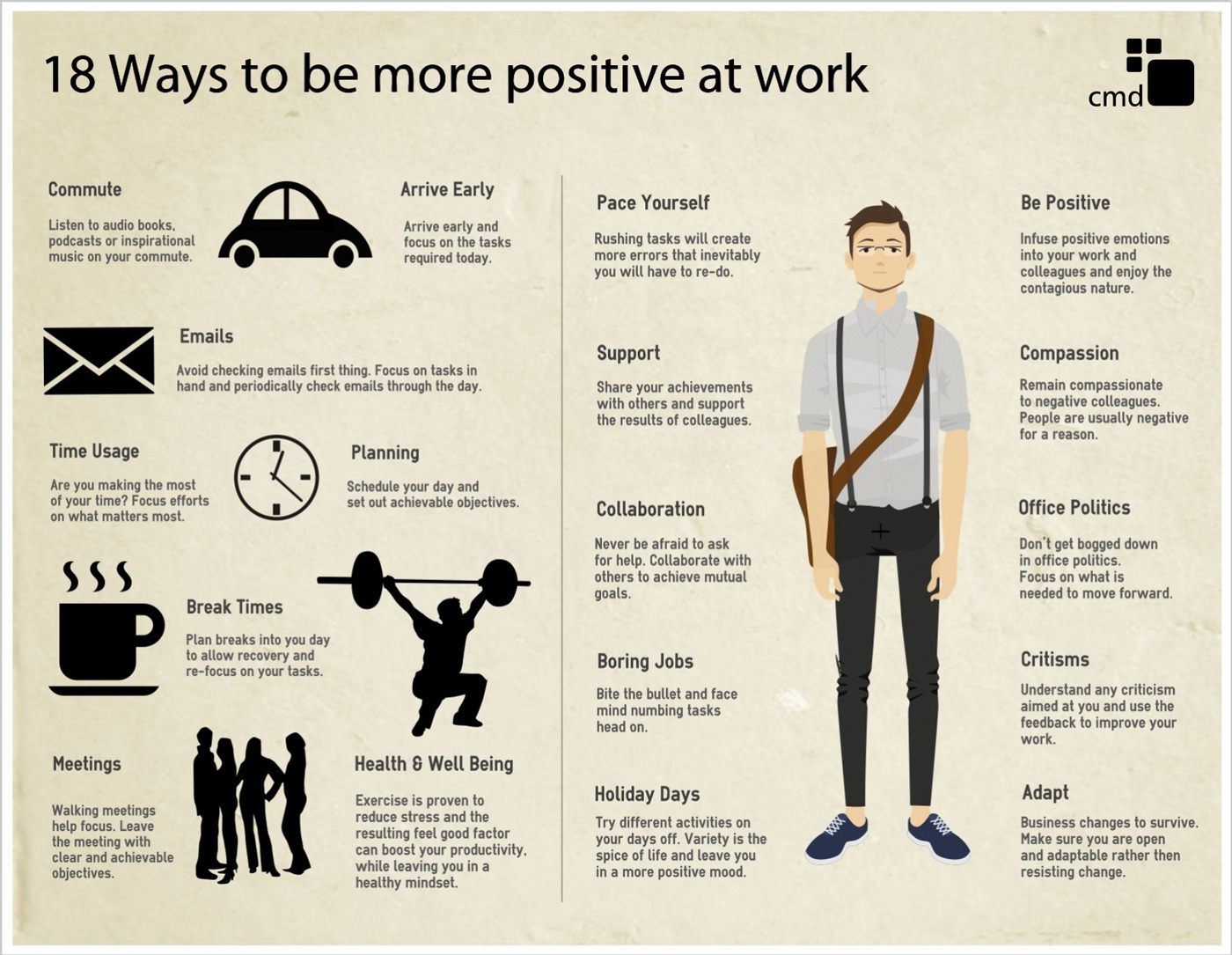
In the workplace, a positive attitude can be a catalyst for increased productivity. When individuals approach tasks with enthusiasm and optimism, they are more likely to overcome obstacles, find creative solutions, and contribute to a thriving work environment. Positive individuals tend to be effective team players. Their upbeat outlook and willingness to support colleagues create a harmonious work atmosphere, fostering collaboration and teamwork. This, in turn, contributes to the overall success of projects and the organisation. Leaders with a positive attitude inspire and motivate their teams. The ability to maintain optimism during challenges instills confidence in others, making positive leaders influential and capable of steering their teams through adversity.

A positive attitude forms the bedrock of healthy relationships. Individuals who approach interactions with optimism and kindness build stronger connections, fostering trust, understanding, and a sense of mutual support. In the face of personal challenges, a positive attitude acts as a shield. It doesn’t negate difficulties but equips individuals with the resilience to navigate them constructively, maintaining emotional well-being and preventing adversities from straining relationships. Within families, a positive attitude contributes to a nurturing environment. Parents who model positivity teach valuable life skills to their children, fostering a resilient and optimistic mindset that extends into the next generation.

Positive thinkers are better equipped to manage stress. By adopting a solutions-oriented mindset, they focus on what can be controlled, reducing feelings of overwhelm and promoting mental well-being. A positive attitude is linked to increased mental resilience. Individuals who maintain an optimistic outlook are better able to bounce back from setbacks, viewing challenges as opportunities for growth rather than insurmountable obstacles. Positivity contributes to emotional health, fostering a sense of joy, gratitude, and contentment. Cultivating a positive attitude can be a proactive measure in preventing or managing conditions such as anxiety and depression.

Research suggests a correlation between a positive attitude and improved immune function. The body’s ability to resist illness may be enhanced by the psychological benefits of maintaining an optimistic outlook. Studies indicate that individuals with a positive attitude may experience increased longevity and a higher quality of life. The physiological impact of positivity contributes to overall health and well-being.

Rather than viewing setbacks as failures, individuals with a positive attitude see them as opportunities to learn and grow. This perspective transforms challenges into stepping stones for future success. Building a positive attitude isn’t a one-time task; it’s a deliberate practice, requiring nurturing and reinforcement. Negative thoughts are inevitable weeds in the garden of the mind. Recognize their presence, but don’t let them take root. Actively challenge their validity, replacing them with seeds of positive affirmations and realistic perspectives. It’s essential to recognize and address negative thoughts when they arise. This might involve reframing negative self-talk or seeking support through counselling or coaching.

A positive attitude involves embracing difficulties as chances for personal and professional growth rather than insurmountable obstacles. When faced with challenges, resist the urge to wallow in negativity. Shift your focus to finding solutions, like a gardener weeding out unwanted growth. This proactive approach empowers you and fosters a sense of control over your circumstances. Don’t wait for monumental achievements to be celebrated. Acknowledge and appreciate your daily accomplishments, however small they may seem. This builds confidence and reinforces a positive self-image, nurturing the delicate blooms of self-worth. Treat yourself with the same compassion and understanding you extend to others. Forgive yourself for mistakes, focus on progress over perfection, and celebrate your unique strengths. Remember, a positive attitude isn’t about being flawless; it’s about embracing your humanness and appreciating the beauty of your growth.

Developing mindfulness and self-awareness is foundational to cultivating a positive attitude. Understanding one’s thoughts and reactions allows for intentional shifts towards optimism. Regularly expressing gratitude has a transformative effect on attitude. Keeping a gratitude journal or taking moments each day to reflect on positive aspects cultivates an appreciation for life’s blessings. Incorporating positive affirmations into daily routines can rewire thought patterns. Affirmations reinforce optimistic beliefs, gradually shaping a positive mindset. Consciously choosing positive influences, whether in personal relationships, media consumption, or social circles, contributes to maintaining a positive attitude. Surrounding oneself with optimism reinforces this mindset. Viewing challenges through the lens of opportunity reframes adversity.

A positive attitude doesn’t mean ignoring the realities of life. Realistic optimism involves acknowledging challenges while maintaining confidence in one’s ability to overcome them. This balanced perspective forms the core of a resilient mindset. Ultimately, the power of a positive attitude lies in its ability to empower us to create a life that aligns with our values and aspirations. It’s a conscious choice to invest in ourselves, to nurture a sense of optimism and resilience that serves as a foundation for well-being, success, and a life truly lived to the fullest.

So, step into the sunshine, cultivate your inner garden of positivity, and watch your life blossom with newfound purpose and joy. As we navigate the complexities of our lives, the cultivation of a positive attitude stands as a transformative practice—one that not only shapes our present experiences but lays the foundation for a future defined by resilience, joy, and an unwavering belief in the inherent goodness of life.

Dry Promotions: A Nuanced Balancing Act

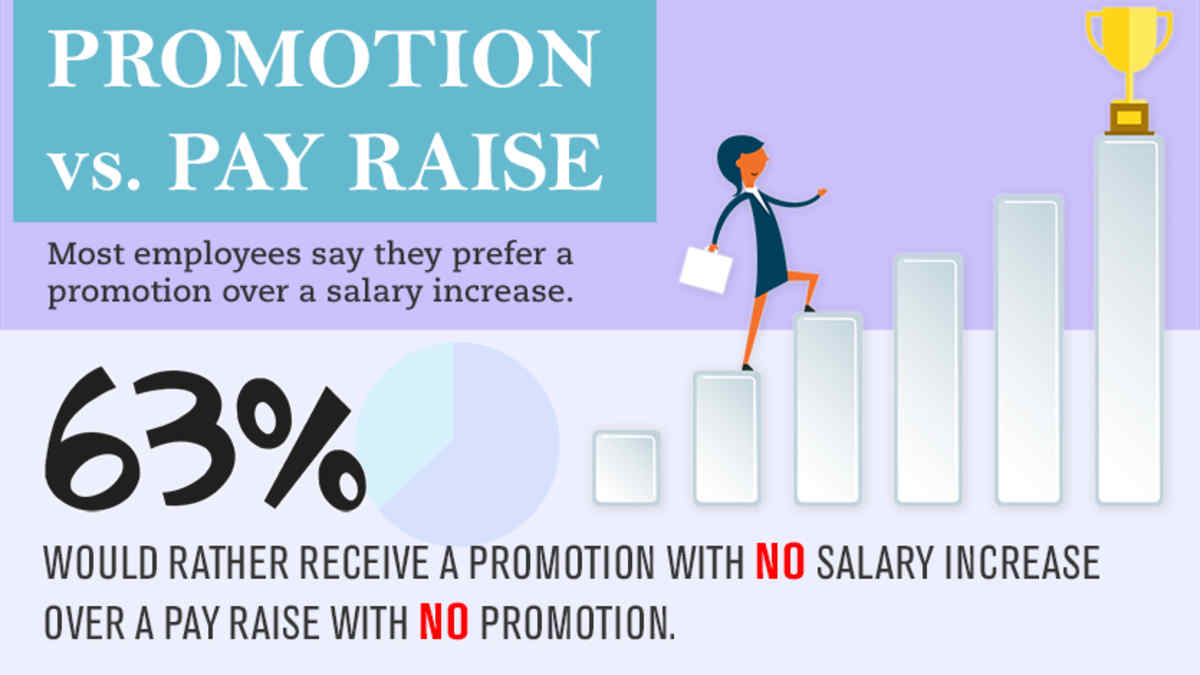
In the last few weeks, we have been hearing about this phenomenon on various platforms. In the intricate ballet of the corporate world, few manoeuvres spark as much debate as dry promotion. Unlike traditional promotions that come hand-in-hand with a salary increase, dry promotions denote an elevation in job title, responsibilities, or status without a corresponding financial reward.

Dry promotions present a seemingly paradoxical situation: recognition without reward. While some dismiss it as a disingenuous tactic, others argue its potential as a valuable stepping stone or strategic tool. So, is the dry promotion a demotivating dead end or a gateway to greater opportunities? The answer, as with most things in life, lies in the intricate dance of understanding its complexities and navigating its challenges effectively.

So why is dry promotion being discussed so much these days? Several factors contribute to this phenomenon. In competitive economic landscapes, budget constraints can limit salary increases. Companies may prioritise hiring top talent or investing in other areas, temporarily putting salary hikes on hold. Dry promotions can be strategic tools for talent development. They offer opportunities for individuals to take on new responsibilities, acquire skills, and demonstrate leadership potential, paving the way for future financial rewards. Dry promotions can act as stepping stones within the organisational hierarchy. By assigning increased responsibilities without immediate salary bumps, companies can groom promising individuals for senior positions while ensuring existing salaries remain competitive. Some dry promotions arise from temporary situations like restructuring or mergers. Companies may delay financial adjustments until the dust settles, offering recognition and new roles in the meantime.

While the concept of a promotion without a raise might raise eyebrows, it’s important to approach it with nuance. There are both potential benefits and drawbacks to consider. Dry promotions offer valuable opportunities for learning and growth. Taking on new challenges expands skillsets, enhances leadership qualities, and builds an impressive resume. Stepping into a bigger role increases visibility within the organisation, leading to greater recognition and potentially paving the way for future promotions with financial rewards. Employers may opt for dry promotions as a strategic move to contain costs while recognising and rewarding employees for their contributions. In times of budget constraints, offering non-monetary advancements allows organizations to acknowledge exceptional performance without immediately impacting the bottom line.

For individuals seeking specific career changes or advancement within a particular department, a dry promotion can serve as a strategic foot in the door, positioning them for future opportunities within that area. In some cases, the recognition and increased responsibility associated with a dry promotion can boost morale and employee engagement, especially when paired with clear communication and future advancement plans. Dry promotions can serve as a tool for professional development, providing employees with opportunities to enhance their skills, broaden their experience, and prepare for higher-level roles. This approach aligns with the philosophy that career progression is not solely defined by financial gains but also by the acquisition of diverse skills and experiences. The elevation in job titles and responsibilities can enhance their marketability and open doors to future career opportunities, even if the immediate financial gains are not realized.

However, if poorly handled, dry promotions can create feelings of resentment and demotivation. Employees may view it as a broken promise or a lack of appreciation, leading to decreased productivity and increased turnover. Offering dry promotions without a corresponding salary increase may pose a risk to employee retention. Talented individuals, especially those with sought-after skills, may be enticed by external opportunities that offer both professional growth and financial rewards. Depending on individual financial situations, the lack of a salary increase can create significant financial strain. This can be particularly detrimental for lower-income employees, potentially leading to decreased job satisfaction and increased stress. Companies must manage expectations effectively. Offering a dry promotion without a clear roadmap for future financial rewards can fuel frustration and resentment if those expectations aren’t met. The market value of an employee’s skills and experience may not be adequately reflected in their compensation package, potentially hindering their ability to negotiate competitive salaries in the job market. This consideration is particularly relevant when employees explore external career opportunities. This can be a costly loss for companies that have invested in their development.

The success of a dry promotion hinges on effective communication, strategic implementation, and transparency. Here are some key factors for navigating this nuanced concept:

  • Clear Communication: Companies must be transparent about the reasons behind the dry promotion, outlining the rationale, potential benefits, and future salary adjustment plans. Employers should emphasise the value placed on professional growth and the organisation’s commitment to long-term employee development. Open communication fosters trust and prevents misunderstandings.
  • Focus on Development: Dry promotions should be presented as opportunities for learning and growth, not just additional workload. Companies should provide support and resources for skill development and career advancement.
  • Setting Expectations: A clear timeline for future salary adjustments or promotion possibilities is crucial to managing expectations and maintaining employee morale. Ambiguity breeds frustration, so be forthright in your communication.
  • Individual Considerations: Not all employees react to dry promotions the same way. Companies should be sensitive to individual situations and financial constraints, potentially offering alternative forms of compensation or support in the interim. Understanding the diverse needs of the workforce is essential.
  • Performance Metrics: Linking dry promotions to clear performance metrics helps in objectively assessing employee contributions. By establishing transparent criteria, employers can ensure that promotions are merit-based and aligned with organizational goals.
  • Career Path Planning: Organisations should actively engage in career path planning with employees, providing a roadmap for future progression. This involves outlining the steps required for transitioning from a dry promotion to a role with increased financial compensation.
  • Monitoring and Feedback: The impact of dry promotions should be monitored and feedback should be actively sought. This allows companies to identify potential concerns and adjust their approach for future instances.

A dry promotion is not inherently good or bad; it’s a nuanced tool that requires careful consideration and thoughtful implementation. While this practice can be a strategic tool for employers to acknowledge and reward excellence, it also necessitates a thoughtful and transparent approach.

Companies must understand the motivations behind them, employ transparent communication, prioritize employee development, and manage expectations effectively. For employees, understanding the potential benefits and navigating the challenges while advocating for their needs is crucial. By fostering open communication, aligning promotions with performance metrics, and maintaining a comprehensive approach to compensation and benefits, both employers and employees can navigate the intricacies of dry promotions effectively. Ultimately, the success of dry promotions hinges on the ability of organisations to create a work environment that values both the professional and financial dimensions of employee growth. As the business landscape continues to evolve, the judicious use of dry promotions may well become a strategic lever for organisations seeking to balance fiscal responsibility with the imperatives of talent retention and development.

2023 Words of the Year

Every year, dictionaries and language authorities take up the mantle of word sleuths, scouring the linguistic landscape for the term that best captures the zeitgeist of the past twelve months. These words of the year transcend mere dictionary definitions, acting as cultural barometers and reflecting our anxieties, aspirations, and the shifting sands of our collective consciousness.

Oxford Dictionary
The Oxford Dictionary, the venerable custodian of the English language, crowned “rizz” its 2023 Word of the Year. Born in the effervescent realm of online slang, “rizz” defies easy definition. It encompasses charm, charisma, and an almost magnetic ability to attract and impress. Think smooth moves, witty repartee, and the undeniable swagger that makes hearts flutter and heads turn.

“Rizz” isn’t just a word; it’s a cultural phenomenon. Its meteoric rise reflects the growing influence of internet slang and the democratization of language itself. It’s a testament to the power of Gen Z to carve their linguistic niche, one meme and TikTok video at a time.

Dictionary.com
Across the pond, Dictionary.com chose “hallucinate” as its word of the year. But fear not, no mass psychosis is upon us! This “hallucinate” refers not to the clinical variety but to the ever-blurring lines between reality and the increasingly sophisticated simulations crafted by artificial intelligence.

From deepfakes that make anyone say anything to the hyper-curated realities of social media, “hallucinate” captures the unsettling yet seductive power of technology to bend and reshape our perception of the world. It’s a cautionary tale in the age of digital illusion, urging us to remain discerning travellers within the labyrinthine landscapes of the virtual.

Merriam-Webster
For Merriam-Webster, the quest for authenticity reigned supreme. In a world awash in filters and facades, “authentic” emerged as the word that resonated most deeply. It’s a yearning for genuineness, for connection beyond the carefully constructed personas we present online and offline.

“Authentic” reflects a growing societal desire for transparency, for experiences and relationships that ring true. It’s a pushback against the tide of artifice, a call to embrace our vulnerabilities and celebrate the unique tapestry of our narratives.

Collins Dictionary
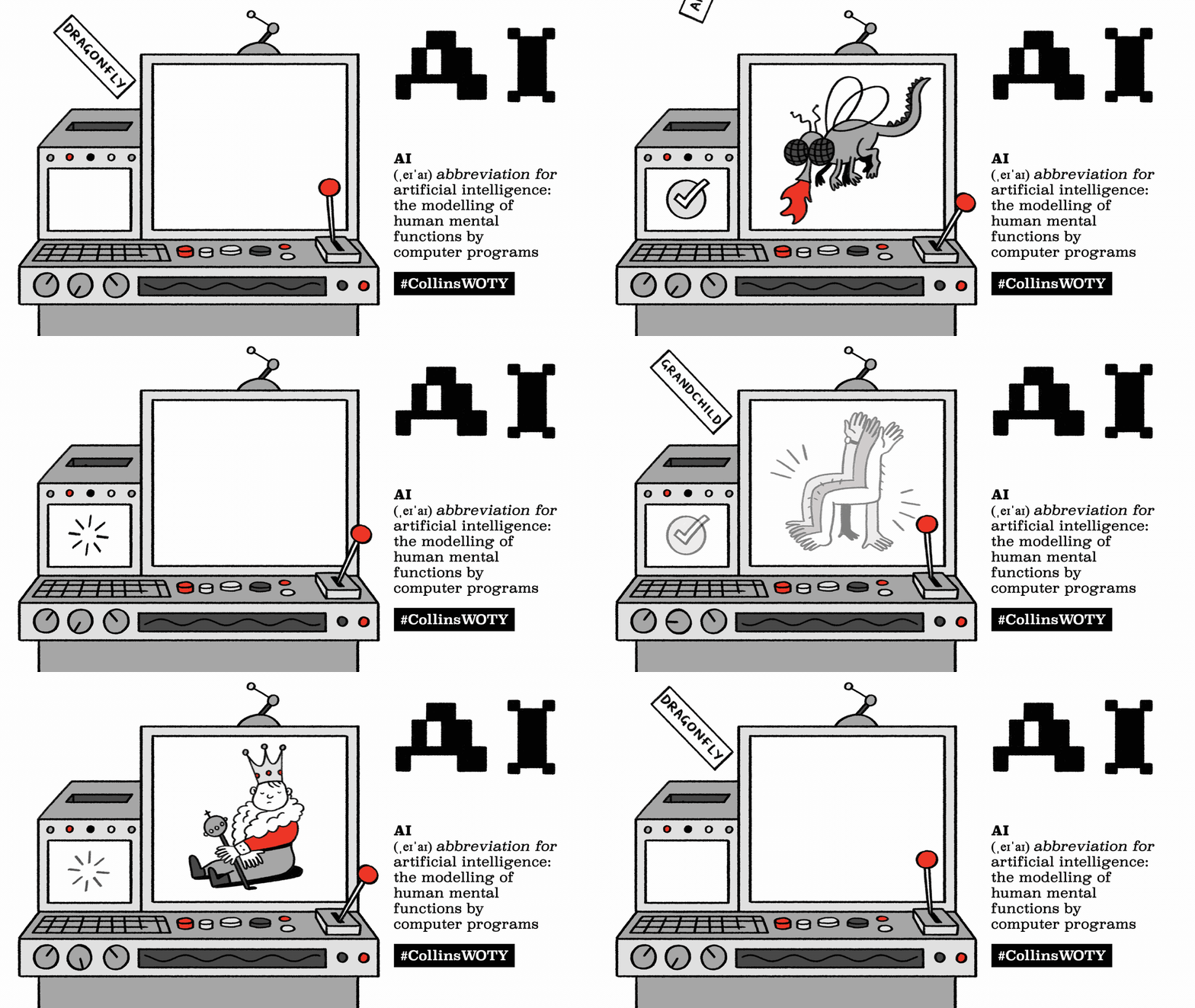
Collins Dictionary has crowned “AI,” the ubiquitous acronym for artificial intelligence, as its Word of the Year for 2023. This potent choice reflects the undeniable pervasiveness of AI in every corner of our lives, from healthcare to art, entertainment to ethics.

From self-driving cars navigating city streets to language models like myself parsing your questions, AI has become the invisible hand shaping our reality in profound and often unsettling ways. Choosing “AI” as the Word of the Year isn’t just a recognition of its technological prowess, but a call to examine its ever-expanding role in our society and, crucially, to define the future we want AI to forge for us.

Cambridge Dictionary
Cambridge has also chosen “Hallucinate” as its word of the year. The surge of interest in this word has been prompted by an abundance of tools being released for public use, all of which depend on large language models. With this new technology comes a new language. Many existing words, such as hallucinate, have adopted additional AI-related meanings this year as well.

The Cambridge Dictionary team chose hallucinate as its Word of the Year 2023 as it recognized that the new meaning gets to the heart of why people are talking about AI. Generative AI is a powerful tool but one we’re all still learning how to interact with safely and effectively. This means being aware of both its potential strengths and its current weaknesses.

While 2023 threw its fair share of curveballs, the diverse tapestry of ‘Words of the Year’ also whispers a story of resilience, innovation, and a search for meaning. As we step into the unknown of 2024, let these words serve as a compass, guiding us towards authenticity, connection, and perhaps a sprinkle of digital rizz along the way. So, which ‘Word of the Year’ resonates most with you?

Poem: New Year, New Beginnings

New Year, New Beginnings

The clock strikes twelve, a year takes flight,
Leaving echoes in the falling night.
Confetti rains, a glittering shroud,
On memories whispered, on dreams avowed.

Then dawn ignites, a canvas bare,
Painted by the hopes that fill the air.
Resolutions bloom like fragile buds.
Visions whispered where doubt once thudded.

Unburdened steps, on frosted streets,
Embrace the chill and the promise it brings.
For yesterday’s scars, though faint they trace,
Hold no dominion in this open space.

Let go of burdens, shed the tears,
With laughter’s light, dispel past fears.
Each page unturned, a chance to soar,
To rewrite stories, mend, and explore.

Embrace the dawn; let the echoes ring.
A melody of hope, like a sparrow’s wing,
New beginnings, a phoenix’s flight,
Rising from ashes to the morning light.

So raise a glass, to chapters turned,
Dreams ignited, lessons learned.
May this new year bring joy and happiness.
Fill every corner with light and zero bias.

Let resolutions soar, like kites on high,
As aspirations blossom, reaching the sky,
The New Year is a canvas, pure and bright.
A masterpiece of chances, bathed in light.

In the New Year, like a blooming flower,
We find the strength, the inner power.
The year lies open, a boundless quest,
It’s a new year and with these new beginnings, everything is blessed.