World Teachers Day

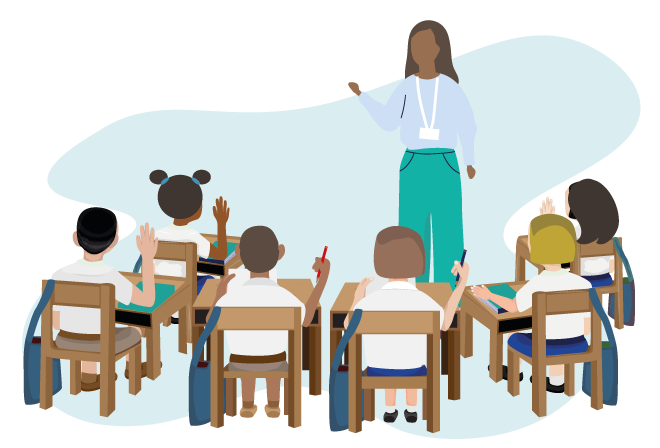
World Teachers’ Day, celebrated annually on October 5th, is a global observance that honours the teaching profession and recognises educator’s crucial role in shaping our world. This day serves as an opportunity to appreciate teachers’ dedication, reflect on their challenges, and advocate for their rights and working conditions. 

The roots of World Teachers’ Day can be traced back to 1966 when the United Nations Educational, Scientific and Cultural Organization (UNESCO) and the International Labour Organization (ILO) adopted the “Recommendation Concerning the Status of Teachers.” This landmark document set international standards for the teaching profession, addressing issues such as teachers’ rights, responsibilities, initial preparation, further education, recruitment, employment, and working conditions.

It wasn’t until 1994, however, World Teachers’ Day was officially established. On October 5, 1994, UNESCO proclaimed the first World Teachers’ Day to commemorate the signing of the 1966 recommendation. The date was chosen to honour this significant educational milestone and raise awareness about teachers’ contributions to society.

Since its inception, World Teachers’ Day has grown into a global celebration, observed in over 100 countries. It serves as a focal point for governments, organisations, and communities to reflect on the state of education and the teaching profession.

World Teachers’ Day holds immense significance for several reasons. The day acknowledges the pivotal role teachers play in providing quality education and shaping future generations. It provides a platform to advocate for teachers’ rights, better working conditions, and professional development opportunities. The day draws attention to the challenges faced by educators worldwide, including resource shortages, overcrowded classrooms, and inadequate support. World Teachers’ Day helps attract and retain talented individuals to the teaching profession by highlighting its importance and value. It fosters a sense of unity among educators worldwide, encouraging the sharing of best practices and experiences across borders. The day stimulates discussions among policymakers, teachers, and other stakeholders about improving education systems and supporting teachers. And lastly, it raises public awareness about the crucial role of teachers in achieving global education goals and sustainable development.

Each year, UNESCO and its partners select a theme for World Teachers’ Day that reflects current priorities and challenges in global education. These themes serve to focus discussions and actions around specific aspects of the teaching profession and education at large. The focus this year is on “Empowering Educators: Strengthening Resilience, Building Sustainability.” This theme highlights the crucial need to support and empower teachers in an ever-changing educational landscape. In these challenging times, teachers have emerged as beacons of resilience, adapting and innovating for their students.This theme recognises the challenges educators face and emphasizes the importance of building their resilience to adapt to new circumstances, technologies, and teaching methodologies. It acknowledges the need to equip educators with the tools, skills, and support necessary to navigate the complexities of modern teaching.

By focusing on strengthening resilience, the theme recognises the importance of helping teachers develop the mental, emotional, and professional fortitude to overcome challenges and adapt to change. This resilience is crucial in maintaining high-quality education in the face of global uncertainties, technological advancements, and evolving societal needs. The emphasis on building sustainability in this theme extends beyond environmental concerns to encompass the sustainability of the teaching profession itself. It calls for creating supportive environments, providing ongoing professional development, and ensuring that teaching remains an attractive and viable long-term career choice.

This theme also aligns with broader global goals, such as the UN Sustainable Development Goals, particularly SDG 4 on Quality Education. It recognises that empowered and resilient teachers are key to providing inclusive, equitable, and quality education for all. After all, sustainable development starts with quality education. 

The day is marked by a variety of activities and events around the globe, aimed at honouring teachers and promoting the teaching profession. These activities ensure that World Teachers’ Day resonates with people from all walks of life, fostering a culture of respect and appreciation for educators.
While World Teachers’ Day is a celebration, it also serves as a platform to address the challenges facing educators worldwide. Many countries face severe teacher shortages, particularly in rural and underprivileged areas. Teachers in many parts of the world are underpaid, leading to low morale and difficulty in attracting talented individuals to the profession. Increasing administrative tasks and large class sizes often lead to teacher burnout. Many teachers lack access to quality, ongoing professional development opportunities. The rapid pace of technological change requires constant upskilling, which can be challenging for many educators. In some regions, teachers face physical dangers, including violence and threats from extremist groups. Many schools, especially in developing countries, lack basic teaching materials and infrastructure. Frequent changes in educational policies can create instability and uncertainty for teachers. In some societies, teaching is not accorded the respect and status it deserves, affecting teacher morale and recruitment. The emotional demands of teaching can take a toll on educators’ mental health and well-being. Addressing these challenges is crucial for improving the quality of education globally and ensuring that teaching remains an attractive and respected profession.

The COVID-19 pandemic has had a profound impact on education systems worldwide, bringing unprecedented challenges to teachers and students alike. Teachers had to quickly adapt to remote teaching, often with limited training and resources. The pandemic highlighted and exacerbated existing inequalities in access to technology and internet connectivity. Both teachers and students faced increased stress, anxiety, and isolation during lockdowns and school closures. Many students experienced significant learning losses, particularly those from disadvantaged backgrounds. Teachers often found themselves working longer hours to adapt curricula, support students remotely, and manage new technologies. As schools reopened, teachers had to balance educational needs with health and safety protocols. The crisis spurred innovation in teaching methods and the use of educational technology. The pandemic highlighted the essential role of teachers in society and education systems. These experiences have reshaped conversations about the future of education and the support needed for teachers to effectively navigate crises and adapt to changing educational landscapes.

Several trends and innovations are shaping the future of teaching. The integration of online and in-person instruction is likely to become more prevalent, offering flexibility and personalised learning experiences. AI tools may assist teachers in tasks like grading, personalized instruction, and identifying students who need additional support. There’s a growing emphasis on hands-on, interdisciplinary projects that develop critical thinking and problem-solving skills. Increased focus on developing students’ emotional intelligence and interpersonal skills alongside academic knowledge. Technology enables teachers and students to collaborate with peers around the world, fostering global citizenship. The use of game-design elements in non-game contexts to increase student engagement and motivation. These technologies offer immersive learning experiences, particularly beneficial in subjects like science and history. Data-driven approaches allow for more tailored educational experiences based on individual student needs and progress. Short, focused courses allow teachers to continuously update their skills and knowledge in specific areas. Integrating environmental awareness and sustainable practices across all subjects and grade levels. These trends highlight the need for ongoing professional development and support for teachers as they navigate an ever-evolving educational landscape.

World Teachers’ Day serves as a reminder of the critical role teachers play in achieving global education goals, particularly the United Nations Sustainable Development Goal 4 (SDG 4), which aims to “ensure inclusive and equitable quality education and promote lifelong learning opportunities for all” by 2030. 

Teachers are at the forefront of efforts to improve access to education, especially for marginalised and vulnerable populations. They enhance the quality of education by implementing effective teaching strategies and fostering critical thinking skills. Teachers promote gender equality through gender-sensitive teaching practices and encouraging girls’ participation in all subjects. They foster global citizenship by teaching about global issues promoting intercultural understanding and supporting lifelong learning by instilling a love for learning and providing skills for continuous self-improvement. Teachers adapt education to local contexts ensuring relevance and cultural appropriateness of curricula and implement inclusive education by catering to diverse learning needs and abilities in the classroom by integrating technology and leveraging digital tools to enhance learning experiences and outcomes. World Teachers’ Day highlights the importance of supporting and empowering teachers to fulfil these crucial roles effectively.

In a world facing complex challenges – from climate change to technological disruption – the role of teachers in shaping informed, skilled, and compassionate global citizens is more critical than ever. World Teachers’ Day serves not only as a celebration of educators’ dedication and impact but also as a call to action. 

The day reminds us of the need to invest in teacher education by ensuring that teachers are well-prepared for the evolving demands of their profession; to improve working conditions by providing teachers with the resources, support, and respect they need to excel in their roles; to elevate the teaching profession by attracting and retaining talented individuals by enhancing the status and appeal of teaching careers; to foster innovation in education by encouraging new approaches to teaching and learning that prepare students for the challenges of the 21st century; to promote equity in education by addressing disparities in educational access and quality, both within and between countries; to support teacher well-being by recognising the importance of teachers’ mental and physical health in delivering quality education; and to engage in global dialogue by facilitating the exchange of ideas and best practices among educators worldwide.

In honouring teachers, we acknowledge that they are not just transmitters of knowledge, but shapers of futures, nurturers of potential, and catalysts for positive change. World Teachers’ Day reminds us all – students, parents, policymakers, and community members – of the profound impact a good teacher can have and the collective responsibility we share in supporting the teaching profession.


Que Sera, Sera: Embracing the Flow of Life

“Que sera, sera, whatever will be, will be. The future’s not ours to see.” – Ray Evans and Jay Livingston

This song was a favourite while growing up among my friends and myself and we would sing it frequently when we had time in class and when we went on picnics and camps. The phrase “Que sera, sera” (pronounced “kay sair-uh, sair-uh”) is Spanish for “Whatever will be, will be.” It gained widespread popularity in the 1950s through the song of the same name, written by the legendary songwriting duo of Jay Livingston and Ray Evans.

The song was first featured in the 1956 Alfred Hitchcock film “The Man Who Knew Too Much,” where it was sung by Doris Day. Although Day initially disliked the song and only recorded one take, it went on to become her signature song and a massive hit. The lyrics reflect the philosophy of accepting the future as it unfolds:

“When I was just a little girl, I asked my mother, ‘What will I be? Will I be pretty? Will I be rich?’ Here’s what she said to me: ‘Que sera, sera. Whatever will be, will be. The future’s not ours to see. Que sera, sera.'”

However, the phrase “Que sera, sera” actually predates the song. It was found carved in stone in the 1954 film “The Barefoot Contessa,” where it was translated by the character played by Rossano Brazzi as “What will be, will be.” Livingston and Evans recognised the potential of the phrase and crafted the now-iconic song around it.

The philosophy behind “Que sera, sera” is one of acceptance and letting go. It suggests that worrying about the future is futile, as it is not ours to control or predict. Instead, we should focus on the present moment and trust that whatever happens is meant to be.

The concept aligns closely with existentialist philosophy, which emphasises individual experience and the inherent uncertainty of life. Existentialism posits that life lacks inherent meaning, and individuals must navigate their existence amidst this ambiguity. So Que Sera, Sera reflects the acceptance of life’s unpredictability, resonating with existentialist themes of embracing uncertainty and the limits of control over one’s fate. This perspective encourages individuals to focus on the present and make choices despite the unknown future, embodying the existentialist belief in personal agency within an indifferent universe.

This concept is closely related to the Serenity Prayer, which asks for the wisdom to accept the things we cannot change, the courage to change the things we can, and the wisdom to know the difference. It is also reminiscent of the Buddhist teaching of non-attachment, which encourages letting go of desires and expectations to find peace and contentment.

In a world that often emphasises goal-setting, planning, and control, the idea of “Que sera, sera” can be a refreshing and liberating perspective. It acknowledges that life is unpredictable and that we cannot always predict or control the outcomes of our actions. By accepting this uncertainty and trusting in the flow of life, we can reduce stress, anxiety, and disappointment.

Adopting a “Que sera, sera” attitude can bring numerous benefits to our lives. When we let go of the need to control every aspect of our lives, we free ourselves from the burden of constant worry and stress. By accepting that some things are beyond our control, we can focus our energy on what we can influence and let go of the rest. By embracing the unpredictability of life, we build resilience and the ability to adapt to changing circumstances. When we face challenges or setbacks, we can approach them with a mindset of flexibility and openness rather than rigidity and resistance. By not fixating on the future, we can fully engage with and appreciate the present moment. We can savour the joys and pleasures of daily life rather than constantly looking ahead to the next goal or milestone. When we let go of expectations and attachments, we reduce the risk of disappointment. If things don’t turn out as we had hoped, we can more easily accept the situation and move forward, rather than getting stuck in regret or bitterness. Embracing “Que sera, sera” can foster a sense of trust in the larger forces at work in the universe. Whether one believes in God, fate, or simply the natural flow of life, trusting that things happen for a reason can provide a sense of comfort and security in the face of uncertainty.

Adopting a “Que sera, sera” mindset doesn’t mean abandoning all planning or goal-setting. It simply means striking a balance between taking action and letting go of the need to control the outcome. Here are some ways to incorporate this philosophy into your daily life:

  • Practice Acceptance: When faced with a situation that is out of one’s control, consciously practice acceptance. Acknowledge the reality of the situation, let go of any resistance or resentment, and focus the energy on what one can influence.
  • Cultivate Gratitude: Regularly expressing gratitude for the good things in one’s life can help shift one’s focus from what one lacks to what one already has. This practice can foster a sense of abundance and appreciation, even in the face of uncertainty.
  • Embrace Flexibility: Be willing to adapt and change course when necessary. Rigidly clinging to a specific outcome can lead to disappointment and frustration. Instead, approach life with a flexible mindset, ready to pivot and explore new possibilities as they arise.
  • Trust the Process: When working towards a goal or facing a challenge, trust that the process is unfolding as it should. Have faith that even if the outcome is not what one expected, one will learn and grow from the experience. Celebrate the small victories along the way.
  • Seek Balance: Strive for a balance between taking action and letting go. Set goals and make plans, but hold them lightly. Engage fully in the present moment while also keeping an eye on the future. By finding this balance, one can make the most of their life while still embracing the unpredictability of the journey.

The song “Que Sera, Sera” has endured for over 60 years, with covers by artists ranging from Sly and the Family Stone to The Carpenters. Its enduring appeal speaks to the timeless wisdom of its message. In a world that often feels chaotic and uncertain, the idea of accepting and embracing the flow of life can be a powerful antidote to stress and anxiety. By letting go of the need to control every aspect of one’s lives, one can find greater peace, joy, and resilience.

Of course, adopting a “Que sera, sera” mindset is not always easy. It requires practice, patience, and a willingness to step outside one’s comfort zone. But by making small steps towards acceptance and flexibility, one can gradually transform one’s relationship with uncertainty and embrace the adventure of life.

In the end, “Que sera, sera” is not just a catchy song lyric, but a profound invitation to live with greater presence, trust, and resilience. By embracing the uncertainty of the future and focusing on the beauty of the present moment, one can find a sense of freedom and joy that transcends the ups and downs of life.

So take a cue from Doris Day and her mother in the song and let go of worries about what the future may hold. Instead, trust in the flow of life, embrace the journey, and sing along with the chorus:

“Que sera, sera, whatever will be, will be. The future’s not ours to see. Que sera, sera.”

World Maritime Day

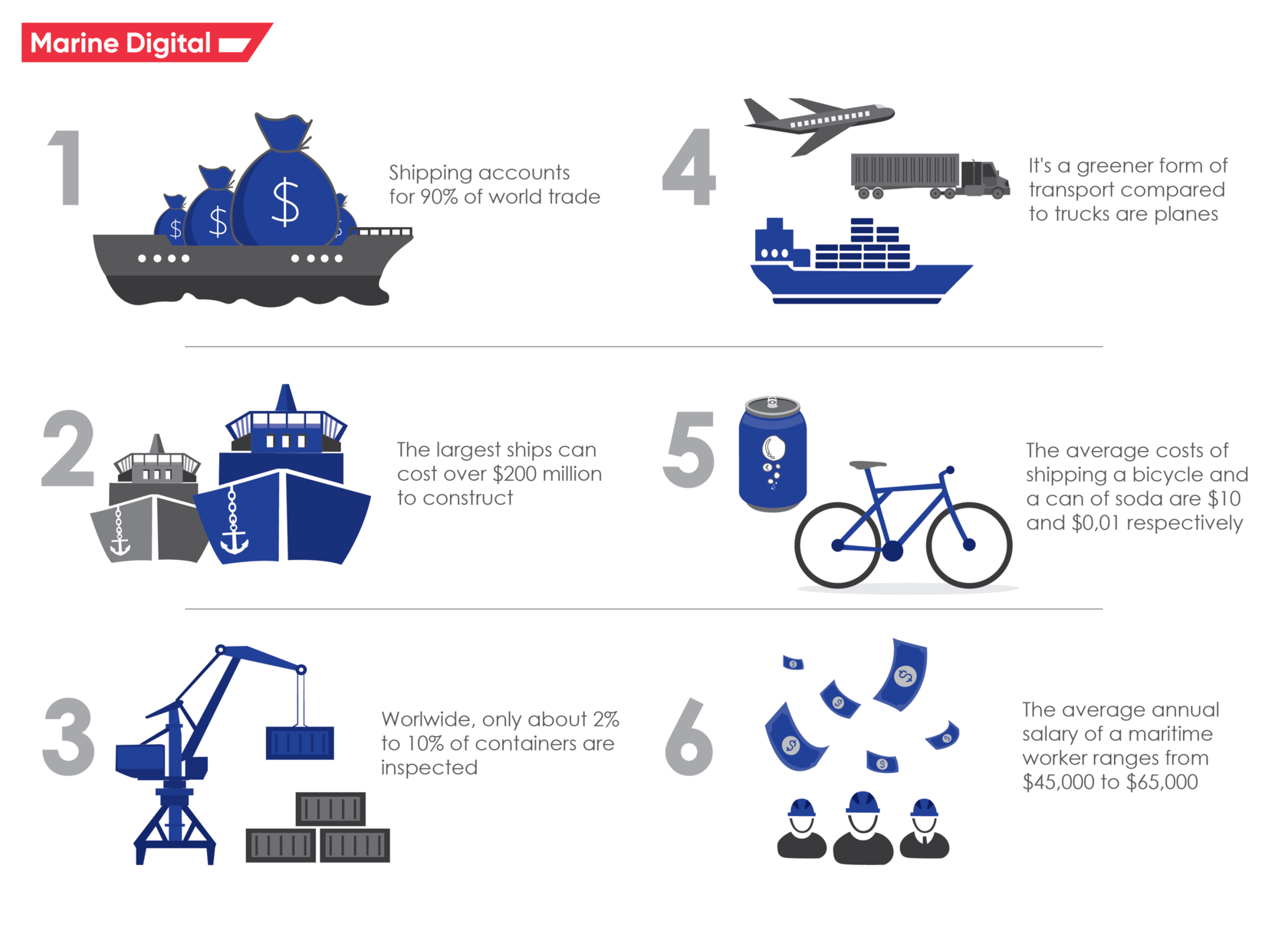
International shipping transports more than 80 per cent of global trade to peoples and communities worldwide. Shipping is the most efficient and cost-effective method of international transportation for most goods; it provides a dependable, low-cost means of transporting goods globally, facilitating commerce and helping to create prosperity among nations and peoples. The world relies on a safe, secure and efficient international shipping industry, which is an essential component of any programme for future sustainable green economic growth in a sustainable manner.

The roots of World Maritime Day can be traced back to the establishment of the International Maritime Organization or IMO itself. The IMO, originally known as the Inter-Governmental Maritime Consultative Organization or IMCO, was established in Geneva in 1948. However, it wasn’t until 1958 that the organisation came into force. World Maritime Day was first celebrated on March 17, 1978, marking the date when the IMO Convention entered into force in 1958. The annual day was started to draw global attention to the vital role of international shipping in supporting and sustaining the global economy and the importance of maritime security, safety, and the marine environment.

World Maritime Day serves several crucial purposes in today’s globalised world. It helps raise awareness about the importance of shipping safety, maritime security, and the marine environment among the general public, policymakers, and industry stakeholders. The day showcases the significant contributions of the maritime industry to the global economy. Over 80% of global trade by volume is carried by sea, making maritime transport essential for sustainable development and economic growth. World Maritime Day fosters international cooperation in maritime affairs, encouraging nations to work together to address common challenges and achieve shared goals. The day provides an opportunity to recognise and appreciate the 1.5 million seafarers who operate the global fleet, ensuring the smooth flow of international trade. Through various events and activities, World Maritime Day helps educate the public about maritime issues, careers, and the sector’s importance to everyday life.

Each year, the IMO selects a theme for World Maritime Day that reflects current priorities in the maritime sector. These themes have covered a range of issues, from safety and environmental protection to the human element of shipping.

Yesterday was World Maritime Day 2024. The theme for this year is “Navigating the Future: Safety First!”. This year’s theme reflects the IMO’s work to enhance maritime safety and security, in tandem with the protection of the marine environment, whilst ensuring its regulatory development process safely anticipates the fast pace of technological change and innovation. The theme provides the opportunity to focus on the full range of safety regulatory implications arising from new and adapted technologies and the introduction of alternative fuels including measures to reduce greenhouse gas emissions from ships, as IMO strives to ensure the safety and efficiency of shipping are maintained, and potentially improved so that the flow of seaborne international trade continues to be smooth and efficient.

World Maritime Day is celebrated globally through many activities and events organised by governments, maritime organisations, educational institutions, and industry stakeholders. These celebrations engage the public, promote maritime careers, and foster discussions on key industry issues. World Maritime Day plays a significant role in shaping global maritime policy. The annual themes often align with or influence the IMO’s strategic directions and work programs.

In addition to individual country celebrations, the IMO organises an annual World Maritime Day Parallel Event. This event is hosted by a different IMO Member State each year, providing an opportunity for the host country to showcase its maritime capabilities and culture. The Parallel Event typically includes high-level conferences and panel discussions, technical workshops on maritime issues, cultural exhibitions and performances, site visits to local maritime facilities, and networking opportunities for industry professionals. This year’s parallel event will be hosted by Spain in Barcelona from 20 – 22 October.

The maritime industry plays a crucial role in achieving many of the United Nations Sustainable Development Goals (SDGs). World Maritime Day themes often reflect this connection, highlighting how the maritime sector can contribute to sustainable development.

World Maritime Day stands as a testament to the enduring importance of the maritime sector in our globalised world. From its origins as a day to mark the IMO’s establishment to its current role as a global platform for addressing critical maritime issues, this annual observance continues to evolve and adapt to the changing needs of the industry and the world at large. The day serves as a reminder of the vital role that shipping plays in our daily lives and the global economy. It highlights the dedication and skill of the millions of maritime professionals who keep our oceans safe and our trade flowing. The day also underscores the collective responsibility we all share in ensuring that maritime activities are conducted safely, securely, and with minimal impact on the marine environment.

Poem: The Simple Joys of Childhood

I sometimes tell BB & GG that I had a better childhood than them. While the two of them did not grow up with technology like the children of today, they were exposed to it at a much younger age. My father was in IT, so I was exposed to technology much earlier than my peers, but our childhood was one that was free of pretty much all technology, with the exception of the radio and some television. Today’s poem is a throwback to that simple time, when life was about playing and enjoying life!

The Simple Joys of Childhood

In the days of the eighties and nineties’ embrace,
Where childhood was golden, a magical place,
No internet buzz or smart device calls,
Just laughter and sunshine, and echoes in halls.

Mornings with cartoons, a bowl full of cheer,
Saturday wonders, so simple and dear,
Riding bikes freely, till the streetlights came on,
With scraped knees and smiles, till daylight was gone.

Secret societies and letters sent through the mail,
Whispered secrets and an adventurous tale,
Skipping rope rhythms, hopscotch on chalk,
Endless games played on sidewalks of talk.

Library visits, the scent of old books,
Adventures in pages, with longing looks,
Trading cards, stickers, and marbles in hand,
Simple treasures cherished, in a world unplanned.

Climbing up trees, feeling the breeze,
Catching fireflies with effortless ease,
Running through sprinklers, laughter in flight,
Campfire stories that flickered in the night.

Handwritten letters passed in the class,
Notes folded neatly, with whispers that last,
Ice cream truck melodies, coins in races,
Chasing the music, with joy on our faces.

Friendships were forged in the simplest of ways,
Shared in the parks, on long summer days,
Hide and seek giggles, and tag’s playful chase,
In a world of pure wonder, an innocent space.

No screens to distract, no digital chase,
Just the pure, simple joys of a slower-paced race,
In the heart of the eighties and nineties delight,
Childhood was magic, in the purest of light.

Short Story: The Twins

The sun beat down mercilessly on the lush green canopy of the Nilgiri Mountains. Even in the shade of the dense forest, the heat was oppressive. Twelve-year-old twins Neel and Neelima Swaminathan trudged along a narrow path, sweat beading on their foreheads.

“I can’t believe Dad made us come on this hike,” Neel grumbled, swatting at a mosquito. “It’s too hot!” Neelima rolled her eyes at her brother. “Stop complaining, Neel. We’ve been cooped up in boarding school all year. Don’t you want to explore?”

The twins had just returned home to Gudalur for their summer holidays. After months in the regimented environment of their boarding school in Ooty, they were eager for adventure. Their father, Mukesh Swaminathan, was the head forest ranger for this section of the Nilgiri Biosphere Reserve. He had suggested they accompany him on his rounds to reacquaint themselves with the forest.

“I suppose,” Neel conceded. “I just wish it wasn’t so hot. How much further, Dad?” Mukesh turned back to look at his children, a fond smile on his weathered face. “Not much further now. There’s a stream up ahead where we can rest and cool off.”

As they walked, Mukesh pointed out various plants and animal tracks, quizzing the twins on their knowledge. Despite their initial reluctance, Neel and Neelima found themselves getting drawn into their father’s enthusiasm. They had grown up in these forests, after all. It felt good to be home.

Finally, they reached the promised stream. The twins rushed to the water’s edge, splashing the cool liquid on their faces and arms. Mukesh chuckled at their eagerness. “Alright, you two. We’ll rest here for a bit before heading back. Don’t wander off too far, okay?”

Neel and Neelima nodded absently, already absorbed in exploring the stream bank. They picked their way carefully over the slippery rocks, searching for interesting pebbles and watching tiny fish dart about in the clear water.

Suddenly, Neelima froze. “Neel,” she whispered urgently. “Do you hear that?” Neel cocked his head, listening intently. At first, he heard nothing but the gentle burble of the stream and the rustle of leaves in the breeze. Then, faintly, he caught it – a high-pitched trumpeting sound, followed by distressed squeals.

The twins exchanged a wide-eyed look. “Elephants,” they said in unison. Without a word, they scrambled up the bank towards the sound, their earlier fatigue forgotten. Their father’s warnings faded from their minds as curiosity took over. As they pushed through the undergrowth, the sounds grew louder. Finally, they burst into a small clearing and stopped short, mouths agape at the sight before them.

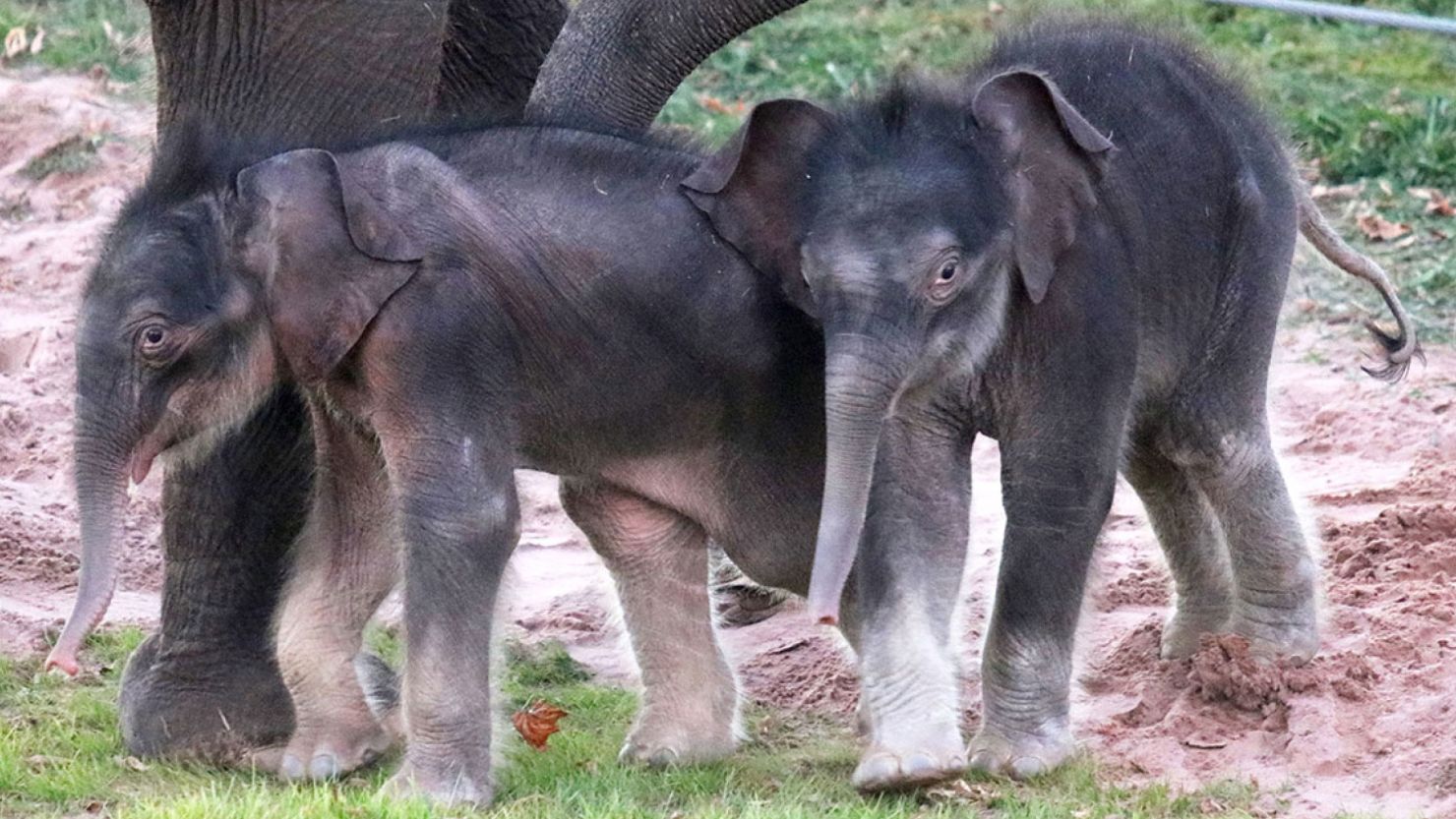
Two baby elephants, no more than a few months old, stood huddled together in the centre of the clearing. They were distressed, their trunks entwined as they trumpeted plaintively. One was slightly larger than the other, but both were small enough that Neel and Neelima could have touched their backs if they stood on tiptoes.

“Oh my goodness,” Neelima breathed. “They’re twins! Just like us!” Neel nodded, too stunned to speak. He had never seen wild elephants up close before, let alone baby ones. Despite their size, the calves looked fragile and scared.

As the human twins watched, frozen in place, the elephant calves suddenly noticed them. The larger one – probably the male, Neel thought – moved protectively in front of its sibling. It raised its trunk and let out a high-pitched trumpet that was probably meant to be threatening but came out more as a squeak. Neelima giggled despite herself. “They’re so cute!” she whispered to Neel. “But where’s their mother? Baby elephants don’t usually leave the herd.”

As if in answer to her question, a loud, booming trumpet echoed through the forest, causing the twins to jump. The baby elephants perked up, answering with excited squeals of their own. “We should go,” Neel said urgently, tugging on his sister’s arm. “If the mother elephant finds us here with her babies, she might think we’re a threat.” Neelima nodded reluctantly. As fascinating as the baby elephants were, she knew her brother was right. They turned to leave the clearing, but before they could take more than a few steps, they heard their father’s voice calling out.

“Neel! Neelima! Where are you?” The twins exchanged a panicked look. They were going to be in so much trouble. Mukesh burst into the clearing, his face a mixture of relief and anger when he spotted his children. “What were you thinking, wandering off like that? I was worried sick!” His tirade cut off abruptly when he noticed the baby elephants. His eyes widened in surprise, then narrowed as he assessed the situation. “Step away slowly,” he instructed the twins in a low voice. “Don’t make any sudden movements.”

Neel and Neelima obeyed, carefully backing away until they were behind their father. Mukesh kept his eyes on the elephant calves, who were watching them warily. “Dad,” Neelima whispered. “We heard them crying. I think they’re lost. Their mother was calling for them just now.” Mukesh nodded, his expression grave. “Yes, I heard it too. This isn’t good. If these calves have become separated from their herd, they’re in danger.”

“Can’t we help them?” Neel asked. Mukesh shook his head. “It’s too risky. If the mother elephant sees us near her babies, she might attack. We need to leave and call for backup.” As if on cue, another trumpet sounded, closer this time. The baby elephants trumpeted back excitedly, taking a few steps towards the sound before hesitating.

Mukesh ushered the twins out of the clearing quickly. Once they were a safe distance away, he pulled out his radio to call for assistance. As he spoke rapidly into the device, Neel and Neelima exchanged worried glances.

“We can’t just leave them,” Neelima whispered to her brother. “What if a predator finds them before their mother does?” Neel bit his lip, torn between concern for the elephant calves and fear of disobeying their father. But as he looked at his sister’s determined face, he knew they were thinking the same thing. When Mukesh finished his call, he turned to the twins with a stern expression. “I’ve called for a team to come to assess the situation. We’re going to head back now, and I don’t want any arguments. It’s not safe for us to stay here.”

Neel and Neelima nodded obediently, but as they followed their father back towards the stream, they lagged slightly. When Mukesh was a few paces ahead, focused on finding the safest path back, Neelima tugged on Neel’s sleeve. “We have to go back,” she whispered urgently. “We can’t leave those babies alone.” Neel hesitated for a moment, then nodded. “Okay, but we have to be careful. If Dad catches us…” “He won’t,” Neelima assured him. “We’ll be quick. We just need to make sure the calves are safe until their mother finds them.”

Taking advantage of their father’s distraction, the twins slipped away, retracing their steps back to the clearing. They moved as quietly as they could, hearts pounding with a mixture of excitement and fear. When they reached the edge of the clearing, they peered out cautiously. The baby elephants were still there, looking even more distressed than before. They had moved to the far side of the clearing, as if trying to go in the direction of their mother’s calls, but seemed too scared to venture into the dense forest alone.

“Poor things,” Neelima murmured. “They must be so frightened.” Neel nodded, feeling a surge of protectiveness towards the elephant twins. “Maybe we can guide them towards their mother somehow?” Before Neelima could respond, a loud crash came from the forest behind them. The twins whirled around, expecting to see their angry father. Instead, they found themselves face to face with a large, snarling leopard.

Neel and Neelima froze, terror rooting them to the spot. The leopard’s yellow eyes fixed on them, its powerful muscles coiled to spring. At that moment, the twins were certain their adventure was about to come to a very painful end. Suddenly, a high-pitched trumpet split the air. The larger of the elephant calves charged forward, placing itself between the human twins and the leopard. Its smaller sibling followed close behind, adding its own squeaky trumpet to the commotion.

The leopard, caught off guard by the unexpected intervention, hesitated. It was used to hunting smaller prey, not facing off against elephant calves, no matter how young. After a tense moment, it slunk back into the undergrowth, disappearing as silently as it had appeared. Neel and Neelima let out shaky breaths, their hearts racing. They turned to look at their unlikely saviours with awe and gratitude.

“They… they protected us,” Neel said in disbelief. Neelima nodded, her eyes wide. “I guess they decided we’re not a threat after all.” The elephant calves, seemingly satisfied that the danger had passed, turned their attention back to the human twins. The larger one reached out with its trunk, gently touching Neelima’s arm as if checking if she was okay. Neelima giggled at the ticklish sensation. “Thank you,” she said softly, reaching out to pat the calf’s trunk. “You were very brave.” Neel, emboldened by his sister’s actions, stepped forward to pet the other calf. “Both of you were,” he added. “You saved our lives.”

As the human and elephant twins regarded each other curiously, a bond began to form. Despite the vast differences between their species, there was a sense of kinship – two sets of siblings looking out for each other.

“We definitely can’t leave them alone now,” Neelima said firmly. “We owe them.” Neel nodded in agreement. “But what can we do? We don’t know where their herd is, and it’s not safe to wander around the forest.” As if in answer to their dilemma, another trumpet sounded in the distance – closer this time, but still too far away. The elephant calves perked up at the sound, trumpeting back eagerly.

“That must be their mother,” Neel said. “She’s looking for them, but she can’t find this clearing.” Neelima’s face lit up with an idea. “What if we lead the calves towards her? We can use the sounds to guide us.” Neel looked sceptical. “I don’t know, Neeli. It could be dangerous. What if we run into more predators? Or angry adult elephants?”

“We’ll be careful,” Neelima insisted. “And we have our new friends to protect us.” She gestured at the elephant calves, who were watching them intently as if understanding their conversation. Neel hesitated for a moment longer, then nodded. “Okay. But at the first sign of real danger, we come straight back here and wait for Dad and the rescue team.”

With their decision made, the twins turned to the elephant calves. “Come on,” Neelima said gently, gesturing towards the forest. “Let’s go find your mama.” To their surprise and delight, the calves seemed to understand. They moved towards the twins, their trunks outstretched trustingly. Neel and Neelima each took hold of a trunk, marvelling at the strange, leathery texture. Together, this odd little group set off into the forest, guided by the distant calls of the mother elephant and the instincts of two very determined sets of twins.

As they made their way through the dense forest, Neel and Neelima quickly realised that guiding baby elephants was no easy task. The calves, while eager to find their mother, were easily distracted by interesting plants or small animals scurrying across their path.

“No, not that way,” Neel said for what felt like the hundredth time, gently tugging the male calf’s trunk away from a colourful butterfly. “We need to go this way, remember?” Neelima giggled at her brother’s exasperated tone. “You sound just like Dad when he’s trying to get us to focus on our homework.” Neel rolled his eyes, but couldn’t help smiling. It was true – he felt a bit like a parent himself, trying to keep the curious calves on track.

They had been walking for what felt like hours, following the intermittent calls of the mother elephant. The sounds were getting louder, which the twins took as a good sign, but the forest seemed to be getting denser and harder to navigate. “I hope we’re going the right way,” Neelima said, pushing a low-hanging branch out of her face. “Everything looks the same in here.”

As if in response to her doubt, the female calf suddenly stopped, raising its trunk and sniffing the air. Its sibling did the same, and both calves let out excited trumpets. “What is it?” Neel asked, looking around nervously. “Do you think they smell their mother?” Before Neelima could respond, they heard it – the unmistakable sound of large animals moving through the forest, accompanied by low rumbles that the twins could feel in their chests. “The herd,” Neelima breathed, a mixture of excitement and apprehension in her voice. “They must be close.”

The elephant calves began to move faster, pulling the twins along with surprising strength. Neel and Neelima had to jog to keep up, their hearts pounding with a mixture of exertion and nerves. As they rounded a large tree, they suddenly found themselves on the edge of a small glade. And there, not twenty meters away, was a group of adult elephants.

The twins froze, awe and fear warring for dominance. They had seen wild elephants from a distance before, but never this close. The sheer size of the animals was overwhelming. The elephant calves, however, had no such hesitation. With joyful trumpets, they rushed forward towards a large female who was their mother. She met them halfway, her trunk caressing them gently as they pressed against her legs.

For a moment, Neel and Neelima forgot their fear, smiling at the touching reunion. Then the mother elephant raised her head, her small eyes fixing on the human twins with an unreadable expression. “Neel,” Neelima whispered, gripping her brother’s hand tightly. “What do we do now?”

The glade fell silent as the elephant herd became aware of the human presence. The adult elephants formed a protective circle around the calves and their mother, their massive bodies creating an intimidating wall. Neel and Neelima stood frozen, barely daring to breathe. They knew from their father’s teachings that elephants were generally peaceful animals, but they could be fiercely protective of their young. And right now, the twins were strangers near two very young calves.

“Maybe we should back away slowly,” Neel whispered, tugging gently on his sister’s hand. But before they could move, the two calves they had guided broke away from their mother. To the twins’ astonishment, the baby elephants positioned themselves between the human children and the herd, facing their family with raised trunks.

A series of low rumbles and soft trumpets followed – a conversation the twins couldn’t understand, but which meant something to the elephants. The mother elephant took a step forward, her gaze moving between her calves and the human twins.

Neelima, always the bolder of the two, decided to take a chance. Slowly, she raised her hand in a non-threatening gesture. “It’s okay,” she said softly. “We helped your babies. We won’t hurt them.” For a tense moment, nothing happened. Then, to the twins’ amazement, the mother elephant extended her trunk towards them. The calves immediately moved to the side, allowing her to approach.

Neel and Neelima stood perfectly still as the enormous trunk gently touched each of them, sniffing curiously. They had learned about elephants’ incredible sense of smell in school – perhaps the mother was picking up her calves’ scent on them? After what felt like an eternity, the mother elephant stepped back. She let out a low rumble that seemed to reverberate through the entire glade. To the twins’ amazement, the tension in the air dissipated almost immediately. The other elephants relaxed their protective stance, some even turning away as if the human children were no longer of interest.

“I think… I think she’s thanking us,” Neelima whispered, awe evident in her voice. Neel nodded, too stunned to speak. The elephant calves trumpeted happily, moving back to nuzzle their mother before turning to give one last friendly nudge to the human twins.

Just then, they heard shouts coming from the forest behind them. “Neel! Neelima!” The twins turned to see their father bursting into the glade, followed by several other forest rangers. Mukesh skidded to a halt, his eyes widening as he took in the scene before him.

“Don’t move,” he called out, his voice tense with worry. “We’ll get you out of there.” But before the rangers could take another step, the mother elephant moved, placing herself between the humans and the twins. She raised her trunk and let out a low, rumbling sound that was somehow both a warning and a reassurance. Mukesh froze, clearly torn between his protective instincts as a father and his knowledge as a ranger. He watched in disbelief as the elephant gently nudged Neel and Neelima with her trunk, guiding them towards him.

As soon as they were within reach, Mukesh grabbed his children and pulled them into a tight embrace. “What were you thinking?” he scolded, though his voice was more relieved than angry. “You could have been killed!” “We’re sorry, Dad,” Neel said, his voice muffled against his father’s chest. “But we couldn’t leave the baby elephants alone. They were lost and scared.” Neelima nodded vigorously. “And then they saved us from a leopard! We had to help them find their mom.”

Mukesh pulled back, looking at his children with a mixture of exasperation and pride. “You two are going to turn my hair grey before it’s time,” he sighed. Then he turned to look at the elephant herd, who were watching the reunion with what seemed like curiosity.

“I’ve never seen anything like this,” one of the other rangers murmured. “Those elephants are acting like they’re protecting the kids.” Mukesh nodded slowly. “It seems my children have made some unlikely friends,” he said, a note of wonder in his voice.

Over the next hour, Mukesh and the other rangers observed the elephant herd from a respectful distance. The twins, under close supervision, were allowed to approach the calves one last time to say goodbye. As they watched the herd finally move off into the forest, Neel and Neelima felt a mixture of sadness and excitement. They knew they had experienced something truly special – something they would remember for the rest of their lives.

On the walk back home, Mukesh listened intently as the twins recounted their adventure. Though he was still upset about their disobedience, he couldn’t help but feel proud of their bravery and compassion. “You two took a huge risk,” he said seriously. “But you also showed great kindness and resourcefulness. I think you’ve learned an important lesson about the balance between helping animals and respecting their wild nature.”

Neel and Neelima nodded solemnly. “We understand, Dad,” Neelima said. “We won’t wander off like that again.” “But we’re glad we were able to help,” Neel added. “Those elephant twins were just like us in a way. They needed someone to look out for them.” Mukesh smiled, ruffling his son’s hair. “You’re right. And I’m proud of you both for caring so much. But next time, come to me first, okay? We can figure out how to help together.”

As they neared their home, where they knew their mother, Deepa would be waiting anxiously, Neelima turned to her father with a hopeful expression. “Dad? Do you think we’ll ever see those elephant twins again?” Mukesh chuckled. “Well, the forest is their home, and we must respect that. But who knows? Elephants have excellent memories. Perhaps one day, when you’re older and working in the forest yourselves, you might cross paths again.”

The idea lit up the twins’ faces. As they walked into their yard, already planning future careers as forest rangers or wildlife biologists, Mukesh couldn’t help but smile. His children had always loved the forest, but now they had formed a connection he never could have imagined.

That night, as Neel and Neelima drifted off to sleep, their dreams were filled with images of playful elephant calves and the vast, mysterious forest they called home. They knew that whatever the future held, their lives had been forever changed by their encounter with the elephant twins of the Nilgiris. And somewhere in the depths of the Nilgiri forests, two young elephant calves trumpeted softly in their sleep, perhaps dreaming of the strange, two-legged creatures who had helped guide them home.