The Tyranny of the Inner Critic: Silencing the Voice that Holds You Back

We all have an inner voice that whispers in our ears, offering commentary on our thoughts, actions, and decisions. For some, this voice is a gentle guide, nudging us towards growth and self-improvement. But for many, this inner voice takes on a more sinister form – the inner critic. This relentless, negative self-talk can be a formidable foe, undermining our confidence, sabotaging our efforts, and holding us back from reaching our full potential.

What is the Inner Critic? The inner critic is the voice of self-doubt, self-judgment, and self-criticism that resides within each of us. It’s the nagging voice that tells us we’re not good enough, smart enough, or worthy enough. It’s the voice that magnifies our flaws, minimizes our accomplishments, and perpetuates a cycle of negative self-talk. This inner critic is often rooted in our past experiences, societal conditioning, and the internalization of external criticism. It can stem from childhood experiences, where we may have been criticised or made to feel inadequate, leading to the development of a harsh inner voice that echoes those early messages. While the inner critic may have initially served as a protective mechanism, helping us to conform to societal norms or avoid potential dangers, it can quickly spiral out of control, becoming a relentless tormentor that undermines our self-worth and hinders our personal growth.

The inner critic’s negative influence can manifest in various aspects of our lives, leaving a trail of destruction in its wake. The constant barrage of self-criticism can erode our self-confidence, making us doubt our abilities and question our worth. This lack of confidence can prevent us from taking risks, pursuing opportunities, or stepping out of our comfort zones. The inner critic’s voice can be so overwhelming that we become paralyzed by fear of failure or criticism. This can lead to procrastination, avoidance of challenges, and a reluctance to put ourselves out there, ultimately hindering our personal and professional growth. The inner critic often sets unrealistic standards and demands perfection, leading to a constant state of dissatisfaction and self-criticism. This perfectionism can be crippling, preventing us from taking action or celebrating our achievements. The inner critic’s negative self-talk can become a vicious cycle, where we ruminate on our perceived flaws and shortcomings, perpetuating a negative mindset and limiting our potential. The inner critic’s influence can extend beyond our personal lives, impacting our relationships with others. When we constantly doubt ourselves and engage in negative self-talk, it can create distance, mistrust, and communication breakdowns with those around us.

How do you identify and recognise your inner critic? Notice the critical, negative self-talk in your mind. Pay attention to thoughts that are harsh, judgmental, or demeaning towards yourself. The inner critic often uses words like “should”, “never”, and “always”, and makes overgeneralised negative statements. 2. Observe when the inner critic gets triggered. It may arise after making a mistake, receiving criticism from others, or when you are feeling insecure or vulnerable. Identifying the situations that activate the inner critic can help you recognise its voice. Listen for absolute, black-and-white thinking. The inner critic tends to view things through an all-or-nothing lens, with no room for nuance or grey areas. It makes blanket statements like “You’re a total failure” or “You’ll never succeed.” Note if the voice is from a critical person in your past. For some, the inner critic is an internalised voice of an authority figure, parent, teacher or someone else who was harsh or demeaning. Check if the voice is focused on particular insecurities. Different inner critics may hone in on insecurities about your worth, abilities, appearance, productivity etc. Identifying the themes can reveal which type of critic it is. Observe if it triggers intense negative emotions. The inner critic often provokes feelings of shame, anxiety, insecurity or low self-worth when it pipes up. See if it’s resistant to contradictory evidence. The inner critic tends to dismiss or explain away any facts that contradict its negative judgments.

Silencing the inner critic is not an easy task, but the rewards are immense. When we quiet this negative voice, we open ourselves up to a world of possibilities and personal growth. By quieting the critical voice, we create space for self-acceptance and self-compassion. We learn to embrace our flaws and imperfections, treating ourselves with kindness and understanding. Without the constant barrage of self-criticism, we can cultivate a healthier sense of self-confidence and self-esteem. This newfound confidence empowers us to take risks, pursue our dreams, and embrace new challenges. When we silence the inner critic, we free ourselves from the shackles of self-doubt and fear of failure. This liberation allows our creativity and innovation to flourish, enabling us to explore new ideas and approaches without the weight of self-criticism holding us back. By quieting the critical voice, we become more present and authentic in our relationships. We can communicate more effectively, build deeper connections, and foster a greater sense of trust and understanding with those around us. The constant self-criticism and negative self-talk can take a toll on our mental and emotional health. By silencing the inner critic, we reduce stress, anxiety, and negative emotions, paving the way for greater overall well-being and a more positive outlook on life.

Silencing the inner critic is a journey, and it requires a multifaceted approach. The first step in silencing the inner critic is to become aware of its presence. Practice mindfulness and observe your thoughts without judgment. When you notice the critical voice arising, acknowledge it, but don’t engage with it. Challenge the inner critic’s negative thoughts and replace them with more positive, realistic, and compassionate self-talk. Question the validity of the critical voice and reframe your perspective to a more balanced and constructive one. Treat yourself with the same kindness and understanding you would extend to a loved one. Practice self-care activities that nourish your mind, body, and soul, and cultivate a sense of self-acceptance and self-love. Counter the inner critic’s negative messages with positive affirmations and self-talk. Remind yourself of your strengths, accomplishments, and inherent worth. Surround yourself with positive reminders and mantras that reinforce a more compassionate inner dialogue. Share your struggles with trusted friends, family members, or a mental health professional. Talking about the inner critic can help diminish its power and provide you with valuable perspectives and coping strategies. Recognise that perfection is an unrealistic and unattainable goal. Embrace your imperfections and celebrate the unique qualities that make you who you are. Strive for progress, not perfection. Write a letter to yourself from the perspective of a compassionate friend or loved one. Express understanding, kindness, and encouragement, offering the support and reassurance you need to silence the inner critic.

Silencing the inner critic is a journey of self-discovery, self-acceptance, and personal growth. It requires patience, perseverance, and a commitment to cultivating a kinder, more compassionate relationship with yourself. By quieting the critical voice within, you open the door to a life of authenticity, confidence, and limitless possibilities. You should remember, that the inner critic is not who you are; it’s a voice that has been conditioned by past experiences and societal pressures. By recognizing its presence and actively working to silence it, you reclaim your power and pave the way for a life lived on your terms, free from the shackles of self-doubt and self-criticism.

Being mindful of the inner critic’s tone, content, triggers, and your emotional reactions to it can help you recognize when that critical inner voice is active. With awareness, you can then apply strategies to challenge and quiet it down. So, embrace the journey of self-discovery, and embark on the path to silencing the inner critic. The rewards are immeasurable – a deeper sense of self-acceptance, improved mental and emotional well-being, and the freedom to pursue your dreams without the weight of self-criticism holding you back.
World Environment Day

The United Nations’ flagship event for promoting worldwide awareness, and action for the environment, World Environment Day was established in 1972 and is celebrated annually on June 5. Today, it has become the largest global platform for environmental public outreach, engaging millions worldwide. The idea for World Environment Day was born at the 1972 United Nations Conference on the Human Environment in Stockholm, Sweden. During this landmark event, the UN General Assembly designated June 5 as World Environment Day, with the first celebration the following year, in 1973.

The original theme for the inaugural World Environment Day was “Only One Earth,” a call to action to protect our planet’s finite resources and bring people and nature back into balance. This motto has remained relevant over the decades, as humanity grapples with the devastating effects of environmental degradation.

Over the years, World Environment Day has tackled pressing environmental issues, from air pollution and plastic waste to illegal wildlife trade and sustainable consumption. Each year, the event is hosted in a different country, where official celebrations and initiatives take place. This rotating hosting model has allowed World Environment Day to shine a spotlight on the diverse environmental challenges faced by nations around the globe.

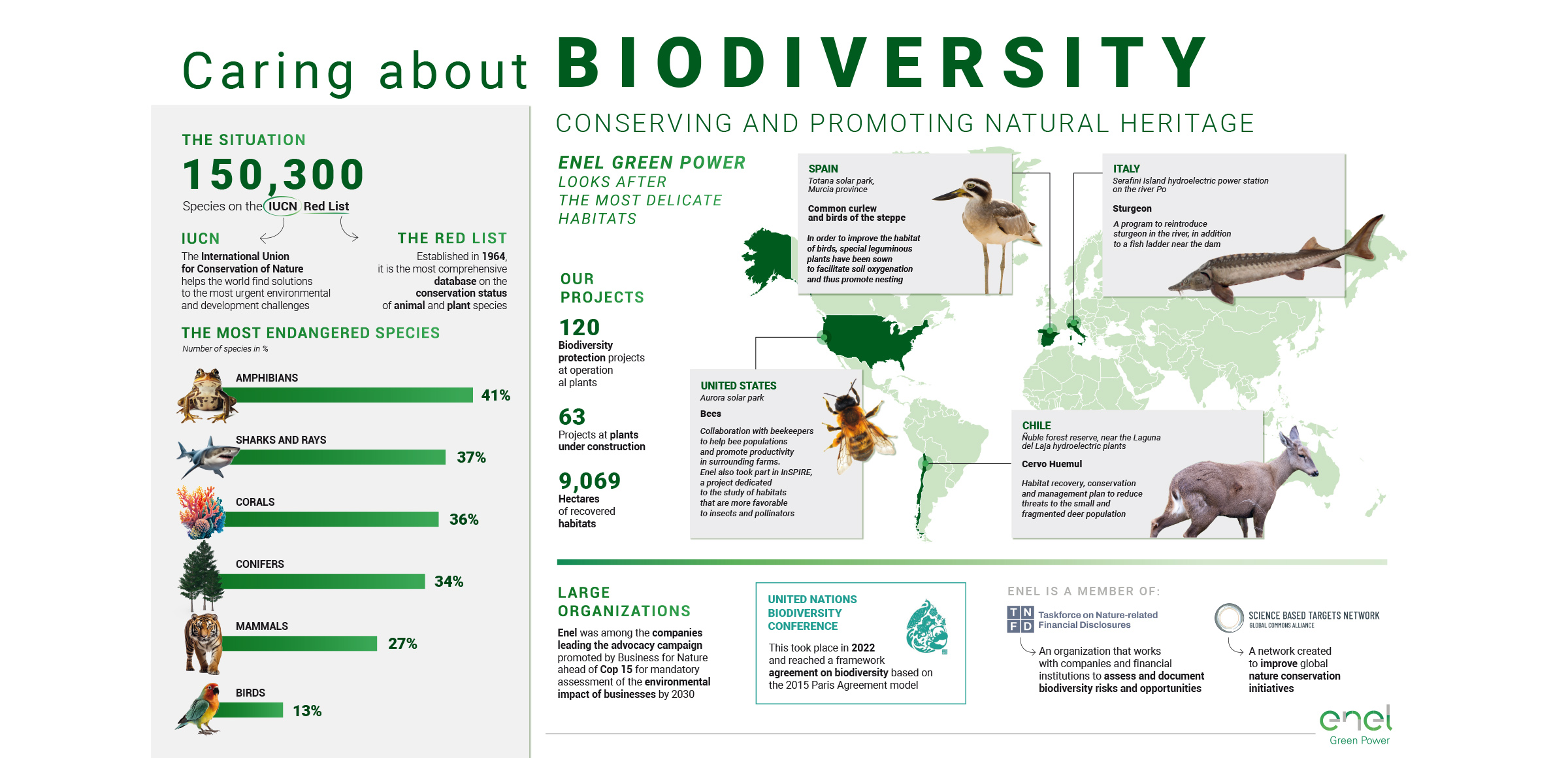
Biodiversity underpins the healthy functioning of ecosystems and provides a wide range of benefits that are critical for human societies and the natural world. Conserving biodiversity is essential for securing a sustainable future. Diverse ecosystems are more resilient and better able to withstand and recover from disturbances, including disease outbreaks. Healthy, diverse ecosystems can absorb and store large amounts of carbon, helping to mitigate climate change. Diverse natural habitats, like wetlands and forests, can help regulate extreme weather events and protect against natural disasters. Biodiversity supports food production and provides resources and income for many communities, especially in developing countries. Many modern pharmaceuticals are derived from plant and animal species, and biodiversity loss threatens the discovery of future cures and treatments. Biodiversity is integral to human health, well-being, and cultural heritage, providing opportunities for tourism, outdoor recreation, and inspiration. Diverse ecosystems are more stable and better able to withstand environmental stresses and disturbances, ensuring the continued provision of essential services.

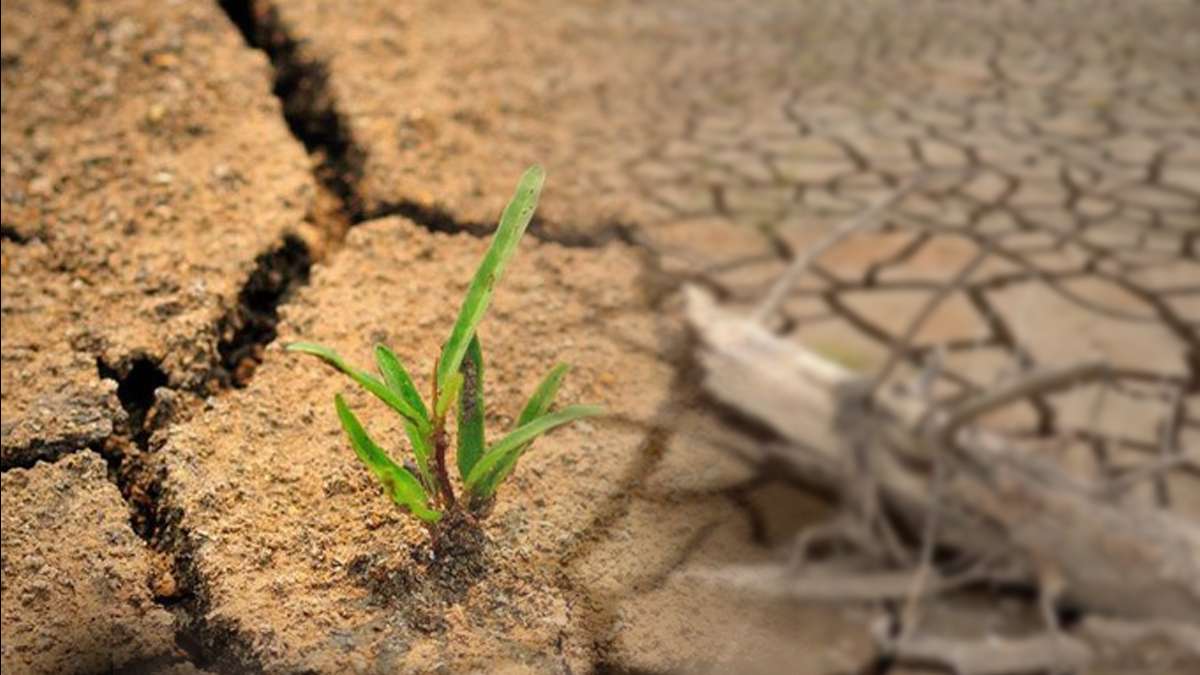
The theme for World Environment Day 2024 will focus on land restoration, desertification and drought resilience, under the slogan “Our Land. Our Future. We are #GenerationRestoration.” This theme is particularly timely, as 2024 marks the 30th anniversary of the United Nations Convention to Combat Desertification, UNCCD. According to the UNCCD, up to 40% of the planet’s land is currently degraded, directly affecting half of the world’s population and threatening roughly half of global GDP or USD 44 trillion. The number and duration of droughts have increased by 29% since 2000, and without urgent action, droughts may affect over three-quarters of the world’s population by 2050. Land degradation and desertification pose a grave threat to food security, biodiversity, and the livelihoods of millions of people worldwide.

The 2024 World Environment Day campaign aims to mobilise global action to address these pressing challenges. Land restoration is a key pillar of the UN Decade on Ecosystem Restoration from 2021 to 2030, a rallying call for the protection and revival of ecosystems around the world, which is critical to achieving the Sustainable Development Goals.

The Kingdom of Saudi Arabia has been selected to host the 2024 World Environment Day global celebrations. As a nation facing the challenges of land degradation, desertification and drought, the Kingdom is deeply invested in delivering solutions. Through initiatives such as the Saudi Green Initiative and the Middle East Green Initiative, the Kingdom is taking action both nationally and regionally to address these environmental threats. The 16th session of the Conference of the Parties (COP 16) to the UNCCD will also be held in Riyadh, Saudi Arabia, from December 2–13, 2024.

The 2024 World Environment Day theme of land restoration, desertification and drought resilience is a critical call to action. Healthy, productive land is the foundation for sustaining life on our planet, providing food, water, and livelihoods for billions of people. The alarming rate of land degradation and desertification poses an existential threat to humanity. Every second, an area the size of four football fields of healthy land becomes degraded, adding up to 100 million hectares every year. Climate change is exacerbating these challenges, with droughts becoming more frequent and severe. Currently, around 2 billion people live on drylands vulnerable to desertification, which could displace an estimated 50 million people by 2030. Urgent action is needed to halt and reverse these trends. Land restoration, through practices such as reforestation, sustainable agriculture, and the revival of degraded ecosystems, is a key solution.

Ecosystem restoration is at the heart of the 2024 World Environment Day campaign. By reviving forests, wetlands, grasslands, and other natural habitats, we can not only combat desertification and drought, but also mitigate climate change, protect biodiversity, and secure the livelihoods of millions of people. The UN Decade on Ecosystem Restoration, set to take place from 2021 to 2030, has set a global goal of restoring 1 billion hectares of degraded land by 2030. This ambitious target represents a critical opportunity to heal our planet and secure a sustainable future for all. Restoration efforts can take place at any scale, from community-led initiatives to large-scale national and international programs. Everyone has a role to play in becoming part of #GenerationRestoration and lending a helping hand to our planet.

The World Environment Day 2024 will serve as a powerful platform to mobilise global action towards land restoration, desertification and drought resilience. The event will bring together governments, businesses, civil society, and individuals to share best practices, showcase innovative solutions, and inspire collective action. Ahead of the celebrations, the World Environment Day campaign was launched on April 28, 2024, in Riyadh, Saudi Arabia. This campaign focused on combating desertification, restoring land, and building drought resilience. The campaign aims to mobilise global action, showcase solutions, and inspire collective efforts towards restoring degraded ecosystems, protecting land, and building resilience against droughts. This aligns with the UN Decade on Ecosystem Restoration (2021-2030) and global commitments to restore 1 billion hectares of degraded land by 2030.

World Environment Day 2024 will be a pivotal moment in the global effort to address the urgent challenges of land degradation, desertification and drought. As the world grapples with the devastating effects of environmental degradation, the 2024 theme of land restoration, desertification and drought resilience offers a glimmer of hope. By mobilizing global action and empowering individuals, communities, and nations to become part of #GenerationRestoration, we can work towards a future where our land is healthy, our ecosystems are thriving, and our communities are resilient. The stakes have never been higher, but the power of collective action has never been more inspiring. Let us heed the call of World Environment Day 2024 and commit ourselves to restoring our land, securing our future, and building a sustainable world for generations to come.

Poem: The Calling

A few years ago, I wrote a poem about being an avid reader and have now decided to write one from the writer’s perspective. Why do I write? Read on to know…

The Calling

The words, they beckon from within,
A siren’s song that won’t give in.
They dance and swirl, a restless tide,
Demanding that I be their guide.

This burning need, this endless ache,
To put pen to paper, thoughts to make.
To craft a world, to paint a scene,
To give these voices life, pristine.

For writing is my truest bliss,
My raison d’être, my life’s abyss.
Without this craft, this sacred art,
I’d wither, lost, with a broken heart.

The page, my canvas, waits for me,
Inviting me to set words free.
To weave a tale, to sing a song,
That carries readers along.

So I will heed this inner call,
This driving force is what drives us all.
I’ll write until my dying day,
For writing is the only way.

The International Day of Potato: Celebrating a Global Staple

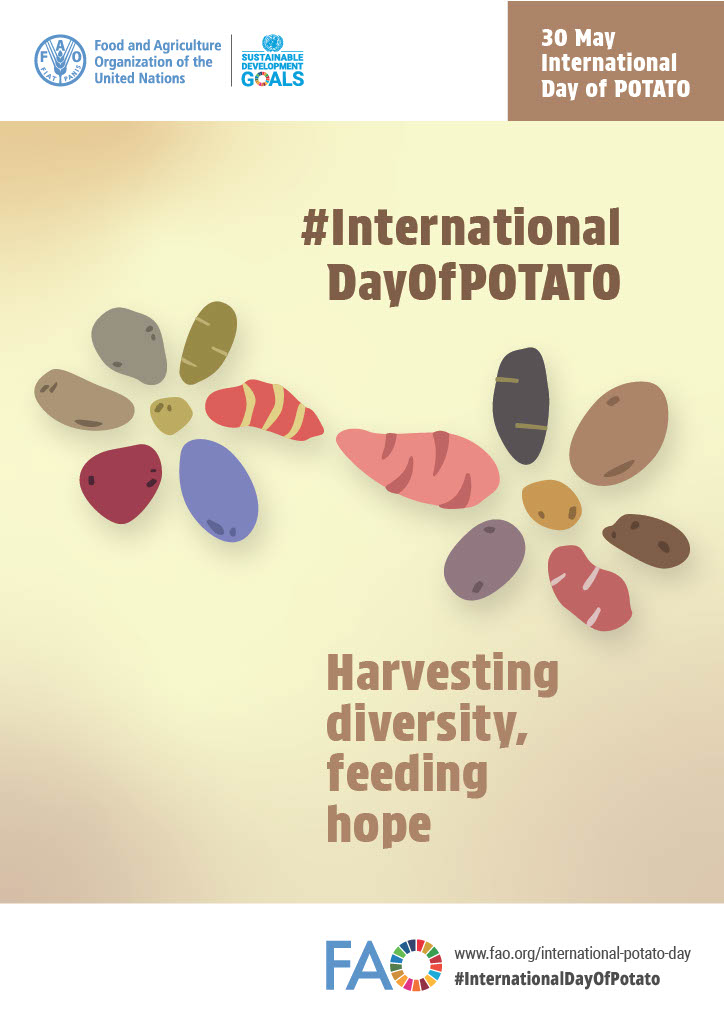
The potato, a humble tuber that has nourished civilizations for millennia, is finally getting its due recognition on the global stage. On December 30, 2023, the United Nations General Assembly proclaimed May 30th as the International Day of the Potato, a testament to the crop’s enduring importance in feeding the world.

The potato’s origins can be traced back to the Andes of South America, where it was first cultivated by indigenous communities between 5,000 and 8,000 years ago. These early potato growers recognised the tuber’s remarkable resilience and nutritional value, making it a staple food that sustained the Inca civilization.

The potato’s journey to global prominence began in the 16th century, when Spanish conquistadors brought the crop back to Europe. Initially viewed with suspicion, the potato slowly gained acceptance and became a dietary mainstay, fueling the rise of urbanisation and the Industrial Revolution. During the Qing Dynasty in China, the introduction of the potato helped alleviate famine, solidifying its place as an essential crop.

The potato’s resilience was further tested during times of conflict, such as World War II, when its high yield and storage capabilities provided much-needed food security. However, the Irish Famine of the 1840s serves as a stark reminder of the dangers of relying on a single crop variety, as a lack of genetic diversity left the potato vulnerable to disease.

Today, the potato stands as a beacon of food security and a pillar of sustainable agriculture. With over 5,000 varieties worldwide, the potato’s genetic wealth offers a powerful tool to combat pests, diseases, and the impacts of climate change. From the 12,000-hectare Potato Park in the Andes, where indigenous communities manage and protect their potato genetic resources, to the innovative use of potato starch in bioplastics, the humble tuber continues to inspire innovation and drive progress.

The potato’s global significance is undeniable. It is the third most consumed food crop globally, with 159 countries cultivating the tuber. This widespread cultivation is a testament to the potato’s adaptability, as it thrives in diverse farming systems, from small-scale, hand-tended plots in the Andes to vast, mechanised commercial farms across different continents.

The potato’s nutritional profile is equally impressive. Rich in carbohydrates, vitamins, and minerals, the potato is a complete food that can help address issues of food security and malnutrition. Furthermore, the crop’s high yield and efficient use of resources make it a valuable tool in the fight against hunger and poverty.

The cultural and culinary dimensions of the potato are equally captivating. From the iconic Irish potato famine to the Russian love affair with vodka, the potato has woven itself into the fabric of human history and tradition. Across the globe, the potato has inspired a myriad of beloved dishes, from French fries and mashed potatoes to the Peruvian causa and the Indian aloo tikki.

The inaugural International Day of the Potato, to be celebrated tomorrow, will be a momentous occasion, marking a significant milestone in the global recognition of this remarkable crop. The day will provide an opportunity to showcase the potato’s multifaceted contributions to food security, nutrition, and sustainable agriculture, while also honouring the crucial role of small-scale family farmers, a significant proportion of whom are women, in safeguarding the crop’s genetic diversity.

The celebrations will be led by the Food and Agriculture Organization, or FAO of the United Nations, in collaboration with the World Potato Congress, Inc. and national governments. The day will feature a range of activities and initiatives designed to raise awareness, advocate for the potato, and celebrate its cultural and culinary significance.

One of the key highlights of the 2024 celebrations will be the formal adoption of the International Day of Potato proposal by the FAO during their annual general assembly in December 2022, followed by the approval and resolution of the declaration during the United Nations General Assembly in September 2023. This formal recognition will pave the way for the first-ever International Potato Day to be celebrated on May 30, 2024, just a few days before the next World Potato Congress in Adelaide, Australia.

The International Day of Potato 2024 will be a momentous occasion, a global celebration of a crop that has nourished civilisations, fueled economic progress and continues to play a vital role in addressing the challenges of food security, nutrition, and sustainable agriculture. As the world comes together to honour the humble potato, it is a testament to the enduring power of this remarkable tuber and the resilience of the communities that have cultivated it for millennia.

The $10.9 Trillion Invisible Economy: Recognizing the Value of Women’s Unpaid Labour

During one of the International Women’s Day events in February, I heard something that made me want to check it out further. According to an analysis by Oxfam, if women around the world received the minimum wage for every hour of their unpaid labour, they would have contributed a staggering $10.9 trillion to the global economy in 2020 – more than twice the size of the global tech industry that same year, valued at $5.2 trillion. Women’s unpaid labour is a staggering economic contribution that often goes unrecognised and undervalued.

Unpaid labour falls into two main categories: unpaid work within the production boundary of the System of National Accounts (SNA), such as subsistence agriculture or construction of one’s own home, which contributes to GDP but is not monetarily compensated; and unpaid work outside the SNA production boundary, such as domestic labour like cooking, cleaning, childcare, and caring for the elderly or sick within households for their own consumption. This type of unpaid labor is not included in GDP calculations.

The key aspects that define unpaid labor are that it involves mental or physical effort and is costly in terms of time and resources; the individual performing the activity is not remunerated or paid for their work; and it includes activities necessary for the health, well-being, maintenance, and protection of household members or the household itself.

Unpaid labour encompasses a wide range of activities beyond just household chores, such as volunteering, interning, and other forms of unpaid community work. However, the term “unpaid care work” specifically refers to unpaid domestic activities like cooking, cleaning, childcare, and caring for other dependents within the household.

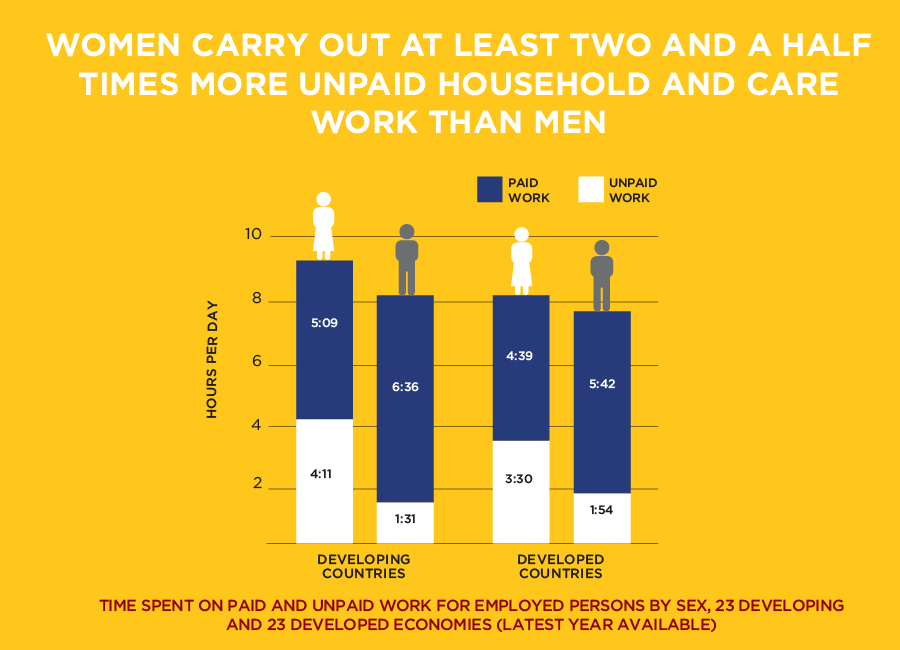
Women bear a disproportionate share of this invisible burden. Oxfam reports that women and girls handle more than three-quarters or 75%, of the world’s unpaid care work, carrying out 12.5 billion hours of this work every day. In the United States, women complete an average of 4.5 hours of unpaid labour daily, while men complete 2.8 hours.

The unequal distribution of unpaid care work between women and men represents a violation of women’s rights and a barrier to their economic empowerment. This gender gap persists across regions, socio-economic classes, and cultures, rooted in discriminatory social norms and stereotypes about gender roles.

In some countries, the gap is particularly stark. In India, women spend almost six hours a day managing the home, while Indian men spend a paltry 52 minutes. Even in more gender-equal countries like Sweden and Norway, women still complete 42 and 50 more minutes of unpaid labour per day, respectively, than men.

The disproportionate share of unpaid work that women do has a significant impact on their careers and professional opportunities. Women’s career paths are often hampered by a “broken rung,” facing difficulties when it comes to stepping up to managerial roles. For every 100 men promoted from entry-level to manager, only 87 women were promoted, according to 2023 data.

Unpaid care work is also directly linked to the gender pay gap within households. Because women’s salaries tend to be lower, they are usually the ones who stop working to take over childcare, further exacerbating the pay gap. Additionally, women responsible for a large amount of unpaid care work may find it difficult to work full-time hours, limiting their job opportunities.

Tackling entrenched social norms and gender stereotypes is a crucial step in redistributing responsibilities for care and housework between women and men. Public awareness campaigns, education programmes, and financial incentives for fathers to take parental leave could promote a fairer distribution of the unpaid workload.

Countries with robust welfare programs that provide care for children and older people, such as Sweden, Denmark, and Norway, have higher gender parity in unpaid labour. Sweden, for example, gives parents 480 days of paid parental leave to be shared between them, promoting a more equal sharing of care responsibilities. Creating a supportive culture for working parents and caregivers through policies like flexible work schedules and teleworking, can also help women balance their paid and unpaid responsibilities.

Governments can also recognise and measure unpaid labour and incorporate the measurement of unpaid care work into national statistics and GDP calculations to make the economic value of this work visible. They should also conduct research and collect data on the time spent on unpaid care work by women and men to better understand the issue. Governments should also invest in public services and infrastructure that can reduce the time and effort required for unpaid care tasks, such as childcare facilities, elder care services, and time-saving household technologies, as well as implement family-friendly policies like flexible work arrangements, teleworking, and paid parental leave to enable both women and men to better balance paid work and unpaid care responsibilities. This will reduce the burden of unpaid labour.

They can also redistribute unpaid labour more equally by tackling discriminatory social norms and gender stereotypes that associate unpaid care work with women, through public awareness campaigns and education programs, providing financial incentives and policies to encourage men to take on a greater share of unpaid care work, such as “use-it-or-lose-it” parental leave policies, and adopting a “care lens” in policymaking across different sectors to ensure that the redistribution of unpaid care work is considered. Legal and social protections for paid care workers, like improving wages, working conditions, and social protections for paid domestic and care workers, who are often women and work in the informal sector, should be initiated to achieve greater gender equality and unlock the full economic potential of women.

The staggering value of women’s unpaid labour, estimated at $10.9 trillion globally, highlights the urgent need to recognise, reduce, and redistribute this invisible burden. Addressing gender inequality in unpaid care work is not only a matter of women’s rights and economic empowerment but also a crucial step towards achieving gender equality and unlocking the full potential of societies worldwide. As we confront the realities of women’s unpaid labour and its profound economic and social implications, we are reminded of the urgent need for collective action and solidarity. By recognising the true value of women’s contributions, advocating for policy reforms, and challenging gender norms and stereotypes, we can create a more just, equitable, and inclusive world for all. Let us harness the power of awareness, advocacy, and activism to dismantle the invisible barriers that perpetuate gender inequality and pave the way for a brighter future for generations to come.