

Thiruvaragunamangai Temple, Natham, Tamil Nadu
Thiruvaragunamangai, located in Natham along the Tamiraparani river, is one of the Nava Tirupati Divya Desams that does not immediately draw attention to itself. It sits quietly within the larger sacred geography of the region, yet carries a distinct identity shaped by stillness rather than movement. The presiding deity here is Vijayasana Perumal, and the goddess is Varagunavalli Thayar. The name Vijayasana itself is telling. “Vijaya” means “victory,” and “asana” refers to a “seat.” This is not the moment of battle or conquest. It is the moment after, when the Lord sits in composure, the work already done.
The mythology of Thiruvaragunamangai reflects this quieter understanding of victory. According to tradition, the Lord appeared here to bless sages and celestial beings who sought release from the cycles of action and consequence. Unlike stories where the focus is on dramatic intervention, here the emphasis is on resolution. The Lord does not act with visible force. He is already seated, already steady. The message is subtle. Not all victories are loud. Some are inward, marked by the absence of disturbance rather than the presence of triumph.
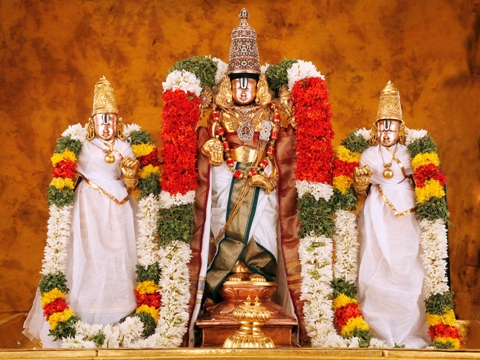
Inside the sanctum, Vijayasana Perumal appears in a seated posture, calm and composed. The form does not attempt to impress through scale or intensity. It holds attention through stillness. Varagunavalli Thayar’s presence adds warmth to the space, balancing the quiet authority of the Lord with compassion. Together, they create an atmosphere that feels settled. There is no urgency here, no sense of something about to happen. Everything feels complete.
The temple’s location along the Tamiraparani River adds another layer to its identity. The river moves steadily through the landscape, connecting the Nava Tirupati temples to one another. In Thiruvaragunamangai, that sense of flow is present but understated. The temple does not stand apart from the land. It feels integrated into it, part of a rhythm that continues without interruption.

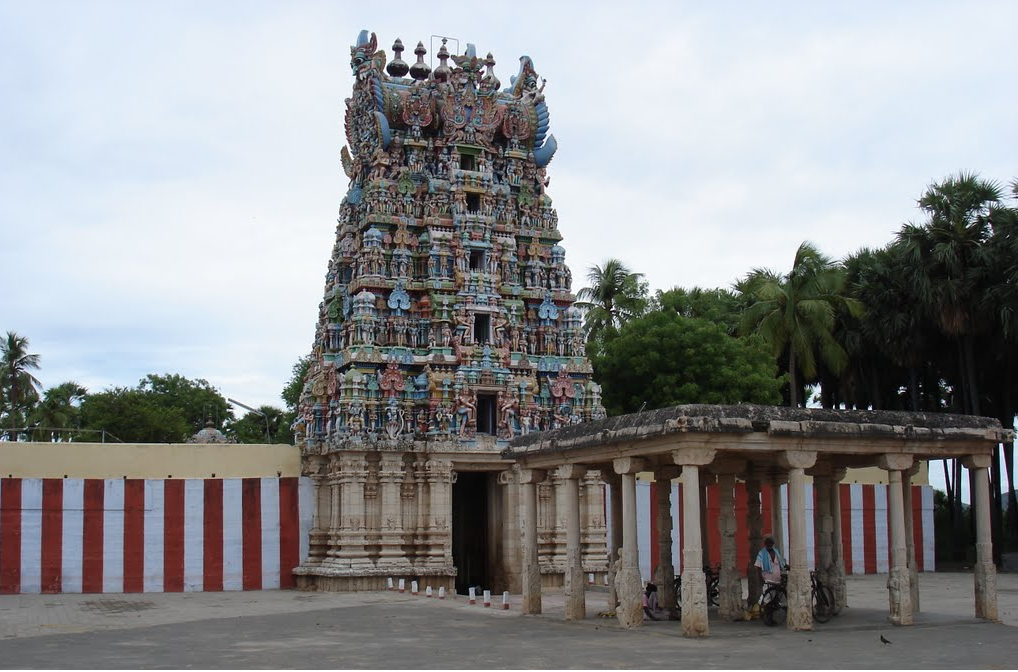
Historically, Thiruvaragunamangai is part of the group of Nava Tirupati temples supported by Pandya rulers and sustained through local devotion over centuries. These temples share a geographical and cultural connection, yet each carries its own meaning. Thiruvaragunamangai’s identity as the temple of seated victory sets it apart within this group. The structure reflects the continuity of this tradition, with stone walls, a modest gopuram, and a layout that guides movement inward without distraction.
Architecturally, the temple is simple and proportionate. The entrance leads into a courtyard that feels open but contained, and the sanctum becomes the natural focal point. There is no excess in the design. The emphasis remains on the presence of the deity. The surrounding structures support the flow of worship without drawing attention away from it.
The daily rituals follow the Vaishnavite tradition, with regular pujas conducted through the day. The temple becomes more active during festivals such as Vaikunta Ekadasi and the Garuda Sevai of the Nava Tirupati temples, when the deities from the region are brought together. During these times, the temple participates in a larger shared celebration, yet its own identity remains intact. The seated form of Vijayasana Perumal continues to anchor the space.
For pilgrims, the experience of Thiruvaragunamangai is often shaped by its quietness. Moving from one Nava Tirupati temple to another, each with its own story, arriving here creates a pause. The mind, already carrying multiple narratives, finds a space that does not demand more. Standing before the seated Lord, there is a sense of completion rather than anticipation.
Culturally, the temple holds its place through the hymns of Nammalvar, whose verses connect the Nava Tirupati temples into a single devotional landscape. His poetry often reflects an inward turn, and that quality aligns closely with the mood of this temple. Over time, Thiruvaragunamangai has come to represent a form of grace that is quiet and sustaining.
In modern times, the temple continues to function as an active place of worship, maintained through regular rituals and community care. Pilgrims visiting the Nava Tirupati temples include it as an essential stop, even though it does not draw attention in obvious ways. Its presence is steady rather than striking.
Thiruvaragunamangai ultimately represents a kind of victory that does not need to be announced. Vijayasana Perumal does not stand or act here. He sits, and in that posture, the idea of completion becomes clear. In the larger Divya Desam journey, this temple offers a simple but important insight. Not all victories are visible. Some are known only in the stillness that follows.

Thiruppuliangudi Temple, Thirupulingudi, Tamil Nadu
Thiruppuliangudi, located along the Tamiraparani river as part of the Nava Tirupati group of temples, is one of those places that does not reveal itself all at once. It sits quietly within the landscape, and its meaning unfolds slowly, much like the river that flows nearby. The presiding deity here is Kaisina Vendan Perumal, often understood as a reclining form of Vishnu, with Malarmagal Nachiyar as the goddess. Among the Nava Tirupati temples, this one carries a distinctly inward tone. It does not rely on scale or dramatic narrative. Instead, it draws you into a more grounded experience, where the divine feels close to the earth.
The mythology connected with Thiruppuliangudi is tied to sages and their search for clarity. According to tradition, this was a place where great rishis performed penance, seeking release from the weight of their actions and the confusion of the world. Vishnu appeared before them, not in a form of action or movement, but in repose. The reclining form here does not suggest distance or withdrawal. It suggests a kind of presence that remains steady even when nothing is happening. The message is subtle. Not every response from the divine is an event. Sometimes it is a state.
Inside the sanctum, that state becomes visible. The Lord reclines on Adisesha, but the form is such that devotees cannot see the entire body from a single position. Traditionally, one must move slightly, adjusting perspective to take in the full presence. That detail matters because it changes the experience of darshan. It is not immediate or complete. It asks for attention, for a small effort to see fully. In doing so, it mirrors the idea that understanding itself often comes in parts.
Malarmagal Nachiyar’s presence adds softness to the space, balancing the stillness of the reclining form with a sense of grace. The temple does not separate these aspects sharply. The divine here is both steady and gentle, composed and accessible. Together, they create an atmosphere that feels neither overwhelming nor distant.
The setting of the temple along the Tamiraparani river reinforces this mood. The river flows without interruption, linking the Nava Tirupati temples in a quiet network of shared meaning. In Thiruppuliangudi, that flow feels slower, more reflective. The land around the temple does not rush. It allows space for stillness.
Historically, Thiruppuliangudi is part of the Nava Tirupati group, a set of temples closely associated with the hymns of Nammalvar. These temples were supported by the Pandya rulers and sustained through local devotion over centuries. Unlike larger temple complexes that grew into prominent centres of pilgrimage, many of the Nava Tirupati temples, including Thiruppuliangudi, have remained more contained. This has allowed them to retain a certain quietness that shapes the experience of visiting them.
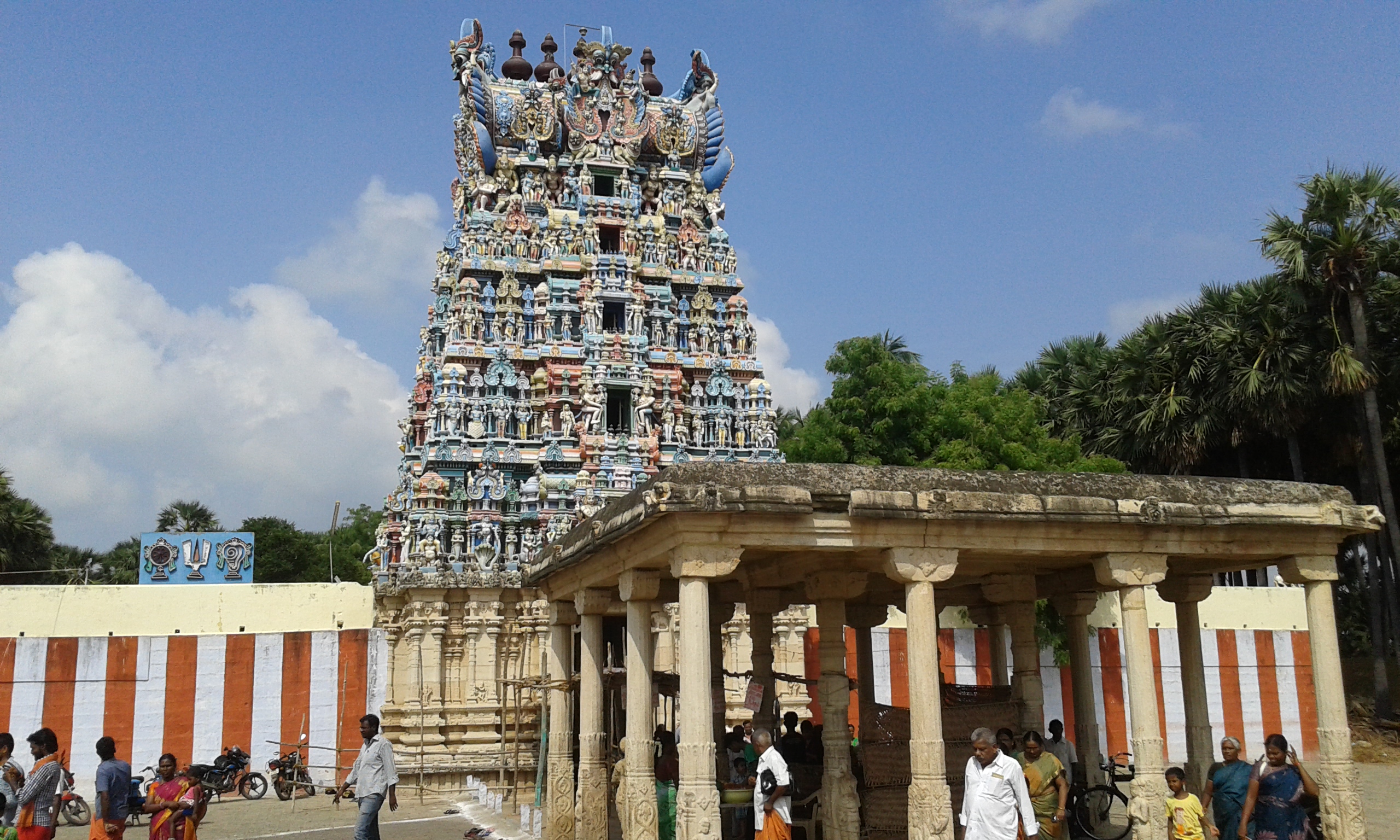
Architecturally, the temple follows the Dravidian style but in a modest and proportionate form. The gopuram marks the entrance without dominating the space, and the prakarams guide the movement inward in a straightforward way. The sanctum remains the focal point, drawing attention to the reclining form of the Lord. The temple does not rely on elaborate decoration to create impact. Its strength lies in its restraint.
The daily rituals follow the Vaishnavite tradition, with regular pujas conducted throughout the day. The temple becomes more active during festivals such as Vaikunta Ekadasi and the Garuda Sevai, when the deities from the Nava Tirupati temples are brought together. During these times, Thiruppuliangudi becomes part of a larger shared celebration, yet it retains its own identity. The calm of the reclining form continues to define the space.
For pilgrims, the experience of Thiruppuliangudi often comes as part of a sequence. Moving through the Nava Tirupati temples, each with its own story and form, arriving here creates a shift. The mind, already filled with narratives of action and meaning, encounters a space that does not add more. Instead, it offers stillness. Standing before the reclining Lord, one begins to understand that not every question needs an immediate answer.
Culturally, the temple holds its place through the verses of Nammalvar, whose hymns connect the Nava Tirupati temples into a unified devotional landscape. His poetry often reflects a deep inward movement, and that quality aligns closely with the mood of Thiruppuliangudi. Over time, the temple has come to represent a form of grace that is quiet and sustaining.
In modern times, Thiruppuliangudi continues to function as an active place of worship, maintained through regular rituals and community care. Pilgrims visit as part of the Nava Tirupati circuit, but the temple remains relatively uncrowded. Its presence is steady rather than prominent.
Thiruppuliangudi ultimately represents a form of divine presence that does not demand attention but holds it gently. Kaisina Vendan Perumal reclines not to withdraw, but to remain. In the larger Divya Desam journey, this temple offers a simple but important insight. Not every sacred experience is about movement. Some are about learning to stay.

