Sacred Stones, Spaces, and Stories: Divya Desams Part 23

Thiruvelukkai Temple, Kanchipuram, Tamil Nadu
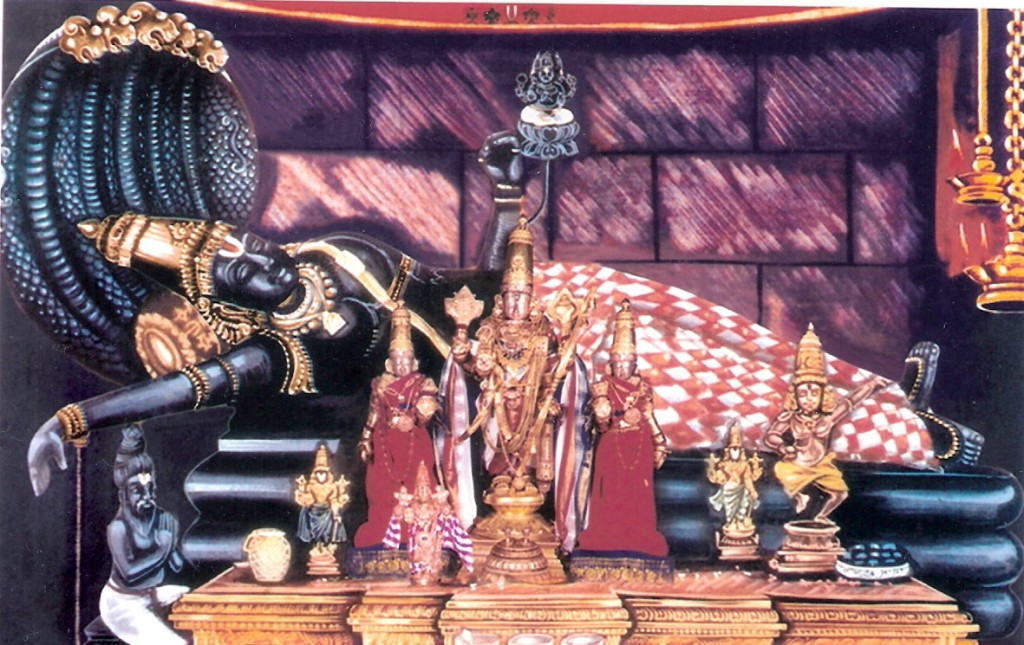
Among the many Divya Desams in Kanchipuram, Thiruvelukkai stands slightly apart because of the form in which Vishnu is worshipped here. The presiding deity is Azhagiya Singar, a graceful form of Narasimha, with Amritavalli Thayar as the goddess. The name Thiruvelukkai is often interpreted as “the sacred place where the Lord chose to stay.” The story suggests that after intense action, the divine paused here. In a city filled with temples representing teaching, illumination and protection, Thiruvelukkai speaks of something quieter, the moment after anger fades and balance returns.

The mythology connected to this temple begins with the well-known story of Narasimha, the fierce incarnation of Vishnu who appeared to destroy the demon king Hiranyakashipu. Narasimha emerged in blazing fury to protect Prahlada and restore righteousness. Yet the story does not end with the destruction of the demon. According to local tradition, after the battle, Narasimha continued moving across the land, still carrying the heat of that divine rage. The gods and sages prayed for the Lord to calm himself and settle into peace. It is believed that Narasimha chose this place in Kanchipuram to rest, allowing the fierce energy to soften. Because the Lord willingly stayed here in a composed form, the place came to be known as Thiruvelukkai.

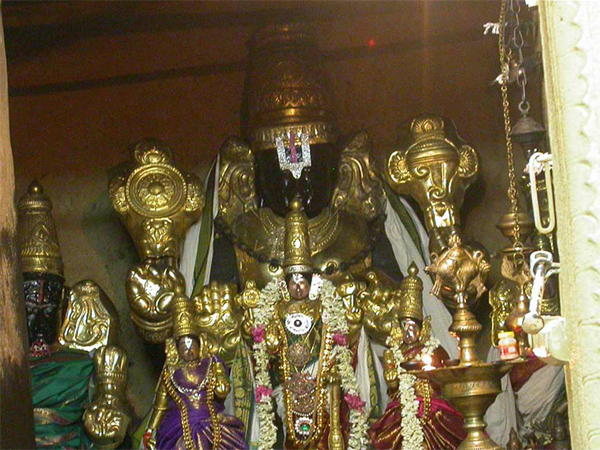
In the sanctum, Narasimha does not appear in the explosive posture often associated with the incarnation. Instead, he sits with controlled strength. The lion-faced form is still powerful, but the expression is composed, almost reflective. Devotees often describe the image as one of restrained force: the moment when anger has already passed, and wisdom has returned. Amritavalli Thayar’s shrine adds warmth to the space, grounding the intense symbolism of Narasimha with compassion and grace. The presence of both shrines together makes the temple feel balanced rather than intimidating.

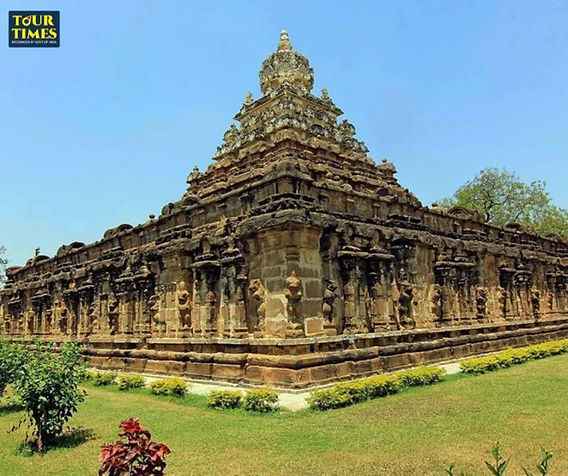
Historically, Thiruvelukkai reflects the same long continuity that marks many temples in Kanchipuram. The earliest structures likely date back to the Pallava period, when the city was an important centre of religion and scholarship. The Cholas later strengthened the stone structure and supported ritual practices through donations and endowments. Vijayanagara rulers and local patrons added mandapams and repairs over time. Despite these additions, the temple never expanded into a monumental scale. Its modest size gives it a quiet dignity. The focus remains on the sanctum rather than the surrounding architecture.

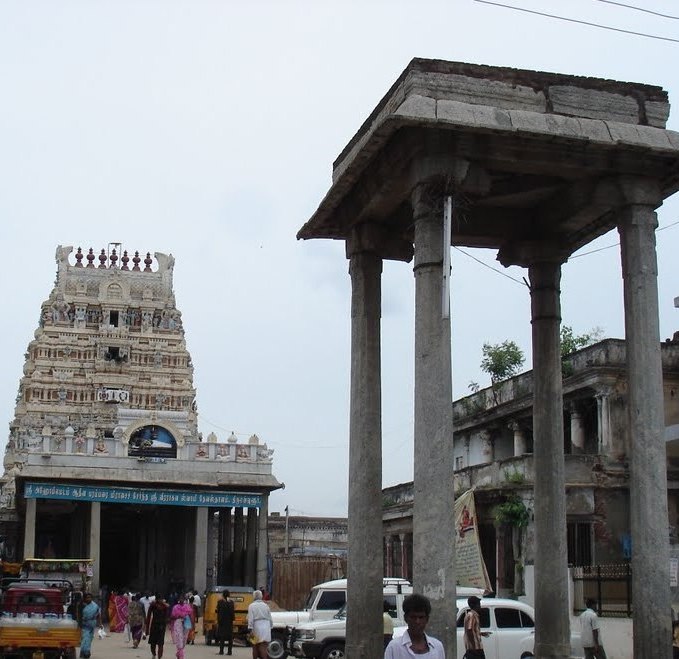
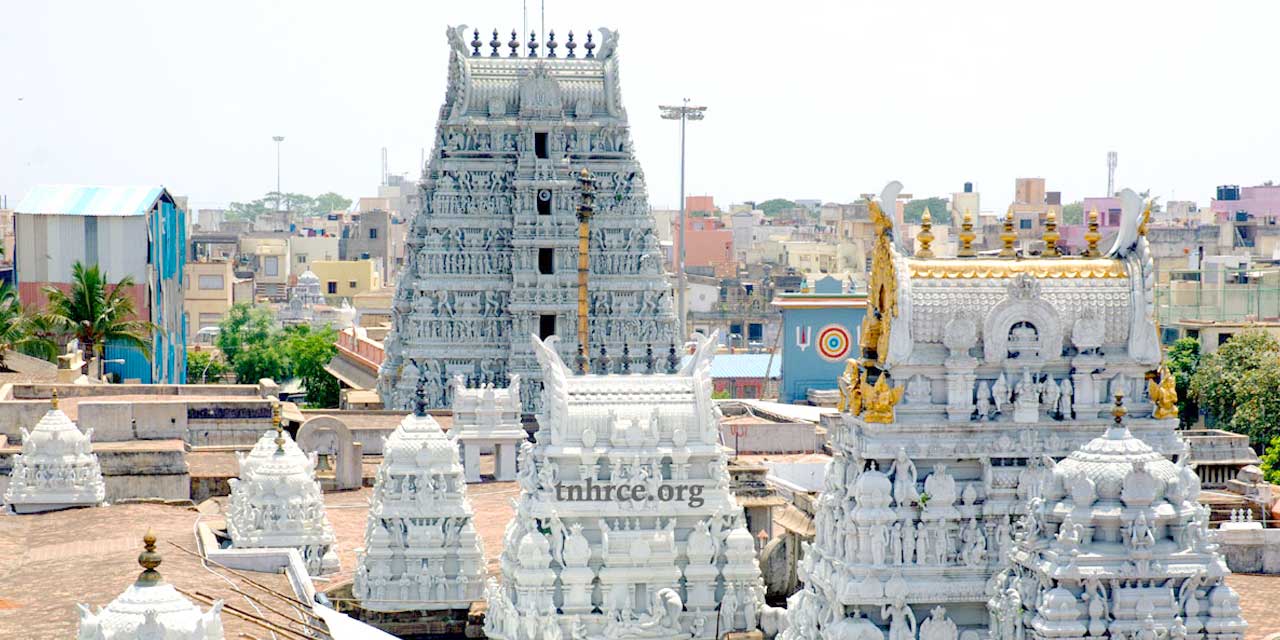
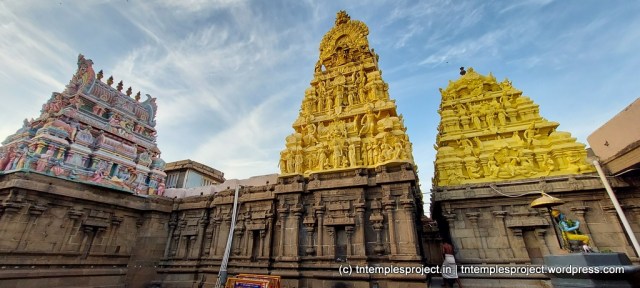
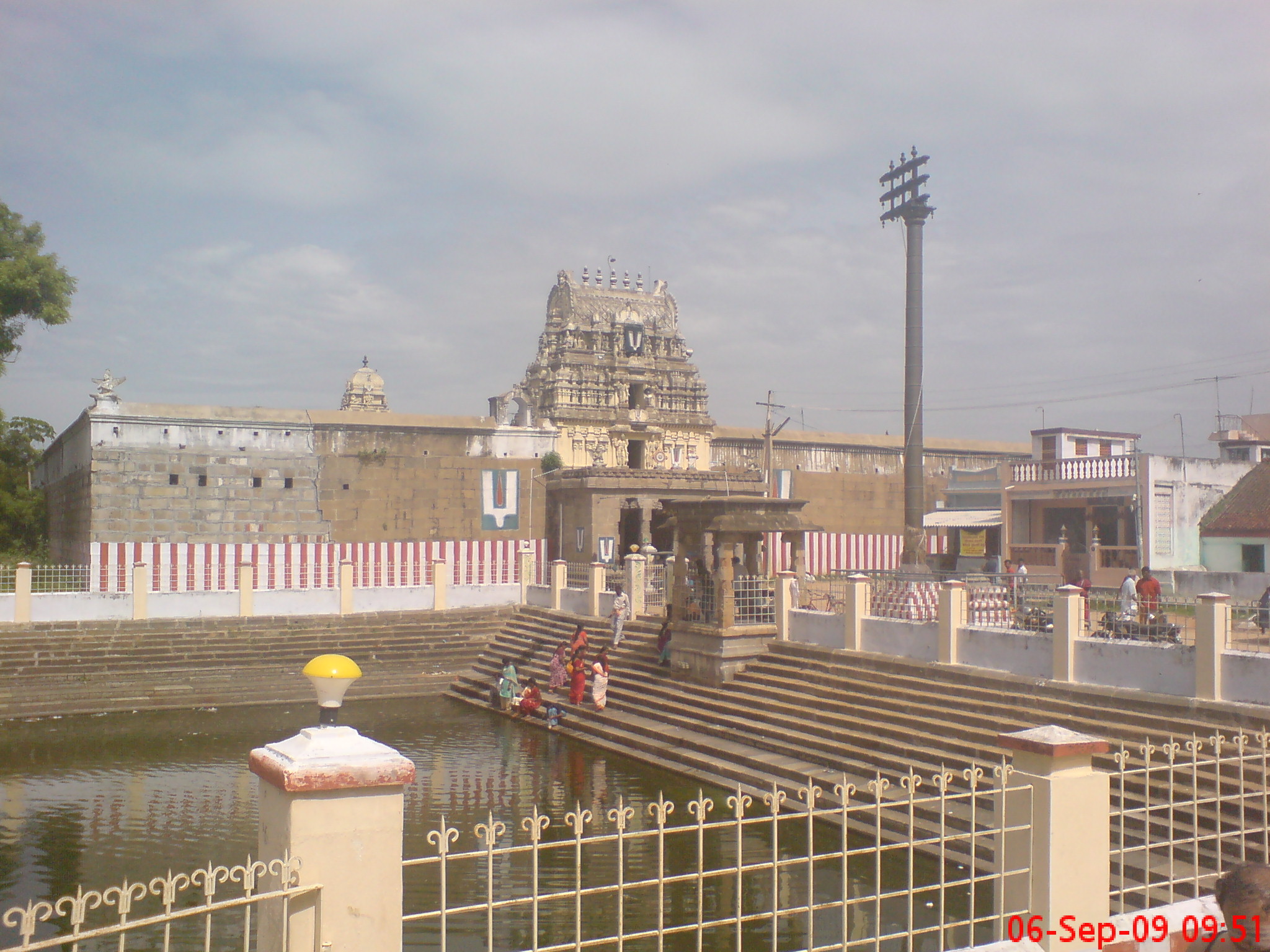
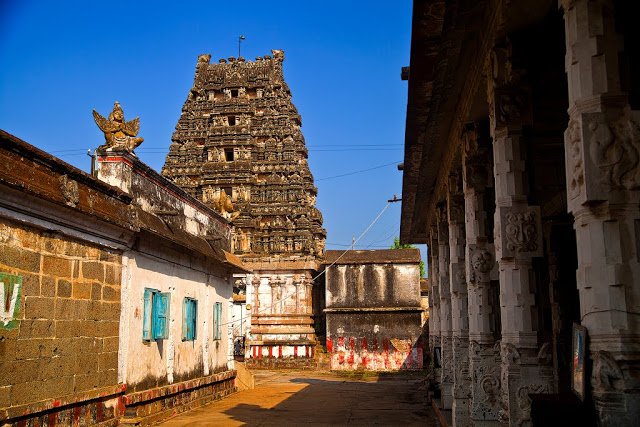
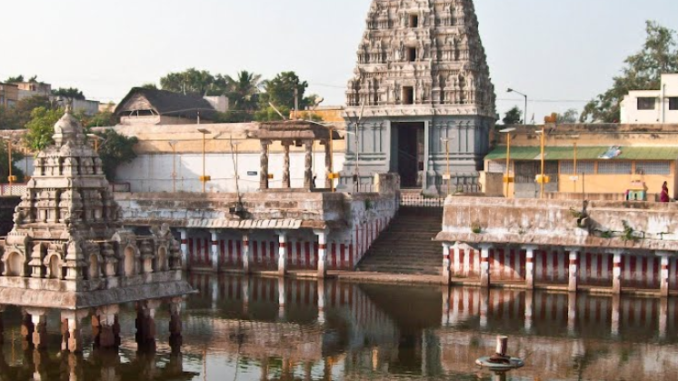
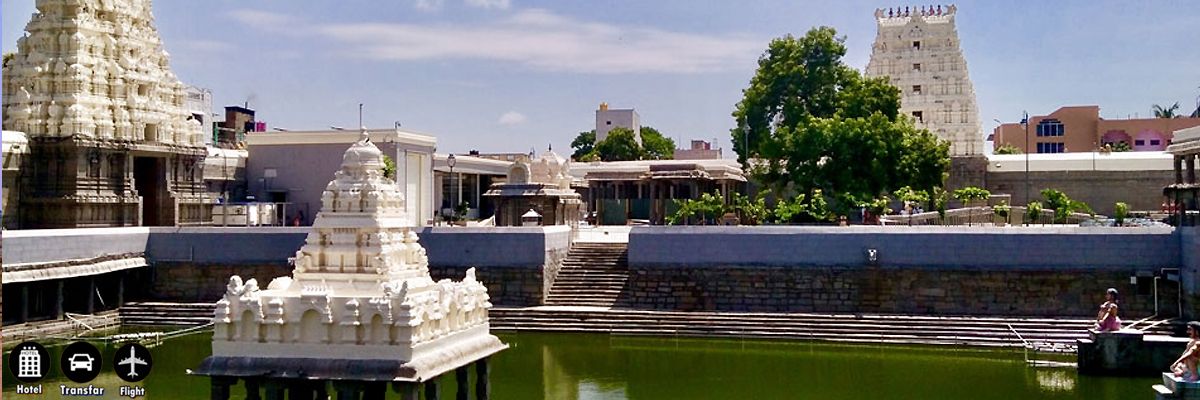
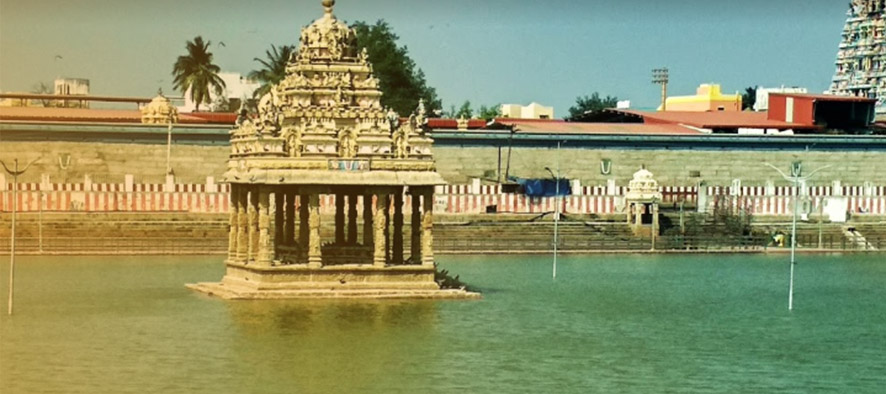
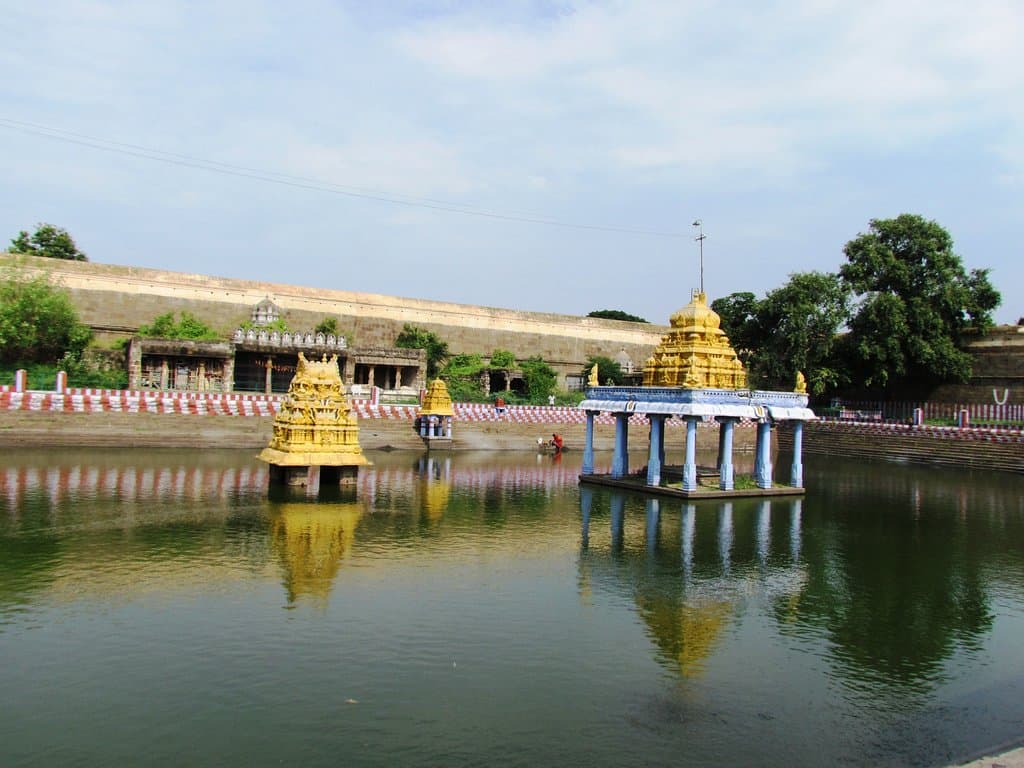
Architecturally, the temple carries the familiar elements of South Indian temple design, though in a more intimate form. The entrance gopuram is modest, and the courtyard leads directly toward the sanctum without long corridors. Inside, Azhagiya Singar faces west, an orientation that immediately draws attention. The idol’s seated posture creates a sense of stability within the space. The lion-faced features are clearly defined, yet the calmness of the form tempers the ferocity usually associated with Narasimha. The temple tank nearby adds to the sense of stillness, reflecting the sky and reinforcing the quiet mood of the surroundings.

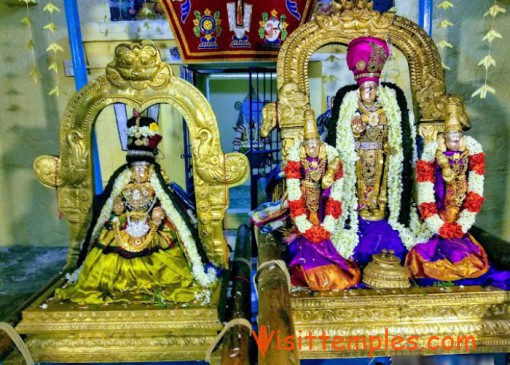
The rituals at Thiruvelukkai follow the Vaishnavite tradition and unfold in an unhurried rhythm. Morning worship begins with Suprabhatam, followed by alankaram and neivedyam. Evening aradhanai brings devotees together once more before the temple closes for the day. During festivals such as Narasimha Jayanti and Vaikunta Ekadasi, the temple becomes livelier, but the atmosphere never loses its sense of composure. When the deity is taken out in procession during festival days, devotees often remark on how the seated form of Narasimha appears both majestic and serene.

The pilgrimage experience at Thiruvelukkai feels quieter than many other temples in Kanchipuram. The streets around the temple move at a slower pace, and the entrance does not overwhelm visitors with scale. Once inside, the sanctum quickly becomes the focal point. Standing before Azhagiya Singar, one senses a kind of emotional steadiness. The temple seems to acknowledge that anger and turmoil exist, but it also suggests that they do not need to define the end of the story. Calm can follow intensity. Strength can settle into wisdom.
Culturally, Thiruvelukkai occupies an important place within the Divya Desam tradition because of its association with Narasimha’s transformation from fury to composure. The Alvars sang of the Lord here as both powerful and compassionate, recognising that the same force that destroys injustice can also protect with tenderness. For devotees, this duality is comforting. Life often brings moments of frustration or struggle, and the image of Narasimha sitting peacefully reminds them that strength does not have to remain explosive. It can mature into control.

In modern times, the temple continues its daily rhythm without interruption. Renovations have strengthened the structure and improved facilities, but the atmosphere remains largely unchanged. Devotees still come seeking courage and emotional balance. Some pray here when they feel overwhelmed by anger or stress, believing that the Lord who calmed himself here can help steady their own minds.

Thiruvelukkai ultimately represents the quiet moment after intensity. Narasimha’s presence here is not about battle but about what comes after. The fury that once protected Prahlada has softened into watchful calm. In the wider Divya Desam journey, this temple adds an important dimension. It reminds us that strength is not only about action; it is also about knowing when to become still.

Thiruneeragam Temple, Kanchipuram, Tamil Nadu
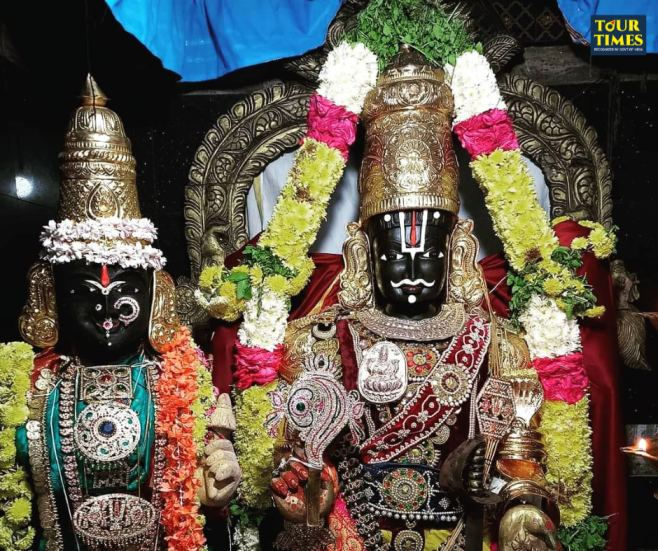
In Kanchipuram, where many Divya Desams sit close to each other within the sacred geography of the town, Thiruneeragam occupies a quieter corner. The presiding deity here is Jagadeeshwara Perumal, with Nilamangai Thayar as the goddess. Today the shrine is located within the Ulagalantha Perumal temple complex, which means it does not stand as a separate temple in the way some of the other Divya Desams do. Yet its presence remains distinct in meaning and tradition. The name Thiruneeragam itself carries the key to the temple’s identity. “Neer” means water, and the temple is associated with the element of water and the calm balance that water represents.

The mythology connected with Thiruneeragam reflects this symbolism. According to tradition, the earth once faced a severe imbalance that led to drought and dryness. Without water, life struggled and the land lost its vitality. The sages and gods prayed to Vishnu for relief, asking him to restore balance to the natural order. Vishnu appeared here as Jagadeeshwara Perumal and blessed the land with life-giving water. The story is simple but meaningful. Water is not just a physical element; it represents renewal, nourishment and continuity. By restoring water, the Lord restored stability itself.

Because of this connection, Thiruneeragam is often associated with emotional and spiritual cooling. Just as water settles dust and calms heat, the presence of the deity here is believed to steady troubled minds. Devotees approach Jagadeeshwara Perumal when life feels dry or difficult, when patience is running low or when circumstances seem uncertain. The symbolism is quiet but powerful. Water does not force change; it nourishes slowly until life begins again.

Historically, the shrine belongs to the larger sacred landscape of Kanchipuram, which flourished under the Pallavas and later under the Cholas. Many temples in the town grew during these periods, supported by rulers who saw Kanchipuram as both a political and spiritual center. Thiruneeragam itself became part of the Ulagalantha Perumal complex over time, likely during Chola or later developments when temple spaces were reorganised and expanded. Even though the shrine is smaller than many others in the town, its identity has remained clear because of the Divya Prabandham hymns that mention it.

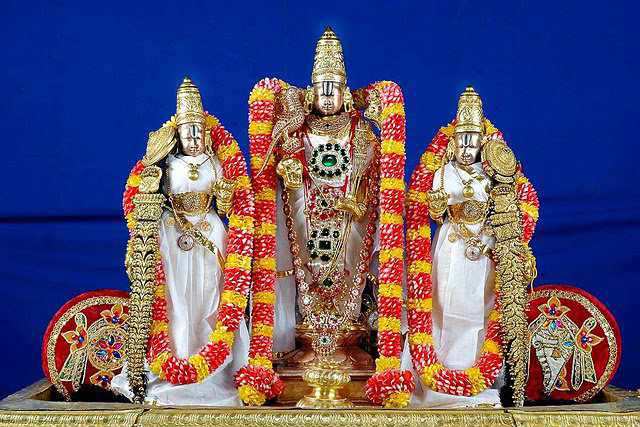
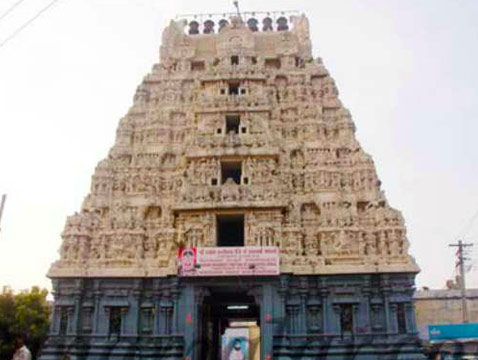
Architecturally, the shrine reflects its modest scale. It does not dominate the temple complex but blends naturally into it. The sanctum housing Jagadeeshwara Perumal is simple and direct. The idol stands in a composed posture, holding the conch and discus, embodying steadiness rather than grandeur. Nilamangai Thayar’s presence nearby adds warmth and reassurance to the space. Together, they create an atmosphere that feels calm and restorative.

The temple environment itself supports this mood. Even within the larger Ulagalantha Perumal complex, the Thiruneeragam shrine carries a sense of quietness. Devotees often pause here for a few moments longer than they expect, as though the symbolism of water naturally slows their pace. The experience is not dramatic. It is subtle, like the gentle shift that happens when heat gives way to rain.

Ritual life here follows the traditional Vaishnavite pattern, with daily worship conducted as part of the larger temple schedule. The rhythms of suprabhatam, alankaram and evening aradhanai unfold steadily. During Vaikunta Ekadasi and other major festivals celebrated in the complex, the shrine receives additional attention, and devotees include it as an essential stop in their pilgrimage through Kanchipuram’s Divya Desams. The presence of the shrine within a larger temple also reflects the layered nature of Kanchipuram itself, where multiple traditions and stories overlap in the same sacred space.

Culturally, Thiruneeragam holds its place through the verses of the Alvars. The hymns that refer to this shrine highlight the Lord’s ability to bring renewal where there was dryness. In Tamil devotional thought, water often symbolises compassion and grace. Just as rivers nourish fields, divine grace sustains life. The temple, therefore, carries a quiet reminder that spiritual growth is not always sudden. Sometimes it arrives gradually, like rain after a long summer.

For pilgrims visiting Kanchipuram, the experience of Thiruneeragam often comes as part of a sequence. Moving from one Divya Desam to another, each temple reveals a different aspect of Vishnu’s presence. Thiruneeragam adds the element of balance through water. After the brilliance of Deepa Prakasa at Thiruthanka or the protective strength of Ashtabuja Perumal, this shrine offers a softer tone. It reminds visitors that restoration does not always come through force or dramatic intervention. Sometimes it comes quietly, through nourishment and patience.

In modern times, the shrine continues to function within the living rhythm of Kanchipuram’s temple life. Pilgrims from across the country still arrive, following the Divya Desam circuit and pausing here to offer prayers. Renovations and temple maintenance have preserved the sanctum while maintaining its simplicity. The shrine remains a small but essential presence in the sacred geography of the town.

Thiruneeragam ultimately represents the gentle power of renewal. Jagadeeshwara Perumal stands as the Lord who restores balance when life becomes dry and uncertain. Nilamangai Thayar adds compassion to that presence, reminding devotees that grace flows quietly but steadily. In the wider Divya Desam journey, this temple brings the message of water, not as spectacle, but as sustenance. It teaches that life continues not through force alone, but through the quiet flow that nourishes everything around it.

Sacred Stones, Spaces, and Stories: Divya Desams Part 22

Ashtabujagaram Temple, Kanchipuram, Tamil Nadu
In Kanchipuram, a town layered with temples and philosophy, Ashtabujagaram stands with a quieter kind of strength. The presiding deity here is Ashtabuja Perumal, and the goddess is Alarmelmangai Thayar. The name itself tells the story. “Ashta” means eight, and “bhuja” means arms. Here, Vishnu appears with eight arms, each holding a weapon, yet the form does not feel aggressive. It feels protective. In a town known for debate and devotion, this temple speaks of something more basic and steady: protection without anger, power without noise.

The legend begins with Brahma once again. It is said that he was performing a yagna in Kanchipuram when Saraswati, displeased for reasons tied to pride and exclusion, tried to disrupt the ritual. In one version of the story, she sent fierce forces to disturb the sacrifice. The ritual fire trembled, and the atmosphere grew tense. Vishnu appeared to protect the yagna, taking on an eight-armed form so he could simultaneously hold multiple weapons and guard the space from all sides. Each arm carried a symbol: the conch, the discus, the bow, the arrow, the sword, the shield and other divine instruments, not as tools of attack but as signs of readiness. The message was clear. When chaos approaches from many directions, calm strength must meet it fully.

This temple also carries another layer of meaning. The eight arms are sometimes interpreted as representing the eight directions, suggesting that protection extends everywhere. There is no blind spot. Nothing is outside divine awareness. For devotees, this symbolism offers reassurance. Life often feels as if challenges arise from all sides at once. The form of Ashtabuja Perumal acknowledges that feeling without dramatising it. Instead of panic, the deity embodies composure. Even with eight arms, the expression remains steady.

Historically, Ashtabujagaram carries the imprint of the Pallavas and later the Cholas, who shaped much of Kanchipuram’s sacred architecture. The temple’s foundation likely dates back to the Pallava period, when Kanchipuram was a flourishing centre of religion and learning. Chola rulers expanded and strengthened the structure, adding stone prakarams and refining ritual practices. Later contributions from Vijayanagara patrons introduced additional mandapams and structural reinforcements. Walking through the temple, you sense these layers, not as separate eras but as a continuous line of care. The temple has never tried to compete with the larger Varadaraja Perumal shrine nearby. It remains modest in scale, but firm in presence.

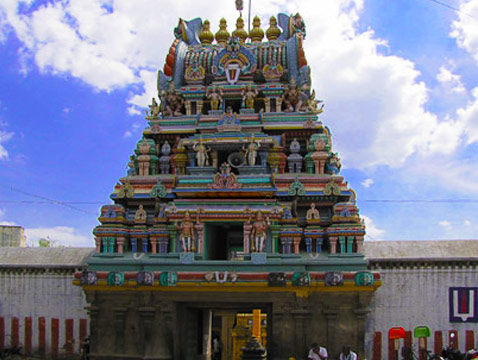
Architecturally, the temple reflects classic South Indian design in a more contained form. The gopuram is not towering, but it is dignified. The courtyard opens gently, guiding you toward the sanctum without distraction. Inside, the idol of Ashtabuja Perumal stands facing west, which is unusual and immediately draws attention. The eight arms are arranged with balance, not excess. There is symmetry in the posture, and that symmetry carries into the space itself. Alarmelmangai Thayar’s shrine offers warmth and emotional steadiness, softening the intensity of the armed form. Devotees often approach her first, not out of ritual obligation but instinctively, as if grounding themselves before stepping into the protective energy of the main sanctum.

One of the striking features of this temple is the sense of focus. Unlike larger temple complexes, where the scale can distract, Ashtabujagaram feels direct. You enter, you stand before the deity, and you absorb the image without layers of movement. The weapons in the Lord’s hands are visible, but they do not overwhelm. They suggest preparedness, not threat. The temple teaches that strength does not need to be loud to be effective.

Daily worship here follows the Vaishnavite tradition, unfolding in a steady rhythm. The rituals are measured and calm. Suprabhatam opens the day, followed by alankaram and neivedyam, with evening aradhanai bringing closure. During festivals such as Vaikunta Ekadasi and Brahmotsavam, the temple sees increased activity, but even then, the mood remains composed. The Garuda Sevai is particularly meaningful, as the deity is taken out in procession, allowing devotees to see the eight-armed form in motion. Yet even in procession, the posture remains balanced.

The pilgrimage experience in Kanchipuram often involves visiting multiple Divya Desams in a single stretch, and Ashtabujagaram fits naturally into that rhythm. After the scale and philosophical depth of Varadaraja Perumal’s temple, this shrine feels more intimate. The streets around it are quieter. Small shops sell flowers and prasadam, and the atmosphere carries the everyday pace of a temple town rather than the surge of a major pilgrimage centre. Standing inside the sanctum, you become aware of the image more than the surroundings. The eight arms create a subtle sense of enclosure, as though the space itself is being guarded.

Culturally, Ashtabujagaram holds a steady place within the Divya Desam tradition. Thirumangai Alvar sang in praise of this temple, recognising the protective form of the Lord. His verses highlight the idea that divine intervention does not always arrive in dramatic miracles. Sometimes it arrives as quiet readiness. The temple’s identity has shaped local devotion in simple ways. People come here when they feel surrounded by difficulty. They pray for stability during periods when life feels unpredictable. The image of the eight-armed Lord becomes a reminder that strength can exist without aggression.

In modern times, the temple continues its daily rhythm without disruption. Renovations have maintained the stone structure and improved lighting, but the essential character remains unchanged. Devotees still come seeking reassurance. Students pray before examinations, families seek blessings before major decisions, and elders return to a long habit. The temple does not attempt to reinvent itself. It does not need to. Its message remains clear.

Ashtabujagaram ultimately represents calm protection. The eight arms do not signal fear; they signal preparedness. In a Divya Desam journey filled with themes of expansion, teaching and surrender, this temple adds another layer: steady defence. It reminds you that strength can be composed, that readiness can be quiet, and that even when challenges approach from many directions, there is a presence that stands balanced at the centre.

Thiruthanka Temple, Kanchipuram, Tamil Nadu
In Kanchipuram, where temples rise one after another with layered histories and philosophies, Thiruthanka stands quietly, almost modestly, yet with a strong inner presence. The presiding deity here is Deepa Prakasa Perumal, and the goddess is Maragathavalli Thayar. The name “Thiruthanka” is often linked to “vilakkoli,” meaning the light of a lamp, and that meaning shapes the identity of this temple. This is not a shrine of dramatic myth or grand architecture. It is a temple of illumination. It speaks of light entering where there was confusion, of clarity replacing shadow.

The central legend begins, once again, with Brahma performing a yagna. As the story goes, Saraswati grew displeased and sought to disrupt the ritual. In some versions, she blocked the light itself, plunging the sacrificial space into darkness. Without light, the ritual could not continue. It was then that Vishnu appeared as Deepa Prakasa, the radiant one, restoring light to the space and allowing the yagna to proceed. The story is simple but layered. Darkness here is not merely physical; it represents doubt, confusion and ego. Light is not just flame; it is understanding. The Lord did not defeat an enemy in battle. He dispelled darkness by presence alone.

That theme of illumination shapes the way devotees approach Thiruthanka. The deity stands facing west, holding the conch and discus, but what defines the form is the sense of quiet radiance. There is no theatrical gesture. The expression is calm, steady and almost reflective. It feels as though the light comes from within rather than from ornament. Maragathavalli Thayar’s shrine adds warmth to the sanctum, grounding the brilliance of the Lord with gentleness. Devotees often move between the two shrines slowly, as if adjusting their own pace to match the temple’s tone.

Historically, Thiruthanka carries the imprint of Kanchipuram’s long religious continuity. The temple likely dates back to the Pallava period, when Kanchipuram flourished as a centre of art and learning. Later Chola contributions strengthened the stone structure and formalised worship practices. The Vijayanagara era added mandapams and reinforced the complex, but the temple never expanded into a monumental scale. Its size remains intimate, almost intentionally so. That intimacy suits its theme. Light does not need vast corridors; it needs a steady flame.

The temple also carries a deep association with Vedanta Desikar, one of the foremost philosophers of Sri Vaishnavism. Desikar was born near this temple, and his presence is still felt strongly in the space. He is believed to have worshipped Deepa Prakasa Perumal here, drawing inspiration for his writings. The connection between light and knowledge becomes more than symbolic in this context. For Desikar, light was intellectual clarity and spiritual insight. For devotees today, the link remains alive. Students, scholars and seekers often visit Thiruthanka before beginning new phases of study or reflection.

Architecturally, the temple reflects classic South Indian design in restrained form. The gopuram is modest, the courtyard open and uncluttered. Stone pillars hold the mandapam without excess carving. Inside, the sanctum draws attention immediately to the deity. No distractions are competing for focus. Even the lighting inside feels purposeful, enhancing rather than overwhelming the image. The temple tank lies nearby, adding stillness to the environment. Everything about the space encourages pause.

The daily worship follows the traditional Vaishnavite rhythm. Suprabhatam begins the morning, followed by alankaram and neivedyam. The rituals unfold without haste. On Vaikunta Ekadasi and during Brahmotsavam, the temple becomes more active, yet it never loses its composure. During special occasions, lamps are lit in greater numbers, reinforcing the temple’s identity as a place of light. The sight of rows of oil lamps glowing softly in the evening deepens the symbolism. It is not a spectacle. It is a steady brightness.

The pilgrimage experience at Thiruthanka feels personal. Unlike larger temples in Kanchipuram, this shrine allows for closeness. The streets around it are quiet, lined with homes and small shops. Entering the temple, you move almost immediately toward the sanctum. There is little distance between you and the deity. That proximity makes the encounter direct. Many devotees describe the experience as calming. The space does not overwhelm; it clears.

Culturally, Thiruthanka holds significance not because of size or scale but because of what it represents. The Alvars sang in praise of this temple, recognising the Lord who restores light. In Tamil devotional literature, light often stands for truth revealed after confusion. That theme has carried forward through generations. Families bring their children here before examinations. Individuals come when facing difficult decisions. The act of standing before Deepa Prakasa Perumal becomes a quiet affirmation that clarity will return.

In modern times, the temple continues to function with simplicity. Renovations have preserved the stone structure and improved basic facilities, but the character of the space remains unchanged. There is no attempt to modernise its atmosphere. The light that defines this temple does not depend on newness. It depends on continuity.

Thiruthanka ultimately represents illumination without drama. Deepa Prakasa Perumal does not arrive with thunder or force. He appears as light in darkness, steady and sufficient. In the broader Divya Desam journey, this temple adds a reflective dimension. After encountering forms of expansion, protection and teaching in other shrines, here you encounter clarity. It reminds you that sometimes the greatest intervention is simply light entering a shadowed space

Sacred Stones, Spaces, and Stories: Divya Desams Part 38

Thiruthangal Temple, Thiruthangal, Tamil Nadu
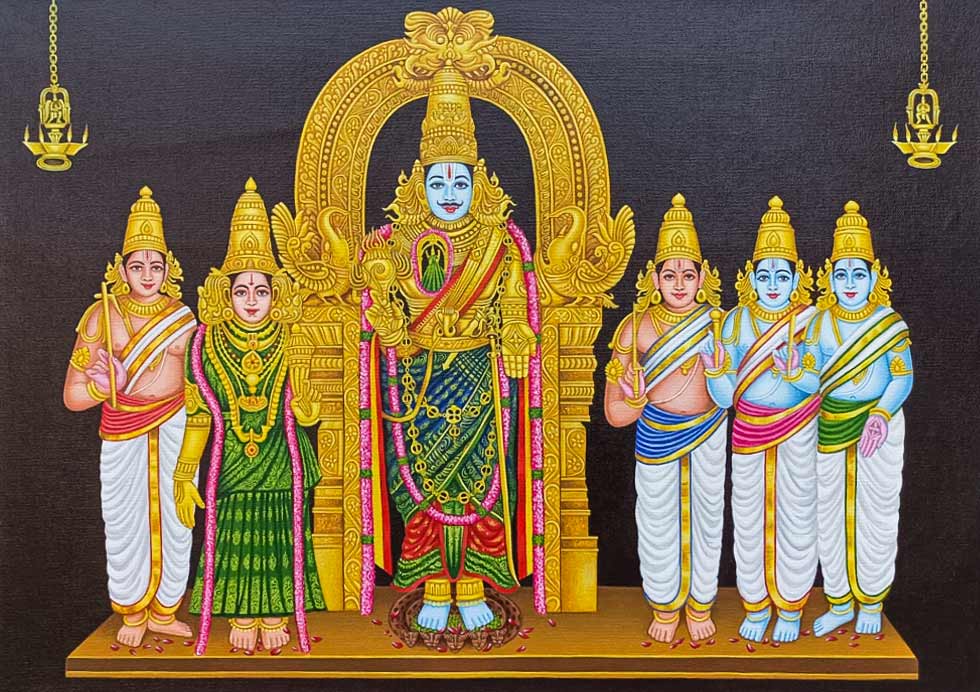
Thiruthangal, located near Sivakasi in Tamil Nadu, is one of those Divya Desams where the story is not about movement but about choosing to remain. The presiding deity here is Ninra Narayana Perumal, and the goddess is Sengamalavalli Thayar. The name itself reflects the central image. Ninra means “standing,” and this is the Lord who stands, not in passing, but with intention. The temple sits on a small hill, and that elevation adds a quiet sense of separation from the everyday world below. Yet the feeling is not of distance. It is of steadiness.

The mythology of Thiruthangal is connected with a gentle but telling story involving the goddess. According to tradition, Lakshmi and Bhudevi once sought to determine who held a more significant place beside Vishnu. What began as a comparison grew into a moment of tension, not out of anger, but out of the desire to be seen. Lakshmi chose this place to perform penance, seeking clarity and affirmation. Vishnu appeared before her here and resolved the tension, not through argument, but through presence. Because the goddess stayed here and the Lord stood with her, the place came to be known as Thiruthangal. The story does not end in conflict. It settles into understanding.

Inside the sanctum, this sense of resolution becomes visible. Ninra Narayana Perumal stands in a composed posture, holding the conch and discus, calm and unhurried. The standing form carries a certain clarity. It does not suggest movement or rest, but readiness that has already found its place. Sengamalavalli Thayar’s shrine adds warmth to the space, grounding the stillness of the Lord with compassion. Together, they create an atmosphere that feels balanced.

The temple’s location on a hill shapes the experience quietly. The climb is not long, but it is enough to slow the body and shift the mind. By the time you reach the top, the rhythm has changed. The surroundings open up, and the space feels less crowded, even when there are other visitors. The hill does not isolate the temple. It gives it a clearer presence.

Historically, Thiruthangal reflects the continuity of temple culture in southern Tamil Nadu, with roots that extend through the Pandya period and later contributions from local patrons. The structure has been maintained across centuries, not through large expansions, but through steady care. This continuity is visible in the layout and in the ongoing practice of worship. The temple has remained active, carrying its story forward without interruption.

Architecturally, the temple follows the Dravidian style, with a gopuram marking the entrance and prakarams guiding the movement inward. The scale is modest compared to some larger temples, but the proportions feel balanced. The sanctum remains the focal point, drawing attention to the standing form of the Lord. The surrounding structures support the experience without distraction. The hill itself becomes part of the architecture, shaping how the temple is approached and understood.

The daily rituals follow the Vaishnavite tradition, with regular pujas conducted throughout the day. Festivals such as Vaikunta Ekadasi and Brahmotsavam bring larger gatherings, but the temple does not lose its steady tone. The standing form of the deity continues to anchor the space, even during moments of activity.

For pilgrims, the experience of Thiruthangal often comes with a sense of quiet clarity. After visiting temples associated with action, movement, or transformation, arriving here introduces a different emphasis. The Lord does not act. He stands. That posture begins to carry meaning. It suggests that some things do not need to be changed or moved. They need to be held in place.

Culturally, the temple holds its place within the Divya Desam tradition through the hymns of the Alvars, who recognised its significance. Over time, it has come to represent themes of balance, resolution, and steadiness. Devotees come here not only with requests but with the need for clarity. The temple does not provide answers in obvious ways. It offers a space where things settle.

In modern times, Thiruthangal continues to function as an active place of worship, maintained through regular rituals and community care. It remains part of a living tradition, drawing pilgrims who seek both devotion and quiet reflection.

Thiruthangal ultimately represents the strength of staying. Ninra Narayana Perumal does not move through the world here. He stands within it. In the larger Divya Desam journey, this temple offers a simple but steady insight. Not every moment calls for action. Some call for presence.

Thirukkoodal Temple, Madurai, Tamil Nadu
Madurai is a city that rarely pauses. It moves through history, ritual, and everyday life all at once, and in the middle of that movement stands Thirukkoodal, the temple of Koodal Azhagar Perumal, with Madhuravalli Thayar as the goddess. The name Koodal itself suggests coming together, a meeting point, a place where things gather. That meaning fits the temple well. It sits within a city known for convergence, where people, traditions, and rhythms overlap, and yet inside the temple, the experience becomes more focused, more contained.

The mythology of Thirukkoodal is not built around a single dramatic episode. Instead, it is shaped by presence across different states. The most striking aspect of the temple is that the Lord is worshipped in three distinct forms within the same space. In the sanctum, Koodal Azhagar stands in a composed posture, holding the conch and discus. Above, in another tier, he is seen seated, and in yet another, he reclines. These are not separate temples. They are layers within one structure. The arrangement itself becomes the message. The divine is not limited to one state. It stands, sits, and rests, all within the same presence.

This idea carries a quiet significance. In many temples, one encounters a single form and builds meaning around it. Here, the experience is expanded. The Lord is not fixed. He moves across states without losing identity. For the devotee, this creates a different kind of engagement. You do not see the divine in one moment. You see it as continuity across different conditions.

Inside the temple, this layered presence shapes the experience. The standing form of Koodal Azhagar holds the immediate attention. It feels grounded and direct. The seated and reclining forms above introduce a shift, inviting the mind to move beyond what is seen first. Madhuravalli Thayar’s shrine adds warmth to the space, grounding the experience in grace. Together, they create an atmosphere that feels complete, not because it is large, but because it holds multiple states at once.

Historically, Thirukkoodal has been an important temple in Madurai, with roots that extend through the Pandya period and later contributions from other dynasties. The temple has stood through centuries of change in the city, maintaining its identity even as the surroundings evolved. It is not as widely known as the Meenakshi Amman Temple nearby, but it holds its own place within the sacred geography of Madurai.

Architecturally, the temple reflects the Dravidian style, with a gopuram marking the entrance and prakarams guiding movement inward. The most distinctive feature is the vertical arrangement of the three forms of the deity. This structure creates a sense of movement within the temple without requiring physical distance. The experience shifts as one looks upward, moving from one state to another.

The daily rituals follow the Vaishnavite tradition, with regular pujas conducted throughout the day. Festivals such as Vaikunta Ekadasi and Brahmotsavam bring larger gatherings, but the temple does not lose its inward focus. Even during these times, the layered presence of the deity remains the central experience.

For pilgrims, Thirukkoodal often feels like a pause within the larger movement of Madurai. After navigating the busy streets and the intensity of the city, stepping into the temple creates a shift. The mind begins to settle, not into stillness alone, but into a recognition of different states coexisting.

Culturally, the temple holds its place within the Divya Desam tradition through the hymns of the Alvars, who recognised its significance. Over time, it has come to represent a broader idea. Life itself does not remain in one state. It moves through action, rest and reflection. Thirukkoodal reflects that movement without separating it into different spaces.

In modern times, the temple continues to function as an active place of worship, drawing devotees from within the city and beyond. It remains part of a living tradition, even as it stands alongside larger and more prominent temples.

Thirukkoodal ultimately represents presence across change. Koodal Azhagar Perumal does not remain in one posture. He stands, sits, and rests, all within the same space. In the larger Divya Desam journey, this temple offers a simple but steady insight. The divine is not limited to one state, and neither are we.