World Saree Day

When I wrote my series on Indian fabrics and sarees, I was unaware of World Saree Day. And once I knew this day existed, I had to write about it. Celebrated today, 21 December, the day was started to encourage women to wear the saree, a timeless garment which, to me, defines a woman from India and the Indian subcontinent.

The origin of the drape or a garment similar to the sari can be traced back to the Indus Valley Civilisation, which flourished in north-western India between 2800 and 1800 BC. The garment developed from the common word sattika, which signifies a woman’s dress and appears in early Jain and Buddhist writings. Sattika was a three-piece outfit that included the Antriya or the bottom garment, the Uttariya or a covering worn over the shoulders or the head and the Stanapatta, a pectoral band. This ensemble may be dated back to the 6th century BC in Sanskrit and Buddhist Pali literature. Poshak, the Hindi word for costume, referred to the three-piece ensemble. The Antriya resembled the dhoti or the fishtail style of tying a sari. It further evolved into the Bhairnivasani skirt, which went on to be known as the ghagra or lehenga. The Uttariya evolved into the dupatta and the Stanapatta evolved into the choli.

Cotton was first cultivated in the subcontinent around the 5th century BC and this was followed by the incorporation of hues and dyes like indigo, lac, red madder and turmeric to create a drape which was used by women to cover their modesty. As the years went by, the elite started wearing sarees with expensive stones and gold thread which could showcase their wealth. But the saree stood strong as the garment of the Indian woman and each region and state had its regional variants, both in terms of fabrics and saree styles.

Industrialisation brought with it synthetic fabrics and dyes and with this came new dyeing and printing techniques which meant the consumers had access to a wide variety of sarees. The development of textiles in India reflected in saree designs and sarees soon started including figures, motifs, and flowers.

An extremely versatile garment, the saree can be draped in more than 80 recorded ways with the most common style or drape being the one where the saree is wrapped around the waist, with the loose end of the drape to be worn over the shoulder, baring the midriff. It is widely believed that it was the Nobel laureate Rabindranath Tagore’s brother Satyendranath Tagore’s wife Jnanadanandini Devi, who popularised the new form of wearing sarees which we see today.

Today when urbanisation and westernisation have taken over Indian fashion, a day dedicated to the attire which is synonymous with the Indian woman is essential. The saree is a reflection of the subcontinent’s rich cultural history and traditions and should not be allowed to wither away.

So drape your favourite saree today and spread the word on the beauty and lushness of the fabrics and drapes present in the country and beyond.

International Mountains Day

Yesterday was the International Mountains Day. December 11 was designated as International Mountains Day by the United Nations General Assembly in 2003 which encouraged the international community to organize events at all levels on that day to highlight the importance of sustainable mountain development. FAO is the UN organisation mandated to lead the observance of International Mountain Day.

International Mountain Day has its roots in 1992 when the adoption of Chapter 13 of Agenda 21 or Managing Fragile Ecosystems: Sustainable Mountain Development at the United Nations Conference on Environment and Development put a milestone in the history of mountain development. The increasing attention to the importance of mountains led the UN General Assembly to declare 2002 the UN International Year of Mountains. The first international day was celebrated for the first time the following year, in 2003.

Mountains cover 27% of the earth’s surface and are home to 15% of the world´s population or 1.1 billion people, hosting about half of the world’s biodiversity hotspots. They provide fresh water for everyday life to half of humanity and their conservation is a key factor for sustainable development and is part of Goal 15 of the SDGs. More than half of humanity relies on mountain freshwater for everyday life and six of the 20 most important food crops originate in the mountains. Unfortunately, mountains are under threat from climate change and overexploitation. As the global climate continues to warm, mountain people — some of the world’s poorest — face even greater struggles to survive. The rising temperatures also mean that mountain glaciers are melting at unprecedented rates, affecting freshwater supplies downstream for millions of people. This problem affects us all. We must reduce our carbon footprint and take care of these natural treasures.

Women move mountains is the theme of this year’s International Mountain Day. Women play a key role in environmental protection and social and economic development in mountain areas. They are often the primary managers of mountain resources, guardians of biodiversity, keepers of traditional knowledge, custodians of local culture and experts in traditional medicine. Increasing climate variability, coupled with a lack of investment in mountain agriculture and rural development, has often pushed men to migrate elsewhere in search of alternative livelihoods. Women have therefore taken on many tasks formerly done by men, yet mountain women are often invisible due to a lack of decision-making power and unequal access to resources. As farmers, market sellers, businesswomen, artisans, entrepreneurs and community leaders, mountain women and girls, in particular in rural areas, have the potential to be major agents of change. When rural women have access to resources, services and opportunities, they become a driving force against hunger, malnutrition and rural poverty and are active in the development of mountain economies. To trigger real change towards sustainable development, it is important to engage in gender transformative change. International Mountain Day is an opportunity to raise awareness about the need to empower mountain women so they can participate more effectively in decision-making processes and have more control over productive resources. By sharing excellence, opportunities and capacity development in mountains, the Day can promote gender equality and therefore contribute to improving social justice, livelihoods and resilience.

International Human Rights Day

Human rights are basic rights that belong to all of us simply because we are human. They embody key values in our society and are an important means of protection for us all, especially those who may face abuse, neglect and isolation. Most importantly, these rights give us power and enable us to speak up and challenge the poor treatment from a public authority.

The Universal Declaration of Human Rights or UDHR is a milestone document in the history of human rights. Drafted by representatives with different legal and cultural backgrounds from all regions of the world, it set out, for the first time, the fundamental human rights to be universally protected. The power of the Universal Declaration is the power of ideas to change the world. It inspires us to continue working to ensure that all people can gain freedom, equality and dignity. The Declaration was adopted by the UN General Assembly in Paris on 10 December 1948 during its 183rd plenary meeting. The UDHR holds the world record as the most translated document except for the Bible.

The 75th anniversary of the Universal Declaration of Human Rights will be celebrated on 10 December 2023. During the 75th anniversary celebrations, the aim is to educate and increase global knowledge and awareness of the UDHR and its enduring relevance for our times and the future; promote attitude change by countering the increasing scepticism of, and rollbacks against human rights by establishing that human rights are never relative and must always be upheld as what unites all of humanity. It also empowers and mobilises by offering concrete knowledge and tools to help people better fight for their rights.

Human Rights Day is observed every year on 10 December and commemorates the day in 1948 the United Nations General Assembly adopted the Universal Declaration of Human Rights. The date was chosen to honour the United Nations General Assembly’s adoption and proclamation, on 10 December 1948, of the Universal Declaration of Human Rights or UDHR, the first global enunciation of human rights and one of the first major achievements of the new United Nations. The formal establishment of Human Rights Day occurred on 4 December 1950. It is also on this day that the five-yearly United Nations Prize in the Field of Human Rights and Nobel Peace Prizes are awarded. When adopted, the declaration was proclaimed as a common standard of achievement for all peoples and all nations, towards which individuals and societies should strive by progressive measures, national and international, to secure their universal and effective recognition and observance.

In the decades since the ratification of the UDHR, human rights have, in real terms, become more recognised and more guaranteed across the globe. The Universal Declaration of Human Rights sets out a broad range of fundamental rights and freedoms to which all of us are entitled. It guarantees the rights of every individual everywhere, without distinction based on nationality, place of residence, gender, national or ethnic origin, religion, language, or any other status.

Although the Declaration its broad range of political, civil, economic, social and cultural rights is not a binding document, it inspired more than 60 human rights instruments which together constitute an international standard of human rights. Today the general consent of all United Nations Member States on the basic Human Rights laid down in the Declaration makes it even stronger and emphasises the relevance of Human Rights in daily lives.

In South Africa, Human Rights Day is celebrated on 21 March, in remembrance of the Sharpeville massacre which took place on 21 March 1960. This massacre occurred as a result of protests against the Apartheid regime in South Africa. It is celebrated on 11 December in Kiribati.

Each year, Human Rights Day has a different theme. In 2021, the focus was on young people and how one is never too young to make a difference in the world. In 2022, Human Rights Day is focusing on how rights are the beginning of peace within societies, and a way to create a fairer society for future generations.

If you want to commemorate Human Rights Day, you can speak up for what you care about, volunteer or donate to an organisation or cause that you believe in, make sure you choose fair trade or ethically made products and gifts and listen to those who have stories to tell which you must share with others.

Poem: Reflections of the Past Year

We’re winding down to a new year and this poem is about the reflections we usually do at this time of the year. What reflections have you done about 2022 and what are your hopes and aspirations for 2023?

Reflections of the Past Year

As the year winds down and the old start to give way to the new
Its time to take a break and look back on the year that just flew

Did everything go your way or was anything awry and absurd?
What went well, and what can be bettered?
Was there any learning this year?
Were you a better version of yourself this year?

2023 is that chance we get annually
To take stock and have another try, that’s the new year’s beauty
This year let’s do things differently,
Let us be grateful for what we have

Family and friends, work and play in perfect balance
In 2023, let our life provide us with that beautiful fragrance
Here’s hoping your life is the best one this coming year
One that brings with it all that you need and makes your troubles disappear

Productivity Hacks for the New Year

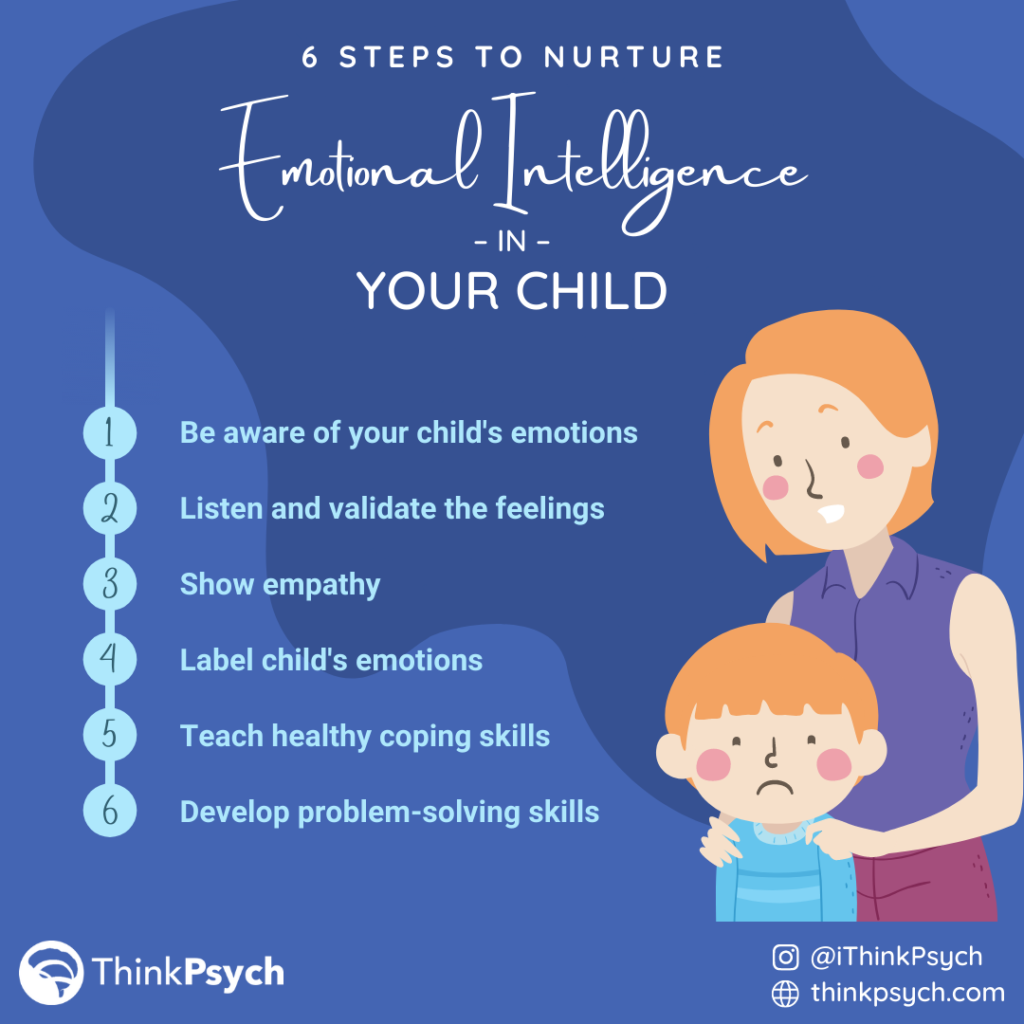
As we start preparing for the new year, a common resolution is to be more productive and I am always on the lookout for productivity hacks that I can use.

Productivity is more than doing more things or ticking tasks off your to-do list. Productivity means only focusing on accomplishing important things. It is the ratio between the output of goods and services and the input of resources consumed in the process of production. Productivity is the ratio between the output of wealth and the input of resources used in production processes.

The ability to be productive is one of the critical determinants of professional success and personal happiness. Those who can consistently produce good quality output at a sustainable rate can advance in work and life. Being productive boosts morale and creates excellence.

Personal productivity impacts the quality and quantity of results produced. Thus, it’s crucial to improve productivity because higher levels of productivity translate to a better personal and professional life and allows to achieve much more in a given period. Being productive can help one prioritise tasks, manage time and resources efficiently, and frees up time for more rewarding activities.

So in no particular order, here are some of my favourite productivity hacks and some which are new to me and that I plan to use next year.

Plan Ahead: One of the best tools for being productive is to plan, be it a day, a week, a month, or even a year. I prefer to do a very broad plan for the year and refine it as I plan for a month and week and then a detailed plan for a day. I like to use Trello and create to-lists with cards per week. Within that card, I plan my week which helps me. The best part is ticking off a task which gives one a sense of satisfaction. A good schedule allows one to note down all tasks and not miss anything important. This also allows you to focus on what is important and should be completed first before focusing on the next important task. It would also help to note the tasks in the order of importance and start the day with the most important task, followed by the next and so on.

Break Down Goals: Any goal when broken down into its parts becomes easier to achieve. If a task is large or something that does not seem easily achievable, then when it is broken down into easily achievable parts, as each part gets ticked off, it becomes easier to accomplish and checking them off makes you feel you are in sight of the goal and seeing the progress also shows you are doing something to get to the end.

Don’t Obsess with Emails: A big drag on productivity is checking emails and other messages as soon as you hear the ding. Research shows that when people were limited to checking their email just three times per day, their stress levels decreased significantly. Those who limited their email checking also felt that they were more able to complete their most important work and felt a greater sense of accomplishment at work.

Learn to Say No: It is hard to say no, especially when the request comes from someone who has authority over you but saying no shifts the way our brain thinks and reacts to situations, allowing us more ability to make decisions for ourselves which affects our mental health. Saying no helps to prioritise leading to new opportunities that wouldn’t have been achievable by saying yes at the same time setting boundaries.

Use Website Blockers: This is something I started doing a few months back and it is a godsend when I am focusing on something. Website blockers help us stop popping over to distracting and unnecessary websites that stop us from being productive.

The Two-Minute Rule: When you start your day, there will be numerous small tasks that crop up. The rule of thumb is should be this – if a task can be completed in two minutes or less, do it and get on with your other tasks, otherwise, add the task to your To-Do list and do it later.

Group Similar Tasks: Batch similar tasks so you can complete them with the same frame of mind. This will make your work process flow smoothly and help you do more in less time.

Avoid Multitasking: I am guilty of this, as I am sure many of you reading this post. Though it may be tempting to do two or more things simultaneously, multitasking does more harm than good. Research shows that about 98% of people are less productive when they multitask as they are not focusing on a single task. Our brains cannot perform multiple tasks at the same time and in moments where we think we’re multitasking, we’re likely just switching quickly from task to task. Focusing on a single task is a much more effective approach.

Start the Day with either a Tough or Easy Task: This is a tough one and a personal hack. The way one starts the day dictates the flow of the rest of the day. You can either start by doing the most demanding task first, so everything else feels more effortless, or do the easiest thing first to gain valuable momentum. When the easiest tasks are completed first, ticking some items off the To-Do list is a good boost to the rest of the day. On the other hand, when a difficult task is finished first, it takes a huge load off your shoulders and the rest of the day becomes easier without the task hanging over your head.

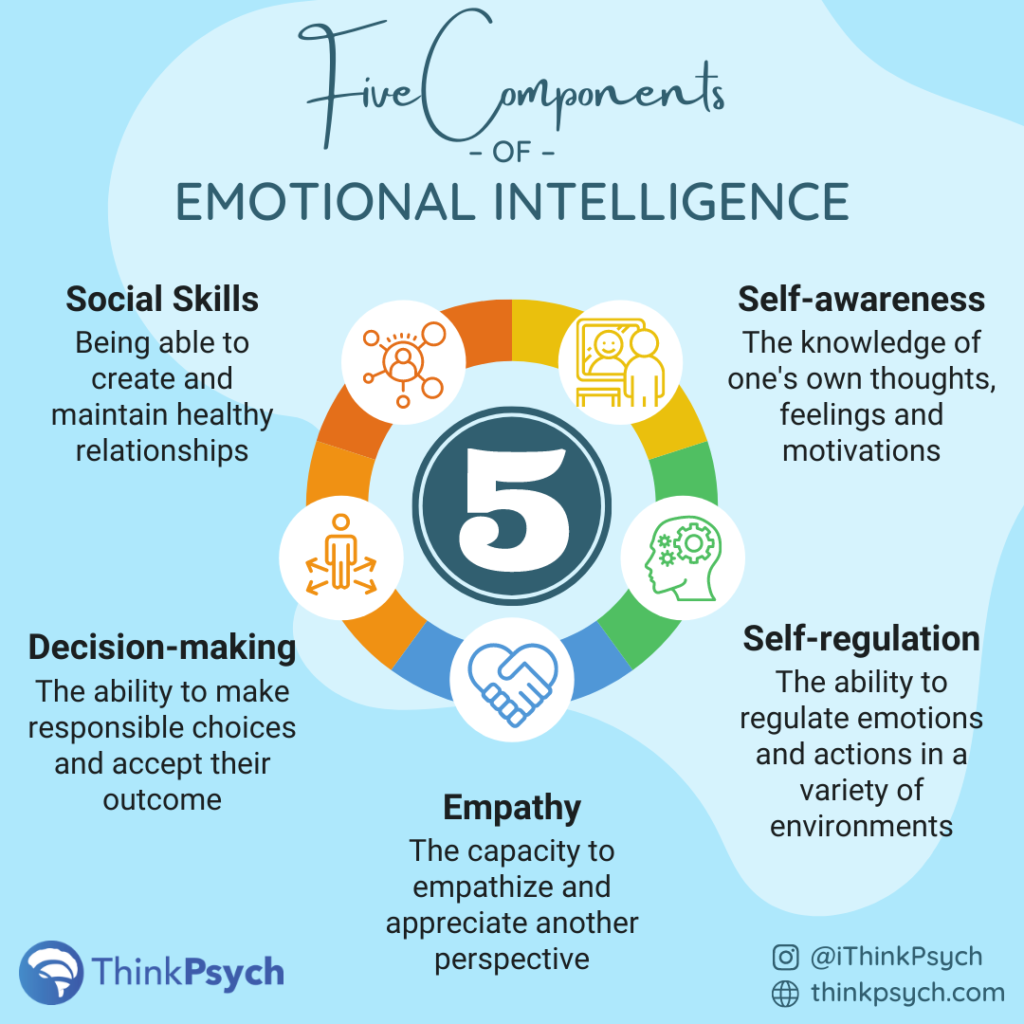
Take Regular Breaks: Breaks are very important to be productive. Breaks give the mind a much-needed chance to recover from intense focus, prevent decision fatigue, relieve stress, increase creativity and help improve memory and focus. Learning to meditate during a mental break helps to relax the mind and body.

Use the Pomodoro Technique: A great technique to boost productivity is the Pomodoro technique which is tomato in Italian. Here, one works in short bursts for say 25 minutes and then takes a 5-minute break. This is one Pomodoro. After four pomodoros, take a longer, more restorative 15-30 minute break. This technique works because the human mind can concentrate on the same thing for a short span. I prefer to work for 50 minutes and take a 10-minute break, but you could use any time frame that works for you.

Work Near Natural Light: This is a simple but potent productivity hack. Working near natural light improves sleep quality, improves mental health, helps in the circadian rhythm, and physically improves Vitamin D levels in the body which is essential for several core bodily functions, including regulating the immune system, maintaining body weight, and ensuring healthy cognitive function.
A simple productivity hack is to create your workspace near natural light. Exposure to sunlight is believed to improve sleep, thereby contributing to your well-being and productivity levels.

Detach from Work after you are Done: Once you finish work for the day, detach from it and if possible, mute email and phone notifications until the next morning. This allows you to return the next morning with a fresh mind and perspective. If you can, separate your workspace from your personal space and this is even more important when you work from home.

Schedule Time for Self-Care: To be productive daily, self-care is essential. Self-care activities allow us to recharge ourselves to prevent burnout. Self-care can be anything that helps us relax and unwind. Reading, watching television, a relaxing bedtime ritual, a 10-minute walk, meditating, painting, or anything else.

What’s your favourite productivity hack? If I have missed any that you swear by, please share them so all of us can benefit from it.