World Poetry Day

What comes to your mind when the word poetry is uttered? Boring, maybe? Or profound or even life-changing perhaps? It is that and much more. Poetry is literature that evokes a concentrated imaginative awareness of experience or a specific emotional response through language chosen and arranged for its meaning, sound, and rhythm. Poetry is probably as old as language and history, present wherever religion is present, possibly the primal and primary form of languages. Poetry is the other way of using language.

To celebrate one of celebrates one of humanity’s most treasured forms of cultural and linguistic expression and identity, World Poetry Day is celebrated annually on 21 March. Practised throughout history, in every culture and on every continent, poetry speaks to our common humanity and our shared values, transforming the simplest of poems into a powerful catalyst for dialogue and peace.

Source

21 March was adopted as World Poetry Day in 1999, in Paris, to support linguistic diversity through poetic expression and increase the opportunity for endangered languages to be heard. World Poetry Day is the occasion to honour poets, revive oral traditions of poetry recitals, promote the reading, writing and teaching of poetry, foster the convergence between poetry and other arts such as theatre, dance, music and painting, and raise the visibility of poetry in the media as well as give fresh recognition and impetus to national, regional and international poetry movements. It also supports linguistic diversity through poetic expression and offers endangered languages the opportunity to be heard within their communities.

It was generally celebrated in October, but in the latter part of the 20th century, the world community celebrated it on 15th October, the birthday of Virgil, the Roman epic poet and poet laureate under Augustus. The tradition to keep an October date for national or international poetry day celebrations still holds in many countries. In the United Kingdom, the day is celebrated on the first Thursday in October, but elsewhere a different October, or even sometimes a November date, is celebrated.

World Poetry Day is celebrated around the world in readings and ceremonies honouring poets of high achievement as well as in teaching the craft to aspiring writers. A day dedicated to poetry: an art form that has persisted for millennia and continues to enrich our understanding of the human condition to this day. With the rise of technology and smartphones, some might believe that poetry might be a dying art. However, this very day aims to get rid of these misconceptions. In many educational institutions, poetry competitions are held to encourage young students to write. With the help of other mediums such as theatre, poetry is promoted in different parts of the world. As poetry continues to bring people together across continents, let’s join in by reading some classic poetry in English and other languages and diving into the beauty of the language and word-play.

World Sleep Day

I have written about the importance of sleep and how the lack of sleep impacts our physical and mental health. Sleep allows the mind and body to recharge, allows the body to repair itself and having a healthy sleep schedule means the body is fit and free from disease. . Without enough sleep, the brain cannot function properly and getting adequate rest may help prevent excess weight gain, heart disease, and increased illness duration which can impair the ability to concentrate, think clearly, and process memories. A basic human need, much like eating and drinking, sleep is crucial to our overall health and well-being with research showing we spend up to a third of our lives sleeping. Sleep, like exercise and nutrition, is essential for metabolic regulation in children and there is evidence for a link between sleep duration and childhood obesity with the findings more apparent in girls than boys.

But this is not the case these days. Electronics, social media and other distractions make sure that we do not get the recommended seven to eight hours of sleep that healthy adults need. It is estimated that sleep deprivation costs the US over $400 billion a year with Japan losing $138 billion, Germany $60 billion, the UK $50 billion, and Canada $21 billion. According to some evidence, the proportion of people sleeping less than the recommended hours of sleep is rising and associated with lifestyle factors related to a modern 24/7 society, such as psychosocial stress, alcohol consumption, smoking, lack of physical activity and excessive electronic media use, among others.

This is alarming as insufficient sleep is associated with a range of negative health and social outcomes, including success at school and in the labour market. Over the last few decades, for example, there has been growing evidence suggesting a strong association between short sleep duration and elevated mortality risks. Insufficient sleep duration has been linked with seven of the fifteen leading causes of death in the United States, including cardiovascular disease, malignant neoplasm, cerebrovascular disease, accidents, diabetes, septicaemia and hypertension and besides impairing health and wellbeing, existing evidence suggests that sleep plays an important part in determining cognitive performance and workplace productivity, with a lack of sleep leading to more traffic accidents, industrial accidents, medical errors and loss of work productivity. Sleep loss and sleep-related disorders have been linked to many accidents and catastrophes including the Chernobyl nuclear explosion, the Three Mile Island nuclear incident, the Exxon Valdez spill and the Space Shuttle Challenger tragedy

And to put a spotlight on the importance of sleep, every year an annual event, the World Sleep Day is organised by the World Sleep Day Committee of the World Sleep Society which aims to lessen the burden of sleep problems on society through better prevention and management of sleep disorders. The World Sleep Day is an annual event, intended to be a celebration of sleep and a call to action on important issues related to sleep, including medicine, education, social aspects and driving.

Held annually since 2008, World Sleep Day is held on the Friday before the Spring Vernal Equinox of each year. This year the Spring Vernal Equinox falls on Sunday 20 March and so today is celebrated as World Sleep Day with more than 88 countries around the world participating.

Every year, World Sleep Day has a different theme with the theme for 2022 being “Quality Sleep, Sound Mind, Happy World”. The theme highlights the various components which make up quality sleep as opposed to just sleeping, how sleep affects mental health, mood, and decision-making and sleep in the context of global health.

Lack of sleep or poor quality sleep is known to have a significant negative impact on our health in the long and short term. Next day effects of poor quality sleep include a negative impact on our attention span, memory recall and learning. Longer-term effects are being studied, but poor quality sleep or sleep deprivation has been associated with significant health problems, such as obesity, diabetes, weakened immune systems and even some cancers. The lack of sleep is related to many psychological conditions such as depression, anxiety and psychosis and so quality sleep is crucial to ensure good health and quality of life.

For more information about sleep and resources that one can use, go to www.worldsleepday.org. Become aware of the importance of sleep and take charge of your own and your family’s sleeping habits. It’s not easy giving up habits like using the phone before bedtime, but with time, you should be able to get a good night’s sleep!

Technology Then and Now

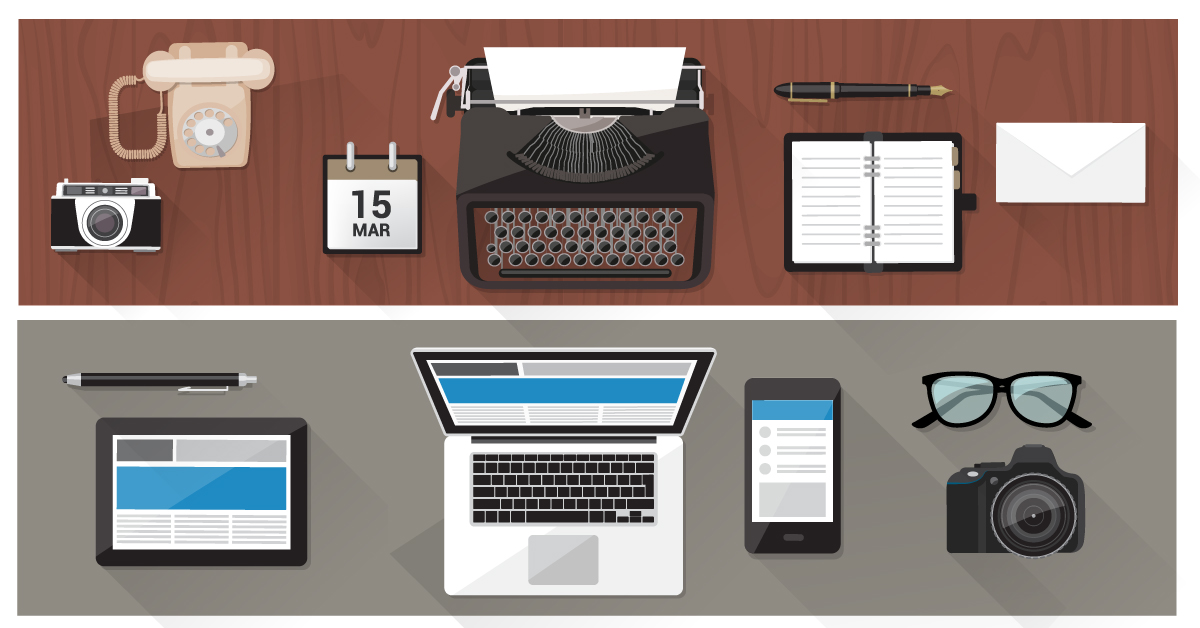
The other day, I was talking with GG & BB and we were talking about technology specifically. In the last twenty odd years, technology has completely changed our lives and the last few years have shown us how indispensable technology is to our daily lives. Our lives are almost entirely dependent on technology, and as much as we can say technology has enslaved us, we can’t deny that it’s made life a lot simpler.

More than twenty years back, when I first moved to Singapore as a new bride, the phone was the only means of communication with my parents and extended family. And phone calls were not cheap, with only using the international calling option on your landline as the means to make the call. So I used to call my parents every Sunday for between 10-30 minutes each time and each phone call was very treasured. Any calls outside that timing on Sunday was strictly for emergencies or special occasions and if either side made other calls, it was scary until we heard the news.

And today, phone calls are just a touch away. I can speak to my parents, extended family and friends and the only thing I need to worry about is the time difference between us. Applications like Zoom, Whatsapp and other calling services have shrunk the world and distances seem so minuscule now.

And speaking of phones, in the late 90s and early 2000s, cell phone usage was very minimal, especially in India. I remember when a friend and colleague got the first phone I had seen, the cost of incoming and outgoing calls used to be very expensive with each call costing something like INR 8-10 per call. People used to not call others using their mobiles and the phones used to be used sparingly. And even as late as the late 2000s, I remember data being very expensive. While writing this, a memory comes to mind of me waiting outside one of the children’s classes. I was scrolling on my phone and used the internet for less than 5 minutes and when the bill came in, I had to pay something like $1 for each minute I was online. Today, I pay less than $30 for more than 60 GB of data and this amount includes talk time and messages.

I remember when BB & GG were young and I used to sometimes do work from home, it used to be on a desktop computer with a dial-up connection. This meant that anytime we got a phone call, the line would disconnect and we’d have to dial up again later. Internet speeds were a joke compared to today’s speeds and even after we got a broadband connection, the desktop stayed and speeds were abysmally low.

A big reason for this jump in the amount of data we all can access is the improvement in broadband speeds across the world. While less than 7% of the world was online in 2000, today over half the global population has access to the internet. And this can also be seen in mobile phone usage. At the start of the 2000s, there were 740 million cell phone subscriptions worldwide. Two decades later, that number has surpassed 8 billion, meaning there are now more cellphones in the world than people. Singapore’s mobile phone penetration rate in 2020 was 148.2% which means each resident has 1.5 mobile phones to their name and the smartphone usage is about 88%. Over in India, the penetration rate of smartphones in India reached 54% in 2020 and was estimated to reach 96% in 2040. This figure has more than doubled from 2016 when only 22% of mobile phone subscribers were using smartphones.

Smartphones changed the world as we all knew it. I remember the first time a friend brought an iPod. I was amazed that she could use the internet on the go. This was before smartphones became popular and the thought that we could surf the internet on the go was too much for my mind to take in. Today, there is hardly anyone around us who does not use a smartphone. All around me, I see people of all ages who are using these devices, from toddlers to the elderly and each one uses these devices differently.

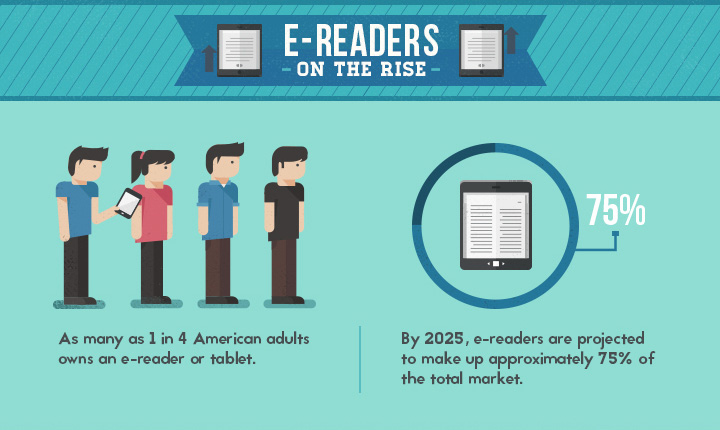
I am a big reader and every time I leave the house, I used to carry a couple of books to read on the road which added to the weight of my bags. Today, all I need to do is load the books in my e-reader and I am good to go. I can have multiple books waiting for me to read and depending on my mood, I have access to plenty of books at the press of a button. This was one technology change I was thrilled to adopt. And because I tend to borrow books more than I buy them, my library e-reader is an app on my smartphone and that is a device that rarely leaves my hands or pocket. I am reading more and can read even in pockets of five minutes when I am waiting in a line and never get bored.

And how can we forget mobile phone cameras? Previously, we had to carry a bulky or even sleek camera with us whenever we wanted to take photos. And that used to be something very special. Today, with cameras part of one’s phones, it’s so easy to take photographs and document our lives. No moment go undocumented and every gorgeous sunrise, sunset or scenery is captured for posterity.

And we just can’t deny how useful this has been in our daily lives. The COVD-19 pandemic has shown us just how important technology has been in our lives. During the pandemic, I was able to virtually attend the wedding of someone in the extended family, albeit streamed over YouTube and so not as interactive as I would have liked it, but we still got to attend. I was also able to pay my last respects to my maternal grandmother who passed away a couple of months back when travel was impossible for us cousins spread across the globe. And in work, we all have been working from home in the past two-plus years, all using various video streaming apps.

For those of us who do not live with or close to our parents and loved ones, mobile phones and the technology it works with allows us to be a part of their lives through cheap and almost free phone and video calls. I am seldom without my phone and I can truly call my phone an extension of me. What will the next years and decades bring us? I don’t know, but I am super happy to find out and excited to be a part of it.

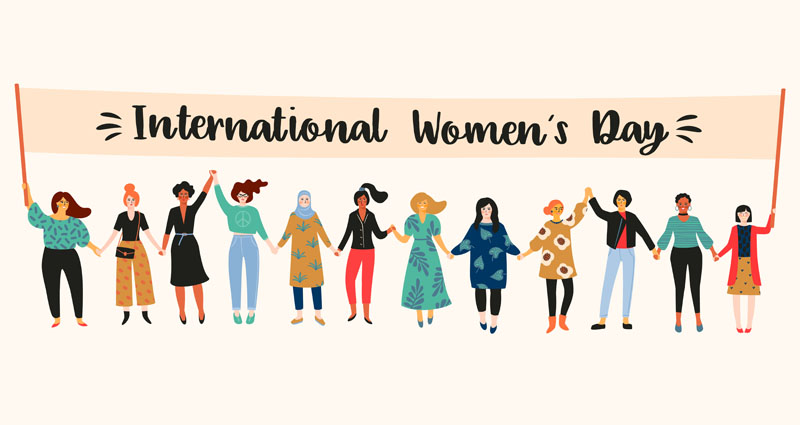
International Women’s Day

Regular readers will know that I am a huge supporter of women’s rights and so International Women’s Day which falls tomorrow is a topic I never fail to write about.

International Women’s Day is celebrated in many countries around the world. It is a day when all women are recognised for their achievements. International Women’s Day was first born out of labour movements at the turn of the twentieth century in North America and across Europe. Since those early days, International Women’s Day has grown in prominence and reach, touching women in every corner of the world. The growing international women’s movement has helped make International Women’s Day a central point for action, to build support for women’s rights and their full participation in the economy, politics, community and everyday life.

In 1910, Clara Zetkin, the leader of the Women’s Office for the Social Democratic Party in Germany tabled the idea of an International Women’s Day at the second International Conference of Working Women in Copenhagen. The proposal received unanimous support from over one hundred women representing 17 countries. The very first International Women’s Day was held the following year on March 19th. Meetings and protests were held across Europe, with the largest street demonstration attracting 30,000 women. In 1913, IWD was moved to March 8th and has been held on this day ever since.

International Women’s Day or IWD, celebrated on March 08 is a global day celebrating the social, economic, cultural, and political achievements of women. The day also marks a call to action for accelerating women’s equality. The IWD has occurred for well over a century, with the first IWD gathering in 1911 supported by over a million people. Today, International Women’s Day belongs to all groups collectively everywhere and is not country, group or organization specific.

The theme for this year’s International Women’s Day from the IWD organisation is Break the Bias. Let’s imagine a gender-equal world free of bias, stereotypes, and discrimination, a world that is diverse, equitable, and inclusive and a world where difference is valued and celebrated. Let us all forge women’s equality and collectively we can all Break the Bias. Individually, we’re all responsible for our thoughts and actions – all day, every day and we can break the biases in our communities, our workplaces, our schools, colleges and universities and together, we can all break the bias – on International Women’s Day and beyond. Purple, green and white are the colours of International Women’s Day with purple signifying justice and dignity, green symbolising hope and white representing purity, albeit a controversial concept. The colours originated from the Women’s Social and Political Union or WSPU in the UK in 1908.

The United Nations celebrated International Women’s Day with a separate theme. Women and girls face greater vulnerability and exposure to disasters, and conflicts, and yet they remain largely ignored in developing solutions and their capabilities are often under-utilised. As the most impacted, women are also a critical part of the solution. The theme this year is Women in leadership: Achieving an equal future in a COVID-19 world. Women stand at the front lines of the COVID-19 crisis, as health care workers, caregivers, innovators, community organizers and as some of the most exemplary and effective national leaders in combating the pandemic. The crisis has highlighted both the centrality of their contributions and the disproportionate burdens that women carry. This year’s theme celebrates the tremendous efforts made by women and girls around the world in shaping a more equal future and recovery from the COVID-19 pandemic.

International Women’s Day is a time to reflect on progress made, to call for change and to celebrate acts of courage and determination by ordinary women, who have played an extraordinary role in the history of their countries and communities. The world has made unprecedented advances, but no country has achieved gender equality. Fifty years ago, we landed on the moon; in the last decade, we discovered new human ancestors and photographed a black hole for the first time. In the meantime, legal restrictions have kept 2.7 billion women from accessing the same choice of jobs as men. Less than 25 per cent of parliamentarians were women, as of 2019 and even today one in three women experiences gender-based violence.

Because sometimes we need to remember we’re not alone. Happy International Women’s Day to all the lovely women and the men who support and motivate their women!

Poem: Farewell Mumbai

As you all are aware by now, my parents have moved away from Mumbai to live in a retirement home. I was in Mumbai last month to help them make the move and as we took off from Mumbai, I scribbled the first version of this poem on the plane.

Farewell Mumbai

As the plane takes off, I peer out of the window
Unbidden, my eyes fill up and soon the tears start to flow
The city of my birth gradually became smaller
I watch intently until it is but a speck, a blur

I bid goodbye to my childhood and adulthood home
As I see it disappear from high above the aerodrome
Instead of luggage, I take with me so many memories
Of a lifetime spent here, of multitude journies

I don’t know when I will be back, will it be months or years or even decades?
And when I am back, will the memories be still as strong or would they have faded?
And if and when I am back, will it still be home or just another place?
I would hate for this to happen though to my birthplace

Farewell dear Mumbai, the city of dreams
A city within which reside, people of two extremes,
A place where dreams are made and sometimes broken
But the city has space for all because here is all the action

I will return one day, that is certain
But it will be as a visitor, not a resident
Mumbai is in my heart, tomorrow, today and yesterday
And you can’t take a Mumbaikar out of Mumbai