The Power of Music: Transforming Lives Through Sound

Music is an integral part of human culture, transcending boundaries and connecting people across different backgrounds and experiences. Its influence is profound, shaping our emotions, enhancing our cognitive abilities, and even promoting healing. 

Music uniquely evokes emotions and memories, often transporting us back to specific moments in our lives. This emotional connection is one of the most powerful aspects of music, allowing us to experience joy, sadness, nostalgia, and even catharsis.

Research has shown that music can significantly influence our mood. Listening to uplifting songs can trigger the release of dopamine, a neurotransmitter associated with pleasure and reward. This biochemical response can help alleviate feelings of sadness or anxiety, making music an effective tool for mood regulation. Creating playlists of favourite songs or upbeat tracks can serve as a quick remedy for low spirits.

Music has been found to enhance memory recall, particularly in individuals with cognitive impairments such as dementia and Alzheimer’s disease. Familiar songs can evoke vivid memories and emotions, allowing individuals to reconnect with their past. Programs like “Music & Memory” utilise personalised playlists to stimulate memories and promote engagement among those with cognitive challenges, demonstrating the profound impact of music on memory and identity.

For many, music serves as a means of emotional expression. Composing, performing, or even listening to music can provide an outlet for feelings that may be difficult to articulate. This form of self-expression can be particularly beneficial for adolescents and young adults navigating the complexities of identity and emotional development. Music allows individuals to explore their emotions and communicate their experiences in a way that words alone may not capture.

Beyond its emotional impact, music also offers numerous cognitive benefits that can enhance learning, creativity, and productivity. Listening to music while working or studying can improve focus and concentration. Studies have shown that certain types of music, particularly classical or instrumental genres, can create an optimal environment for cognitive tasks. The “Mozart Effect,” a term coined from research suggesting that listening to Mozart can enhance spatial-temporal reasoning, highlights the potential of music to boost cognitive performance.
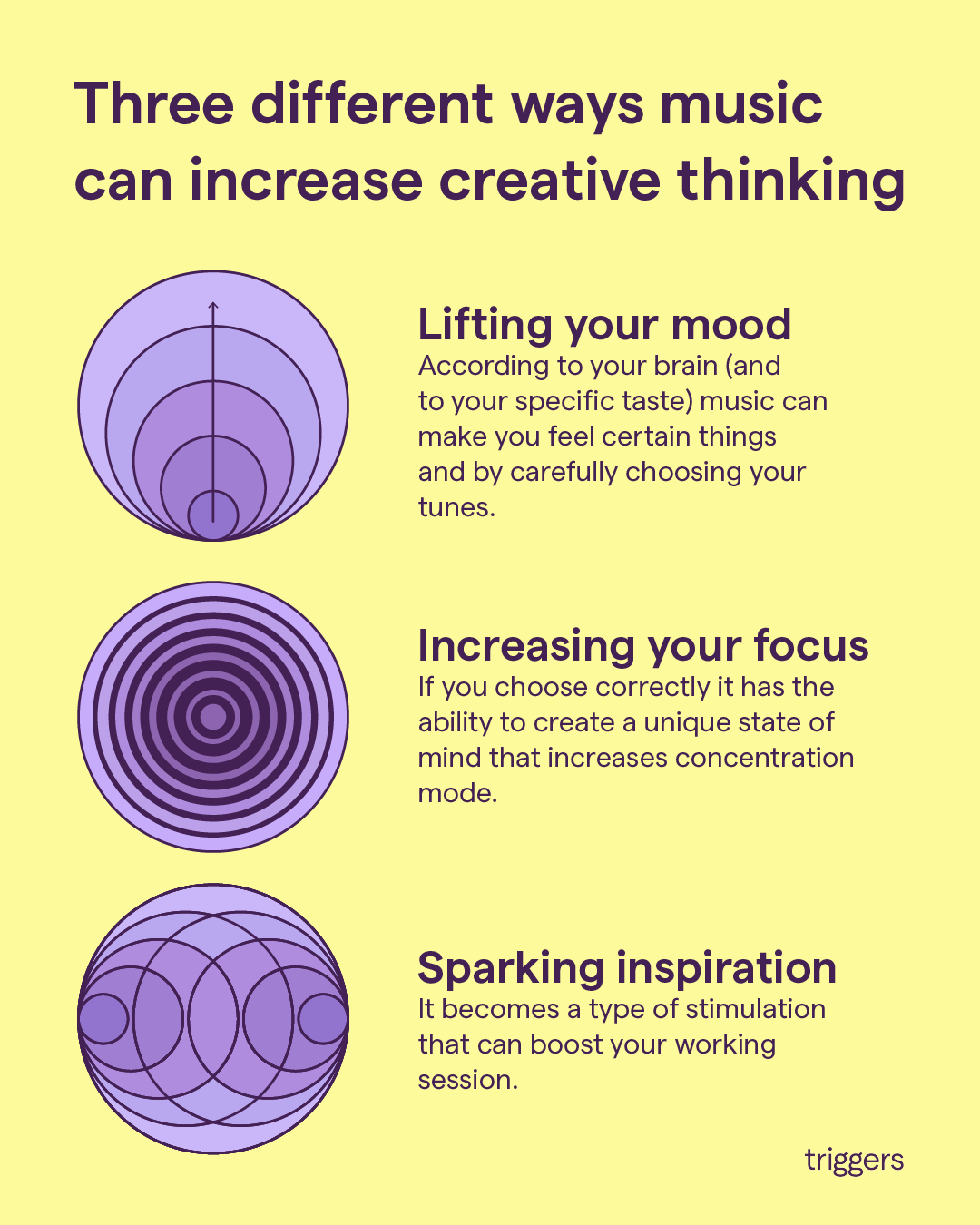
Music can stimulate creativity by encouraging divergent thinking and inspiring new ideas. Many artists, writers, and innovators use music as a backdrop while working, finding that it helps them tap into their creative flow. Creating a personalised playlist that resonates with your creative process can enhance inspiration and facilitate the generation of new ideas.

Music has been shown to support language development in children. Songs and rhymes can enhance vocabulary, phonemic awareness, and overall language skills. Educational programs often incorporate music to engage young learners, making the acquisition of language more enjoyable and effective. 

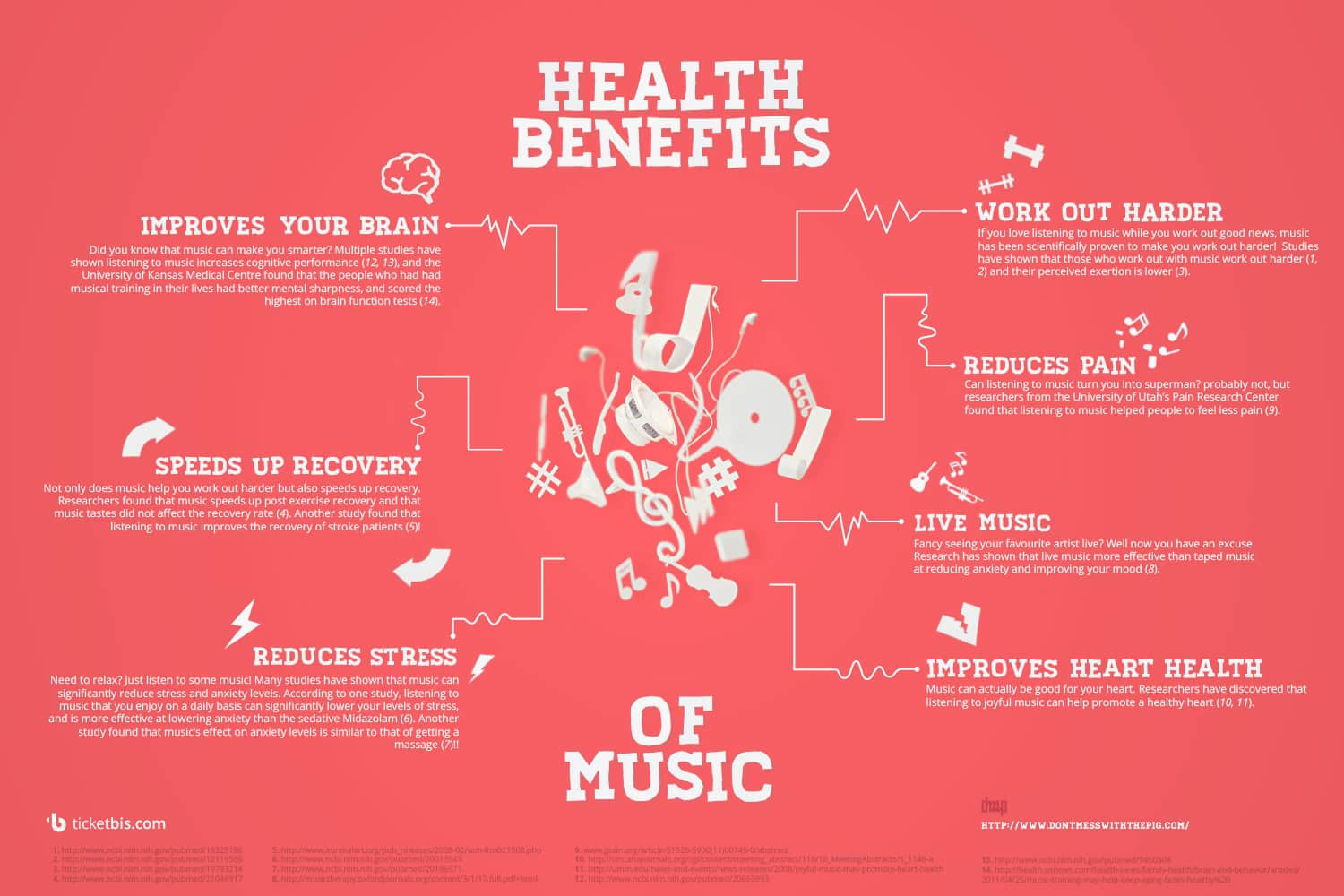
Music therapy has emerged as a recognised therapeutic approach, harnessing the power of music to promote healing and well-being. This field utilises music interventions to address physical, emotional, cognitive, and social needs. Listening to calming music can significantly reduce stress levels. Research indicates that music can lower cortisol levels, the hormone associated with stress, leading to a more relaxed state. Incorporating soothing music into daily routines, such as during meditation or yoga, can enhance relaxation and promote a sense of calm.

Music has been found to be effective in pain management, particularly in clinical settings. Studies suggest that listening to music can reduce the perception of pain and discomfort, making it a valuable adjunct to traditional pain relief methods. Hospitals often use music therapy to help patients cope with pain during recovery.

Music therapy provides a safe space for individuals to explore and process their emotions. It can be particularly beneficial for those dealing with trauma, grief, or mental health challenges. Through songwriting, improvisation, and active listening, individuals can express their feelings and work towards emotional healing.

Music serves as a powerful tool for social connection and cultural expression. It brings people together, fosters community, and provides a sense of belonging. Music unites individuals from diverse backgrounds. Concerts, festivals, and communal music-making events create opportunities for social interaction and connection. Shared musical experiences can foster a sense of belonging and community, bridging gaps between people and cultures. Music plays a vital role in cultural identity and expression. Different genres and styles reflect the values, traditions, and histories of various communities. Whether through folk songs, hip-hop, or classical compositions, music serves as a medium for cultural storytelling and preservation. Throughout history, music has been a catalyst for social change. Protest songs and anthems have inspired movements, giving voice to marginalized communities and advocating for justice. Music has the power to raise awareness, mobilise action, and create solidarity among individuals fighting for a common cause.
To harness the power of music in your daily life, consider the following practical tips:

  1. Create Playlists for Different Moods: Curate playlists that align with your emotional states. Have uplifting playlists for when you need motivation, calming playlists for relaxation, and nostalgic playlists for moments of reflection.
  2. Engage in Music-Making: Whether through singing, playing an instrument, or composing, engaging in music-making can enhance your emotional well-being and foster creativity. Consider joining a local choir, taking music lessons, or simply jamming with friends.
  3. Attend Live Music Events: Experiencing live music can be incredibly uplifting. Attend concerts, festivals, or local performances to immerse yourself in the communal energy of music.
  4. Use Music for Relaxation: Incorporate calming music into your daily routine, especially during moments of stress. Create a relaxing environment by playing soothing music while meditating, practising yoga, or unwinding after a long day.
  5. Explore New Genres: Broaden your musical horizons by exploring different genres and cultures. Discovering new music can introduce you to fresh perspectives and inspire creativity.
  6. Incorporate Music into Family Activities: Make music a part of family bonding time. Sing together, play instruments, or have dance parties to create joyful memories and strengthen connections.
  7. Utilise Music for Focus: Experiment with background music while working or studying. Find instrumental tracks that enhance your concentration and productivity.
The power of music is undeniable, influencing our emotions, enhancing cognitive abilities, and fostering connections with others. As we navigate the complexities of life, music serves as a source of comfort, inspiration, and healing. By incorporating music into our daily routines, we can harness its transformative potential to enrich our lives and promote well-being. Whether through listening, creating, or sharing music, we can cultivate a deeper appreciation for this universal language that unites us all. Embrace the power of music and let it be a guiding force in your journey toward a more fulfilling and connected life.

In My Hands Today…

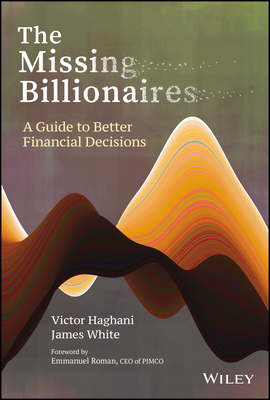
The Missing Billionaires: A Guide to Better Financial Decisions – Victor Haghani, James White

Over the past century, if the wealthiest families had spent a reasonable fraction of their wealth, paid taxes, invested in the stock market, and passed their wealth down to the next generation, there would be tens of thousands of billionaire heirs to generations-old fortunes today.

The puzzle of The Missing Billionaires is why you cannot find one such billionaire on any current rich list. There are a number of explanations, but this book is focused on one mistake which is of profound importance to all poor risk decisions, both in investing and spending. Many of these families didn’t choose bad investments– they sized them incorrectly– and allowed their spending decisions to amplify this mistake.

The Missing Billionaires book offers a simple yet powerful framework for making important lifetime financial decisions in a systematic and rational way. It’s for readers with a baseline level of financial literacy, but doesn’t require a PhD. It fills the gap between personal finance books and the academic literature, bringing the valuable insights of academic finance to non-specialists.

Part One builds the theory of optimal investment sizing from first principles, starting with betting on biased coins. Part Two covers lifetime financial decision-making, with emphasis on the integration of investment, saving and spending decisions. Part Three covers practical implementation details, including how to calibrate your personal level of risk-aversion, and how to estimate the expected return and risk on a broad spectrum of investments.

The book is packed with case studies and anecdotes, including one about Victor’s investment with LTCM as a partner, and a bonus chapter on Liar’s Poker. The authors draw extensively on their own experiences as principals of Elm Wealth, a multi-billion-dollar wealth management practice, and prior to that on their years as arbitrage traders– Victor at Salomon Brothers and LTCM, and James at Nationsbank/CRT and Citadel.

Whether you are young and building wealth, an entrepreneur invested heavily in your own business, or at a stage where your primary focus is investing and spending, The Missing A Guide to Better Financial Decisions is your must-have resource for thoughtful financial decision-making.

Decluttering and Minimising for a Fresh Start: A Guide to Beginning the New Year Right

As the new year approaches, many of us feel the urge to start fresh, set new goals, and make positive changes in our lives. One of the most effective ways to begin the year on the right foot is by decluttering and minimising. This process not only helps us create a more organised and visually appealing living space but also has profound psychological and emotional benefits. 

Decluttering and minimising go beyond just tidying up your physical space. These practices have a ripple effect on various aspects of your life, from mental well-being to productivity and even relationships. Living in a cluttered environment can contribute to feelings of stress, anxiety, and overwhelm. By decluttering, you create a calmer, more peaceful atmosphere that promotes relaxation and clarity of mind. A cluttered space can be distracting and make it difficult to focus on tasks at hand. Decluttering and minimising your surroundings can boost productivity by eliminating visual distractions and creating a more organized work environment. Clutter can be mentally draining, occupying valuable mental space and making it harder to think clearly. By removing excess items, you free up mental bandwidth, allowing you to focus on what truly matters.

The process of decluttering and minimising encourages mindfulness and presence. As you sort through your possessions, you become more aware of what you own, why you own it, and whether it aligns with your current values and needs. Decluttering often leads to the realisation that you own more than you need. By selling or donating unwanted items, you can declutter your space and your wallet, freeing up funds for more meaningful purchases or experiences. When you surround yourself with only the essentials, you tend to appreciate and value what you have more. This sense of gratitude can extend to other areas of your life, fostering a more positive outlook.

Embarking on a decluttering journey can be daunting, but with a well-thought-out plan and a positive mindset, it can be an empowering experience. Here are some points to ponder.

  1. Set Clear Goals: Before you begin, take some time to reflect on your reasons for decluttering and minimising. What do you hope to achieve? How do you want your space to feel? Setting clear goals will provide direction and motivation throughout the process.
  2. Start Small: Attempting to declutter your entire home at once can be overwhelming. Instead, break down the task into manageable chunks, focusing on one room, category, or even a specific drawer at a time. This gradual approach helps build momentum and prevents burnout.
  3. Use the Four-Box Method: As you tackle each area, sort your belongings into four categories: keep, donate, sell, and trash. This method helps you make decisions quickly and ensures that every item you keep serves a purpose or brings you joy.
  4. Consider the KonMari Method: The KonMari method, popularised by Marie Kondo, emphasises decluttering by category rather than by location. This approach encourages you to gather all items of a particular type (e.g., clothes, books, or papers) in one place, making it easier to assess what you truly need and what sparks joy.
  5. Ask Yourself Questions: As you sort through your belongings, ask yourself questions like: “When was the last time I used this?” “Does this item align with my current lifestyle and values?” “Does it bring me joy or serve a purpose?” Answering these questions honestly will help you make more informed decisions about what to keep and what to let go.
  6. Involve Your Family: If you live with others, make decluttering a family affair. Encourage everyone to participate in the process, setting an example of minimalism and promoting a shared understanding of the benefits of a clutter-free home.
  7. Tackle Sentimental Items Last: Sentimental items can be the most challenging to part with, so it’s best to leave them for last. When you reach this stage, carefully consider which items truly hold meaning and which ones you can let go of without guilt or regret.

Decluttering is only the first step; maintaining a clutter-free lifestyle requires ongoing effort and mindfulness. Here are some tips to help you stay on track:

  1. Adopt a “One In, One Out” Policy: Whenever you bring a new item into your home, make a conscious effort to remove an existing item. This policy helps prevent the accumulation of clutter and encourages you to be more intentional about your purchases.
  2. Practice Mindful Shopping: Before making a purchase, ask yourself if it’s a necessity or if it aligns with your values and goals. Consider the item’s long-term usefulness and whether it will enhance your life in a meaningful way.
  3. Regularly Review and Refine: Set aside time each month or season to review your belongings and refine your minimalist lifestyle. This practice helps you stay on top of any new clutter that may have accumulated and ensures that your space continues to serve your needs.
  4. Develop Routines and Systems: Establish routines and systems that support a clutter-free environment. For example, create a designated space for incoming mail and paperwork, or implement a habit of putting away items immediately after use.
  5. Embrace Digital Minimalism: In today’s digital age, it’s essential to consider the impact of digital clutter on your well-being. Declutter your digital devices by organising files, deleting unused apps, and limiting time spent on social media.
  6. Surround Yourself with Supportive People: Surround yourself with people who share your values and support your minimalist lifestyle. Join online communities or attend local meetups to connect with like-minded individuals and stay motivated on your decluttering journey.

Decluttering and minimising are powerful tools for starting the new year right. By creating a more organized and intentional living space, you open the door to a more fulfilling and purposeful life. Remember, the process is not about perfection but about progress. Embrace the journey, celebrate your successes, and don’t be too hard on yourself when setbacks occur. With dedication and a positive mindset, you can create a clutter-free environment that nurtures your well-being and empowers you to thrive in the new year and beyond.

In My Hands Today…

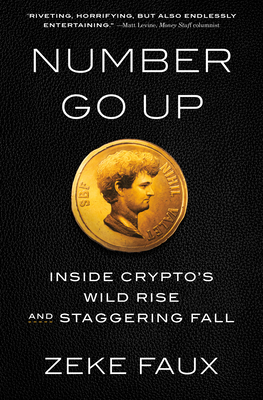
Number Go Up: Inside Crypto’s Wild Rise and Staggering Fall – Zeke Faux

In 2021 cryptocurrency went mainstream. Giant investment funds were buying it; celebrities like Tom Brady endorsed it; and TV ads hailed it as the future of money. Hardly anyone knew how it worked—but why bother with the particulars when everyone was making a fortune from Dogecoin, Shiba Inu, or some other bizarrely named “digital asset”?

As he observed this frenzy, investigative reporter Zeke Faux had a nagging feeling: Was it all just a confidence game of epic proportions? What started as curiosity—with a dash of FOMO—would morph into a two-year, globe-spanning quest to understand the wizards behind the world’s new financial machinery. Faux’s investigation would lead him to a schlubby, frizzy-haired twenty-nine-year-old named Sam Bankman-Fried (SBF for short) and a host of other crypto scammers, utopians, and overnight billionaires.

Faux follows the trail to a luxury resort in the Bahamas, where SBF boldly declares that he will use his crypto fortune to save the world. Faux talks his way onto the yacht of a former child actor turned crypto impresario and gains access to “ApeFest,” an elite party headlined by Snoop Dogg, by purchasing a $20,000 image of a cartoon monkey. In El Salvador, Faux learns what happens when a country wagers its treasury on Bitcoin, and in the Philippines, he stumbles upon a Pokémon knockoff mobile game touted by boosters as a cure for poverty. In an astonishing development, a spam text leads Faux to Cambodia, where he uncovers a crypto-powered human-trafficking ring.

When the bubble suddenly bursts in 2022, Faux brings readers inside SBF’s penthouse as the fallen crypto king faces his imminent arrest. Fueled by the absurd details and authoritative reporting that earned Zeke Faux the accolade “our great poet of crime” from Money Stuff columnist Matt Levine, Number Go Up is the essential chronicle, by turns harrowing and uproarious, of a $3 trillion financial delusion.

International Day of Persons with Disabilities

International Day of Persons with Disabilities is a globally recognized observance dedicated to promoting the rights and well-being of persons with disabilities. The day was established by the United Nations General Assembly in 1992 to promote understanding of disability issues and mobilise support for the dignity, rights, and well-being of persons with disabilities. It also aims to increase awareness of the benefits of integrating persons with disabilities in every aspect of political, social, economic, and cultural life. The date chosen for this observance, December 3rd, holds no specific historical significance.

The establishment of IDPD in 1992 came at a time when disability rights were gaining increased attention on the global stage. This period saw a shift in how disability was perceived, moving from a medical model that focused on individual impairments to a social model that emphasised societal barriers and discrimination.

The International Day of Persons with Disabilities serves several important purposes. The day helps educate the public about disability issues, challenges stereotypes and promoting understanding. It provides a platform for disability rights advocates to push for policy changes and improved accessibility. IDPD celebrates the achievements and contributions of persons with disabilities to society and emphasises the importance of creating an inclusive society where persons with disabilities can participate fully and unites governments, organisations, and individuals worldwide in promoting disability rights.

The theme for International Day of Persons with Disabilities 2024 is “Transformative Solutions for Inclusive Development: The Role of Innovation in Fuelling an Accessible and Equitable World”. This theme emphasises the importance of innovation in creating a more inclusive and equitable world for people with disabilities. It focuses on several key areas, including technological innovation, which explores how new technologies can improve accessibility and independence for persons with disabilities, social innovation, which includes developing new approaches to social inclusion and community participation, policy innovation, which encourages innovative policies and legislation that promote disability rights and inclusion, and economic innovation, which creates new opportunities for economic empowerment and employment for persons with disabilities.

The theme aligns with the broader goals of the United Nations’ 2030 Agenda for Sustainable Development, which pledges to “leave no one behind.” It emphasises that innovation is crucial for achieving the Sustainable Development Goals (SDGs) in a way that is inclusive of people with disabilities.

To fully appreciate the importance of IDPD, it’s crucial to understand what disability means and the various types of disabilities that exist. The World Health Organisation or WHO, defines disability as an umbrella term, covering impairments, activity limitations, and participation restrictions. An impairment is a problem in body function or structure; an activity limitation is a difficulty encountered by an individual in executing a task or action; and a participation restriction is a problem experienced by an individual in involvement in life situations.

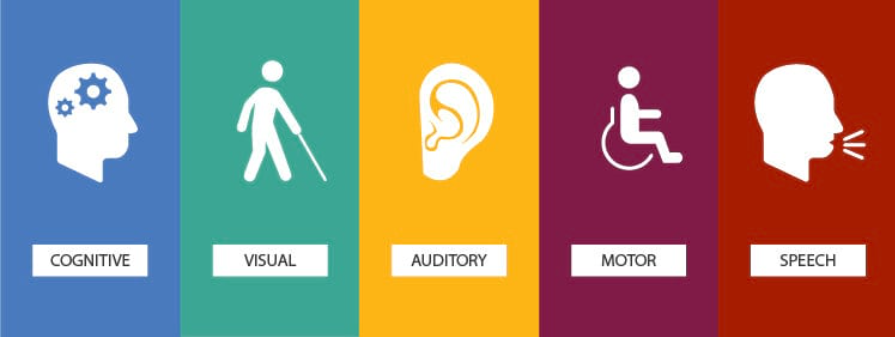
Disabilities can be broadly categorised into several types. Physical disabilities affect a person’s mobility or dexterity. Examples include spinal cord injuries, muscular dystrophy, and amputations. Sensory disabilities affect one or more senses. They include visual impairments, hearing impairments, and sensory processing disorders. Intellectual disabilities affect a person’s ability to learn at an expected level and function in daily life. Down syndrome is an example. Psychiatric disabilities include mental health conditions such as depression, anxiety disorders, and schizophrenia. Neurological disabilities affect the nervous system. Examples include epilepsy, multiple sclerosis, and Parkinson’s disease. Learning disabilities are those that affect a person’s ability to interpret what they see and hear or to link information from different parts of the brain. Dyslexia is an example. Lastly, invisible disabilities are not immediately apparent but can significantly impact a person’s life. They include chronic pain conditions and some mental health disorders. It’s important to note that many people may experience multiple disabilities, and the impact of a disability can vary greatly from person to person.

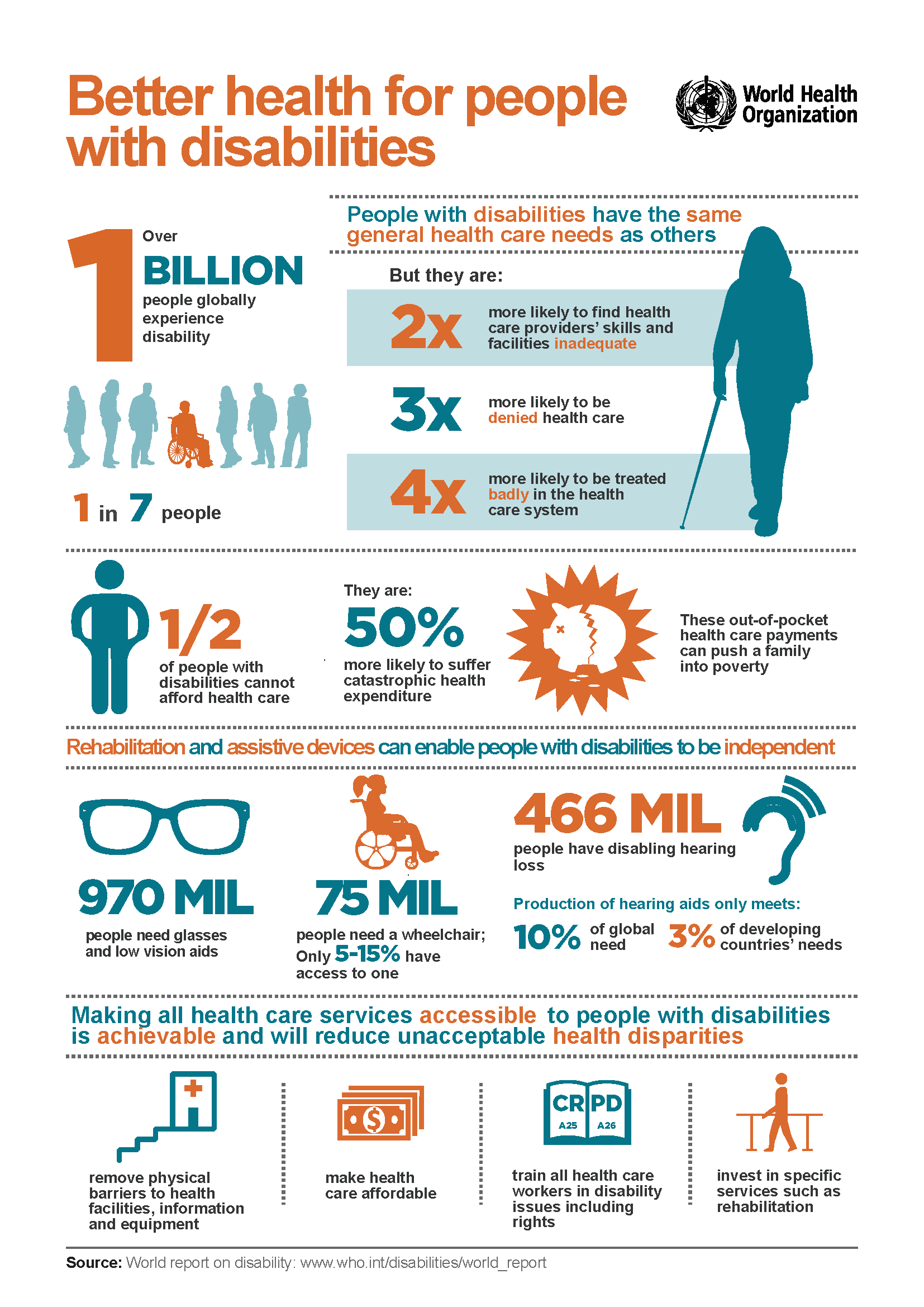
Understanding the scale of disability worldwide helps to contextualise the importance of IDPD. According to the World Health Organization, over 1 billion people, or about 15% of the world’s population, live with some form of disability, between 110-190 million adults have significant difficulties in functioning and the rates of disability are increasing due to an ageing population and increases in chronic health conditions. Persons with disabilities are more likely to experience adverse socioeconomic outcomes such as less education, poorer health outcomes, lower levels of employment, and higher poverty rates. These statistics underscore the need for continued efforts to promote disability rights and inclusion, which IDPD helps to spotlight.

The United Nations has played a crucial role in advancing disability rights globally. Key UN initiatives include the Convention on the Rights of Persons with Disabilities (CRPD), adopted in 2006. The CRPD is an international human rights treaty intended to protect the rights and dignity of persons with disabilities. It promotes, protects, and ensures the full enjoyment of human rights by persons with disabilities and ensures that they enjoy full equality under the law.

The United Nations Disability Inclusion Strategy was launched in June 2019 and provides the foundation for sustainable and transformative progress on disability inclusion through all pillars of the work of the United Nations. It seeks to raise the UN’s standards and performance on disability inclusion across its programs and operations.

The 2030 Agenda for Sustainable Development pledges to “leave no one behind,” including people with disabilities. Several SDGs explicitly reference disability, including those related to education, employment, inequality reduction, and sustainable cities].

Despite progress in disability rights, people with disabilities continue to face numerous challenges. Negative attitudes and misconceptions about disability persist in many societies. Inaccessible buildings, transportation, and public spaces limit participation and independence. Lack of accessible information and communication technologies can exclude persons with disabilities from various aspects of life. Many children with disabilities do not have access to inclusive education. Persons with disabilities often face higher unemployment rates and lower wages. Persons with disabilities may face barriers in accessing quality healthcare. There’s a strong link between disability and poverty, with each potentially leading to or exacerbating the other. Persons with disabilities may face barriers to voting or running for office. IDPD helps to highlight these challenges and promote solutions.

Some innovative approaches to disability inclusion may include advanced prosthetics, screen readers, speech recognition software, and other technologies enhancing independence and accessibility. A universal design approach to create products, environments, and systems that are usable by all people to the greatest extent possible without adaptation. Inclusive Education Technologies including digital learning platforms with built-in accessibility features making education more inclusive. Smart Cities with urban planning that incorporates accessibility from the ground up, including smart traffic systems and accessible public transportation. AI is used to develop more sophisticated assistive devices and to improve accessibility in digital spaces with these technologies used for rehabilitation, skills training, and to create more inclusive experiences. Innovative approaches to flexible working, job carving, and supported employment are opening up new opportunities and disability-led innovation where persons with disabilities lead innovation efforts, ensuring solutions meet real needs.

Governments play a crucial role in promoting disability rights and inclusion. Key areas of focus include enacting and enforcing laws that protect the rights of persons with disabilities, such as anti-discrimination legislation; developing and implementing standards for physical and digital accessibility; promoting inclusive education systems that accommodate students with diverse needs; implementing policies to increase employment opportunities for persons with disabilities, such as quota systems or tax incentives for employers; ensuring healthcare systems are accessible and meet the specific needs of persons with disabilities; providing adequate social protection measures for persons with disabilities; improving disability data collection to inform policy-making; and popularising government-led campaigns to raise public awareness about disability issues.

The International Day of Persons with Disabilities serves as a powerful reminder of the ongoing need to promote the rights and well-being of persons with disabilities. Today it’s clear that innovation will play a crucial role in creating a more accessible and equitable world. However, technology alone is not enough. True inclusion requires a shift in societal attitudes, robust policy frameworks, and the active participation of persons with disabilities in all aspects of life. IDPD provides an annual opportunity to reflect on progress made, challenges remaining, and to renew our commitment to building a world that values and includes all its diverse members.

It’s crucial to remember that disability rights are human rights. By working together, governments, civil society, the private sector, and individuals can create a world where all people, regardless of ability, can fully participate and contribute to society. This is not just beneficial for people with disabilities but for society as a whole.