Sacred Stones, Spaces, and Stories: Ashtavinayaka Part 7

Perched high on the rugged hills of Junnar in Pune district, the Girijatmaj Temple at Lenyadri is a remarkable confluence of natural beauty, ancient history, and deep spiritual resonance. Unique among the eight Ashtavinayak shrines dedicated to Lord Ganesha, Girijatmaj is the only temple set atop a mountain and carved into a single monolithic rock within a complex of ancient Buddhist caves. Here, Ganesha is worshipped as the “son of Girija”, another name for Goddess Parvati, and the temple is a living testament to the power of maternal devotion, the endurance of faith, and the seamless blending of India’s Buddhist and Hindu heritages.

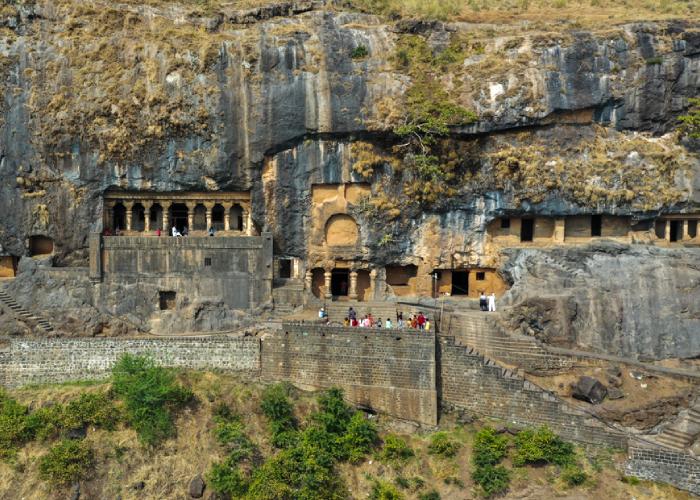
Lenyadri, also known as Ganesh Lena or Ganesh Pahar, is located about 95 km from Pune and 5 km from Junnar. The temple sits at the heart of a cluster of 30 rock-cut Buddhist caves, which date back to the 1st–3rd centuries AD and are scattered along a cliff face. The caves overlook the Kukadi River valley, offering breathtaking views of the surrounding green hills, especially after the monsoon when the landscape is lush and vibrant. To reach the temple, pilgrims and visitors must climb 307–315 stone steps, flanked by playful monkeys and mountain streams. The ascent is both a physical and spiritual journey, with the panoramic vistas and the cool mountain air preparing the mind for the sanctity that awaits at the summit.

The story of Girijatmaj is rooted in the deep yearning of Goddess Parvati for a child. According to the Ganesh Purana, after taking the form of Parvati, having previously been Sati, the goddess desired to have Ganesha as her son. She chose the caves of Lenyadri, then known as Jirnapur or Lekhan Parbat, as her place of penance. For twelve years, Parvati performed intense austerities and prayers inside these caves, seeking the blessing of motherhood.
Pleased by her unwavering devotion, Lord Ganesha granted her wish. On the auspicious day of Bhadrapada Shuddha Chaturthi, or Ganesh Chaturthi, Parvati scraped the dirt from her body, mixed it with oil and ointment, and fashioned an idol of Ganesha. As she worshipped this idol, it miraculously came to life, and Ganesha declared that he had incarnated as her son, as desired. Shiva later named the child Ganesh, meaning “one who keeps the three qualities: Satva, Raja, and Tama, under control.” Ganesha spent his childhood at Lenyadri, and for fifteen years, the caves were his playground and home.

The caves of Lenyadri are also the backdrop for several of Ganesha’s legendary childhood adventures. According to the Ganesh Purana, the demon king Sindhu, forewarned that his death would come at the hands of Ganesha, sent a series of demons—Krur, Balasur, Vyomasur, Kshemma, and Kushal—to kill the young deity. Ganesha, even as a child, vanquished all his adversaries and performed many playful miracles, or balleelas, in and around the caves. These stories are cherished by devotees and add to the temple’s aura of divine protection and joy.

The Lenyadri caves were originally carved as Buddhist viharas and chaityas, monastic dwellings and prayer halls, during the Hinayana phase of Buddhism, between the 1st and 3rd centuries AD. Of the approximately 30 caves, most served as monastic quarters, while a few were chapels. Cave 7, which now houses the Girijatmaj Temple, was originally a vihara, a communal hall for monks.

Over centuries, as Buddhism waned and Hinduism reasserted itself in the region, the caves were adapted for Hindu worship. The transformation of Cave 7 into a Ganesha shrine is a striking example of India’s syncretic religious history, where sacred spaces evolve and retain their spiritual significance across faiths.

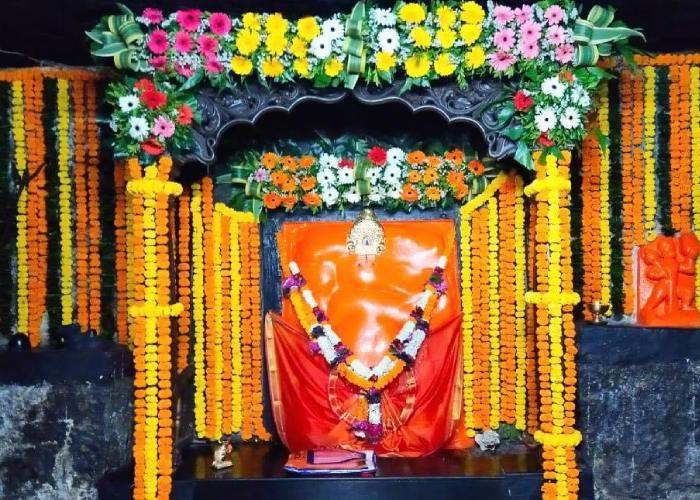
The entire temple is hewn from a single rock, with no separate structural additions. This gives the temple its cool, serene ambience, regardless of the weather outside. The main hall, the sabha-mandapa, is a spacious, unpillared chamber measuring 53 feet long, 51 feet wide, and 7 feet high. It contains 20 cells of varying sizes, originally used by Buddhist monks. The central entrance is flanked by two windows, and a pillared veranda leads into the hall. The sanctum is not a separate structure but a niche in the back wall of the cave. The image of Ganesha is not a free-standing idol but a relief carved directly into the stone wall. The idol faces east, with its trunk turned to the left, and only one eye is visible. The icon is covered in indoor, or vermilion, in keeping with the tradition of Ashtavinayak temples. During the day, sunlight streams into the sanctum, bathing the idol in a celestial glow and enhancing the temple’s mystical atmosphere. The temple lacks a separate shikhara, or spire; gopuram, or gateway; or ornate carvings typical of Hindu temples, emphasising its monastic origins and simplicity.

The temple opens early in the morning and closes at sunset. Devotees offer flowers, durva grass, and modaks to the deity. The idol, being part of the rock, is not adorned with clothes or ornaments but is anointed with sindoor and sometimes oil. Ritual bathing, abhishek and aarti, and the waving of lamps are performed daily. Devotees can sponsor abhishek or aarti as a special offering. Circumambulation, or pradakshina, of the temple is performed within the main hall, as the structure is carved into the mountain. The most important festival is Ganesh Chaturthi, or Bhadrapada Shuddha Chaturthi, when thousands of pilgrims climb the steps to offer prayers. Special aartis, abhisheks, and communal feasting mark the occasion. Other festivals like Maghi Ganesh Jayanti, which is Ganesha’s birthday, and Sankashti Chaturthi, a monthly festival, are also celebrated with great devotion.

Many devotees undertake the climb of 307–315 steps barefoot as an act of penance or to fulfil vows, believing that the effort itself invokes Ganesha’s blessings. The temple’s monastic origins and serene setting make it a favoured spot for meditation and quiet contemplation. The absence of loud music or elaborate rituals preserves the cave’s tranquil atmosphere.

The name “Girijatmaj” combines “Girija,” another name for Parvati, the daughter of the mountain, and “Atmaj,” or son, emphasising Ganesha’s identity as the beloved child of Parvati. The temple thus celebrates the bond between mother and son, and by extension, the nurturing, protective aspect of the divine.

Girijatmaj is the only Ashtavinayak temple located on a mountain, symbolising the spiritual ascent a devotee must undertake to reach the divine. The physical climb is a metaphor for the inner journey of discipline, faith, and perseverance. The temple’s setting within a Buddhist vihara highlights the fluidity of India’s religious traditions. The peaceful coexistence of Buddhist and Hindu elements is a powerful reminder of the region’s pluralistic heritage.

Girijatmaj is traditionally the sixth temple visited on the Ashtavinayak pilgrimage, though the order can vary. Its unique location and the legend of Ganesha’s birth make it a highlight of the yatra. Pilgrims often combine their visit with a trek through the other caves, exploring the rich tapestry of Buddhist art and architecture that surrounds the temple.

The Girijatmaj Temple at Lenyadri is a living symbol of faith, perseverance, and the enduring bond between mother and child. Its legends speak of penance rewarded, demons vanquished, and the joy of divine play. Its architecture, carved from living rock, stands as a testament to the artistry and spiritual vision of ancient India.


In My Hands Today…

Brilliant Maps for Curious Minds: 100 New Ways to See the World – Ian Wright

Which countries don’t have rivers? Which ones have North Korean embassies? Who drives on the “wrong” side of the road? How many national economies are bigger than California’s? And where can you still find lions in the wild? You’ll learn answers to these questions and many more in Brilliant Maps for Curious Minds. This one-of-a-kind atlas is packed with eye-opening analysis (Which nations have had female leaders?), whimsical insight (Where can’t you find a McDonald’s?), and surprising connections that illuminate the contours of culture, history, and politics.

Each of these 100 maps will change the way you see the world—and your place in it.

Poem: The Music of Silence

Silence is not merely the absence of sound; it is a language of its own, speaking in whispers that words cannot capture. It holds the weight of anticipation before a storm, the quiet understanding between two souls, and the hush of dawn before the world awakens. Silence can be peaceful, comforting, or deafening in its intensity, revealing emotions that need no voice. Today’s poem explores the unspoken symphony of quiet moments, where meaning lingers in stillness.

The Music of Silence

There is music in the hush of dawn,
In golden light on dewdrop lawns.
A melody soft, yet bright and clear,
A silent tune the heart can hear.

The pages turn, the world stands still,
A whispered pause, a breath to fill.
Between each note, a space, a rest,
Where silence hums its song the best.

A lover’s glance, a knowing smile,
No words are needed to reconcile.
A lull between the waves so wide,
Where longing sways like a shifting tide.

Before the storm, the air holds tight,
A quiet drumbeat laced with might.
The thunder waits, the earth holds fast,
A hush before the skies are cast.

Silence sings in ways unknown,
In echoes deep and undertones.
Not emptiness, but something more,
A song of all that came before.

So listen close, embrace the sound,
Where quiet truths are softly found.
For in the hush, the still, the space,
Silence hums with quiet grace.

In My Hands Today…

Kamal Haasan: A Cinematic Journey – K. Hariharan

In many ways, Kamal Haasan is unique.

One of the greatest actors India has ever produced, he has usually gone further than just enacting a role to completely immersing himself in it.

Kamal A Cinematic Journey explores some fifty films out of the 245 Haasan has been associated with and analyses his cinematic journey from his beginnings as a child star all the way to his latest blockbusters.

It traces how, even at a young age, he took on roles other actors would be wary of, positioning himself as an object of female desire in the 1980s; balancing both comedy and tragedy with aplomb; playing formerly caricatured roles such as that of a dwarf in Apoorva Sagodharargal and a woman in Chachi 420 with dignity; and having a resurgence in 2022 with the blockbuster Vikram.

This book is the best introduction possible to Kamal his life, his thoughts and his movies.

UN Days: World Soil Day

World Soil Day, celebrated annually on December 5th, is a global observance that highlights the critical importance of healthy soils and promotes sustainable soil management practices. World Soil Day was established by the Food and Agriculture Organisation (FAO) of the United Nations in 2014 as part of the Global Soil Partnership (GSP) framework. The day serves as a platform to raise awareness about the crucial role soils play in our ecosystems, agriculture, and overall environmental health. The 2025 edition of World Soil Day is particularly special as it marks the tenth anniversary of this global celebration.

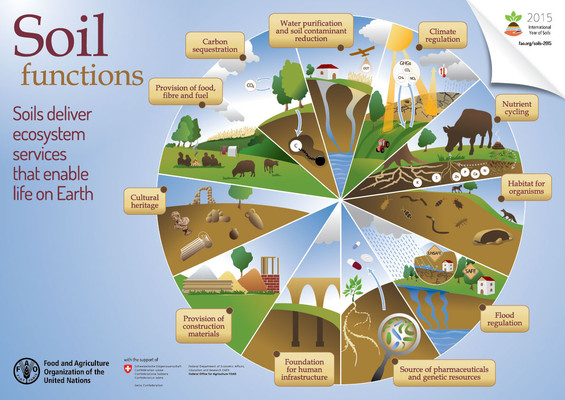
Soil is often referred to as the “skin of the Earth” and is a fundamental component of our planet’s ecosystems. Its importance cannot be overstated, as it plays a crucial role in various aspects of life on Earth.

One of the most critical functions of soil is its role in agriculture. Healthy, nutrient-rich soil is essential for crop production and, by extension, global food security. Farmers rely on the quality of their soil to produce sufficient amounts of food to feed the world’s growing population. As such, maintaining soil health is integral to sustaining the global food system.

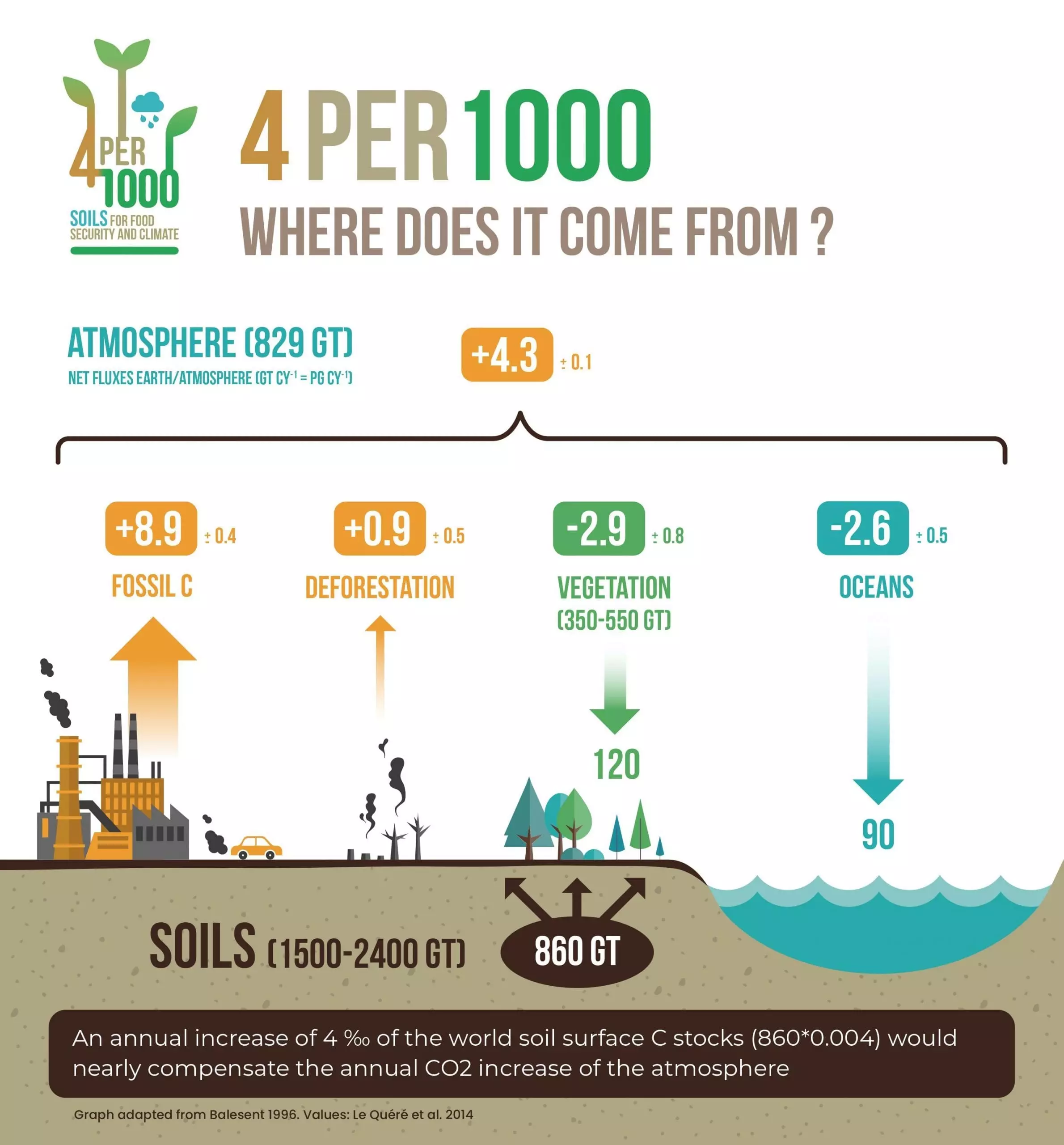
Soil plays a significant role in the global carbon cycle and has the potential to mitigate climate change through carbon sequestration. As plants die and decompose, a portion of their stored carbon is transferred to the soil. Under the right conditions, this carbon can be stored in the soil for extended periods, effectively removing it from the atmosphere and reducing its contribution to climate change.

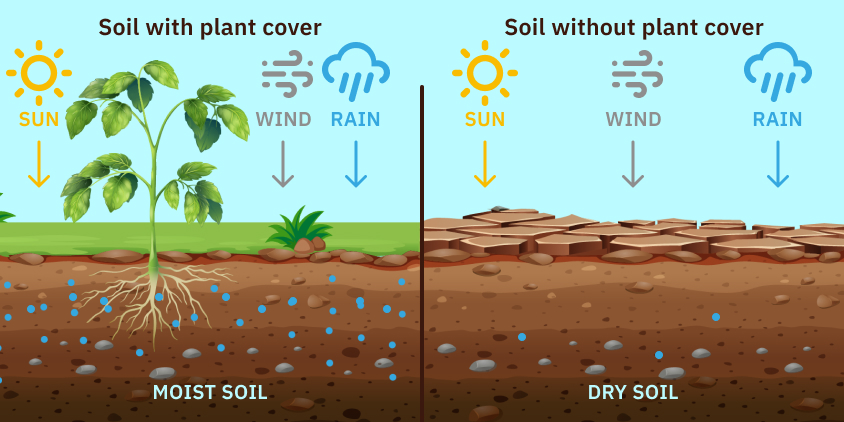
Healthy soils are crucial for maintaining water quality and regulating water cycles. Soil acts as a natural filter, removing excess nutrients and pollutants from water as it percolates through the soil profile. This process is essential for maintaining clean water sources and supporting aquatic ecosystems. Moreover, soil’s ability to store and release water is vital for plant growth and helps mitigate the impacts of droughts and floods. When soil health is compromised, its capacity to regulate water is diminished, leading to increased risks of erosion and water-related disasters.

Soil is home to an incredibly diverse array of organisms, from microscopic bacteria and fungi to larger creatures like earthworms and insects. This soil biodiversity is crucial for maintaining ecosystem health and supporting above-ground biodiversity. Soil organisms play essential roles in nutrient cycling, organic matter decomposition, and soil structure maintenance.

Despite their importance, soils worldwide are under threat from various factors, including intensive agriculture, deforestation, urbanisation, and climate change. These pressures have led to widespread soil degradation, erosion, and loss of soil organic matter. Soil degradation is a global issue that affects both agricultural productivity and ecosystem health. It occurs when soil loses its capacity to provide ecosystem services due to human activities or natural processes. Common forms of soil degradation include erosion, compaction, salinisation, and loss of organic matter.

Soil organic matter (SOM) is a key indicator of soil health. It consists of decomposed plant and animal materials and is crucial for maintaining soil structure, water retention, and nutrient availability. Unfortunately, intensive agricultural practices and land-use changes have led to significant declines in SOM in many regions. Soil erosion is a natural process that can be accelerated by human activities such as deforestation, overgrazing, and poor agricultural practices. It leads to the loss of topsoil, which is the most fertile layer of soil and is essential for plant growth. Erosion not only reduces agricultural productivity but also contributes to water pollution and sedimentation in rivers and lakes.

To address these challenges and ensure the long-term health of our soils, sustainable soil management (SSM) practices are essential. SSM aims to enhance soil health while maintaining or improving ecosystem services provided by soils.

Conservation agriculture is a farming system that emphasises minimal soil disturbance, permanent soil cover, and crop rotation. This approach helps to reduce erosion, improve soil structure, and increase soil organic matter content. By minimising tillage, farmers can preserve soil structure and reduce the loss of soil moisture and organic matter. Cover crops are plants grown primarily to protect and improve soil health rather than for harvest. They help prevent erosion, suppress weeds, and add organic matter to the soil when incorporated. Cover crops can also help improve soil structure and increase biodiversity.

Adding organic matter to soil through compost, manure, or crop residues is a fundamental practice in sustainable soil management. Organic matter improves soil structure, increases water-holding capacity, and provides nutrients for plants and soil organisms. Proper nutrient management involves applying the right amount of nutrients at the right time to meet crop needs while minimising environmental impacts. This includes practices such as soil testing, precision fertilizer application, and the use of organic fertilizers. Efficient water management is crucial for soil health and agricultural productivity. Practices such as drip irrigation, mulching, and rainwater harvesting can help conserve water and prevent soil erosion.

The theme of World Soil Day 2025, “Caring for Soils: Measure, Monitor, Manage,” emphasises the importance of data-driven approaches to soil conservation.

Measuring soil health involves assessing various physical, chemical, and biological properties of soil. Key indicators include soil organic matter content, pH levels, nutrient availability, soil structure and texture, water-holding capacity, and the presence and diversity of soil organisms. These measurements provide a baseline for understanding soil conditions and tracking changes over time. Regular monitoring of soil health indicators allows farmers and land managers to detect changes in soil quality and respond accordingly. This can involve periodic soil testing, visual assessments of soil structure, and tracking crop yields and health.

Effective soil management requires integrating the data gathered from measuring and monitoring efforts with sustainable practices. This might involve adjusting fertilizer applications based on soil test results, implementing erosion control measures in areas identified as high-risk, rotating crops to maintain soil health and break pest cycles, and adapting irrigation practices to improve water use efficiency.

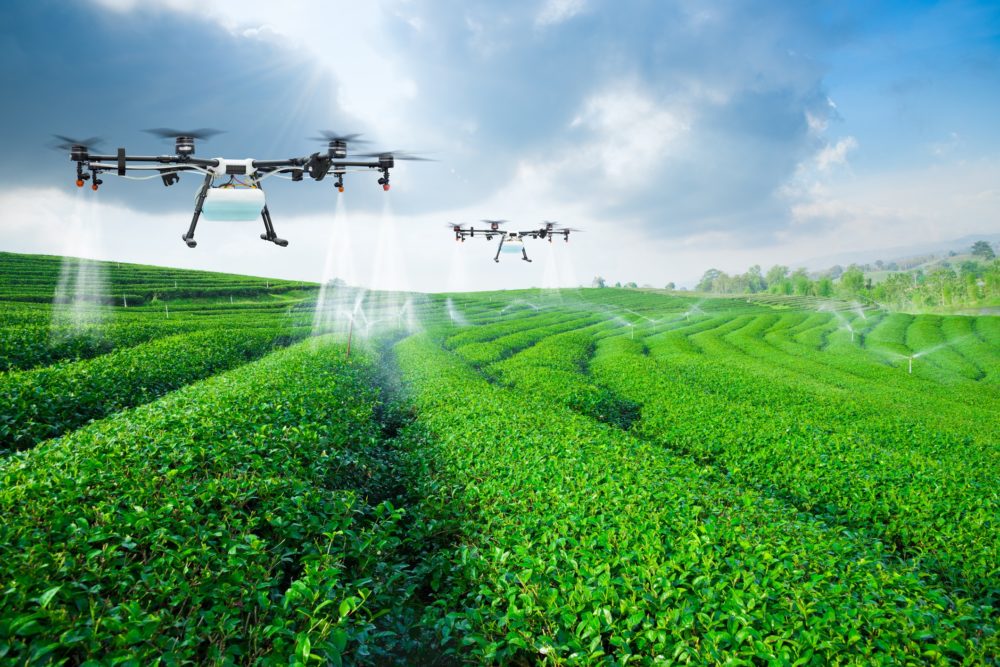
Advancements in technology are playing an increasingly important role in soil management and conservation efforts. Satellite imagery and drone technology allow for large-scale monitoring of soil conditions, including moisture levels, vegetation cover, and even some aspects of soil composition. This data can help identify areas at risk of erosion or degradation and guide conservation efforts.

Precision agriculture uses GPS technology, sensors, and data analytics to optimize farm management practices. This approach allows farmers to apply inputs like water and fertilizer more efficiently, reducing waste and minimising environmental impacts. In-situ soil sensors can provide real-time data on soil moisture, temperature, and nutrient levels. This information helps farmers make more informed decisions about irrigation and fertilization, leading to more efficient resource use.

Big data analytics and artificial intelligence are being used to process and interpret vast amounts of soil data. These tools can help predict soil health trends, optimise crop rotations, and even forecast potential soil-related risks like erosion or nutrient depletion.

Recognising the global importance of soil health, several international initiatives have been launched to promote soil conservation and sustainable management. The Global Soil Partnership, established by the FAO in 2012, aims to improve global governance of soil resources. It works to promote sustainable soil management, increase awareness about soils, and support the development of soil information systems.

Launched at the COP21 in Paris, the 4 per 1000 Initiative aims to increase global soil organic matter stocks by 0.4% per year. This initiative recognises the potential of soils to mitigate climate change through carbon sequestration while improving soil fertility and agricultural production.

Several of the UN Sustainable Development Goals (SDGs) directly or indirectly relate to soil health. For example, SDG 15 (Life on Land) includes targets for combating desertification and restoring degraded land and soil.

As we look to the future, several key areas will be crucial for advancing soil conservation efforts. As climate change continues to impact agricultural systems, adopting climate-smart practices that enhance soil health while increasing resilience to climate variability will be essential. Regenerative agriculture goes beyond sustainability to focus on actively improving soil health and ecosystem function. This approach emphasises practices that increase biodiversity, enhance ecosystem services, and capture carbon in soil and plants. With increasing urbanisation, managing and protecting urban soils will become increasingly important. This includes preserving green spaces, promoting urban agriculture, and managing stormwater to prevent soil erosion and contamination. Recognising the crucial role of soil organisms in ecosystem health, efforts to conserve and promote soil biodiversity will likely gain more attention in the coming years.

World Soil Day serves as a crucial reminder of the importance of soil health for our planet’s future. Soils are not just the foundation of our agricultural systems; they are integral to the health of our ecosystems, the quality of our water, and our ability to mitigate and adapt to climate change. As we face growing challenges from population growth, climate change, and environmental degradation, the need for sustainable soil management has never been more pressing. By embracing the principles of measuring, monitoring, and managing our soils, we can work towards a future where healthy soils continue to support thriving ecosystems and sustainable food systems.