In My Hands Today…

Life in the Skies: Everything You Want to Know about Flying – Lim Khoy Hing

Captain Lim provides insights into every aspect of air travel – informing passengers of all the hidden mysteries of airplane safety and regulations, enlightening those who wonder how someone trains and becomes an international airline pilot, and entertaining readers throughout with anecdotes, tales and jokes from his own personal experiences in the air. Complemented with more than 40 full-colour personal illustrations of the Captain, Life in the Skies will be a valuable and useful guide for air travellers and budding-pilots alike!

Captain Lim Khoy Hing is an ex-airline pilot who is passionate about flying, having worked all his life high above the clouds since leaving college. Prior to his retirement from flag-carrier Malaysia Airlines, he was fortunate enough to fly the latest fly-by-wire planes such as the Boeing 777 and Airbus A320, A330 and A340. He has logged a total of 25,500 flying hours, or about 20 trips to the moon and back. Capt. Lim started his flying career in the Royal Malaysian Air Force, having been trained by the Royal Air Force in the United Kingdom in 1967. He served for about 12 years in the service before joining Malaysia Airlines and finished his career with the carrier AirAsia before retiring in 2011.

2105 Week 44 Update

Surprisingly this week went by faster than I thought it would. Work-wise, it’s still the same. I don’t have enough work to fill the eight hours at work. The day I have something to occupy my time for atleast half the day, I am happy! I’ve realized it’s far more difficult to pretend to be busy and do work than to actually do something….

Tomorrow is Diwali, the festival of lights and probably the most important festival in the Hindu calendar for the year. I’ve been busy preparing sweets and savories and have over-extended myself this year. Hopefully by the end of the day, I actually finish making all that I have planned for…

Beofre the festival, people clean and if possible, renovate and decorate their homes. The festival is celebrated slightly differently in North and South India. What’s common is the creation of beautiful rangolis or patterns made from coloured flour outside homes and decorated with lamps. The lamps are kept lit throughout the night so as to invite Goddess Lakshmi, the Goddess of Wealth into your home. People also wear new clothes across the country on Diwali and burst fire crackers outside.

In South India, Diwali is celebrated as the day Lord Krishna defeated the evil demon Nakasura and is called Naraka Chaturthi. Here, traditionally, especially in Tamil Brahmin homes, if the festival falls on a new moon, everyone wakes up super early and the lady of the house first takes a bath and lights the lamp. Then one by one, family members come and sit in front of the lamp where the lady of the house will put some gingelly oil which has been prepared the previous evening on them. They then have a bath and come and prostate before the Lord, after which they get their new clothes. Before they start the feating which is typical of the festival, they are also given a medicinal legiyam which sort of helps digest all the fried food and sweets which you eat throughout the day.

In North India, the festival is celebrated as the day Lord Rama, from the epic, Ramayana was welcomed back home to Ayodhya in present day Uttar Pradesh along with his wife Goddess Sita and brother Lord Lakshmana after a 14 year exile. Lamps are lit to welcome the trio. Prayers are also said to Goddess Lakshmi, the goddess of wealth in the evening of Diwali.

Certain communities also welcome their new year on the last day of the celebrations.

Here’s wishing all of you a very Happy Diwali! May the festival of lights light up your lives and bring you happiness and abundant prosperity….

PSLE Week 44 Update

The children are having a blast, preparing for their year-end concert which happens next week. They went for another Learning Journey this week which was basically a swap of last week – so BB went to the National Museum and GG went to the Discovery Centre.

The school also had a Parenting Talk this week on how parents can help children transition from the primary school system to the secondary one. The talk was very informative, especially since more than three quarters of the people in the room were first time parents of children who will move to Secondary 1 next year. The speaker, a medical doctor with three adult children had enough anecdotes about her own children which made it quite informative and useful.

After the talk, the school had invited a dozen secondary schools, both in the neighbourhood and beyond to have small booths in the school hall. When we reached the hall, we also found the primary 6 students there. I managed to catch hold of GG and we walked around a bit checking out some schools. We need to identify some schools and then go for open houses so that we can narrow it down to the six we need to select for the Secondary 1 Admission Exercise.

That was pretty much what the children did. Next week is the penultimate school year, with the last day of school on 20th November. Then we have to gird our loins for the results. I am just praying that they do decently and we don’t end up crying when the results are declared!

In My Hands Today…

The Bookseller of Kabul – Åsne Seierstad, Ingrid Christopherson

In spring 2002, following the fall of the Taliban, Asne Seierstad spent four months living with a bookseller and his family in Kabul.
For more than twenty years Sultan Khan defied the authorities – be they communist or Taliban – to supply books to the people of Kabul. He was arrested, interrogated and imprisoned by the communists, and watched illiterate Taliban soldiers burn piles of his books in the street. He even resorted to hiding most of his stock – almost ten thousand books – in attics all over Kabul.

But while Khan is passionate in his love of books and his hatred of censorship, he also has strict views on family life and the role of women. As an outsider, Asne Seierstad found herself in a unique position, able to move freely between the private, restricted sphere of the women – including Khan’s two wives – and the freer, more public lives of the men.

It is an experience that Seierstad finds both fascinating and frustrating. As she steps back from the page and allows the Khans to speak for themselves, we learn of proposals and marriages, hope and fear, crime and punishment. The result is a genuinely gripping and moving portrait of a family, and a clear-eyed assessment of a country struggling to free itself from history.’ to ‘This mesmerizing portrait of a proud man who, through three decades and successive repressive regimes, heroically braved persecution to bring books to the people of Kabul has elicited extraordinary praise throughout the world and become a phenomenal international bestseller. The Bookseller of Kabul is startling in its intimacy and its details – a revelation of the plight of Afghan women and a window into the surprising realities of daily life in today’s Afghanistan.’

Penang Holiday Part 3: Kok Lok Si Temple and Penang Hill

The story so far… Part 1 & Part 2

We mapped our route to Penang Hill and when we reached a spot where we had to move forward, we realized we were at the Botanical Gardens and the map had brought us to a part, which technically was the route to Penang Hill, but was the walking path. After wondering what to do, I met a friendly park staff who showed me on the map where to actually go. We had to reach the Lower Station at Bukit Bendera and which was actually close to the Kok Lok Si Temple. One blooper we made was not to carry any water with us
which made life a bit difficult till we found a 7-11 and brought some.
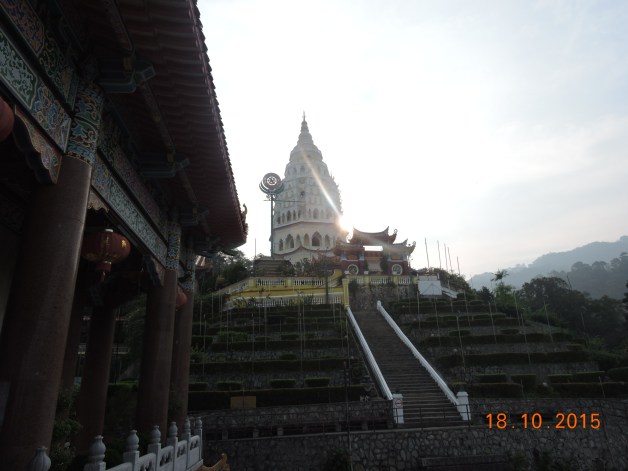
DSCN4548

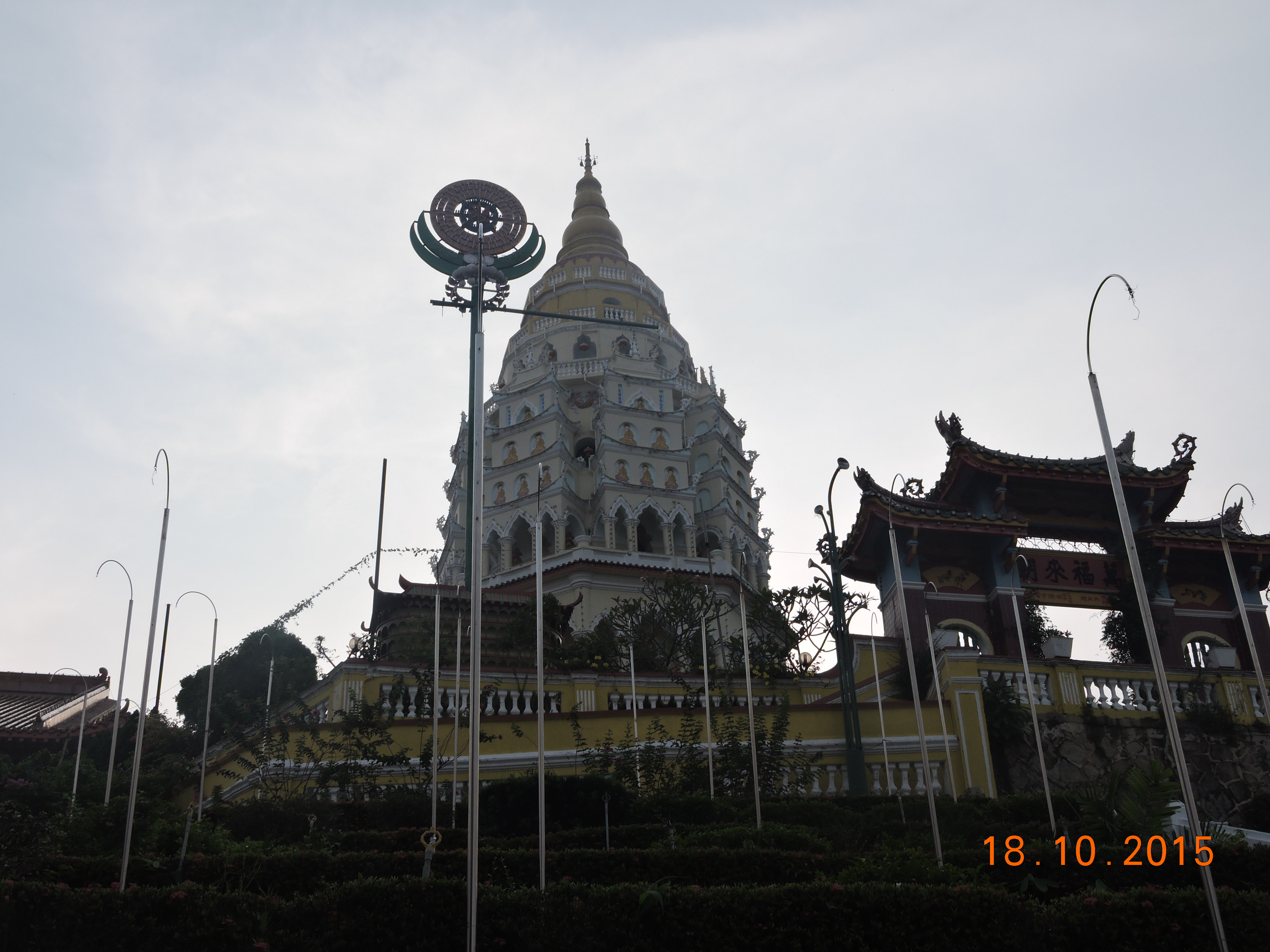
Kek Lok Si Temple

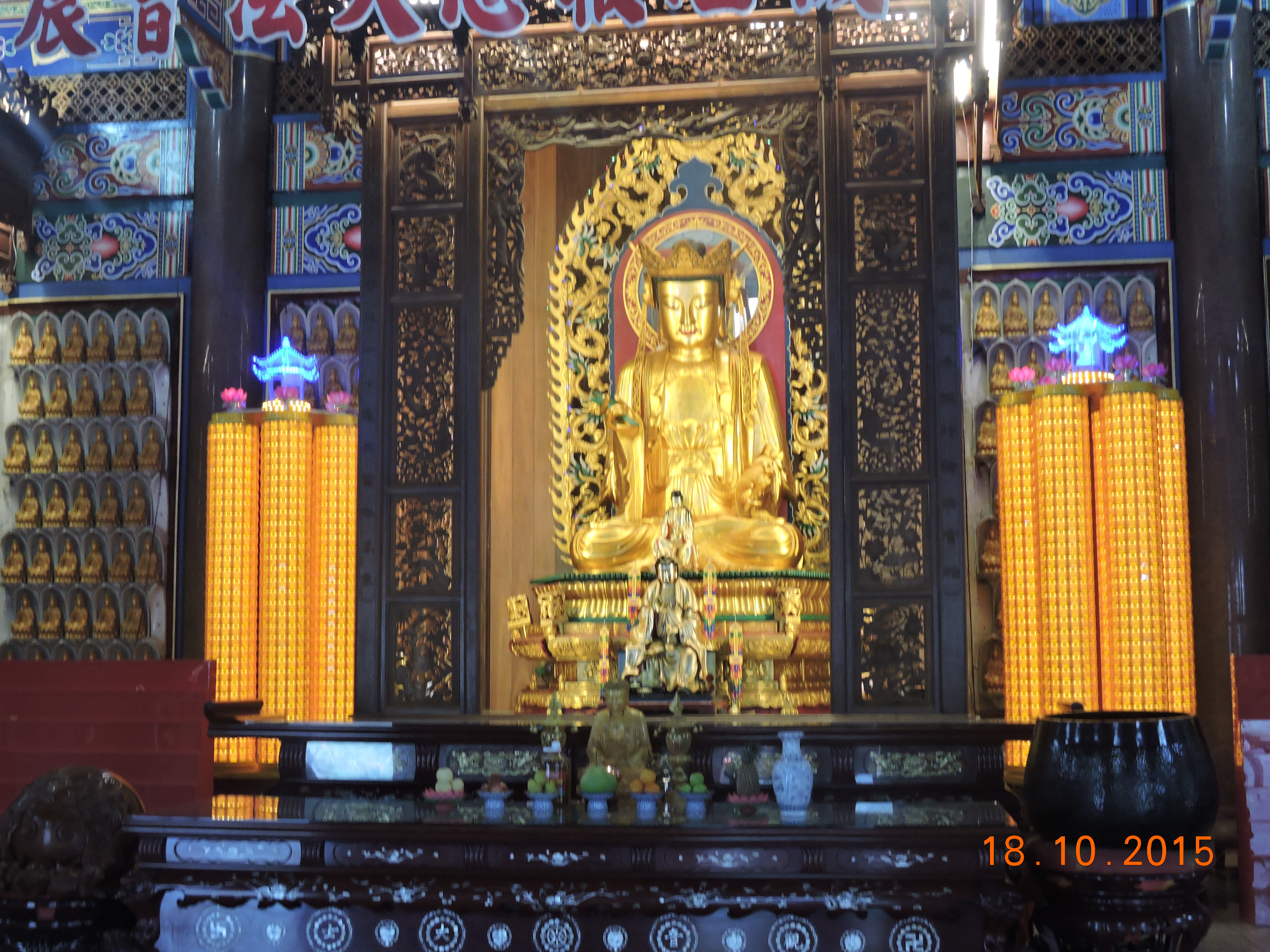
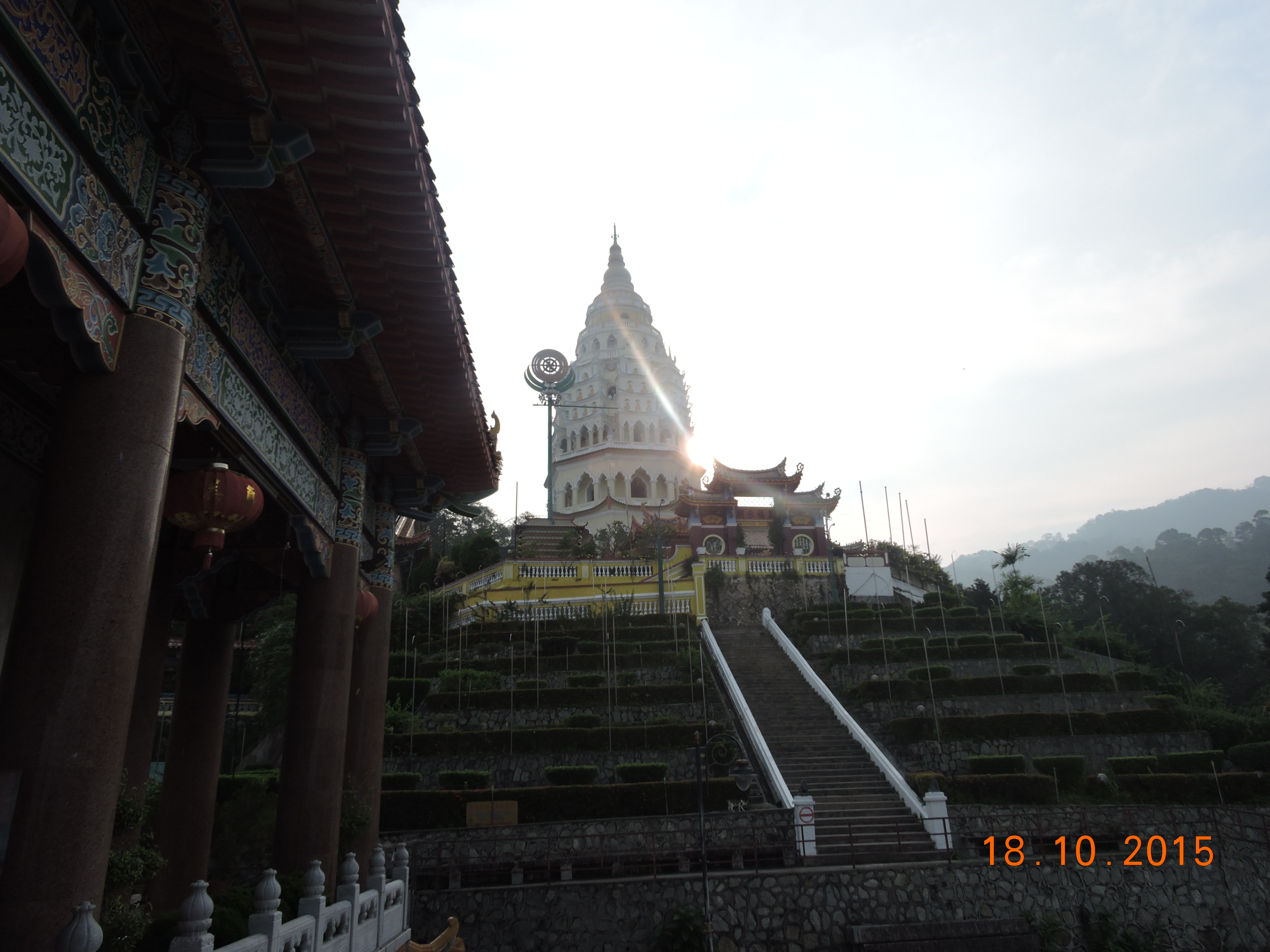
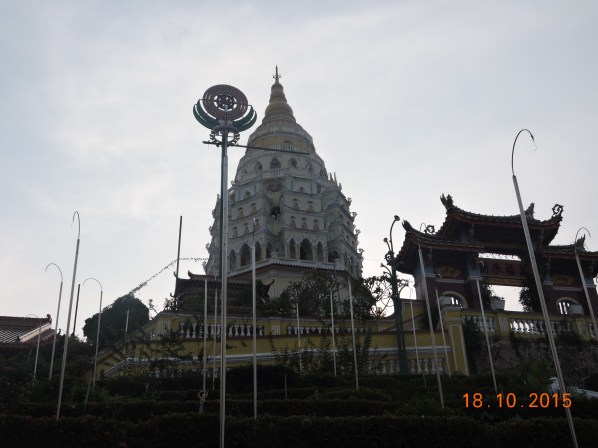
The route from the Botanical gardens to the temple seemed fairly easy, but we missed the entrance to the temple! The day was not getting better for us. We missed not one, but two entrances and had to make a big round around the hill till we came down. This was because the temple name was in Thai and we thought it was some Thai temple. We first went to the top entrance and when we realized it was the wrong one, got into the car to drive down again. The temple is serene and calming and we took some photos and walked around. There were some good luck charms we could tie to the wishing tree there and we did tie some for the children and us – things like Success in Exams, Success in Everything….
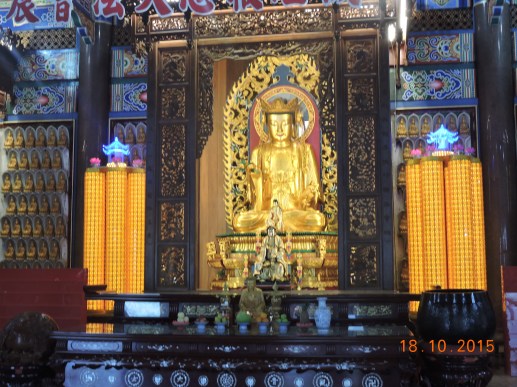
DSCN4550

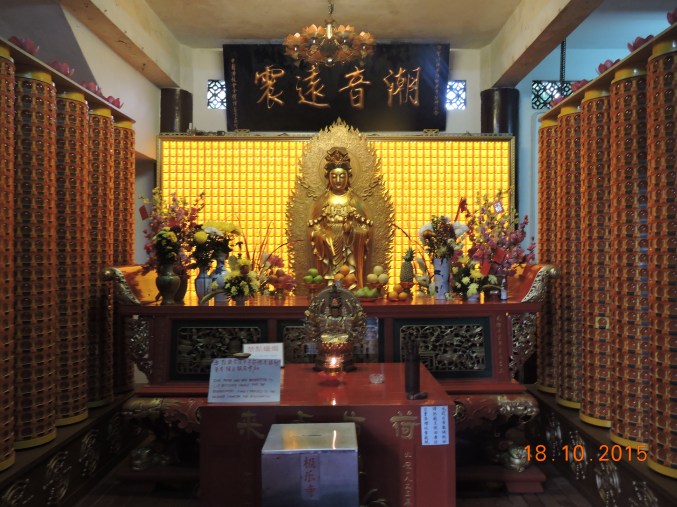
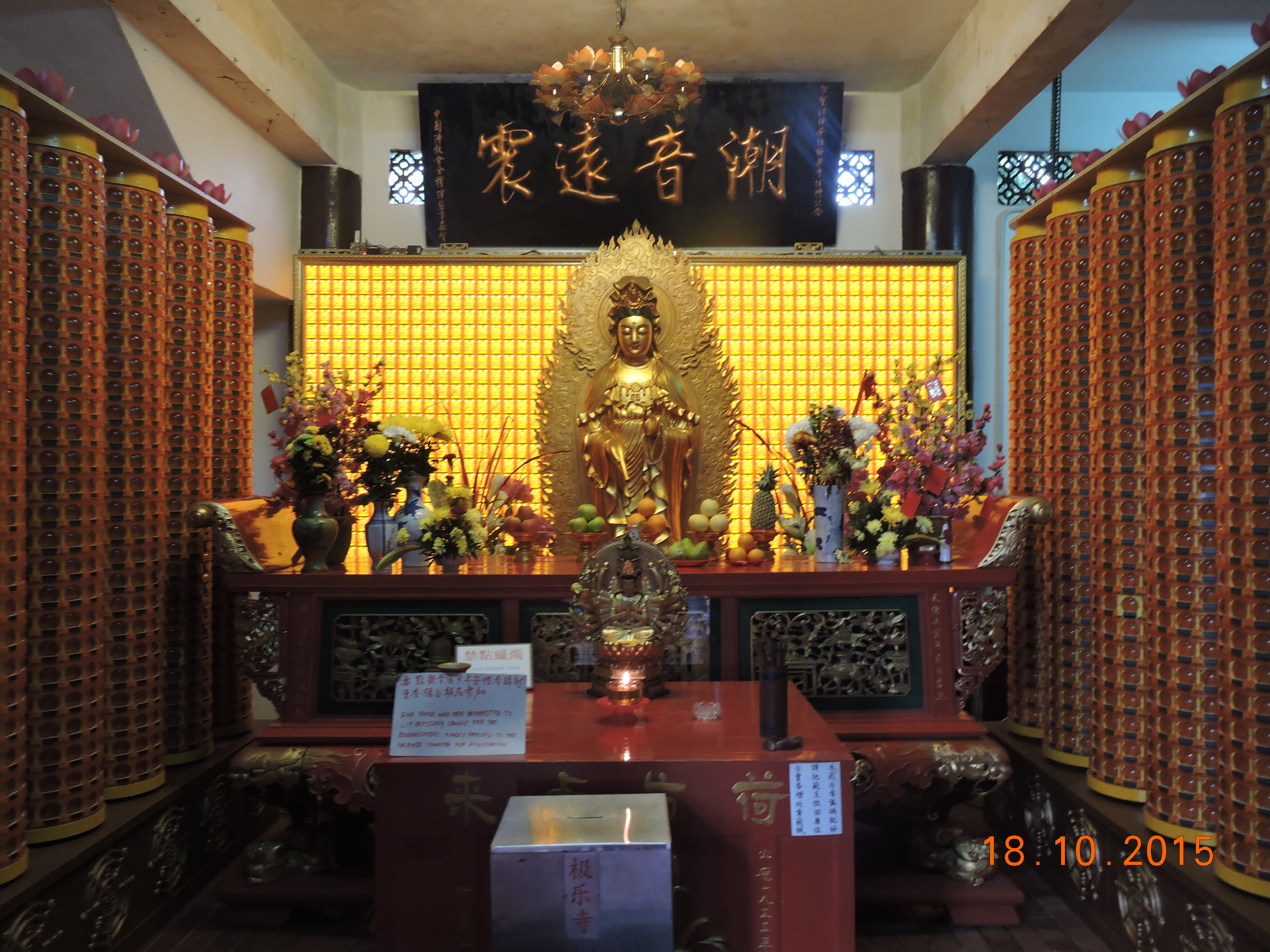
Inside the main temple

After spending an hour there, the kids started getting restless, plus the temple was nearing its closing time of 6 pm, so we decided to head to the funicular tram station to get to the top of Penang Hill. The drive from the hotel to the temple was approximately 25 minutes and from the temple to the tram station was approximately 10 minutes. On the way, we stopped at 7-11 and brought water and some drinks.
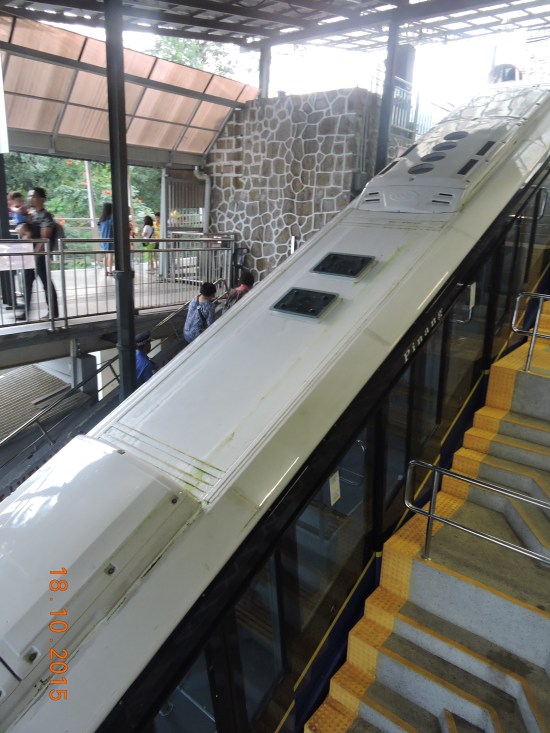
DSCN4578

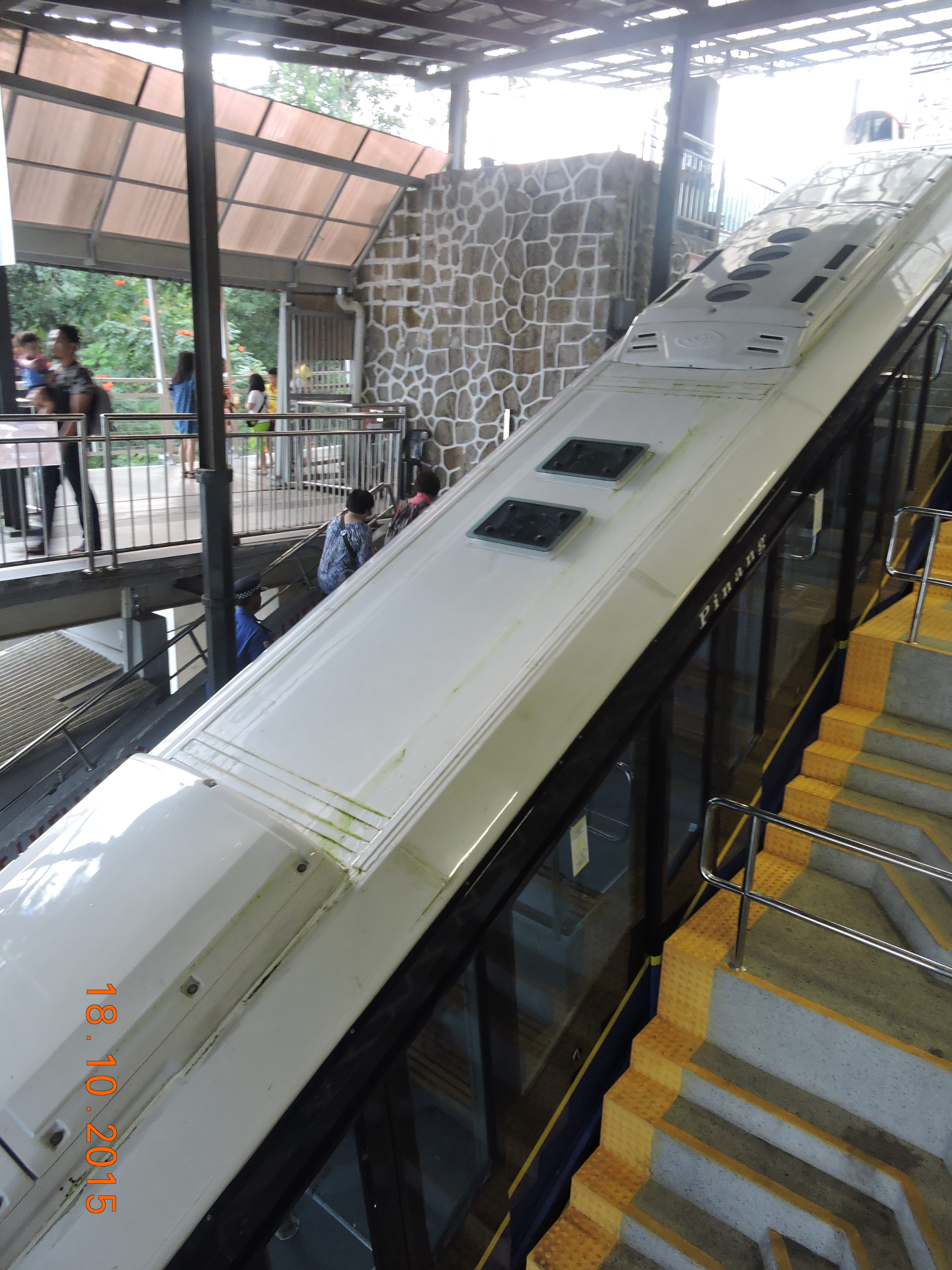
The funicular tram which took us up Penang Hill – see the angle!

The tram station is at the end of the road and there is a building right next to it where you can park your vehicle. Once we parked the car, we headed into the complex to buy the tickets. In Malaysia, it is usual to have two sets of tickets – one for locals who have to show their Malaysian ID and the other for foreigners. The foreigner ticket is usually twice that what locals pay. The foreigner price for a return trip by the Funicular tram was RM 30 per adult. Since GG & BB turned 12 this year, we had to pay adult prices for them almost everywhere.
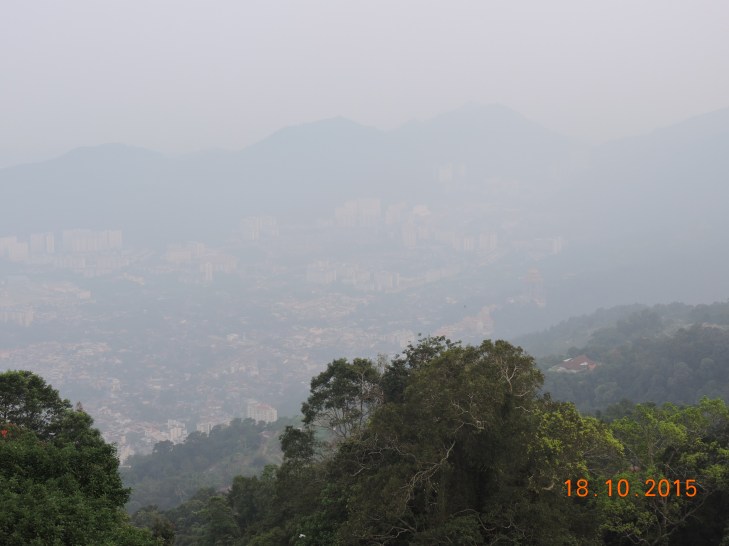
DSCN4583

Views from the top

Penang Hill is the oldest British hill station in Southeast Asia dating to the late 1700s and the highest peak there stands at 833 meters (2,732 ft) above sea level. The funicular railway to the top of the hill started in October 1923, making it a cool 92 years of running it. The train we went up is the fourth generation one and started operations in 2011. The track stretches almost 2 km with a steepness gradient of about 28 degrees. There are some bungalows in the hill, most privately owned, but some owned by the state government.
DSCN4592

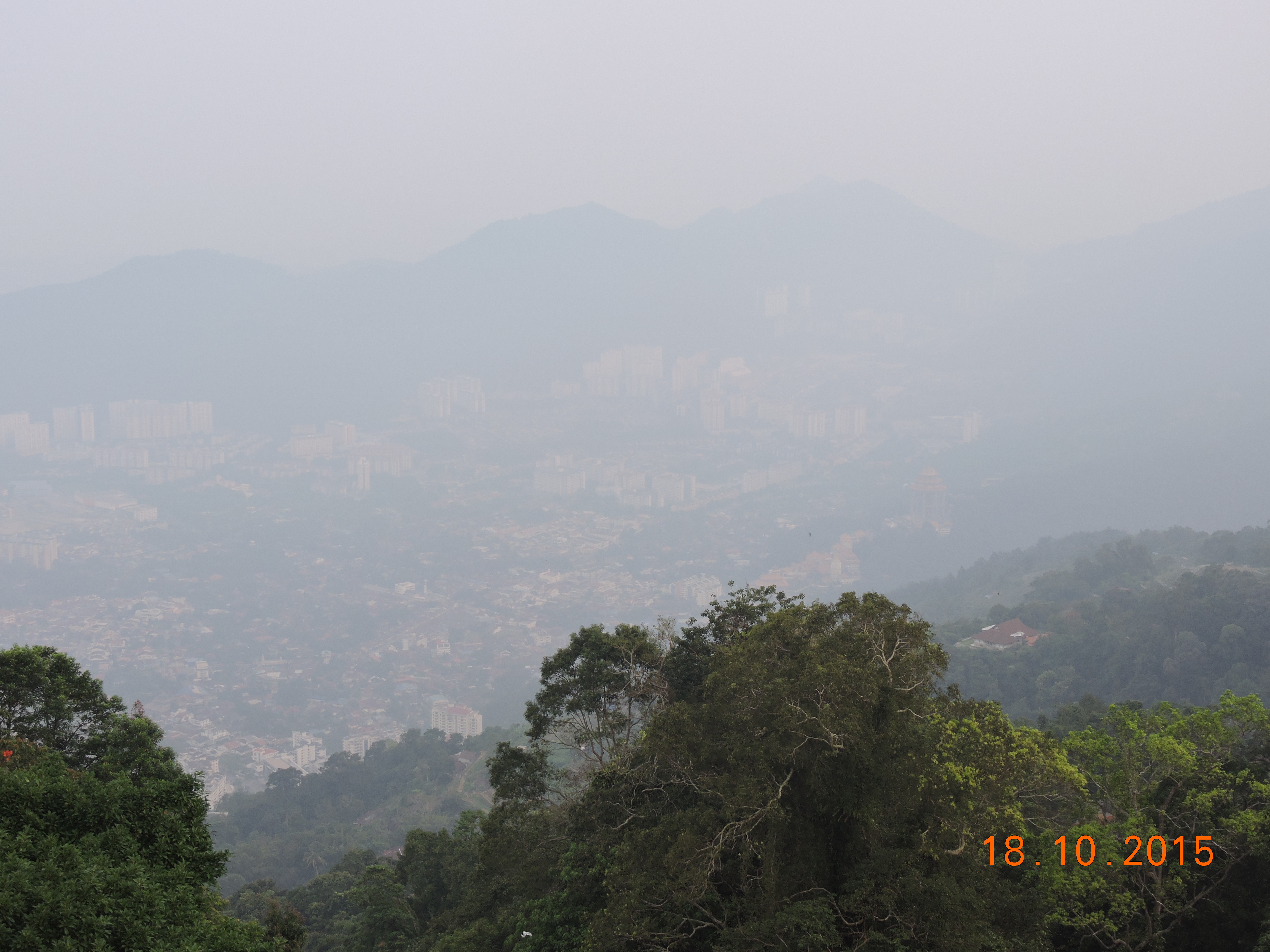
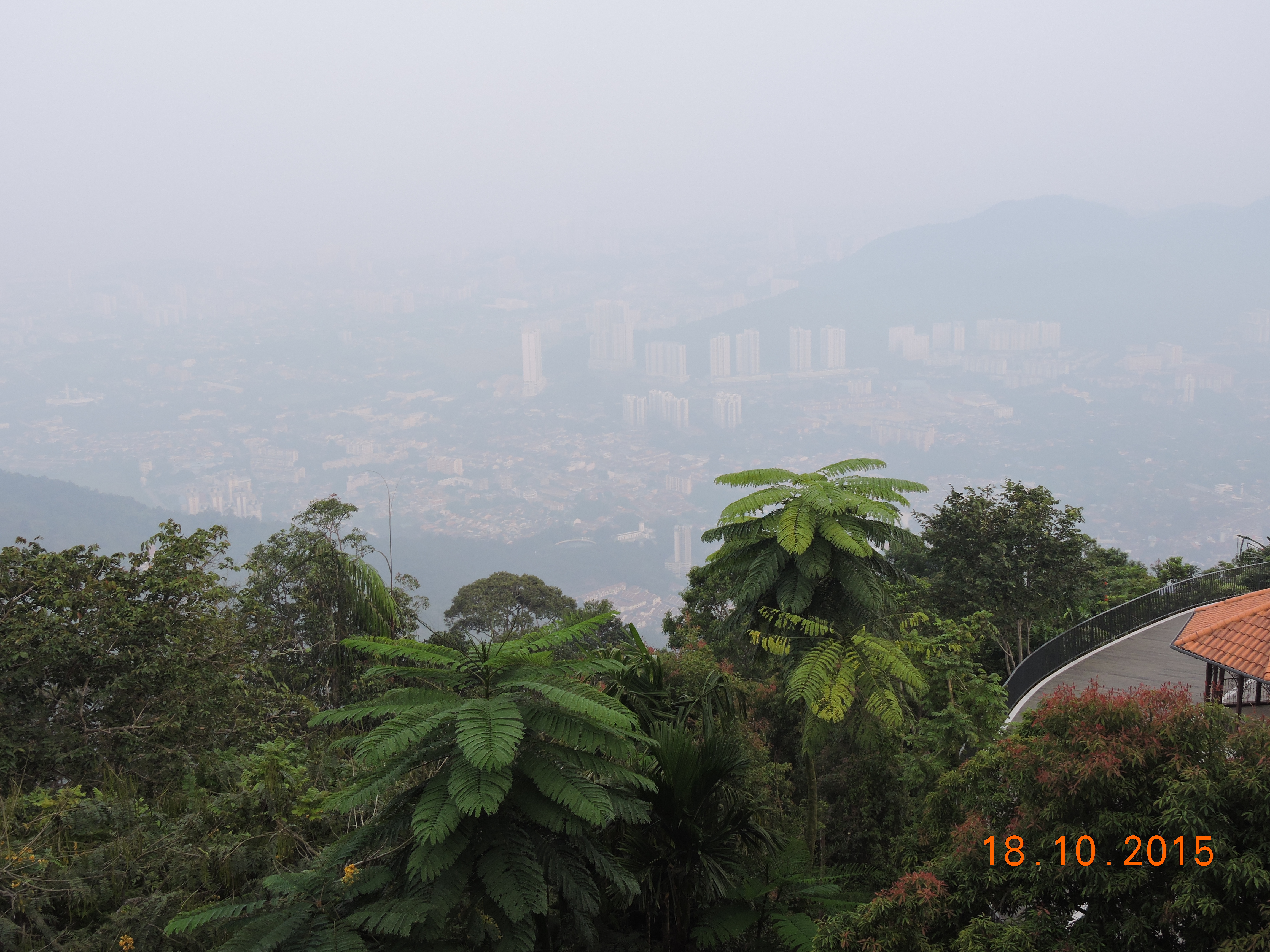
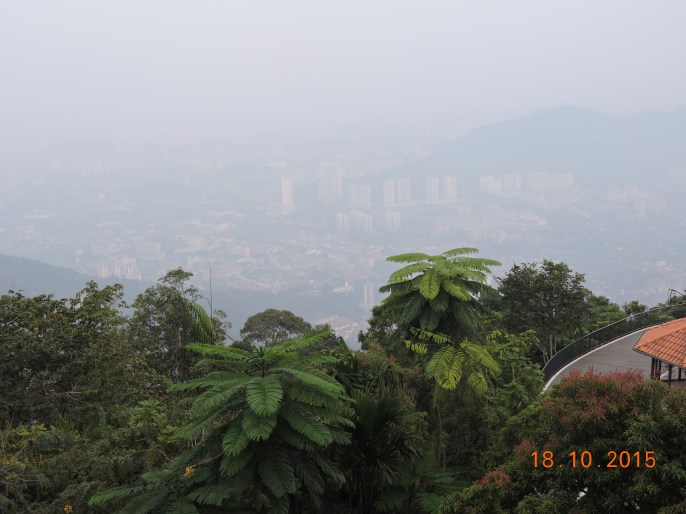
Hazy Cityscapes

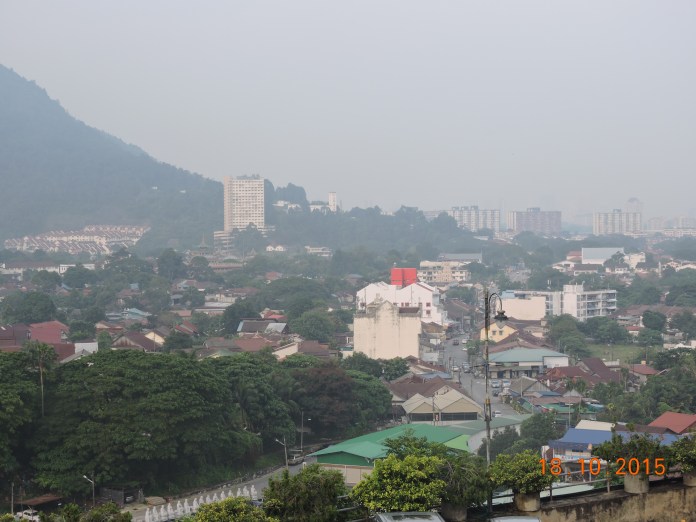
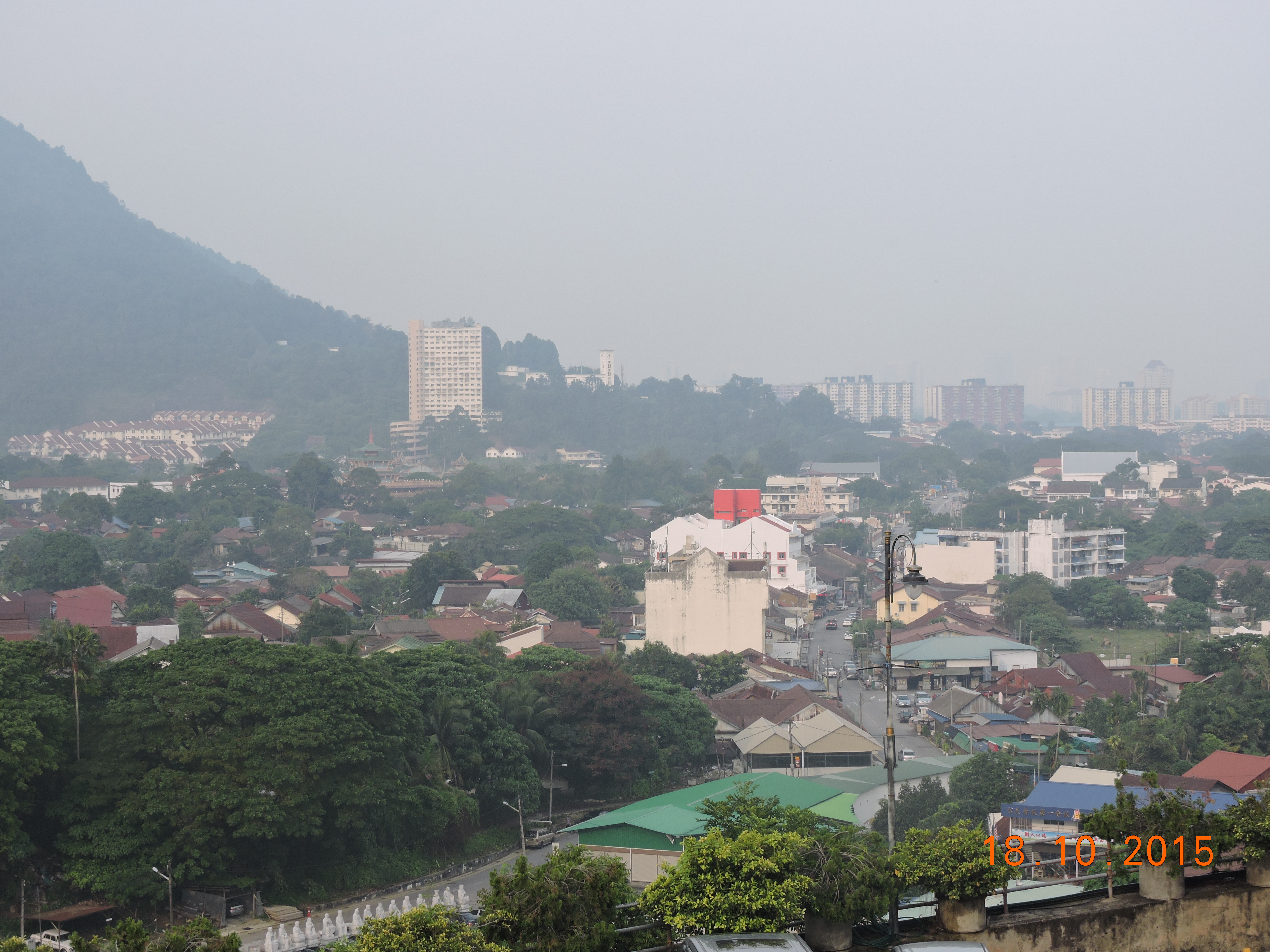
The haze obscured most things when we were at the top, so we could not see the stunning cityscapes which were promised at the viewing deck. There’s a café at the top along with a food court plus an owl museum. On the top, a bit of a distance away, there is a Muslim mosque as well as a Hindu temple. We spent about an hour there before taking the train down and thinking about dinner. Car park rates were around RM 8 for the almost two hours we spent there.

While driving back to Georgetown and Little India, we spied a Ananda Bahwan restaurant. This was seemingly nowhere! We literally saw it and decided to eat there rather than braving Little India on a Sunday evening. Parking in Georgetown is a real pain and especially in the narrow streets which have little or no parking spaces. Also lots of roads in Georgetown are one-way streets and you can go round and round trying to find a free parking lot.
DSCN4556

Kek Lok Si Temple

DSCN4561

Penang from the top of the temple

DSCN4573

Inside the temple

DSCN4581

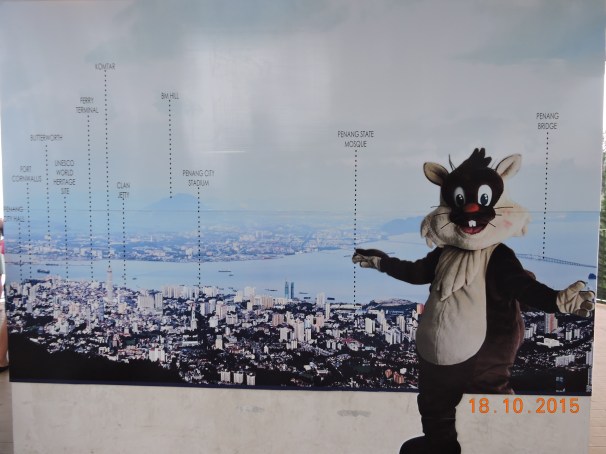
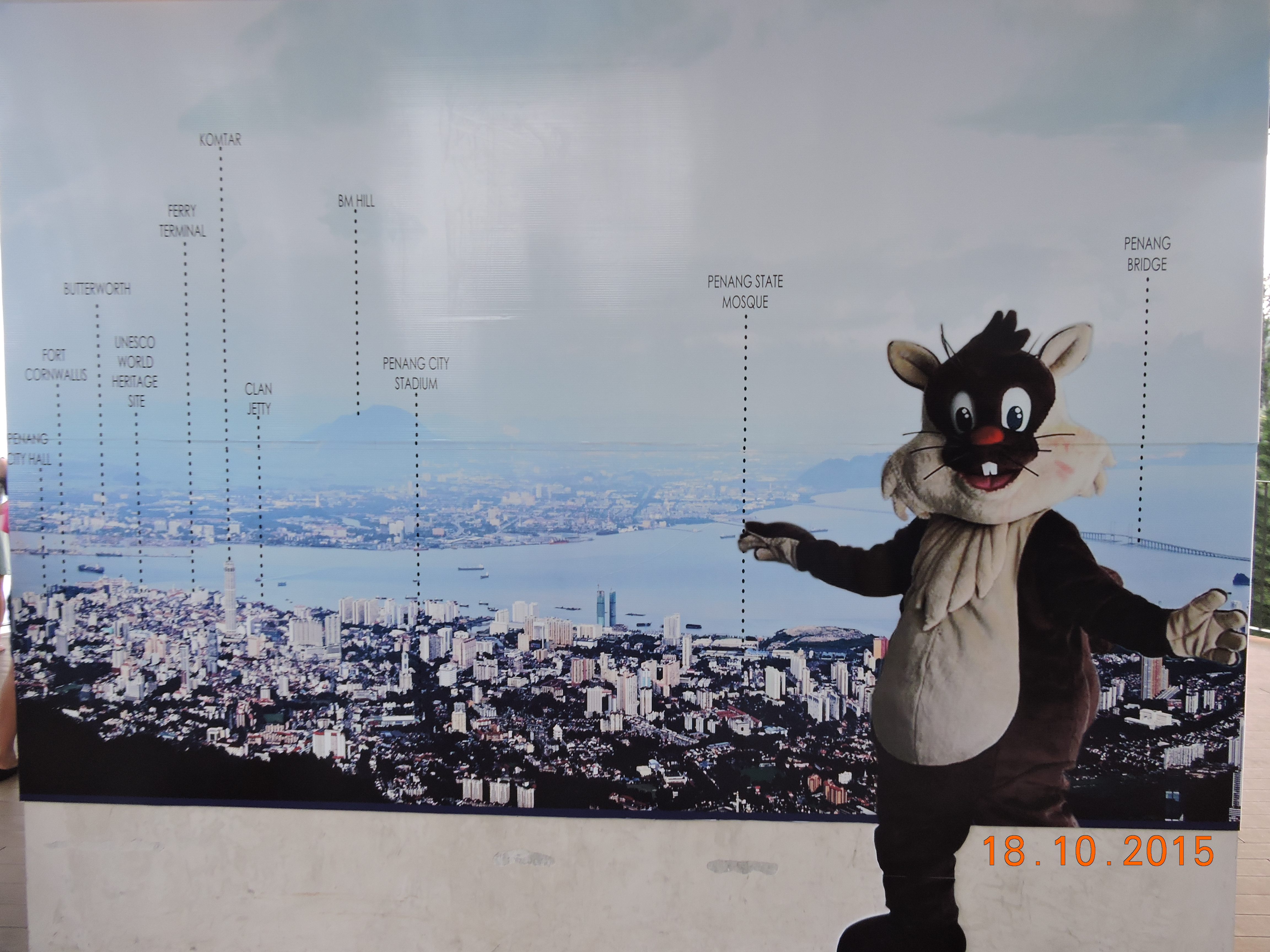
The various Penang landmarks that you could see from the top of the hill

Dinner over, we went back to the hotel, tired. The kids decided to have some fun in the humongous tub and that ended our first day in Penang!

Part 1: The Planning and the Preparations                                                                         Part 2: The Hotel