In My Hands Today…

Madras on Rainy Days – Samina Ali
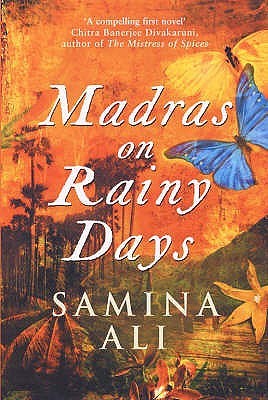
Layla is torn between clashing identities – the dutiful Muslim daughter her immigrant parents raised her to be, the Indian she fantasizes she is, and the free, independent woman America has awakened in her. At nineteen, her parents inform Layla that a marriage has been arranged for her. Her wedding will be in India, to Sameer, a handsome, ambitious Indian engineer, who knows nothing of Layla’s American self and who has some potent secrets of his own. A stunned Layla submits reluctantly, but not before she commits a dangerous, final act of defiance. In the heat and noise of Hyderabad, as her wedding looms, her behaviour becomes more erratic. Her mother, fearing demonic possession, takes Layla on a series of visits to alims – Muslim faith healers – hoping to exorcise all traces of rebellion. To Layla’s surprise, the ancient and elaborate wedding rituals, her groom’s physical beauty, and the warm welcome of her new family fill her with a sense of belonging she has never known before. outside, the full horror of the devil’s bargain she has made is revealed, forcing her to make painful decisions about her roles as a Muslim, a wife and a woman.

In My Hands Today…

Home – Manju Kapur

Tender and funny, Manju Kapur’s third novel is an engrossing story of family life, across three generations of Delhi shopkeepers. When their traditional business – selling saris – is increasingly sidelined by the new fashion for jeans and stitched salwar kameez, the Banwari Lal family must adapt. But, instead of branching out, the sons remain apprenticed to the struggling shop, and the daughters are confined to the family home. As envy and suspicion grip parents and children alike, the need for escape – whether through illicit love or in the making of pickles or the search for education – becomes ever stronger. Very human and hugely engaging, “Home” is a masterful novel of the acts of kindness, compromise, and secrecy, that lie at the heart of every family.

In My Hands Today…

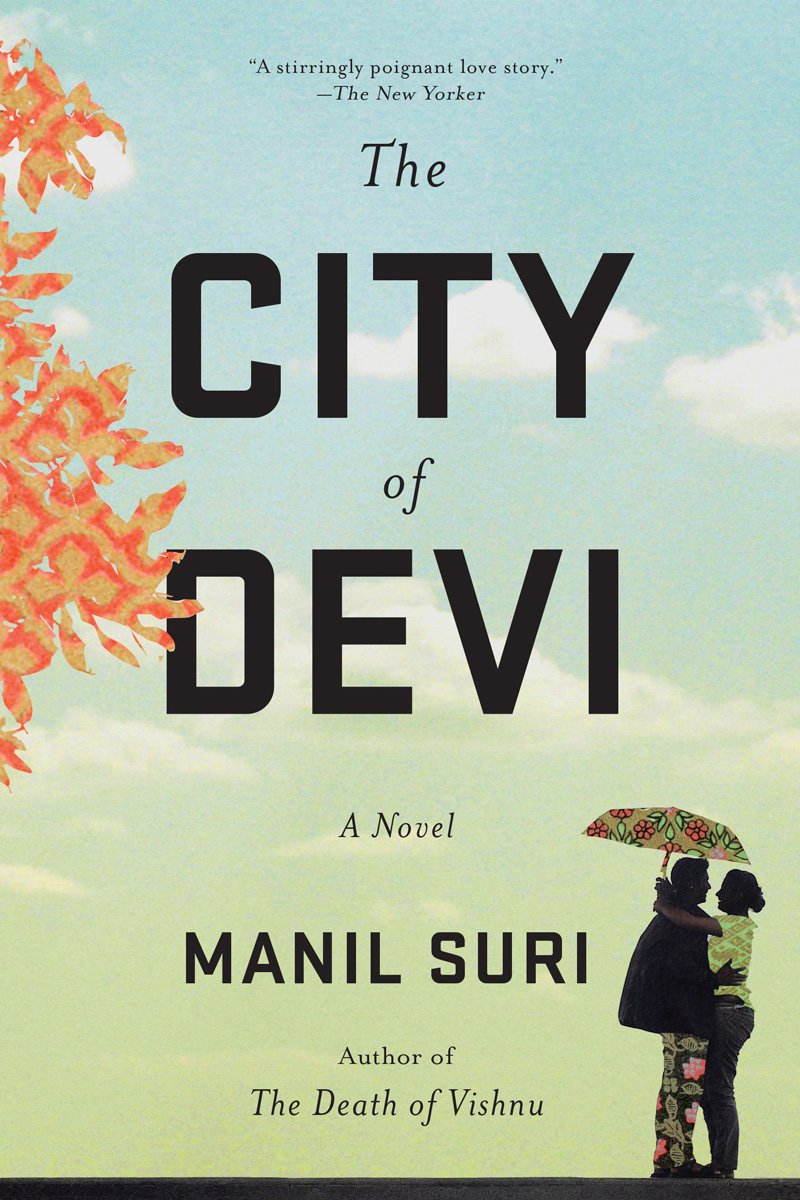
The City of Devi – Manil Suri

Mumbai has emptied under the threat of imminent nuclear annihilation; gangs of marauding Hindu and Muslim thugs rove the desolate streets; yet Sarita can think of only one thing: buying the last pomegranate that remains in perhaps the entire city. She is convinced that the fruit holds the key to reuniting her with her physicist husband, Karun, who has been mysteriously missing for more than a fortnight. Searching for his own lover in the midst of this turmoil is Jaz–cocky, handsome, and glib. “The Jazter,” as he calls himself, is Muslim, but his true religion has steadfastly been sex with men. Dodging danger at every step, both he and Sarita are inexorably drawn to Devi ma, the patron goddess who has reputedly appeared in person to save her city. What they find will alter their lives more fundamentally than any apocalypse to come.

A wickedly comedic and fearlessly provocative portrayal of individuals balancing on the sharp edge of fate, The City of Devi brilliantly upends assumptions of politics, religion, and sex, and offers a terrifying yet exuberant glimpse of the end of the world.

In My Hands Today…

Train to Pakistan – Khushwant Singh

“In the summer of 1947, when the creation of the state of Pakistan was formally announced, ten million people—Muslims and Hindus and Sikhs—were in flight. By the time the monsoon broke, almost a million of them were dead, and all of northern India was in arms, in terror, or in hiding. The only remaining oases of peace were a scatter of little villages lost in the remote reaches of the frontier. One of these villages was Mano Majra.”

It is a place, Khushwant Singh goes on to tell us at the beginning of this classic novel, where Sikhs and Muslims have lived together in peace for hundreds of years. Then one day, at the end of the summer, the “ghost train” arrives, a silent, incredible funeral train loaded with the bodies of thousands of refugees, bringing the village its first taste of the horrors of the civil war. Train to Pakistan is the story of this isolated village that is plunged into the abyss of religious hate. It is also the story of a Sikh boy and a Muslim girl whose love endured and transcends the ravages of war.

In My Hands Today…

The Peacock Throne – Sujit Saraf

October 31, 1984 begins like any other day for Gopal Pandey as he sets up his tea stall in a lane off Chandni Chowk the most magnificent and crowded street in all Delhi. At its head lies Red Fort, once the home of the gem-encrusted Peacock Throne, symbol of the Mughal Empires dazzling might, and of its downfall.

By the end of the day, Indira Gandhi has been assassinated, violent riots have erupted and Gopal is the bemused possessor of a large sum of money. Fourteen turbulent years and four dramatic turning points in Indian history later, this myopic, bumbling man stands on the verge of immense political power.

Gopals unlikely journey is a tale of accidents, scheming, murder and tragedy, religious and political rivalries, corruption and hubris. Irreverent, farcical and as enlightening as it is entertaining, The Peacock Throne is a novel of breathtaking scope and reach, which looks deep into the heart of human nature and into the soul of modern India.