
I want to preface this post with a disclaimer: I am not an artist or even someone with any knowledge of art. What I have written here is based on my research and knowledge. If there is any error in my post, please reach out to me and I will correct it and at the same time, learn something new.
In the past few weeks of posting, whenever I did a post on Indian culture, somehow, most of the pictures I got from Google (the ones I liked that is) turned out to be from Raja Ravi Varma’s collection. His paintings are super familiar to most Indians – his images of the different Gods and Goddesses are the ones we are used to seeing in our Pooja Rooms (family prayer rooms or altars) and so this inspired me to do find out more about the man whose work, about 2-3 generations of Indians have gazed at every single day and then do a post on him today, which is his 167th birth anniversary.
 Raja Ravi Varma is considered among one of the finest painters in the history of Indian art and his paintings among the best examples of the fusion of Indian traditions with the techniques of European academic art. Raja Ravi Varma achieved recognition for his paintings from Indian literature and mythology including the epics of Ramayana and the Mahabharata.
Raja Ravi Varma was born in the erstwhile princely state of Travancore in today’s Kerala state today in the year 1948 in a royal family which was very accomplished in the arts. He was patronized by the Maharajah of Travancore and then began formal training with the learning of the basics of painting in Madurai, Tamil Nadu and then trained in water painting by Rama Swami Naidu and then in oil paintings by the Dutch portraitist Theodor Jenson.
His exposure in the west came when he won the first prize in the Vienna Art Exhibition in 1873. In the World Columbian Exposition in Chicago in 1893, he received three gold medals and then teavelled all over India in search of subjects for his paintings.
He also started a lithographic printing press, initially in Mumbai and then near Lonavala (near Mumbai) and the oleographs printed were very popular and continue to be printed even today.
Among the various honours he received, the Kaiser-i-Hind, bestowed by the then Vicerory, Lord Curzon in 1904 on behalf of the British King was the highest. Considering his vast contribution to Indian art, the Government of Kerala has instituted an award called “Raja Ravi Varma Puraskaram”, which is awarded every year to people who show excellence in the field of art and culture.
Raja Ravi Varma died on 02 October 1906 at the age of 58, but his art still lives and delights peoples even today.
Below are some of the prints we generally see in Indian homes – mostly the Gods and Goddesses of the Indian pantheon….
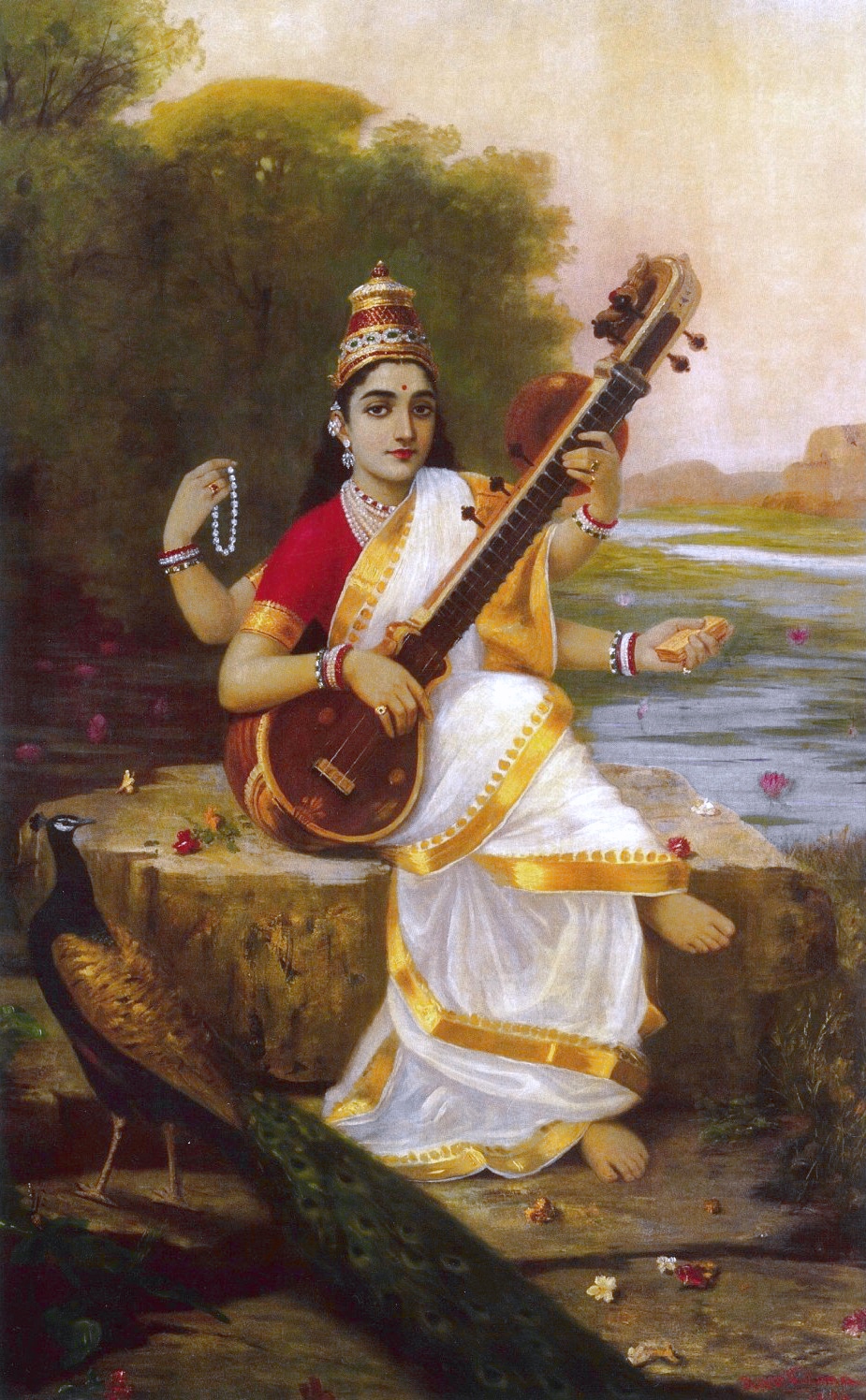
Goddess Saraswati

Goddess Lakshmi
Some other famous paintings:

Lady with Fruit

Lady in the Moonlight
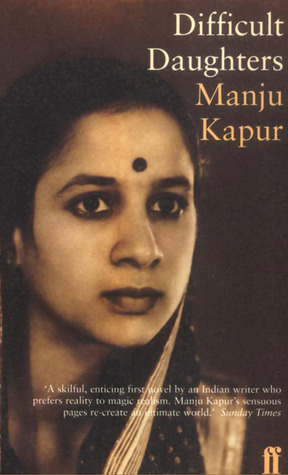
 Welcome to Kittur, India. It’s on India’s southwestern coast, bounded by the Arabian Sea to the west and the Kaliamma River to the south and east. It’s blessed with rich soil and scenic beauty, and it’s been around for centuries. Of its 193,432 residents, only 89 declare themselves to be without religion or caste. And if the characters in Between the Assassinations are any indication, Kittur is an extraordinary crossroads of the brightest minds and the poorest morals, the up-and-coming and the downtrodden, and the poets and the prophets of an India that modern literature has rarely addressed.
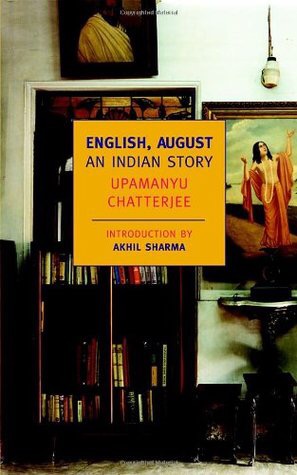 Agastya Sen, known to friends by the English name August, is a child of the Indian elite. His friends go to Yale and Harvard. August himself has just landed a prize government job. The job takes him to Madna, “the hottest town in India,” deep in the sticks. There he finds himself surrounded by incompetents and cranks, time wasters, bureaucrats, and crazies. What to do? Get stoned, shirk work, collapse in the heat, stare at the ceiling. Dealing with the locals turns out to be a lot easier for August than living with himself.
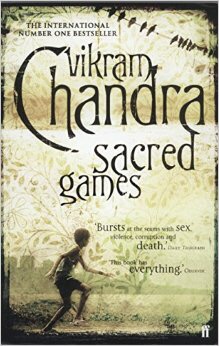 Seven years in the making, Sacred Games is an epic of exceptional richness and power. Vikram Chandra’s novel draws the reader deep into the life of Inspector Sartaj Singh—and into the criminal underworld of Ganesh Gaitonde, the most wanted gangster in India.

