
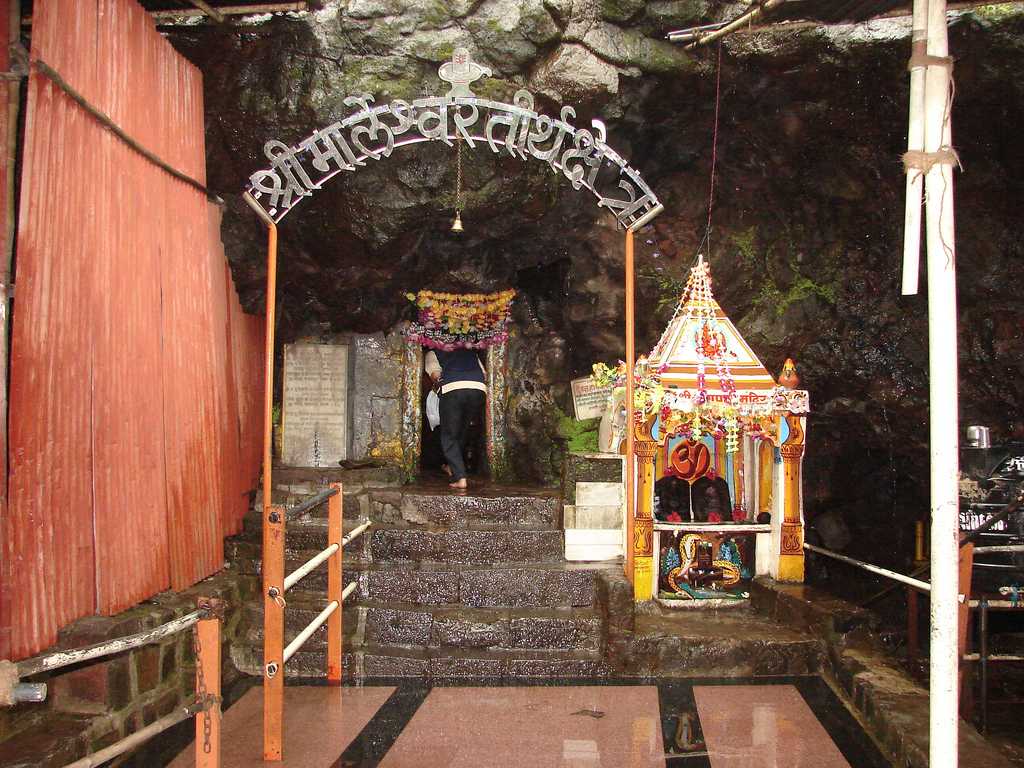
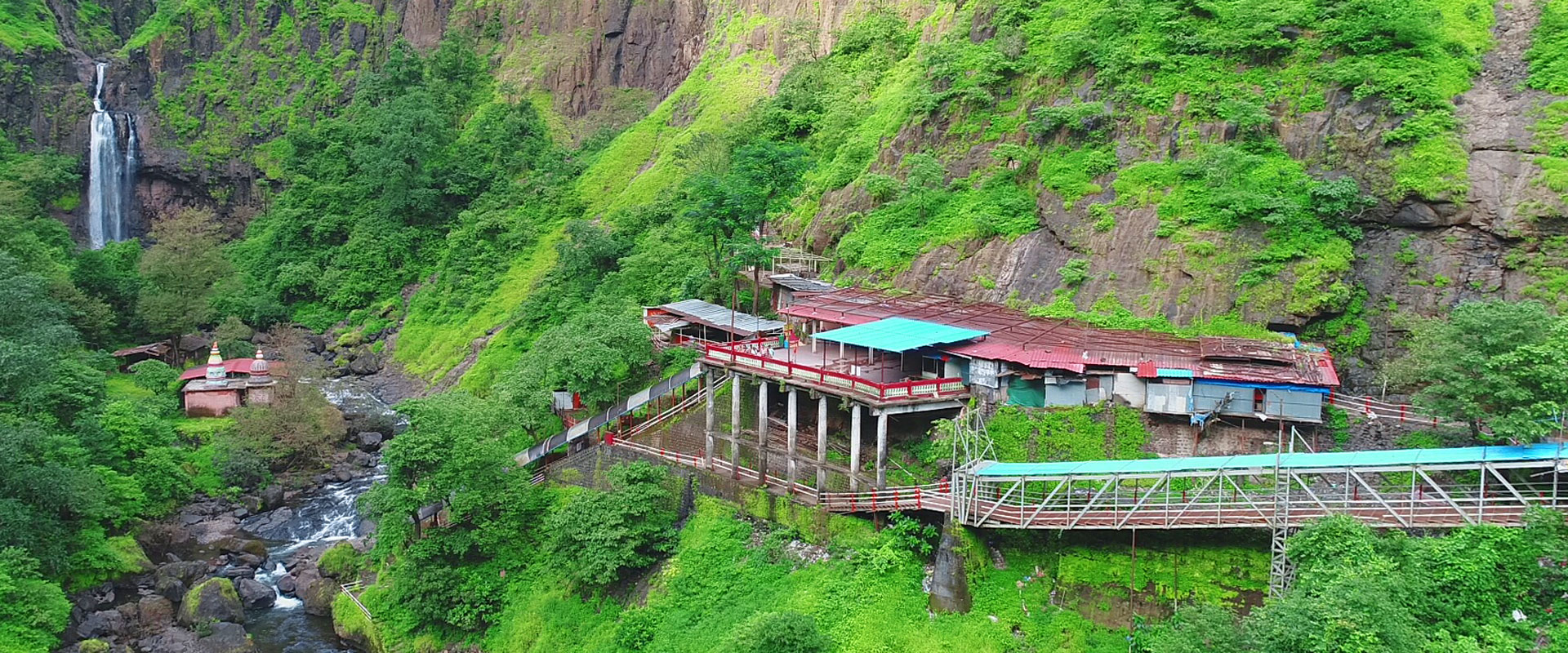
Nestled amidst the emerald embrace of the Sahyadri Mountains in Maharashtra, India, lies the ancient cave temple of Marleshwar, a hallowed sanctuary dedicated to Lord Shiva. The Marleshwar Yatra Sangameshwar is a unique pilgrimage that converges at the sacred confluence of the Marleshwar and Sangameshwar rivers. Located in Sangameshwar in Ratnagiri in the state of Maharashtra, the temple has 300–400 steps, which need to be climbed to reach the cave where the temple is located and has a small viewing platform from which the magnificent Dhareshwar Waterfalls can be admired. Surrounded by the Sahyadri range and the Dhareshwar Waterfalls, the temple has treacherous yet exhilarating pathways and its natural environment makes it a nature lover’s getaway destination. Marleshwar’s name may have been inspired by Maral village.
Every year on the day of Makarsankranti, on January 15, the temple witnesses the marriage of Marleshwar and Girijadevi. This two-day festival, steeped in myth and vibrant tradition, celebrates the divine union of Lord Marleshwar, or Lord Shiva and Goddess Girija Devi, or Goddess Parvati. In a tapestry woven with threads of faith, folklore, and the raw beauty of nature, the celebration draws thousands of devotees from across the country.
Legend has it that Marleshwar is associated with the sage Parashurama, an avatar of Lord Vishnu. Devotees believe that Parashurama, in search of penance and solitude, created the Marleshwar Linga at this location. The Sangameshwar River, a tributary of the Shastri, flows nearby, adding to the spiritual aura of the site.
The legend behind the yatra is as captivating as the landscape itself. It’s said that Lord Shiva, disguised as a hunter, fell in love with a beautiful cowherd named Girija. Impressed by his strength and unwavering resolve, Girija’s father, King Daksha, agreed to their marriage on the condition that Shiva complete a series of arduous tasks. Undeterred, Shiva conquered each challenge, and the sacred union was blessed.
The Marleshwar Yatra celebrates this divine marriage, with the temple becoming a symbol of their eternal bond. The cave itself, formed by a natural spring, adds a mystical touch to the experience. The ancient carvings and sculptures adorn the walls, whispering stories of faith and devotion, while the gentle flow of the spring water creates a soothing ambience.

The most unusual phenomenon related to the Marleshwar Temple, which also makes it extremely popular among pilgrims, is the presence of cobra snakes in the temple complex. It is widely believed that Lord Shiva lived here with these snakes. Legend says that these snakes are harmless and do not bite the visiting pilgrims and one can even touch them if they want to. So far, there have been no reports or incidents involving the snakes, and this occurrence makes the temple extremely renowned among devotees. The sighting of these cobras has, however, reduced drastically over the past few years because tourists tend to annoy or scare away the snakes.
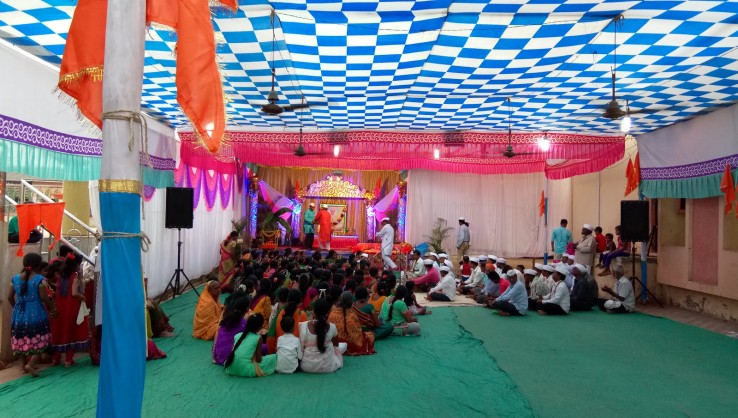
The Yatra transcends a mere religious event; it’s a vibrant explosion of colours, music, and cultural immersion. The air thrums with devotional chants and the rhythmic beats of drums. Devotees adorned in their finest attire offer prayers and seek blessings from the deities. The surrounding fairground comes alive with a kaleidoscope of stalls selling traditional handicrafts, sweets, and souvenirs. Cultural performances like dance dramas depicting the story of Shiva and Parvati add to the festive spirit, filling the atmosphere with captivating narratives. There are also fairs on Mahashivratri and Tripuri Poornima.
The journey to Marleshwar itself is an adventure in its own right. Nestled amidst verdant forests and cascading waterfalls, the path to the temple winds its way through breathtaking scenery. The air is crisp and invigorating, and the sounds of nature create a symphony of their own. The trek to the cave temple, although challenging, is a rewarding one, offering panoramic vistas of the surrounding Konkan region. For those seeking a deeper connection with nature, the yatra provides an opportunity to explore the surrounding beauty. The cascading Dhareshwar waterfall, a short distance from the temple, offers a refreshing respite. Adventure enthusiasts can trek further to explore nearby forts and ancient caves, each whispering tales of a bygone era.
Central to the Marleshwar Yatra Sangameshwar is the unwavering faith and devotion of the pilgrims. The act of undertaking this pilgrimage is not merely a tradition; it is an expression of deep-rooted belief and commitment to spiritual growth. Pilgrims approach the yatra with humility, surrendering to the divine forces that guide their journey.
While the Marleshwar Yatra Sangameshwar embodies the timeless traditions of Maharashtra, it is not immune to the challenges of the modern era. Environmental conservation, infrastructural development, and the preservation of cultural authenticity pose complex challenges. Efforts are underway to strike a balance between preserving the sanctity of the pilgrimage and adapting to the needs of the contemporary world. Conservation initiatives, awareness campaigns, and community involvement play crucial roles in ensuring the sustainable continuation of this sacred tradition.
For those who undertake the yatra, it is a transformative experience—a journey that transcends the physical and delves into the spiritual. The Marleshwar Yatra Sangameshwar is more than a pilgrimage; it is a celebration of faith, community, and the timeless connection between humans and the sacred landscapes they traverse.







 Memories and Such