In My Hands Today…

Rumours of Spring: A Girlhood in Kashmir – Farah Bashir

Rumours of Spring is the unforgettable account of Farah Bashir’s adolescence spent in Srinagar in the 1990s. As Indian troops and militants battle across the cityscape and violence becomes the new normal, a young schoolgirl finds that ordinary tasks—studying for exams, walking to the bus stop, combing her hair, falling asleep—are riddled with anxiety and fear.

With haunting simplicity, Farah Bashir captures moments of vitality and resilience from her girlhood amidst the increasing trauma and turmoil of passing years—secretly dancing to pop songs on banned radio stations; writing her first love letter; going to the cinema for the first time—with haunting simplicity. This deeply affecting coming-of-age memoir portrays how territorial conflict surreptitiously affects everyday lives in Kashmir.

In My Hands Today…

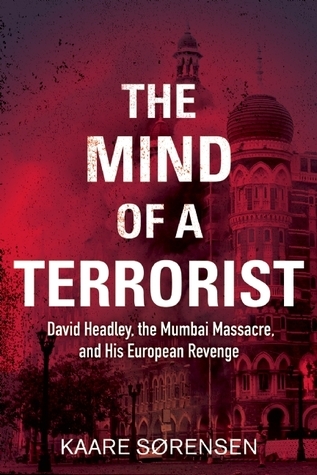
The Mind of a Terrorist: David Headley, the Mumbai Massacre, and His European Revenge – Kaare Sørensen, translated by Cory Klingsporn

David Headley, the American-Pakistani also known as Daood Gilani, lived a double life. One day he would stroll through Central Park in his tailored Armani suit as a true New Yorker, and the next he would browse in the bazaar in Lahore wearing traditional Pakistani clothes. One day he would drink champagne at the most extravagant clubs; on another, he would prostrate himself in prayer in remote Pakistan and pledge fidelity to Allah.

Born in 1960, the son of an American mother and Pakistani father, with one blue eye and one brown, Headley grew up between East and West. He was attracted to both worlds, even working as an informant for the US government, until one day he found he had to choose between the place of his birth and a radical form of Islam preaching global jihad. This is the disturbing story of the mastermind behind the 2008 attacks in Mumbai that killed 166 people—who two months later flew to Copenhagen to plan another act of terror with the help of al-Qaeda sleeper cells in Europe.

Veteran journalist Kaare Sørensen has reconstructed his movements and planning in a tense feat of reportage. His account, based on extensive reporting, eyewitness interviews, and documentation including wiretaps, court transcripts, and emails by Headley accessed from a chat room cache of nine thousand messages, offers unprecedented insight into the mind of the terrorist. The author has provided updates and a new preface for the English-language edition.

Festivals of India: International Sand Art Festival

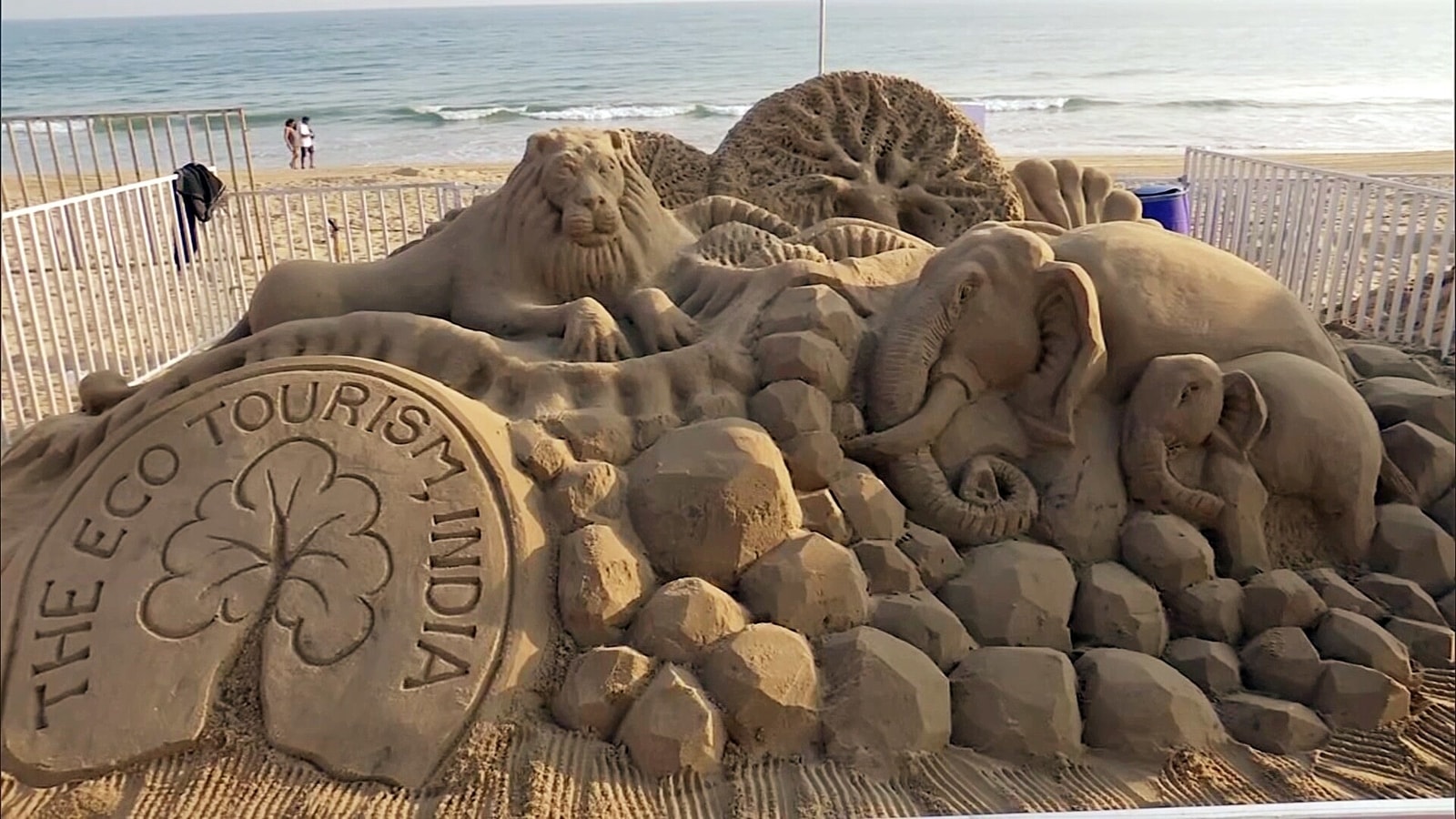
The International Sand Art Festival, held annually from November 24 to December 1, in Odisha, is a testament to the boundless creativity of artists who craft delicate sculptures from the most humble of materials—sand. This unique festival, which takes place on the shores of Chandrabhaga Beach in Konark, has been captivating the hearts of visitors and art enthusiasts from around the world since its inception. This annual event transforms ordinary grains of sand into magnificent masterpieces of creativity and imagination.

The festival is set against a stunning backdrop—Chandrabhaga Beach. Known for its pristine beauty and tranquil ambience, this beach, nestled in the coastal town of Konark with its golden sands, provides the perfect canvas for the artists’ sand sculptures to come to life.

At the heart of the International Sand Art Festival lies the legacy of one man, Sudarsan Pattnaik. A renowned sand artist hailing from Odisha, Pattnaik has not only earned international acclaim for his sand sculptures but has also been a driving force behind the festival’s inception and continued success.

The International Sand Art Festival began as a modest local event in Puri, Odisha, in the early 1990s, primarily showcasing the talents of Sudarsan Pattnaik and his students. Over the years, it grew in stature, attracting sand artists from India and beyond. In 2011, the festival found its current home on Chandrabhaga Beach, offering artists a larger canvas and a stunning coastal backdrop.

Each year, the festival adopts a specific theme, guiding artists to create sculptures that resonate with the chosen motif. Themes have ranged from environmental conservation to cultural heritage, and artists draw inspiration from a wide array of sources.

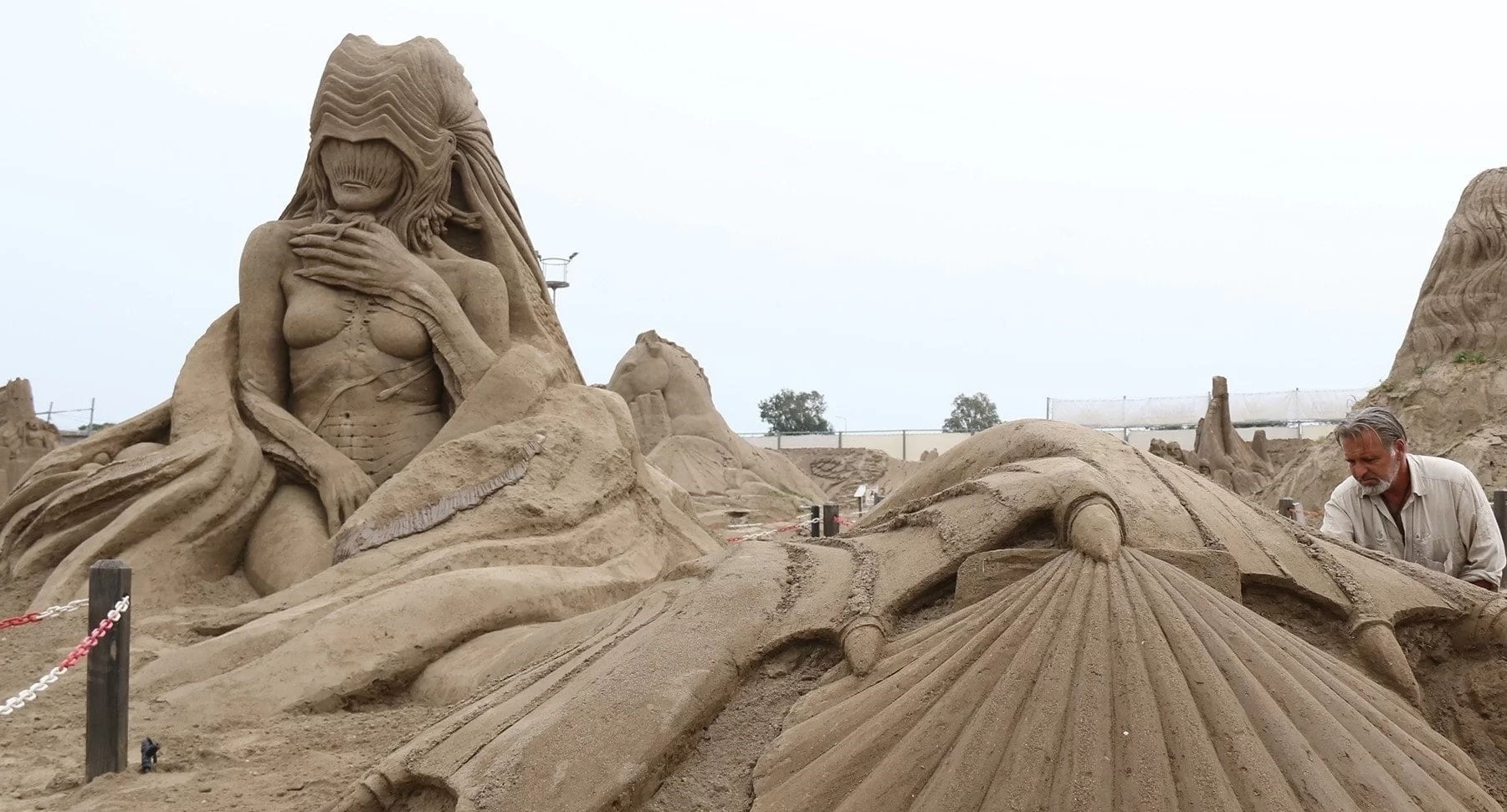
Artists begin with an empty patch of sand, meticulously sculpting their visions using only sand and water. The delicate nature of the medium demands precision and patience, as sculptors must work quickly before the sand dries. The festival showcases a diverse range of sculptures, from intricate figurines and lifelike portraits to towering structures that seem to defy gravity. The level of detail that artists achieve with grains of sand is nothing short of awe-inspiring. Alongside local talents like Sudarsan Pattnaik, the festival often attracts renowned sand artists from around the world. Their participation adds an international flair to the event, fostering cross-cultural exchange and artistic collaboration.

In 2023, the International Sand Art Festival will embrace the theme of “Celebrating Cultural Heritage.” This theme invites artists to explore and depict the rich tapestry of cultural diversity that defines India and the world. Through their sand sculptures, artists pay homage to the traditions, rituals, and artistic expressions that have shaped our collective heritage.

The theme highlights the importance of preserving and celebrating cultural heritage in a rapidly changing world. It serves as a reminder that our past informs our present and shapes our future. By showcasing the cultural heritage of different regions and communities, the festival encourages dialogue and understanding among people from diverse backgrounds. It fosters an appreciation for the beauty of our shared human heritage. Sand art transcends language barriers, allowing artists to communicate complex cultural narratives through their sculptures. It demonstrates the power of art to convey messages and emotions across cultures. The theme inspires artists and visitors alike to reflect on the significance of their cultural backgrounds and the contributions of diverse cultures to our global society.

The festival plays a pivotal role in promoting art and culture, not only in Odisha but on a global scale. It showcases the immense artistic talent of sand sculptors and fosters an appreciation for the arts. The festival draws tourists from all over the world, benefiting the local economy and supporting tourism-related businesses in Odisha. It serves as a platform for cultural exchange, allowing artists from different parts of India and the world to come together, share their perspectives, and learn from one another. The festival engages the local community in various ways, from providing opportunities for local artisans to showcase their crafts to offering art workshops for children.

The International Sand Art Festival, with its mesmerizing sculptures and cultural celebrations, reminds us of the power of art to bridge divides, celebrate diversity, and inspire generations. In the delicate grains of sand sculpted into intricate forms, we find not only beauty but also a profound message – that creativity knows no bounds and that cultural heritage is a treasure to be cherished and shared.

In My Hands Today…

Magnificent Delusions: Pakistan, the United States, and an Epic History of Misunderstanding – Husain Haqqani

The relationship between America and Pakistan is based on mutual incomprehension and always has been. Pakistan—to American eyes—has gone from being a quirky irrelevance to a stabilizing friend, an essential military ally, and a seedbed of terror. America—to Pakistani eyes—has been a guarantee of security, a coldly distant scold, an enthusiastic military enabler, and is now a threat to national security and a source of humiliation.

The countries are not merely at odds. Each believes it can play the other—with sometimes absurd, sometimes tragic, results. The conventional narrative about the war in Afghanistan, for instance, has revolved around the Soviet invasion in 1979. But President Jimmy Carter signed the first authorization to help the Pakistani-backed mujahedeen covertly on July 3—almost six months before the Soviets invaded. Americans were told, and like to believe, that what followed was Charlie Wilson’s war of Afghani liberation, with which they remain embroiled to this day. It was not. It was General Zia-ul-Haq’s vicious regional power play.

Husain Haqqani has a unique insight into Pakistan, his homeland, and America, where he was ambassador and is now a professor at Boston University. His life has mapped the relationship of the two countries, and he has found himself often close to the heart of it, sometimes in very confrontational circumstances. This has allowed him to write the story of a misbegotten diplomatic love affair, here memorably laid bare.

In My Hands Today…

Whole Numbers and Half Truths – Rukmini S.

How do you see India?

Fuelled by a surge of migration to cities, the country’s growth appears to be defined by urbanisation and by its growing, prosperous middle class. It is also defined by progressive and liberal young Indians who vote beyond the constraints of identity and, paradoxically, by an unchecked population explosion and rising crimes against women. Is it, though?

In 2020, the annual population growth was down to under 1 percent. Only 31 out of 100 Indians live in a city today, and just 5 percent live outside the city of their birth.

As recently as 2016, only 4 percent of young, married respondents in a survey said their spouse belonged to a different caste group. Over 45 percent of voters said in a pre-2014 election survey that it was important to them that a candidate of their own caste win elections in their constituency. A large share of reported sexual assaults across India are actually consensual relationships criminalised by parents. And staggeringly, spending more than Rs 8,500 a month puts you in the top 5 percent of urban India.

In Whole Numbers and Half Truths, data-journalism pioneer Rukmini S. draws on nearly two decades of on-ground reporting experience to piece together a picture that looks nothing like the one you might expect. There is a mountain of data available on India, but it remains opaque, hard to access, and harder yet to read, and it does not inform public conversation. Rukmini marshals this information—some of it never before reported—alongside probing interviews with experts and ordinary citizens to see what the numbers can tell us about India. As she interrogates how data works and how the push and pull of social and political forces affect it, she creates a blueprint to understand the changes of the last few years and the ones to come—a toolkit for India.

This is a timely and wholly original intervention in the conversation on data, and with it, India.