Que Sera, Sera: Embracing the Flow of Life

“Que sera, sera, whatever will be, will be. The future’s not ours to see.” – Ray Evans and Jay Livingston

This song was a favourite while growing up among my friends and myself and we would sing it frequently when we had time in class and when we went on picnics and camps. The phrase “Que sera, sera” (pronounced “kay sair-uh, sair-uh”) is Spanish for “Whatever will be, will be.” It gained widespread popularity in the 1950s through the song of the same name, written by the legendary songwriting duo of Jay Livingston and Ray Evans.

The song was first featured in the 1956 Alfred Hitchcock film “The Man Who Knew Too Much,” where it was sung by Doris Day. Although Day initially disliked the song and only recorded one take, it went on to become her signature song and a massive hit. The lyrics reflect the philosophy of accepting the future as it unfolds:

“When I was just a little girl, I asked my mother, ‘What will I be? Will I be pretty? Will I be rich?’ Here’s what she said to me: ‘Que sera, sera. Whatever will be, will be. The future’s not ours to see. Que sera, sera.'”

However, the phrase “Que sera, sera” actually predates the song. It was found carved in stone in the 1954 film “The Barefoot Contessa,” where it was translated by the character played by Rossano Brazzi as “What will be, will be.” Livingston and Evans recognised the potential of the phrase and crafted the now-iconic song around it.
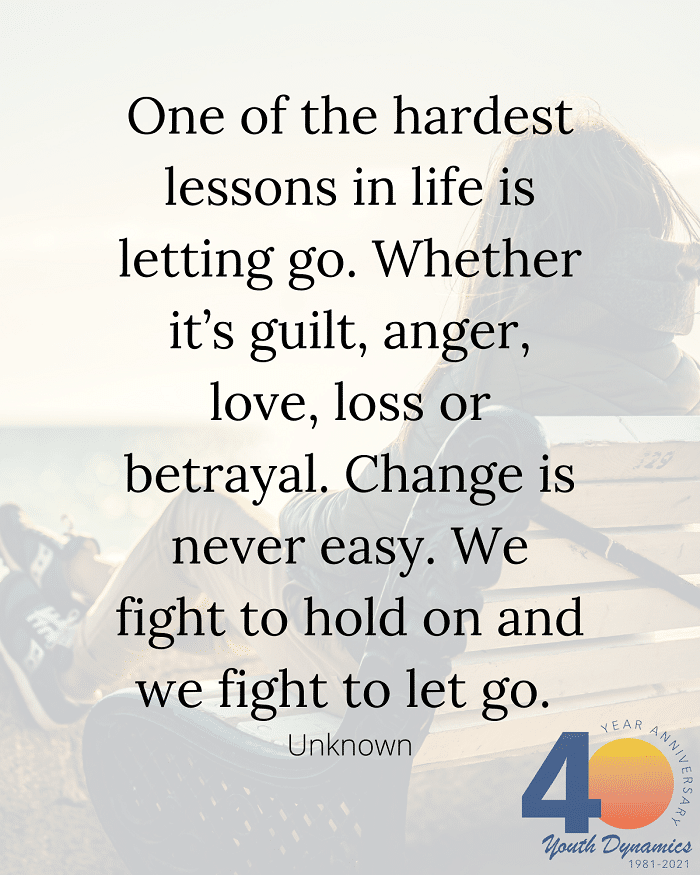
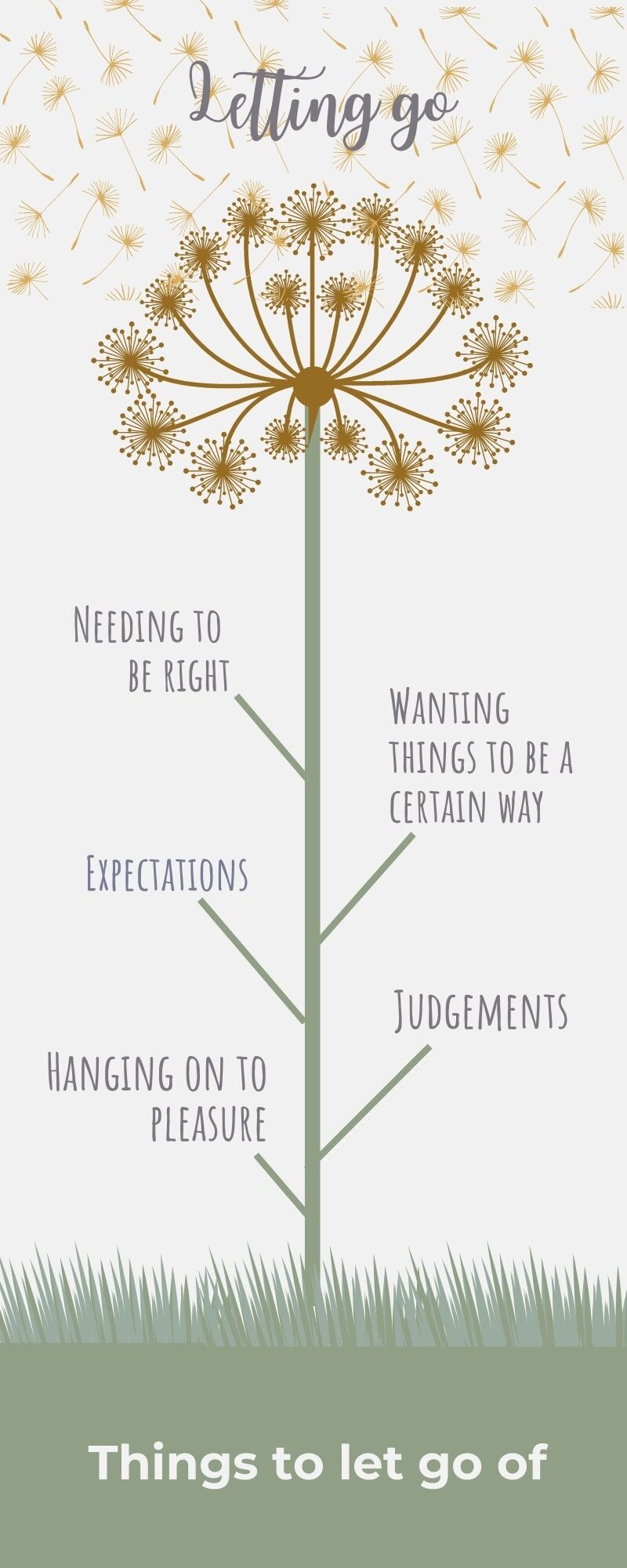
The philosophy behind “Que sera, sera” is one of acceptance and letting go. It suggests that worrying about the future is futile, as it is not ours to control or predict. Instead, we should focus on the present moment and trust that whatever happens is meant to be.

The concept aligns closely with existentialist philosophy, which emphasises individual experience and the inherent uncertainty of life. Existentialism posits that life lacks inherent meaning, and individuals must navigate their existence amidst this ambiguity. So Que Sera, Sera reflects the acceptance of life’s unpredictability, resonating with existentialist themes of embracing uncertainty and the limits of control over one’s fate. This perspective encourages individuals to focus on the present and make choices despite the unknown future, embodying the existentialist belief in personal agency within an indifferent universe.

This concept is closely related to the Serenity Prayer, which asks for the wisdom to accept the things we cannot change, the courage to change the things we can, and the wisdom to know the difference. It is also reminiscent of the Buddhist teaching of non-attachment, which encourages letting go of desires and expectations to find peace and contentment.

In a world that often emphasises goal-setting, planning, and control, the idea of “Que sera, sera” can be a refreshing and liberating perspective. It acknowledges that life is unpredictable and that we cannot always predict or control the outcomes of our actions. By accepting this uncertainty and trusting in the flow of life, we can reduce stress, anxiety, and disappointment.

Adopting a “Que sera, sera” attitude can bring numerous benefits to our lives. When we let go of the need to control every aspect of our lives, we free ourselves from the burden of constant worry and stress. By accepting that some things are beyond our control, we can focus our energy on what we can influence and let go of the rest. By embracing the unpredictability of life, we build resilience and the ability to adapt to changing circumstances. When we face challenges or setbacks, we can approach them with a mindset of flexibility and openness rather than rigidity and resistance. By not fixating on the future, we can fully engage with and appreciate the present moment. We can savour the joys and pleasures of daily life rather than constantly looking ahead to the next goal or milestone. When we let go of expectations and attachments, we reduce the risk of disappointment. If things don’t turn out as we had hoped, we can more easily accept the situation and move forward, rather than getting stuck in regret or bitterness. Embracing “Que sera, sera” can foster a sense of trust in the larger forces at work in the universe. Whether one believes in God, fate, or simply the natural flow of life, trusting that things happen for a reason can provide a sense of comfort and security in the face of uncertainty.

Adopting a “Que sera, sera” mindset doesn’t mean abandoning all planning or goal-setting. It simply means striking a balance between taking action and letting go of the need to control the outcome. Here are some ways to incorporate this philosophy into your daily life:

  • Practice Acceptance: When faced with a situation that is out of one’s control, consciously practice acceptance. Acknowledge the reality of the situation, let go of any resistance or resentment, and focus the energy on what one can influence.
  • Cultivate Gratitude: Regularly expressing gratitude for the good things in one’s life can help shift one’s focus from what one lacks to what one already has. This practice can foster a sense of abundance and appreciation, even in the face of uncertainty.
  • Embrace Flexibility: Be willing to adapt and change course when necessary. Rigidly clinging to a specific outcome can lead to disappointment and frustration. Instead, approach life with a flexible mindset, ready to pivot and explore new possibilities as they arise.
  • Trust the Process: When working towards a goal or facing a challenge, trust that the process is unfolding as it should. Have faith that even if the outcome is not what one expected, one will learn and grow from the experience. Celebrate the small victories along the way.
  • Seek Balance: Strive for a balance between taking action and letting go. Set goals and make plans, but hold them lightly. Engage fully in the present moment while also keeping an eye on the future. By finding this balance, one can make the most of their life while still embracing the unpredictability of the journey.

The song “Que Sera, Sera” has endured for over 60 years, with covers by artists ranging from Sly and the Family Stone to The Carpenters. Its enduring appeal speaks to the timeless wisdom of its message. In a world that often feels chaotic and uncertain, the idea of accepting and embracing the flow of life can be a powerful antidote to stress and anxiety. By letting go of the need to control every aspect of one’s lives, one can find greater peace, joy, and resilience.
Of course, adopting a “Que sera, sera” mindset is not always easy. It requires practice, patience, and a willingness to step outside one’s comfort zone. But by making small steps towards acceptance and flexibility, one can gradually transform one’s relationship with uncertainty and embrace the adventure of life.

In the end, “Que sera, sera” is not just a catchy song lyric, but a profound invitation to live with greater presence, trust, and resilience. By embracing the uncertainty of the future and focusing on the beauty of the present moment, one can find a sense of freedom and joy that transcends the ups and downs of life.

So take a cue from Doris Day and her mother in the song and let go of worries about what the future may hold. Instead, trust in the flow of life, embrace the journey, and sing along with the chorus:

“Que sera, sera, whatever will be, will be. The future’s not ours to see. Que sera, sera.”
Life Lessons I Wish I Knew When I was Younger

As someone who has recently completed five decades, I have been thinking a lot about what I have and have not achieved in life. There’s a lot I wanted to do but for some reason, did not. So, there’s a lot I want to accomplish in the next few decades.

Plus, it’s the end of the year and this is a time of contemplation and retrospection so I thought I would post about this topic so others can learn from my life. So here are twelve pieces of life advice I would give my younger self.

Don’t take yourself too seriously. Life can be tough, but it’s important to remember to have fun and not take yourself too seriously. When you learn to laugh at yourself, you’ll find that life becomes a lot more enjoyable. You’ll also find that people are more drawn to you when you have a good sense of humour and don’t take yourself too seriously. So, the next time you make a mistake or do something silly, don’t beat yourself up about it. Instead, laugh it off and move on.

Embrace your uniqueness. Everyone has quirks, and that’s what makes us unique. Instead of trying to hide them, embrace them! You’ll find that people will appreciate you more for being yourself. Don’t seek to blend in; celebrate what sets you apart. Your quirks and idiosyncrasies are what make you, well, you, stand out from the crowd, and they’re what make you interesting. In a world that often encourages conformity, it’s the outliers who bring innovation and fresh perspectives. Be confident in your individuality.

Travel as much as you can. Traveling is one of the best ways to broaden your horizons and learn about different cultures. It can also help you gain a new perspective on life and appreciate what you have. When you travel, you’ll learn about different customs, foods, and ways of life. You’ll also meet new people and make new friends. So, whether you’re travelling to a new country or just exploring a new part of your city, make sure to take advantage of every opportunity to travel.

Don’t be afraid to fail. Failure is a natural part of life, and it’s important to learn from your mistakes. Failure is not the end; it’s a stepping stone on the path to growth and achievement. Every setback carries lessons that will serve you in the future. It’s not about how many times you fall; it’s about how many times you rise. When you’re not afraid to fail, you’ll find that you’re more willing to take risks and try new things. You’ll also learn more from your failures than from your successes. So, the next time you’re faced with a challenge, don’t be afraid to take a risk. Even if you fail, you’ll learn something valuable that will help you in the future.

Be kind. The world can be a challenging place, and it’s easy to become jaded. But always remember the power of kindness. Be kind to others, and equally important, be kind to yourself. It’s easy to be hard on yourself, but it’s important to remember to be kind to yourself. Treat yourself with the same compassion and understanding that you would offer to a friend. When you’re kind to yourself, you’ll find that you’re happier and more confident. So, whether you’re dealing with a difficult situation or just having a bad day, remember to be kind to yourself.

Don’t compare yourself to others. Everyone has their own journey in life, and it’s important to remember that you’re on your path. Comparing yourself to others will only lead to disappointment and frustration. Instead of comparing yourself to others, focus on your progress and growth. You’ll find that you’re much happier and more fulfilled when you’re not constantly comparing yourself to others.

Cherish your health. Your health is your most valuable asset and your body is your lifelong companion, so treat it with the respect it deserves. Make sure to eat well, exercise regularly, and get enough sleep. When you take care of your body, you’ll find that you have more energy and feel better overall. You’ll also be less likely to get sick or develop health problems in the future. Health is a treasure too often appreciated only in its absence.

Don’t be afraid to ask for help. Asking for help is a sign of strength, not weakness. Don’t be afraid to reach out to others when you need support or guidance. Whether you’re dealing with a personal problem or a work-related issue, there’s no shame in asking for help. You’ll find that people are often more than willing to lend a helping hand.

Be open to new experiences and remain curious. Life is full of surprises, and it’s important to be open to new experiences. When you step outside of your comfort zone, you’ll find that you grow and learn more than you ever thought possible. Whether you’re trying a new food or learning a new skill, be open to new experiences and opportunities. Never let your curiosity wane. It’s the engine that drives personal and intellectual growth. Ask questions, seek answers, and remain inquisitive.

Cherish your relationships. Your relationships with family and friends are some of the most important things in life. Material possessions, though enticing, pale in comparison to the richness of meaningful relationships. Make sure to cherish them and make time for the people who matter most to you. Whether you’re spending time with your parents or catching up with an old friend, make sure to prioritize your relationships. Cultivate empathy and be there for those who matter most to you and life becomes so much richer and more fulfilling.

Be resilient. You are stronger than you realise. Resilience is a remarkable human trait and in moments of hardship and adversity, you realise that every challenge is an opportunity to learn, adapt, and grow. In the face of adversity, you will discover your inner strength and emerge wiser and more resilient.

Keep learning: Education is not confined to the walls of a classroom. Commit to a lifetime of learning and personal growth. Even in failure, there is a lesson to be learned. Seek knowledge, explore new interests, and challenge your preconceptions. The more you learn, the more you realize how little you know. Embrace this journey of intellectual discovery.

Wisdom comes as you grow older and learn life’s lessons. The younger me would have perhaps dismissed these lessons had they come from someone else, and I guess that’s the thinking of a younger brain. But hopefully, those who read this post will learn from my life and won’t make the same mistakes. Every life experience, good or bad, happy or challenging, contributes to us as individuals. Each step, each choice, and each lesson are part of the incredible mosaic that is your story. Embrace it, learn from it, and treasure every moment, for they are the chapters of the remarkable book of your life.

2022 Week 37 Update

The highest spiritual leader and former head of state of Tibet, the 14th Dalai Lama is the author of this week’s quote. The Dalai Lama reminds us of something so basic, but something we don’t see that often. He asks to choose to remain optimistic because it feels better.  Being optimistic means seeing a glass as being half full rather than half empty. So when one sees the good in every and any situation, we automatically start seeing the good as opposed to seeing the bad when we are pessimistic and this opens up our hearts and our lives. And for me especially, this quote spoke to me this week as I grapple with seeing some things happen and taking it positively as opposed to my usual pessimism.

This weekend, we celebrated BB & GG’s 19th birthday. Because they have different sets of friends, BB’s friends came yesterday and GG’s friends will come later today. And because the bulk of the children coming wanted Indian food, that’s what they got. We had a lot of fun yesterday and will do so today also.

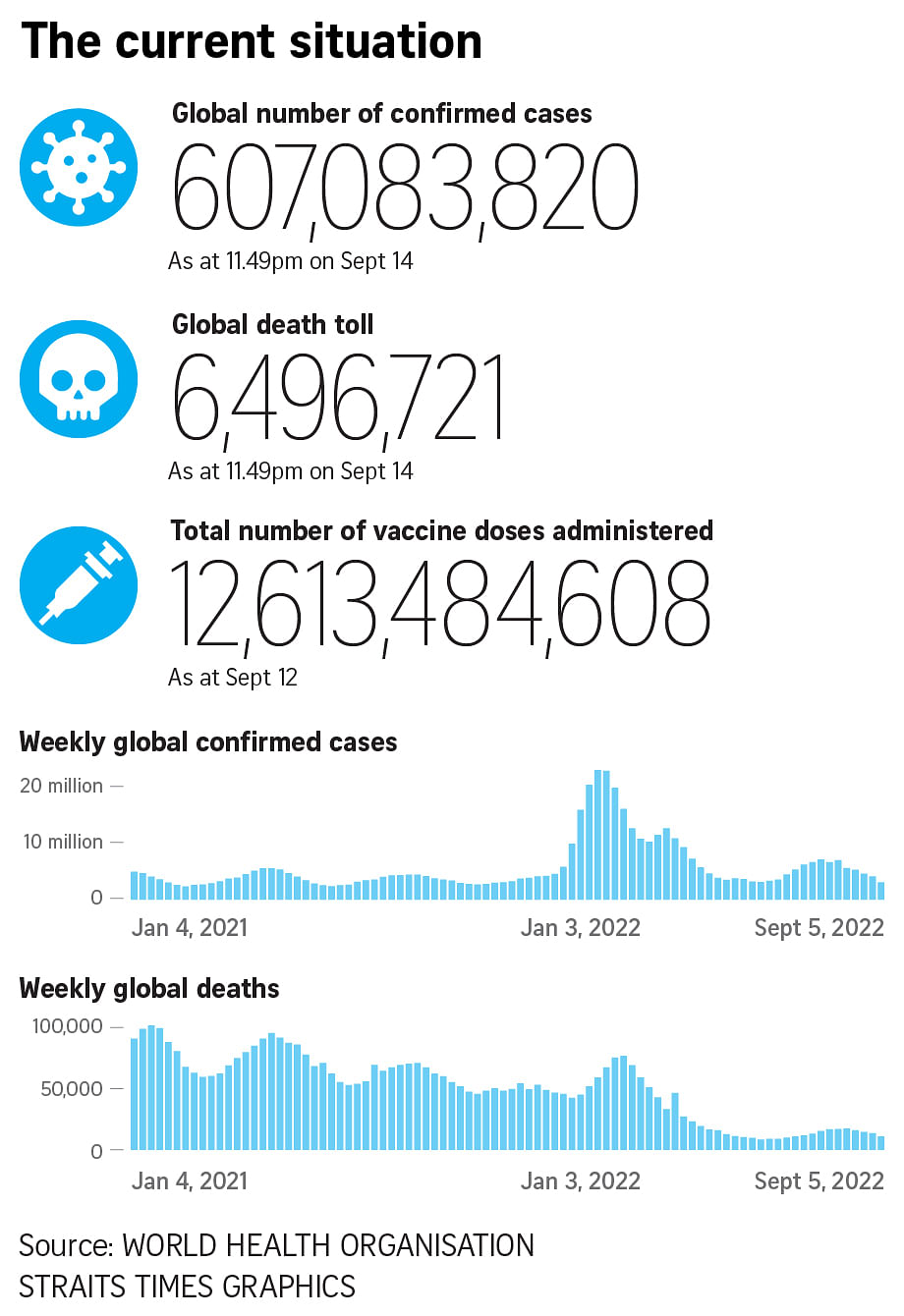
According to the World Health Organization chief, Director-General Tedros Adhanom Ghebreyesus, the world has never been in a better position to end the COVID-19 pandemic. Though we are not there yet, the end is in sight according to him, the most upbeat assessment from the agency since the start of the pandemic. It has also been reported that deaths from COVID-19 last week were the lowest since March 2020. We’ve moved beyond the emergency phase of the pandemic and today most governments  are now looking at how best to manage COVID-19 as part of their routine healthcare and surveillance.

Lessons I learnt from the Corporate World

We have been spending some time recently talking about work and the working life, especially since GG & BB will start their six-month industrial attachment next year and I thought that some of what we discussed could be of use to others, especially someone who is either just entering the corporate space or are a few years in and want to succeed in their careers.

In no particular order, here’s what I have learnt:

  • Be good to those below you more than those above you. Treat everyone with the respect you expect from them for yourself. Be nice to everyone, you never know when you are being judged.
  • Be careful when you work with friends, it may sometimes end badly
  • Keep your opinions about others to yourself and never share it with anyone else at work
  • Don’t Gossip! Especially in the pantry and public spaces, you never know who could be listening
  • Office politics is a fact of life and you can’t escape it. Learn to play the game
  • Network, network and then network some more. As you grow in your career, your networks will become more and more useful and informative.
  • Make your boss look good. That’s the key to success because they are the only ones who will battle for you and promote you. Make sure you know what your boss needs to accomplish and do your best to help them accomplish it.
  • Document everything! Your wins, commendations, compliments and learnings.
  • Train someone else to do your job and do it well. Because if you are irreplaceable in your position, you will never move up because there is nobody else to do what you are doing and doing best.
  • Any organisation you work for is not running a charity, they are here to make money and you have also been hired for that reason. You are hired because you have something that the organisation needs and any employment is a two-way process, one where both parties benefit.
  • Be reliable, be punctual and if you give someone a deadline, make sure you stick to it and in fact try to finish your work before the deadline.
  • Under promise and over deliver. It’s very simple actually. If you think you need 2 days to get a task done, ask for three days. This way, you have an extra day for any unforeseen circumstances that may come up and you are prepared and if all goes well, you get the task done ahead of your deadline, making you look super-efficient.
  • Become friends with all the secretaries, PAs and other co-ordinators. They will help you in tight spots and are also a good source of information that may not be found elsewhere.
  • Stay calm, cool and collected even if you are a withering mass inside. Be like the swan who looks calm and placid above the water, but is furiously paddling below it.
  • Leave your emotions at the door when you enter your place of work. Always think twice when you send emails or make phone calls when you are angry or upset. One tip I use during these times is to type your email first without typing in the email address and keep it aside for a while. Then when you are in a better frame of mind, edit the email, add the email address and send it.
  • Be well-dressed at work. Stand out, but not in the wrong way. If your work environment is conservative, then don’t wear outlandish clothes and vice-versa. Discreet jewellery, perfume and clothes which are classic will be better than fast fashion.
  • You are your own brand, so everything you do, say, write, dress, behave showcases the brand. So, create the brand that resonates with your work environment and maybe a couple of steps above your current role and stay true to your brand image at all times.
  • Have a life outside the office. You are not just a corporate drone, you should and must have a life outside of work. Have a hobby and do something that is totally unrelated to what you do at work.
  • Ask and encourage feedback from your managers because sometimes there may be something that you don’t see, but someone more experienced may instantly see.
  • Share successes, especially when you work as a team. When you do this, you let others share the glory and they will feel part of the successful project. Also, it never helps to have people think positively about you and your ethics. Giving others a chance to claim credit is an easy and effective way to magnify results.
  • Never stop learning. Every opportunity, good or bad teaches you something, even if it is what not to do, so don’t stagnate and become too comfortable in your job.
  • Always look at the bright side, and the positive side of things. Don’t get bogged down by pessimism. When days, weeks or even months are difficult, take heart and the hardest times will pass.
  • Focus on what you do best and try to compensate for your weaknesses. Nobody is perfect and everyone has some areas they are not good at, so amplify your strengths and work on the weaknesses.
  • Procrastination is something all of us are prone to, but procrastination has clear repercussions in the workplace resulting in challenges such as falling behind tasks. So, make sure you have clear daily goals which you tick off before you start slacking.
  • Failure is not the death kneel of your career. You will fail and multiple times in your career, but don’t stress about them. With no mistakes, there would be no opportunity to learn. Every failure gives you the chance to grow both personally and professionally.
  • Speak up. In meetings, in discussions and anyplace where you may have some input. This is not the time to be shy and refrain from speaking. If you have something to add to the discussion, make sure you put your point across. It may not be accepted, but for every ten points you put across, maybe one will be the one that is what was needed. But also ensure that when you speak, you understand what is being said and don’t speak illogically and nonsense.
  • Proactively seek new responsibilities, but only if you can handle. Conversely, don’t take up anything and everything that is thrown your way. Learn to say no to those above you if you are unable to manage or are hitting way above your weight and expertise.
  • Learn that everyone is expendable. If you don’t go to work, your organisation will not shut down, they will move on. But if you are not around, your family will be extremely affected and will find it very hard to move on. So don’t prioritise your job over your family.
  • Never burn bridges. You never know when you may have to go back to someone you have fought with, bad-mouthed or just generally been unpleasant to. People remember and will take their revenge when its their turn.
  • Work hard when you are at work, and when you leave the office, try to turn off. Most importantly have fun doing what you are doing and the eight or nine hours you spend at work won’t feel very long.
  • Stay two steps ahead. No matter what we do, success is less about any given moment and more about the next. Learn to anticipate what your manager or customer needs before they know how to ask for it and that’s one of the quickest ways to distinguish yourself in the workplace. Take initiative and don’t wait around to be told what to do, but at the same time, don’t make any assumptions, either.
  • Don’t take anything personally. Be professional, even when you think someone is out to get you.
  • Don’t trust anyone, especially at work. Everyone is looking out for themselves and a someone you consider a friend can easily throw you under a bus to save themselves. And at the same time, there’s a well know saying which is apt here to keep your friends close and enemies closer and is 100% true in a corporate setting.
  • Listen more and speak less. We have been given two ears and a mouth for a reason. So listen more than you speak and actually listen instead of rehearsing what you are going to say. At the same time, pay attention to what is happening around you and you will never be caught off guard.
  • Never betray anyone’s trust. Keep other people’s secrets as well as your own, and don’t share information that was given to you in confidence
  • Keep your social media to your social circle. Don’t ever add your co-workers and bosses to your social media platforms. You wouldn’t want them to know what is going on in your life which can give them ammunition to hurt or harm you. This doesn’t include LinkedIn as that is a work social platform.
  • Be flexible. Have an opinion, but don’t have hard opinions.
  • Don’t run after money. No doubt having money in the bank and being financially independent is important, but don’t let money dictate what you are in life and what you want to do in life. Let money be an accessory, not the focus.
  • Go the extra mile. Nobody ever achieved success by doing the bare minimum. Go above and beyond and you will be rewarded in one way or another.
  • Last, keep your goal in front of you and remember that whatever you do, you need to be true to yourself

So, there you have it, 40 lessons I learnt while in the corporate world. I am going to share it with BB & GG and their friends. Hope this was useful to you too. If you have more lessons from the corporate world, please share in the comments below.

Adaptability: The Simple Secret to Success and Survival

Today’s world is fraught with risk and uncertainty, of risk and unstability. You just have to look at 2020 to see what I am talking about. Our world is constantly changing and we can’t remain as we were, because if we do, we run the risk of losing out.

According to the Cambridge English dictionary, Adaptability is an ability or willingness to change in order to suit different conditions. What this means is that you need to change or be willing to change yourself so as to adapt yourself to the different situations you will come across in life.

So why is adaptability so important today? I believe it is a life skill that if not innate, should be learnt and fast so that as an individual you are agile and are able to tackle any issues or problems in your life, be it at work or in your personal life. Actually we are constantly adapting. The easiest example I can think is in the kitchen. Sometimes you don’t have all the ingredients at hand while cooking, so we substitute ingredients, adapting in the process.

Adaptability is not just about changing something or adjusting to a situation. It encompasses being able to effect changes in a course of action with smoothness and timeliness, without any major setbacks. For as long as there are many uncontrollable factors in our environment such as laws and economic factors, it is necessary to acquire this skill. It is one of the key skills or factors that keep many multinational companies running and the reason why some professionals are always in demand. This skill is important because as new technology evolves, employers are looking for employees who can demonstrate strong adaptability skills and become company leaders.

Adaptability in the workplace means being able to change in order to become successful. In the work environment, adaptability is a soft skill that refers to the ability to rapidly learn new skills and behaviours in response to evolving circumstances. Employers typically look for adaptability when hiring new staff, and the skill is increasingly included in job descriptions due to its importance for growth and development within a role. Someone who demonstrates adaptability in the workplace is flexible and is able to respond effectively to their working conditions, even in situations where things do not go as planned. They typically work well on their own and with team members. The need for adaptability in the workplace – to learn and unlearn – is crucial to future success.

People in leadership positions are often expected to manage unusual situations without explicit instruction. Therefore, an adaptable leader must be able to resolve problems in a fast-paced environment and trust their judgment when making tough decisions. However, at the same time, still recognising that what worked before may not necessarily work every time. So adaptability is a critical leadership skill and potential leaders need to be adaptable and flexible at all times to succeed.

How important can being adaptable be? Well, the short answer is very, as it’s a skill that has no bounds in the ways it can be applied in the workplace. Being adaptable means working without boundaries, and being open to finding diverse and unexpected solutions to problems and challenges in the workplace. Without limitations on thinking and actions, challenges become something not to dread, but to seize and enjoy working through. An adaptable person gets to engage a variety of people with diverse skills to get the job done and builds broad networks of highly engaged and capable people. An adaptable person also becomes a better leader because such people know that change is inevitable and don’t shy from it and remain positive in the face of adversity, keeping their teams and employees focused and motivated through tough or lacklustre periods. Those who are adaptable and willing to change or shake up conventional ways of doing things will remain relevant throughout their working lives because they’re comfortable experimenting. Workplaces are changing faster than ever before, and if you’re not willing to constantly adapt, then expect to be left behind.

Everyone can all benefit from adaptability but, in an ever-changing world, it is particularly crucial for leaders. Leadership roles become more complex as you progress through an organisation, requiring more subtle influencing and persuading skills. Additionally, as a leader’s seniority increases, they must learn to empower, delegate, form strategic alliances and let go of some of the skills that enabled them to perform effectively in previous roles.

Adaptability skills are skill sets that encompass a person’s ability to adjust to changes in their environment. Being adaptable in your career can mean you are able to respond quickly to changing ideas, responsibilities, expectations, trends, strategies and other processes at work. Being adaptable also means possessing soft skills like interpersonal, communication, creative thinking and problem-solving skills.

As a soft skill, adaptability requires a number of other soft skills in order to be applied successfully. You must be able to learn quickly and put that learning into practice. Additionally, you must be able to recollect what you’ve discovered, so you can identify trends and make decisions accordingly. So what constitutes an adaptability skill?

An ability to learn: People with adaptability skills are never discouraged by failure. For them, failure is just a part of learning. These people are always learning and willing to take risks, as long as it means that they can develop personally and professionally. Skills such as collaboration, critical thinking, research, show continuous Improvement, have an attention to detail, be observant and have a great memory.

Persistence: People who adapt well rarely feel the pressure to quit. Every challenge is exciting, and remaining dedicated to their job means pushing through even when things get hard. Likewise, they are able to stay positive and encourage their team members to stay focused during difficult times. Skills that are emblematic of persistence include resilience, positivity, tolerance to stress, motivation and being able to manage expectations.

Resourcefulness: Often the goal is clear, but the path to get there is not. The traditional way of conducting business may not be possible or effective, because there may not be sufficient funding or staffing. That’s where adaptability can be an asset. An adaptable person will be able to source new resources and techniques that less-adaptable colleagues haven’t considered. An adaptable person will show resourcefulness by demonstrating skills like the ability to notice patterns, be creative and innovative, a problem solver, show initiative and curiosity and budget well.

Curiosity: An adaptable person doesn’t get scared by anything different. If anything, it makes them more curious and they want to investigate it further. They are not afraid of ideas, suggestions, or constructive criticism and often demonstrate open-mindedness, investigation, positivity, active listening, nonverbal communication skills and diversity.

Other skills that showcase adaptability include leadership, integrity, determination, team building, analytical, inductive and deductive reasoning, project management and team work, empathy, resource, conflict and time management, problem solving, strategic thinking and being able to conceptualise, flexibility and commitment, being proactive and open and having excellent negotiation, oral and written communication skills.

Being adaptable can depend on how effectively you communicate with your teammates and managers.

Adaptability is a natural skill, but it can be developed and mastered as well. Here are some tips to help improve this skill:

Observe and monitor changes in the environment: People do not see the need for a change until they notice changes in the environment. Adaptability must not be easy, but timely as well. Always make a conscious effort to monitor trends, values and attitudes and compare present observations with past ones and find out what has changed.

Develop a growth mindset: Being adaptable also means being willing to learn and try new things. Developing a growth mindset can positively influence the ability to take on new challenges, find new opportunities to develop knowledge and contribute to new projects. The willingness and motivation to keep improving skills can also show potential and current employer a commitment to professional growth.

Be willing to learn: Observation alone is not enough. If the result of observations suggests a need to learn something new, do not hesitate to do so. While people can learn some things on their own when furnished with appropriate educational resources, others may require tutorials from specialists. Don’t decline to use the services of a professional tutor if necessary.

Avoid procrastination: Don’t just be willing to learn. Take the necessary course of action. Remember that adaptations are more effective when the action is taken earlier.

Acknowledge the fact that changes are bound to occur: Though it is difficult to let go of norms, it is people who matter, not an individual.

Set goals for one’s self: Another method that can help develop adaptability skills might be to set personal goals to improve those aspects of the skillset that are felt to be lacking so the individual can improve their overall ability to adapt to changes in the workplace.

Ask for feedback: As people develop throughout their your career, they might think about requesting feedback or constructive criticism from managers to help them improve on their weaker skills. Positive and constructive feedback can be beneficial for setting goals and achieving success in their career.

Learn to acknowledge and accept change: It can also be highly beneficial to accept change as it occurs. Learning to acknowledge changes in their career can help prepare and adapt to differing circumstances. Additionally, learning how to be willing to accept change can be an effective step toward recognising when adjustments need to be made to make transitions smoother.

Other than the above, some additional tips to help adaptability skills in the workplace include asking for clarifications from peers and superiors to help better process transitions when there are changes to processes, procedures or operational practices. Offer to request for opportunities to work on tasks that may be new or offer to take on responsibilities that require creative approaches. If sharing your ideas with colleagues is something that causes anxiety, set a goal to contribute to team meetings and collaborations. Try getting all aspects of work organised like documents, paperwork, projects and other work information, so everything is prepared in case there are transitions within a job.

An individual can also highlight adaptability skills on resumes or cover letters by showing concrete examples of successes due to these skills. During an interview, highlight adaptability skills by providing the interviewer with examples of how these were applied in past roles and use past experiences and achievements to help answer the interviewer’s questions in a way that shows adaptability.

Being someone who is adaptable is a skill that will stand in good stead all your life, whether in the personal or professional life. Learning how to adapt to change is a soft skill that will not only make the individual a top candidate when applying for roles, but one that has the capacity to give them a renewed optimism about work. It’s a brilliant life skill that has great application in both personal and professional life, so if an individual does not yet have those skills, its time to start implementing these tips to strengthen the adaptability skills today.