Festivals of India: Raksha Bandhan

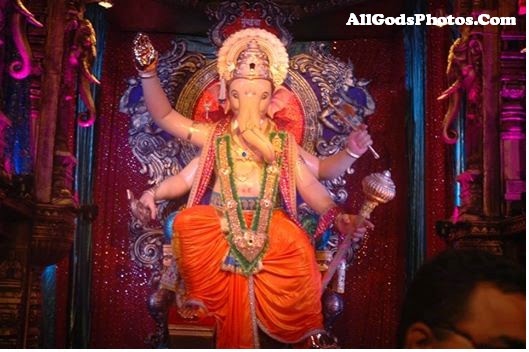
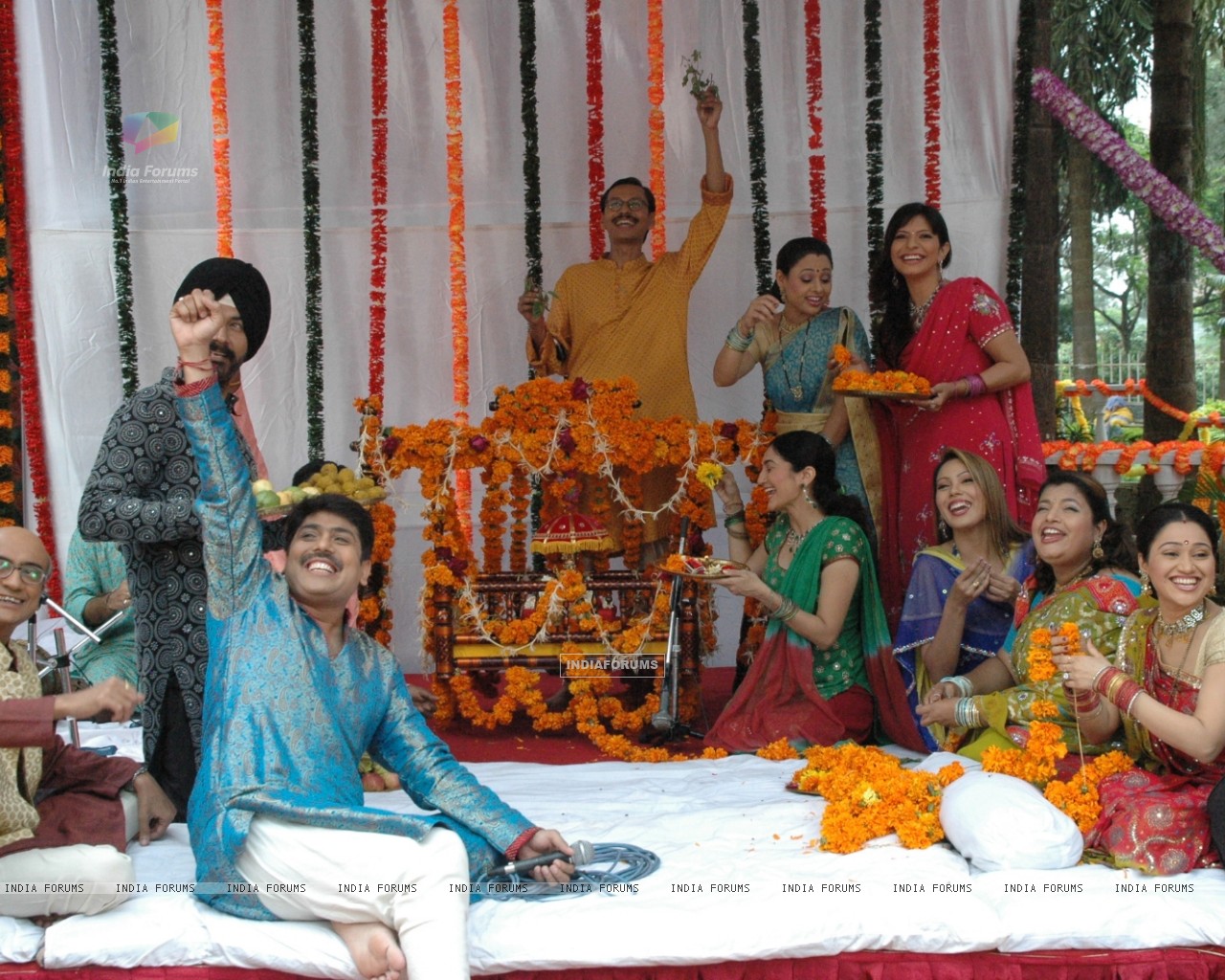
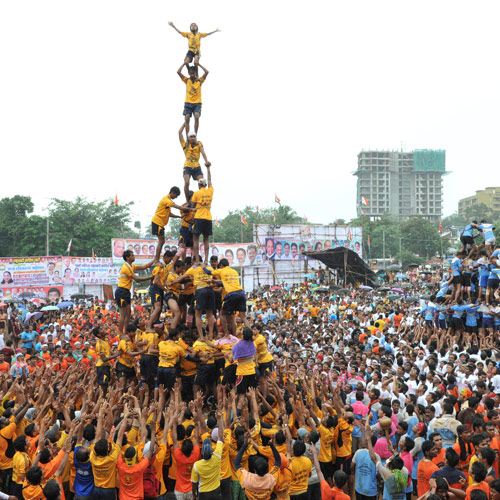
Tomorrow is Raksha Bandhan, a beautiful festival which celebrates the beautiful bond between a brother and his sister. Tomorrow  is also Avani Avittam, the only Hindu festival which is a men’s festival, as opposed to others where it’s women all the way. I’ve blogged about Avani Avittam before, so this post is mainly about Raksha Bandhan.

Known simply as Rakhi in India, not only is this festival celebrated between blood siblings, but also between people who consider each other as brother and sister. This festival is mainly celebrated in Northern and Western India, but these days, it is celebrated all over the country as well as in places where the Indian diaspora have settled down.

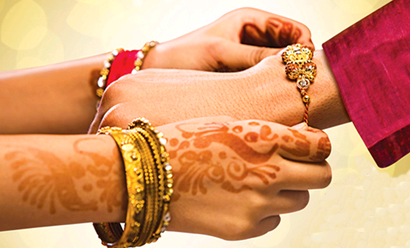
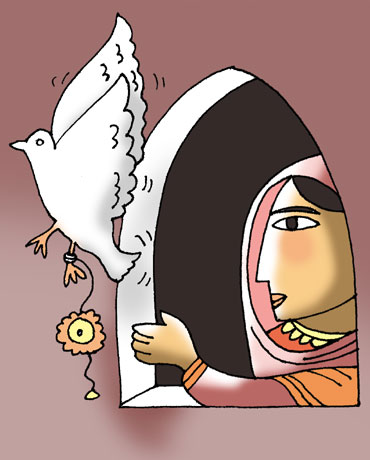
The literal meaning of Raksha Bandhan in Sanskrit is “the knot of protection”. A sister performs the Rakhi ceremony to her brother which incorporates her love for her brother and her wishes for his continued well-being and happiness. In return, the brother pledges to love and protect her under any and all circumstances. When brothers and sisters are far away from each other, sisters generally send their brothers their rakhi by post or courier. In return for the rakhi tied to his wrist, a brother generally gives his sister money or gifts as tokens of his love to his sister.

The festival has many myths surrounding it along with historical references. You can read them here, but some of the historical references are as ancient as the wife of Alexander the Great, Roxana, sending a Rakhi to King Puru asking him not to harm her husband in battle and Rani Karnavati of Chittor in present day Rajasthan sending a Rakhi to Emperor Humayun when Shah Bahadur, the sultan of Gujarat invaded her kingdom. Humayun rushed to help his sister, but arrived too late.

Avani Avittam and Raksha Bandhan are usually the start of the festive season for Hindus which goes on till almost the end of the year.

GG has been tying Rakhi to BB since she was less than a year old and I hope they continue doing this their whole life, irrespective of where in the world both may be. BB does not like to keep the Rakhi on, especially if it’s a school day, but this year, he has said he’ll keep it on the whole weekend!

Navroze Mubarak

Saal Mubarak! With these words, Parsis across the world would have greeted each other tomorrow as they heralded the arrival of their new year. Another greeting heard across the agiaries (Fire Temples) would have been Navroze Mubarak!

I studied for 12 years in a Parsi school and so this community holds a special place in my heart. This small, minority community comprises of the followers of Zarathustra. The Parsis in India are those who fled Persia (modern day Iran) due to religious persecution and arrived in western India (modern day Gujarat, Kutch in India and Sindh in Pakistan).

There’s a very sweet story that was told to me in school about the Parsis’ arrival in India. When they arrived in Gujarat, the leader of the Parsis, the head priest or Dastoorji, sent a messanger to the local king asking for his permission to stay in his land as refugees. The king sent back a bowl full of milk. The Dastoorji looked at the bowl of milk his messenger brought back, added a spoon of sugar to it and sent it back to the king. The King understood the message and gave them permission. Soon one of the people in the Parsi group asked the Dastoorji what just happened and he replied that the bowl of milk the king sent over indicated that the land was currently occupied and full and he didn’t want to do anything to disrupt the lives of his people. By mixing sugar in the milk, the Priest sent a message that the Parsis will do nothing to disrupt the land and it’s people and instead, like how sugar adds sweetness to the milk, they will assimilate into the land and only add to the sweetness of this land and not take away anything. And this is how the Parsis adapted the Gujarati way of life – in their language or dialect as well as the dress. Parsis speak a dialect of Gujarati, which we call Parsi Gujarati and women also adopted the saree as their main form of dress.

The more recent arrivals of Parsis, those who arrived in late 19th and early 20th centuries, fleeing from the repressions of the Qajar dynasty in Iran are differentiated from the original Parsi settlers and are called Iranis. This Irani community is smaller than the Parsi community, though both profess the same religion, but religious customs may be slightly different.

In the centuries that they have lived in India, the Parsis, have integrated themselves into the Indian society, while at the same time, maintaining their ethnic individuality.

This community has been faced with dwindling numbers for a while now, the most significant being childlessness or having less than two numbers (which is basically the total fertility rate) or migration. Demographic trends project that by the year 2020 the Parsis will number only 23,000 (less than 0.002% of the 2001 population of India). The Parsis will then cease to be called a community and will be labeled a ‘tribe’.

During the British rule of India, because this community was highly literate and extremely fluent in English, they occupied many important places in the East India Company.

One interesting aspect of the Parsis is that instead of burying or cremating their dead, they place their dead in a Tower of Death where vultures peck the body and pick it clean. Once the bones are bleached by the sun, they are pushed into the circular opening in the tower. They believe, this way is the most ecological way, where even the dead are used as food by vultures and no part of the polluted human body is pushed back into the earth (by burying it) or into the atmosphere (by cremating it).

The Parsi place pf worship is called an Agiary in the Parsi dialect or a Fire Temple in English. The most holy place for Parsis in India is a place called Udwada in Gujarat. Legend says that one of the groups of refugees brought with them the ash of one of sacred fires from Iran and this ash serves, even today, as the bed for the fire in the Udwada Agiary. I remember friends from school going to the Agiary which used to be opposite our school before important exams. Unfortunately, as a non-Parsi I can’t enter the Agiary.

The Parsis have made considerable contributions to the history and development of India, all the more remarkable considering their small numbers. As the maxim “Parsi, thy name is charity” reveals, their greatest contribution, literally and figuratively, is their philanthropy.

Happy Independence Day India

Tomorrow is India’s 68th Independence Day.

I have really mixed feeling about India – one on hand, it’s the land of my birth and there’s so much to love there, but the way people are literally destroying the country, makes me very sad. There’s so much potential there, but most people, especially the politicians seem to have made a game of “What can destroy India faster”!

An ancient civilization, which has given so much to the world, Indians are, in my opinion, more inward looking than outward looking. We are so much in love with our past that we tend to brush aside our present and give little or no thought to our future. We get so caught up in little and silly things, that we miss the forest for the trees!

The country is so rich and diverse, both geogrphically and culturally starting with the Himalayas in the north to the Indian Ocean to the south, the deserts of the Thar and the Rann of Kutch in the west to the hilly terrain of the exotic north-east. There are 25 states, 7 Union Territories and is the second most populous country in the world, after China with an estimated population of 1.21 billion who speak more than 1365 rationalised mother tongues with 29 languages having more than a million native speakers each!

India’s cultural history spans over 4,500 years and the foundations of India’s main religion, Hinduism was laid down as between 3500 to 2500 years ago, when most of the western world was probably cavemen! Probably this is why India was the rich bird, ripe for plucking through the ages – from the Persians, Greeks, Mongols, Mughals, to finally the English, Portuguese and the French. A lot of India’s historically rich treasures were plundered and taken away by the conquerors (and never returned till date)

According to the International Monetary Fund (IMF), as of April 2015, the Indian economy is nominally worth US$2.306 trillion; it is the 7th-largest economy by market exchange rates, and is, at US$7.996 trillion, the third-largest by purchasing power parity, or PPP.

All this talk about India has now made me super nostalgic. I remember reading how the last of the British soldiers left India from the shores of the Gateway of India in Bombay, an edifice, which ironically was constructed in 1911 to commemorate the visit of King George V and Queen Mary

Ok, going to stop with this nostalgia with a tune that many of us, especially those who grew up in a certain era will recognize…..Mile Sur Tera Mera….the original plus the new version

Happy Birthday Singapore

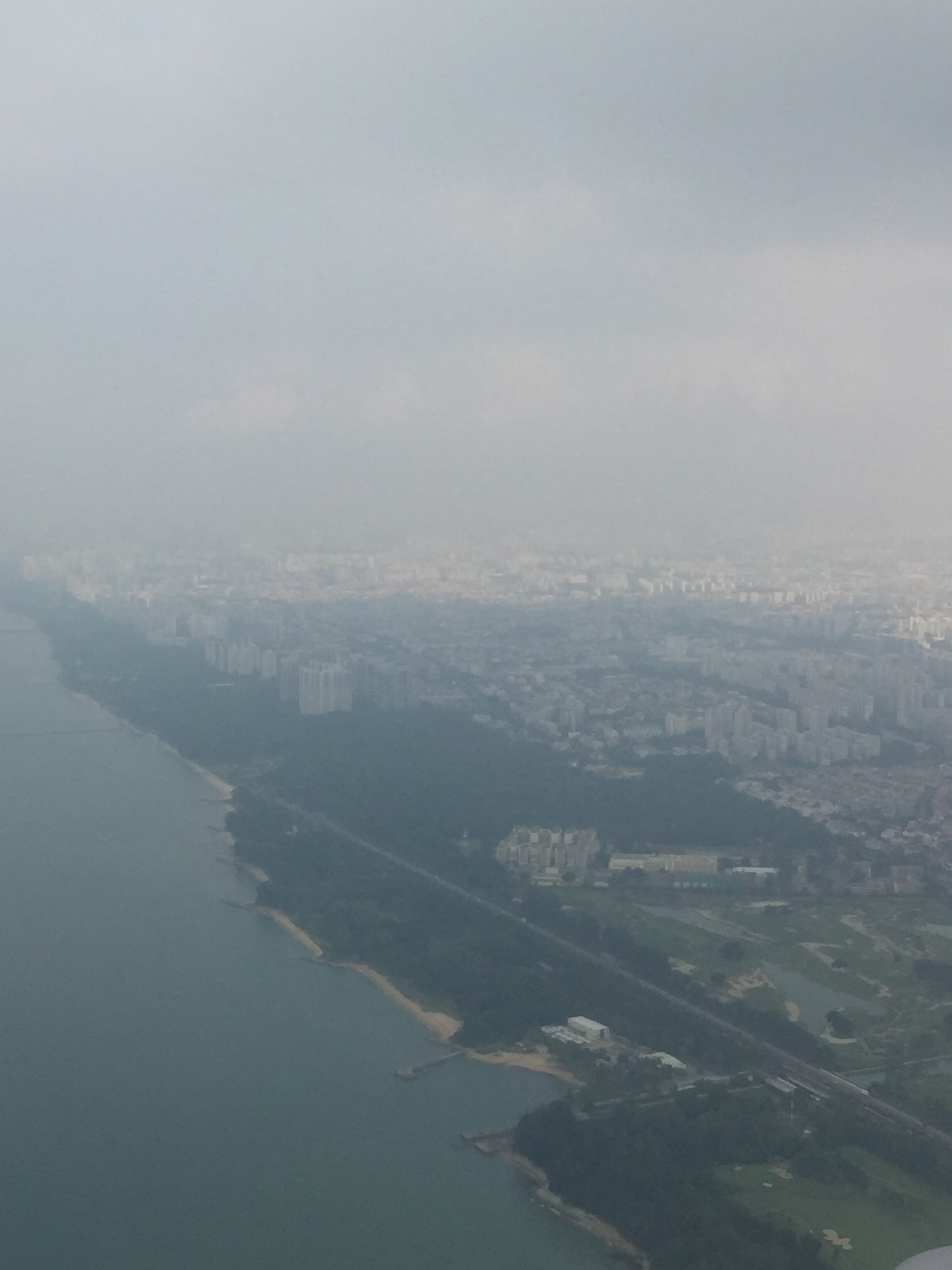
Today Singapore celebrates 50 years of being independent. The festivities are all over the country and the Straits Times headlines yesterday was “The Celebrations Begin”!

In 1965, when Singapore was kicked out of the Federation of Malaya, mostly over political and economic differences, many wondered how Singapore would make it alone – a land with almost no natural resources, facing problems of severe unemployment, sanitation and housing, among others.

But Singapore has overcome all this and achieved so much in the last 50 years, it’s zoomed from first world to third world. We in Singapore, take this affluence for granted, sometimes being accused of being arrogant by our neighbours!

Singapore wanted to avoid the racial tensions of it’s neighbours and so racial harmony is something that’s pretty much enshrined in the way of life – so much that we take racial harmony for granted. Everything in Singapore is done in the four official languages of English, Chinese, Malay and Tamil. The national anthem is in Malay though as the Malays were the original inhabitants of the land.

To a lot of people, Singapore is seen as a part of China, and while3 it irritates residents, you can’t blame them, as the government policies seem to me to be a tad pro-China!

Also the Michael Fay caning incident makes a lot of Westerners think Singapore’s laws are draconian, but as a parent with young children, I guess I am happy to live in such a country where I don’t have to worry that my children will return home safe from school. Crime rates are low here and I can walk home late at night, using public transport, which is kind of impossible in many countries, both in the region and beyond!

Ok, enough of talking, I am going to spam some more pictures which I took last week when we saw the National Day Preview.

DSCN3300 DSCN3314 DSCN3341 DSCN3378 DSCN3389

Leaving you with the national anthem of Singapore called Majulah Singapura or Onward Singapore. Singing it with everyone was electrifying!!

Happy Birthday Singapore! May you have many more like this….

Languages

Language: The ability to acquire and use a complex system of communication, particularly the human ability to do so, and a language is any specific example of such a system.

Human beings, unless living in a completely isolated environment use language innately – when a parent coos to their baby, they are laying the foundation for the language they are native speakers of in the baby.

Most people (around 40% of the world’s population) are very fluent in a single language, usually called their mother tongue, many are bi-lingual (around 43% of the world’s population) which means they are fluent in two languages, usually English and their mother tongue, few are tri-lingual (around 13% of the world’s population), very few people are multi-lingual (around 3% of the world’s population) meaning they can speak four languages fluently and miniscule percent of the world population (less than 1%) can be called polygots or someone who can speak several languages fluently.

Most people in Singapore are bi lingual, speaking two languages with ease, English and their mother tongue, depending on what that is. Growing up, I guess most people around me were tri or multi-lingual – knowing English, Hindi, their mother tongues and to some extent the state language of Marathi. Although notionally my mother tongue is Tamil, the languages I think and dream are English and Hindi as these two were the languages we used all the time – in school, outside and even at home. My paternal grandfather, a product of the British education system, insisted I and my sister speak English to him and the English had to be grammatically correct. For a very long time, I could not speak to him in any other language other than English and it was only a few years before his death, we started speaking to him in other languages, specifically Tamil. My paternal grandmother, on the other hand, used to speak to us in Tamil, which to this date is not too fluent for both me and my sister. My parents, used to speak to us in a mixture of languages – both English and Tamil.

When we started school, it was frowned upon to speak any other language other than English in school and so this started a life-long love for the language. Like I mentioned earlier, I think, feel and even dream in English, so can this be called my native language?
Living in culturally diverse city like Bombay meant that you had to speak another language to engage with others – this usually was Hindi and with neighbours belonging to the Northern part of India, it meant my Hindi also achieved that level of fluency. Friends also cemented this level of fluency and thus I can comfortably claim to be bi-lingual, maybe tri-lingual (can I be that if I can’t read or write Tamil?).

Other languages I have a passing level of fluency to are Marathi (my home state language), French (this was my third language in school and college), Malayalam (from neighbours) and Kannada (my grandparents moved to Bangalore when I was in elementary school and yearly holidays to the city ensured I learnt a bit of the language).

Yesterday morning while S was driving me to work, the local Tamil radio channel was on. During the morning show, one of the DJs was, using the wrong way to pronounce a certain alphabet. Now this is going to be difficult to show here – there’s a letter which is a very guttural Y, but many people can’t speak it as it should be spoken and instead pronounce it as an L, which is wrong. This DJ, on national radio was continuously pronouncing words with this letter wrong. I am surprised that for a country which prides itself on it’s national bi-lingual policy allows someone to get away to speaking wrong on air like this. Also surprising is that till date, no one has come forward to correct this person as I am sure many eminent speakers of the language are probably tuning into the station!

OK, here’s a bit of language trivia – Do you know which the most widely spoken languages in the world are? By the number of speakers in descending order you have:

  1. Mandarin Chinese
  2. Spanish
  3. English
  4. Hindi
  5. Arabic
  6. Portuguese
  7. Bengali
  8. Russian
  9. Japanese
  10. Punjabi

No big surprises there to see Chinese at the top and 60% of the top 10 languages are from Asia!