In My Hands Today…

Mahabharata Unravelled: Lesser-Known Facets of a Well-Known History – Ami Ganatra

Millennia have passed since the dharma yudhha of the cousins shook the land of Bharata. But this history of our ancestors continues to fascinate us. Even today, we have passionate discussions about the people and their actions in the epic, fervidly defending our favourites and denouncing others. The number of works on the Mahabharata-adaptations, retellings and fiction-that still get written is a testimony to its enduring relevance.

While the general storyline is largely known, a lot of questions and myths prevail, such as-What was the geographical extent of the war? Did Drona actually refuse to take on Karna as his disciple? What were Draupadi’s responsibilities as the queen of Indraprastha? Did she ever mock Duryodhana? Were the women in the time of the Mahabharata meek and submissive? What were the names of the war formations during the time? What role did the sons of the Pandavas play? Does the south of India feature at all in the Mahabharata? What happened after the war? These and many other intriguing questions continue to mystify the contemporary reader.

Author Ami Ganatra debunks myths, quashes popular notions and offers insights into such aspects not commonly known or erroneously known, based solely on facts as narrated in Vyasa’s Mahabharata from generally accepted authentic sources. For a history of such prominence and influence as the Mahabharata, it is important to get the story right. So pick this book up, sit back and unveil the lesser-known facts and truths about the great epic.

In My Hands Today…

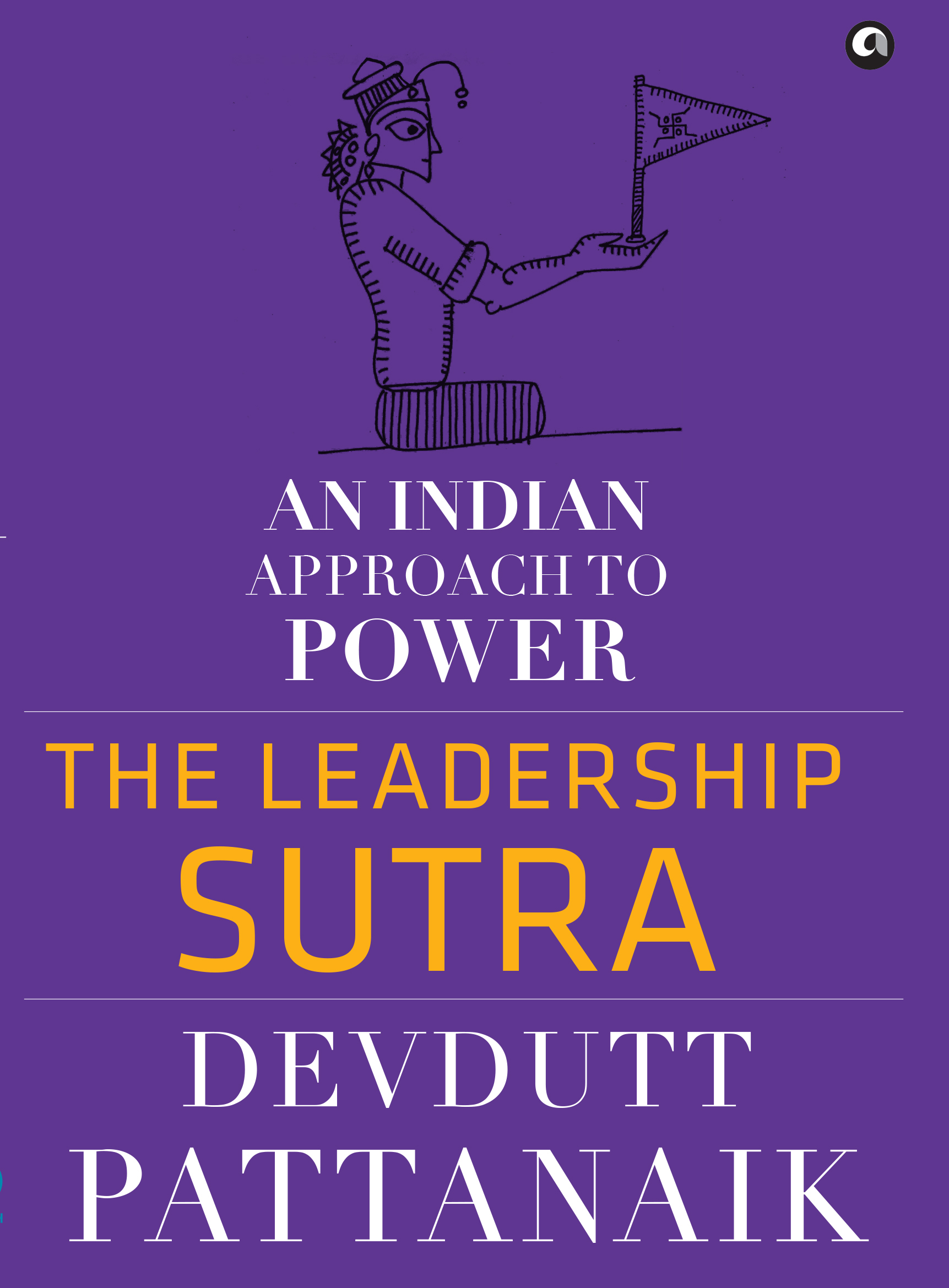
The Leadership Sutra: An Indian Approach to Power – Devdutt Pattanaik

Durga is the goddess of power in Hinduism, as well as in Buddhism and Jainism.

Her name is derived from the word ‘fortress’ (durg). She is the goddess of kings. She rides a lion, the king of the jungle and a symbol of royalty everywhere, from China to England.

We tend to tiptoe around the role of power in management and fail to openly acknowledge how the animal desire to dominate often destroys the best of organizations. Critics tend to see power as a negative thing. But power is a critical tool that affects the implementation of any idea. Any attempt to restrain it with rules results in domestication and resentment and fails to energize the organization.

Leaders often equate themselves with lions and indulge their desire to dominate when, in fact, the point of leadership is to be secure enough to outgrow the lion within us and enable and empower those around us. But this is not easy, as anxiety overpowers the best of leaders.

Derived from Devdutt Pattanaik’s influential bestseller Business Sutra, this book offers startling and original insights into the exercise of power and leadership. It explores the human quest for significance, the power of rules to rob people of self-esteem, and the need for stability even at the cost of freedom.

In My Hands Today…

Dashavatar : Stories of Lord Vishnu – Piyusha Vir

Did you know that each avatar of Vishnu arrived with a specific purpose?

Time and again, Vishnu has manifested in different forms to fulfil his role as a ‘protector’ of the world. Among the long list of 24 avatars, 10 have captured our imagination for centuries together—Matsya, Kurma, Varaha, Narasimha, Vamana, Parshuram, Rama, Krishna, Buddha, and Kalki.

But how exactly did these avatars impact society? And how do they link to the Charles Darwin theory of evolution?

While each avatar has its own set of legends that extoll their characteristics and deeds, the stories behind them are just as interesting and informative.

Presented from a contemporary and unbiased perspective, these stories of the 10 avatars of Vishnu are an attempt to make mythology more believable and relevant to the world that we live in today.

In My Hands Today…

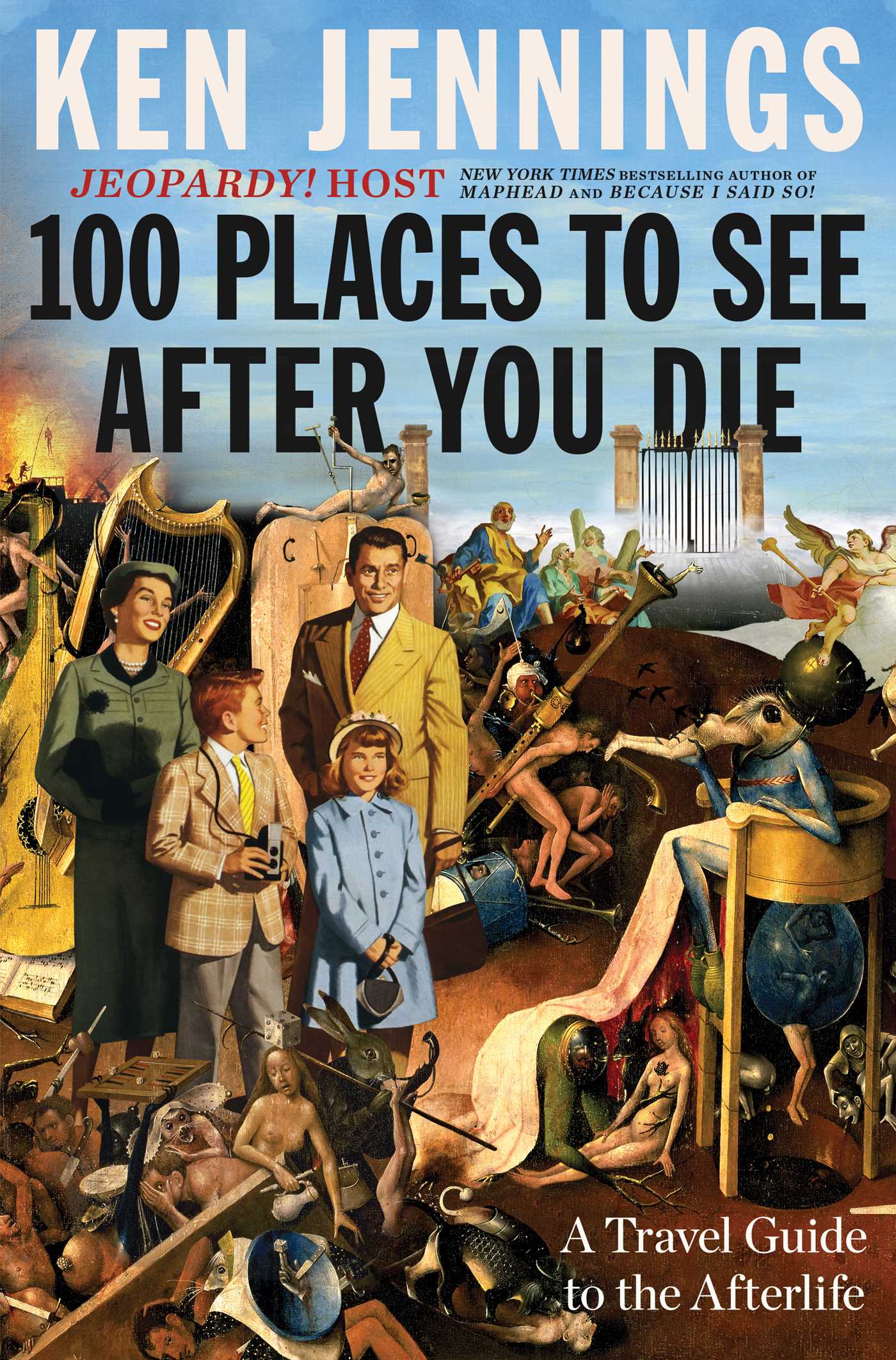
100 Places to See After You Die: A Travel Guide to the Afterlife – Ken Jennings

Ever wonder which circles of Dante’s Inferno have the nicest accommodations?

Where’s the best place to grab a bite to eat in the ancient Egyptian underworld?

How does one dress like a local in the heavenly palace of Hinduism’s Lord Vishnu, or avoid the flesh-eating river serpents in the Klingon afterlife?

What hidden treasures can be found off the beaten path in Hades, Valhalla, or TV’s The Good Place?

Jennings wryly outlines journeys through the afterlife, as dreamed up over 5,000 years of human history by our greatest prophets, poets, mystics, artists, and TV showrunners.

This comprehensive index of 100 different afterlife destinations was meticulously researched from sources ranging from the Epic of Gilgamesh to modern-day pop songs, video games, and Simpsons episodes. Get ready for whatever post-mortal destiny awaits you, whether it’s an astral plane, a Hieronymus Bosch hellscape, or the baseball diamond from Field of Dreams.

In My Hands Today…

River of Ink – Paul M.M. Cooper

This image has an empty alt attribute; its file name is 25990703._SY475_.jpg

All Asanka knows is poetry. From his humble village beginnings in the great island kingdom of Lanka, he has risen to the prestigious position of court poet and now delights in his life of ease: composing romantic verses for love-struck courtiers, enjoying the confidence of his king and covertly teaching Sarasi, a beautiful and beguiling palace maid, the secrets of his art.

But when Kalinga Magha, a ruthless prince with a formidable army, arrives upon Lanka’s shores, Asanka’s world is changed beyond imagining. Violent, hubristic and unpredictable, Magha usurps the throne, laying waste to all who stand in his way. Under his terrifying rule, nothing in the city is left untouched and, like many of his fellow citizens, Asanka retreats into the shadows, hoping to pass unnoticed by the tyrant. But it seems his new master is a lover of poetry…

To Asanka’s horror, Magha tasks him with the translation of an epic Sanskrit poem, a tale of Gods and nobles, love and revenge, which the king believes will have a civilising effect on his subjects, soothing their discontent and snuffing out the fires of rebellion he suspects are igniting across the island.

Asanka has always believed that poetry makes nothing happen, but as each new chapter he writes is disseminated through the land and lines on the page become cries in the street, his belief and his loyalties are challenged. And, as Magha circles ever closer to the things Asanka treasures most, the poet will discover that true power lies not at the point of a sword, but in the tip of a pen.