Housewife: Why Women Still Do It All and What to Do Instead – Lisa Selin Davis
The notion of “housewife” evokes strong reactions. For some, it’s nostalgia for a bygone era, simpler and better times when men were breadwinners and women remained home with the kids. For others, it’s a sexist, oppressive stereotype of women’s work. Either way, housewife is a long outdated concept—or is it?
Lisa Selin Davis, known for her smart, viral, feminist, cultural takes, argues that the “breadwinner vs. homemaker” divide is a myth. She charts examples from prehistoric female hunters to working class housewives in the 1930s, from First Ladies to 21st century stay-at-home moms, on a search for answers to the problems of what is referred to as women’s work and motherhood. Davis discovers that women have been sold a lie about what families should be. Housewife unveils a interdependence, rather than independence, is the American way.
The book is a clarion call for all women—married or single, mothers or childless—and for men, too, to push for liberation. In Housewife , Davis builds a case for systemic, cultural, and personal change, to encourage women to have the power to choose the best path for themselves.
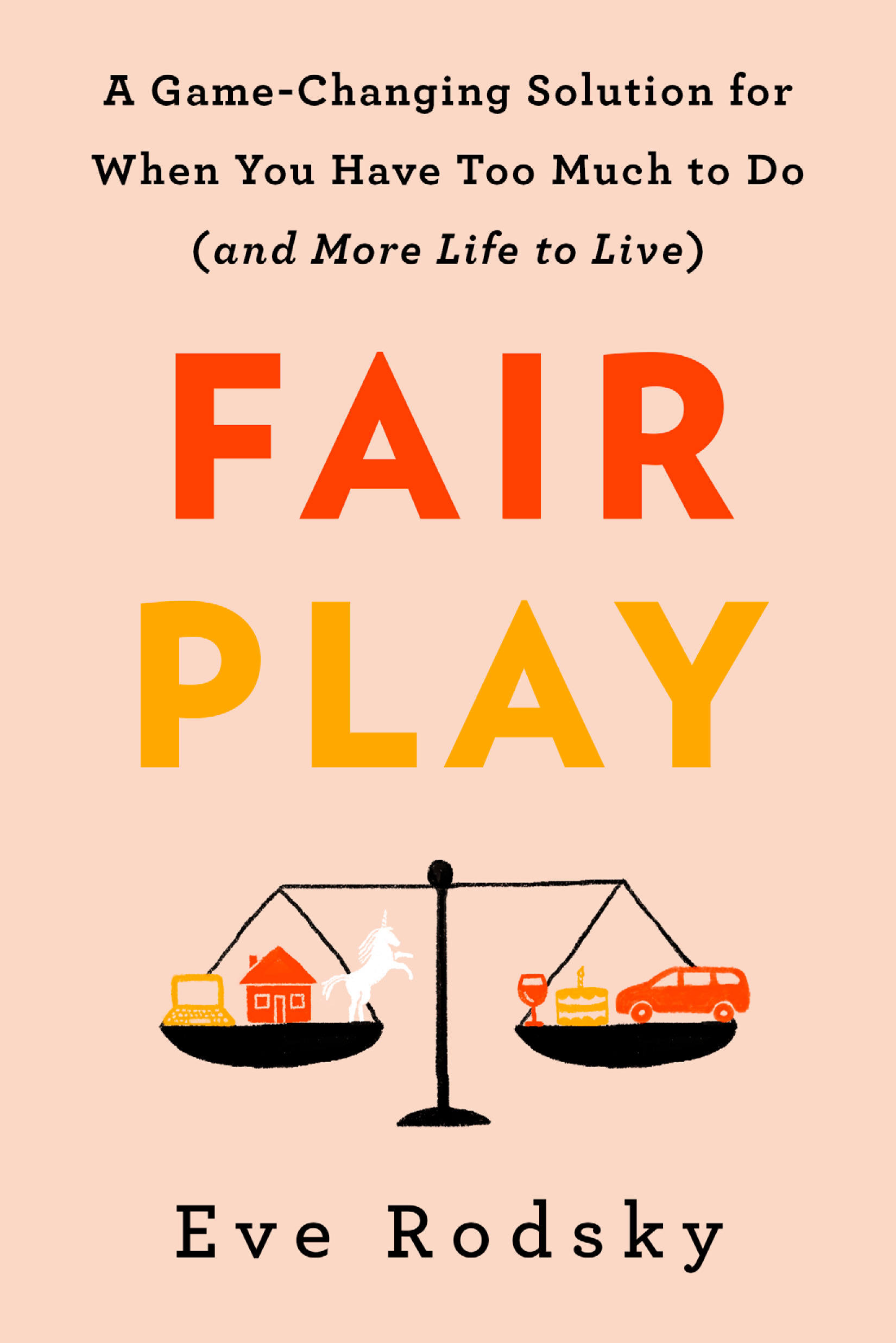
Fair Play: A Game-Changing Solution for When You Have Too Much to Do – Eve Rodsky
It started with the Sh*t I Do List. Tired of being the “shefault” parent responsible for all aspects of her busy household, Eve Rodsky counted up all the unpaid, invisible work she was doing for her family — and then sent that list to her husband, asking for things to change. His response was… underwhelming. Rodsky realized that simply identifying the issue of unequal labor on the home front wasn’t enough: She needed a solution to this universal problem. Her sanity, identity, career, and marriage depended on it.
The result is Fair Play: a time- and anxiety-saving system that offers couples a completely new way to divvy up domestic responsibilities. Rodsky interviewed more than five hundred men and women from all walks of life to figure out what the invisible work in a family actually entails and how to get it all done efficiently. With four easy-to-follow rules, 100 household tasks, and a figurative card game you play with your partner, Fair Play helps you prioritize what’s important to your family and who should take the lead on every chore from laundry to homework to dinner.
“Winning” this game means rebalancing your home life, reigniting your relationship with your significant other, and reclaiming your Unicorn Space — as in, the time to develop the skills and passions that keep you interested and interesting. Are you ready to try Fair Play? Let’s deal you in.
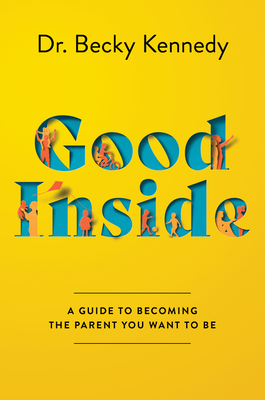
Good Inside: A Guide to Becoming the Parent You Want to Be – Becky Kennedy
Dr. Becky Kennedy, wildly popular parenting expert and creator of @drbeckyatgoodinside, shares her groundbreaking approach to raising kids and offers practical strategies for parenting in a way that feels good.
Over the past several years, Dr. Becky Kennedy–known to her followers as “Dr. Becky”–has been sparking a parenting revolution. Millions of parents, tired of following advice that either doesn’t work or simply doesn’t feel good, have embraced Dr. Becky’s empowering and effective approach, a model that prioritizes connecting with our kids over correcting them.
Parents have long been sold a model of childrearing that simply doesn’t work. From reward charts to time outs, many popular parenting approaches are based on shaping behavior, not raising humans. These techniques don’t build the skills kids need for life, or account for their complex emotional needs. Add to that parents’ complicated relationships with their own upbringings, and it’s easy to see why so many caretakers feel lost, burned out, and worried they’re failing their kids. In Good Inside, Dr. Becky shares her parenting philosophy, complete with actionable strategies, that will help parents move from uncertainty and self-blame to confidence and sturdy leadership.
Offering perspective-shifting parenting principles and troubleshooting for specific scenarios–including sibling rivalry, separation anxiety, tantrums, and more–Good Inside is a comprehensive resource for a generation of parents looking for a new way to raise their kids while still setting them up for a lifetime of self-regulation, confidence, and resilience.
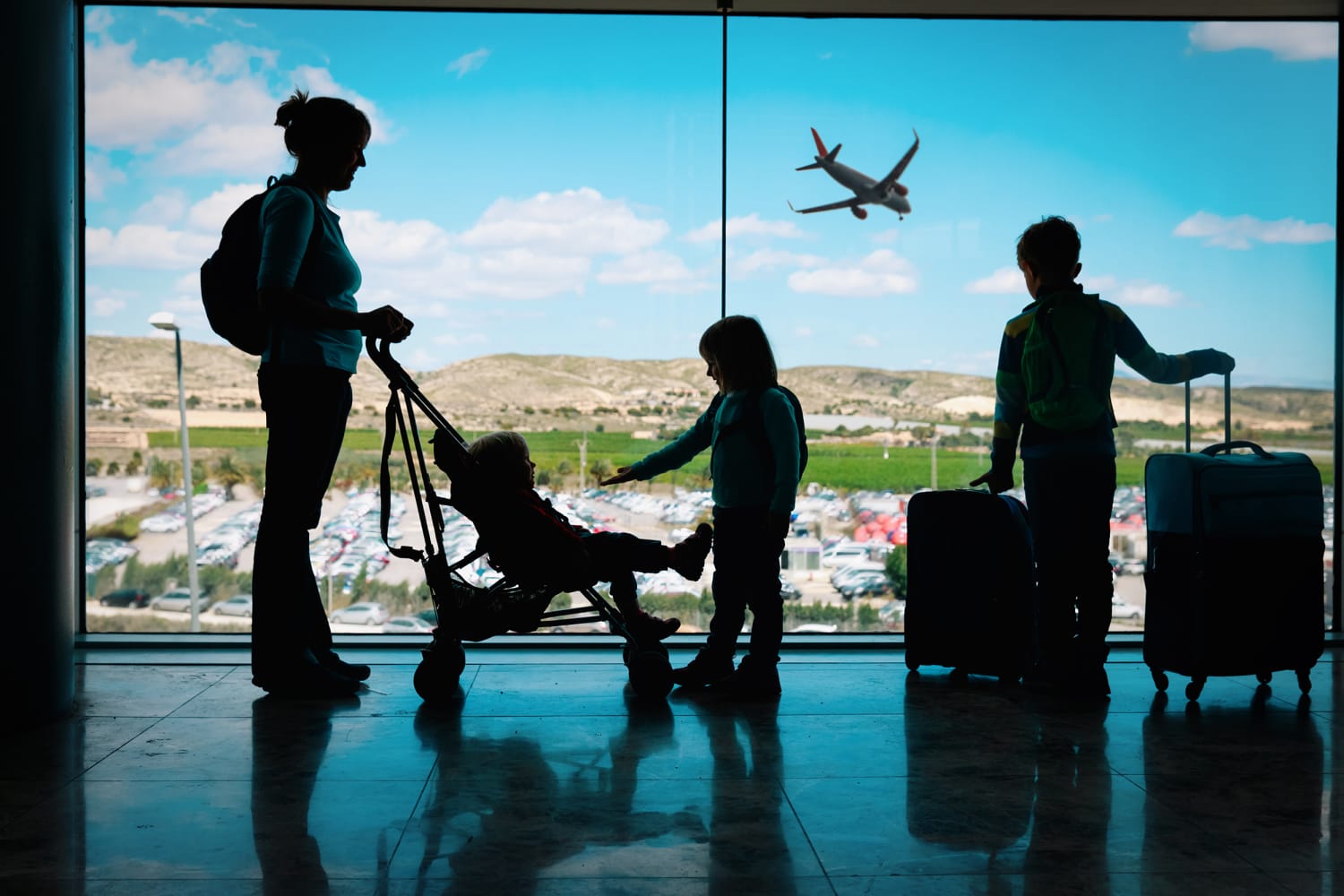
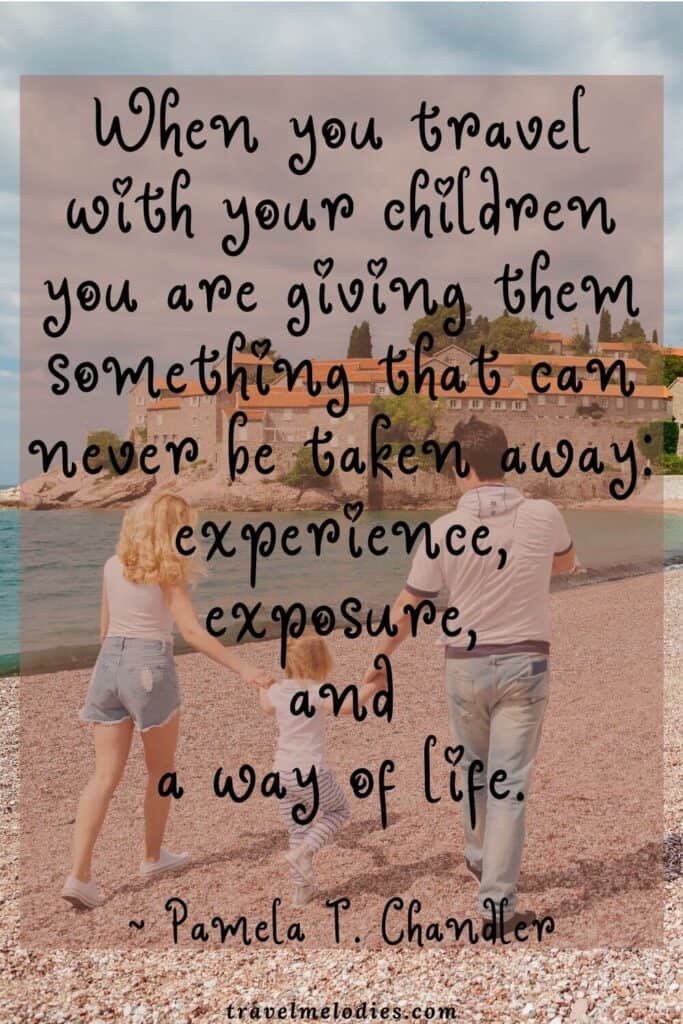
Travelling is an incredible process where one can learn so much without setting foot inside a classroom. Parenting is a lifelong journey that is filled with different challenges at each point. Combining these two enriching experiences might seem like a daunting task, but the truth is that travelling with children can be a transformative and growth-inducing adventure for both parents and their little ones.
According to experts, the most rapid brain development occurs in the first five years of a child’s life, and especially in the first three. Surrounding kids from birth to about three years old with people who are different from them normalises that experience. Travel and educating children about their roles as citizens of the world when they’re young ensures they will retain that message into their adult years because when somebody begins a habit or a tradition early in life, that becomes the foundation through which they view the world for the rest of their life.
Experts claim that travelling with children can significantly boost development. Travel can expand a kid’s world, making them more empathetic toward cultural differences and helping them adapt to changing situations. It can even shape their linguistic development as babies. Travel has the potential to create a new narrative that teaches children about the similarities with others and lays a strong foundation, especially in the early years. Travelling together fosters stronger bonds between parents and their children. Shared experiences in new and exciting places create lasting memories, promoting a sense of togetherness. Whether it’s exploring ancient ruins, playing on the beach, or sampling local delicacies, the shared joy of discovery reinforces the parent-child connection.
Exposure to different cultures, languages, and ways of life broadens children’s horizons and nurtures open-mindedness. Travelling allows them to see the world through a new lens, developing empathy and respect for diversity. As parents, embracing these experiences alongside children encourages them to set a positive example and cultivate open-mindedness. Travel inherently comes with unforeseen challenges, from delayed flights to language barriers. Facing and overcoming these obstacles teaches children valuable problem-solving and adaptability skills. Parents too, learn to be more patient, flexible, and resourceful, setting a great example for their little ones.
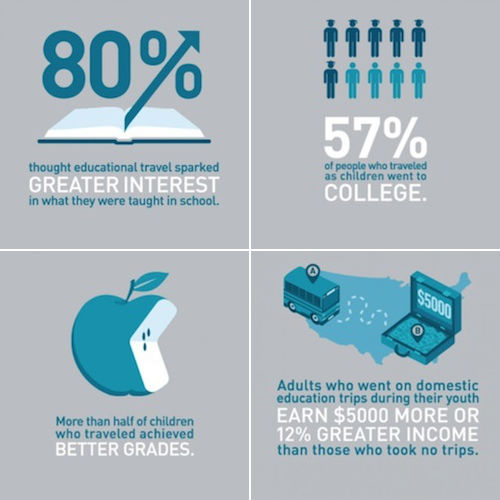
Family travel might not always go as planned, but it presents valuable opportunities to teach resilience to children. Coping with travel mishaps or unfamiliar situations fosters a can-do attitude, teaching them that setbacks are temporary hurdles to overcome. It’s a lesson that will serve them well throughout their lives. Today, with everyone so busy, finding quality family time where everyone can be together can be quite challenging. Travel offers a chance to escape routine and fully immerse in each other’s company. Away from the distractions of work and daily life, parents can genuinely engage with their children, creating cherished memories together. And who can deny that travel is an unparalleled educational experience for children that brings history, geography, and culture to life, and offers practical lessons that go beyond the confines of textbooks? Learning becomes exciting and hands-on, leaving a lasting impact on a child’s understanding of the world.
So how can one ensure that travel, especially with young children is a pleasure and not a pain?
Plan Age-Appropriate Itineraries – Consider the interests and energy levels of the children when planning activities and sightseeing. Mix in child-friendly attractions to keep them engaged and excited.
Pack Wisely – Travelling with children requires thoughtful packing. Bringing essential items such as snacks, entertainment, first-aid supplies, and comfort items ensures a smooth journey.
Involve Children in Planning – Let the little ones have a say in the trip’s planning process. It empowers them and gives them a sense of ownership over the adventure.
Be Flexible – While travelling with younger children, especially, it’s always a good idea to embrace the idea of spontaneity and allow for detours. Sometimes, the most memorable experiences come from unexpected twists in the journey.
Capture the Moments – In today’s age of social media and digital memories, one must make sure to take photos and videos to preserve the memories of the family travel. Encourage children to keep a travel journal or scrapbook as a creative outlet so they can revisit memories of the trip.
Stay Positive – Children pick up on their parents’ emotions and if they find their parents panicking or worried, they also start having meltdowns. By approaching challenges with optimism, children will follow the lead.
Travelling with children can be a rollercoaster ride, but the rewards are immeasurable. It is a journey of personal growth, stronger family bonds, and lifelong lessons. Parents have the power to shape their children’s perspectives through these shared adventures, and in return, they teach parents valuable lessons about patience, adaptability, and the joy of discovering the world anew. So, embark on that family travel adventure. Embrace the chaos and wonder. Let it change you for the better as a parent and create a treasure trove of memories for your children to cherish as they grow.
The Smartest Kids in the World: And How They Got That Way – Amanda Ripley
Through the compelling stories of three American teenagers living abroad and attending the world’s top-notch public high schools, an investigative reporter explains how these systems cultivate the “smartest” kids on the planet.
America has long compared its students to top-performing kids of other nations, but how do the world’s education superpowers look through the eyes of an American high school student? Author Amanda Ripley follows three teenagers who chose to spend one school year living and learning in Finland, South Korea, and Poland. Through their adventures, Ripley discovers startling truths about how attitudes, parenting, and rigorous teaching have revolutionized these countries’ education results.
In The Smartest Kids in the World, Ripley’s astonishing new insights reveal that top-performing countries have achieved greatness only in the past several decades; that the kids who live there are learning to think for themselves, partly through failing early and often; and that persistence, hard work, and resilience matter more to our children’s life chances than self-esteem or sports.
Ripley’s investigative work seamlessly weaves narrative and research, providing in-depth analysis and gripping details that will keep you turning the pages. Written in a clear and engaging style, The Smartest Kids in the World will enliven public as well as dinner table debates over what makes for brighter and better students.




 Memories and Such