The Zeigarnik Effect: Unraveling Tasks and Our Memory

In the labyrinth of the human mind, there exists a curious phenomenon—a tug at the strings of consciousness, urging us to return to unfinished tasks, unresolved puzzles, and incomplete stories. This phenomenon, known as the Zeigarnik Effect, offers a fascinating glimpse into the workings of memory, motivation, and cognitive persistence.

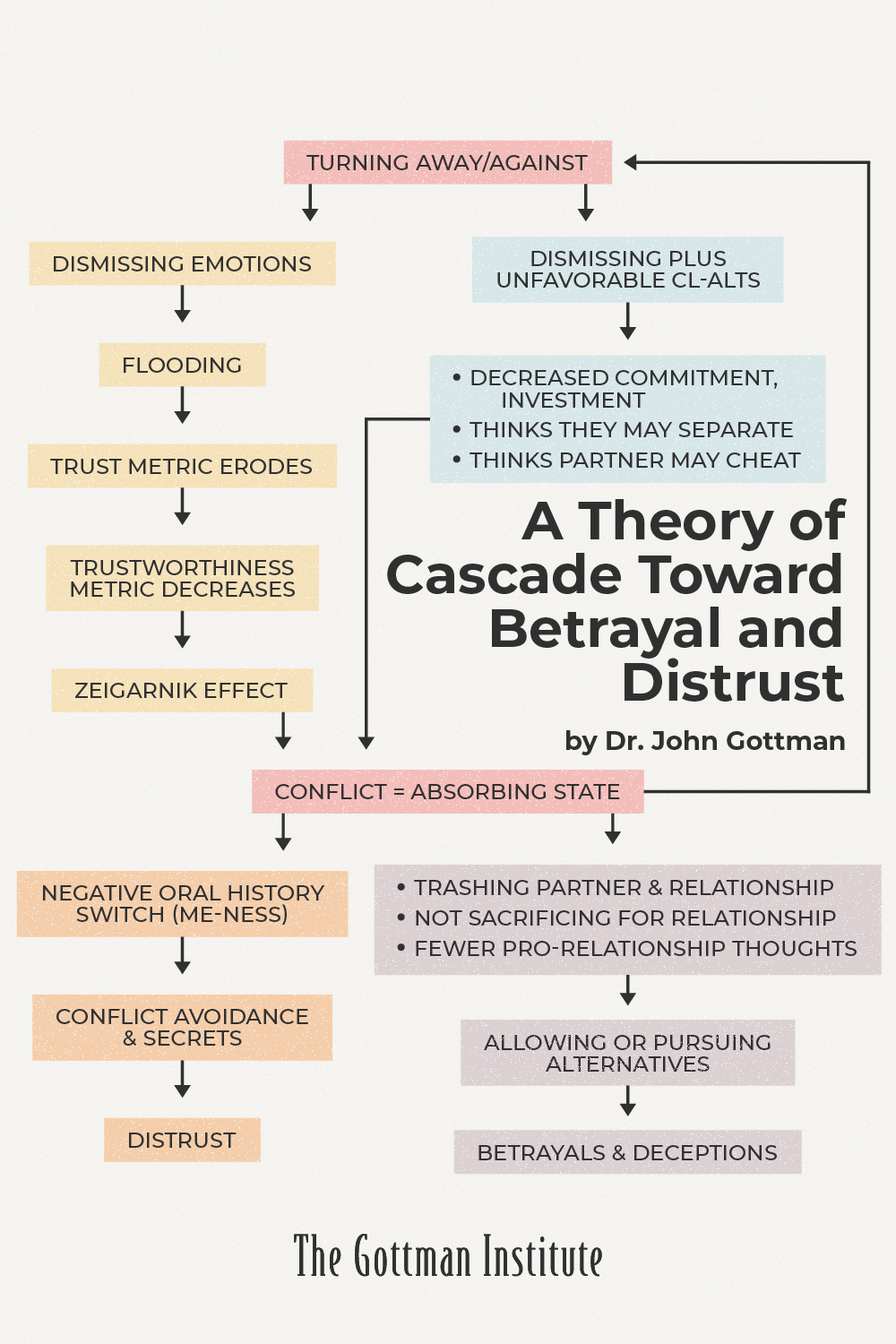
The Zeigarnik Effect, named after Lithuanian-Soviet psychologist Bluma Zeigarnik, sheds light on our peculiar tendency to remember uncompleted or interrupted tasks more vividly than their completed counterparts It suggests that incomplete tasks create a state of cognitive tension or “psychological itch,” prompting individuals to seek closure or resolution.

Imagine a bustling café where a diligent waiter takes orders from a myriad of patrons. Each order is meticulously noted down, and the waiter’s mental notepad becomes a canvas for unfinished business. But here’s the twist: once the bill is settled, the waiter’s memory seems to hit a roadblock. The details of the paid orders fade into oblivion, leaving only a faint trace. What sorcery is at play here? Professor Kurt Lewin, a Gestalt psychologist, observed this peculiar memory quirk in the aforementioned waiter. Bluma Zeigarnik, intrigued by Lewin’s observation, embarked on a scientific quest to unravel the underlying processes. In 1927, her research report emerged in the journal Psychologische Forschung, illuminating the phenomenon that now bears her name.

At the heart of the Zeigarnik Effect lies the principle of cognitive dissonance—the discomfort or tension that arises from holding contradictory beliefs or engaging in inconsistent behaviours. Unfinished tasks create a state of cognitive dissonance, driving individuals to seek resolution and restore psychological equilibrium.

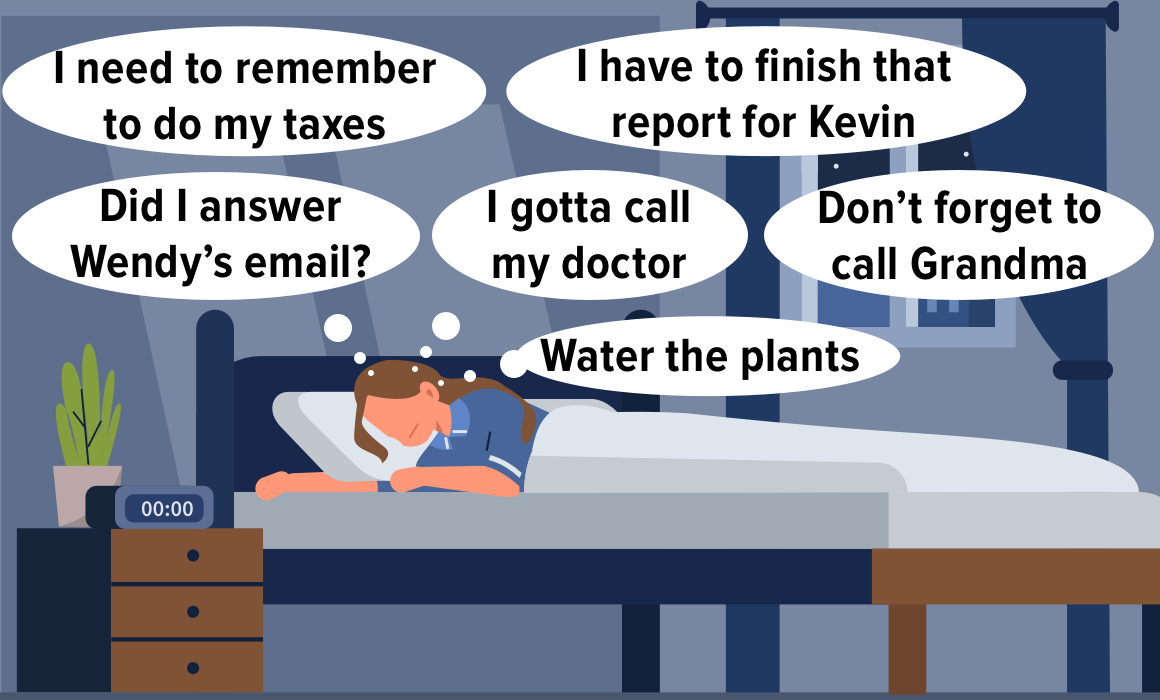
Here’s how it works: when we interrupt a task, the tension remains suspended like a musical note waiting for resolution. Our brains, ever the composers of memory, keep this content readily accessible. The unfinished symphony plays on, and we find ourselves recalling these half-done tasks with surprising clarity. It’s as if our minds whisper, “Remember this; it’s not over yet.”

Unfinished tasks capture our attention and occupy our thoughts, leading us to devote mental resources to planning, problem-solving, and goal pursuit. This selective attention enhances memory encoding and retrieval, making incomplete tasks more salient and memorable than completed ones.

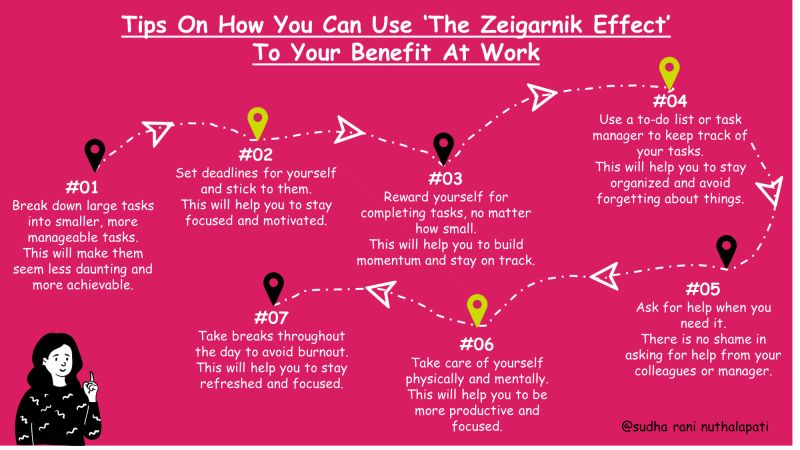
The Zeigarnik Effect has significant implications for productivity and motivation, as it suggests that maintaining a “to-do” list or task backlog can enhance focus, engagement, and persistence in goal pursuit. Unfinished tasks serve as potent motivators, driving us to take action and achieve closure.

On the flip side, the Zeigarnik Effect can also contribute to procrastination and task avoidance, as individuals may become overwhelmed by the sheer volume of unfinished tasks and struggle to prioritize or complete them. Understanding the dynamics of the Zeigarnik Effect can help individuals develop strategies to overcome procrastination and enhance task management skills.

In the realm of academia, the Zeigarnik Effect can be effectively deployed. Students who intersperse their study sessions with unrelated activities—whether it’s studying another subject or indulging in a game—receive information better. The cognitive tension created during the study session lingers, making the material more accessible. So, to any student reading this post, take a break, it’s not procrastination—it’s cognitive enhancement.

The Zeigarnik Effect extends its tendrils beyond cafés and classrooms. In the world of sports, it even influenced a rule change. Enter the Harden Rule, named after basketball superstar James Harden. Picture a player repeatedly “chucking it up” whenever an opponent approaches—a strategic interruption. The resulting cognitive bias against this move led to a rule penalising such behaviour.

So how can the Zeigarnik Effect be applied in the real world?

The Zeigarnik Effect has been leveraged in marketing and advertising campaigns to capture consumers’ attention and drive engagement. By creating a sense of anticipation or suspense, marketers can pique interest and encourage consumers to learn more or take action. Advertisers often use cliffhangers or incomplete narratives to capture attention. Think of TV shows that end an episode with a suspenseful scene—our brains itch to know what happens next. Brands can employ the Zeigarnik Effect in marketing campaigns by leaving audiences curious and engaged.

Educators can harness the Zeigarnik Effect to enhance learning and retention in the classroom. By breaking lessons into manageable segments and leaving tasks or questions unanswered, teachers can stimulate curiosity and encourage active participation among students. Students can leverage the Zeigarnik Effect by intentionally interrupting their study sessions. Taking short breaks or switching to a different subject creates cognitive tension, making the material more memorable.

To boost productivity, one can create a to-do list with incomplete tasks. The tension associated with unfinished items motivates one to revisit and complete them. Project managers can strategically leave certain tasks partially undone, ensuring team members remain focused on project completion.

UX designers can apply this principle to create engaging interfaces. For example, progress bars that show incomplete tasks encourage users to continue until the task is finished. Video games often use quests or achievements to trigger the Zeigarnik Effect, motivating players to explore and complete challenges.

When handling customer inquiries, leaving a conversation unresolved: like telling them they will get back, keeps customers engaged and more likely to follow up. Chatbots and automated systems can use this effect to encourage users to return for further assistance.

In negotiations, intentionally leaving certain points unresolved can create cognitive tension. The other party remains curious and open to further discussion. Persuasive communication can benefit from the Zeigarnik Effect. Presenting incomplete information can pique interest and encourage deeper exploration.

When one is stuck on a creative project or problem, take a break. The unresolved tension may lead to sudden insights or solutions. Brainstorming sessions can benefit from intentionally leaving ideas partially developed, sparking curiosity and collaboration.

As with any psychological phenomenon, controversy brews. Some studies failed to replicate Zeigarnik’s initial findings, questioning the reliability of the effect. Yet, like an unfinished melody, it persists in our collective memory.

Ultimately, the Zeigarnik Effect highlights the human desire for closure and resolution in our lives. Whether it’s completing a project, resolving a conflict, or achieving a long-held goal, closure brings a sense of satisfaction, fulfilment, and peace of mind.

While closure is important, it’s also essential to embrace the journey and appreciate the process of growth, discovery, and self-improvement along the way. By recognizing the inherent value of both completion and continuation, we can navigate the complexities of life with grace and resilience.

In the grand tapestry of human experience, the Zeigarnik Effect serves as a reminder of the intricate interplay between memory, motivation, and meaning-making. It invites us to embrace the unfinished stories, unresolved questions, and uncharted territories of our lives with curiosity, courage, and creativity. Whether one is designing an app, writing a novel, or negotiating a deal, it’s worth considering harnessing this cognitive quirk to engage minds and leave symphonies unfinished—until the final note.

The Busy Illusion: Appearances vs. Productivity

A few months ago, I chanced upon an article about a survey that mentioned that Singaporeans were ranked third globally for appearing busy but not necessarily productive. Now, what does this ranking mean, and how should we interpret it?

In a world that glorifies busyness, it’s no surprise that we Singaporeans find ourselves near the top of the list when it comes to appearing busy. Our lives are filled with work commitments, family responsibilities, social engagements, and more. It’s not uncommon for conversations to revolve around how busy we are, almost like a badge of honour.

But here’s the catch: appearing busy doesn’t always translate into being productive. The survey highlighted that while Singaporeans might look swamped with tasks, the actual output may not match their perception. This raises an essential question: Are we optimising our time and efforts effectively?

Singapore’s culture of busyness can be traced back to several factors. Our fast-paced lifestyle, coupled with high expectations at work and in our personal lives, often leads to a constant need to appear busy. The fear of falling behind or not measuring up to societal standards can push us to overcommit, making us look busy without necessarily achieving more.

We are known for our work ethic and commitment to excellence. However, this drive can sometimes result in individuals juggling too many tasks simultaneously. The pressure to perform at our best can inadvertently lead to a frantic appearance of busyness, but not necessarily an increase in productivity.

So, how can we strike a balance between appearing busy and being productive? It’s essential to recognise that looking busy doesn’t equate to success or fulfilment. Instead, let’s focus on achieving a healthy work-life balance, setting realistic goals, and using our time efficiently.

Here are a few practical tips to help us shift our focus from appearances to productivity:

  • Prioritise tasks: Identify your most important tasks and focus on completing them first.
  • Time management: Use techniques like the Pomodoro method to work in focused bursts, followed by short breaks.
  • Delegate when possible: Don’t be afraid to delegate tasks to others to free up your time for more important responsibilities.
  • Learn to say no: Politely decline additional commitments when your plate is already full.
  • Self-care: Make time for self-care to recharge and maintain your physical and mental well-being.

While it’s interesting to see Singaporeans ranked third globally for appearing busy, this survey should serve as a wake-up call. Let’s not be content with the illusion of busyness; instead, let’s strive for genuine productivity and a balanced, fulfilling life. By prioritising our tasks, managing our time wisely, and practising self-care, we can redefine success on our terms.

Remember, it’s not about how busy we appear to be; it’s about the impact we create with our actions and the quality of life we lead. So, let’s break free from the busy illusion and embrace a more meaningful and productive journey ahead.

In My Hands Today…

Saving Time: Discovering a Life Beyond the Clock – Jenny Odell

In her first book, How to Do Nothing, Jenny Odell wrote about the importance of disconnecting from the “attention economy” to spend time in quiet contemplation. But what if you don’t have time to spend?

In order to answer this seemingly simple question, Odell took a deep dive into the fundamental structure of our society and found that the clock we live by was built for profit, not people. This is why our lives, even in leisure, have come to seem like a series of moments to be bought, sold, and processed ever more efficiently. Odell shows us how our painful relationship to time is inextricably connected not only to persisting social inequities but to the climate crisis, existential dread, and a lethal fatalism.

This dazzling, subversive, and deeply hopeful book offers us different ways to experience time—inspired by pre-industrial cultures, ecological cues, and geological timescales—that can bring within reach a more humane, responsive way of living. As planet-bound animals, we live inside shortening and lengthening days alongside gardens growing, birds migrating, and cliffs eroding; the stretchy quality of waiting and desire; the way the present may suddenly feel marbled with childhood memory; the slow but sure procession of a pregnancy; the time it takes to heal from injuries. Odell urges us to become stewards of these different rhythms of life in which time is not reducible to standardized units and instead forms the very medium of possibility.

Saving Time tugs at the seams of reality as we know it—the way we experience time itself—and rearranges it, imagining a world not centered on work, the office clock, or the profit motive. If we can “save” time by imagining a life, identity, and source of meaning outside these things, time might also save us.

World Productivity Day

Productivity is the key to success in both personal and professional life. Productivity refers to the efficiency with which tasks are completed within a given timeframe. Celebrated annually on 20 June, World Productivity Day acknowledges the importance of productivity and celebrates achievements, reflect on challenges and finds ways to improve efficiency and effectiveness in personal and professional spheres.

Productivity is not just about getting more things done in less time. It is also about making the most of our time, energy, and resources. Productivity can help us achieve our goals, fulfill our potential, and enjoy a better quality of life.

Productivity also benefits society as a whole. According to the OECD, productivity is the main driver of long-term economic growth and living standards. Productivity can also contribute to social and environmental sustainability by reducing waste, pollution, and inequality. Productivity increases the efficiency of tasks, which saves time and resources. It helps to complete tasks in a shorter time and with fewer errors. Productivity enhances the quality of work. When tasks are completed efficiently, the quality of the work improves. Productivity leads to job satisfaction. When tasks are completed efficiently, employees feel a sense of accomplishment, which enhances their motivation and job satisfaction. Productivity is essential for economic growth. When businesses and individuals are productive, they contribute to economic growth, which leads to a better quality of life for everyone.

Productivity is important in both personal and professional spheres for several reasons. It helps to manage time effectively, set and achieve goals, improve the quality of work, enhance job satisfaction, and promote economic growth. Productivity helps to manage time effectively. In their personal life, it allows individuals to accomplish more in less time, which helps them to have more time for leisure activities. In the professional sphere, it helps to complete tasks efficiently, which leads to improved productivity and profitability. Productivity helps individuals to set and achieve goals. In personal life, it allows individuals to accomplish personal goals, such as learning a new skill or pursuing a hobby. In the professional sphere, it helps businesses to achieve organizational goals, such as increasing sales or improving customer satisfaction. Productivity is essential for improving the quality of work. When tasks are completed efficiently, the quality of work improves. This applies to both personal and professional spheres. In personal life, it allows individuals to accomplish tasks with greater efficiency and accuracy. In the professional sphere, it leads to improved customer satisfaction and increased profitability. Productivity leads to job satisfaction. When tasks are completed efficiently, employees feel a sense of accomplishment, which enhances their motivation and job satisfaction. This applies to both personal and professional spheres. Productivity is essential for economic growth. When businesses and individuals are productive, they contribute to economic growth, which leads to a better quality of life for everyone. In the personal sphere, increased productivity can lead to higher income and a better standard of living. In the professional sphere, it leads to increased profitability and job creation.

World Productivity Day was first observed in 1984 by the World Confederation of Productivity Science. Since then, it has been celebrated every year on 20 June. The day aims to raise awareness about the importance of productivity in enhancing the quality of life and promoting economic growth. The theme of World Productivity Day 2023 is “Productivity for Sustainable Development.” The theme emphasises the importance of productivity in achieving sustainable development goals. It highlights the need to improve productivity to meet the challenges of the 21st century, including poverty, inequality, and environmental degradation.

There are several ways to increase productivity. I have written a blog post at the beginning of the year about some productivity hacks, so please check them out for some really interesting productivity hacks.

There are many ways to celebrate World Productivity Day. Review your progress and take time to look back at what you have accomplished in the past year. What are you proud of? What are you grateful for? What are you still working on? What are your next steps? Set your priorities and identify your most important goals and tasks for the coming year. What are your personal and professional aspirations? What are your values and passions? How can you align your actions with your purpose? Plan your strategy by creating a realistic and flexible plan to achieve your priorities. Break down your goals into smaller and more manageable steps. Schedule your tasks according to your energy levels, deadlines, and preferences. Use tools and apps that can help you organize, track, and automate your work. Learn new skills and seek opportunities to improve your knowledge and abilities. Read books, articles, blogs, or podcasts that can inspire you or teach you something new. Take online courses, webinars, or workshops that can enhance your skills or qualifications. Join communities or networks that can support your learning and growth. And most importantly, celebrate your wins. Reward yourself for your efforts and achievements. Recognize your strengths and successes. Appreciate your challenges and failures as learning opportunities. Share your stories and feedback with others who can celebrate with you or help you improve.

World Productivity Day is an essential day to celebrate productivity and its role in enhancing the quality of life and promoting economic growth. Productivity is crucial for personal and professional success as it helps to complete tasks efficiently, enhance the quality of work, and promote job satisfaction. World Productivity Day is a great opportunity to celebrate our productivity and find ways to improve it further. By following the tips above, one can boost efficiency and effectiveness in work and personal life and enjoy more satisfaction, happiness, and well-being.

Happy World Productivity Day 2023!

In My Hands Today…

Tiny Habits: The Small Changes That Change Everything – B.J. Fogg

The world’s leading expert on habit formation shows how you can have a happier, healthier life: by starting small.

When it comes to change, tiny is mighty. Start with two pushups a day, not a two-hour workout; or five deep breaths each morning rather than an hour of meditation. In Tiny Habits, B.J. Fogg brings his experience coaching more than 40,000 people to help you lose weight, de-stress, sleep better, or achieve any goal of your choice. You just need Fogg’s behavior formula: make it easy, make it fit your life, and make it rewarding. Whenever you get in your car, take one yoga breath. Smile. Whenever you get in bed, turn off your phone. Give yourself a high five.

Change can be easy—once it starts, it grows. Let B.J. Fogg show you exactly how.