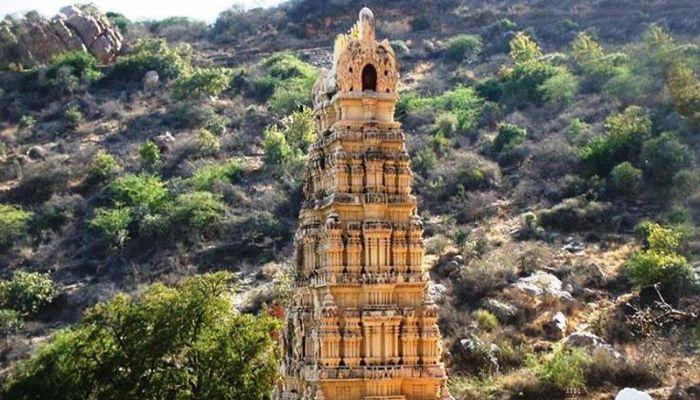
Shriparvat Temple, Ladakh
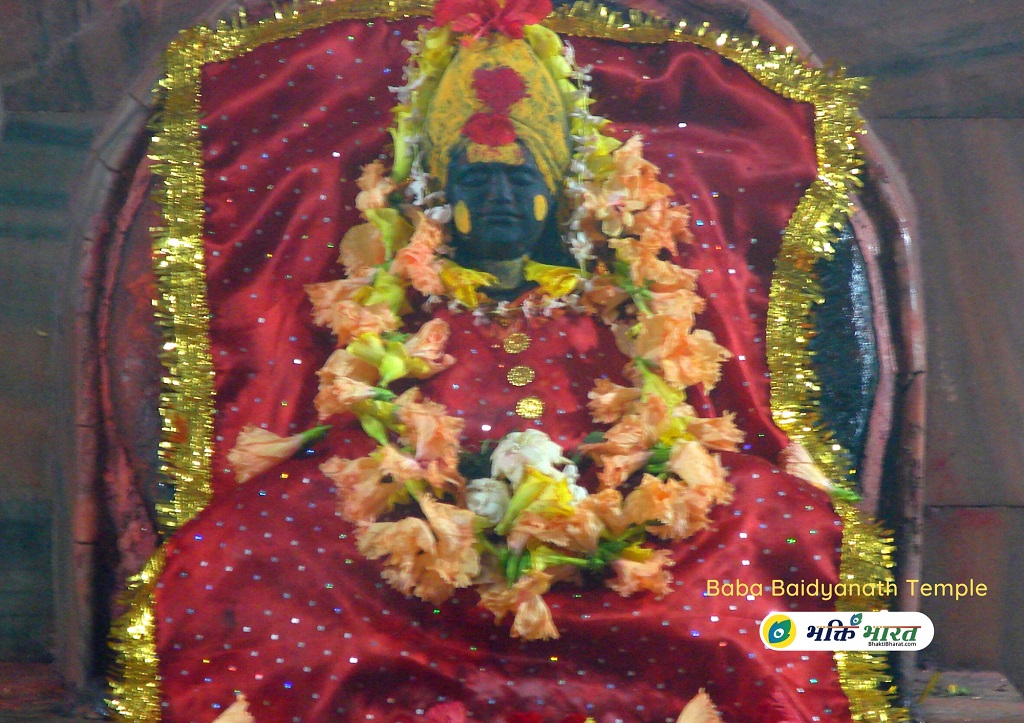
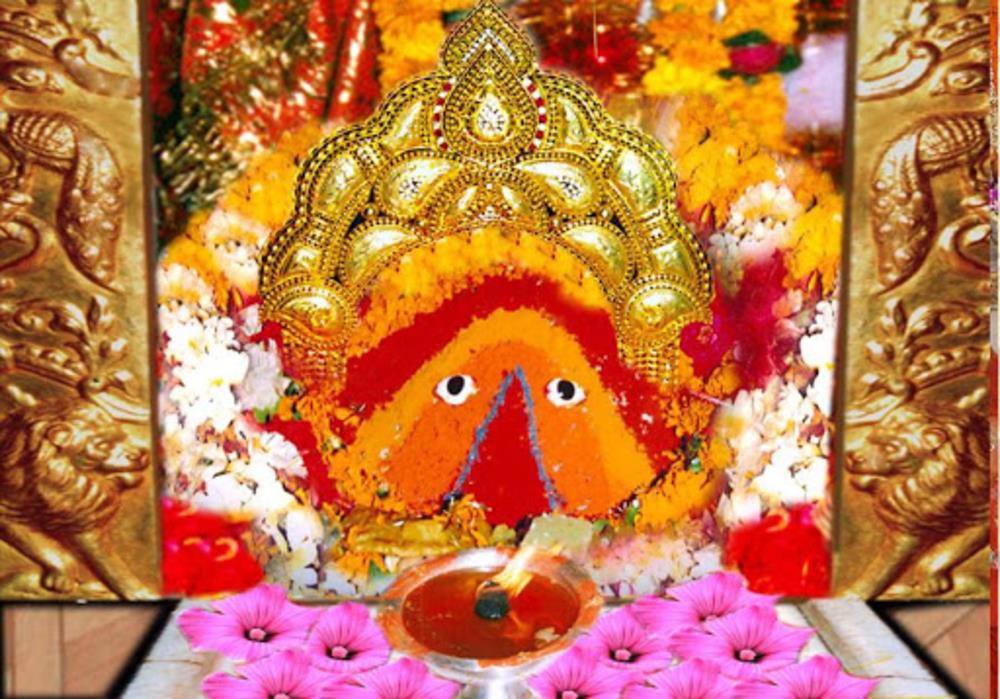
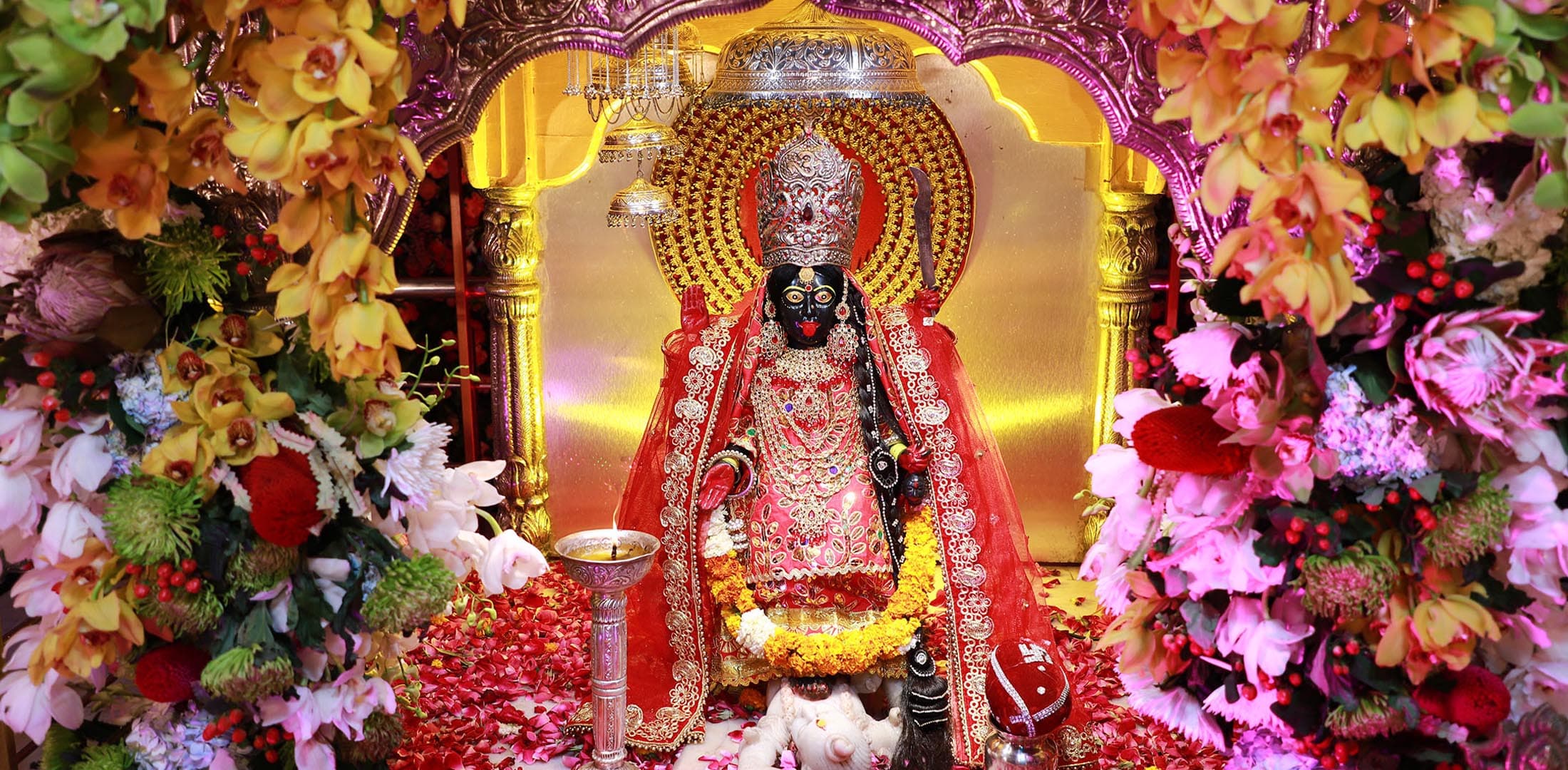
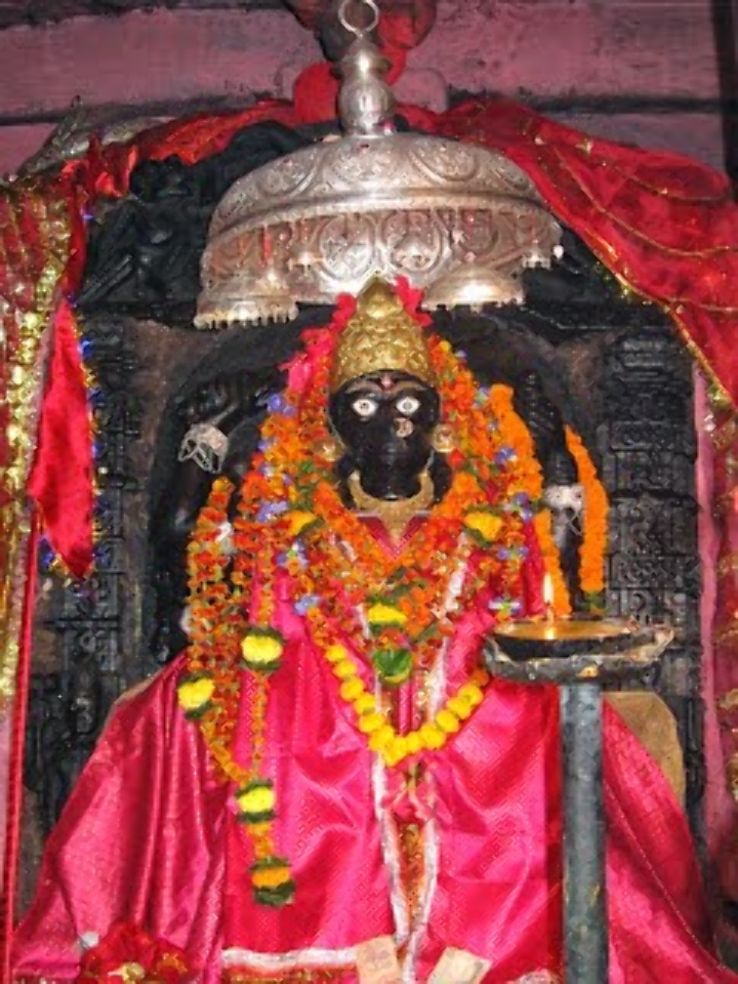
Situated in the breathtaking landscapes of Ladakh, the Shriparvat Shakti Peeth, also known as Shrisundari Shakti Peeth is dedicated to Goddess Mahamaya. While the exact date of the establishment of the temple remains uncertain, the temple is believed to be one of the most ancient Siddhpeeths in the region. Situated amidst the towering peaks of the Himalayas, the temple offers a unique spiritual experience, blending the raw power of nature with divine energy.
According to tradition, it is believed that the right anklet or right foot of Goddess Sati fell here. At the Shriparvat Shakti Peeth, the goddess is worshipped as Shri Sundari, which means the beautiful one. This name reflects the divine beauty and grace associated with the goddess at this particular site. The Bhairava, the fierce manifestation of Lord Shiva who accompanies the goddess at each Shakti Peetha, is known here as Sundarananda. The name Sundarananda, meaning the handsome one who brings joy, creates an interesting parallel with the goddess’s name, emphasising the divine couple’s beauty and bliss.
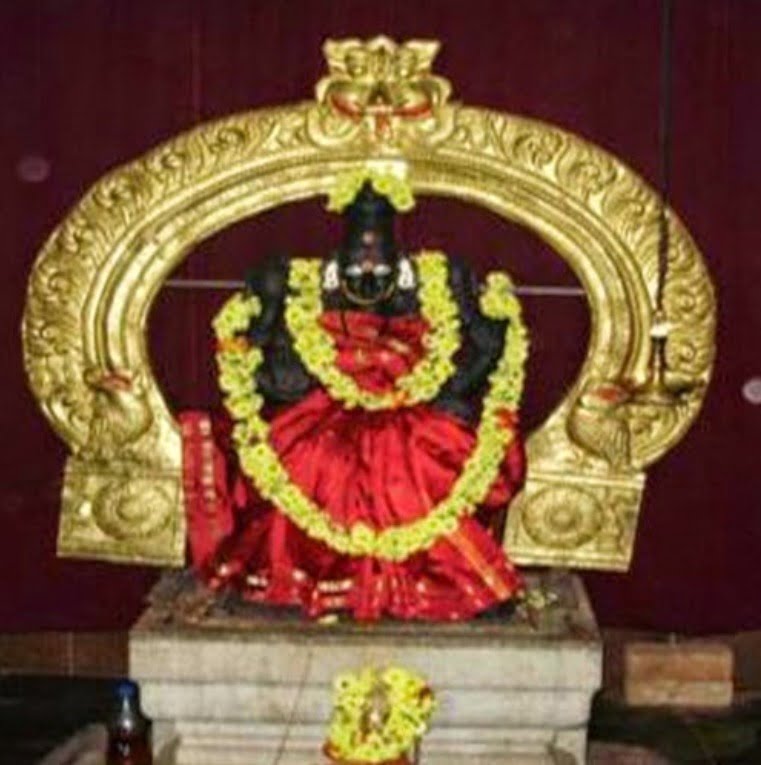
The temple’s setting in the Ladakh region, known for its stunning landscapes and challenging terrain, makes it a unique pilgrimage destination. It is considered one of the ancient Siddhpeeths, adding to its spiritual significance. The temple offers breathtaking views of the surrounding Himalayan landscape, creating a serene and awe-inspiring atmosphere for worship. Many devotees report feeling a powerful spiritual energy at the site, attributed to its status as a Shakti Peetha.
The temple is open from 6 am to 10 pm daily. Festivals celebrating the feminine energy like Navaratri and Durga Puja are celebrated at the temple as is Shivaratri. The best time to visit the temple is from June to October when the weather in Ladakh is most favourable for travel. The summer months offer clear skies and relatively warmer temperatures, making it easier to access the temple and enjoy the surrounding natural beauty.
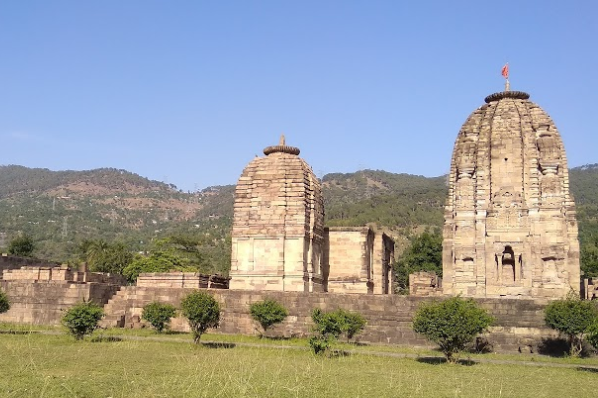
The temple is steeped in the rich mythology of the Shakti Peethas. One interesting aspect is the difference in beliefs about its exact location. While most sources place it in Ladakh, some believe it might be in Kurnool, Andhra Pradesh. This geographical ambiguity adds an element of mystery to the temple’s lore.
When one stands at the Shriparvat Temple, surrounded by the majestic Himalayan peaks, you can’t help but feel a connection to the spiritual heritage that has shaped this land for millennia. The journey to the temple itself is part of the pilgrimage experience. The challenging terrain of Ladakh, with its high-altitude passes and breathtaking vistas, serves as a physical metaphor for the spiritual journey of the devotees. Each step towards the temple is seen as a step closer to the divine, making the pilgrimage as much about the journey as the destination.
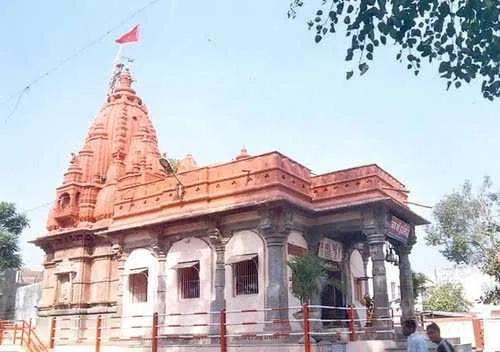
Avanti/Harsiddhi Temple, Ujjain, Madhya Pradesh
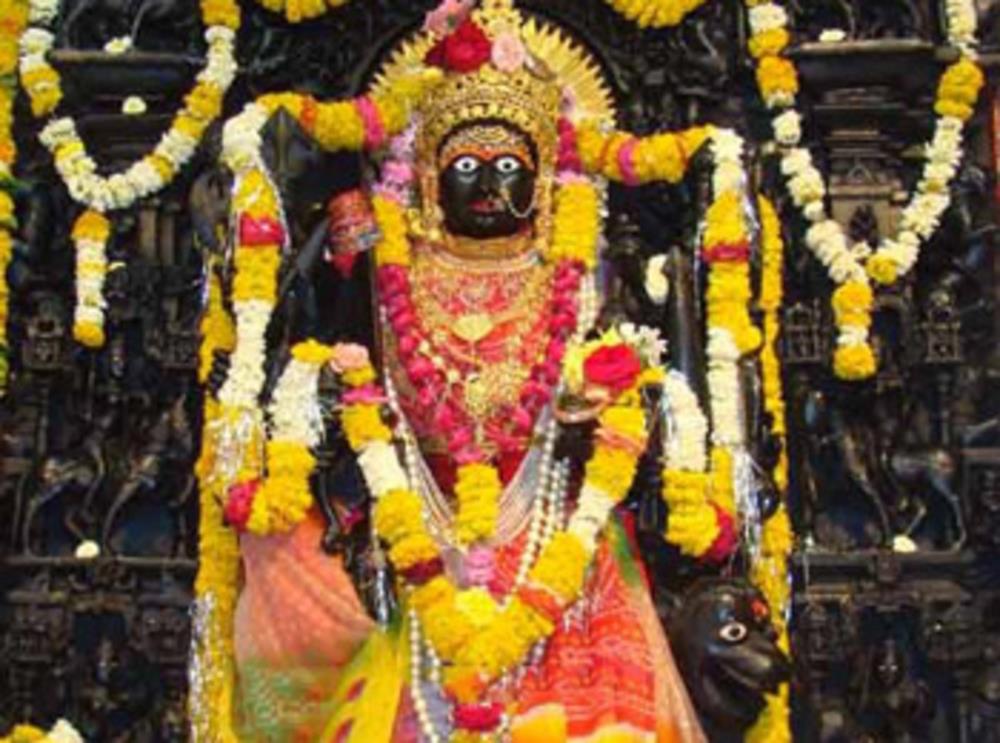
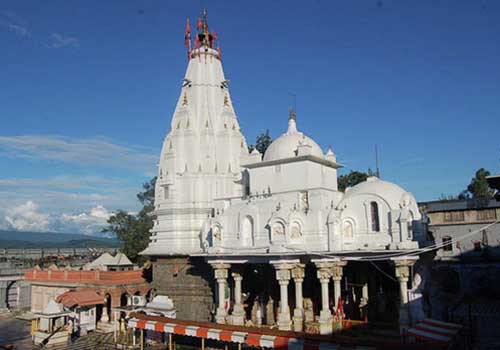
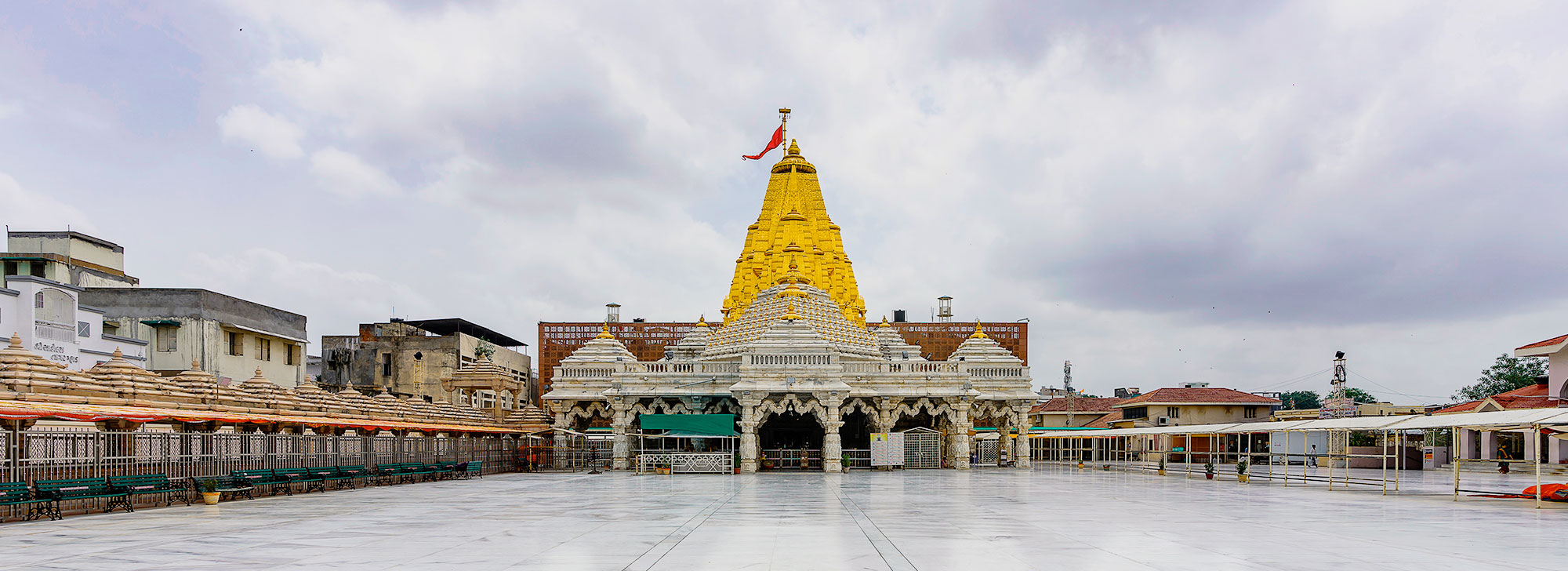
Located in the ancient city of Ujjain, the Avanti Shakti Peeth, also known as the Harsiddhi Temple is believed to be around 5000 years old. This ancient shrine’s spiritual significance predates recorded history with the exact date of its establishment uncertain. Some accounts attribute the temple’s original construction to King Bhadrasen, though its history has been shaped by various rulers and dynasties over the centuries. The temple’s location in Ujjain, once the capital of the ancient Avanti Kingdom, adds to its historical importance. Ujjain was one of the 16 Mahajanapadas of Ancient India and remained a significant cultural and trading centre until the early 19th century.
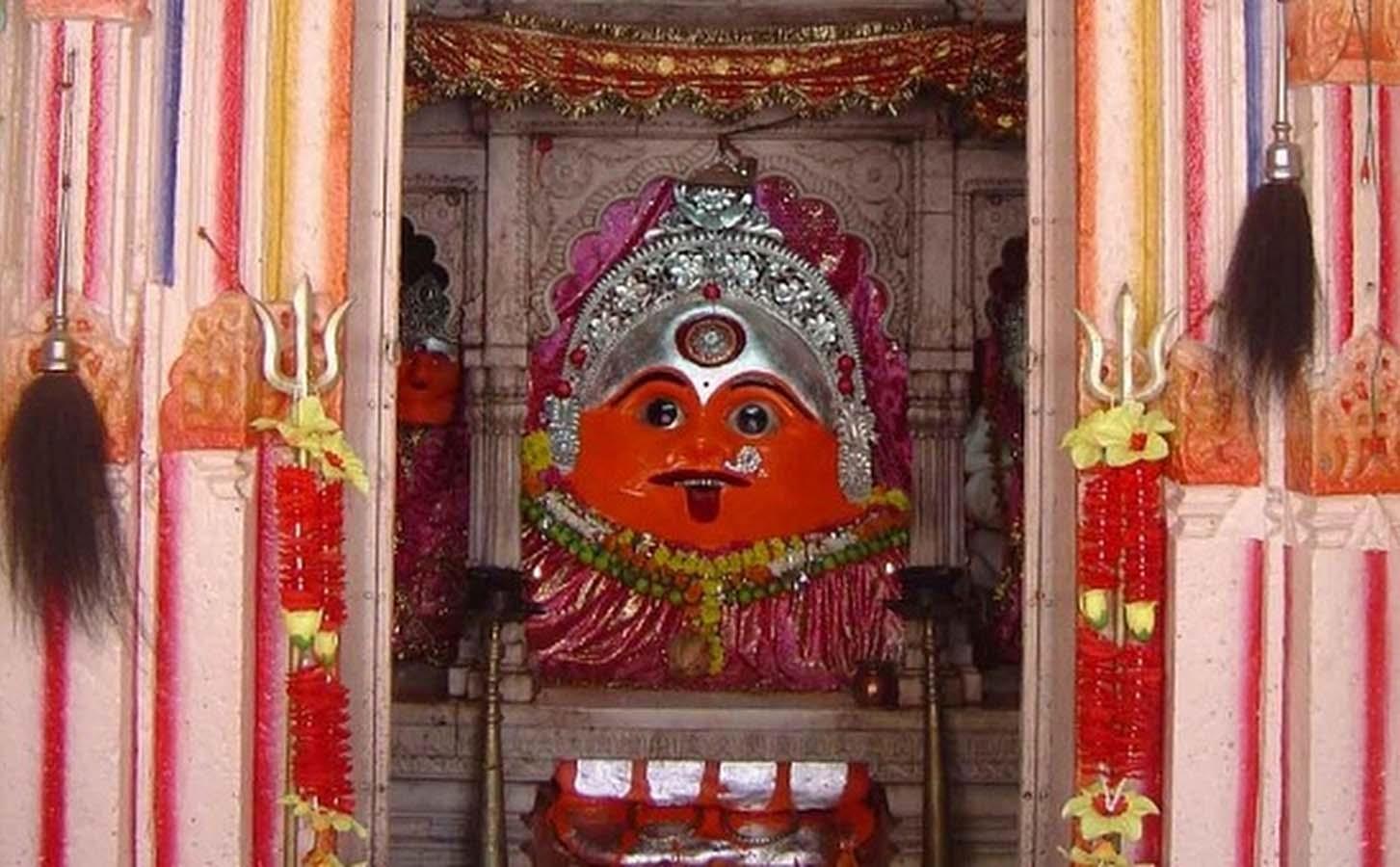
According to tradition, it is believed that the upper lip of Goddess Sati fell at this spot. Interestingly, there is some debate about the exact location of the Shakti Peetha in Ujjain. Some sources suggest that both the Harsiddhi Temple and the nearby Avantika Mata Temple on Bhairav Parvat are considered Shakti Peethas, with their idols facing each other. At the Avanti Shakti Peeth, the goddess is worshipped as Avanti or Mahakali. The Bhairava, the fierce manifestation of Lord Shiva who accompanies the goddess at each Shakti Peetha, is known here as Lambkarna.
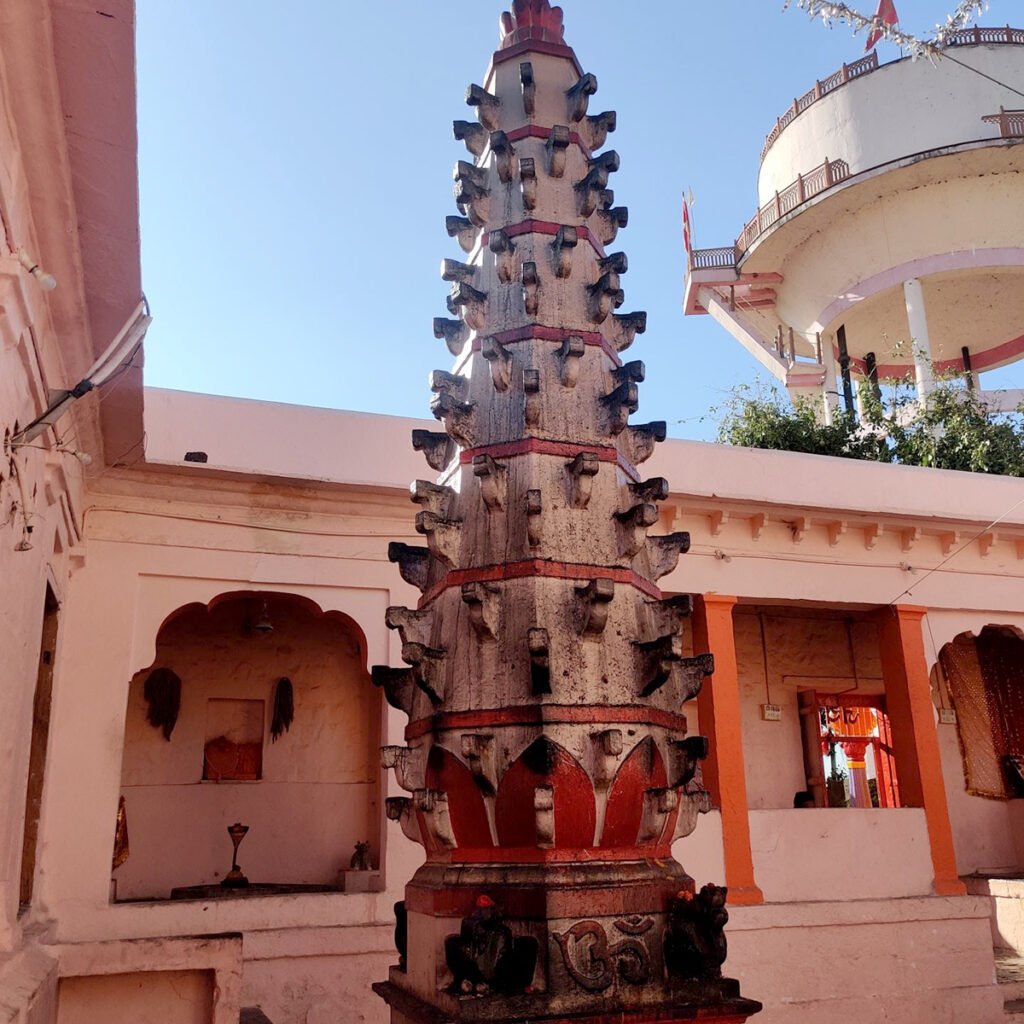
The temple structure evolved using unusual, vibrant stones. The walls and roof are constructed from high-quality stones, providing visitors with a picturesque vistas. The present structure of the temple shows Maratha influences, particularly in its lamp pillars. The temple houses a Sri Yantra, a powerful symbol in Tantric worship. A unique feature of the temple is the presence of two pillars adorned with lamps. These pillars, each holding 1111 lamps, are lit during festivals, creating a spectacular sight. The temple premises include an ancient well with an artistic pillar adorning its top. Besides the main goddess, the temple complex also houses idols of Goddess Annapurna, Mahalakshmi, and Mahasaraswati.
Navaratri is celebrated at the temple. The lamp pillars are lit during this time, creating a mesmerizing spectacle. As one of the holiest cities in India, Ujjain hosts the Kumbh Mela, during which the Avanti Shakti Peeth sees a surge in devotees. Given the temple’s connection to Lord Shiva, Shivaratri is an important celebration here.
According to local lore, there was once a demon named Andhakaleshwar who terrorised the earth. Adi Parashakti took the form of Kali to protect all the worlds. The demon had received a boon from Lord Brahma that wherever his blood was shed, demons like him would appear. During the battle, the goddess spread her tongue, absorbed all the blood released by the demon, and eventually killed him. After that, this place was named Avanti Peeth. King Vikramaditya, the legendary ruler of Ujjain, was a devoted worshipper of Goddess Harsiddhi. It is said that he dedicated his head to the goddess eleven times, and each time she brought him back to life.
Once when Shiva and Parvati were alone on Kailash, two demons Chand and Prachand tried to force their way in. Shiva called upon Chandi to destroy them, which she did. He then gave her the name Harsiddhi, meaning one who vanquishes all. In a small shrine just outside the main temple, dedicated to Mahamaya, there is a lamp that is said to have been burning continuously for ages. Only the pujari is allowed to enter this sanctum to offer prayers and maintain the lamp.
The Avanti Shakti Peeth, with its blend of myth, history, and living faith, continues to be a powerful force in India’s religious landscape. The temple’s significance extends beyond its religious importance. It is believed to be one of the seven locations on earth that lead to Moksha.

Maa Sharda Mandir, Maihar, Madhya Pradesh
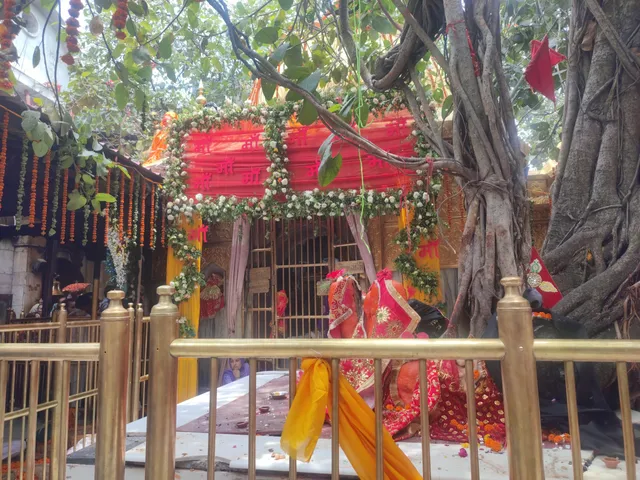
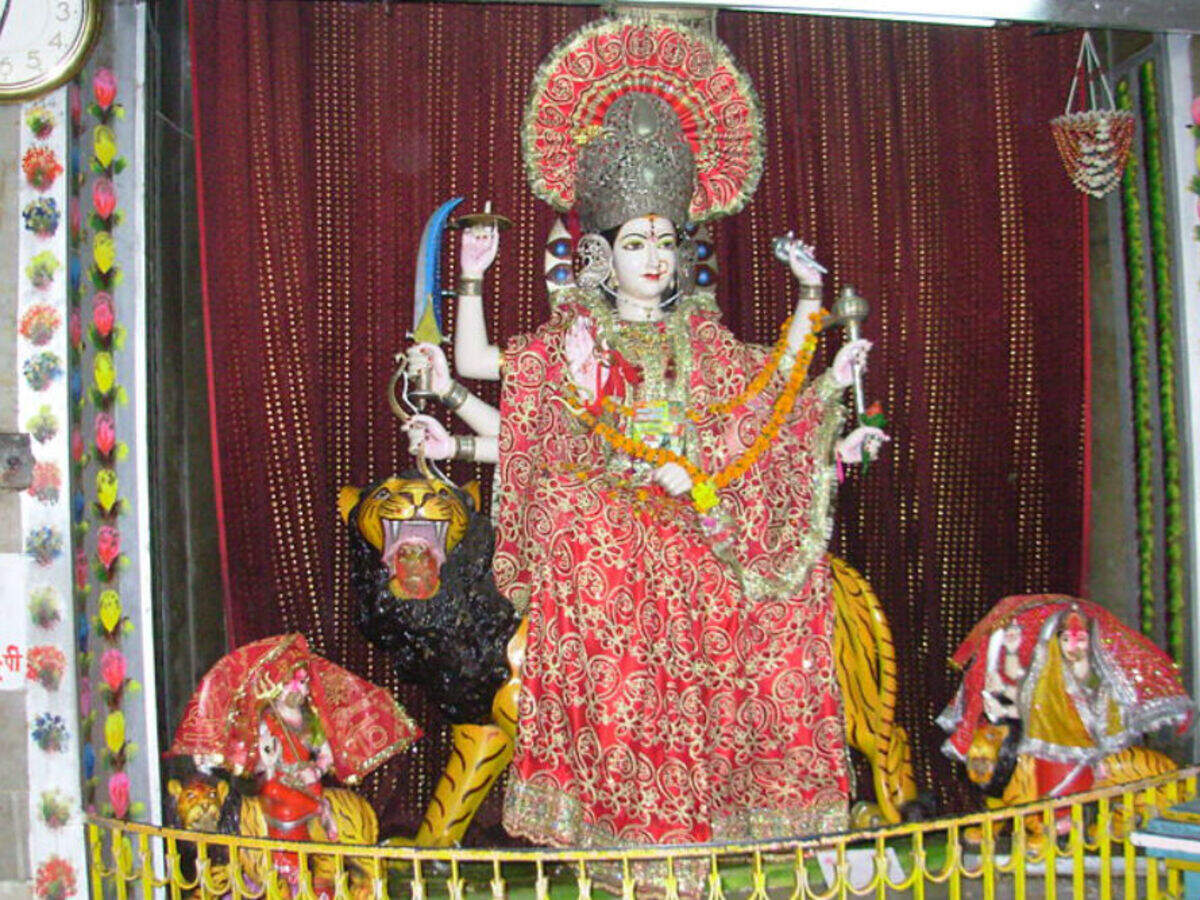
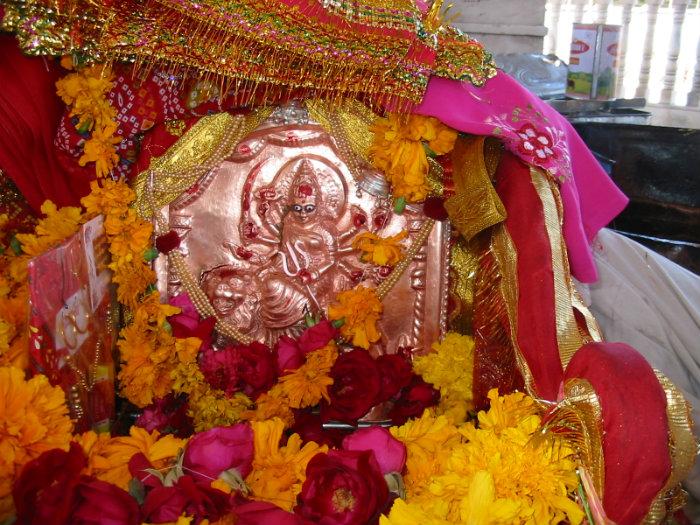
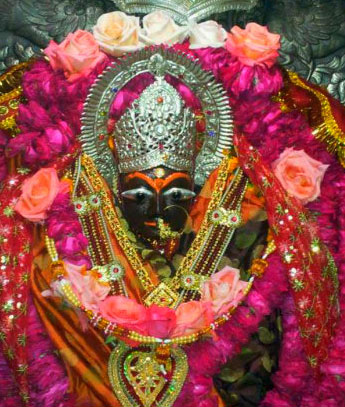
Nestled atop the majestic Trikuta Hill in Maihar, the Maa Sharda Mandir is an ancient shrine, dedicated to Goddess Sharda, a manifestation of Goddess Saraswati. According to Hindu mythology, the hill on which the temple is situated was once the abode of Lord Shiva and Goddess Parvati. The site’s sanctity was further established when Goddess Sharda appeared before the great sage Markandeya, granting him the boon of knowledge. While the exact date of the temple’s establishment remains uncertain, its present structure dates back to the 19th century. The ruling family of Maihar, the Bundelas, constructed the temple, blending Rajput and Mughal architectural styles to create a stunning edifice adorned with intricate carvings and designs.
The name Maihar itself is steeped in legend, derived from the words Mai or mother and Har or necklace. It is said that when Lord Shiva was carrying the body of Goddess Sati, her necklace fell at this place, giving rise to the name Maihar. The bhairava associated with this temple is known as Chandreshwar.
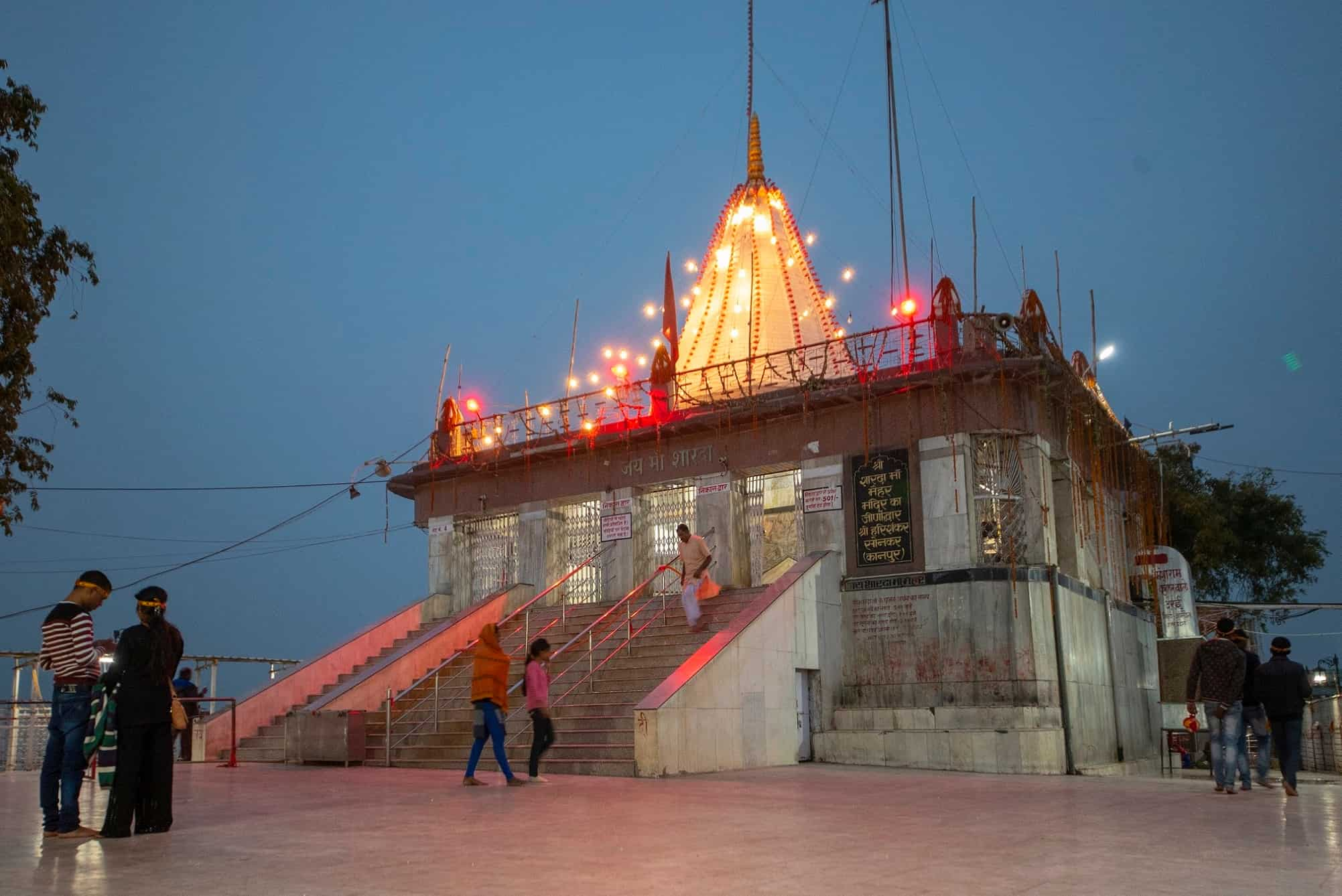
The temple is situated atop Trikuta Hill, requiring devotees to climb 1,057 steps to reach the shrine. This ascent is considered a symbolic journey towards attaining knowledge and wisdom. The temple’s architecture is a harmonious blend of Rajput and Mughal styles, featuring intricate carvings and designs that adorn its walls and ceilings. The hilltop location offers breathtaking views of the surrounding landscape, including the Holy Anandpur Sahib Gurudwara and the Gobind Sagar Lake. Besides the main goddess, the temple complex houses shrines dedicated to Kaal Bhairava, Lord Hanuman, Goddess Kali, Durga, Gauri Shankar, Shesh Nag, Phoolmati Mata, Brahma Dev, and Jalapa Devi. Behind the temple and downhill is Alha Pond, associated with the legendary warriors Alha and Udal.
Navratri is celebrated in a grand manner in the temple, The shrine is adorned with lights, and devotees from different parts of the country gather to seek the blessings of Maa Sharda. Since 1918-19, a statue immersion ceremony has been celebrated here, similar to practices in Maharashtra and West Bengal.
According to local lore, the warriors Alha and Udal who were brothers, who fought with Prithvi Raj Chauhan during the rule of King Parmardidev Chandel, were the first to discover the goddess in this remote forest. They called her Sharda Mai, and since then, she became known as Mata Sharda Mai. Alha performed penance for 12 years to please the Goddess. The Goddess blessed him with immortality. It is believed that even today, Alha visits the temple every day during Brahma Muhurta at 4 am and worships the Goddess.
A popular legend tells of demon king Ravana carrying a Shivalinga to Lanka. When he needed to answer nature’s call, he asked a passing shepherd to hold the linga. The shepherd put it down, and it became rooted to the spot. In his frustration, Ravana cut a part of the hill with his sword, which is believed to be the Trikuta Hill where the temple now stands. Another tale speaks of a Gujjar boy named Naina who observed a white cow showering milk on a particular stone while grazing his cattle. This phenomenon repeated for several days. One night, the boy had a dream where the Goddess claimed that the stone was her Pindi or symbolic representation. Upon hearing this story, Raja Bir Chand decided to construct the temple atop the hill.
The Maa Sharda Mandir, with its blend of myth, history, and living faith invites all who visit to partake in its timeless spiritual journey. The temple is believed to be a place of spiritual healing, with many devotees reporting miraculous recoveries from illnesses and diseases. The climb to the temple, while challenging, is seen as a purifying act that brings divine blessings.

Shondesh Temple, Amarkantak, Madhya Pradesh
The Shondesh Temple, located in the picturesque town of Amarkantak at the source of the Narmada River is dedicated to Goddess Narmada. The temple is believed to be around 6000 years old, making it one of India’s most ancient shrines. The present structure of the temple is believed to have been constructed in the 16th century. However, the site’s sanctity predates the current building by several millennia. The temple has undergone renovations and expansions over the centuries, with notable contributions from various rulers and dynasties.
According to tradition, it is believed that the right buttock or hip of Goddess Sati fell here. The temple is also known as the Narmada Devi Shondesh Shakti Peetha, highlighting its connection to both the river goddess and the Shakti Peetha tradition. At the Shondesh Temple, the goddess is worshipped as Narmada Devi or Sonakshi or Shonakshi. This form of the goddess is closely associated with the Narmada River, which originates near the temple. The Bhairava, the fierce manifestation of Lord Shiva who accompanies the goddess at each Shakti Peetha, is known here as Bhadrasen.

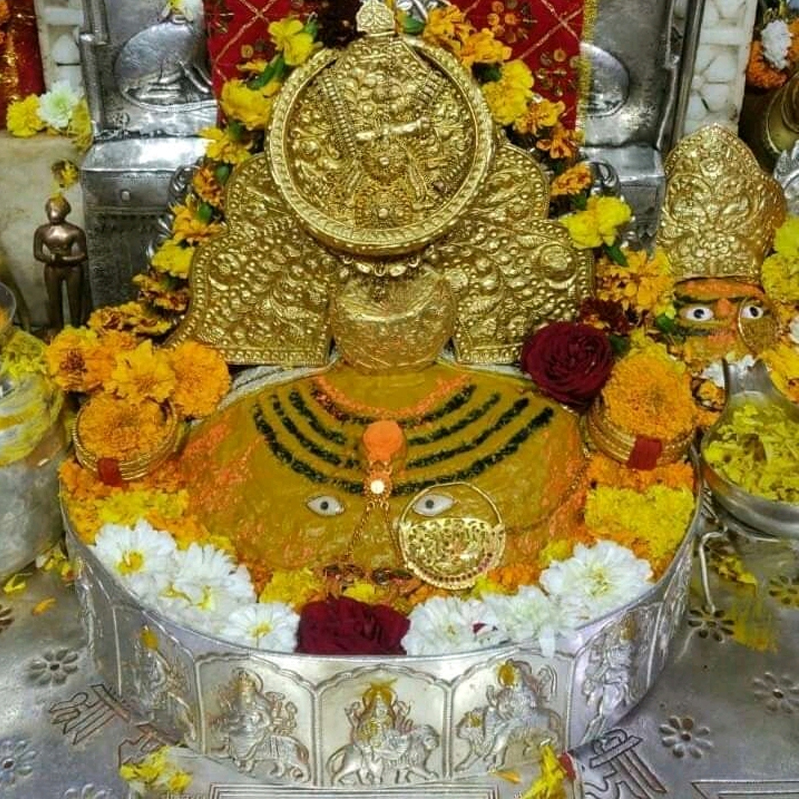
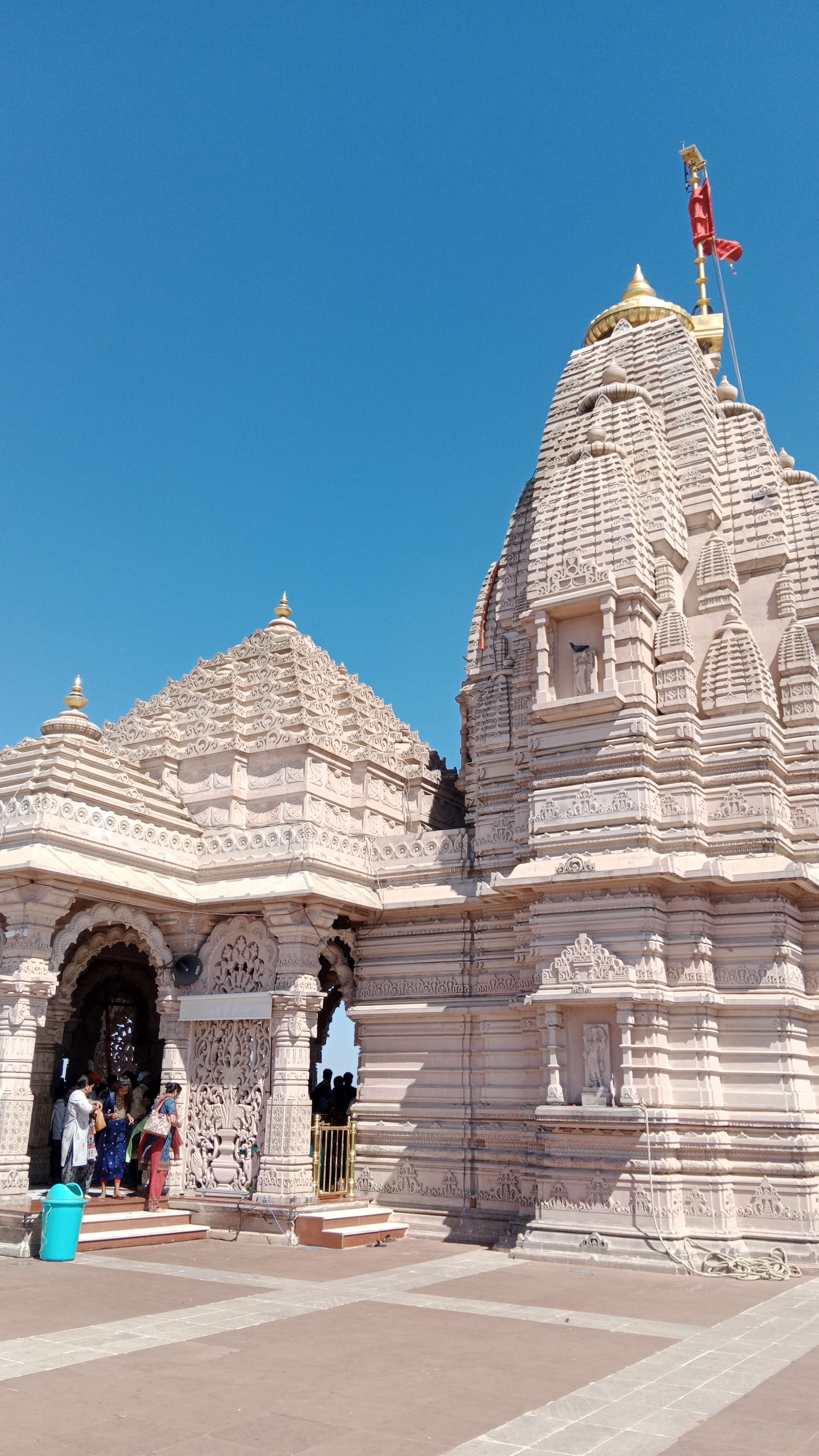
The temple is located at the origin point of the Narmada River, one of India’s most sacred waterways. The temple is constructed with white stone, showcasing the architectural styles of its time. The temple is situated at the confluence of the Vindhya and Satpura mountain ranges, with the Maikal Hills serving as a fulcrum. This unique geographical setting adds to the temple’s mystical aura. Besides the Narmada, the Son and Johila rivers also originate near the temple, making it a rare confluence of three river sources. The temple complex includes the Narmada Udgam Kund, believed to be the exact birthplace of the Narmada River. The idol of Goddess Narmada is adorned with a golden mukut or crown. The platform on which the goddess’s idol is placed is made of silver, further emphasising her importance.
The temple opens its doors to devotees from 6 am to 12 noon and again between 4 and 8 pm. Mahashivratri is the major festival celebrated at the temple with great pomp and glory. The nine-night Navaratri festival dedicated to the goddess is also celebrated with great fervour. The harvest festival of Makar Sankranti sees significant celebrations at the temple. Other festivals like Sharad Purnima, Deepavali, Somvati Amavasya and Ram Navami ate also celebrated with special rituals and ceremonies.

According to local lore, when Lord Shiva destroyed the three cities, Tripura, with fire, some of the ashes fell at Amarkantak. These ashes are believed to have transformed into countless Shiva Lingas, though only one remains visible today at Jwaleshwar. It is believed that any devotee who enters the Sona or Narmada Temple will have their soul cleansed due to the presence of these holy ashes. Amarkantak, where the temple is located, is considered an abode of gods. It is said that whoever dies in this sacred place is assured a place in heaven.
The name Amarkantak is derived from two Sanskrit words – Amar which means immortal and Kantak which means an obstruction Legend has it that this name signifies the place where gods resided but were upset by the obstruction of Rudraganas.
The Shondesh Temple, at the source of the holy Narmada River blends natural beauty, mythological significance, and living faith. Devotees often combine their visit to the temple with a pilgrimage to the river’s origin, believing that the waters here possess special purifying properties. The convergence of spiritual and natural elements creates a unique atmosphere of reverence and wonder.