

Thiruarimeya Vinnagaram Temple, Thirunangur, Tamil Nadu
Thiruarimeya Vinnagaram is one of the eleven Thirunangur Divya Desams, a tight cluster of Vishnu temples near Sirkazhi in Tamil Nadu. These temples share a powerful mythic origin and hold a special place in the Vaishnavite tradition. The presiding deity here is Kudamadumkoothan Perumal, and the goddess is Amirthakavalli Thayar. This temple is linked to the image of Vishnu dancing inside a pot, an act that symbolises joy, lightness and a divine presence that meets devotees wherever they are. The name “Kudamadumkoothan” literally refers to one who performs a dance while holding a pot. The temple carries a bright, playful energy, balanced by the steady spiritual weight of the Thirunangur region.
The entire Thirunangur belt is shaped by one central myth: Shiva’s grief after Sati’s death. The story says Shiva performed the fierce Rudra Tandava here, and each time his matted hair struck the earth, eleven forms of Shiva emerged. To calm this energy and restore balance, Vishnu appeared in eleven forms, each one establishing itself as a Divya Desam in this region. Thiruarimeya Vinnagaram is one of them.
The deity here, Kudamadumkoothan, has a unique identity in Vaishnavite lore. The legend says that Vishnu once performed a dance holding a pot or kudam to bring joy to a deeply troubled devotee. This gesture showed that divine compassion takes many forms, sometimes playful, sometimes gentle, but always attentive. Another strand of the story says Vishnu danced here to lighten the sorrow caused by Shiva’s grief. While the myth is symbolic, the message is clear: joy can soften the heaviest emotional weights. This gives the temple its emotional tone. People come here when they feel burdened or when they want to reconnect with a sense of lightness and hope.
There is also a belief that the Vedas worshipped Vishnu here, recognising him as the one who protects sacred knowledge. This adds another layer of meaning: clarity, understanding and spiritual insight emerge where Vishnu is present. Thirumangai Alvar’s verse about this temple emphasises the deity’s charm and accessibility. The Alvar describes a god who delights in meeting devotees at their level, not standing distant or imposing.
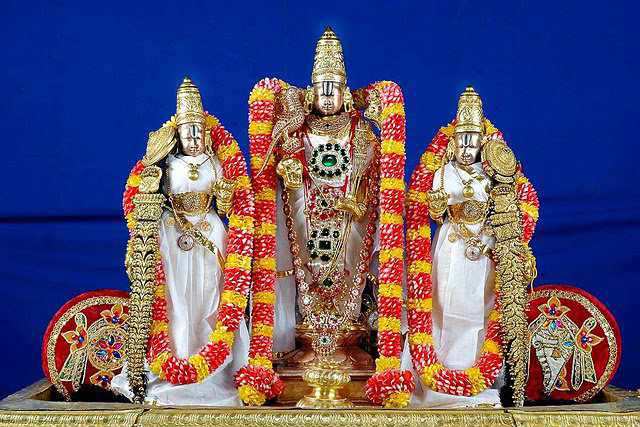
Thiruarimeya Vinnagaram shares its history with the other Thirunangur temples: ancient, community-supported and shaped deeply by Chola influence. While the temple is small, the region itself used to be an important spiritual corridor. The Cholas maintained many shrines across the Kaveri delta, and this temple shows signs of that era in its stone base, compact sanctum and structural layout. Inscriptions across the Thirunangur temples mention land grants, oil donations for lamps and support for festivals. Even if Thiruarimeya Vinnagaram has fewer surviving inscriptions, scholars believe it functioned with the same pattern of community-based patronage. The Nayak period brought renovations to several of the Thirunangur shrines, including mandapam reinforcements and outer-wall repairs. The simple decorative pillars and functional spaces inside the temple reflect that era. The Divya Desam identity is entirely shaped by Thirumangai Alvar, who sang about all eleven Thirunangur temples. His verses placed them within the Divya Prabandham and turned the region into a major Vaishnavite pilgrimage centre. Though small and modest, the temple endured due to local devotion. Thirunangur villages have passed down these stories for generations, keeping the temples alive through collective memory.
Thiruarimeya Vinnagaram is a compact temple that reflects the typical Thirunangur style: simple, close and intimate. The entrance gopuram is small, and the courtyard is minimal, but the space feels alive with daily worship. The main features include a small mandapam with granite pillars, basic carvings of lotus and yali motifs, stone flooring that stays cool, and a compact prakaram around the sanctum. Inside the sanctum, Kudamadumkoothan Perumal stands facing east. The idol captures a sense of poised movement, reflecting the legend of the dancing Vishnu. His form is calm but carries a hint of playfulness, suggesting ease, grace and readiness to respond. Amirthakavalli Thayar has her own shrine. Her calm presence brings balance to the temple, grounding the joyful tone with quiet reassurance. Because the Thirunangur temples are part of a shared mythic framework, their architecture is intentionally modest. These shrines are not meant to overwhelm the visitor. They are meant to be accessible, places where divine presence feels close rather than lofty. A small temple tank lies nearby, used mainly during festival rituals. The water reflects the gopuram during early morning and evening hours, adding a gentle aesthetic touch. Overall, the temple design is grounded and sincere. Nothing distracts from the experience of the deity.
Rituals at Thiruarimeya Vinnagaram follow the standard Vaishnavite pattern. There is a steady rhythm with the early morning supprabhatam, the Thirumanjanam, alankaram with flowers, daily neivedyam, and the evening lamp worship. The worship style is unhurried and simple. Devotees often feel they can take their time. The major festivals include Thirunangur Garuda Sevai, the most important event of the year, Vaikunta Ekadasi, drawing crowds from across the region, Brahmotsavam, celebrated with street processions, Purattasi Saturdays, a traditional time for Vishnu worship, and Sri Krishna Jayanthi, celebrating Krishna’s birth. During the Garuda Sevai, all eleven deities of Thirunangur are brought out on Garuda vahanams. Kudamadumkoothan joins this gathering, and thousands of devotees walk between the temples chanting Alvar hymns. This festival is one of the most emotionally charged moments in Vaishnavism, symbolising unity, balance and divine intervention. Daily worship carries a quieter mood. Devotees come seeking relief from emotional heaviness, confusion or weariness. The temple’s joyful mythology makes it a natural place for people who want to lighten their burdens. Offerings here include butter, tulsi and small lamps. Simple gestures that carry sincere meaning.

Pilgrims usually travel to Thirunangur from Sirkazhi. The roads wind through small villages and paddy fields, and the temples appear one after another within short distances. It feels more like visiting a spiritual neighbourhood than separate shrines. Thiruarimeya Vinnagaram is easy to locate. Residents point the way without hesitation. The whole area moves at a quiet pace. Inside the temple, the atmosphere is steady. The sanctum is close to the entrance, giving an immediate sense of connection. The stone floors remain cool even on hot days. The soundscape is soft: bells, light chanting and the murmur of families offering prayers. Many pilgrims say this temple feels emotionally “lighter” than some of the others. The deity’s dancing myth creates a subtle joyfulness. It is not loud or dramatic. Just a gentle sense that things will be okay. During Garuda Sevai, however, the whole region becomes vibrant. Devotees from many towns gather, and the shared spiritual energy can be felt in the air. Even then, the temple maintains its identity, a place of divine lightness. No major commercial stalls surround the temple. Small shops sell flowers and tea. People come for worship, not spectacle.
The Thirunangur temples hold a deep place in Tamil Vaishnavite culture, and Thiruarimeya Vinnagaram is central to that collective identity. Thirumangai Alvar’s hymn about the temple is recited during festivals, family gatherings and in Vaishnavite households. His verse emphasises accessibility—Vishnu appearing in a form that ordinary people can approach without fear. The deity’s dancing posture has influenced local art and storytelling. Traditional murals, small prints and festival pamphlets show Kudamadumkoothan holding a pot, smiling or mid-dance. This image has become symbolic of divine kindness that meets people where they are. The temple’s association with bringing joy to troubled devotees has shaped local emotional culture. Elders often encourage younger people to visit this temple during stressful times, saying, “He will lighten your heart.” The temple also contributes to the collective cultural identity formed during the Thirunangur Garuda Sevai. Entire villages participate. Songs from the Divya Prabandham fill the air. Children learn stories here that carry into adulthood. Thiruarimeya Vinnagaram is not just a shrine; it is part of a living framework of shared meaning.
Today the temple continues to function smoothly. Daily pujas run uninterrupted, and the temple stays active even on weekdays. The administration manages upkeep, while villagers take responsibility during festival times. Repair work happens gradually: repainting walls, reinforcing the mandapam, and maintaining the tank. The aim is to preserve the temple’s original feel rather than modernise it heavily. The temple has gained visibility online as part of the Thirunangur trail. Many travellers share photos of the deity, the temple’s compact structure and scenes from the Garuda Sevai. This has drawn younger devotees, especially those interested in the 108 Divya Desams. Despite the new attention, the temple remains calm and uncommercial. Worship continues to be simple. The deity’s identity as a bringer of joy stays at the centre of everything. Thiruarimeya Vinnagaram continues to be a place where people come to reconnect with a sense of ease; something increasingly valuable in a fast, stressful world.

Thiruarimeya Vinnagaram offers a distinctive emotional note within the Divya Desam network. Its mythology focuses on joy, relief and divine compassion expressed through movement and play. Kudamadumkoothan Perumal stands not as a distant god but as one who meets the devotee halfway, with a pot, a dance and an open heart. The temple’s architecture, rituals and setting reinforce this softness. It remains one of the gentler shrines in the Thirunangur cluster, offering a sense of lightness in a region shaped by intense mythology. In the larger spiritual map of Tamil Nadu, this temple carries a simple but powerful message: divine presence can lift your burdens, often in ways that feel effortless.
Thiruvanpurushothamam Temple, Thirunangur, Tamil Nadu
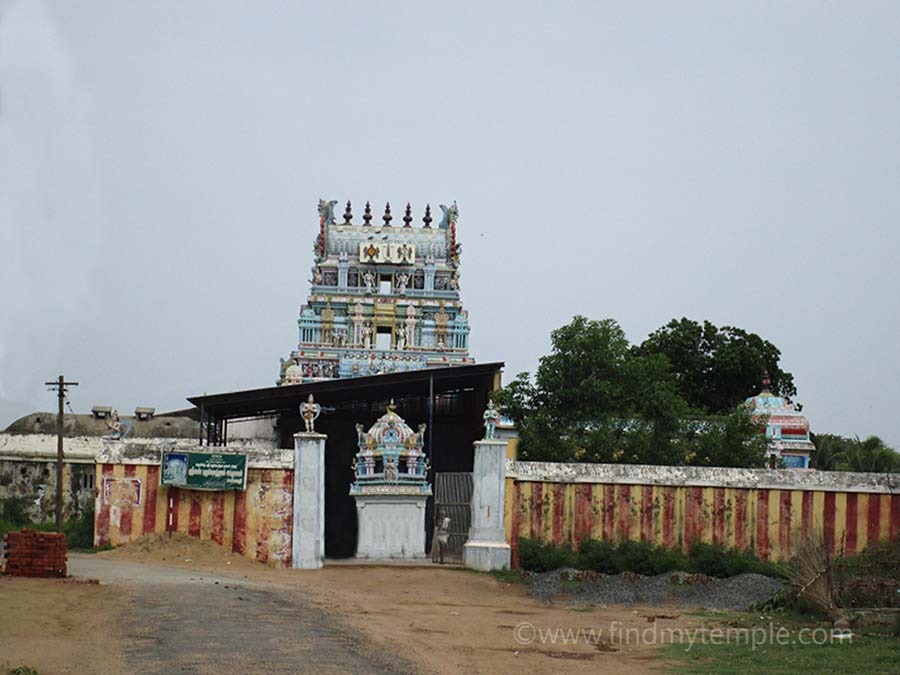
Thirunangur in Tamil Nadu is a cluster of eleven Divya Desams, each with its own emotional tone and mythology. These temples are small, close to one another, and woven together by an ancient legend that connects both Shiva and Vishnu. Among them stands Thiruvanpurushothamam, home to Purushothama Perumal and Purushothama Naachiyar. This temple carries the feeling of calm authority: Vishnu as the supreme protector who guides with clarity, not force. Thiruvanpurushothamam is one of the quieter shrines in the Thirunangur circuit. Its simplicity reflects the nature of the deity: steady, clear, reassuring and quietly present.
The mythology of the Thirunangur temples begins with Shiva’s grief after the death of Sati. As Shiva performed the fierce Rudra Tandava in anguish, eleven forms of Shiva manifested in the region. The land trembled under the weight of this emotional and spiritual intensity. To restore balance, Vishnu appeared in eleven forms, calming Shiva and stabilising the region. Each of the eleven Vishnu forms became a temple, and Thiruvanpurushothamam is one of these sacred spaces. The deity here is Purushothama Perumal, meaning “the supreme being” or “the one who stands above everything without distancing himself from anyone.” The name itself signals completeness. In Vaishnavite philosophy, Purushothaman is the form of Vishnu who guides, protects and clarifies without judgment.
One legend says that Vishnu appeared here to bless the gandharvas, celestial musicians, who prayed for peace after witnessing Shiva’s destructive dance. Vishnu’s calm presence eased their fear and returned harmony to the atmosphere. Another story relates that a devotee once lost spiritual focus and clarity due to personal struggles. Vishnu appeared as Purushothaman to restore understanding. Because of this, people pray here for guidance during confusion or transition. There is also a belief that the Vedas themselves worshipped Vishnu in this form, recognising Purushothaman as the source of all knowledge.
This gives the temple strong ties to wisdom, clarity and good judgment. Thirumangai Alvar highlights these ideas in his verses. He describes Purushothaman as a deity who lifts devotees out of uncertainty, offering stable, gentle leadership.
The temples of Thirunangur, including Thiruvanpurushothamam, carry the architectural and devotional influence of the Chola period. The region was a flourishing cultural hub, and many smaller shrines were maintained by local chiefs and communities. While the temple is compact, historical traces suggest Chola contributions to the sanctum structure and stone layout. During the Nayak period, renovations were made to the mandapam and outer walls. These additions focused on functionality, with simple pillars and clean lines rather than elaborate carvings. The temple’s identity as a Divya Desam comes from Thirumangai Alvar’s hymns. His visit to all eleven Thirunangur shrines cemented their place in the Vaishnavite map. From then on, these temples remained alive through community engagement, annual festivals and steady local worship. Thiruvanpurushothamam does not have many detailed inscriptions, unlike some larger temples. But village tradition holds that families supported the temple through donations of rice, oil and land for small rituals. This grassroots support explains how such a small temple has survived across centuries.
The architecture of Thiruvanpurushothamam mirrors its emotional tone: simple, clean and quietly confident. The temple has a modest entrance gopuram, a small courtyard, a mandapam with granite pillars, a compact sanctum with the main deity, and a separate shrine for Thayar. The temple is not grand, but the proportions feel balanced. Nothing distracts from the deity.

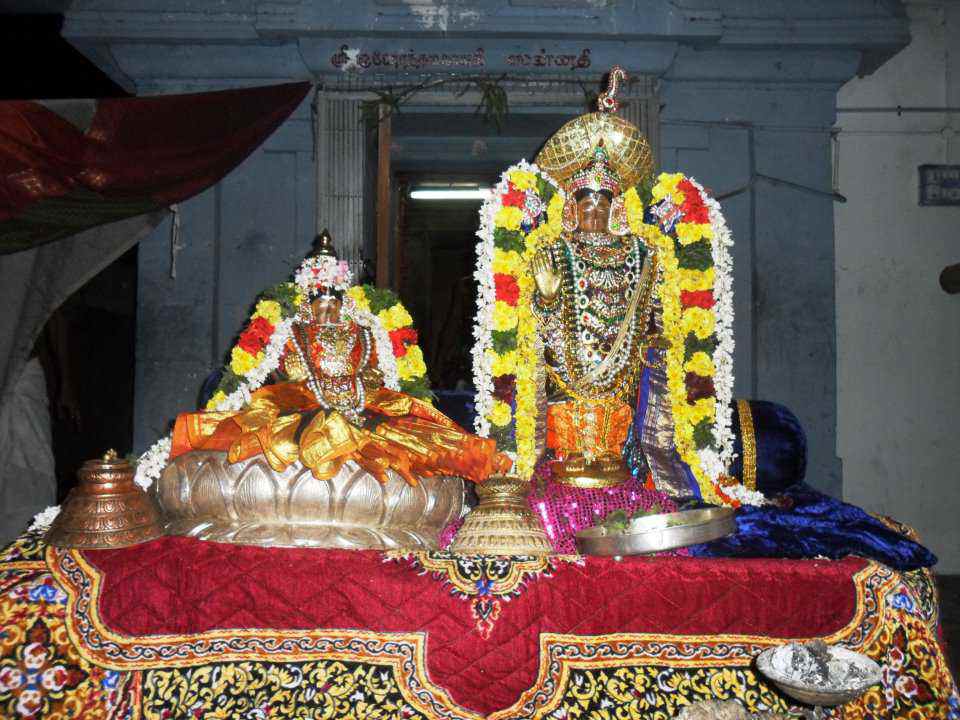
The main deity, Purushottam Perumal, faces east, standing in a strong, steady posture. The idol reflects calm authority: eyes open, presence firm, expression gentle. This posture suggests guidance, not dominance. Devotees often say they feel “seen” by the deity in a reassuring way. The goddess, Purushothama Naachiyar, has her own shrine. Her presence brings emotional softness to the temple. Women visit her for clarity in personal decisions or strength during family challenges. Like many Thirunangur temples, the architecture is minimal with simple lotus carvings, yali motifs, clean stone flooring, and a narrow circumambulatory path. A small temple tank is located nearby, used during festival rituals. The tank symbolises emotional clearing and the restoration of focus. The temple’s simplicity emphasises spiritual presence rather than architectural grandeur.
Daily pujas follow the Vaishnavite order of Suprabhatam, Thirumanjanam, Alankaram with flowers and sandal paste, Neivedyam, and the evening lamp worship. The rituals are not elaborate. They move at a comfortable pace, allowing devotees to spend time in quiet reflection. Major festivals include the Thirunangur Garuda Sevai, the most important festival for the temple, Vaikunta Ekadasi, the temple Brahmotsavam, Purattasi Saturdays, Sri Rama Navami, celebrating the birth of Lord Rama, and Sri Krishna Jayanthi, celebrating Lord Krishna. The Garuda Sevai is the emotional centre of this temple’s cultural identity. All eleven Vishnu deities of Thirunangur are brought together before thousands of devotees. The chanting of Alvar hymns fills the entire region. Purushothama Perumal takes part in this gathering, reaffirming the idea of unity, balance and divine intervention.
Because of the temple’s mythology, devotees come here for guidance while making difficult decisions, clarity of mind during emotional confusion, strength to navigate transitions, and relief from indecision or instability. People often light lamps here before starting new chapters in life, like education, marriage, business beginnings or healing from setbacks.
Reaching Thiruvanpurushothamam usually begins at Sirkazhi. The drive takes you through small roads lined with fields and village homes. The eleven Thirunangur temples sit close to one another, making them easy to visit in sequence. When you arrive, the temple blends into the surrounding houses. The atmosphere is quiet, with children playing nearby and villagers going about their day. The temple’s entrance is simple, but stepping inside changes the mood immediately. The air becomes still. The sanctum is close and visible from the courtyard. Devotees often spend a few moments seated in the mandapam before darshan, absorbing the quiet. Inside the sanctum, Purushothama Perumal’s presence feels steady and grounding. The cool stone floors add to the sense of calm. Pilgrims include this temple naturally as part of the Thirunangur circuit, but it also stands on its own emotionally. People who struggle with decision-making or who feel mentally scattered often say they find clarity here. The lack of commercial shops keeps the area peaceful. Tea stalls and small flower vendors offer simple services, and local residents are quick to guide visitors.
Thiruvanpurushothamam carries a strong cultural identity within the Vaishnavite tradition. Its connection to Thirumangai Alvar ensures that the temple remains part of devotional recitations, festivals and spiritual discussions. In his hymn, Thirumangai Alvar describes Vishnu here as the ultimate guide: the Purusha who stands above all illusions and doubts. These lines are sung during festivals and at family gatherings. Because the mythology centres on restoring understanding, families tell children to pray here when confused. Older generations still pass down small stories of how Purushothama Perumal helped ancestors through difficult decisions. The annual Garuda Sevai is where the temple’s cultural energy becomes most visible. Traditional musicians, reciters and villagers come together. This event binds the eleven temples into one shared story and keeps the emotional memories alive across generations. Small posters, calendars and murals depict Purushothama Perumal standing tall with a calm expression. These images appear in homes across Nagapattinam and Mayiladuthurai districts.
The temple today continues with regular worship and festival cycles. The administration maintains the structure, and local devotees contribute time and effort during busy seasons. Recent repairs include strengthening the mandapam, repainting walls, cleaning the tank, and replacing older stone slabs. These repairs maintain the temple’s old-world feel without over-modernising it. Social media and Divya Desam tourism have increased awareness of the temple. Young pilgrims are adding Thirunangur to their travel plans more frequently now. Even so, the temple retains its quietness. Visitors describe it as a space where the mind settles. The temple’s message: clarity, guidance, steady support, feels particularly relevant today, when many people live with uncertainty or emotional overload.
Thiruvanpurushothamam stands among the eleven Thirunangur Divya Desams as a shrine of clear guidance and gentle authority. Purushothama Perumal embodies calm strength, offering direction without pressure. The temple’s architecture, rituals and neighbourhood atmosphere reinforce its emotional tone: simple, sincere, steady. In the broader Divya Desam network, it adds a note of clarity and reassurance. In daily life, it acts as a quiet anchor for anyone seeking direction. Among the eleven temples linked to Shiva’s grief and Vishnu’s balancing presence, Thiruvanpurushothamam represents the moment when confusion lifts and understanding returns.

