
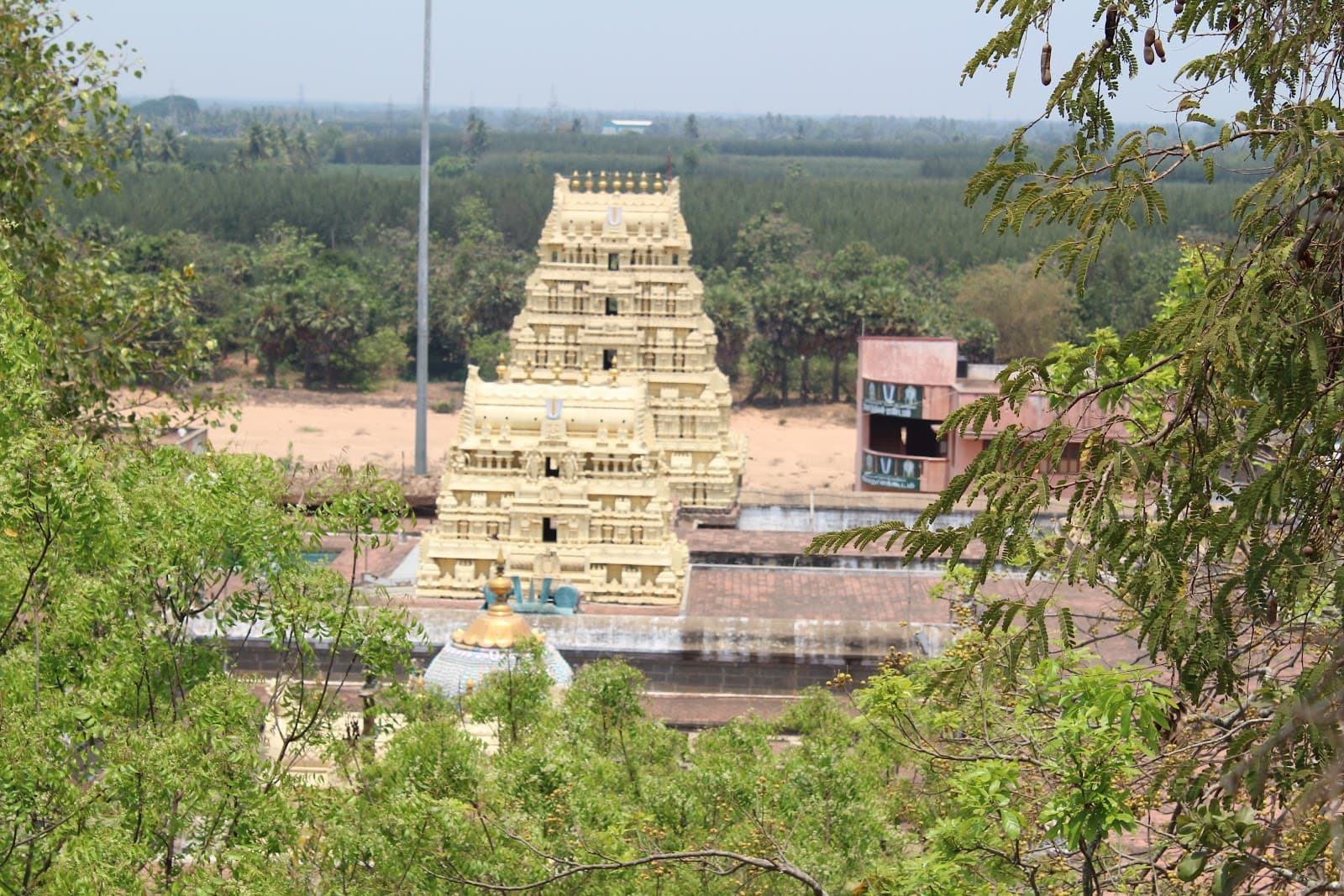
Thiruvazhundur Temple, Theranzhdur, Tamil Nadu
Thiruvazhundur, also known as Therazhundur, is a small village near Mayiladuthurai. At its centre stands the ancient Divya Desam dedicated to Amaruviyappan, a form of Vishnu known for protection, guidance, and the strength to restore order. His consort here is Senkamalavalli Thayar. The temple is one of the 108 Divya Desams sung by Thirumangai Alvar, whose verse gives the temple a permanent place on the spiritual map of Vaishnavism. The temple is quiet and steady, like many sacred spaces in the Kaveri region. But its story carries movement, tension and release. It tells of a chariot gone out of control, a god who steps in, and a lesson about power used with clarity and compassion.
The main legend of this temple revolves around Balarama, the elder brother of Krishna. The story says that Balarama once took a divine chariot belonging to Kubera, the god of wealth. For reasons that differ across versions, the chariot went out of control and dragged through this village. The name Therazhundur itself reflects this; ther means chariot, and azhundur suggests sinking or dragging. Seeing the trouble this caused, Vishnu appeared here as Amaruviyappan and stopped the chariot. His intervention brought calm, order, and protection for the people living in the village. This form of Vishnu shows the ability to step in where chaos grows, not with rage, but with grounded clarity. The temple’s identity rests on this idea that divine support can help freeze a situation before it spirals further.
Another story tied to the temple is about Uparicharavasan, an ancient king known for his devotion and strict moral code. He prayed here and received blessings for longevity and clarity of judgment. This adds another layer to the temple’s meaning: spiritual stability comes from both divine support and personal discipline. A third legend speaks of Vishnu appearing here to bless Agastya, the sage who brought balance to the world by moving to the south to counter the weight of rituals happening in the north. Agastya prayed here for strength and equilibrium, and Vishnu appeared before him. When taken together: Balarama’s chariot, the king’s devotion, and Agastya’s need for balance, the temple’s mythic identity becomes clear. Thiruvazhundur represents the moment when life slows down enough for the mind to find direction again.
The temple’s roots go deep into the Chola period. This region has always been part of the cultural heartland of Tamil Nadu, and many temples grew under Chola patronage. Inscriptions around the temple show land grants and donations made for maintaining lamps, feeding Brahmins, and supporting temple festivals. These inscriptions offer a glimpse into the quiet but continuous support the temple received from local rulers and families. Later, during the Nayak period, parts of the mandapam and outer walls were rebuilt or reinforced. The Nayaks often contributed decorative pillars and expanded worship spaces, and their influence can still be seen here. The Marathas of Thanjavur also left their mark in the form of renovations and festival support.
What makes Thiruvazhundur interesting is how securely it remained part of the Divya Desam network despite being located in a rural pocket. Thirumangai Alvar’s verse gave it prestige, and subsequent generations kept returning here, creating an unbroken line of devotion. Even when political power shifted away from the region, temples like this stayed active because of strong community roots. Today, it continues as an integral part of the Kaveri temple belt, visited by people who follow the Divya Desam trail, as well as those who come because the temple’s legends speak to them personally.
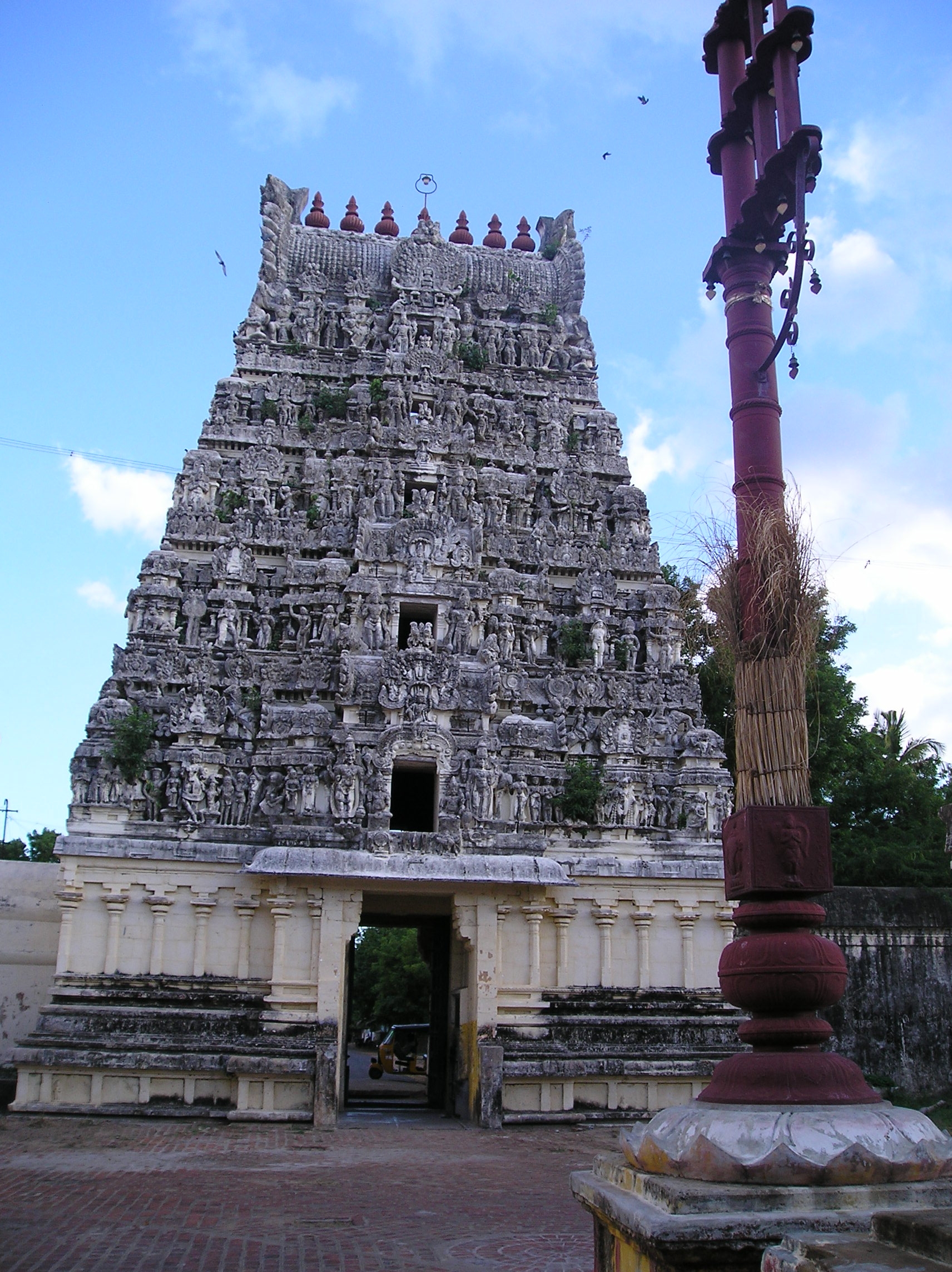
Thiruvazhundur Temple has a layout typical of South Indian Vishnu temples, but its scale is slightly larger than some of the smaller Divya Desams nearby. The Rajagopuram at the entrance is not massive, but it sets a clear frame for the temple. The temple tank, Darshana Pushkarini, sits close by and holds a place in several small rituals. Inside the complex, the first thing that stands out is the mandapam. The pillars show carvings that echo Chola and later Nayak styles: simple lines, yali motifs, lotus patterns, and scenes from everyday life. The stone is cool throughout most of the day, especially in the shaded areas.
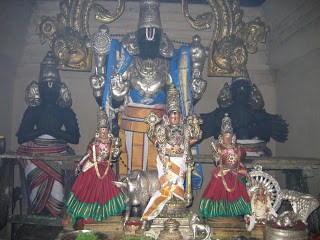
The main deity, Amaruviyappan, stands in a graceful posture facing east. He holds the conch and discus, with a calm expression that reflects both strength and reassurance. Some versions of the legend describe him as stepping forward to stop the chariot, and the idol captures that sense of readiness. Senkkamalavalli Thayar sits in her own shrine. Her name refers to the red lotus, and her presence adds softness to the otherwise action-oriented mythology of the temple. Devotees often speak of how peaceful her shrine feels, especially during early morning puja.

Around the temple, you can find small shrines for Vishvaksena, Garuda, the Alvars, Rama and Krishna in smaller forms, and a shrine for the temple’s associated sages. The premises have several trees that provide shade, adding to the temple’s calm rhythm. The mix of granite, plaster, repainted sections, and weather-worn carvings tells the story of a temple that has been used, maintained, and lived in for centuries.
The temple follows the standard Vaishnavite pattern of daily pujas, each marking a shift in the day’s energy. Early morning begins with suprabhatam, followed by alankaram, neivedyam, and the first darshan. The priests move through the rituals slowly, without rush. Major festivals include Vaikunta Ekadasi, the most important day for Vishnu temples, Brahmotsavam, which involves processions through the village, Garuda Sevai, Panguni Uthiram, associated with divine union, and Purattasi Saturdays, popular for family visits. Because the temple is tied to legends of guidance and intervention, many devotees come here when facing confusion or crossroads. They offer prayers for clarity, direction, and support through uncertain phases of life.
The chariot festival held here has special meaning because of the temple’s mythology. Even though the modern chariot is symbolic, the act of pulling it through the streets connects the devotees to the original moment when Vishnu stopped the runaway chariot. This ritual reinforces the idea of regaining control over life. Thayar’s shrine attracts women who pray for stability in the home and a smooth path for their children.
The temple maintains a community-oriented identity. During festivals, local families volunteer, cook prasadam, and help decorate the temple. It feels more like a shared home than a formal institution.
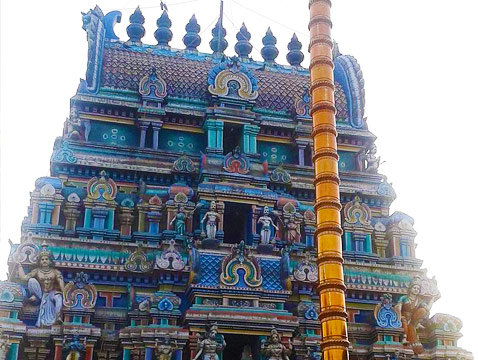
Pilgrims usually reach Thiruvazhundur from Mayiladuthurai or Kumbakonam. The drive is easy, passing through paddy fields and quiet lanes. This region has many temples, but each stands in its own pocket of land, creating a rhythm of sacred spaces across the landscape. As you enter the village, the streets narrow, and houses get closer together. The temple doesn’t rise suddenly; it becomes visible slowly as you turn corners. Local people give directions without fuss. The village has a balanced pace—not too slow, not hurried. Inside the temple, the air feels still. The sound of bells and chanting filters through the corridors. The stone floor is cool even in the heat of the afternoon. Most pilgrims say that the temple gives a sense of grounding. Maybe it’s the story of Vishnu stopping the chariot. Maybe it’s the large mandapam or the open courtyard. Whatever the reason, people often linger longer than they planned. The tank near the temple adds to the setting. In the evenings, the reflection of the gopuram on the water creates a soft, tranquil mood. The temple visit is usually calm and unhurried, making it a good stop for those wanting a quieter Divya Desam experience.
Thiruvazhundur has a firm place in Vaishnavite tradition because of Thirumangai Alvar’s hymn. His words describe the beauty of the place and the protection offered by Amaruviyappan. The chariot legend influences local culture in subtle ways. Stories about regaining control, seeking guidance in turbulent moments, and trusting divine timing are passed down in households. Village plays and storytelling sessions during festivals often highlight Balarama’s role and Vishnu’s intervention. Local musicians sing verses from the Divya Prabandham here, keeping the oral tradition alive. Families in the region visit the temple during shifting phases of life: marriages, new jobs, family disagreements, or important decisions. The temple becomes a marker of transition. Even though it’s not one of the largest temples in Tamil Nadu, its stories show up in heritage writings, spiritual talks, and simple everyday advice that elders give to younger generations.
The temple today functions smoothly with daily pujas and regular festival schedules. Management is handled through temple authorities with support from local devotees. Renovation work happens slowly but steadily. Repainting, structural repairs, restoration of damaged carvings, and upkeep of the temple tank are ongoing. Thiruvazhundur has seen an increase in footfall due to Divya Desam tourism. Many visitors come in groups that cover several temples in one day. Yet the temple remains peaceful because the crowd comes in waves and rarely overwhelms the space. Younger people have started discovering the temple through social media posts, especially photos of the deity and the tank. This has brought new attention without changing the temple’s core identity. The temple maintains a balance between tradition and practical needs. Nothing feels forced or overly modernised. Worship remains simple, and visitors often comment on how natural the atmosphere feels.
Thiruvazhundur stands tall in the Divya Desam network not because of size or grandeur, but because of its story: the moment Vishnu brought a runaway chariot to a halt and restored calm. Amaruviyappan represents protection, steadiness, and clarity. His presence reassures people facing confusion or emotional turmoil. The temple’s history, architecture, rituals and community reflect this same message. Everything here moves at a measured pace. Nothing feels rushed. In the wider map of Indian spiritual heritage, Thiruvazhundur serves as a reminder that strength does not always roar. Sometimes it acts quietly, stepping in at the right moment to stop things from breaking apart. It remains one of the gentler stops on the Divya Desam trail and a temple that leaves visitors feeling steadier than when they entered.

Thiruchirupuliyur Temple, Thirusirupuliyur, Tamil Nadu
Thiruchirupuliyur, located near Nannilam, is one of the 108 Divya Desams and houses the deity Arulmaakadal Perumal, also known as Krupa Samudra Perumal, meaning “the ocean of compassion.” His consort here is Tirumagal Nachiyar. The temple is small, quiet and deeply woven into local life. Like many Divya Desams, it carries a legend that gives it emotional weight and a sense of purpose. In this case, the story centres on redemption, forgiveness and the chance to rise after a mistake. The temple stands in a compact village, surrounded by fields, narrow lanes and homes where devotion is part of daily rhythm. When you walk through the entrance, the space feels personal rather than overwhelming. The temple’s size reinforces its message: healing doesn’t need noise.
The mythology here revolves around a sage named Vyaghrapada. The name literally means “tiger-footed.” The story goes that Vyaghrapada prayed intensely at this place for inner clarity and freedom from past mistakes. He wanted physical strength and spiritual forgiveness. Moved by his devotion, Vishnu appeared here and blessed him. The Perumal took on the name Arulmaakadal, emphasising unlimited mercy. Because the sage had tiger-like feet, the village came to be known as Thirusirupuliyur, meaning the sacred place tied to a “small tiger” or a tiger-featured devotee. Another legend ties the temple to Markandeya, the devotee of Shiva who was destined to die at sixteen. While Markandeya’s main story belongs to the Shaivite tradition, some versions say he also received Vishnu’s blessing here. This strengthens the theme of grace crossing boundaries between different paths. A small but important myth explains why the temple is physically small. It says that when Vishnu appeared to Vyaghrapada, he did so in a compact form, out of gentleness. The deity wanted the sage to feel close and not overwhelmed. Because of this, the sanctum today is smaller than in most Divya Desams. Devotees sometimes kneel or bend low to see the main deity clearly. This act of lowering oneself becomes part of the experience, almost symbolic of humility and surrender.
Like many temples in the Kaveri region, Thiruchirupuliyur carries the imprint of the Cholas, who were known for building and supporting temples across Tamil Nadu. The structure we see today shows signs of early Chola influence, especially in the stone base and the compact layout of the sanctum. Later, during the Nayak period, some renovations were done, including smaller mandapams and support structures. The temple does not have grand inscriptions or heavy stone sculptures like some larger temples, but whatever inscriptions remain indicate land grants and donations for lamps, daily puja and festivals.
The temple’s claim to Divya Desam status comes through Thirumangai Alvar, who composed verses praising the deity here. His poetry describes the Perumal as a source of deep compassion, someone who responds quickly to sincere prayer. Because of this, the temple has stayed important despite its small size. Villagers continued to maintain the temple even during periods when larger shrines received more political attention. Its survival over the centuries reflects a theme common to many Divya Desams: a small place with a strong soul endures because people care. Families in this region have visited this temple across generations, and this continuity has kept the place active.
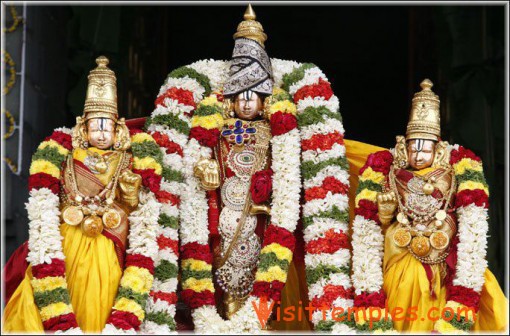
Thiruchirupuliyur is one of the smallest Divya Desams in Tamil Nadu. This is not a weakness; it is its character. The temple’s layout is simple, with a short gopuram at the entrance, a small courtyard, and a narrow path leading to the sanctum. Inside the main sanctum, Arulmaakadal Perumal stands in a calm posture facing east. The deity is small in scale, matching the legend of Vishnu appearing in a compact form to comfort Vyaghrapada. The shrine’s low entrance forces devotees to bow or bend before entering, adding a physical experience of humility to the act of worship. The goddess, Tirumagal Nachiyar, has her own shrine. Her presence adds balance to the temple’s energy. Her space feels gentle, and many women come here for guidance in family matters or emotional clarity. The temple tank, Punyakoti Theertham, sits nearby. It is small and used mostly during festivals and occasional rituals. The water reflects the gopuram and nearby trees, adding to the temple’s quiet mood. Carvings on the pillars and walls are modest, mostly floral patterns, lotus motifs, and a few yali figures. These are typical of smaller Chola-era shrines. Over time, patches of plaster and paint have been added, but the temple still carries the feel of an older structure. What stands out architecturally is not the detail but the proportions. Everything is smaller: sanctum, courtyard, mandapam, and corridors. This scale creates intimacy. It feels like walking into a temple that is close to the ground, close to people, close to emotion.
The worship schedule here is straightforward. Priests perform daily pujas with care but without extravagance. This temple does not rely on large-scale rituals. Its power comes from repetition, rhythm and sincerity. Morning puja begins early, followed by alankaram, neivedyam and darshan. Evening puja brings soft lamp light that fills the temple with a warm glow. Major festivals include Vaikunta Ekadasi, which draws the largest crowd, the temple Brahmotsavam, with processions in and around the temple, Purattasi Saturdays, when many families in Tamil Nadu visit Vishnu temples, and the Theerthavari, involving the temple tank. Even on festival days, the mood stays grounded. Devotees don’t rush. People chat quietly in the courtyard. Volunteers help distribute prasadam. Children run around without getting lost in massive crowds.

A notable local practice is performing prayers for relief from guilt, past mistakes and emotional heaviness. Because the temple is tied to Vyaghrapada’s redemption, people come here seeking a new start. The priests explain the story to visitors, sometimes adding simple advice or reassurance. The atmosphere is unpretentious. Worship here feels like a conversation rather than a performance.
Reaching Thiruchirupuliyur usually starts from Nannilam, Kumbakonam or Thiruvarur. The roads are quiet, passing through small villages and patches of farmland. By the time you reach the temple, your pace naturally slows down. The village itself is compact. Houses stand close together. Children play in the streets. The temple blends into the neighbourhood rather than standing apart from it. There are no large shops or tourist stalls. Instead, you find tea sellers, small groceries and a few homes where people sit outside chatting. Entering the temple, the space feels peaceful. You can see the sanctum almost immediately from the courtyard, a sign of the temple’s small scale. The air inside is cool and carries the smell of oil lamps and incense. Visitors often say that this temple feels like walking into someone’s ancestral home. The silence is soft, not heavy. You can hear the rustle of leaves, the sound of bells and nearby voices blending with prayer. This temple fits naturally into a Divya Desam trail. Many pilgrims cover nearby shrines like Thirukovilur, Thirukannankudi, or Thiruvazhundur on the same day. But Thiruchirupuliyur stands out because of its size and mood. People often come here when they want a break from crowded temples. It invites you to pause instead of pushing you along.
The temple may be small, but its presence in local culture is strong. Stories of Vyaghrapada are told by elders to children during festivals. The theme of redemption and inner strength shows up often in folk songs, small plays and temple narratives shared during gatherings. Thirumangai Alvar’s verse gives the temple its identity within the Divya Prabandham. The Alvar’s poetry describes Vishnu here as overflowing with kindness and ready to forgive. Locals see the deity as someone who listens quickly, not someone who makes devotees wait. This shapes their emotional connection to the temple. Artists occasionally depict Vyaghrapada with tiger-like limbs, praying before a small Vishnu. These images appear in calendar art, festival posters and devotional booklets sold in nearby towns. The temple also plays a quiet role in shaping values around humility. Because devotees must bend or kneel to see the deity, the physical act becomes part of local storytelling about surrender and gratitude. The temple is woven into community identity, less through grandeur and more through emotional meaning.
Today, the temple continues to function smoothly, supported by both the administration and the village community. Daily pujas run without interruption. Festival arrangements involve local volunteers. The temple is kept clean, and repairs are made as needed. Recent restoration efforts include repainting, structural strengthening of the sanctum, and improvements to pathways. These updates are done with restraint, preserving the original character of the temple. The temple has also started drawing attention from younger devotees through online posts. Photos of the small sanctum, the unique low entrance and the stories of Vyaghrapada circulate on social media and heritage pages. This has added a new layer of visitors while keeping the temple’s calm atmosphere intact. Tourism is modest but steady. Pilgrims visit throughout the year, especially those completing the Divya Desam circuit. Even with new attention, the temple has not become commercial. Worship remains simple, direct and sincere.
Thiruchirupuliyur stands as one of the most intimate Divya Desams. Its legend of Vyaghrapada and Vishnu’s mercy gives it emotional depth. Its small architecture reinforces its message, humility opens the heart. Arulmaakadal Perumal represents forgiveness without judgment. His presence comforts those who feel burdened by mistakes or uncertainty. In a landscape full of grand temples and large festivals, Thiruchirupuliyur offers something different: a gentle reset. The temple’s place in the Divya Desam network reminds us that spiritual strength doesn’t depend on size, scale or spectacle. It grows out of sincerity, simplicity and the quiet assurance that help is always available. This temple continues to welcome anyone seeking a new start. And in the long chain of South India’s sacred spaces, it remains a soft, steady voice.
 Memories and Such