In My Hands Today…

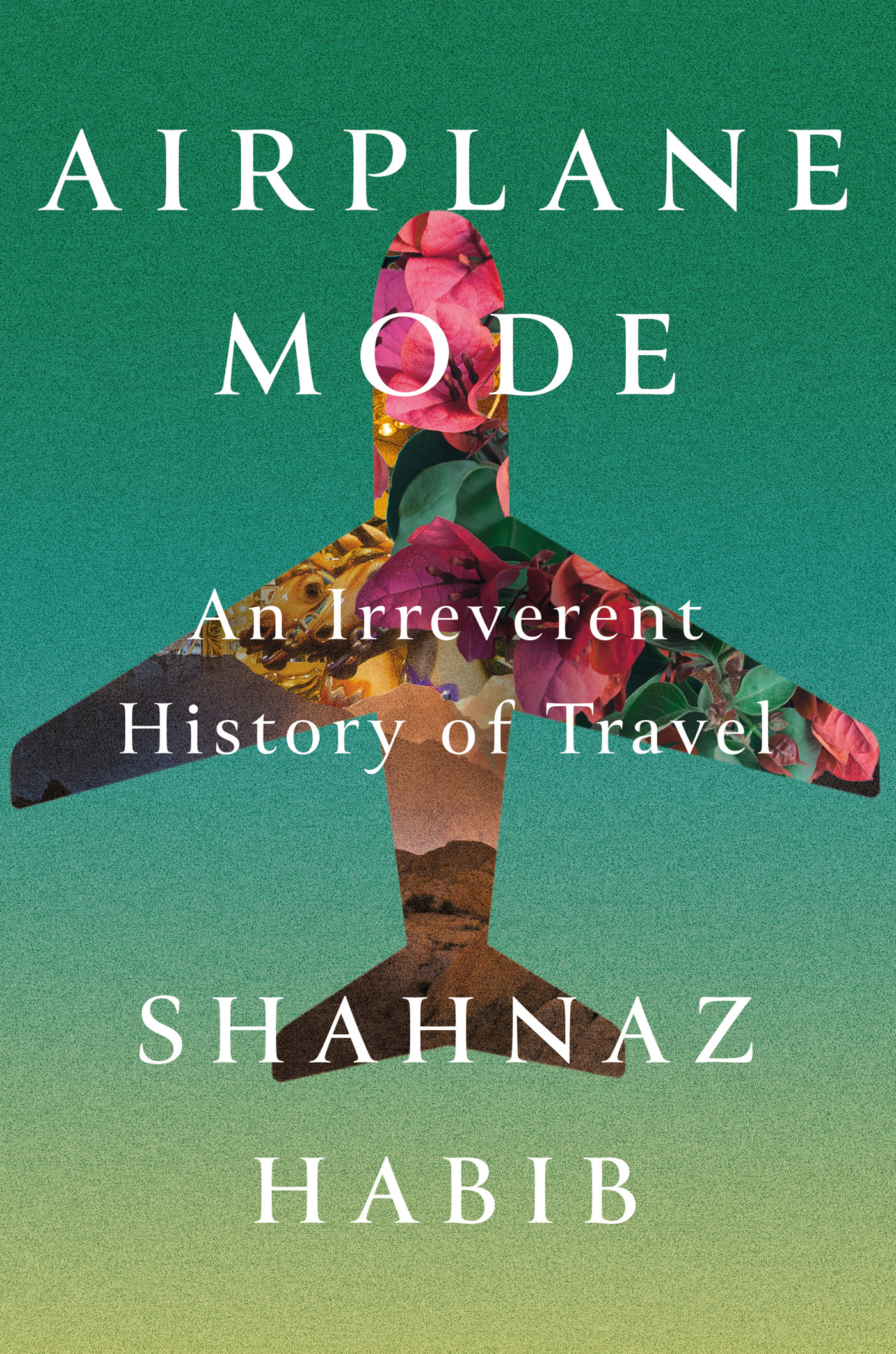
After the North Pole: A Story of Survival, Mythmaking, and Melting Ice – Erling Kagge

The North Pole looms large in our collective psyche—the ultimate Otherland in a world mapped and traversed. It is the center of our planet’s rotation, one of the places that is most vulnerable in an epoch of global climate change. Its sub-zero temperatures and strange year of one sunset and one sunrise make it an eerie, utterly disorienting place that challenges human endurance and understanding.

Erling Kagge and his friend Børge Ousland became the first people “to ever reach the pole without dogs, without depots and without motorized aids,” skiing for 58 days from a drop off point on the ice edge of Canada’s northernmost island.

In magisterial prose, Erling narrates his epic, record-making journey, probing the physical challenges and psychological motivations for embarking on such an epic expedition, the history of the territory’s exploration, its place in legend and art, and the thrilling adventures he experienced during the trek. It is another example of what bestselling author Robert MacFarlane has called “Kagge’s extraordinary life in wild places,”

Erling offers surprises on every page while observing the key role that this place holds in our current climate and geopolitical conversations. As majestic, mesmerizing, and monumental as the terrain it captures, The North Pole is for anyone who has gazed out at the horizon—and wondered what happens if you keep going.

Marvels of Time: From Ancient to the Modern World

Humanity has always been captivated by monumental achievements that reflect creativity, engineering brilliance, and cultural significance. The “Wonders of the World” concept has evolved over centuries, starting with the Seven Wonders of the Ancient World and extending to modern marvels.

The Seven Wonders of the Ancient World

The Seven Wonders of the Ancient World were iconic structures celebrated for their grandeur and artistic excellence during classical antiquity. These wonders were concentrated around the Mediterranean Basin, reflecting the geographical scope of ancient Greek civilisation. They were chosen based on a combination of cultural, artistic, and historical significance during classical antiquity rather than age or geographic diversity.

The list originated in ancient Greece, where travelers and scholars like Herodotus and Callimachus of Cyrene compiled it to celebrate extraordinary human achievements within the Hellenistic world. The wonders were concentrated around the Mediterranean Basin, reflecting the geographic scope of Greek civilisation and its cultural connections. The Greeks valued monumental structures that represented perfection, grandeur, and artistic excellence. The number seven was symbolic for them, representing perfection and plenty, as well as the number of known planets at the time.

The selected wonders were celebrated for their artistic beauty and architectural ingenuity. These monuments reflected human creativity and craftsmanship, aligning with Greek ideals of aesthetics and engineering. The wonders were widely recognised in their time due to their fame among travellers, historians, and poets. Their inclusion in guidebooks and writings ensured their place in collective memory. Older monuments like Göbekli Tepe or Malta’s Megalithic Temples were less known to the Greeks because they were geographically distant or had fallen into obscurity by then.

Many older monuments had deteriorated significantly by the time the list was compiled. The Seven Wonders were chosen because they were still impressive or intact enough to inspire awe during antiquity. The Great Pyramid of Giza was included because it remained a monumental marvel while ruins like Göbekli Tepe or Jericho lacked sufficient preservation to be appreciated in the same way during that era. The selection also reflects a bias toward Mediterranean cultures familiar to Greek travellers. Monuments outside this region, such as those in Asia or Africa, were largely excluded despite their age or significance.

The seven wonders of the ancient world are:

Great Pyramid of Giza, Egypt
Date of Construction: 2584–2561 BC
Builders: Egyptians
Status: The only surviving wonder
Location: Giza Necropolis, Egypt

The Great Pyramid of Giza stands as a testament to ancient engineering prowess. Built as a tomb for Pharaoh Khufu, it is composed of approximately 2.3 million limestone blocks. Its precise construction methods remain a mystery, inspiring awe even today.

Hanging Gardens of Babylon, Iraq
Date of Construction: c. 600 BC
Builders: Babylonians or Assyrians
Status: Existence debated
Location: Hillah or Nineveh, Iraq

Legend describes these gardens as lush terraces built by King Nebuchadnezzar II for his queen. Despite their fame, no archaeological evidence has confirmed their existence, sparking debates among historians.

Statue of Zeus at Olympia, Greece
Date of Construction: 435 BC
Builders: Greeks, Phidias
Status: Destroyed by fire in Constantinople
Location: Olympia, Greece

This ornate statue depicts Zeus seated on a throne, adorned with gold and ivory. It was considered a masterpiece of ancient Greek sculpture.

Temple of Artemis at Ephesus, Turkey
Date of Construction: c. 550 BC
Builders: Greeks and Lydians
Status: Destroyed by arson and plundering
Location: Near Selçuk, Turkey

Dedicated to Artemis, this colossal temple was renowned for its artistic embellishments and immense size.

Mausoleum at Halicarnassus, Turkey
Date of Construction: 351 BC
Builders: Greeks, Persians, Carians
Status: Destroyed by earthquakes
Location: Bodrum, Turkey

Built as a tomb for King Mausolus by his wife Artemisia, this structure inspired the term “mausoleum” for grand burial monuments.

Colossus of Rhodes, Greece
Date of Construction: 292–280 BC
Builders: Greeks, Chares of Lindos
Status: Destroyed by an earthquake
Location: Rhodes, Greece

A massive bronze statue celebrating Rhodes’ victory over Cyprus, it stood at the harbor entrance before collapsing in an earthquake.

Lighthouse of Alexandria, Egypt
Date of Construction: c. 280 BC
Builders: Greeks and Ptolemaic Egyptians
Status: Destroyed by earthquakes
Location: Alexandria, Egypt

Guiding sailors safely into Alexandria’s harbor, this lighthouse was among the tallest man-made structures in antiquity.

The Seven Wonders inspired generations with their architectural ingenuity and artistic grandeur. Their legacy influenced Roman culture, Renaissance art, and modern tourism. Except for the Great Pyramid, all other wonders have succumbed to natural disasters or human intervention.

Having said that, several monuments in Asia and the rest of the world are significantly older than the Seven Wonders of the Ancient World, which were constructed between the 6th and 3rd centuries BCE. These sites showcase the ingenuity and creativity of early civilizations, often challenging our understanding of prehistoric societies. Below are some notable examples:

ASIA

Göbekli Tepe, Turkey
Date: 9500–7500 BCE
Significance: Located in southern Turkey, Göbekli Tepe is considered the world’s oldest known temple complex. It predates agriculture and features massive T-shaped stone pillars arranged in circles, adorned with intricate carvings of animals.
Why It’s Remarkable: Its construction challenges conventional views of early human societies, suggesting organized religion existed before settled agricultural communities.

Tell Qaramel, Syria
Date: 10650–9650 BCE
Significance: Situated in northern Syria, this site contains five stone towers believed to be among the oldest known structures of their type in the world.
Why It’s Remarkable: These towers indicate advanced architectural skills during the Pre-Pottery Neolithic period, long before the construction of monumental structures elsewhere.

Mehrgarh, Pakistan
Date: 7000 BCE
Significance: A Neolithic settlement located in modern-day Balochistan, Mehrgarh is one of the earliest sites showing evidence of farming, domestication of animals, and advanced craftsmanship.
Why It’s Remarkable: It represents one of the first instances of urban planning and organised settlement in South Asia.

Jericho, West Bank, Palestine
Date: c. 8000 BCE
Significance: The Tower of Jericho, an 8.5-meter-tall stone structure, is one of the earliest examples of monumental architecture. Jericho itself is considered one of the oldest continuously inhabited cities in the world.
Why It’s Remarkable: The tower demonstrates early engineering skills and possibly served religious or defensive purposes.

Çatalhöyük, Turkey
Date: 7500–5700 BCE
Significance: This large Neolithic settlement in southern Anatolia features densely packed mud-brick houses with no streets, accessed via rooftops. Wall paintings and artifacts suggest a rich cultural life.
Why It’s Remarkable: Çatalhöyük is often cited as one of the earliest examples of urban living.

Ziggurat of Ur, Iraq
Date: c. 2100 BCE
Significance: While not as old as Göbekli Tepe or Tell Qaramel, this Sumerian ziggurat in Mesopotamia predates many ancient wonders like the Hanging Gardens or Colossus of Rhodes. It served as a temple to honor Nanna, the moon god.
Why It’s Remarkable: Its advanced design and astronomical alignment reflect early Mesopotamian engineering and religious practices.

EUROPE

Megalithic Temples of Malta, Malta
Date: c. 3600–2500 BCE
Significance: The Ġgantija and Ħaġar Qim temples are some of the oldest free-standing stone structures in the world. They were used for religious purposes and featured intricate carvings and altars.
Why It’s Remarkable: These temples predate both Stonehenge and the Egyptian pyramids, showcasing advanced construction techniques for their time.

Newgrange, County Meath, Ireland
Date: c. 3200 BCE
Significance: This prehistoric passage tomb is aligned with the winter solstice, allowing sunlight to illuminate its inner chamber during sunrise on specific days.
Why It’s Remarkable: Its sophisticated astronomical alignment highlights early humans’ understanding of celestial events.

Stonehenge, Wiltshire, England
Date: c. 3000–2000 BCE
Significance: This iconic Neolithic monument consists of massive stone circles believed to have been used for ceremonial or astronomical purposes.
Why It’s Remarkable: Its construction over centuries reflects significant cultural and technological development in prehistoric Britain.

Cairn of Barnenez, Brittany, France
Date: c. 4800 BCE
Significance: This megalithic burial mound is one of Europe’s oldest structures, featuring chambers built with large stones.
Why It’s Remarkable: Its age and scale make it a critical site for understanding early European funerary practices.

AFRICA

Pyramid of Djoser, Saqqara, Egypt
Date: c. 2667–2648 BCE
Significance: Designed by Imhotep for Pharaoh Djoser, this step pyramid is considered the earliest large-scale cut-stone construction in history.
Why It’s Remarkable: It laid the foundation for later pyramid-building techniques in ancient Egypt.

Tichitt Culture Settlements, Mauritania
Date: c. 2200–200 BCE
Significance: These stone-based settlements feature well-organized streets and fortified compounds built by agropastoralists in West Africa.
Why It’s Remarkable: The settlements represent one of Africa’s earliest urbanized societies south of the Sahara.

Nabta Playa, Nubian Desert, near the Egypt-Sudan border
Date: c. 4500 BCE
Significance: This site features a stone circle believed to be an early astronomical observatory, predating Stonehenge by thousands of years.
Why It’s Remarkable: Nabta Playa demonstrates early humans’ interest in astronomy and their ability to organize communal projects.

THE AMERICAS

Caral-Supe Civilisation, Supe Valley, Peru
Date: c. 2627 BCE
Significance: Caral is one of the oldest urban centers in the Americas, featuring pyramids, plazas, and residential areas constructed by one of South America’s earliest civilizations.
Why It’s Remarkable: Its advanced city planning and monumental architecture rival contemporary developments in Mesopotamia and Egypt.

Sechin Bajo, Áncash Region, Peru
Date: c. 3500 BCE
Significance: This ceremonial center includes ruins dating back to one of the earliest known civilizations in South America.
Why It’s Remarkable: The site predates many other well-known ancient cities globally, showcasing early societal organization.

Monte Verde, Llanquihue Province, Chile
Date: c. 14,500 years ago (Pre-Clovis Era)
Significance: While not a monument in the traditional sense, Monte Verde is one of the oldest known human settlements in the Americas, featuring evidence of shelters and tools made by early hunter-gatherers.
Why It’s Remarkable: Its age challenges earlier theories about human migration into the Americas.

The Seven Wonders of the Ancient World were primarily constructed during classical antiquity (6th–3rd centuries BCE), with only the Great Pyramid being older than this timeframe. In contrast, these monuments date back thousands of years, showcasing advanced architectural and cultural achievements during prehistoric times. These ancient sites highlight humanity’s ingenuity long before the era traditionally celebrated by classical wonders. Their significance lies not only in their age but also in their influence on subsequent civilizations and their role in shaping early human history.

The New Seven Wonders of the Modern World
In 2007, a global initiative led by the New7Wonders Foundation selected seven new wonders through public votes from over 200 candidates worldwide. These modern wonders symbolise humanity’s ability to create masterpieces across cultures.

Great Wall of China, China
Date of Construction: Since 7th century BC
Location: China
Stretching over 13,000 miles, this defensive fortification represents centuries of Chinese engineering against invasions.

Petra, Jordan
Date of Construction: c. 100 BC
Location: Ma’an Governorate, Jordan
Known as the ‘Rose City,’ Petra features intricate rock-cut architecture that blends natural beauty with human ingenuity.

Christ the Redeemer Statue, Brazil
Date Completed: October 12, 1931
Location: Rio de Janeiro
Towering over Rio de Janeiro at 98 feet tall, this statue symbolises peace and Christianity while offering panoramic views.

Machu Picchu, Peru
Date of Construction: c. AD 1450
Location: Urubamba Province
Nestled in the Andes Mountains, this Incan citadel showcases advanced dry-stone construction techniques without mortar.

Chichén Itzá, Mexico
Date Built: c. AD 600
Location: Yucatán Peninsula
This Mayan city features El Castillo—a pyramid dedicated to Kukulcán—and reflects astronomical precision in its design.

Roman Colosseum, Italy
Date Completed: AD 80
Location: Rome
An iconic amphitheater that hosted gladiatorial contests and public spectacles during ancient Rome’s peak.

Taj Mahal, India
Date Completed: c. AD 1648
Location: Agra
Commissioned by Emperor Shah Jahan as a mausoleum for his wife, Mumtaz Mahal, its white marble facade epitomises Mughal artistry.

Other monuments that could be considered wonders of the world include the following:

Angkor Wat, Cambodia
Significance: The largest religious monument in the world, Angkor Wat reflects the grandeur of the Khmer Empire and its intricate architectural design.
Why It’s Remarkable: Its scale and artistry make it a masterpiece of human creativity.

Moai Statues of Easter Island, Chile
Significance: These massive stone statues carved by the Rapa Nui people represent their ancestors and cultural heritage.
Why It’s Remarkable: Their mysterious construction and placement continue to intrigue historians.

Hagia Sophia, Turkey
Significance: Originally built as a Byzantine cathedral in 537 CE, Hagia Sophia has served as a mosque and museum, showcasing architectural brilliance.
Why It’s Remarkable: Its massive dome and historical transformations symbolize cultural fusion.

Neuschwanstein Castle, Germany
Significance: This fairytale castle in Bavaria represents romantic architecture and inspired Disney’s iconic designs.
Why It’s Remarkable: Its picturesque setting and elaborate design make it a unique wonder.

Great Mosque of Djenné, Mali
Significance: A stunning example of mud-brick architecture, this mosque is central to Mali’s cultural heritage.
Why It’s Remarkable: Its construction techniques and annual maintenance rituals showcase community involvement.

Sydney Opera House, Australia
Significance: An iconic modern structure known for its unique shell-like design and cultural significance.
Why It’s Remarkable: It is a global symbol of architectural innovation.

Iguazu Falls, Argentina/Brazil
Significance: One of the largest and most powerful waterfall systems in the world, spanning multiple cascades.
Why It’s Remarkable: Its sheer size and beauty make it an unforgettable natural spectacle.

Aurora Borealis, Northern Hemisphere
Significance: Also known as the Northern Lights, this celestial phenomenon creates mesmerizing displays of color in polar skies.
Why It’s Remarkable: Its rarity and visual splendor captivate observers worldwide.

Hạ Long Bay, Vietnam
Significance: Known for its emerald waters and limestone karst formations, this UNESCO World Heritage Site is a natural treasure.
Why It’s Remarkable: Its surreal landscape feels like stepping into another world.

Table Mountain, South Africa
Significance: Overlooking Cape Town, this flat-topped mountain offers panoramic views and diverse flora.
Why It’s Remarkable: Its unique shape and ecological richness make it a standout landmark.

Amazon Rainforest, South America
Significance: The world’s largest tropical rainforest spans multiple countries and supports unparalleled biodiversity.
Why It’s Remarkable: Its ecological importance makes it vital for global environmental health.

HONOURABLE MENTIONS

Old City of Jerusalem, Israel: A spiritual centre for three major religions with millennia of history.
Potala Palace, Tibet: An architectural marvel symbolising Tibetan Buddhism.
Grand Canyon, USA: A geological masterpiece carved by the Colorado River over millions of years

The wonders, both ancient and modern, serve as reminders of humanity’s boundless creativity across eras and cultures. They inspire admiration not only for their physical grandeur but also for their stories that transcend time. These marvels invite us to explore history while appreciating contemporary achievements that continue to shape our world.

Family Footprints: An Unforgettable Italian Adventure – Part 3

View from the train on the way to Florence

Early the next day, we checked out of our Airbnb and made our way to the Roma Termini station for our Frecciarossa train to Florence. We had booked business class tickets, and other than two other people in the carriage, we had the carriage to ourselves. We reached Florence around 10:30 am and took a taxi to our next Airbnb. Our Florence host had graciously allowed us to leave our luggage in the Airbnb while it was being cleaned. So after dropping our luggage, we started our short Florence trip. We walked to the Duomo, and I had a jaw-dropping moment there. It dominates the landscape and made me think of St. Paul’s Cathedral in London.

The Duomo

Construction of Florence’s Duomo complex began in 1296 under Arnolfo di Cambio; Filippo Brunelleschi crowned it with his revolutionary double-shell dome in 1436, still the world’s largest in masonry at 43 m wide. We did not go inside and climb the dome, but the next time, I will climb all 463 steps in Brunelleschi’s Dome and brush past Vasari’s Last Judgment fresco before stepping onto a 91 m-high lantern terrace for city-wide views. One can also climb the 414 steps up Giotto’s Campanile for a front-row view of the dome’s herringbone brickwork. At the Museo dell’Opera del Duomo, one can stand inches from Ghiberti’s original Gates of Paradise and Michelangelo’s Pietà Bandini before they return outdoors.

Piazza della Signoria, Time Unfolding

After lunch in the shadow of Brunelleschi’s Dome, we walked to Piazza della Signoria, which has anchored Florentine civic life since 1330. Its irregular “w-shaped” stones still front the crenellated Palazzo Vecchio, the seat of government from the medieval Republic to today’s city council. Under the tower’s shadow, the square doubles as an open-air sculpture gallery. A copy of Michelangelo’s David guards the palace door; the neighbouring Loggia dei Lanzi frames masterpieces from Cellini’s Perseus to Giambologna’s Sabine Women. Ammannati’s marble-and-bronze Fountain of Neptune returned to full sparkle in 2019 after a €1.5 million Ferragamo-funded overhaul that replaced long-silent pumps and cleaned centuries of grime. I loved the sculpture of the young woman holding a smartphone. Apparently, it is a four-metre contemporary bronze by Thomas J. Price called Time Unfolding, which will remain until 14 September 2025. Beyond statuary, one can climb the Arnolfo Tower for 360° city views or follow the freshly reopened Vasari Corridor from Palazzo Vecchio toward the Uffizi and Ponte Vecchio, walking the same secret Medici passage first built in 1565.

While we were relaxing amidst the statues, we were told our Airbnb was ready for us. So we quickly gathered our things and checked in. After resting for a while, we decided to head out, this time just walking and taking in Florence. We split up initially and then met up and did some shopping before heading out for dinner. After dinner, it was time for some gelato and then bed before our Tuscan road trip the next day.

The beautiful Tuscan countryside

We woke up early, and two of us went out to get the car we had reserved. Here is where we hit the first of the many snags of the day. Our plan was to be out of Florence by 8:30 am, but when we reached the car rental place by 8 am, it was still shut, and there was a queue of about 10ish people ahead of us. By the time we collected the car, it was almost 10 am, and our ticket at Pisa was for 10:30 am. The distance between Florence and Pisa is between 60 and 90 minutes, and so we were late even before we started the drive.

Leaning Tower of Pisa

The Leaning Tower of Pisa looms improbably over the Campo dei Miracoli, tilting 3.97° off-plumb because the alluvial clay beneath its foundations started to give way soon after work began in 1173; the bell tower was finally completed in 1372. A decade-long engineering rescue from 1990 to 2001 removed 70 tonnes of soil, nudged the structure upright by 45 cm, and reopened it to visitors; a web of fibre-optic sensors now feeds live data to engineers who forecast at least 200 years of stability. Climbing the 251 spiral steps is a disorienting thrill; the gradient alternately steepens and eases as the tilt shifts underfoot before one steps onto the belfry terrace for wide-angle views of Tuscany and a close-up of the seven medieval bells. Back on the lawn, look for the delicate reliefs at ground level and indulge in the obligatory “holding-up-the-tower” photo.

We reached Pisa and the Leaning Tower around noon, and after parking the rented car close to the complex, we walked over. We tried going inside but were not allowed and were told to purchase new tickets. Since we were getting late, we left the Leaning Tower complex and had a quick meal before making our way to the next stop on our itinerary.

The beautiful Tuscan countryside

Perched on a ridge of Tuscan vineyards, San Gimignano still thrusts 14 medieval tower-houses skyward, remnants of more than 70 that once broadcast family pride and rivalries. Their unmistakable skyline, intact walls, and 14th-century fresco cycles earned the town UNESCO World Heritage status in 1990. At the Piazza del Duomo, you begin at the Torre Grossa, where one can climb 218 wooden steps for sweeping views of the Apuan Alps and Siena’s dome. Inside the adjoining Palazzo Comunale, Benozzo Gozzoli’s pastoral frescoes frame a camera-ready civic courtyard. Steps away, the Romanesque Collegiata cathedral dazzles with a near-complete Old and New Testament cycle by the 14th-century Sienese school. But we didn’t make it into the town. By the time we reached the town’s car park, we realised we had to leave if we were to make it to our wine tasting session at the Castello di Brolio on time. Reluctantly, we left and took the route passing through Siena, which we wanted to come back to.

Castello di Brolio

Driving through the Tuscan countryside is amazing! We took the long route and stopped frequently to take in the views and photos. And we finally made it to the Castello di Brolio just in time for the wine tasting session. Castello di Brolio has belonged to the Ricasoli family since 1141, making it Italy’s oldest continuously run wine estate. The brick-red battlements you see today are a 19th-century neo-Gothic rebuild commissioned by Baron Bettino Ricasoli, the statesman who also penned the original Chianti Classico formula. We circled the ramparts for postcard vistas that sweep across 240 hectares of vineyards to Siena and distant Monte Amiata, then wandered Renaissance box gardens and the family chapel. We had the Classic wine tasting with three wines, and after the session, some of my sisters brought bottles of wine to take home. I am not a drinker, but even I loved the wines we tasted.

After the wine tasting, it was time for dinner. As I mentioned, some of my sisters are big foodies, and one of them found a Michelin-starred vegetarian restaurant in Siena, so we decided to go there because they were not picking up the phone to make a reservation. Another sister wanted to visit Siena, so this worked for everyone.

Siena

We reached Siena around 7 pm. Set atop three converging ridges in southern Tuscany, Siena preserves one of Europe’s purest Gothic cityscapes; UNESCO inscribed the entire historic centre in 1995 for the way its 13th- and 14th-century street plan and ochre-brick facades survive almost intact. The fan-shaped Piazza del Campo is still the civic stage: twice a year it morphs into the thundering Palio horse race. Just above the square, the zebra-striped Cathedral of Santa Maria Assunta dazzles. Climb the 102-m Torre del Mangia for vineyard-striped horizons.

The restaurant was completely booked, and they turned us away. So we frantically googled alternatives. And then it started raining. We went back to the car park and tried alternatives. But it was decided unanimously that we would walk to Piazza del Campo for dinner. The streets of this part of Siena are extremely hilly and winding. But after walking to the Piazza, the views were worth it. We had dinner at one of the restaurants in the Piazza before making our way back to the car park and then the drive back to Florence.

Piazza del Campo

Piazza del Campo is the red-brick heart of Siena. Its distinctive shell unfurls in nine cream-travertine wedges, a permanent tribute to the “Nine” oligarchs who guided the city’s 14th-century heyday, and a key reason UNESCO protected the entire historic centre in 1995. On the square’s lower rim rises the Palazzo Pubblico with its soaring Torre del Mangia. While the belfry’s 400-step climb rewards you with views over Chianti hills, the palace itself offers a rarer thrill: scaffold-level tours of Ambrogio Lorenzetti’s Allegory of Good and Bad Government frescoes. Opposite, Jacopo della Quercia’s marble Fonte Gaia gleams again after a laser cleaning completed in February 2024; its wolves and Genesis reliefs now sparkle against the Sienese brick.

We left Siena around 10 pm for the 1-hour-plus drive back to Florence. I had a headache because of the rain, and so I pretty much slept the drive. I think in the entire trip, this road trip would stand out as a highlight because of all the fun we had. We stored the car in a local garage to be returned the next day.

David at the Galleria dell’Accademia

The next day was our last in Florence, and we had tickets to see David at the Academia. Our original plan was to take a 2 pm train to Venice, but because we wanted to spend more time in the city, we moved our ticket to about 6 pm. Our slot to the Academia was at noon, so after a good breakfast, a couple of us went to return the car while the rest of us worked on clearing the house and getting ready to leave. Our host very graciously offered to let us keep our luggage at a restaurant they co-owned close by, so after checking out and leaving the luggage, we walked to the Academia. We had to wait in a queue for about 15-20 minutes before we could enter.

The Galleria dell’Accademia was founded in 1784 as a teaching museum; today its seven rooms orbit Michelangelo’s David: the five-metre marble hero carved 1501-1504 and installed here in 1873 to shield him from the elements. Every two months, restorers vacuum dust from his curls and scan for micro-cracks, a ritual that keeps the icon in “remarkable health” despite drawing more than two million visitors a year.

Sculpture of Stitch at the Galleria dell’Accademia

The Hall of the Prisoners, where four unfinished slaves wrestle with their marble bonds, comes first before a long hallway with David at the very end. It was not very crowded, and we could walk around the statue, taking in the sculpture’s beauty. Then we walked into the Hall of the Colossus to see Giambologna’s life-size plaster for The Rape of the Sabines flanked by early-Renaissance altarpieces. The luminous Gipsoteca Bartolini showcases 19th-century plaster casts under skylights restored in 2021, while the adjoining Museum of Musical Instruments, home to a Stradivari “Medici” violin and one of Cristofori’s earliest pianos, was amazing. Towards the exit, unexpectedly, I came across a sculpture of Stitch from the film, Lilo and Stitch, draped in a toga. The project is a three-way partnership between Disney Italy, the Italian Ministry of Culture and the museum, timed to promote the live-action Lilo & Stitch remake and to pull new, younger audiences into Florence’s most visited art space. I enjoyed this ode to modern art amidst all the classical and Renaissance art and sculptures.

After visiting the Academia, we decided to have Indian for lunch and walked to one about 10 minutes away. After lunch, we each wandered away, to do our own thing before agreeing to meet at the place where we had stored our luggage around 4 pm. Then it was time to go back to the station to catch another high-speed train to the last stop of our holiday.

Our last stop, Venice, comes up next, along with lessons learned and some tips.

Family Footprints: An Unforgettable Italian Adventure – Part 2

First glimpse of Italy from the air

Rome
We reached the airport about 2.5 hours before our flight because we had heard all sorts of horror stories about the airport. But we were pleasantly surprised and checked in and were sent on our way in less than 10 minutes. After breakfast at the airport, we started our journey. We landed in Rome in the afternoon, and there was a bit of a rush in Italian immigration. We could have taken the train to Roma Termini, but because there were six of us, a taxi was cheaper. Though Italy has Uber, only the premium taxis can be hired. Instead, the FreeNow app is more widely used, from which we got our taxi. We used Airbnb all through the trip, and our Airbnb in Rome was close to the Colosseum.

After checking in and freshening up, we headed out to go to the Vatican. We had a 5:30 slot at the Vatican Museum and a slightly earlier slot at St. Peter’s Basilica. We missed the basilica slot but made it to the Vatican Museum. Because it is a Jubilee year and a new Pope has just been selected, the crowds were crazy in all the Italian cities we visited. The Vatican Museum was no exception. But what a museum!

Courtyard of Vatican Museum

Founded in 1506 by Pope Julius II and expanded by successive pontiffs, the Vatican Museums form a 7-km labyrinth of galleries that chart 3,000 years of human creativity. The Sistine Chapel is the last but probably the most visited part of the museum, where Michelangelo’s ceiling and Last Judgment remain the undisputed stars of the collection. The recently restored four Raphael Rooms are gorgeous, their luminous frescoes now glowing as they did for Leo X’s court. In the Pio-Clementine Museum, the newly restored Apollo of the Belvedere once again commands the Octagonal Courtyard, its marble surface revealing subtle details lost for generations. At the Anima Mundi, the reimagined ethnographic wing, the freshly installed Africa and Americas galleries place sacred masks, bark-cloths, and Inuit carvings on equal footing with the Western canon. I loved the Gallery of Maps with its intricate illustrative maps, the jewel-like Pinacoteca, and the vertiginous modern Bramante/Momo spiral ramp. When you are finally exhausted, you reach the Sistine Chapel, where photography is prohibited, and just find space in the benches in the perimeter of the room to sit and take in the beauty of the room and the ceiling!

After this assault on the senses, it was time for dinner. Our group was comprised of foodies, so we ate really well during this trip. The first evening, we had a fancy dinner at the Raphael hotel. We could not get the rooftop dining experience, but the food was so, so good. I was practically falling asleep at my plate, so around 10 pm, we finally called it a day.

Colosseum

The next day was for the Colosseum. Our timed entry was for 9:30 am, but since we were less than 10 minutes away on foot, we took our time in the morning. Carved into the heart of ancient Rome, the Colosseum and neighbouring Palatine Hill form a single archaeological park that distils two millennia of power, spectacle, and imperial luxury into a walkable circuit. We began with the Colosseum, inaugurated in AD 80 by Emperor Titus. We only had the normal ticket, so we only went to the main area. But if you purchase the full experience ticket, you cam go onto the partly reconstructed arena floor, gaze down into the fully accessible hypogeum with its maze of lifts, cages, and service corridors reopened to visitors after a recent restoration campaign, and then climb to the upper ring for skyline views stretching from the Capitoline to the distant dome of St. Peter’s. We spent quite a bit of time at the Colosseum, marvelling at its grandeur. After a quick lunch nearby, we walked back to tackle Palatine Hill, mythical birthplace of Romulus and later the postcode of choice for Rome’s emperors. We walked around and caught the vividly painted private rooms of Augustus and Livia that survive in remarkable condition. We last headed to the Farnese Gardens, Europe’s first botanical garden, which offers fragrant terraces with postcard views over the Circus Maximus. After spending a couple of hours here, we headed back to our Airbnb to freshen up before dinner near Piazza del Popolo.

Trevi Fountain

On our last full day in Rome, we decided to head to the Trevi Fountain first. The Trevi Fountain is carved into a palace façade at the junction of “tre vie,” channels the 1st-century BCE Aqua Virgo aqueduct, and crowns Rome’s Baroque age. Pope Clement XII commissioned Nicola Salvi in 1732; after Salvi’s death, Giuseppe Pannini finished the marble theatrics in 1762, centring Oceanus in a shell chariot that surges from craggy rocks toward the city’s ancient heart. A 16-month restoration funded by Fendi in 2014-15 scrubbed the travertine, replaced hidden pumps, and relit the basin, ensuring its moonlit shimmer endures.

We walked about 25-30 minutes from our Airbnb to get to the fountain. It was so crowded, but we managed to get up close in front to take photos and do the coin toss. It is believed that if you stand facing away from the fountain and toss a coin over your left shoulder, you will return to Rome. And for those who are seeking love, it is believed that tossing three coins will get you the love of an Italian!

Source

From the Trevi Fountain, we walked to the Pantheon, but not before a gelato. As with every other attraction in Rome, the Pantheon was also crowded, and so we just saw it from the outside before making our way to Piazza Navona.

Rebuilt by Emperor Hadrian around AD 118–125 atop Agrippa’s earlier temple, the Pantheon still boasts the world’s largest unreinforced concrete dome and an oculus that rains sunlight, and, each Pentecost, rose petals into the marble rotunda. Converted to the church of Santa Maria ad Martyres in 609, it shelters the tombs of Raphael and Italy’s first kings. A €5 timed-entry system introduced in July 2023 now funds ongoing conservation, including 2025 dome reinforcement and portico cleaning backed by Tod’s. One should not miss the noon sunbeam illuminating the floor, the original bronze door leaves, and the Latin portico inscription (“M·AGRIPPA·L·F·COS TERTIVM·FECIT”) linking two Roman ages.

Piazza Navona

Occupying the footprint of Domitian’s first-century athletics stadium, Piazza Navona is an elongated “living room” and is Rome’s Baroque set piece. At its heart lies Bernini’s Fontana dei Quattro Fiumi, personifying the Nile, Danube, Ganges, and Río de la Plata. Framing it are Giacomo della Porta’s Neptune and Moor fountains and Borromini’s undulating façade of Sant’Agnese in Agone.

After spending some time admiring the gorgeous sculptures, we made our way for lunch, after which we did a spot of shopping, and then two of my sisters decided they wanted a break. The rest of us decided to walk to the Spanish Steps, which took us about 20 minutes of walking. We also stopped for coffee on the way.

Spanish Steps

One of Rome’s iconic sights, the Spanish Steps, is fashioned from creamy travertine and was built between 1723 and 1726. With 138 steps, it was financed by France to link its embassy-church above with Spanish diplomatic territory below. A €1.5 million Bulgari-backed restoration scrubbed the balustrades in 2016, and since 2019, anyone who sits or rolls a suitcase on the monument risks fines of €250-€400, preserving the marble for posterity. Crowning the staircase is the Church of Trinità dei Monti, a French-Gothic twin-tower basilica whose nave shelters delicate 16th-century frescoes and an 1864 Cavaillé-Coll organ. While we didn’t go inside the church, we were impressed with the views from the porch of the church.

View from outside the Pincio Terrace

A few minutes’ stroll farther up Viale Trinità dei Monti leads to the pine-fringed Pincio Terrace, the southern gateway to Villa Borghese’s gardens. We walked to the gardens and took in the atmosphere. Then, tired, we sat down at a lake in the garden to chit-chat for a while and take a break. While there, I was entranced by a young Roman family with their toddler. All this while, my bag had been strapped crossbody with my phone on a strap around my neck. I was so engrossed with the toddler’s antics that when it was time to leave, I forgot that I had removed my bag from my shoulder and kept it aside. So, I just got up and started walking. We left the garden and walked across the street, and were contemplating whether we should take a taxi or the metro to get back to our Airbnb. It was then I realised that I didn’t have my bag with me! I immediately started running back to where we were sitting, and during those five minutes, my mind was frantically cataloguing the contents of my bag and wondering which cards I should cancel and how. It was one of the longest five minutes of my life. I reached the lake where we were sitting, and in a huge miracle, my bag was exactly where I had left it. With all that I had read about Rome, this was my Roman miracle, and I thanked all the gods, Indian and Roman, for my good fortune! We then walked to the nearest metro station, which happened to be in Piazza Poppolo. Our time in Rome had come to an end as we were going to have a quiet night with a cheese board, wine, and gossip.

Our next destination, Florence, is coming up soon.

Poem: Wandering on My Own

Solo travel is more than just a journey to distant lands, it is a profound exploration of the self. When you venture out on your own, every step, every encounter, and every quiet moment becomes a lesson in freedom, resilience, and discovery. The road tells stories of unexpected adventures, inner growth, and the courage to embrace solitude. It transforms you, leaving indelible marks on your heart and soul.

Wandering on My Own

In a world vast and wonderfully unknown,
I set forth on paths uniquely my own.
Every step a whisper, every mile a song,
In the dance of solitude, I found where I belong.

The road unfurled like a story untold,
Winding through cities of glimmering gold.
I met strangers who spoke in smiles and dreams,
And learned that freedom flows in silent streams.

Each sunrise painted a canvas of hope,
As I navigated life on my own slope.
No map to follow, just the beat of my heart,
In solo travel, every ending sparks a new start.

Mountains echoed with the courage to rise,
Valleys whispered secrets under open skies.
Every challenge faced, every fear overcome,
Wove a tapestry of strength, a journey well begun.

In quiet moments when the world stood still,
I discovered the power of my own will.
Solo but not lonely, in the silence I found,
A universe within me, vast and profound.

For in the art of wandering, one truth is known—
The greatest adventure is finding your own home.
So I journey on, with courage and delight,
Embracing every sunrise, every star in the night.