World Radio Day

Radio is something that used to be a huge part of our lives, but which sadly today is not much in use. Advances in technology have given people more ways to access an increasing amount of information, but radio still plays a vital role in today’s world. Radio is more than just announcers, news and songs. Radio is about companionship and the emotional connection with the listener. Radio is also a source of innovation that pioneered interaction with audiences and user-generated content decades before they became mainstream and offers a wonderful display of diversity in its formats, in its languages, and among radio professionals themselves.Radio broadcasts provide real-time information, and some that broadcast 24 hours a day, can provide the most recent updates to listeners. Radio has the ability to reach across borders and can become a valuable source of information where reliable news is scarce, and in communities that still do not have a reliable source of television or the internet, it is radio that provides them with news and entertainment. Radio has proved its worth in times of emergency such as when access to the mobile network is down as a result of an overload, or phone lines are cut. Even when there is no electricity, most radio sets can be battery operated or have the ability to be handcranked. In small communities, it also provides an outlet for regular community messaging and activities. More importantly, radio is easy to use, it’s live and it’s human. For more than 80 years, radio has survived and prospered by being the easiest of media to use.

Radio is a powerful medium for celebrating humanity in all its diversity and constitutes a platform for democratic discourse. At the global level, radio remains the most widely consumed medium. This unique ability to reach out the widest audience means radio can shape a society’s experience of diversity, stand as an arena for all voices to speak out, be represented and heard. Radio stations should serve diverse communities, offering a wide variety of programs, viewpoints and content, and reflect the diversity of audiences in their organizations and operations. A low-cost medium specifically suited to reaching remote communities and vulnerable people, radio offers a platform to intervene in the public debate, irrespective of people’s educational level. It also plays a crucial role in emergency communication and disaster relief. Radio is uniquely positioned to bring communities together and foster positive dialogue for change. By listening to its audiences and responding to their needs, radio services provide the diversity of views and voices needed to address the challenges we all face.

In 2011, the United Nations decided to establish a World Radio Day on the basis of a wide consultation process. 13 February was chosen because that was the day United Nations Radio was established in 1946. The objectives of World Radio Day are to raise greater awareness among the public and the media of the importance of radio; to encourage decision makers to establish and provide access to information through radio; as well as to enhance networking and international cooperation among broadcasters.

For World Radio Day 2021, the celebrations are about the event’s 10th anniversary and the more than 110 years of radio. The 2021 theme is New World, New Radio, which recalls how this medium is part of humanity’s history by following the various developments in our society and adapting its services. As the world changes, so does radio. Thus, during the Covid 19 pandemic, radio made it possible, for example, to ensure continuity of learning, to fight against misinformation, and to promote barrier gestures. The theme is divided into three main sub-themes.

The first is Evolution – the world changes and radio evolves which refers to the resilience of the radio and its sustainability. Radio has indeed accompanied historical moments, like moments that are personal to us. Broadcasts and public speaking marked an era. Voices and music have accompanied our daily lives. Debates opened our minds. Radio has been following changes in our world for over a century, evolving with it. Radio remains the world’s witness and relay.

The second sub-theme is Innovation – the world changes and radio adapts and innovates which refers to the fact that radio has had to adapt to new technologies to remain the go-to medium of mobility, accessible everywhere and to everyone. Whereas yesterday’s radio was simply a transistor on our kitchen tables, nowadays the radio follows us on each of our trips thanks to smartphones. Technological progress and digitization have made it possible for the radio to adapt to our new behaviors and lifestyles. Radio is no longer just a sound medium: today, the radio is listened to on TV, and TV is heard on the radio.

The last sub-theme is Connection – the world changes and radio connects with the sub-theme highlighting radio’s services to our society including natural disasters, socio-economic crises and epidemics. No matter the events, radio connects us to forge or maintain links. Public service announcements, alerts, and broadcasts, ensuring the continuity of learning, are examples of services provided and solutions offered by radio to best meet listeners’ needs.

So how can you celebrate World Radio Day? You can remind yourself and others that radio has been part of our media landscape for years and evolves according to events, the sanitary, socio-economic, political, and legislative contexts. You can encourage the connection and maintenance of the link that radio provides thanks to the various services offered, in all circumstances and worldwide. And lastly emphasise the different ways to listen to the radio, anytime and anywhere, making it the number one media for mobility thanks to its adaptation to new technologies.
World Pulses Day

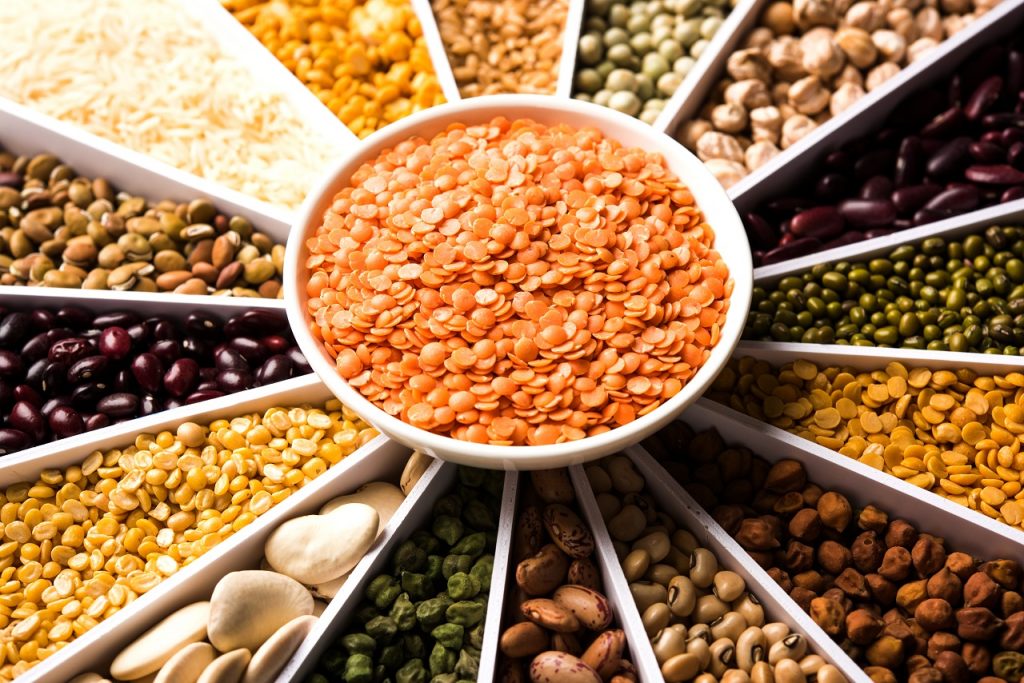
As a vegetarian, pulses are essential to our diet and there is no meal without pulses in some form or the other in our meal. Also known as legumes, pulses are the edible seeds of leguminous plants cultivated for food. Dried beans, lentils and peas are the most commonly known and consumed types of pulses. Pulses do not include crops that are harvested green like green peas and green beans which are classified as vegetable crops. Also excluded are those crops used mainly for oil extraction like soybeans and groundnuts as well as leguminous crops that are used exclusively for sowing purposes like the seeds of clover and alfalfa.

So why are pulses important crops? Pulses are packed with nutrients and have a high protein content, making them an ideal source of protein particularly in regions where meat and dairy are not physically or economically accessible. Pulses are low in fat and rich in soluble fiber, which can lower cholesterol and help in the control of blood sugar. Because of these qualities they are recommended by health organizations for the management of non-communicable diseases like diabetes and heart conditions and pulses have also been shown to help combat obesity.

In addition to the above, pulses are naturally low in fat and contain no cholesterol, which can contribute to reducing the risk of cardiovascular diseases. They are also low in sodium which is a contributor to hypertension. Pulses are a great source of plant-based protein. 100 grams of dry lentils contain a remarkable 25 grams of protein and during cooking, pulses absorb considerable amounts of water, reducing their protein content to around 8 percent. The protein quality of cooked pulses can be increased by simply combining them with cereals in a meal, like lentils with rice, classic Indian food combination. Pulses are a good source of iron and combining them with food containing vitamin C can help optimise optimise the absorption of iron in bodies from pulses, like lemon juice on a dal perhaps. Pulses are high in potassium, which supports heart health and plays an important role for digestive and muscular functions and are often quoted among the top high fibre foods, necessary for supporting digestive health and helping to reduce the risks of cardiovascular diseases as well as an excellent source of folate essential to the nervous system function and especially important during pregnancy to prevent foetal defects. They are low glycaemic index foods and help stabilise blood sugar and insulin levels, making them suitable for people with diabetes and ideal for weight management as well as being naturally gluten-free, they make an ideal food option for coeliacs.

For farmers, pulses are an important crop because they can both sell them and consume them, which helps farmers maintain household food security and creates economic stability. Pulses are also good for the environment because the nitrogen-fixing properties of pulses improve soil fertility, which increases and extends the productivity of the farmland. By using pulses for intercropping and cover crops, farmers can also promote farm biodiversity and soil biodiversity, while keeping harmful pests and diseases at bay. Pulses also contribute to climate change mitigation by reducing dependence on the synthetic fertilizers used to introduce nitrogen artificially into the soil. Greenhouse gases are released during the manufacturing and application of these fertilizers, and their overuse can be detrimental to the environment.

Recognising the value of pulses, the UN General Assembly on 20 December 2013, proclaimed 2016 as the International Year of Pulses which increased the public awareness of the nutritional and environmental benefits of pulses as part of sustainable food production. Building on the success of the International Year of Pulses, Burkina Faso proposed the observance of World Pulses Day and 10 February 2019 was proclaimed as the first World Pulses Day.

Most cultures and cuisines across the world feature pulses in some form or the other. The Indian cusine across states features pulses in different formats from the staple dals and sambars to other dishes like vadas and pakoras. Other dishes include the hummus and falafel from the Mediterranean made of chick peas, to a traditional full English breakfast which usually include baked navy beans, the Bandeja Paisa from Colombia. So try to incorporate some pulses in your daily diet for health!

International Day of Education

One child, one teacher, one book and one pen can change the world! ~ Malala Yousafzai

Education is a basic human right! It transforms lives and is a great social leveler.

Education is a human right, a public good and a public responsibility. Education to essential to reduce inequalities and improve health, to achieve gender equality and eliminate child marriage, to protect our planet’s resources, fight hate speech, xenophobia and intolerance, and to nurture global citizenship. Yet, there are at least 250 million children, adolescents and youth are out of school, most of them girls with yet millions more who attend school are not mastering the basics. This is a violation of their human right to education and the world cannot afford a generation of children and young people who lack the skills they need to compete in the 21st century economy, nor can we afford to leave behind half of humanity.

In 2018, the United Nations General Assembly proclaimed 24 January as the International Day of Education, in celebration of the role of education for peace and development. Without inclusive and equitable quality education and lifelong opportunities for all, countries will not succeed in achieving gender equality and breaking the cycle of poverty that is leaving millions of children, youth and adults behind.

Today, 258 million children and youth still do not attend school; 617 million children and adolescents cannot read and do basic math; less than 40% of girls in sub-Saharan Africa complete lower secondary school and some four million children and youth refugees are out of school. Their right to education is being violated and it is unacceptable. Education transforms lives and is at the heart of UNESCO’s mission to build peace, eradicate poverty and drive sustainable development.

The right to education is enshrined in article 26 of the Universal Declaration of Human Rights which calls for free and compulsory elementary education. The Convention on the Rights of the Child, adopted in 1989, goes further to stipulate that countries shall make higher education accessible to all. When it adopted the 2030 Agenda for Sustainable Development in September 2015, the international community recognized that education is essential for the success of all 17 of its goals. Sustainable Development Goal 4, in particular, aims to “ensure inclusive and equitable quality education and promote lifelong learning opportunities for all” by 2030.

This year is the third International Day of Education which took place yesterdat and will be marked today with the theme ‘Recover and Revitalize Education for the COVID-19 Generation’. Now is the time to power education by stepping up collaboration and international solidarity to place education and lifelong learning at the centre of the recovery. The theme has three main segments: learning heroe, innovations, and financing.

So today, in honour of the International Day of Education, if there is a child near you who are not yet in school, please ensure that they get their basic universal right and get an education!

World Logic Day

In junior college (grades 11 and 12 to those who don’t follow the British system), I had a subject called Logic. This was a completely new subject for everyone and not everyone was enamoured by it. But I loved it and loved it so much that at one point in time, I wanted to major in it. Then I learnt that Logic was part of a Philosophy major and so Logic and I parted ways because I had decided on two majors I had to choose to become my major. So when I heard that yesterday was World Logic Day, I could not help but write about this subject, which was once a favourite.

The ability to think is one of the most defining features of humankind. In different cultures, the definition of humanity is associated with concepts such as consciousness, knowledge and reason. According to the classic western tradition, human beings are defined as “rational” or “logical animals”. Logic, as the investigation on the principles of reasoning, has been studied by many civilizations throughout history and, since its earliest formulations, logic has played an important role in the development of philosophy and the sciences. World Logic Day intends to bring the intellectual history, conceptual significance and practical implications of logic to the attention of interdisciplinary science communities and the broader public

In the twenty-first century – indeed, now more than ever – the discipline of logic is a particularly timely one, utterly vital to our societies and economies. Computer science and information and communications technology, for example, are rooted in logical and algorithmic reasoning. Despite its undeniable relevance to the development of knowledge, sciences and technologies, there is little public awareness on the importance of logic. The proclamation of World Logic Day by UNESCO, in association with the International Council for Philosophy and Human Sciences (CIPSH), intends to bring the intellectual history, conceptual significance and practical implications of logic to the attention of interdisciplinary science communities and the broader public.

World Logic Day was initiated to encourage the development of logical research, to foster and strengthen interactions between people having interest for logic, to make better known logic among researchers of all fields on location as well as to make the work of logicians on location better known and lastly to develop, promote and make better known logic in the world. So why was January 14 selected as World Logic Day? This date is the date of the death of Kurt Gödel and the date of birth of Alfred Tarski, two of the most prominent logicians of the twentieth century. Other than this, according to the Julian calendar, which was the calendar promoted by Julius Cæsar, in use from 45 B.C. to 1582 A.D. and still in use in some locations, January 14 was considered to be New Year’s Day, hence an apt day to start the new year with logic and rationale.

A dynamic and global annual celebration of World Logic Day aims at fostering international cooperation, promoting the development of logic, in both research and teaching, supporting the activities of associations, universities and other institutions involved with logic, and enhancing public understanding of logic and its implications for science, technology and innovation. Furthermore, the celebration of World Logic Day can also contribute to the promotion of a culture of peace, dialogue and mutual understanding, based on the advancement of education and science. The Day was first commemorated in 2019 and this year’s celebrations are the third time the world will celebrate World Logic Day. Academic, logicians, philosophers and mathematicians worldwide would have celebrated this day yesterday and if you have not yet done so, you can still do it today!

World Braille Day

Many years ago when I was in college, we used to have many visually handicapped students studying there. This was because it was one of the few colleges which had a fully functioning braille library and I remember them starting to add more books and resources to the library. This library was right next to the main college library and we also used to get students from other colleges come to use these resources. At one point, I was also recruited by a friend to act as a writer to a visually handicapped student for the final exam. My experience there was not very good as the student I got was not interested in the exam and since it was my subject and the student was a junior, they used to ask me to write the exam for them with no input from their side for each question. I refused to do so after the first question and the experience ended badly for me. But I did see sincere students who had prepped for the exams and even today, I remember this student who had so much to say that the student writer assigned to them had a cramped hand at the end of the exam!

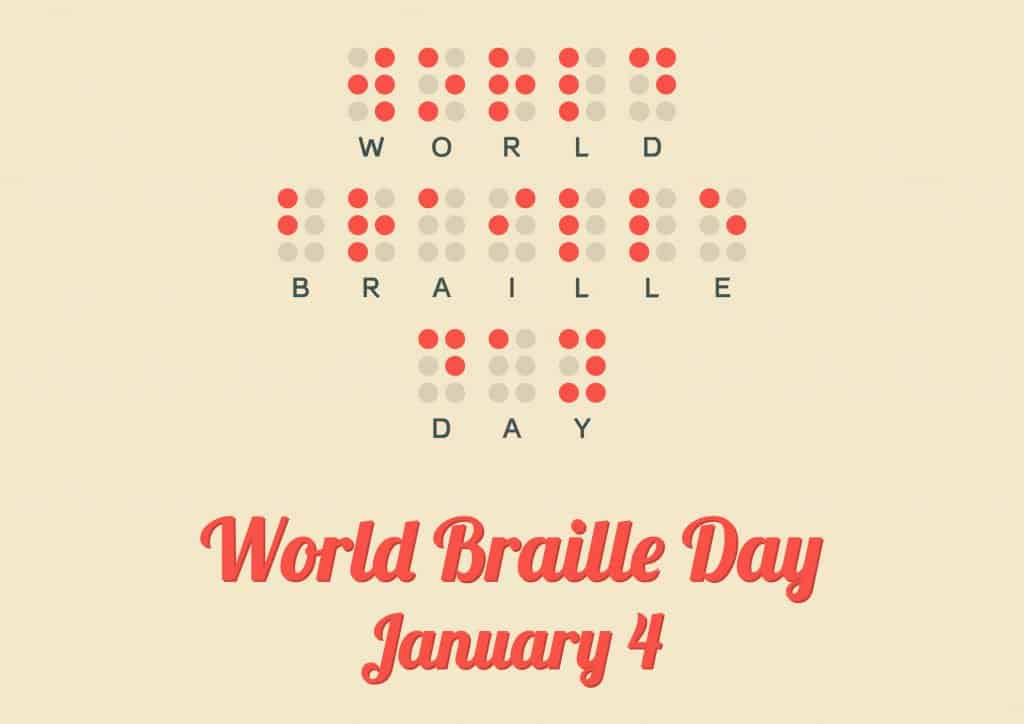
Today is World Braille Day and this post is apt for the day. Celebrated since 2019, World Braille Day is observed to raise awareness of the importance of Braille as a means of communication in the full realisation of the human rights for blind and partially sighted people.

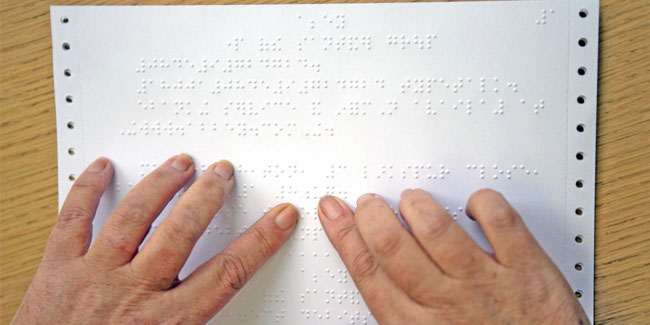
A tactile representation of alphabetic and numerical symbols using six dots to represent each letter and number, and even musical, mathematical and scientific symbols, Braille, named after its inventor in 19th century France, Louis Braille is used by blind and partially sighted people to read the same books and periodicals as those printed in a visual font. Braille is essential in the context of education, freedom of expression and opinion, as well as social inclusion.

Eye conditions are remarkably common. The World Health Organization estimates that globally 36 million people live with blindness and 216 million people have moderate to severe visual impairment. Persons with vision impairment are more likely than those without to experience higher rates of poverty and disadvantage. Vision loss often represents a lifetime of inequality, poorer health, and barriers to education and employment. In November 2018, it was decided to proclaim 4 January as World Braille Day, recognising that the full realisation of human rights and fundamental freedoms relies on an inclusive written promotion. Why 04 January? Because it is the birth anniversary of Louis Braille

World Braille Day is a reminder of the importance of accessibility and independence for people who are blind or visually impaired. Today’s reality is that many establishments such as restaurants, banks, and hospitals don’t offer braille versions of their print materials like menus, statements, and bills. Because of this, people with blindness or visual impairments often don’t have the freedom to choose a meal on their own or keep their finances private. This day spreads awareness about braille and other accessible forms of communication. It makes a visually impaired person be able to access educational opportunities and employment, be independent and be able to communicate with family, friends and society. Everyone deserves and is legally entitled to the same accommodations and service, regardless of ability. Let’s remember that and do our part to make our workplaces and community areas more accessible for everyone.

World Braille Day signifies inclusion and diversity. It is important to celebrate such days so that children become aware that people are different and unique, gaining an awareness of varying needs and requirements. Through celebrating days like this, it helps children raise important questions about additional needs and expands their knowledge of different people in our society.