The International Day of Potato: Celebrating a Global Staple

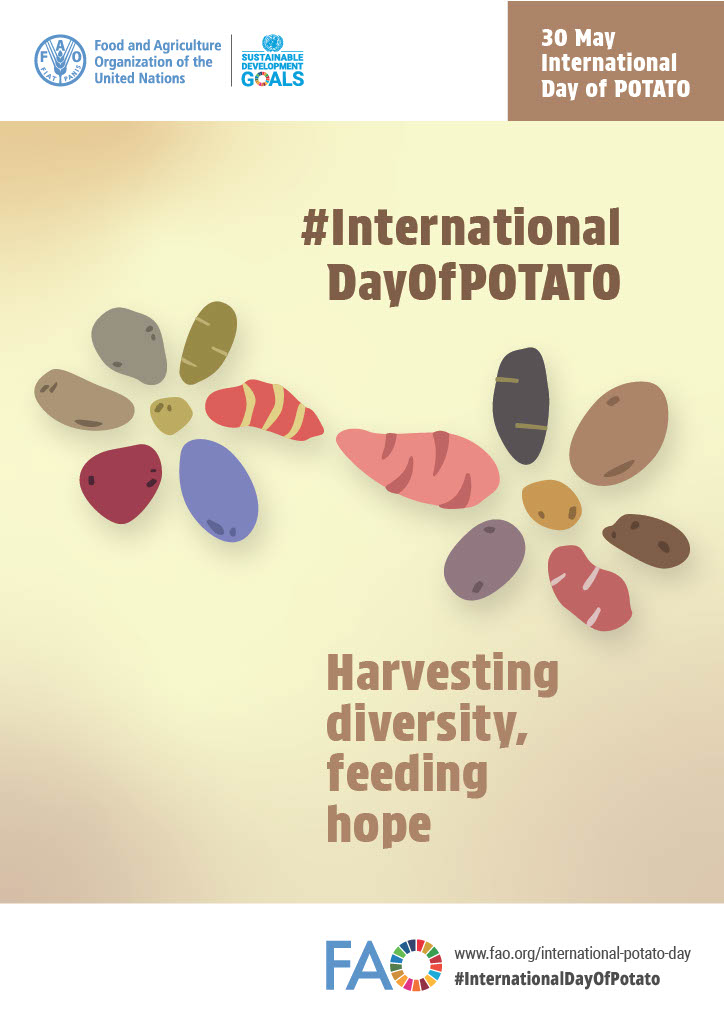
The potato, a humble tuber that has nourished civilizations for millennia, is finally getting its due recognition on the global stage. On December 30, 2023, the United Nations General Assembly proclaimed May 30th as the International Day of the Potato, a testament to the crop’s enduring importance in feeding the world.

The potato’s origins can be traced back to the Andes of South America, where it was first cultivated by indigenous communities between 5,000 and 8,000 years ago. These early potato growers recognised the tuber’s remarkable resilience and nutritional value, making it a staple food that sustained the Inca civilization.

The potato’s journey to global prominence began in the 16th century, when Spanish conquistadors brought the crop back to Europe. Initially viewed with suspicion, the potato slowly gained acceptance and became a dietary mainstay, fueling the rise of urbanisation and the Industrial Revolution. During the Qing Dynasty in China, the introduction of the potato helped alleviate famine, solidifying its place as an essential crop.

The potato’s resilience was further tested during times of conflict, such as World War II, when its high yield and storage capabilities provided much-needed food security. However, the Irish Famine of the 1840s serves as a stark reminder of the dangers of relying on a single crop variety, as a lack of genetic diversity left the potato vulnerable to disease.

Today, the potato stands as a beacon of food security and a pillar of sustainable agriculture. With over 5,000 varieties worldwide, the potato’s genetic wealth offers a powerful tool to combat pests, diseases, and the impacts of climate change. From the 12,000-hectare Potato Park in the Andes, where indigenous communities manage and protect their potato genetic resources, to the innovative use of potato starch in bioplastics, the humble tuber continues to inspire innovation and drive progress.

The potato’s global significance is undeniable. It is the third most consumed food crop globally, with 159 countries cultivating the tuber. This widespread cultivation is a testament to the potato’s adaptability, as it thrives in diverse farming systems, from small-scale, hand-tended plots in the Andes to vast, mechanised commercial farms across different continents.

The potato’s nutritional profile is equally impressive. Rich in carbohydrates, vitamins, and minerals, the potato is a complete food that can help address issues of food security and malnutrition. Furthermore, the crop’s high yield and efficient use of resources make it a valuable tool in the fight against hunger and poverty.

The cultural and culinary dimensions of the potato are equally captivating. From the iconic Irish potato famine to the Russian love affair with vodka, the potato has woven itself into the fabric of human history and tradition. Across the globe, the potato has inspired a myriad of beloved dishes, from French fries and mashed potatoes to the Peruvian causa and the Indian aloo tikki.

The inaugural International Day of the Potato, to be celebrated tomorrow, will be a momentous occasion, marking a significant milestone in the global recognition of this remarkable crop. The day will provide an opportunity to showcase the potato’s multifaceted contributions to food security, nutrition, and sustainable agriculture, while also honouring the crucial role of small-scale family farmers, a significant proportion of whom are women, in safeguarding the crop’s genetic diversity.

The celebrations will be led by the Food and Agriculture Organization, or FAO of the United Nations, in collaboration with the World Potato Congress, Inc. and national governments. The day will feature a range of activities and initiatives designed to raise awareness, advocate for the potato, and celebrate its cultural and culinary significance.

One of the key highlights of the 2024 celebrations will be the formal adoption of the International Day of Potato proposal by the FAO during their annual general assembly in December 2022, followed by the approval and resolution of the declaration during the United Nations General Assembly in September 2023. This formal recognition will pave the way for the first-ever International Potato Day to be celebrated on May 30, 2024, just a few days before the next World Potato Congress in Adelaide, Australia.

The International Day of Potato 2024 will be a momentous occasion, a global celebration of a crop that has nourished civilisations, fueled economic progress and continues to play a vital role in addressing the challenges of food security, nutrition, and sustainable agriculture. As the world comes together to honour the humble potato, it is a testament to the enduring power of this remarkable tuber and the resilience of the communities that have cultivated it for millennia.

International Day of Families: Celebrating Family Connections

The International Day of Families is an annual observance recognised by the United Nations on May 15th. This day aims to raise awareness of the importance of families and the role they play in society. Families come in many shapes and sizes, but they all share the fundamental purpose of providing love, support, and a sense of belonging for their members.

The theme for the International Day of Families in 2024 is “Strengthening Family Connections in a Digital World.” This theme reflects the growing influence of technology on modern family life and the need to find a healthy balance between digital engagement and quality time together. As families navigate an increasingly online landscape, it is crucial to explore ways of using technology to enhance family bonds rather than allowing it to become a barrier.

The International Day of Families was first established in the 1980s, when the United Nations started to focus attention on issues related to families. In 1993, the UN General Assembly passed a resolution designating May 15 as the International Day of Families. The fundamental goal of establishing this observance was to raise awareness of the importance of families and the issues affecting them globally. The day is meant to encourage people worldwide to improve their living standards and promote social progress.

The traditional nuclear family model of a married mother and father with children is no longer the only accepted family structure. Families today come in diverse forms, including single-parent households, blended families, same-sex couples, multigenerational homes, and families formed through adoption or surrogacy. This diversity is a testament to the resilience and adaptability of the family unit.

Regardless of their composition, families serve as the foundation for individual development and social cohesion. They provide a haven where children can grow, learn, and thrive. Families also play a crucial role in transmitting cultural values, traditions, and beliefs from one generation to the next.

While technology has brought many benefits to modern families, it has also introduced new challenges that require thoughtful navigation. The ubiquity of digital devices and the constant connectivity they enable can sometimes come at the expense of face-to-face interaction and quality time spent together.

Parents today often struggle to find the right balance between allowing their children to explore the digital world and setting boundaries to protect them from potential online risks, such as cyberbullying, excessive screen time, and exposure to inappropriate content.  Additionally, the blurring of work and home life due to remote work and the always-on nature of digital communication can make it difficult for families to truly disconnect and enjoy uninterrupted quality time.

The 2024 theme of the International Day of Families, “Strengthening Family Connections in a Digital World,” encourages families to embrace technology in a way that enhances their relationships and supports their overall well-being. Here are some strategies families can consider:

  • Establishing Digital Boundaries: Setting clear boundaries and guidelines around technology use can help families maintain a healthy balance. This may include designating tech-free zones or times, such as during mealtimes or before bedtime, and encouraging everyone to be present and engaged with one another.
  • Fostering Digital Literacy: Educating family members, especially children, on the responsible and safe use of digital technologies is crucial. Families can learn together about online privacy, cybersecurity, and the importance of critical thinking when consuming digital content.
  • Leveraging Technology for Connectivity: While excessive screen time can be detrimental, technology can also be used to strengthen family connections. Families can utilise video calls, messaging apps, and social media to stay in touch with loved ones who live far away, share important moments, and coordinate family activities.
  • Engaging in Digital Activities Together: Families can find ways to use technology as a tool for shared experiences and bonding. This could include playing interactive games, watching movies or shows together, or even collaborating on creative projects using digital tools.
  • Prioritising Offline Interactions: Despite the convenience and allure of digital devices, families need to make time for face-to-face interactions, outdoor activities, and unplugged experiences. These offline moments allow for deeper connections, uninterrupted conversations, and the cultivation of meaningful memories.

The International Day of Families in 2024 presents an opportunity for families around the world to reflect on the importance of their relationships and explore ways to strengthen their connections in the digital age. The day serves as a timely reminder of the enduring significance of the family unit and the need to adapt to the evolving digital landscape. By embracing technology in a way that enhances family connections, families can navigate the challenges of the modern world while preserving the core values and traditions that have sustained them throughout history.

As we celebrate this day, let us be inspired to cultivate stronger, more resilient family bonds that can withstand the test of time and the ever-changing digital landscape. Together, we can create a future where families thrive, both online and offline, and where the power of human connection remains at the heart of our lives.

World Press Freedom Day 2024: Empowering Journalists to Uphold Truth and Accountability

World Press Freedom Day is an annual observance celebrated on May 3rd to highlight the fundamental principles of press freedom and honour journalists who have lost their lives in the line of duty.

A free and independent press is the cornerstone of a healthy democracy. Journalists play a crucial watchdog role, holding those in power accountable and shedding light on issues that impact the public. When press freedom is restricted, it erodes the public’s access to accurate, unbiased information and enables the spread of misinformation and propaganda.

As the world grapples with the proliferation of “fake news” and the erosion of trust in media institutions, the need for robust, ethical journalism has never been greater. World Press Freedom Day serves as a reminder that press freedom is a fundamental human right and a necessary condition for sustainable development, peace, and justice.

World Press Freedom Day was established by the United Nations General Assembly in December 1993, following a recommendation from UNESCO’s General Conference. The day is observed annually on May 3rd to celebrate the fundamental principles of press freedom, evaluate press freedom around the world, defend the media from attacks on their independence, and pay tribute to journalists who have lost their lives in the line of duty.

The origins of World Press Freedom Day can be traced back to the “Windhoek Declaration,” a statement of free press principles put together by African newspaper journalists in Windhoek, Namibia, in 1991. This declaration affirmed that “a free press is essential to the development and maintenance of democracy in a nation and for economic development.”.

In 1993, the United Nations General Assembly declared May 3 as World Press Freedom Day, based on a recommendation from UNESCO. The first World Press Freedom Day was celebrated in 1994. Since then, UNESCO has taken the lead in organising the global commemoration of World Press Freedom Day each year, bringing together media professionals, press freedom organisations, and UN agencies to assess the state of press freedom worldwide and discuss solutions to the challenges facing journalists. The annual observance has featured a different theme related to press freedom.

World Press Freedom Day also serves as an occasion to honour journalists who have lost their lives in the line of duty, through the UNESCO/Guillermo Cano World Press Freedom Prize, named after the Colombian journalist who was assassinated in 1986. This is awarded annually to an individual or organization that has made an outstanding contribution to the defence and promotion of press freedom. In 2024, the prize will be an opportunity to honour the memory of the journalists who have made the ultimate sacrifice in their pursuit of the truth and to reaffirm the global commitment to protecting media professionals and ensuring their safety.

This year’s theme, “Empowering Journalists to Uphold Truth and Accountability,” underscores the critical role of journalists in promoting transparency, exposing corruption, and holding those in power accountable. In an era of increasing digital threats, misinformation, and political interference, journalists must be equipped with the resources, skills, and legal protections to fulfil their vital function in society. The UNESCO World Press Freedom Day conference will be hosted in Santiago, Chile.

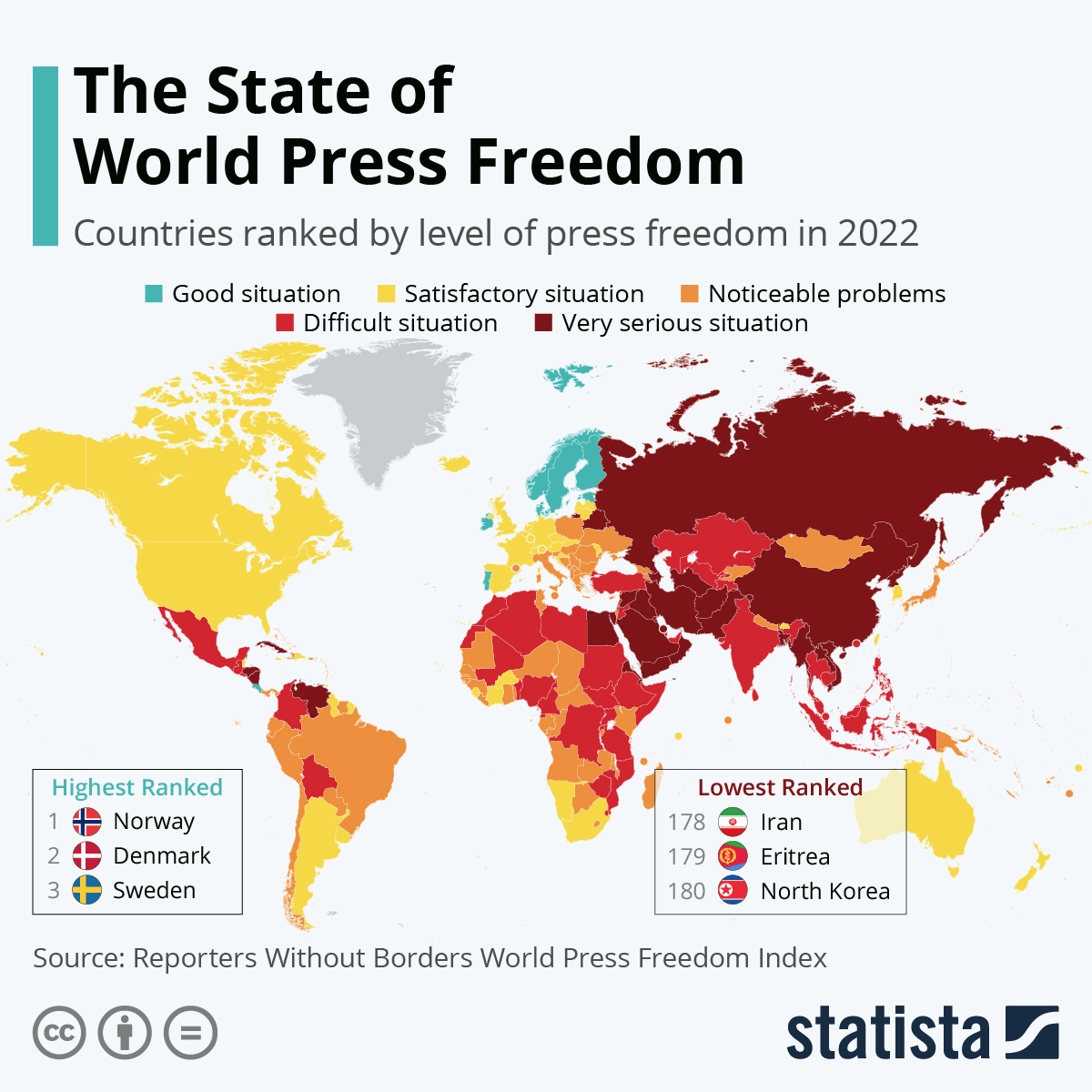
The World Press Freedom Index, published annually by Reporters Without Borders (RSF), provides a comprehensive assessment of the state of press freedom globally. In the 2023 edition, the top-ranked countries for press freedom were Norway, Finland, Sweden, Denmark, and Costa Rica, while the bottom-ranked countries included Eritrea, Turkmenistan, North Korea, and China.

The index measures factors such as media pluralism, media independence, the quality of the legal framework, and the safety of journalists. It highlights the alarming trend of increasing restrictions on press freedom, with more than 73% of the 180 countries assessed as having “problematic,” “difficult,” or “very serious” situations for journalists.

One of the most pressing challenges to press freedom is the ongoing persecution and targeting of journalists around the world. According to the Committee to Protect Journalists (CPJ), at least 67 journalists were killed in 2022 while carrying out their work. Countries with the highest numbers of journalist fatalities include Mexico, Ukraine, and Haiti.

In addition to physical violence, journalists also face other forms of repression, such as arbitrary arrests, imprisonment, and online harassment. The 2023 World Press Freedom Index found that journalism is completely or partly blocked in 73% of the countries assessed, with the COVID-19 pandemic further exacerbating the challenges faced by reporters in the field.

World Press Freedom Day 2024 serves as a critical reminder of the vital role that a free and independent press plays in upholding the principles of democracy, transparency, and accountability. The day is not just a celebration for media professionals; it is also an opportunity to engage the broader public and raise awareness about the importance of press freedom. UNESCO encourages the organisation of events, workshops, and discussions to educate the public about the role of the media in a democratic society and the challenges faced by journalists worldwide.

By participating in World Press Freedom Day activities, citizens can learn to identify and combat the spread of misinformation, support ethical journalism, and advocate for the protection of press freedom in their communities and around the world.

World Book and Copyright Day

Tomorrow is World Book and Copyright Day. Celebrated annually on April 23rd, the day celebrates the joy of books and reading. It serves as a bridge between the past and the future, connecting generations and cultures. On this day, people across the globe come together to appreciate the role of books in shaping our lives and understanding the world around us.

World Book and Copyright Day was first established by UNESCO in 1995 to be celebrated on April 23rd each year. The date was chosen to honour the passing of prominent authors such as William Shakespeare, Miguel de Cervantes, and Inca Garcilaso de la Vega. This day highlights the importance of books as a source of knowledge, creativity, and cultural enrichment, as well as to promote the publishing industry and protect intellectual property through copyright. It is seen as a link between the past and the future, a bridge between generations and across cultures. While UNESCO coordinates the global celebration, some countries observe World Book Day on different dates, such as the UK and Ireland, which celebrate it on March 2nd.

In the 2024 edition, amidst global challenges and technological advancements, the celebration takes on a renewed significance, emphasising the resilience of literature, the promotion of reading, and the preservation of cultural diversity.

The theme for World Book and Copyright Day 2024 is “Read Your Way.”. This theme emphasises the importance of choice and enjoyment in fostering a love of reading. It encourages both children and adults to find ways to engage with books that resonate with them, regardless of format or genre.

Last year marked the start of the International Decade of Indigenous Languages (2022-2032), where UNESCO prioritises the upholding and promoting linguistic diversity and multilingualism. For the 2024 edition, UNESCO will spotlight indigenous languages. Of the nearly 7,000 existing languages, many are spoken by indigenous peoples who represent the world’s cultural diversity. Recognising oral traditions and various forms of literature, UNESCO aims to celebrate and preserve these languages through books. Literary sessions amplify the Sustainable Development Goals. SDG 5, or gender equality, happens when literature amplifies the voices of countless women, and SDG 10, or reduced inequality, can be fought when books serve as tools to fight against inequalities.

The 2024 edition places a special emphasis on the role of digital innovation in democratizing access to literature. With the proliferation of e-books, audiobooks, and online libraries, readers can now engage with literary content in more accessible and interactive ways. This year’s celebration highlights the opportunities presented by digital platforms to reach broader audiences and promote literacy worldwide. Amidst the digital age, protecting copyright remains crucial for sustaining creativity and ensuring fair compensation for authors and creators. World Book and Copyright Day 2024 reaffirms the importance of copyright laws in safeguarding intellectual property rights and fostering a conducive environment for literary production. It encourages dialogue on copyright issues, piracy prevention, and the equitable distribution of royalties in the digital era. Recognizing the enduring value of reading in fostering imagination, critical thinking, and lifelong learning, World Book and Copyright Day 2024 advocates for initiatives that promote reading culture at all levels of society. From literacy programs in schools to community libraries and book clubs, efforts are underway to cultivate a passion for reading and empower individuals with the skills necessary to navigate the complexities of the modern world.

UNESCO, along with international organizations representing publishers, booksellers, and libraries, selects a World Book Capital each year. The chosen city which holds the title for a year, hosts initiatives and events to promote books, literary culture and reading throughout the year. Strasbourg, in France, has been designated as the World Book Capital for 2024. Strasbourg impressed UNESCO and the World Book Capital Advisory Committee with its strong focus on books to address social tensions and climate change. The city’s program “Reading for the Planet” emphasises books’ role in encouraging discussions about environmental concerns and scientific knowledge, particularly among young people. Strasbourg’s literary heritage and its diverse artistic activities, spanning music, theatre, and illustration, were also commendable. As the twenty-fourth city to bear this title since 2001, Strasbourg follows a distinguished lineage of previous World Book Capitals, including Madrid, Alexandria, Buenos Aires, Kuala Lumpur, and Accra.

Many countries and organisations around the world will organise events and activities to promote reading, publishing, and the protection of intellectual property through copyright. These may include book fairs, author talks, reading challenges, and book donation drives. In Spain, the traditional celebration of Diada de Sant Jordi or Saint Jordi’s Day on April 23rd will coincide with World Book and Copyright Day. This involves the gifting of books and roses. The National Literacy Trust in the UK will provide a range of teaching resources, booklists, and activity ideas to help schools and communities celebrate a love of books and reading. World Book Day is working with 20 libraries in high-deprivation areas to create a legacy around reading, including events to inspire local families.

As we commemorate World Book and Copyright Day 2024, let us reaffirm our commitment to literature as a catalyst for positive change. By embracing diversity, promoting equity, and safeguarding intellectual property rights, we can harness the full potential of literature to build a more inclusive and enlightened society. Through reading, writing, and sharing stories, we contribute to a global culture of creativity, empathy, and mutual understanding.

World Autism Awareness Day 2024: Advocating for Inclusion, Understanding, and Acceptance

In the mosaic of human diversity, each individual possesses a unique constellation of strengths, challenges, and perspectives that enrich the fabric of society. Yet, for individuals on the autism spectrum, navigating a world designed for neurotypical norms can pose significant barriers to acceptance, inclusion, and understanding.

World Autism Awareness Day, or WAAD, is a global observance dedicated to raising awareness about autism spectrum disorder, ASD and promoting early diagnosis, intervention, and support for individuals with autism and their families. Established by the United Nations General Assembly in 2007, WAAD is celebrated annually on April 2nd. Its mission extends beyond mere awareness—it aims to foster understanding, acceptance, and inclusion of autistic individuals worldwide.

In recent years, significant progress has been made in increasing awareness and acceptance of autism. Much credit goes to the tireless efforts of autistic advocates who have amplified the lived experiences of autistic people. Additionally, medical professionals and researchers have embraced the neurodiversity paradigm, a concept coined by sociologist Judy Singer in the late 1990s.

The neurodiversity paradigm shifts the narrative away from seeking a cure or conversion for autistic individuals. Instead, it emphasizes acceptance, support, and inclusion. Autistic people, like anyone else, deserve dignity, self-esteem, and full integration into their families and societies.

Since its inception, World Autism Awareness Day has grown into a global movement, with individuals, organizations, and governments around the world coming together to organize events, initiatives, and campaigns to promote autism awareness and acceptance.

Autistic advocates play pivotal roles in shaping policies that affect their community. Their lived experiences inform legislation, education, and healthcare. Policymakers must listen to their voices and prioritize their needs.

The theme for World Autism Awareness Day 2024, “Embracing Neurodiversity: Building Inclusive Communities,” underscores the importance of creating environments that recognise and celebrate the unique strengths, perspectives, and contributions of individuals with autism. The theme highlights the need for accessible and supportive services, resources, and opportunities that empower individuals with autism to fully participate in all aspects of society, from education and employment to social and recreational activities.

Autistic individuals enrich their families’ lives in unique ways. Their perspectives, creativity, and love contribute to the rich tapestry of family dynamics. By recognizing their value, we create a more compassionate and understanding home environment. Autistic employees bring diverse talents and perspectives to the workplace. Companies that embrace neurodiversity benefit from increased innovation, problem-solving abilities, and fresh insights. Accommodations and understanding lead to a more inclusive workforce. Artistic expression knows no bounds. Autistic artists create captivating paintings, music, poetry, and performances. Their unique viewpoints challenge conventions and inspire audiences. Let us celebrate their creativity and amplify their voices.

World Autism Awareness Day provides a platform to challenge misconceptions and stereotypes surrounding autism, fostering greater understanding, empathy, and acceptance among the general public. Through educational initiatives, workshops, and awareness campaigns, World Autism Awareness Day equips individuals, families, and communities with the knowledge and tools to support and advocate for individuals with autism.

World Autism Awareness Day highlights the importance of early intervention and access to specialized services and therapies that can help individuals with autism reach their full potential and lead fulfilling lives. The day also recognizes the critical role of families as advocates, caregivers, and allies in the journey of individuals with autism, providing them with the support, resources, and encouragement they need to thrive.

World Autism Awareness Day celebrates the diverse talents, interests, and achievements of individuals with autism, from artistic expression and academic success to technological innovation and advocacy. The day advocates for inclusive employment practices and opportunities that enable individuals with autism to contribute their unique skills and perspectives to the workforce, fostering diversity and innovation in the workplace.

World Autism Awareness Day catalyzes policy change and advocacy efforts aimed at promoting the rights, dignity, and well-being of individuals with autism at the national and international levels. By advocating for greater social justice and equity for individuals with autism, World Autism Awareness Day advances the principles of inclusion, equality, and human rights for all members of society.

As we mark World Autism Awareness Day 2024, let us reaffirm our commitment to building a world that embraces and celebrates the diversity of the human experience. Through education, advocacy, and compassionate action, let us create communities that honour the inherent worth and dignity of every individual, regardless of neurotype Together, let us strive for a future where individuals with autism are valued, respected, and empowered to live their lives to the fullest, enriching our world with their unique perspectives, talents, and gifts.