There’s a unique thrill that comes with holding a new book in your hands, a feeling that’s hard to describe yet so familiar to every reader. The weight of the book, the crispness of its pages, and the possibilities it holds stir a sense of anticipation like no other. Each unread chapter is a promise, waiting to transport you to a world you’ve yet to explore. This moment — right before you turn the first page — is filled with hope, wonder, and the excitement of what might be discovered within. Today’s poem captures this fleeting, magical moment.
The book rests in my hands, its weight so light, Yet within it, whole worlds are hidden from sight. The cover is smooth, its spine uncreased, A story untold, a curiosity teased.
My fingers hover on the edge of page one, With anticipation rising, it’s just begun. Will there be wonders, adventures untold? Or secrets and sorrows, quietly bold?
I imagine the characters, not yet known, Lives that will merge with my own. Will I find heroes or friends that stay, Long after I’ve turned the last page away?
The scent of new pages, the rustle they make, Whispers of journeys my heart will take. A treasure of words awaits to be found, In every chapter, new worlds abound.
In this moment of pause, before I begin, I wonder what stories will soon pull me in. The joy of a book is the joy of the unknown, Where every new story becomes your own.
Often referred to as “The Great Night of Shiva,” Maha Shivaratri is one of the most significant festivals in Hinduism, dedicated to Lord Shiva, the deity symbolising creation, preservation, and destruction. This festival is celebrated annually on the 14th night of the dark fortnight in the month of Phalguna, which comes in February or March, marking a time for spiritual reflection, devotion, and celebration. The festival’s origins are steeped in rich mythology and tradition, and its observance varies widely across different regions of India and among Hindu communities worldwide.
The origins of Maha Shivaratri are deeply rooted in Hindu mythology. Several legends recount the significance of this festival. One prominent legend states that Maha Shivaratri commemorates the night when Lord Shiva performed the ‘Tandava’, a cosmic dance symbolising creation, preservation, and destruction. This dance is believed to represent the rhythm of the universe and is a vital aspect of Shiva’s divine nature. Another significant narrative is that Maha Shivaratri marks the wedding night of Lord Shiva and Goddess Parvati. Their union symbolises the balance between masculine and feminine energies, representing harmony in the cosmos. This aspect makes Maha Shivaratri particularly special for married couples who seek blessings for their relationships. According to another legend, it was on this night that Shiva manifested himself in the form of a Lingam, a representation of his divine presence. This event signifies his infinite existence and connection to creation.
Maha Shivaratri has been celebrated for centuries, with its roots tracing back to ancient Hindu civilisation. The festival reflects a broader cultural significance beyond mere religious observance; it encapsulates themes of transformation, renewal, and spiritual awakening that resonate across various aspects of life.
Maha Shivaratri holds profound spiritual importance for devotees. The festival is seen as an opportunity for spiritual growth and introspection. Devotees believe that observing rituals during this time can lead to purification of the mind and soul, helping them overcome obstacles in life. Fasting and prayer during Maha Shivaratri are believed to cleanse devotees’ hearts and minds. Many observe strict fasts, consuming only water or milk throughout the day before breaking their fast at dawn on the following day. The festival fosters a sense of community among participants as they come together for prayers, chanting, and singing devotional songs or bhajans. It serves as a reminder of shared beliefs and collective spirituality.
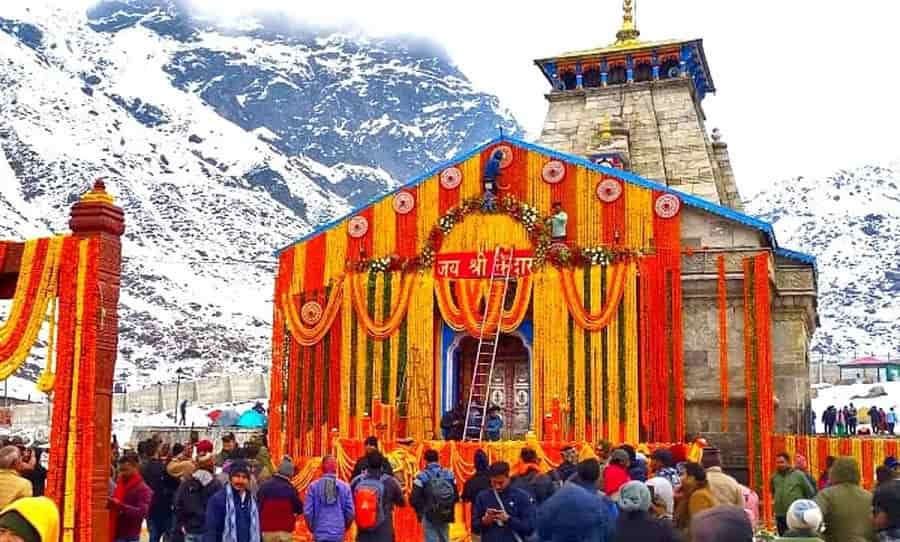
The festival is celebrated with great fervor across India, with regional variations reflecting local customs and traditions. In northern states like Uttar Pradesh and Uttarakhand, devotees flock to temples such as Kashi Vishwanath in Varanasi and Kedarnath to participate in elaborate rituals. The night is marked by all-night vigils where devotees chant “Om Namah Shivaya” while offering milk, honey, and bel leaves to Shiva Lingams. In South India, particularly among Brahmin communities, rituals begin early in the morning with special prayers or pujas at temples dedicated to Lord Shiva. Devotees often perform Rudra Abhishek, bathing Shiva Lingams with sacred substances like milk and honey. The night is spent in meditation, bhajans, and discussions about Shiva’s teachings.
In Maharashtra, celebrations often include processions featuring traditional music and dance. Temples are beautifully decorated, attracting large crowds who engage in communal prayers. In West Bengal and Odisha, Maha Shivaratri is celebrated with unique cultural performances such as folk dances that narrate stories from Shiva’s life. Devotees also prepare special dishes as offerings during this time.
Maha Shivaratri transcends geographical boundaries. In countries with significant Hindu populations such as Nepal, Mauritius, Fiji, and Trinidad & Tobago, festivities take place with similar fervor. In Nepal’s Pashupatinath Temple—one of the holiest sites for Hindus—thousands gather to participate in rituals throughout the night. Indo-Caribbean communities also observe this festival with solemnity in over 400 temples worldwide.
The rituals performed during Maha Shivaratri are diverse yet share common elements. Devotees typically fast throughout the day leading up to the night celebrations. Some consume only water or milk while others may choose to abstain from food altogether. Rituals involve offerings made to Shiva Lingams consisting of milk, honey, ghee (clarified butter), fruits, flowers, and bel leaves—considered sacred to Lord Shiva. The chanting of mantras such as “Om Namah Shivaya” plays a central role during worship sessions both at home and in temples. Many devotees stay awake throughout the night engaging in prayers, singing bhajans or participating in discourses about Lord Shiva’s teachings. In various regions, cultural performances including dance dramas depicting stories from Shiva’s life add vibrancy to the celebrations.
Several myths enhance the richness of Maha Shivaratri’s narrative. One myth recounts how Lord Shiva vanquished Tripurasura—the demon representing ignorance—on this auspicious night. This victory symbolises triumph over darkness and ignorance. Another popular tale involves Markandeya—a devotee who was destined to die young but was saved by Lord Shiva when he embraced him as a child amidst death’s approach. Legends often highlight Lord Shiva’s compassion towards his devotees; many stories illustrate how he intervenes to protect those who sincerely seek his blessings during Maha Shivaratri.
Maha Shivaratri stands as a testament to the rich tapestry of Hindu culture—a celebration that encompasses devotion, spirituality, community bonding, and deep-rooted traditions. As devotees across India and around the world honour Lord Shiva through fasting, prayer, cultural performances, and communal gatherings on this auspicious night, they not only pay homage to their deity but also embrace themes that resonate universally—transformation, renewal, love, and spiritual awakening. The festival serves not just as a religious observance but also as an opportunity for individuals to reflect on their lives while seeking blessings for personal growth and harmony within their families and communities. Through its myriad forms of celebration—from temple rituals to vibrant cultural expressions—Maha Shivaratri continues to inspire millions each year with its profound significance rooted in ancient mythology yet relevant in contemporary society.
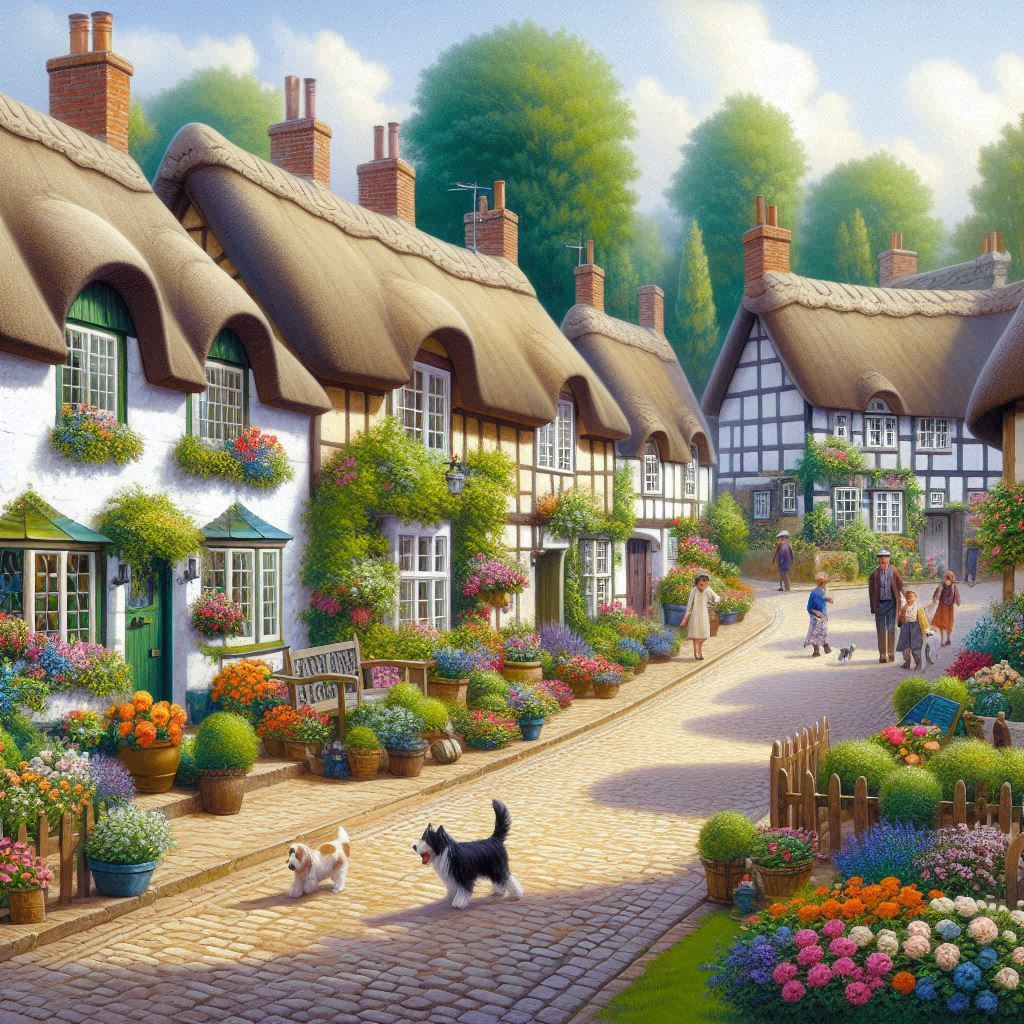
In the quaint village of Aldergrove, nestled between rolling hills and a shimmering lake, the air was always fragrant with the scent of blooming wildflowers. The village was a tapestry of vibrant colours, where every house had its own story and every corner held a memory. Aldergrove was known for its annual Festival of Hearts, a celebration dedicated to love in all its forms. This year, however, the festival would be unlike any other, as it would bring together the lives of several villagers in unexpected ways.
Clara Thompson was a single mother who poured all her love into her son, Jamie. At ten years old, Jamie was a bright and curious child with an insatiable thirst for adventure. Clara worked as a seamstress, her hands often stained with fabric dye and her fingers calloused from years of sewing. Despite their modest means, Clara created a warm home filled with laughter and creativity.
One evening, as they prepared for bed, Jamie asked, “Mom, do you think love is like magic?” Clara smiled softly. “In many ways, yes. Love can make ordinary moments feel extraordinary.” “Like when you make my favourite pancakes?” Jamie grinned. “Exactly! And remember how we helped Mrs. Jenkins with her garden? That was love too.” Jamie nodded thoughtfully. “Can love be strong enough to make people better?” Clara’s heart swelled with pride. “Absolutely. Love can heal wounds and mend broken hearts.”
Max was a golden retriever with a heart as big as his bark and belonged to Clara and Jamie. He was more than just a pet; he was Jamie’s confidant and Clara’s source of comfort after long days. One sunny afternoon, while Clara was busy sewing in the garden, Jamie raced outside with Max by his side. “Mom! Look what I found!” he exclaimed, holding up a small bird that had fallen from its nest.
“Oh dear,” Clara said, rushing over. “We need to help it.” Together, they created a makeshift nest and placed the bird inside. Max watched intently, his tail wagging gently as if he understood the importance of their mission. As days passed, they nurtured the bird back to health. Jamie named it Pip and felt an overwhelming sense of love for his new friend. Max seemed to share this bond too; he would sit by Pip’s side, offering warmth and protection.
Also in Eldergrove lived two best friends, Mia and Lily. They had grown up together, sharing secrets under the old oak tree and dreaming about their futures. Their friendship was built on trust and shared experiences—like the time they helped each other through heartbreaks or celebrated each other’s successes.
One day at school, Mia confided in Lily about her struggles with self-doubt. “I don’t know if I’m good enough for the art competition,” she admitted. Lily took Mia’s hands in hers. “You are amazing! Remember last summer when you painted that mural? It was beautiful!” Mia smiled but still felt uncertain. “What if I fail?” “Then we’ll paint another one together,” Lily replied confidently. Inspired by Lily’s unwavering support, Mia decided to enter the competition. With each stroke of her brush during practice sessions at home, she felt Lily’s encouragement fueling her creativity.
As the Festival of Hearts approached, excitement buzzed through Eldergrove like electricity. Clara decided to create something special for Jamie—a quilt that represented their love and experiences together. “Mom! Can I help?” Jamie asked eagerly. “Of course! Let’s gather some fabric that reminds us of our favourite memories,” Clara suggested.
They rummaged through old clothes and scraps from previous projects. Each piece told a story: the blue from Jamie’s first birthday shirt, the floral pattern from Clara’s favourite summer dress, and even a patch from Max’s old blanket. As they worked side by side, Clara realized that this quilt would not only honour their bond but also symbolize all forms of love in their lives—friendship, family, and loyalty.
However, life in Aldergrove wasn’t without its challenges. A sudden storm swept through the village days before the festival, causing damage to homes and gardens alike. Clara’s heart sank when she saw their beloved oak tree—the one where Mia and Lily had shared countless memories—had been uprooted.
The community came together to help each other rebuild. Clara joined forces with her neighbours while Jamie helped organise games for children to lift their spirits amidst the chaos. During this time of hardship, Max became a beacon of comfort for everyone. He would visit each family affected by the storm, offering warmth and companionship that reminded them that love could shine even in dark times.
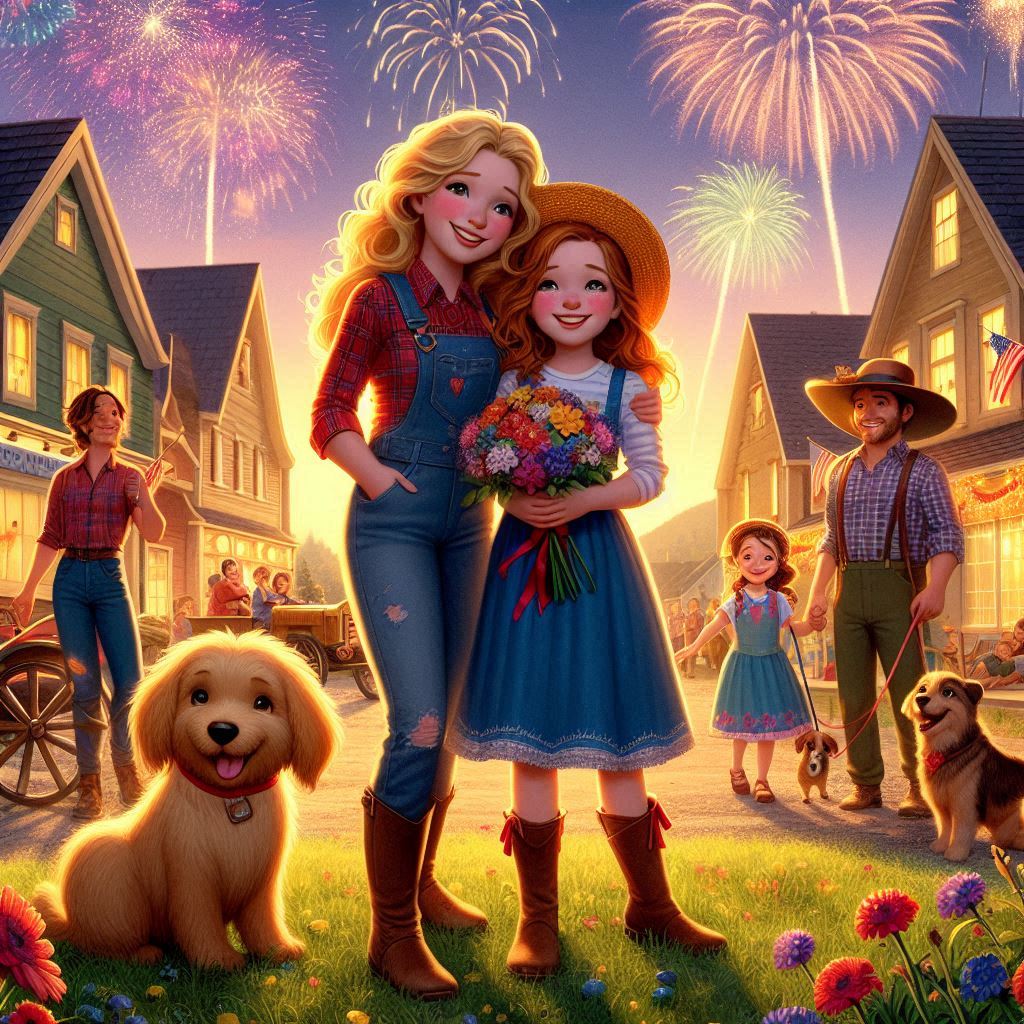
Finally, the day of the festival arrived with clear skies and radiant sunshine illuminating Aldergrove like a fairy tale setting. The streets were adorned with colourful banners and flowers; laughter echoed as families gathered to celebrate love in all its forms. Clara unveiled the quilt at the festival’s main event—a showcase of talents where villagers shared stories through art and music. As she presented it to Jamie on stage, tears glistened in her eyes.
“This quilt represents our journey together,” she said softly. “Every patch is filled with love—love for each other, our friends, our community, even our loyal Max.” The crowd erupted in applause as Jamie hugged his mother tightly. In that moment, he understood that love wasn’t just magic; it was also resilience and unity.
The festival continued with games and performances showcasing friendships forged over the years—the bonds between parents and children strengthened by shared experiences—and even between pets who brought joy into their owners’ lives.
Mia revealed her artwork at the competition—a stunning mural depicting all forms of love in Eldergrove: families holding hands under an oak tree; friends laughing together; pets playing joyfully beside their owners. When Mia won first place for her mural that day, she dedicated it to Lily for always believing in her dreams despite her fears.
As night fell over Eldergrove and lanterns lit up like stars above them, families gathered around bonfires sharing stories about love—the kind that transcends time and space; that heals wounds; that brings joy amidst sorrow; that binds communities together.
As the festival drew to a close under a sky full of twinkling stars reflecting on Lake Eldergrove’s surface like diamonds scattered across velvet cloths—Clara held Jamie close while Max lay at their feet contentedly watching over them both—she whispered softly into his ear: “Remember this day always—love is not just something we feel; it’s something we do.” Jamie nodded solemnly but with excitement bubbling inside him—he knew now more than ever how powerful love could be—not just between mother and son or friends—but within everyone around them too!
And so it was that in Aldergrove—a village woven together by threads of affection—the tapestry of love continued to flourish through generations—reminding all who lived there that no matter what challenges life may bring—the bonds formed through kindness would forever endure!
When was the last time you either wrote a letter to someone or received a letter from someone? I haven’t received one or written one in decades. The only letters I receive these days are bills or notices. But this is the digital age where everyone connects with others online or virtually.
The practice of letter writing dates back to ancient civilisations. The earliest known letters were written on clay tablets in Mesopotamia around 2500 BCE. These early communications were primarily administrative or commercial in nature. As societies evolved, so did the form and function of letters. In ancient Rome, letters became a vital tool for personal communication among the elite. Figures like Cicero and Pliny the Younger wrote extensively, using letters to convey thoughts, share news, and maintain relationships across distances. The invention of the printing press in the 15th century further revolutionized letter writing by making writing materials more accessible.
The 18th and 19th centuries marked the golden age of letter writing. This period saw a flourishing of epistolary literature, where novels were crafted in letter form, allowing authors to explore characters’ inner thoughts and emotions intimately. Famous works such as Mary Shelley’s “Frankenstein” and Bram Stoker’s “Dracula” utilised this format effectively.
During this time, letters became essential for maintaining long-distance relationships. People would pour their hearts into beautifully crafted missives, often adorned with elaborate stationery. The art of penmanship was highly regarded, with individuals taking pride in their handwriting styles.
The advent of the internet and mobile technology has drastically altered how we communicate. Emails emerged in the 1990s as a faster alternative to traditional mail, quickly gaining popularity for both personal and professional correspondence. Social media platforms further accelerated this shift by enabling real-time communication. As a result, the frequency of letter writing has diminished significantly. The convenience of texting and emailing has led many to view letter writing as outdated or unnecessarily time-consuming. The fast-paced nature of modern life has also contributed to a decline in letter writing. People often prioritise efficiency over thoughtfulness; quick messages have replaced carefully considered letters. The younger generations who have grown up with digital communication may not fully appreciate the emotional depth that a handwritten letter can convey.
Growing up, my grandfather, tatha was a prolific letter writer and maintained correspondence with many relatives and friends across India and the world. Tatha was very old school, a product of colonial education and a very proper person. He is the sort of person who would dress up for meals and would insist on the proper mealtime etiquette at all times. From the time my sister and I were toddlers, he would insist on speaking with us only in English and that too in proper British English. That is why both of us have a fairly good grasp of the language.
My earliest memories are of him pounding away letters to family and friends on his typewriter. In those days, domestic letters would come as a blue inland letter. Very rarely, you would see people writing on paper and sending it in an envelope. And you had to write within the space provided. The postman would come to our home in the early afternoon and as soon as he received a letter, he would read it and if it was also meant for my grandmother, ammama, he would share it with her and then start composing a reply on his typewriter. This would be repeated for every letter he received. He would not take more than 24 hours to reply and would have a ready stock of inland letters, paper, envelopes and stamps. This continued even after he retired and moved to Bangalore. From Bangalore, we also became the recipient of regular letters from him and ammama.
My mother was the letter writer in our family and would reply to tatha and ammama with my sister and me writing a few lines at the end, squeezing in as much as we could in the meagre space we got. She is the oldest of four sisters and when we were young, two of her sisters lived in the Middle East. So her correspondence with her sisters was through aerogrammes, Also known as an air letter, an aerogramme was a lightweight, foldable, gummed paper that functioned as both the letter and the envelope. Again, you had to write within the space provided and squeeze in everything you wanted to share with them. Some people even added physical photos inside the aerogramme.
I too had a period when I wrote a lot of letters. That was my penpal phase when I used to correspond with a few people across the country. That lasted perhaps for about six months when I was about 17-18 and whittled down to one penpal to whom I wrote until both of us got married. I recently reconnected with her and it was good to go back to old friendships. Of course, today we talk on Whatsapp, and sometimes I miss getting special paper and envelopes and sitting down to write a long letter to her telling her all about what happened in life since the last letter. Ah, memories!
After reading this post, if you have the urge to write a letter to someone, remember that writing letters can also provide therapeutic benefits. The act of putting pen to paper allows one to articulate their thoughts and feelings more deeply than they might in a text message or email. This process can be particularly beneficial during times of stress or grief, offering an outlet for reflection and emotional processing. Studies have shown that expressive writing can improve mental health by reducing anxiety and enhancing overall well-being. Crafting letters, whether to loved ones or even to oneself, can serve as a form of self-care that promotes mindfulness and emotional clarity.
In our fast-paced digital world, the lost art of letter writing offers an opportunity for deeper connections and meaningful communication. While technology continues to shape how we interact, embracing handwritten correspondence allows us to slow down and reflect on our thoughts and emotions.
Celebrated annually on February 11, the International Day of Women and Girls in Science serves as a crucial reminder of the importance of ensuring equal access and participation of women and girls in the fields of science, technology, engineering, and mathematics (STEM). The day not only acknowledges the significant achievements of women in these fields but also aims to inspire future generations to pursue careers in science, contributing to a more inclusive and equitable world.
The International Day of Women and Girls in Science was established by the United Nations General Assembly in December 2015. The resolution aimed to achieve full and equal access to and participation in science for women and girls and to further achieve gender equality and the empowerment of women and girls. The decision to dedicate a day to celebrate women and girls in science stemmed from a recognition of the persistent gender gap in scientific fields and the need to address the barriers that hinder women’s participation.
Despite women making up nearly half of the global population, their representation in science and technology remains disproportionately low. According to UNESCO, women constitute only 30% of the world’s researchers, and this number decreases when it comes to leadership positions in scientific research and academia. The International Day of Women and Girls in Science seeks to raise awareness about these disparities and promote policies that encourage the participation of women and girls in STEM.
The roots of the movement for women in science can be traced back to the late 19th and early 20th centuries, when pioneers like Marie Curie and Ada Lovelace made significant contributions to their respective fields. However, it was not until the late 20th century that women’s achievements in science started to gain broader recognition. The establishment of the International Day of Women and Girls in Science marks a pivotal moment in acknowledging and celebrating these contributions while advocating for continued progress.
The International Day of Women and Girls in Science serves several critical purposes. One of the primary goals of the day is to raise awareness about the challenges that women and girls face in pursuing careers in STEM. This includes societal stereotypes, a lack of role models, and insufficient support systems. By highlighting these issues, the day encourages dialogue and action to address them. The day provides an opportunity to celebrate the accomplishments of women and girls in science. From groundbreaking research to innovative technologies, women have made significant contributions across various scientific disciplines. The International Day of Women and Girls in Science aligns with the broader goals of gender equality and women’s empowerment. By advocating for equal opportunities in scientific fields, the day contributes to the fight against gender discrimination and promotes a more equitable society. Highlighting role models and success stories can inspire young girls to pursue careers in science. The day serves as a platform to showcase diverse women in science, thereby encouraging girls to envision themselves in these roles and understand that they, too, can make significant contributions to the field.
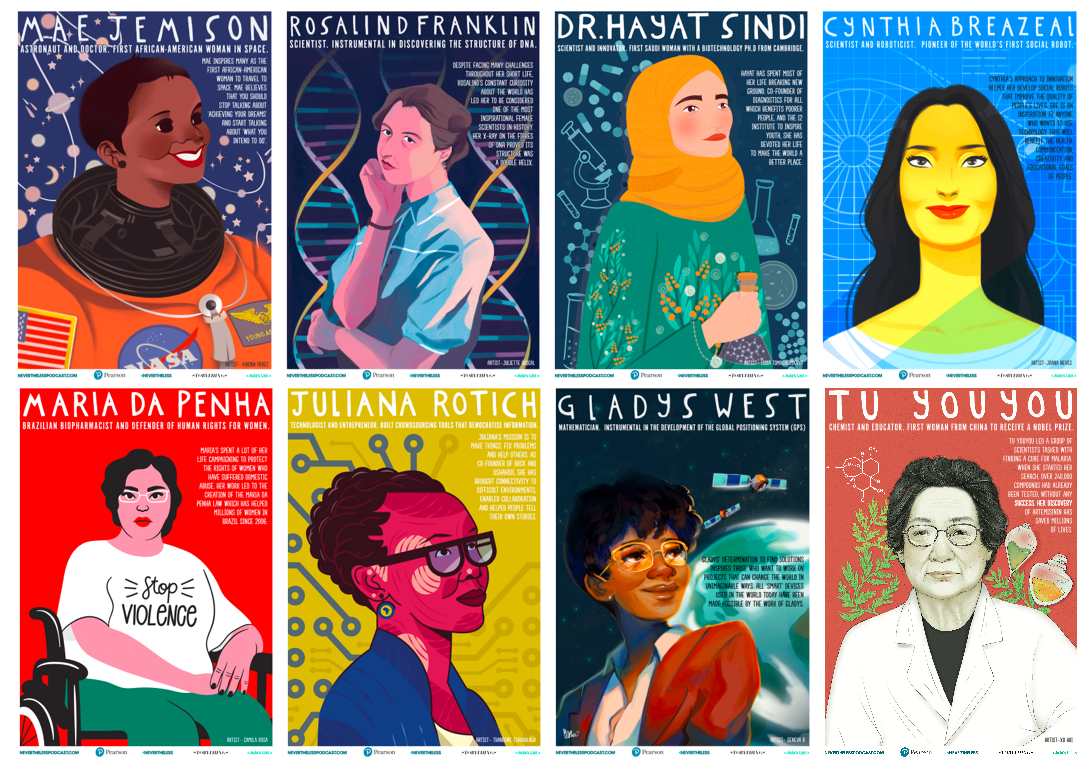
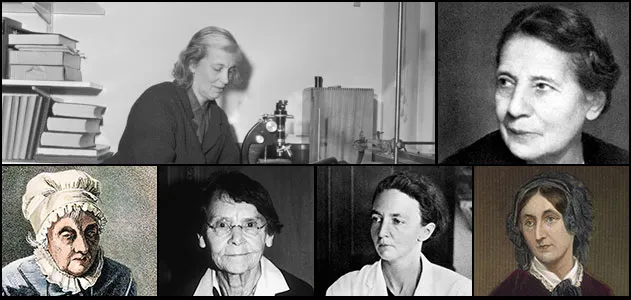
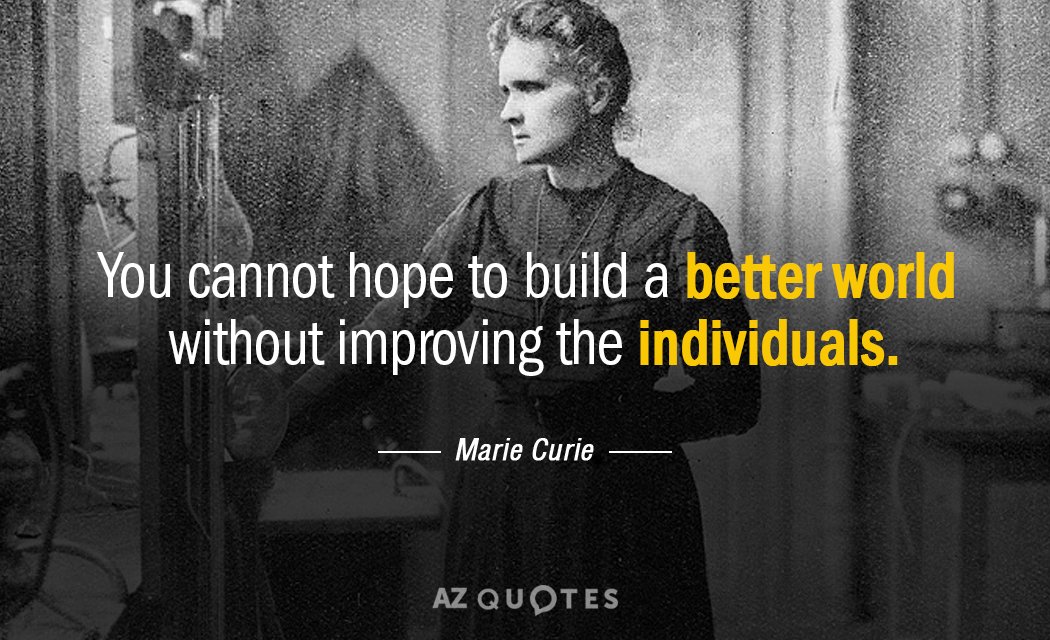
Women have played a pivotal role in advancing scientific knowledge and innovation throughout history. Their contributions span a wide range of fields, including medicine, engineering, physics, environmental science, and mathematics. The first woman to win a Nobel Prize, Marie Curie’s groundbreaking research on radioactivity paved the way for advances in both science and medicine. Her legacy continues to inspire countless scientists today. While her contributions to the discovery of the DNA double helix were not fully recognized during her lifetime, Rosalind Franklin’s work was crucial in understanding the molecular structure of DNA, ultimately influencing genetics and biotechnology. As the first African American woman in space, Mae Jemison not only broke barriers in her field but also became a role model for aspiring scientists and engineers, particularly young girls of color. Diversity in science is essential for fostering innovation and creativity. Different perspectives can lead to new ideas and approaches to problem-solving. Women and girls bring unique experiences and viewpoints that can enrich scientific inquiry and lead to breakthroughs in research and technology.
Despite the undeniable contributions of women and girls in science, various barriers continue to persist. Societal stereotypes about gender roles can discourage girls from pursuing STEM careers. Combating these biases requires comprehensive educational initiatives and community support. The underrepresentation of women in leadership roles within scientific institutions can perpetuate a cycle where young girls lack role models to look up to. Increasing the visibility of women in leadership positions is critical. The challenge of balancing family responsibilities with professional aspirations can disproportionately affect women in science. Organisations need to implement policies that support work-life balance, such as flexible working hours and parental leave.
Each year, the International Day of Women and Girls in Science adopts a specific theme that reflects current issues and aspirations related to gender equality in STEM. These themes guide the activities and discussions surrounding the day, providing focus and direction for advocacy efforts. The 2025 theme is “Unpacking STEM Careers: Her Voice in Science.” The theme will explore the critical role of women in scientific innovation and discuss the need for inclusive media representation to challenge gender stereotypes in Science, Technology, Engineering, and Mathematics (STEM) careers.
To foster a greater interest in STEM among girls, educational institutions and organizations must implement targeted initiatives. Workshops, camps, and mentorship programmes specifically aimed at girls can help build confidence and interest in science from a young age. Connecting young girls with female scientists and engineers can provide inspiration and practical guidance as they navigate their educational journeys. Schools should ensure that their curricula highlight the contributions of women in science, providing students with diverse perspectives and role models.
Communities and workplaces play a vital role in supporting women and girls in science. Strategies include creating platforms for women in science to connect, share experiences, and support each other, which can foster a sense of community and encourage collaboration; advocating for policies that promote gender equality within scientific institutions can lead to lasting change. This includes policies on hiring practices, parental leave, and workplace culture. Engaging in campaigns that highlight the importance of diversity and inclusion in STEM can shift societal perceptions and encourage greater support for women in science.
The International Day of Women and Girls in Science serves as a powerful reminder of the significance of gender equality in scientific fields. By celebrating the achievements of women and girls in science, raising awareness of the challenges they face, and promoting initiatives that encourage their participation, we can work towards a future where everyone has equal opportunities to contribute to scientific advancement.
As we look ahead to future celebrations of this important day, let us commit to fostering an environment that empowers women and girls to pursue their passions in science, technology, engineering, and mathematics. By doing so, we not only honour the contributions of those who came before us but also pave the way for the next generation of innovators and leaders in science. Together, we can build a more inclusive and equitable scientific community that benefits all of humanity.












 Memories and Such