Travel Bucket List: Nepal – Part 16

Jomsom
Also known as Dzongsam or the new fort, Jomsom is the centre of the Gharapjhong rural municipality in Mustang district and a former independent village development committee situated at an altitude of about 2,700 m in western Nepal. The soaring peaks of Dhaulagiri and Nilgiri form a backdrop to the town straddling the Kali Gandaki River, which flows right through the centre of Jomsom. Along the banks of the Kali Gandaki, black fossilised stones called shaligram, considered a symbol and reminder of Lord Vishnu can be found. Such stones are believed to be found only in the Kali Gandaki, and are considered holy by Hindus. The town is also the main hub for onward travel to Upper Mustang and Muktinath.

Jomsom lies to the north of Pokhara and is the main gateway to Upper Mustang. The trail passing through Jomsom follows the Kali Gandaki River which forms the deepest ravine in the world; on one side lies the Annapurna mountain range and on the other side is Dhaulagiri. The river freezes during winter and flows with rainwater and melting snow in summer and monsoon. With its diverse landscape, the area around Jomsom has the scenery of rocky cliffs and high peaks of the Himalayas without much presence of greenery, with the exception being forests of bright rhododendrons. The culture in Jomsom is a rich combination of Hinduism and Tibetan Buddhism.

The houses in Jomsom are designed to protect the inhabitants from the strong winds that blow in the valley every day from late morning onwards. These winds are caused by the differences in atmospheric pressure between the Tibetan plateau and the lower reaches of the valley. The best example of the unique architecture of this region is found in the village of Marpha which is a two-hour walk down from Jomsom, where one can find stone-flagged streets with an efficient underground drainage system and flat-roofed houses with a central courtyard, which best showcase the architecture of this area.

Not too far from Jomsom is Muktinath, the famous pilgrimage site for Buddhists and Hindus. For Hindus, Muktinath is a sacred place of salvation. They believe that bathing in the waters here guarantees salvation after death. The Hindu god, Lord Brahma, is said to have lit the eternal flames that burns at Muktinath. To Buddhists, Muktinath is where the great sage Guru Rinpoche or Padmasambhava who brought Buddhism to Tibet, came to meditate. The area around Jomsom is a perfect place to find fossilised ammonites, known locally as Shaligram, which are found all along the upper reaches of the Kali Gandaki.

Most of the route along the Jomsom trek forms part of the Annapurna circuit and Annapurna foothill treks. The usual starting point is Naya Pul on the Pokhara to Baglung road and from there, via Ghorepani and Tatopani, into the gorge of the Kali Gandaki. The deep valleys and high mountains encircling the giant Annapurna Himal embrace a wide range of peoples and terrain, from sub-tropical jungle to a high, dry landscape resembling the Tibetan Plateau.

Located 13 km from Jonsom, Dumba Lake is a small but picturesque attraction which is a short hike from Jomsom. Leopard Cave is an underground natural enclosure located at Thini. Rare snow leopard species are found here. Jomsom View Tower, from the height of 3750 m, offers beautiful panoramic views of the mountains of Mustang. The view tower is located at Thini, which is a short hike from Jomsom. Located on the Beni-Jomsom highway, about 40 km from Jomson, Rupse Falls is a major tourist attraction. The water falls from a height of 300 m and is surrounded by lush greenery and the world’s deepest gorge, the Kali Gandaki Gorge lies very close to the waterfall.
Kagbeni
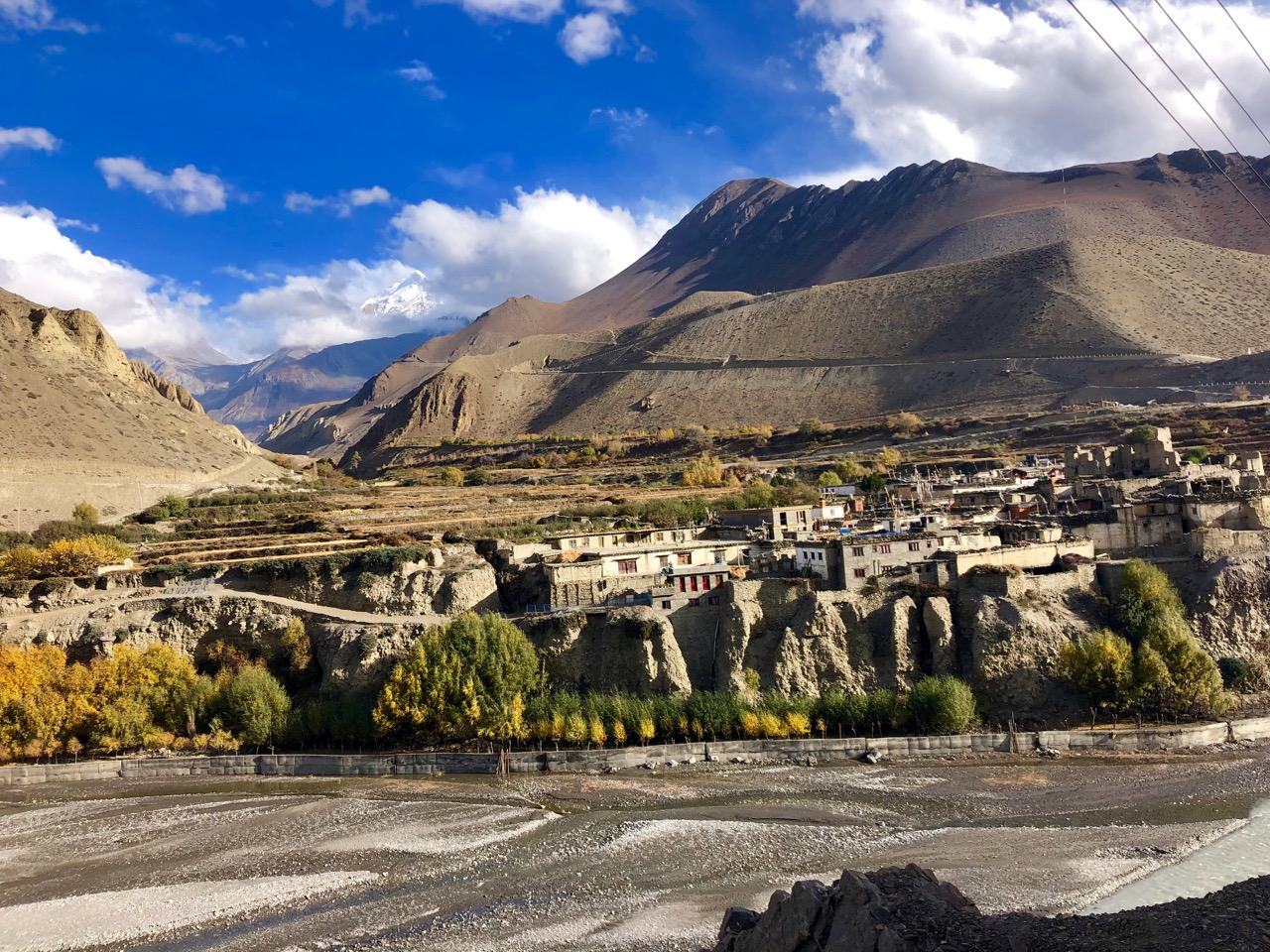
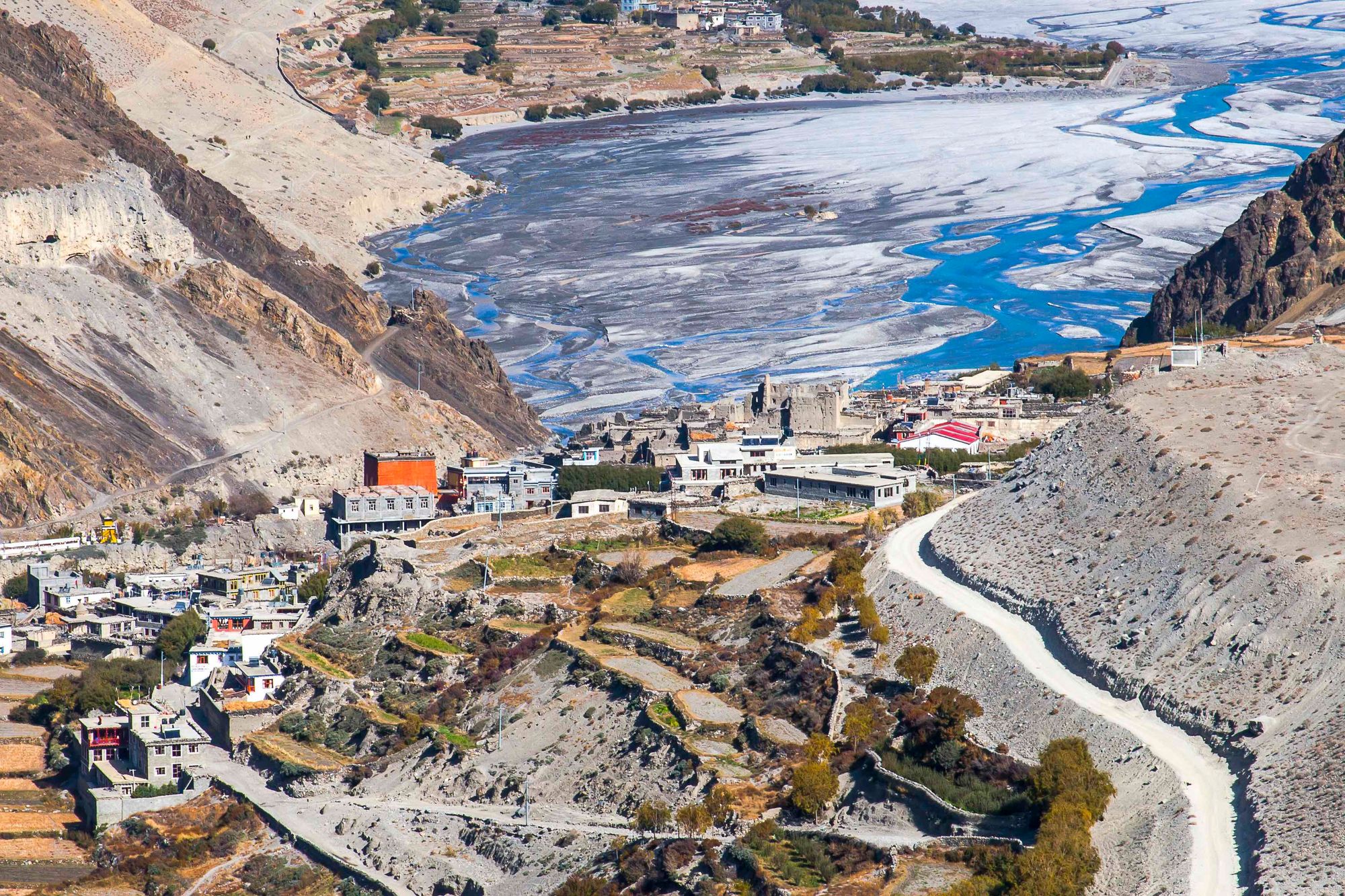
A village in Upper Mustang, Kagbeni is located in the valley of the Kali Gandaki River and lies on the trail from Jomsom to the royal capital Lo Manthang, near the junction with the trail to Muktinath. Kagbeni is also regarded as one of the oldest villages in the Himalayas and lies between two sacred rivers Muktinath and Kali Gandaki. Officially Kagbeni is a settlement that bridges the gap between Lower and Upper Mustang, right at the feet of Muktinath Valley by the River Kali Gandaki. But spiritually, Kagbeni is a Tibetan village, stuck in the annals of time. In ancient times, Kagbeni was an important centre of trade for Tibetans and Indians. The famous Salt Trade Route between the two countries went through the village.
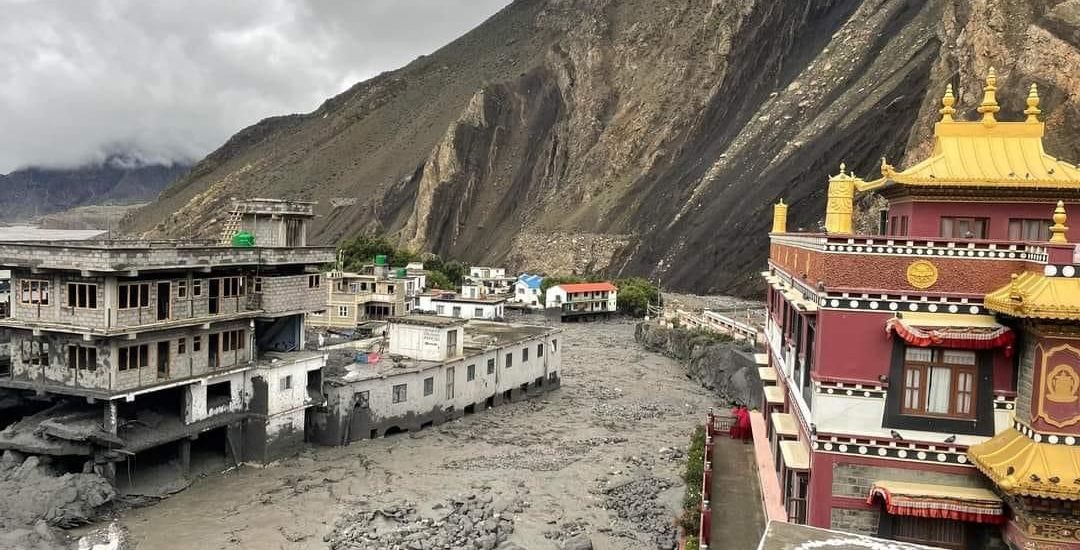
Kag Chode Thupten Samphel Ling Monastery, or the Red Monastery is the most famous landmark in the village. Built in 1429, the beauty of the monastery matches its surroundings. From outside, it looks colourful and desolate, just like the rest of Kagbeni. Inside there are sculptures of Buddha and friendly monks and a tranquil environment, where one can sit and meditate or listen to the silence. Photography is prohibited inside the monastery.
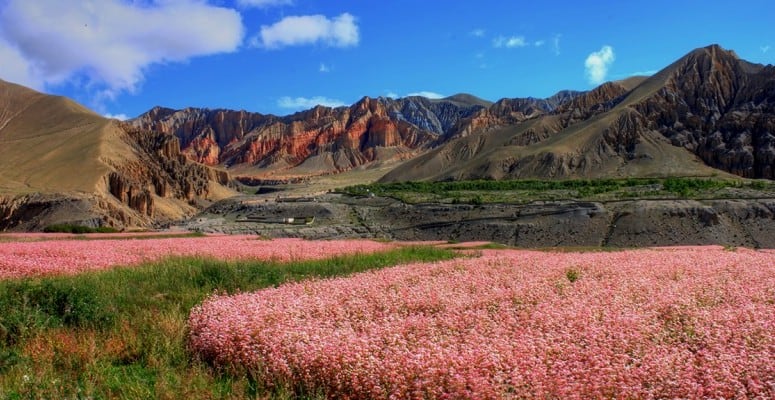
The Upper Mustang requires a special permit and USD 50 per day per person to stay and is why today many travellers prefer Kagbeni instead to get the ambience of high mountains. There are many trekking trails from Kagbeni, that lead up to the old royal capital of Lo Manthang. While trekking, one will come across Chortens and prayer wheels. Chortens are Buddhist tomb shrines, which are common in Tibetan culture and must always be crossed by the right side. The Tibetan Buddhists consider it bad luck to cross by the left. One will see numerous colourful Buddhist flags as well, planted here and there. From the summits, the entire valley can be seen, still like a painted picture on an artist’s canvas. A raw cold wind blows at this altitude at all times, and the view opens up to the vast expanses of mountain desert plains stretching into Tibet, it feels mysterious and intoxicating, but most importantly, insignificant. To stand there in front of the historical and unfathomable terrains of the Himalayas is as humbling an experience as it can be.
Mustang
Mustang which means a fertile plain was once part of the Kingdom of Lo-Manthang that joined the Federation of Nepal in 2008 after the abolition of the Shah dynasty. It straddles the Himalayas and extends northward onto the Tibetan Plateau is one of the remotest areas in Nepal and is second in terms of the sparsity of population. The elevation ranges from 1,372 to 8,167 m and includes Mount Dhaulagiri, the 7th highest mountain in the world, with several peaks above 7,000 meters.

Part of an ancient kingdom bordering the Tibetan plateau and sheltered by some of the world’s tallest peaks, Mustang still maintains Tibetan traditions because of strict regulations on the movement of tourists. Upper Mustang was a restricted area until 1992, which makes it one of the most preserved regions in the world due to its relative isolation from the outside world, with a majority of the population still speaking traditional Tibetic languages. Mustang is derived from the Tibetan word meaning the “Plain of Aspiration. It is a popular area for trekking and can be visited year-round, regardless of season. Lower Mustang is well-known for its natural scenery while Upper Mustang is famous for its trekking and hiking trails, monasteries, caves and local tribes.

The Kali Gandaki River is a highly important feature of Mustang. Its source is located near the Tibetan border coincides with the Tibetan border and the Ganges-Brahmaputra watershed divide. From there, it flows south towards the northern Indian plains through the ancient kingdom of Mustang, flowing through a sheer-sided, deep canyon immediately south of the Mustang capital of Lo Manthang, then widens as it approaches Kagbeni where high Himalayan ranges begin to close in. The river continues southward past Jomsom, Marpha, and Tukuche to the deepest part of the gorge about 7 km south of Tukuche in the area of Lete. The gorge then broadens past the border of Mustang and Myagdi. Geographically, Lower Mustang lies between the Tibetan Plateau in the North and the high Himalayan Mountains in the South. The region between the Tibetan Plateau and the Himalayan Mountains is called Trans-Himalaya. The Kali Gandaki Gorge or Andha Galchi, measured by the difference between the river height and the heights of the highest peaks on either side, is the world’s deepest canyon.

Much of the history of Mustang is about legends rather than documented facts. However, it is believed that Mustang or the Kingdom of Lo was once a part of the Ngari area of Tibet and a loose collection of feudal estates, their history is also tied to Tibetan religion and culture, geography, and politics. It was often closely linked to adjoining kingdoms of Western Tibet and, during other periods of history, politically linked to Lhasa, the capital of Central Tibet. Lo was incorporated into the Tibetan Empire by Songtsen Gampo, the most famous Tibetan king.

From the 15th century to the 17th century, Mustang had control over the trade between the Himalayas and India because of its strategic location. In 1380, Lo became an independent kingdom under Ame Pal. The last royal family traced its lineage for 25 generations, all the way back to Ame Pal who oversaw the founding and building of much of the Lo and Mustang capital of Lo Manthang, a walled city surprisingly little changed in appearance from that period. The only remnant of these kingdoms is the still-intact Kingdom of Lo, an area corresponding to the northern third of Mustang.

In 1769, the army of Prithvi Narayan Shah, the first King of the Gorkha Kingdom and the Shah dynasty, unified what was a land of many small kingdoms to forge the kingdom of Nepal. At the end of the 18th century, the kingdom was annexed by Nepal and became a dependency of the Kingdom of Nepal in 1795. During the late 1950s and 60s, Mustang became the centre for Tibetan guerrillas engaged in small operations against the Annexation of Tibet by the People’s Republic of China in 1959. Up until 2008, the Kingdom of Lo or Upper Mustang was an ethnic Tibetan kingdom and a suzerainty of the Kingdom of Nepal. Though still recognised by many Mustang residents, the monarchy ceased to exist on 7 October 2008, by order of the Government of Nepal. The last official and later unofficial king (raja or gyelpo) of Mustang was Jigme Dorje Palbar Bista who lived between 1930 and 2016. He died on 16 December 2016 after living a retired life largely in Kathmandu since 2008 when Nepal abolished its own monarchy.

One feature of Mustang is the thousands of cliff dwellings, some highly inaccessible. These Mustang Caves or Sky Caves of Nepal are a collection of some 10,000 man-made caves dug into the sides of valleys in the Mustang. Several groups of archaeologists and researchers have explored these stacked caves and found partially mummified human bodies and skeletons that are at least 2,000–3,000 years old. Explorations of these caves by conservators and archaeologists have also led to the discovery of valuable Buddhist paintings, sculptures, manuscripts and numerous artefacts belonging to the 12th to 14th centuries. The caves lie on the steep valley walls near the Kali Gandaki River in Upper Mustang.

Lo was out-of-bounds for foreigners until 1992. Although it is now open on a restricted basis to foreign travellers, tourism to the region is still strictly restricted and hard to access. The Nepalese government have introduced a surcharge for anyone trekking past Kagbeni, which marks the border of Upper Mustang. Foreign tourists are required by the Nepalese Department of Immigration to acquire special permits, pay fairly steep fees of US$50 per day per person, and be accompanied by a liaison guide to protect local traditions and the environment from outside influence.

The ancestral isolation of Mustang helped to retain its ancient culture largely unviolated, and it survives as one of the last bastions of traditional Tibetan life. In this ancient forbidden kingdom, traditions have survived longer than in Tibet proper following its annexation by China. The lower Mustang areas such as much of Baragaon, Panchgaon, and Thak Sat Sae along the Annapurna Circuit are among the most heavily trekked routes in Nepal. The scenery of the trail ranges from forests of bright rhododendron fields to rocky cliffs and deserts. The culture along the trek is a rich combination of Hindu and Tibetan Buddhism. The trail’s highest point is Muktinath at 3800 m, a popular Hindu and Buddhist pilgrimage site for centuries. The Kali Gandaki Gorge is part of the popular trekking route from Pokhara to Muktinath. The gorge is within the Annapurna Conservation Area.
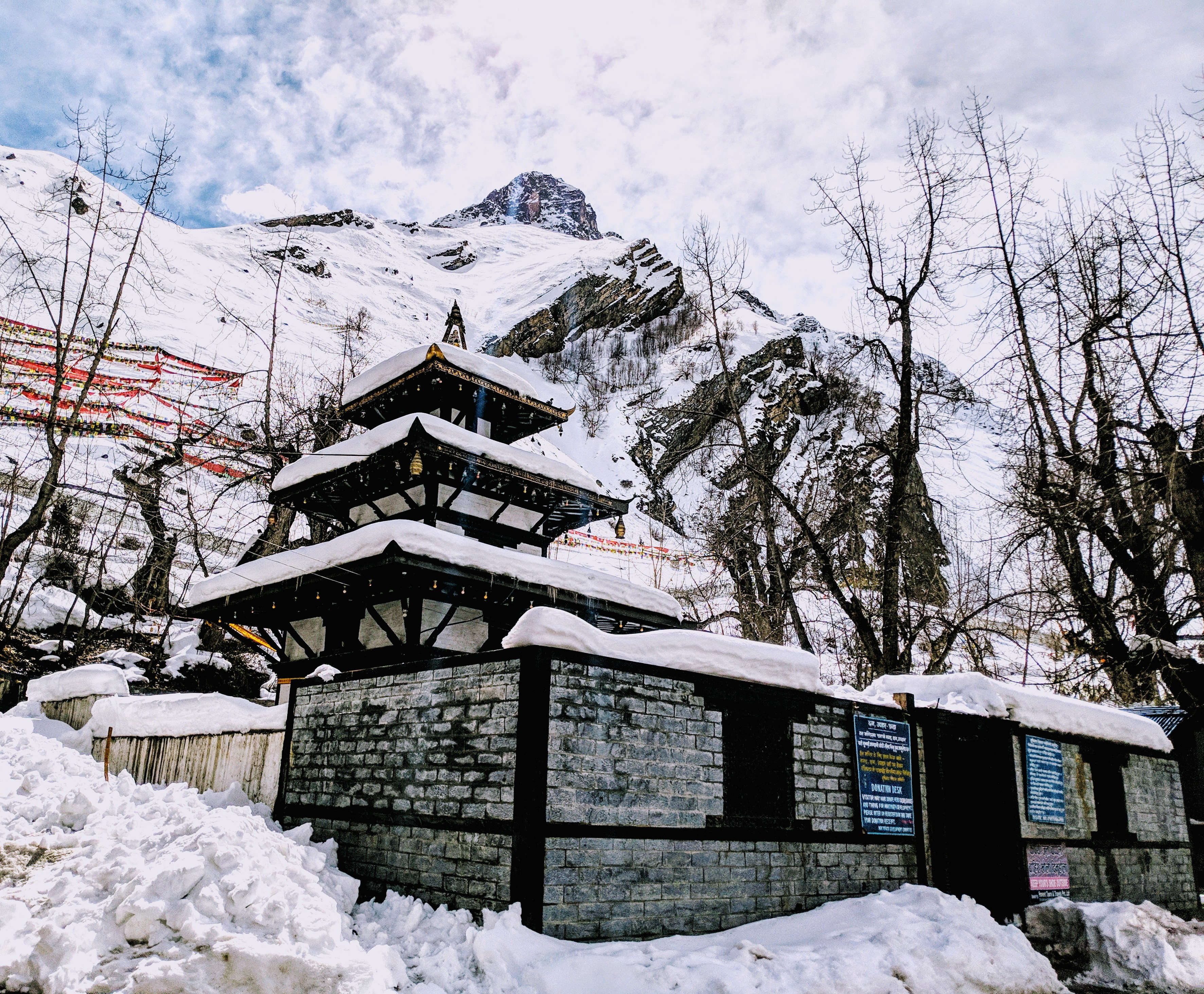
The Muktinath Temple is significant to both Hindus and Buddhists. Located in the Muktinath Valley, the shrine is close to the rural Ranipauwa, which is often mistaken to be Muktinath. The temple’s name refers to Mukti, meaning nirvana, or salvation, and nath, which signifies master, or Lord. Among the Hindus, Muktinath temple is also referred to as the Mukti Kshetra, which translates to “the place where one receives moksha or liberation”. Of the one hundred and eight sacred Shri Vaishnava temples, Muktinath Temple holds the 106th rank among the Divya Desam, or ‘premium temples’. The ideal time to visit this temple is between March to June when the temperatures are relatively warm, and the overall weather condition is pretty pleasant.

One of the eight sacred shrines, Muktinath Temple, is built in the Pagoda-styled central temple which has a gold statue of Lord Vishnu. Even though the temple is small, the main deity is almost the size of an adult man. This central statue in the temple is seen as the manifestation of Padmapani, a compassionate embodiment of all the Buddhas. In front of the temple lie two ponds, named Lakshmi Kunda and Saraswati Kunda respectively. It is a common belief that bathing in these water bodies washes off all negative forces and karma. Muktinath temple is said to have risen on its own; therefore including it as one of the eight shrines which have supposedly existed by themselves.

The outer courtyard, or the Prakaram, houses one hundred and eight waterspouts shaped like the heads of bulls, through which the sacred water of the Kali Gandaki River flows. This water symbolises the Pushkarini waters that are believed to have descended from the one hundred and eight Divya Desams. Devotees bathe in these waters even during freezing temperatures, with the hope of washing away their sins and attaining salvation.

Because of the hundred and eight water springs, the temple is also known as Chumig Gyatsa which translates to Hundred Waters. The Buddhists consider it to be an essential place for the Dakinis, the goddesses who are also known as the Sky Dancers. Legend also says it is the place where Guru Padmasambhava had meditated for some time before moving on with his journey from India to Tibet.

In My Hands Today…

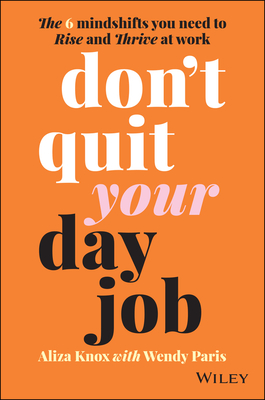
Don’t Quit Your Day Job: The 6 Mindshifts You Need to Rise and Thrive at Work – Aliza Knox, Wendy Paris

Learn how to survive and thrive within organisations. In Don’t Quit Your Day Job , former Google and Twitter executive Aliza Knox delivers hands-on, practical steps for achieving career success.

Driven by Knox’s four decades working in and leading some of the world’s most celebrated firms, and featuring candid accounts of other people’s successes and missteps in global tech, consumer goods, healthcare, academia, social services and more, this book is an essential guide to integrating your professional and personal goals to build a fulfilling, complete life.

Whether you’re just starting your first job or you’re ready to rise to the C-suite, Don’t Quit Your Day Job will help you advance and flourish in the workplace.

World Book and Copyright Day

Celebrated annually on April 23, World Book and Copyright Day is a significant occasion dedicated to promoting the enjoyment of books and reading. This date holds special meaning in the literary world, as it marks the anniversaries of the deaths of renowned authors such as William Shakespeare, Miguel de Cervantes, and Inca Garcilaso de la Vega. Established by UNESCO in 1995, the day encourages people worldwide to access books and honour the contributions of authors and publishers to culture and society.

The celebration encompasses various activities aimed at fostering a love for literature and advocating for the protection of intellectual property rights. In 2025, World Book and Copyright Day will carry a unique theme that intertwines literature with the United Nations’ Sustainable Development Goals (SDGs), emphasising books’ vital role in achieving educational and social objectives.

One of the primary reasons World Book and Copyright Day is important is its role in promoting reading, particularly among younger generations. The day encourages individuals to explore literature in various forms, fostering a love for books and storytelling. By engaging people in reading activities, the day aims to enhance imagination, creativity, and critical thinking skills, which are essential for personal development and lifelong learning.

Another crucial aspect of World Book and Copyright Day is its focus on copyright protection. The event raises awareness about the importance of copyright laws that safeguard the rights of authors and publishers. These laws ensure that creators receive fair compensation for their work, encouraging them to continue producing literature that enriches society. By emphasising the need for copyright protection, the day advocates for a vibrant literary landscape where creativity can flourish without fear of exploitation.

The theme for World Book and Copyright Day 2025 focuses on the intersection of literature and sustainable development. It aims to highlight how literature can contribute to various SDGs. Literature is fundamental in promoting lifelong learning opportunities. The day will feature sessions discussing how books can enhance education systems globally. The celebration will spotlight works amplifying women’s voices, showcasing literature’s role in advocating gender equality. Books are powerful tools for addressing social inequalities. Events will highlight authors and narratives that challenge societal disparities. Literary expressions often reflect themes of peace and justice. The day will explore how literature influences global institutions and governance. In addition to these themes, workshops will be organised to delve into the importance of copyright in a digital age, emphasising how protecting intellectual property rights is crucial for sustainable growth in the literary sector.

World Book and Copyright Day is not merely a celebration of literature; it serves as a platform to discuss how books can drive action towards achieving sustainable development. Integrating SDGs into the celebrations reflects a broader understanding of literature’s impact on society. By promoting reading, UNESCO aims to foster a culture that values knowledge sharing, creativity, and diversity.

In conjunction with World Book and Copyright Day, UNESCO has designated Rio de Janeiro, Brazil, as the World Book Capital for 2025. This recognition follows previous capitals such as Accra (2023) and Strasbourg (2024). Rio de Janeiro is celebrated for its rich literary heritage and its commitment to promoting reading among diverse populations.

Rio de Janeiro’s selection as World Book Capital is significant for several reasons. The city boasts a vibrant literary scene that reflects its diverse culture. It has produced numerous influential writers who have shaped Brazilian literature. Rio de Janeiro has outlined a comprehensive action plan aimed at promoting literacy, education, and sustainable publishing. This plan includes initiatives targeting young people and leveraging digital technologies to engage readers. The city’s project aims to affect social change by addressing issues such as poverty eradication through literacy programs. By fostering a reading culture, Rio de Janeiro seeks to create sustainable economic benefits aligned with the UN’s Sustainable Development Goals.

Throughout the year, Rio de Janeiro will host a series of events designed to promote books and reading across all age groups. These activities will include literary festivals and celebrations featuring local authors, readings, book signings, and discussions on literary topics; educational programes and initiatives aimed at schools to encourage reading among students through workshops and interactive sessions; and community engagement and programmes designed to reach underserved communities, ensuring equitable access to books and literacy resources. By implementing these initiatives, Rio de Janeiro aims to inspire other cities around the world to recognise the importance of fostering a culture of reading.

World Book and Copyright Day serves as an essential reminder of the power of literature in shaping societies. Today it is clear that books are more than just sources of entertainment; they are vital tools for education, advocacy, and social change. The designation of Rio de Janeiro as World Book Capital underscores the city’s commitment to promoting literacy while celebrating its rich literary heritage. By engaging communities through various activities throughout the year, Rio de Janeiro will exemplify how cities can harness the transformative power of books to create inclusive societies.

In My Hands Today…

AI Doctor: The Rise of Artificial Intelligence in Healthcare – A Guide for Users, Buyers, Builders, and Investors – Ronald M. Razmi

AI The Rise of Artificial Intelligence in Healthcare provides a timely and authoritative overview of the current impact and future potential of AI technology in healthcare. With a reader-friendly narrative style, this comprehensive guide traces the evolution of AI in healthcare, describes methodological breakthroughs, drivers and barriers of its adoption, discusses use cases across clinical medicine, administration and operations, and life sciences, and examines the business models for the entrepreneurs, investors, and customers.

Detailed yet accessible chapters help those in the business and practice of healthcare recognize the remarkable potential of AI in areas such as drug discovery and development, diagnostics, therapeutics, clinical workflows, personalized medicine, early disease prediction, population health management, and healthcare administration and operations. Throughout the text, author Ronald M. Razmi, MD offers valuable insights on harnessing AI to improve health of the world population, develop more efficient business models, accelerate long-term economic growth, and optimize healthcare budgets.

Addressing the potential impact of AI on the clinical practice of medicine, the business of healthcare, and opportunities for investors, AI The Rise of Artificial Intelligence in

Discusses what AI is currently doing in healthcare and its direction in the next decade Examines the development and challenges for medical algorithms Identifies the applications of AI in diagnostics, therapeutics, population health, clinical workflows, administration and operations, discovery and development of new clinical paradigms and more Presents timely and relevant information on rapidly expanding generative AI technologies, such as Chat GPT Describes the analysis that needs to be made by entrepreneurs and investors as they evaluate building or investing in health AI solutions Features a wealth of relatable real-world examples that bring technical concepts to life Explains the role of AI in the development of vaccines, diagnostics, and therapeutics during the COVID-19 pandemic
AI The Rise of Artificial Intelligence in Healthcare. A Guide for Users, Buyers, Builders, and Investors is a must-read for healthcare professionals, researchers, investors, entrepreneurs, medical and nursing students, and those building or designing systems for the commercial marketplace. The book’s non-technical and reader-friendly narrative style also makes it an ideal read for everyone interested in learning about how AI will improve health and healthcare in the coming decades.

Short Story: The Compass

The sun was setting over the small coastal town of Crescent Bay, casting a warm golden hue over the waves. Emma Carter stood in her grandfather’s study, surrounded by dusty bookshelves filled with travelogues and maps. It had been a week since her grandfather, a renowned explorer, had passed away, and she still felt the weight of his absence.

As she rummaged through his belongings, Emma’s fingers brushed against something cool and metallic. She pulled out an ornate compass, its burnt orange casing reflecting the fading light. It was unlike any compass she had seen before—intricate designs adorned its surface, and it felt strangely alive in her hand.

“Ah, you found it,” came a voice from behind her. It was her grandmother, Margaret, who entered the room with a gentle smile tinged with sadness. “Your grandfather always said that compass held more than just direction.”

“What do you mean?” Emma asked, turning the compass over in her hands. Margaret’s eyes sparkled with nostalgia. “He believed it would lead you to places you needed to be—not just physically, but emotionally as well. It was his most prized possession.”

Emma felt a surge of curiosity. “What was his last wish?” Margaret took a deep breath, her expression growing serious. “He wanted you to follow in his footsteps and explore the world. He believed there were still adventures waiting for you.”

Emma’s heart raced at the thought. She had always dreamed of becoming an explorer like her grandfather, but life had kept her tethered to Crescent Bay—school, work, and responsibilities. Now, with this compass in hand and her grandfather’s wish echoing in her mind, she felt an undeniable pull to embark on a journey.

The next morning, Emma packed a small backpack with essentials—water, snacks, a notebook to document her journey—and slipped the compass into her pocket. With one last glance at her childhood home, she set off towards the nearby cliffs that overlooked the ocean.

As she reached the edge of the cliffs, Emma took out the compass and held it before her. The needle spun wildly before settling in one direction—toward the north. She smiled at the thought of adventure awaiting her. “Alright,” she said aloud to herself, “let’s see where this leads.”

Following the compass’s direction, Emma trekked through winding paths and dense forests that bordered Crescent Bay. With each step she took into the wilderness, she felt a sense of freedom wash over her—a stark contrast to the confines of everyday life. Hours passed as she walked deeper into nature. The compass led her to a hidden waterfall cascading into a crystal-clear pool surrounded by vibrant wildflowers. Emma gasped at the beauty before her; it was as if nature had painted this scene just for her.

She sat on a rock by the water’s edge and opened her notebook to jot down her thoughts. “Day 1: Found a hidden waterfall,” she wrote. “The compass is guiding me toward something special.” As she wrote, Emma couldn’t shake off the feeling that this journey was more than just an exploration of new places—it was also about uncovering pieces of herself that had long been buried under layers of expectation and routine. The next day brought new adventures as Emma continued to follow the compass northward. Each destination revealed breathtaking landscapes—a secluded beach with golden sands, and an ancient grove filled with towering trees that whispered secrets in the wind.

One afternoon, while exploring an old fishing village along the coast, Emma stumbled upon an elderly man sitting outside a small shop filled with trinkets and souvenirs. His weathered face broke into a warm smile as he saw Emma approach. “Ah! You look like someone who enjoys adventure,” he said with a twinkle in his eye. “I do!” Emma replied enthusiastically. “I’m following my grandfather’s compass.” The man’s expression shifted to one of recognition. “Your grandfather? Thomas Carter? He was quite the explorer! I remember him well.”

Emma’s heart swelled with pride. “Yes! He passed away recently.” The man nodded solemnly. “He left behind quite a legacy. Did he ever tell you about his journey to find the Lost Isles?” Emma shook her head. “No, he didn’t mention it.” “Ah,” he said thoughtfully. “It’s said that those isles hold treasures beyond imagination—both material and spiritual.” He leaned closer and whispered conspiratorially, “Many have searched for them but few have returned unchanged.”

Intrigued by his words, Emma asked him for more details about these isles and how they related to her grandfather’s adventures. “Your grandfather believed that true treasure lies not just in gold or jewels but in understanding oneself,” he explained. “Perhaps your compass is guiding you toward those isles—not just geographically but emotionally as well.” With newfound determination igniting within her, Emma thanked the man and continued on her journey.

Days turned into weeks as Emma followed the compass further along the coast and inland through lush landscapes dotted with villages rich in culture and history. Each place she visited seemed to resonate with stories from generations past—stories that echoed themes of love, loss, resilience, and hope.

One evening while camping under starlit skies near a serene lake, Emma reflected on what she had learned so far. She realized that every destination brought new insights about herself and her family’s legacy—the sacrifices made by those who came before her and their dreams woven into hers. As she sat by the flickering campfire writing in her notebook about these revelations, she felt an overwhelming sense of connection—not only to nature but also to those who had walked this earth long before her.

“Maybe my grandfather wasn’t just an explorer,” she mused aloud to herself. “Maybe he was also searching for something deeper—a way to understand our place in this world.” But not all days were peaceful; one afternoon while hiking through dense woods toward what appeared on maps as an uncharted area near the coast—dark clouds gathered ominously overhead.

Emma quickened her pace but soon found herself caught in a torrential downpour that soaked through her clothes within minutes. Seeking shelter beneath an ancient tree with gnarled roots protruding from its base—she huddled against its trunk trying desperately to shield herself from the rain pelting down relentlessly around them! As thunder rumbled overhead sending shivers down her spine—Emma closed her eyes tightly wishing the storm would pass quickly allowing sunlight back into life once more!

Suddenly—a flash illuminated the surroundings revealing something glinting among the roots below! Curiosity piqued despite fear gripping her heart; she reached down carefully brushing away mud until uncovering a small metallic box intricately engraved resembling designs reminiscent of ancient times!

Heart racing—she pried open the lid revealing inside delicate necklace adorned with beautifully crafted emeralds glistening even amidst gloom surrounding them! “This must be part of what my grandfather sought!” Emma gasped realising the connection between the necklace discovered here today aligning perfectly alongside stories told earlier during travels! With renewed vigour despite the storm raging outside—Emma carefully secured the necklace around her neck feeling the warmth radiating from stones nestled against her skin!

Once the rain subsided allowing sunlight to break through the clouds illuminating the path ahead—she continued onward determined to uncover secrets hidden within the legacy left behind not just by ancestors but also by those who loved fiercely throughout history!

Days later, arriving at a coastal town bustling with life; locals welcomed warmly sharing tales woven together across generations connecting past present future alike reminding everyone importance of cherishing memories made along the way!

One evening while dining at a local eatery surrounded by laughter joy filling air; Emma overheard a conversation between two fishermen discussing legends tied back towards Lost Isles mentioned earlier during travels! Intrigued—she approached them asking questions prompting them to share stories passed down through families revealing deeper truths surrounding love triangles heartbreaks tragedies faced throughout centuries past…

Each tale resonated deeply within the heart inspiring hope and resilience reminding everyone present how love transcends time itself weaving threads connecting lives forevermore!

After weeks spent exploring the coastline and discovering hidden gems along the way—Emma finally arrived at a destination marked clearly upon the map indicating a location rumouredto to lead towards Lost Isles itself! Standing upon a cliff overlooking the vast expanse of ocean waves crashing against rocks below; she felt a mixture of excitement and trepidation coursing through her veins knowing that her journey was nearing its conclusion yet realising adventure never truly ends!

Taking a deep breath and gathering courage; she held tightly onto the emerald necklace feeling its energy pulsate reminding strength derived from the legacy left behind guiding every step taken thus far! With determination igniting spirit within; Emma set sail aboard the small boat navigating treacherous waters guided solely by intuition trusting compass leading true north towards destiny awaiting discovery…

After hours spent battling waves, she finally emerged victorious upon a shore of pristine white sand stretching endlessly before her. Her eyes were wide open taking everything the moment offered fully appreciating the beauty surrounding her. As sunlight bathed the landscape illuminating the vibrant colours of the flora and fauna thriving all around; Emma stepped ashore feeling a connection deepening within her heart knowing this place held significance beyond comprehension!

Exploring further inland, Emma discovered hidden caves adorned with beautifully crafted murals depicting stories told throughout history capturing the essence of love lost and found again reminding everyone of the importance of cherishing bonds formed across generations…

While exploring the cave adorned with intricately carved symbols resembling the emerald necklace discovered earlier; realisation dawned upon Emma. She understood the truth behind the legacy woven throughout lives lived long ago—the necklace wasn’t merely an artefact representing wealth but rather the embodiment of hope resilience love transcending time itself! After days spent uncovering secrets hidden within the Lost Isles; Emma returned home feeling transformed and enriched with the experiences gained along the way shaping her perspective forevermore!

Back at Crescent Bay surrounded by familiar sights and sounds, Emma’s heart was filled with warmth reminding everyone present of the importance of embracing the journey undertaken together and forging deeper connections. As the news spread throughout the community regarding the discoveries made during Emma’s travels, it inspired others to pursue dreams and to ignite passions reigniting the flames of hope within hearts longing for adventure awaiting discovery beyond horizons unseen…

Standing upon the cliff overlooking ocean waves crashing against rocks below once again; Emma held tightly onto her emerald necklace feeling energy pulsate reminding strength derived from the legacy left behind guiding every step taken thus far! With newfound purpose igniting spirit within; she vowed to continue honouring ancestors ensuring stories lived on inspiring future generations embracing journeys undertaken together forging connections deeper than ever imagined possible…