We’re almost halfway through 2022 and life has gone back to some form of normalcy for most of us. Because it’s the school holidays, many here are on a holiday finally after more than two years of being cooped up. We can’t go on a holiday yet because while BB is in his school holidays, GG can’t take leave from her internship. And when she starts school after the internship, BB will be working on his internship and so we can’t go on a holiday until both are done, which means except for short trips to Malaysia, we can only travel in early 2023.
Today’s quote comes from Yolanda Gail Devers, the two-time American athlete and Olympic gold medalist. Devers reminds us that any accomplishment that we have starts with the decision to try. If we don’t even try and start something, then how do we become adept at it and how do we feel a sense of accomplishment in it? Something to think about right?
As of the end of May, I have walked about 4200 km and am still in the state of Assam, but am within spitting distance of the Assam-West Bengal border. Hopefully, by the end of next month, I will traverse the chicken neck in the state of West Bengal and which is that small stretch of India that lies between Bangladesh and Nepal.
I am reading, but not enough, so my resolve for June is to read more, especially at night when I am mindlessly scrolling social media. I hope that by the time I report next month, I would have caught up with my reading goals for the year.
And with that, let me go and read a book. Keep safe and catch up with you all next week!
Factfulness: Ten Reasons We’re Wrong About the World – and Why Things Are Better Than You Think – Hans Rosling, Ola Rosling and Anna Rosling Rönnlund
Factfulness:The stress-reducing habit of only carrying opinions for which you have strong supporting facts.
When asked simple questions about global trends – why the world’s population is increasing; how many young women go to school; how many of us live in poverty – we systematically get the answers wrong. So wrong that a chimpanzee choosing answers at random will consistently outguess journalists, Nobel laureates, and investment bankers.
In Factfulness, Professor of International Health and a man who can make data sing, Hans Rosling, together with his two long-time collaborators Anna and Ola, offers a radical new explanation of why this happens, and reveals the ten instincts that distort our perspective.
It turns out that the world, for all its imperfections, is in a much better state than we might think. But when we worry about everything all the time instead of embracing a worldview based on facts, we can lose our ability to focus on the things that threaten us most.
Also called a pedal cycle, bike or cycle, a bicycle is a human-powered or motor-powered assisted, pedal-driven, single-track vehicle, having two wheels attached to a frame, one behind the other. First introduced in the 19th century in Europe, by the early 21st century, more than 1 billion bicycles were in existence and these numbers far exceed the number of cars, both in total and ranked by the number of individual models produced. Bicycles are the principal means of transportation in many regions and also provide a popular form of recreation and have been adapted for use as children’s toys, general fitness, military and police applications, courier services, bicycle racing, and bicycle stunts. The basic shape and configuration of a typical upright or safety bicycle, has changed little since the first chain-driven model was developed around 1885, but many details have been improved, especially since the advent of modern materials and computer-aided design. These have allowed for a proliferation of specialized designs for many types of cycling.
The bicycle’s invention has had an enormous effect on society, both in terms of culture and of advancing modern industrial methods. Several components that played a key role in the development of the automobile were initially invented for use in the bicycle, including ball bearings, pneumatic tires, chain-driven sprockets and tension-spoked wheels. Although bike and cycle are used interchangeably to refer mostly to two types of two-wheelers, the terms still vary across the world. In India, for example, a cycle refers only to a two-wheeler using pedal power whereas the term bike is used to describe a two-wheeler using an internal combustion engine or electric motors as a source of motive power instead of a motorcycle or motorbike.
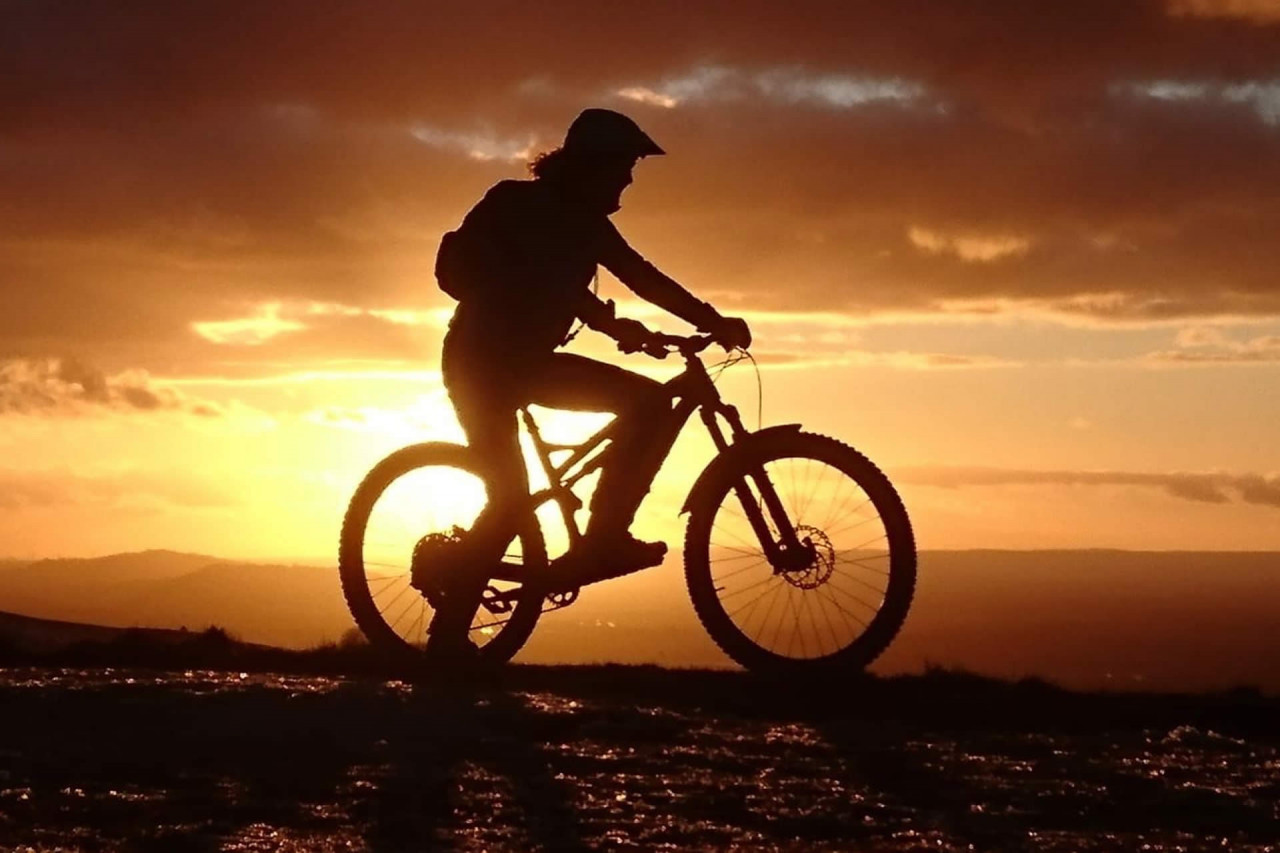
In today’s hustle and bustle, bicycling allows us to exercise our muscles, cut back on fuel consumption as an alternative to driving a car and feel the wind in our hair. Providing a simple and sustainable means of transportation, riding a bicycle rejuvenates our physical and mental health, is good for the economy, and helps the environment. Regular physical activity of moderate intensity – such as walking, cycling, or doing sports – has significant benefits for health. At all ages, the benefits of being physically active outweigh potential harm, for example through accidents. Some physical activity is better than none. By becoming more active throughout the day in relatively simple ways, people can quite easily achieve the recommended activity levels.
According to the World Health Organization or the WHO, safe infrastructures for walking and cycling is also a pathway for achieving greater health equity. For the poorest urban sector, who often cannot afford private vehicles, walking and cycling can provide a form of transport while reducing the risk of heart disease, stroke, certain cancers, diabetes, and even death. Accordingly, improved active transport is not only healthy; it is also equitable and cost-effective. Meeting the needs of people who walk and cycle continues to be a critical part of the mobility solution for helping cities de-couple population growth from increased emissions, and improve air quality and road safety. The COVID-19 pandemic has also led many cities to rethink their transport systems.
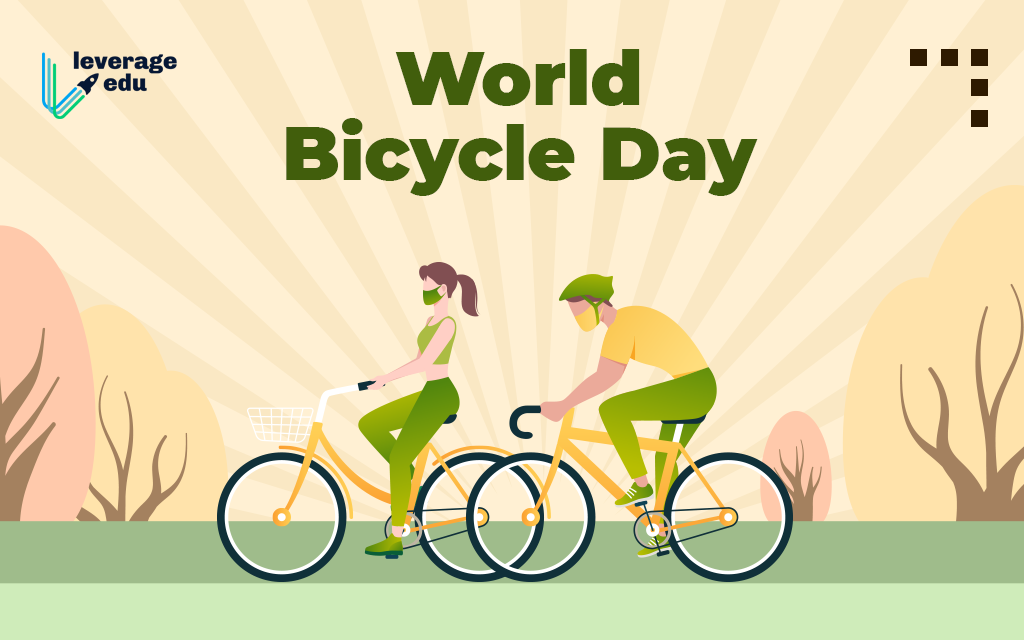
Acknowledging the uniqueness, longevity and versatility of the bicycle, which has been in use for two centuries, and that it is a simple, affordable, reliable, clean and environmentally fit sustainable means of transportation, fostering environmental stewardship and health, the United Nations General Assembly decided to declare 3 June World Bicycle Day. World Bicycle Day draws attention to the benefits of using the bicycle — a simple, affordable, clean and environmentally fit sustainable means of transportation. The bicycle contributes to cleaner air and less congestion and makes education, health care and other social services more accessible to the most vulnerable populations. A sustainable transport system that promotes economic growth and reduces inequalities while bolstering the fight against climate change is critical to achieving the Sustainable Development Goals. Countries are encouraged to emphasise and advance the use of the bicycle as a means of fostering sustainable development, strengthening education, including physical education, for children and young people, promoting health, preventing disease, promoting tolerance, mutual understanding and respect and facilitating social inclusion and a culture of peace.
So ride a bicycle today and celebrate this day in a fun and eco-friendly manner.
Under Red Skies: Three Generations of Life, Loss, and Hope in China – Karoline Kan
Through the stories of three generations of women in her family, Karoline Kan, a former New York Times reporter based in Beijing, reveals how they navigated their way in a country beset by poverty and often-violent political unrest. As the Kans move from quiet villages to crowded towns and through the urban streets of Beijing in search of a better way of life, they are forced to confront the past and break the chains of tradition, especially those forced on women.
Raw and revealing, Karoline Kan offers gripping tales of her grandmother, who struggled to make a way for her family during the Great Famine; of her mother, who defied the One-Child Policy by giving birth to Karoline; of her cousin, a shoe factory worker scraping by on 6 yuan (88 cents) per hour; and of herself, as an ambitious millennial striving to find a job–and true love–during a time rife with bewildering social change.
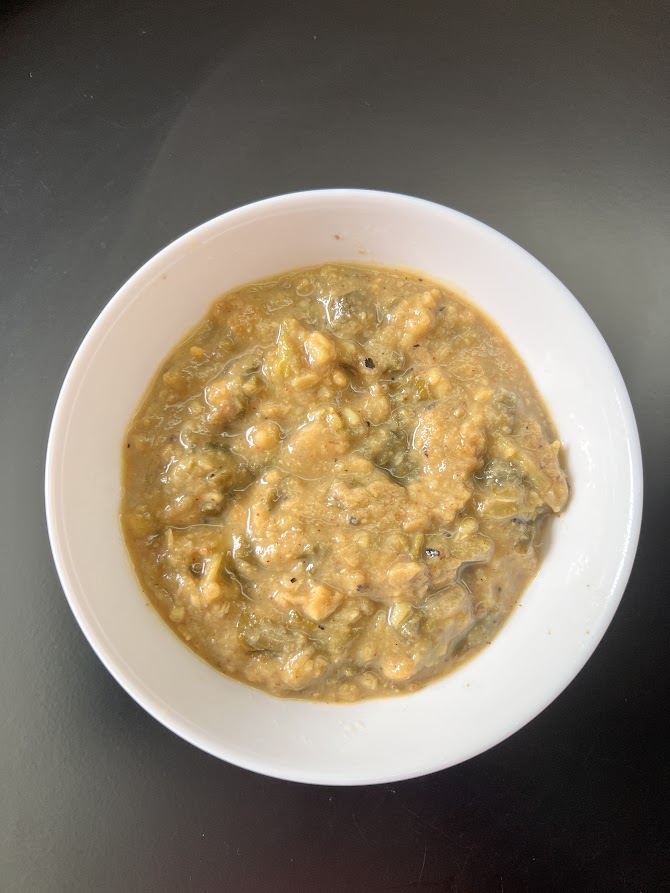
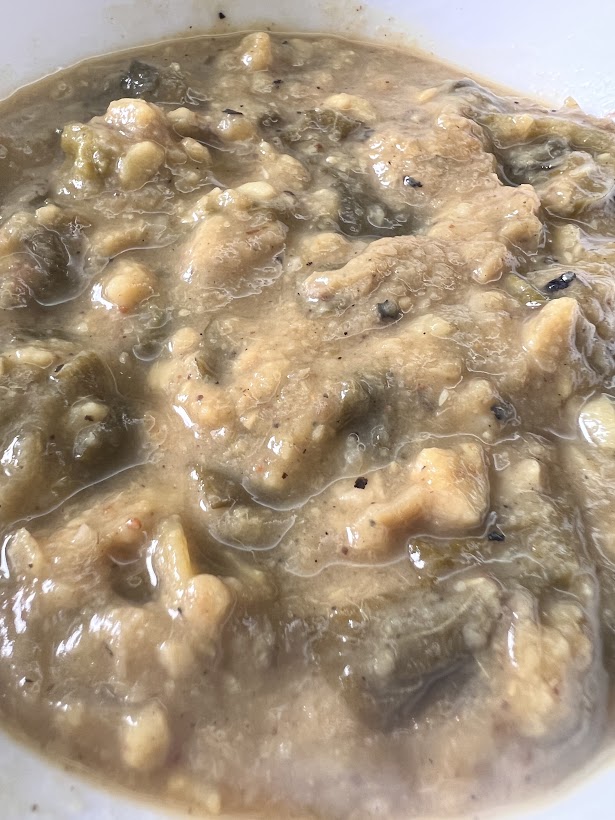
I’ve blogged about dals many times previously and here’s another one today. I had some fresh methi leaves and so instead of making it into a sabzi or kneading it into a dough for methi parathas, I thought of adding it to a dal with some fresh spinach. The result was a super yummy dal that kept well even when we had it the next day.
Methi and Palak Dal
Ingredients:
1 bunch of fresh methi or fenugreek leaves, plucked, cleaned and chopped
1 bunch of fresh palak or spinach, cleaned and chopped
1 large onion, finely chopped
1 bulb garlic, peeled and minced
1 large tomato, finely chopped
1 cup yellow moong dal, washed and soaked in water for 15-20 minutes
1 tbsp ghee or oil
1 tsp cumin seeds
½ tsp green chilli paste or 1 tbsp finely chopped green chillies
1 tsp red chilli powder
1 tsp coriander powder
1 tsp garam masala powder
1 tsp jaggery (optional)
1 tbsp lemon juice
Salt to taste
Method:
Soak the chopped spinach and methi in some water so that any dirt gets to the bottom. Wash it well and keep it aside.
In a pressure cooker, heat the ghee and oil and when warm, add the cumin seeds. Let the seeds pop and then add the garlic and saute for a few seconds.
Then add the minced garlic and saute for a few seconds.
Now add the finely chopped onions and saute till the onions turn translucent.
When the onions are translucent, add the finely chopped tomatoes and some salt and let the onions cook.
When the tomatoes start to turn mushy and are fully cooked, add in the chopped greens and saute till the greens start to wilt.
At this point, add in the soaked dal and add salt, jaggery, red chilli powder, coriander powder and garam masala.
Add in water to cover the dal, close the cooker and cook it for three whistles. If you are cooking on a stovetop, cook until the dal is completely cooked and the dal is completely dissolved.
Open the pressure cooker and mash the dal and greens together and switch on the flame again
Adjust seasonings and add water to bring it to the consistency you desire and when you are satisfied with the taste and consistency, switch off the flame and add the lemon juice.
Serve hot with rice or rotis or any Indian flatbread.






 Memories and Such