In this last part, let’s have a look at the beauty and bounty that nature has bestowed on the islands. Because the islands are far away from both the Indian mainland and the Thai/Myanmar peninsula, you can see flora and fauna which have adapted themselves to island living. Let’s go.
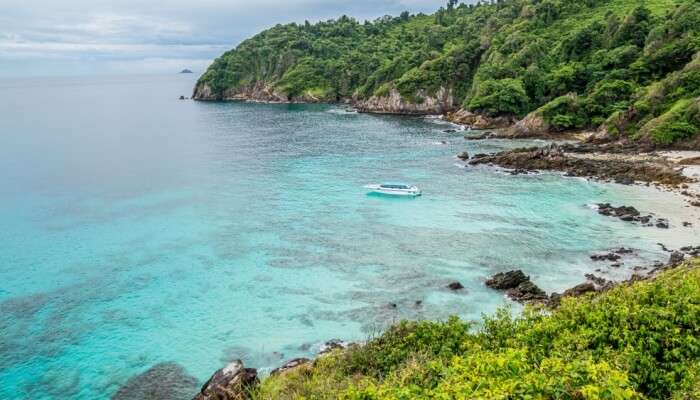
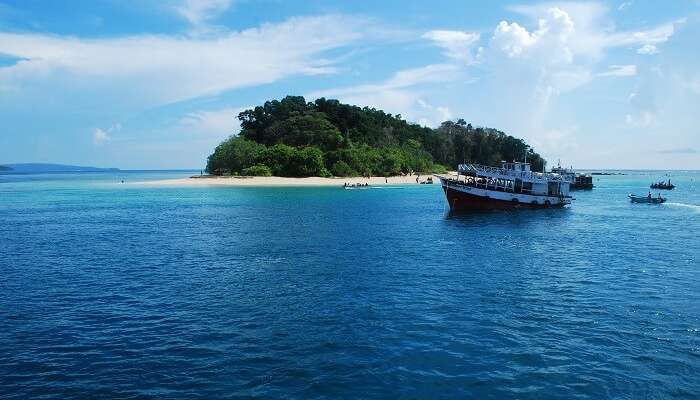
Mahatma Gandhi Marine National Park: Located on the south-western coast of the Andaman Islands, the Mahatma Gandhi Marine National Park or Wandur National Park is a marine life conservation area situated at a distance of 25 km from Port Blair. The wildlife sanctuary consists of a group of 12 islands which are situated in a labyrinthine shape and are home to some of the most exquisite marine life in the world including corals and resting sea turtles among other species. The Marine National Park was established in the year 1983 to conserve the marine life of the area. Its surrounding areas are beauteous with pristine white-sand beaches, azure skies and clear water. Covering an area of over 220 sq km., the marine national park is a great place to try some snorkelling and diving in the crystal clear water of the islands giving one an opportunity to see nature’s glory from a close view. The coral reefs are the highlight of the park exhibiting their glorious forms and enchanting one and all. Boat trips to the Marine National Park start from 8:30 am and go on till 10:30 am in intervals of 30 minutes. The entry fee to the resrve is INR 50 and you will need to pay INR 25 for a camera.
Chidiya Tapu: A haven for bird lovers, Chidiya Tapu is popular for its wide range of birds, including indigenous and migratory birds. The forest here is also a treasure trove of thick forests and stunning views of the ocean. At almost every turn, the mesmerizing views of a thick green blanket and azure sea waters await you. Experience serenity as the dense mangroves cover the entirety of the island and provide a sense of calm to the senses. A walk through the jungles will make you forget everything about your hectic lifestyle. The island is also an attractive option for adventure sports lovers. It has a rich underwater sea life, including colourful corals and vibrant marine wildlife. Go snorkelling or scuba diving and experience the rich world under the surface, explore the labyrinthine reefs, get caught in the whirlpool of tiny fishes, and swim with majestic sea turtles. The island also has an option of sea walking, for those of you who do not know how to swim. Make sure to check out the trail that leads to the famous Mund Pahad, or the Black Mountain. The path is rife with mesmerizing views of the island, and the vantage point will take your breath away, as you witness the blue sea stretched out as far as the eye can see. Chidiya Tapu is also famous as The Sunset Point, so you can simply head over to the beach at the end of a long day and be enthralled by the tangerine sun setting over turquoise sea waters.
The Chidiya Tapu Biological Park, established in 2001, is rich in biodiversity and has a wide range of tropical flora and fauna of the Andaman islands. The park aims at the conservation and study of the endemic and endangered species of plants and animals that are indigenous to the islands. The place is covered with thick green jungles that provide the animals with natural habitat and act as a source of physical and mental relief towards its visitors. The park features exotic plant species like Mahuas and Padauks, to exquisite birds and animals. It is spread over 40 hectares and there is a lot to see here, including wild pigs and spotted deers roaming openly in the jungle. There is also a reptile centre for those of you who are interested in watching crocodiles and snakes. For bird watchers, it is a heavenly delight, as indigenous and migratory birds can often be spotted flying without any reserve in the park. Chidiya Tapu is open from 10 am to 5 pm on all days except Mondays and people usually need around two to three hours to explore the place. Entry fees are INR 20 for Indians while foreigners pay INR 50. Guides are recommended because otherwise you may miss the many hidden gems here. They are available for rates as low as 1500 INR. The island is famous for its gorgeous sunsets, so it is best to go here at dusk. But if you want to explore the biological park, it is better to plan your trip during the afternoon, so that you can spend a few hours at the park before heading to the beach to watch the famed sunset.
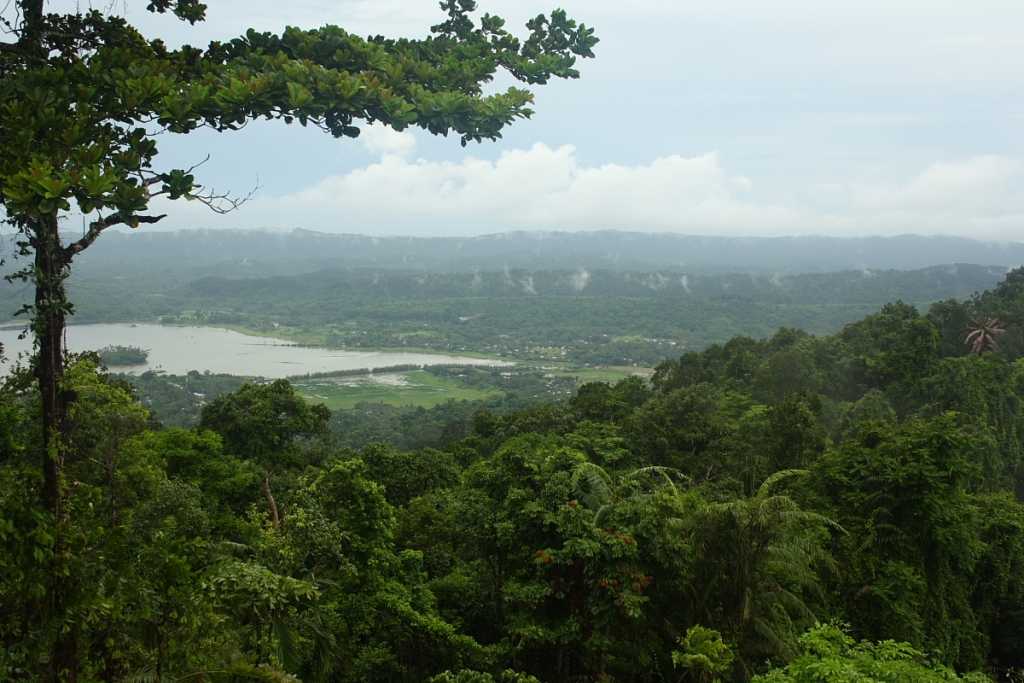
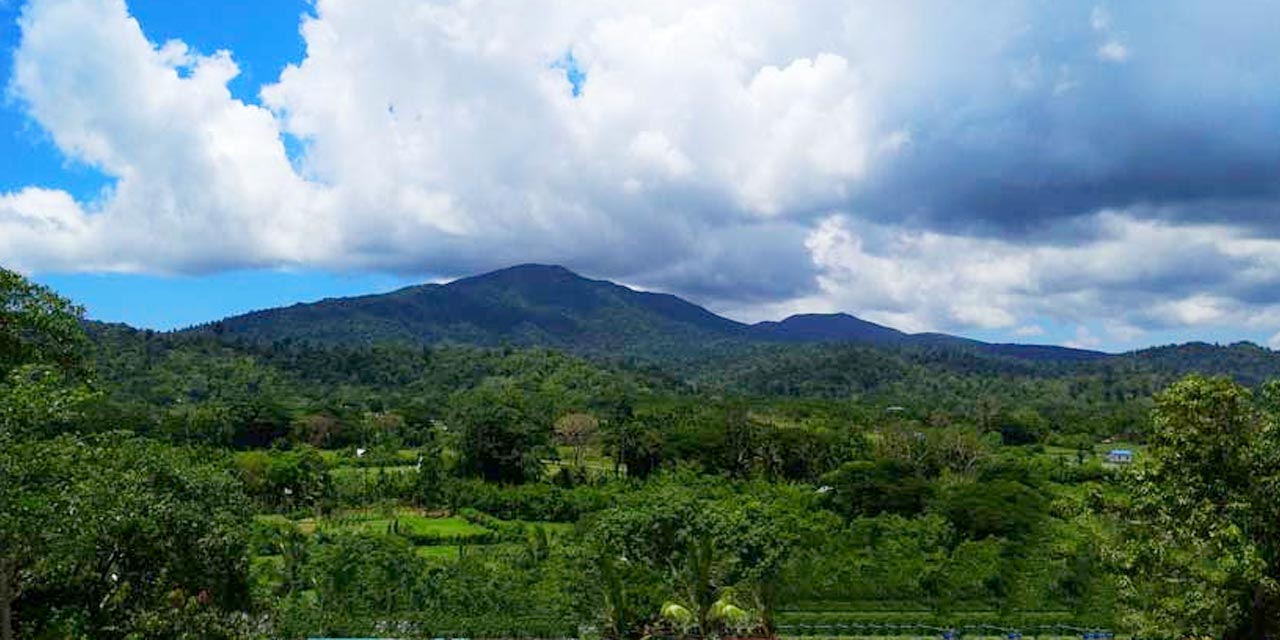
Mount Harriet National Park: The Mount Harriet National Park is a gathering of several mountains adorned with wilderness and greenery that attracts a lot of flora and fauna to this little paradise. The park has been carved out of a nearby forest area to make it more accessible for tourists to enjoy the splendid beauty of nature. The highest peak in the Andaman group of Islands, Mount Harriet is enveloped with dense evergreen and semi-evergreen forest making for jaw-dropping landscapes. Mount Harriet takes pride in being featured on every Indian currency of 20 rupees. Off the nine national parks in the islands, the Mount Harriet National Park is undoubtedly the most beautiful one. Located in Ferrargunj Tehsil of Port Blair, Mount Harriet is the third highest peak of Andaman and Nicobar and the most easily accessible one as well. Due to its privileged elevated location, the park offers some astounding views of azure blues surrounding the island along with fascinating sunset and sunrise experiences. A bird’s eye view offers magnificent sights of the gorgeous Islands dotted all over the ocean in myriad shades of blue and green. Places like the North Bay, Ross Island, Jolly Island and Neil Island look absolutely stunning from the top. One may encounter birds, animals and butterflies of different species while scaling the mountain top as this area is known for its wide variety of animals. The mountain top also has a garden with swings and rides to keep the little visitors engaged. Entry fees per person per day for an Indian adult is INR 25 while children between 5-12 pay INR 10 and Indian students pay INR 5. Adult foreginers pay INR 250 while foreign students need to pay INR 10. If you plan to use a camera inside the national park, be prepared to pay INR 25 per day for a video camera and INR 10 for a still camera while film shooting will incur an INR 3000 charge per day. The park is best seen between November to May and is open daily between 7 am to 5 pm.
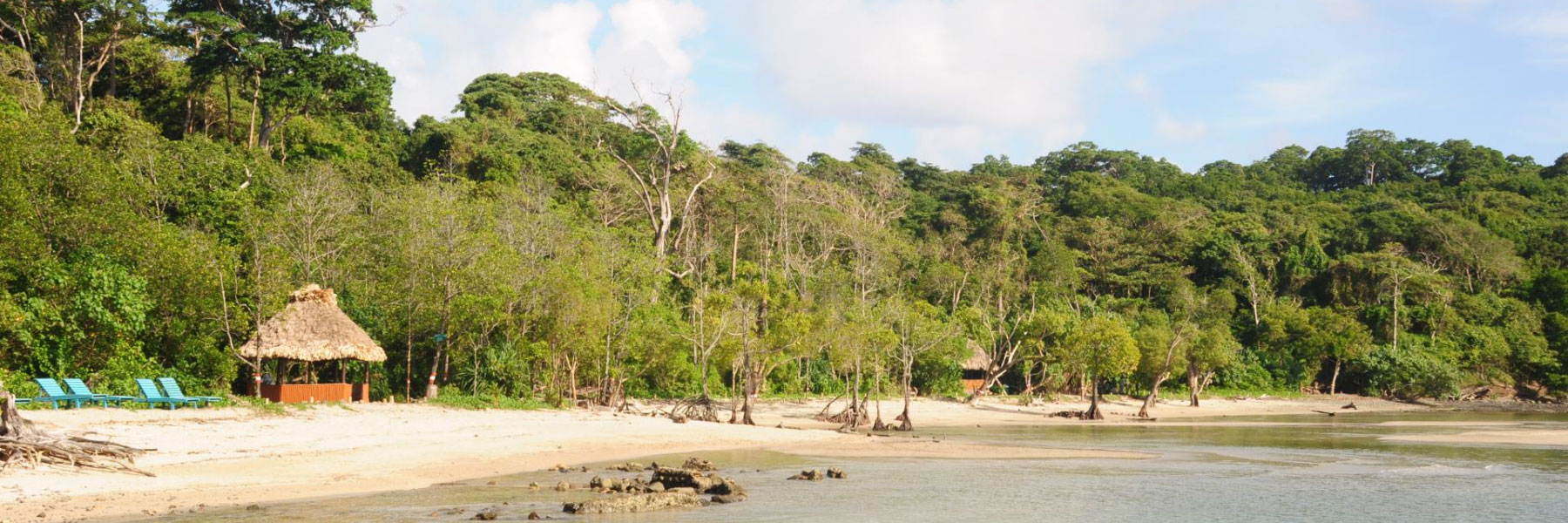
Saddle Peak National Park: Established in 1987, the Saddle Peak National Park is entirely uninhabited by humans, making it safe for preserving wildlife and the environment. The long trip to the park makes it worth it upon experiencing its beauty. The white sand shoreline and the tropical rainforests behind it make it a picturesque, serene image often found behind postcards. The park is famous for its endangered and rare species of animals and plants such as lush tropical forests and animals like the Andaman hill mynah. A haven for trekkers and adventure-seekers due to its vast size, hiking and trekking opportunities, and long trails, visitors to the park must navigate by themselves as the island is uninhabited and they won’t receive any help from locals. There is an 8 km long trail from the gate of the park to the peak which marks the starting of an adventure that is Saddle Peak National Peak. Tourists generally enjoy what the park has to offer since it contains so many rare species of plants and animals, as well as serene views; it makes the hike worth it. What truly makes the park a must-visit destination is its quietness and stillness that can only be achieved in a place without human interference.
Campbell Bay National Park: Designated in 1992, the Campbell Bay National Park is located on the island of Great Nicobar, the largest of the Nicobar Islands in the eastern Indian Ocean some 190 km to the north of Sumatra. It forms part of the Great Nicobar Biosphere Reserve and has an approximate area of some 426 sq km, and is separated from the smaller Galathea National Park by a 12-km wide forest buffer zone. The park is rich in aquatic life and houses a large variety of flora and fauna including a beautiful variety of the orchids, Nicobar pigeon, megopode, giant robber crab and crab eating macaque.
Galathea National Park: Located in Great Nicobar Island, the Galathea National Park is home to many wildlife species which are endemic to the region owing to it being away from the Indian mainland. The park is a part of the Great Nicobar Biosphere Reserve and was declared a national park in 1992. Apart from being a nature lover’s paradise, this park offers a wide range of activities like scuba diving, boating, snorkelling, sea walking and art exhibitions for adventure and art aficionados. It is also famous for bird watching and nature walks. The Great Nicobar Island was used by the Maratha Empire as a maritime base in the 17th century. During World War II, the Indian National Army took control of the land over from the Japanese and the island became part of the Indian Union in the year 1950. The island was called Tinmaittivu, meaning ‘impure island’ in Tamil and was used as a strategic location against attacks on the Chola Empire by the Sriwijaya Empire.
Middle Button Island National Park: Created in 1979 and situated about 200 km northeast of Port Blair, the Middle Button Island National Park has a total area of about 64 sq km. Along with the neighbouring islands of North Button and South Button, which are also designated national parks, it forms part of the Rani Jhansi Marine National Park off the coast of South Andaman Island. The nearest island to the national park is Long Island, which is about 94 km south of Port Blair. The Park is renowned for its spotted deer. The park has unique marine wildlife. The park is also famous for adventure activities like snorkeling and scuba diving.
North Button Island National Park: Set up in 1979 and belonging to the Button Islands, the North Button National Park is about 16 km from Long Island, and 90 km from Port Blair. With a size of about 114 sq km, the park is home to many creatures such as the dugong, blue whales, sea turtles, water monitor, lizards and dolphins. The best months for visiting the park are from December to March. Flora and fauna
South Button Island National Park: Along with the neighbouring islands of North Button and Middle Button, the South Button National Park forms part of the Rani Jhansi Marine National Park. Spread over an area of about 5 sq km, the South Button National Park is the smallest national park in India. The island has an oceanic climate moderated by the surrounding sea. One of the main attractions around the tiny Island is shallow water coral reefs with high visibility. These tropical coral reefs are at depths as shallow as 6 ft, and the island is a popular site for snorkelling and scuba diving. The island is too small to support large terrestrial mammals but the sea is teeming with life. Among the animals that make their home here are dugongs, water lizards, sea turtles, dolphins and blue whales. The fish to be seen off-shore include snappers, sweetlips, lion fish, angel fish, butterflyfish, devil rays, manta rays and barracuda, as well as nudibranchs, octopuses and shrimps. Sea turtles breed here, as do the endemic subspecies of the edible-nest swiftlet and the distinctive white-bellied sea eagle
Rani Jhansi Marine National Park: Established in 1996, the Rani Jhansi Marine National Park is spread over an area of 256.14 sq km. The park is located in Ritchie’s Archipelago, about 30 km from Port Blair and offers a unique collection of flora and fauna. The natural habitats of the park include lagoons, coral reefs, beaches, lowland evergreen rain forest, semi-evergreen rain forest and mangrove forests. The prime attraction of this park is the fruit-eating bat. This fruit eating bat plays an important part in maintaining the ecological balance of the park as it both a pollinator and seed disperser to plants. The forests in Rani Jhansi Marine National Park are unique and mostly made up of mangroves along the shore line. The Islands have little or no farm land and majorities of the people living here depend on tourism to sustain themselves.
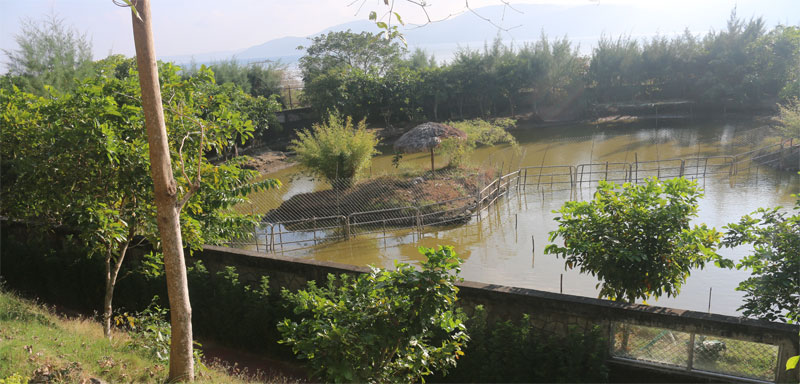
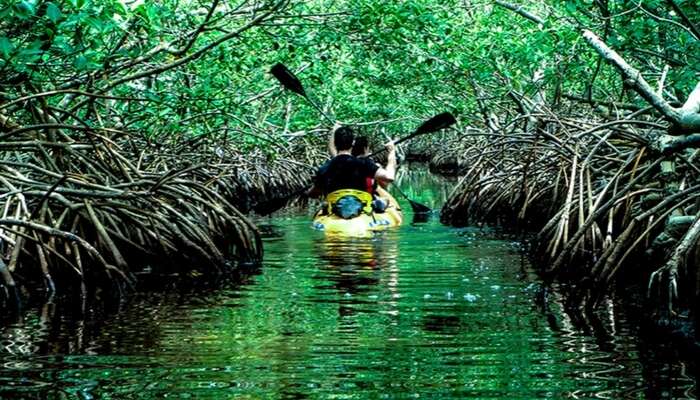
Mangrove Creeks: The Andaman & Nicobar Islands boasts a plethora of unique features. Along with natural ash coloured beaches, coral reefs, dense forest, the place also has many mangrove creeks. Mangrove trees are common in coastal areas, they grow out of tangled roots in muddy water. These beautiful trees can be enjoyed during the creek safari offered at various locations all over the islands. The best spots to start the safari are Limestone Caves, Yerrata Creek, Sabari Village, Dhaninalla Mangrove Creek, Rangat Middle Andaman. Mangrove shrubs, plants, and trees bloom all year round. The best time to visit the mangrove creeks is during the winter months of November to February when the weather is pleasant. The mangrove creeks in Andaman can be toured on foot, on jeeps and boats, depending on the area where you choose to engage in this activity.
Phew! With this, the series on the Andaman & Nicobar Islands finally comes to an end. When I first started writing this series, I initially thought it would be a two, maximum three post series, but the archipelago has far exceeded my expectations and I now know why this is such a favoured destination and on so many people’s travel bucket list. I am now even more eager to visit the islands and hopefully, this will be sooner rather than later.











 Memories and Such