In My Hands Today…

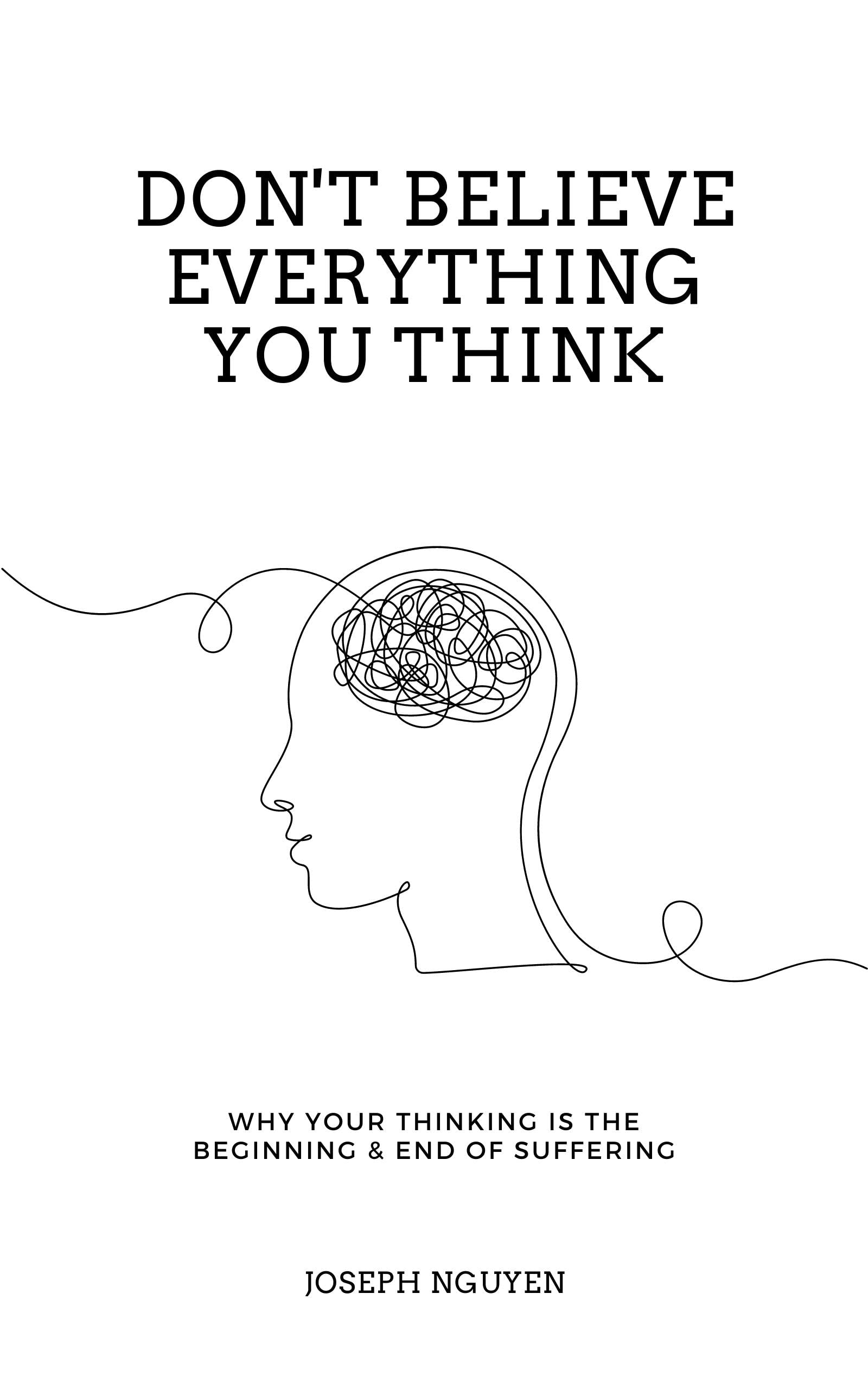
Don’t Believe Everything You Think – Joseph Nguyen

In this book, you’ll discover the root cause of all psychological and emotional suffering and how to achieve freedom of mind to effortlessly create the life you’ve always wanted to live.

Although pain is inevitable, suffering is optional.

This book offers a completely new paradigm and understanding of where our human experience comes from, allowing us to end our own suffering and create how we want to feel at any moment.

No matter what has happened to you, where you are from, or what you have done, you can still find total peace, unconditional love, complete fulfillment, and an abundance of joy in your life.

No person is an exception to this. Darkness only exists because of the light, which means even in our darkest hour, light must exist.

Within the pages of this book, contains timeless wisdom to empower you with the understanding of our mind’s infinite potential to create any experience of life that we want no matter the external circumstances.

Don’t Believe Everything You Think is not about rewiring your brain, rewriting your past, positive thinking or anything of the sort.

We cannot solve our problems with the same level of consciousness that created them. Tactics are temporary. An expansion of consciousness is permanent.

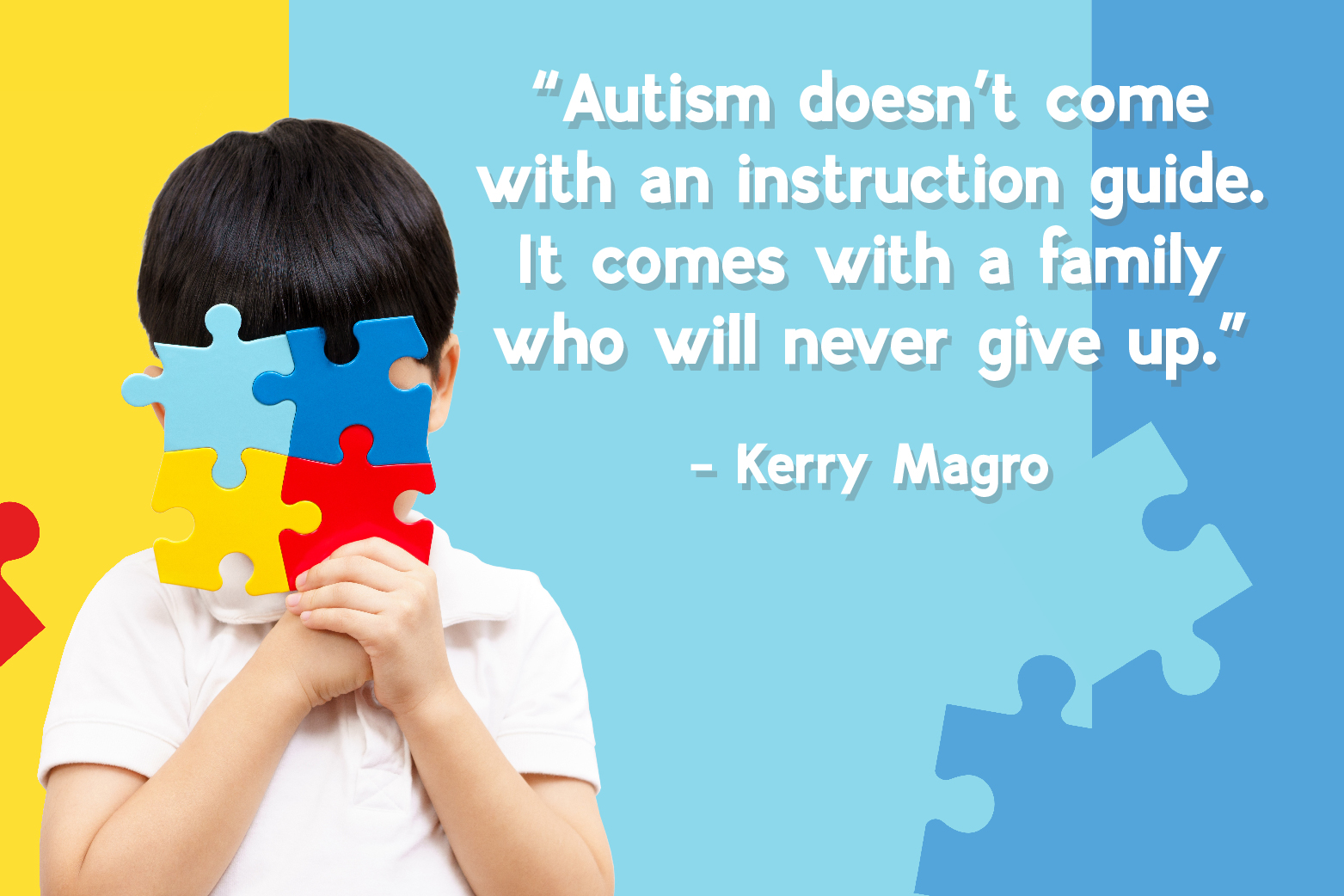
World Autism Awareness Day

A day aimed at raising awareness about autism and promoting acceptance and inclusion for individuals on the spectrum, World Autism Awareness Day (WAAD) is celebrated annually on April 2. Established by the United Nations General Assembly in 2007, this day serves as a platform for advocating for the rights and needs of autistic individuals, emphasising the importance of understanding and support from society.

Autism Spectrum Disorder (ASD) is a developmental condition that affects communication, behaviour, and social interaction. Parents can recognise potential signs of autism in their children by observing specific behaviors and developmental milestones. Key symptoms to watch for include social interaction difficulties, communication delays, repetitive behaviours, and sensory sensitivities. Children with autism may avoid eye contact, show little interest in engaging with others, or not respond to their name being called. They might also struggle with understanding social cues and emotions. Delayed speech and language development are common. Some children may not babble by 12 months or fail to use gestures like pointing or waving. They may also have difficulty understanding simple verbal instructions. Many children with autism engage in repetitive movements like hand-flapping, and rocking or exhibit intense focus on specific interests, often to the exclusion of other activities. Autistic children may be overly sensitive to sounds, lights, textures, or tastes, leading to distress in certain environments. Recognising these symptoms early is crucial for seeking appropriate support and intervention. Parents should consult a paediatrician for further evaluation and guidance if they notice these signs. Early intervention can significantly improve outcomes for children with autism.

In 2025, WAAD will focus on the theme “Moving from Surviving to Thriving,” highlighting the need for autistic individuals to survive and thrive in their communities. The theme reflects a significant shift in how society views and supports individuals with autism. This theme emphasises empowerment, resilience, and the importance of creating environments where autistic individuals can flourish. It encourages communities to focus on empowerment by providing resources and opportunities that enable autistic individuals to lead fulfilling lives; support systems by establishing strong support networks within families, schools, and workplaces to foster growth; and celebrating strengths by recognising and valuing the unique contributions that autistic individuals bring to society. The theme aligns with broader goals of inclusivity and acceptance, urging all stakeholders — families, educators, employers, and policymakers — to work collaboratively towards creating a supportive atmosphere for those on the autism spectrum.

Since its inception in 2008, WAAD has focused on various themes that address crucial aspects of autism awareness and acceptance. Each year has brought a new focus, allowing for a diverse range of discussions around education, employment, health care, and social inclusion.

Autism Spectrum Disorder (ASD) prevalence in Asia varies significantly across different regions, reflecting a complex interplay of cultural, diagnostic, and healthcare factors. A systematic review indicated that the overall prevalence of ASD in Asia is approximately 0.36%, with notable differences among regions: 0.51% in East Asia, 0.31% in South Asia, and 0.35% in West Asia. In Southeast Asia specifically, the prevalence has been estimated at 6 cases per 1,000 individuals, which translates to about 0.6%. Notably, this prevalence is higher among males, with studies showing that males are affected at rates approximately two to three times higher than females. In Singapore, recent statistics suggest that 1 in 150 children is diagnosed with autism, surpassing the global average of 1 in 1603. This increase is attributed to heightened awareness and improved diagnostic practices rather than an actual rise in cases. Overall, while autism prevalence is increasing across Asia, it remains essential to standardise diagnostic criteria and improve awareness to ensure better identification and support for affected individuals.

Education plays a crucial role in promoting understanding about autism. Schools are encouraged to implement programs that educate students about neurodiversity, fostering an environment where differences are celebrated rather than stigmatised.

Advocacy is also essential in ensuring that policies reflect the needs of autistic individuals. Organisations worldwide are working towards legislative changes that enhance accessibility in education, healthcare, and employment for those on the spectrum.

Families are often the first line of support for autistic individuals. By fostering an environment of understanding at home, families can help their loved ones navigate challenges effectively. Engaging with local autism organisations can provide families with resources and community connections that enhance their support systems.

World Autism Awareness Day serves as a reminder of our collective responsibility to create an inclusive society where every individual has the opportunity to thrive by advocating for change, celebrating diversity, and fostering environments where all autistic individuals can flourish. Through education, community engagement, and supportive policies, we can ensure that neurodiversity is recognized as a valuable aspect of our society.

In My Hands Today…

Beyond the Wand: The Magic & Mayhem of Growing Up a Wizard – Tom Felton

Tom Felton’s adolescence was anything but ordinary. His early rise to fame in beloved films like The Borrowers catapulted him into the limelight, but nothing could prepare him for what was to come after he landed the iconic role of the Draco Malfoy, the bleached blonde villain of the Harry Potter movies. For the next ten years, he was at the center of a huge pop culture phenomenon and yet, in between filming, he would go back to being a normal teenager trying to fit into a normal school.

Speaking with great candor and his signature humor, Tom shares his experience growing up as part of the wizarding world while also trying to navigate the muggle world. He tells stories from his early days in the business like his first acting gig where he was mistaken for fellow blonde child actor Macaulay Culkin and his Harry Potter audition where, in a very Draco-like move, he fudged how well he knew the books the series was based on (not at all). He reflects on his experiences working with cinematic greats such as Alan Rickman, Sir Michael Gambon, Dame Maggie Smith, and Ralph Fiennes (including that awkward Voldemort hug). And, perhaps most poignantly, he discusses the lasting relationships he made over that decade of filming, including with Emma Watson, who started out as a pesky nine-year-old whom he mocked for not knowing what a boom mic was but who soon grew into one of his dearest friends. Then, of course, there are the highs and lows of fame and navigating life after such a momentous and life-changing experience.

Festivals of India: Cheti Chand

Celebrated primarily by the Sindhi community, Cheti Chand marks the beginning of the Hindu New Year and commemorates the birth of their revered patron saint, Lord Jhulelal. This festival, which falls on the second day of the month of Chet in the Sindhi lunar calendar, corresponding to March and April in the Gregorian calendar, holds immense cultural and religious significance. It is a time for renewal, reflection, and celebration among Sindhis worldwide.

The roots of Cheti Chand can be traced back to the Sindhi community’s struggle against oppression during the rule of Mirkhshah, a tyrannical Muslim ruler. According to legend, Mirkhshah sought to convert the Sindhi Hindus to Islam, threatening their cultural and religious identity. In desperation, the Sindhi people prayed to Varun Devta, the Water God for deliverance. Their prayers led to a divine promise that a saviour would be born to protect them.

This saviour was Uderolal, later known as Jhulelal, who was born in Nasarpur in 1007 CE. His miraculous birth was heralded by a divine voice that assured the Sindhis of their protection. Jhulelal is believed to have performed numerous miracles that not only saved his people from persecution but also reinforced their faith and cultural identity. The festival of Cheti Chand thus symbolises hope, resilience, and divine intervention.

Jhulelal is often depicted as an old man with a long beard, seated on a lotus flower supported by a fish. He embodies wisdom and strength and is regarded as the protector of Sindhi culture and values. Celebrating Cheti Chand serves as a reaffirmation of faith for Sindhis, honouring their heritage while fostering a sense of unity within the community.

Cheti Chand holds deep spiritual significance for the Sindhi community. The festival marks the start of the Hindu New Year for Sindhis, symbolizing fresh starts and new opportunities. It reinforces the cultural identity of Sindhis, especially those who migrated after the Partition in 1947. Cheti Chand serves as a reminder of their roots and traditions. The festival fosters communal harmony as families come together to celebrate with rituals, prayers, and festive meals. And it is an occasion for introspection and gratitude towards Lord Jhulelal for his protection and blessings.

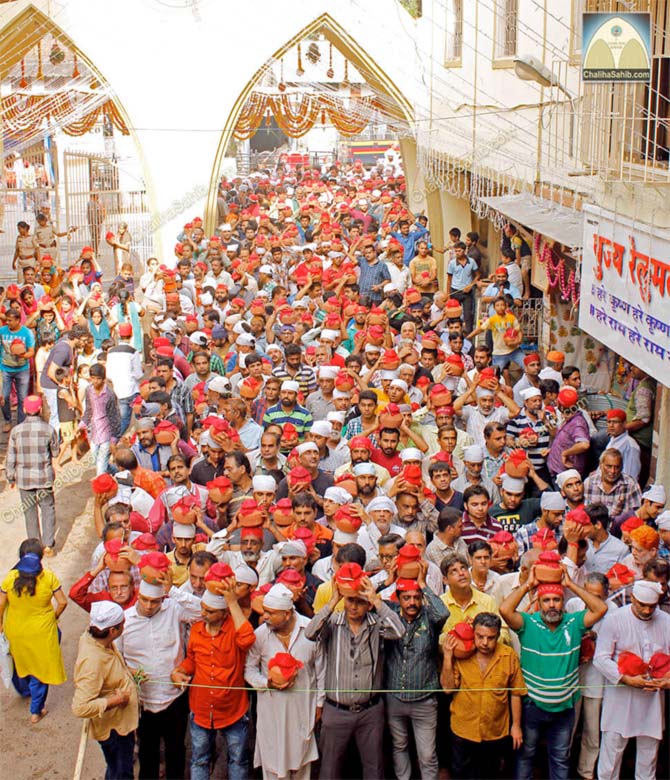
Cheti Chand is celebrated with enthusiasm across various regions in India, each with its own unique customs and traditions. In states like Punjab and Haryana, Cheti Chand is observed with fervour among local Sindhi communities. Families come together to perform rituals at home or in temples dedicated to Jhulelal and devotees prepare offerings such as fruits, sweets, and special dishes like Guji Deg, a sweet dish made from rice flour to honour Jhulelal.

In Maharashtra, celebrations during Cheti Chand include traditional folk dances performed in honour of Lord Jhulelal. Participants often dress in colourful attire and engage in lively music. The Behrana Sahib Ceremony involves preparing a ceremonial plate containing items like an oil lamp or diya, sugar crystals or misri, fruits, and flowers which are taken to nearby rivers or lakes as offerings. In states like Karnataka and Tamil Nadu, devotees visit rivers or lakes to perform rituals, reflecting their gratitude towards Varun Devta. Leading up to Cheti Chand, many observe a period of prayer known as Chaliho for 40 days. In West Bengal, families prepare special dishes for communal feasts after performing rituals and local communities organise events that include singing devotional songs dedicated to Jhulelal.

Cheti Chand is characterised by several unique rituals that reflect its cultural significance. A central ritual involves lighting an earthen wheat lamp known as Jyot Jagan on a bronze plate filled with rice grains. This lamp typically has five wicks symbolising enlightenment and prosperity. The lighting marks the beginning of the festivities. The Behrana Sahib consists of symbolic items such as an oil lamp, crystal sugar, and fruits. These items are taken to water bodies where they are immersed as an offering to Lord Jhulelal.

One of the most vibrant aspects of Cheti Chand celebrations is the Chhej dance, where participants form circles while clapping in rhythm with traditional drums, or dhols, and wind instruments, or shehnais. This dance embodies communal joy and unity among devotees.

On this day, devotees prepare an offering called Akho—made from rice mixed with flour and milk—which symbolises gratitude towards Varun Devta.

The festival is rich with stories that highlight its significance. The tale of how Jhulelal emerged during a time of crisis for the Sindhi people serves as a reminder of hope amidst adversity. The miraculous circumstances surrounding Jhulelal’s birth reflect divine intervention in protecting his devotees. The narrative emphasises how faith can triumph over tyranny, reinforcing the importance of cultural identity among Sindhis.

Cheti Chand transcends geographical boundaries; it is celebrated by Sindhi communities around the globe. In Pakistan’s Sindh province, where many original traditions have been preserved, local temples host elaborate celebrations while community feasts are organised with families gathering to celebrate their heritage. The Sindhi diaspora communities in North America celebrate Cheti Chand through cultural events showcasing traditional music and dance, and community gatherings where prayers are offered collectively. In the United Kingdom, in cities with significant Sindhi populations, temples organise special prayers and community members participate in cultural programs highlighting Sindhi traditions.

Cheti Chand stands as a beacon of hope, resilience, and cultural pride for the Sindhi community worldwide. As they commemorate the birth of Lord Jhulelal on this auspicious day, they reaffirm their faith while celebrating their rich heritage through vibrant rituals, communal gatherings, and heartfelt prayers. The festival not only marks the beginning of a new year but also reinforces the values that bind them together as a community—unity, devotion, and an unwavering spirit in preserving their identity against challenges throughout history. Through its unique customs and stories that resonate deeply within their cultural memory, Cheti Chand invites everyone to partake in its love, light, and legacy—a celebration that transcends time and space while nurturing communal bonds across generations.

2025 Week 13 Update

To all those celebrating, Eid Mubarak! May the moon’s brightness this Eid bring you and your loved ones endless blessings, happiness, and success.

Today’s quote is a simple but profound reminder to live in the present moment. Attributed to Ram Dass, who was born Richard Alpert, a spiritual teacher, psychologist, and author known for bringing Eastern philosophy to the Western world, Ram Das was a Harvard professor who became deeply involved in psychedelic research before traveling to India, where he studied under Neem Karoli Baba and embraced Hindu spiritual teachings. The quote encourages us to let go of past regrets and future anxieties and fully immerse ourselves in the now, where life truly happens.

In modern society, many people struggle with overthinking and distractions, either dwelling on past mistakes or worrying about what lies ahead. This tendency keeps them from fully experiencing the richness of life. Ram Dass suggests that true peace and fulfillment come from being completely present in whatever moment we are in, without resistance or attachment.

When we focus on the present, we become more aware of our thoughts, emotions, and surroundings. This awareness allows us to engage with life more deeply and authentically rather than being caught in the endless cycle of mental chatter. “Be here now” is not just about passivity; it’s about actively embracing the moment, appreciating its beauty, and responding to life with clarity and wisdom.

This philosophy aligns with many spiritual traditions, including Buddhism, Hinduism, and meditation practices, where being present is considered the key to enlightenment and inner peace. Instead of trying to control or resist life, Ram Dass teaches that true happiness comes when we surrender to the now, accepting things as they are. In a practical sense, this quote encourages us to slow down, breathe, and fully engage in whatever we are doing, whether it’s having a conversation, eating a meal, or simply observing the world around us. By being fully present, we can reduce stress, enhance our relationships, and find deeper meaning in everyday experiences. The quote is an invitation to live life with awareness, gratitude, and a sense of presence. It reminds us that the past is gone, the future is uncertain, but the present moment is always within our reach.

GG is amid project submissions and prepping for her final exams. So, even if she is at home, I barely get to see her. Once her exams are done, she has a break for a couple of weeks, after which she starts her summer internship. So a very busy few weeks for her.

BB is busy with his work too, having to work overtime many days as well as having to do overnight guard duty. But the end is near, and that’s what matters.

This week also marked the one-year mark when I was told by my hiring manager that they would be letting me go, not because I was underperforming, but because the project I was hired for didn’t get its funding renewed. I was very upset initially, but now I have gotten over it and can look at it objectively. I also know that the universe has a plan for me and this was part of the plan. To get something good, you need to reach rock bottom and then climb up.

That’s all from me this week. Stay happy, stay positive, and keep smiling!