World Book and Copyright Day happens every year on April 23. And each year brings new reminders about why books matter and why copyright law exists. UNESCO started the event in 1995, picking the date because it marks the death anniversaries of three huge literary figures: William Shakespeare, Miguel de Cervantes, and Inca Garcilaso de la Vega. The day isn’t just about buying a book or reading. It’s about remembering how stories and ideas travel across generations. And it’s about protecting the rights of writers, publishers, and anyone who works with words and ideas.
Why is this day important? Simple. Books are more than objects. They store culture, preserve facts, spark arguments, and help us figure out who we are. Without them, ideas might fade, and knowledge could get lost. Copyright keeps creators safe. If authors and illustrators couldn’t own their work, would we have the stories we cherish? On this day, the world is supposed to pause and remember that every book is the result of hard work, imagination, and someone’s hope that their words will matter.
Rabat, Morocco, is the 2026 World Book Capital. That means Rabat will host special events, talks, readings, and programs throughout the year to promote reading and creativity. The city will get global attention for putting books first and linking culture, education, and diversity.
Are books losing ground to screens? That’s the real question. We live in a world ruled by images. Social media, video streaming, short clips—everywhere we look, we’re bombarded by visual content. TikTok, Instagram, YouTube, and endless memes shape what we see, what we know, and even how we think. The average person’s daily diet is snapshots, sound bites, and fleeting info hits. Attention spans keep shrinking. A single tweet can cause outrage or joy in seconds. This isn’t just about technology. It’s a change in how brains work and how society measures value. So, where does reading fit in?
There’s no pretending that reading a book is easy. It demands time, focus, and patience. But the same things that make reading hard are what make it valuable. Books force us to pause. They ask us to do the work of imagining, questioning, and connecting dots. Screens give quick thrills; books demand slow engagement. That gap matters. Reading develops the mind in ways that short videos and quick posts can’t. And even though social media challenges old habits, book communities online (like #BookTok or virtual book clubs) have sparked a fresh wave of interest, especially among teens. People still crave stories, depth, and connection; only now it’s happening in new ways.
But what gets lost when images replace text? Words build complex thoughts. Books let us see inside someone else’s mind in detail. Reading isn’t just about gathering facts; it’s about empathy, perspective, and learning how other people view the world. When we trade books for visuals, we lose context and subtlety. Attention flickers instead of settling. If a story’s too slow, too complicated, or too challenging, it gets skipped. There’s risk in letting quick images become the only way people engage with knowledge. Easy answers and “hot takes” can replace understanding.

Books also push back against bias. They make us question, argue, and even change our own minds. Social media often puts people in echo chambers. Algorithms repeat what you already believe. But literature, if you let it, breaks cycles and reveals contradictions. Reading gets us uncomfortable and forces us to grow. If the world forgets how to do this, what kind of culture will we have? Will people still build new ideas or just repeat old slogans?
It’s tempting to blame technology for stealing attention. But the truth is more complicated. People still love stories. They just want them in formats that fit their lives. Audiobooks, podcasts, and short-form essays reach millions. Libraries lend digital books. Smartphones let people read anywhere. In fact, the digital transformation can expand access. It can help people in places without bookstores get fresh ideas—and that’s huge for closing knowledge gaps. We shouldn’t view technology as the enemy of books. Instead, every new platform is a chance to connect reading with lives.
World Book and Copyright Day asks us to protect the right to read and create. Copyright isn’t just about money or ownership; it’s about dignity. If ideas belong to everyone, then creators get cheated. Society loses innovation. But copyright must strike a balance. Information should be free enough to spread, but not so open that writers, artists, and researchers go broke. Rabat’s year as Book Capital is a reminder that stories need support, but so do the people who imagine them.

Does any of this matter in a world hooked on images? Yes. Because conversation, real conversation, needs nuance. Social media speeds up talk but weakens arguments. Books slow us down but sharpen our thinking. As attention spans shrink, society faces risks. People forget how to focus, analyse, or remember. World Book and Copyright Day is needed to remind everyone: deep reading builds minds, helps solve problems, and keeps ideas alive.
So, question the value of books if you want, but look at history. Every major movement, revolution, or cultural leap started with words. Images are powerful, but words build meaning. They explain, persuade, and push people to act. The world’s biggest changes, political, scientific, or artistic, began with a sentence somewhere. Maybe on a page that a reader stubbornly finished, even when distracted.
World Book and Copyright Day won’t fix short attention spans overnight. And it won’t make everyone ditch their phones for libraries. That’s not realistic or even necessary. Instead, the day stands for balance. It’s about making sure stories don’t get lost in the flood of images. And it’s about making sure those who create stories get respect, protection, and a place at the table. In 2026, as screens speed up society, Rabat will push reading as a way to slow down, dig deep, and build culture.


 It’s time for a new World Book Day. I’ve written about this event before here and here so do click these links to read in more detail about what this day means.
 This year’s World Book Day theme is “Share A Story” and encourages adults, parents and older siblings to participate by reading and sharing stories. The ‘Share a Story’ theme will be encouraging people to ‘Take 10’ and recognise the positive impact that reading together for only 10 minutes a day can have on a child’s outcome.
 In Sweden, the day is known as Världsbokdagen (“World Book Day”) and the copyright aspect is seldom mentioned. Normally celebrated on 23 April, it was moved to April 13 in the year 2000 and 2011 to avoid a clash with Easter.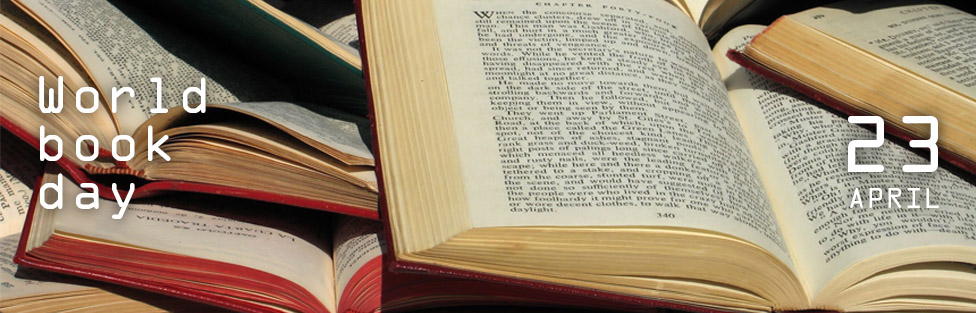
 Every year, books are chosen as special world book day books and the selections this year are:

 I have always been a reader, I can’t remember a time when I didn’t have a book in my hand, reading anything and everything I came across – even newspapers wrapped around purchases! Growing up in India in the eighties, there were not many opportunities to read books, unless you had access to well equipped libraries or had relatives who were willing to buy and bring back books from the west. So most people depended on school libraries with public libraries being more of a joke than anything else…I used to haunt my school and college libraries, so much that I used to use up my quota of books and then ask/beg friends to lend me theirs too.
 Coming to Singapore and then finding out about the library system here was akin to water to a thirsty man in a desert! Initially I used a family member’s card and then quickly got mine done as well. When BB & GG were born, I only waited two weeks before I went and got their own library cards. We’ve been borrowing books since then. GG loved reading right from the begining, but BB took a bit of time to start reading fiction. His choice of books were restricted to non-fiction, especially those relating to cars, trains and planes! His reading choices have improved a lot these days though!
 I guess smartphones and other digital distractions have been a big contributors to this decline. I can see this even in GG & BB. Even though we regularly go to the library and borrow books, their phones still seem to have a stronger pull than books. Sometimes I have to take away their phones and get them to read instead. I don’t emphasise physical books, even an e-book is better than not reading at all!