World Diabetes Day 2019

Yesterday, 14 November was commemorated worldwide as World Diabetes Day. I didn’t know about this day until earlier this year and as someone who suffers from this condition, I think it’s a pity, but better late than never.

World Diabetes Day (WDD) was created in 1991 by the International Diabetes Federation (IDF) and the World Health Organization (WHO) in response to growing concerns about the escalating health threat posed by diabetes. World Diabetes Day became an official United Nations Day in 2006 with the passage of United Nation Resolution 61/225. It is marked every year on 14 November, the birthday of Sir Frederick Banting, who co-discovered insulin along with Charles Best in 1922.

The day is the world’s largest diabetes awareness campaign reaching a global audience of over 1 billion people in more than 160 countries. The campaign draws attention to issues of paramount importance to the diabetes world and keeps diabetes firmly in the public and political spotlight. The World Diabetes Day campaign aims to promote importance of taking coordinated and concerted actions to confront diabetes as a critical global health issue.

The theme for World Diabetes Day 2019 is Family and Diabetes. Family and the support network around you has a huge impact on diabetes management, care, prevention and education and that is exactly what this year’s theme wants to highlight. The WDD 2019 has three main focus areas: Discover diabetes; Prevent type 2 diabetes and Manage diabetes.

Families are urged to learn more about the warning signs of diabetes and find out their risk of type 2 diabetes. Research conducted by the Federation in 2018 discovered that parents would struggle to spot this serious life-long condition in their own children. Despite the majority of people surveyed having a family member with diabetes, an alarming four-in-five parents would have trouble recognising the warning signs. One-in-three wouldn’t spot them at all. The findings underline the need for education and awareness to help people spot the diabetes warning signs early.

A lack of knowledge about diabetes means that spotting the warning signs is not just a problem for parents, but is an issue impacting a cross-section of society. This is a major concern, due to the signs being milder in type 2 diabetes, the most prevalent form of the condition, responsible for around 90% of all diabetes. One in two people currently living with diabetes are undiagnosed. The vast majority of these have type 2 diabetes. Left untreated or unmanaged, diabetes can lead to life-changing complications. These include blindness, amputation, kidney failure, heart attack and stroke. Diabetes was responsible for four million deaths in 2017. It is no wonder that diabetes has been called a silent killer. Early diagnosis and treatment are key to helping prevent or delay life-threatening complications.

Many cases of type 2 diabetes can be prevented by adopting a healthy lifestyle. Reducing a family’s risk starts at home. When a family eats healthy meals and exercises together, all family members benefit and this in turn, encourages behaviours that could help prevent type 2 diabetes in the family.

Types of Diabetes
There are three main types of diabetes:

Type 1 diabetes used to be called juvenile-onset diabetes. It is usually caused by an auto-immune reaction where the body’s defence system attacks the cells that produce insulin. The reason this occurs is not fully understood. People with type 1 diabetes produce very little or no insulin. The disease may affect people of any age, but usually develops in children or young adults. People with this form of diabetes need injections of insulin every day in order to control the levels of glucose in their blood. If people with type 1 diabetes do not have access to insulin, they will die.

Type 2 diabetes used to be called non-insulin dependent diabetes or adult-onset diabetes, and accounts for at least 90% of all cases of diabetes. It is characterised by insulin resistance and relative insulin deficiency, either or both of which may be present at the time diabetes is diagnosed. The diagnosis of type 2 diabetes can occur at any age. Type 2 diabetes may remain undetected for many years and the diagnosis is often made when a complication appears or a routine blood or urine glucose test is done. It is often, but not always, associated with overweight or obesity, which itself can cause insulin resistance and lead to high blood glucose levels. People with type 2 diabetes can often initially manage their condition through exercise and diet. However, over time most people will require oral drugs and or insulin.

Both type 1 and type 2 diabetes are serious. There is no such thing as mild diabetes.

Gestational diabetes (GDM) is a form of diabetes consisting of high blood glucose levels during pregnancy. It develops in one in 25 pregnancies worldwide and is associated with complications to both mother and baby. GDM usually disappears after pregnancy but women with GDM and their children are at an increased risk of developing type 2 diabetes later in life. Approximately half of women with a history of GDM go on to develop type 2 diabetes within five to ten years after delivery.

Other specific types of diabetes also exist.

If you suspect you or a family member is diabetic, please reach out to a health professional immediately so that they can be tested and then given appropriate medication. A family physician is the first and best defence against this disease since they are able to see you at regular intervals and can change the medication or treatment as appropriate as well as test you at appropriate intervals.

For more details, please check out the International Diabetes Federation website.

Poem: Holidays

It’s the year end and most people are either going away on holidays soon or are seriously thinking about it. Schools are done in Singapore and everyday I hear someone going away on holiday. We are too, very soon. So here’s a poem which celebrates holidays!

Holidays

The tickets are booked, the airline seats selected
There’s an air of anticipation, excitement in the blood

A sense of wanderlust takes over
Excitement building up, getting bigger and bigger

You want the days to fly, the holiday to start
Your heart is pumping, you can’t wait to get a headstart

The long awaited day finally is here
You wake up bright and early, with a lot of cheer

You get to the airport and check in
Your boarding pass is in your hand and your face has huge grin

You board the plane and can’t wait for it to take off
The clouds call your name, you just want to blast-off

And then it’s time to land, for you to set foot in your holiday land
Your holiday now begins, the holiday you had planned

Enjoy your holiday, you have earned it to the max
Whatever your choice, it’s your time to kick off and relax

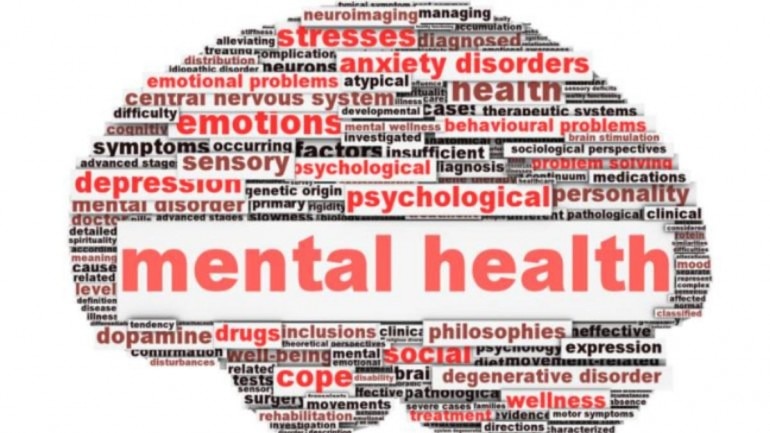
World Mental Health Day

Yesterday, 10 October marked World Mental Health Day. The day was set up by the World Federation for Mental Health and it was first celebrated in 1992 with a specific theme.

World Mental Health Day celebrates awareness for the global community in an empathetic way, with a unifying voice, helping those feel hopeful by empowering them to take action and to create lasting change.

https://wfmh.global/world-mental-health-day-2019/

This year’s theme for the World Mental Health Day is ‘Suicide Prevention and it’s something that resonated with me, especially among children and young adults.

A couple of weeks back, I was browsing through a sub-reddit about the O level exams in Singapore and I read a thread about a young person (I am not sure of the sex) who was so troubled about his/her performance in the O level exam, that they were contemplating suicide. I teared up reading the thread and really hoped that this person took the help of someone who could counsel them and make them look at life in a different way.

I also feared that GG would do something stupid like this when she got her PSLE results almost four years back. She didn’t do as well as expected and the backlash from S and his family was quite bad. I had to literally scold him and ask him if he could live with himself if she took any extreme step and that pulled him up. He was able to then put aside his disappointment in her results and started bolstering her up.

Source

According to the World Health Organisation, “if we don’t act urgently, by 2030 depression will be the leading illness globally.” Suicidal behaviour has existed as long as humans have walked the earth, but these days it has exploded exponentially because of the various complex factors and these days it has reached fairly alarming levels. Close to 800,000 people on a global level take their own lives on a yearly basis, according to the World Health Organisation (WHO) and there are the countless number who fail in their attempt. Every suicide is a tragedy which affects the families of those who commit suicide and this has long-lasting effects on those who are left behind. Parents and family members keep torturing themselves why they didn’t see the signs and what they could have done to prevent it.

What’s worse is that suicide is the leading cause of death among young people, especially the 15-29 year group. It is often believed that it is only adults who exhibit suicidal behaviours, but it should be made known that many children and young people engage in this kind of behaviour as a result of violence, sexual abuse, bullying and cyberbullying.

Suicide is a global public health epidemic that really deserves the attention of everyone – the scientific community, governments, mental health professionals, caregivers, parents and family members. The problem is that such issues are considered taboo and most people shy away from talking about it even if they know someone is suffering from a mental illness. Even in any community, if you hear of someone having such thoughts, you don’t reach out to them to get help, or even reach the authorities to help them. Getting people to talk about a subject that tends to be taboo and about which many hold mistaken and prejudiced ideas will help the community to learn about the risk factors so that they can identify and learn to address them.

Source

Most experts’ say that suicide is preventable and can be avoided Many times, people who suffer from mental illness lack access to mental health services, sometimes because there are no services in their community and sometimes because they must wait months to be seen. So if you see or hear about someone who you think is suffering from a mental illness, make sure you reach out to them and offer help, even if it’s just a shoulder for them to cry or vent upon.

Here’s a WHO link to access a video series on what emergency workers, health workers, teachers and employers can do to help prevent suicide.

And here’s another WHO link on the handouts that emergency workers, health workers, teachers, prison officers, media professionals and employers can do to help prevent suicide

Poem: The Power of Words

I was mulling over the power that words have and wanted to write a blog post about it. But when I started writing the post, I realised I was able to express myself better through a poem than through prose. See the power that words was wielding over me?

The Power of Words

Words can make you laugh, words can make you cry
Sometimes leaving your soul crushed and dry

Words can hurt, words can calm
Words have the power to be that that soothes, be the balm

Words can cause envy, words can cause strife
Words can also sometimes follow you in the afterlife

But words can be used hide and conceal
Words can make you want to do things with zeal

Words can be the cause of revolutions
Words can be the reason that makes people storm bastions

Words have such power you can see
Handle words with care, this is but a humble plea

Words are like bullets fired off a weapon,
Once spoken, can’t be recalled, it has to find its traction

That’s why it’s said to be careful with how and what you speak
Because once spoken, words can never be recalled or erased
Because once wrongly spoken, its future is very bleak
Words spoken in haste, can’t be reversed or retraced

So be aware the power and influence that words have over lives
After all, words have the power to change perspectives

Ikigai: Your Raison D’être in Life

A couple of months back, I came across this Japanese term, ‘Ikigai’ which essentially means finding your passion in life and leading your life according to that, in other words, your ‘raison d’être’ and the term really intrigued me. In other words, Ikigai is what makes you get up each morning and jeep going even when the going gets tough.

When I read more about this term, I thought that perhaps this was the missing link in our lives. If we lived a life worth living, if we did something which makes us jump out of bed each morning and looked forward to each new day, then wouldn’t that be the best thing ever? We would never have to work a day in our lives and life will be so much smoother without the usual angst work generates within us.

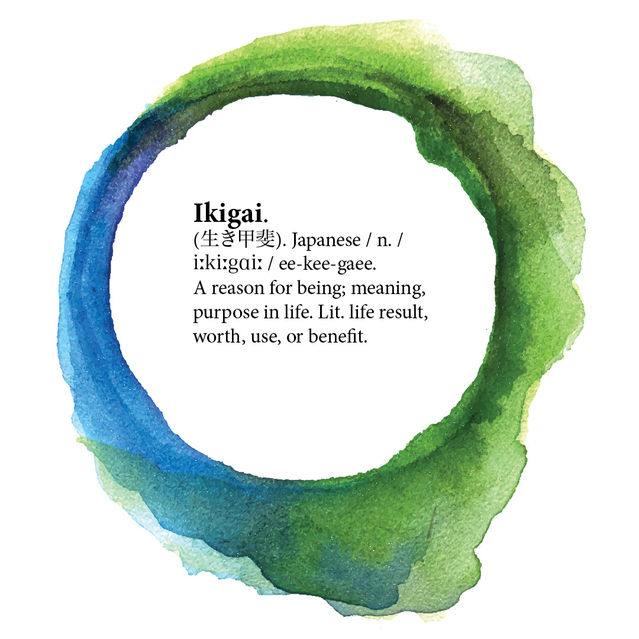
Ikigai which is pronounced as it is spelt, is a Japanese concept which means, “a reason for being”. The word “Ikigai” is usually used to indicate the source of value in one’s life or the things that make one’s life worthwhile. The word translated to English roughly means “thing that you live for” or “the reason for which you wake up in the morning.”

Each individual’s Ikigai is personal to them and specific to their lives, values and beliefs. It reflects the inner self of an individual and expresses that faithfully, while simultaneously creating a mental state in which the individual feels at ease. Activities that allow one to feel Ikigai are never forced on an individual; they are often spontaneous, and always undertaken willingly, giving the individual satisfaction and a sense of meaning to life.

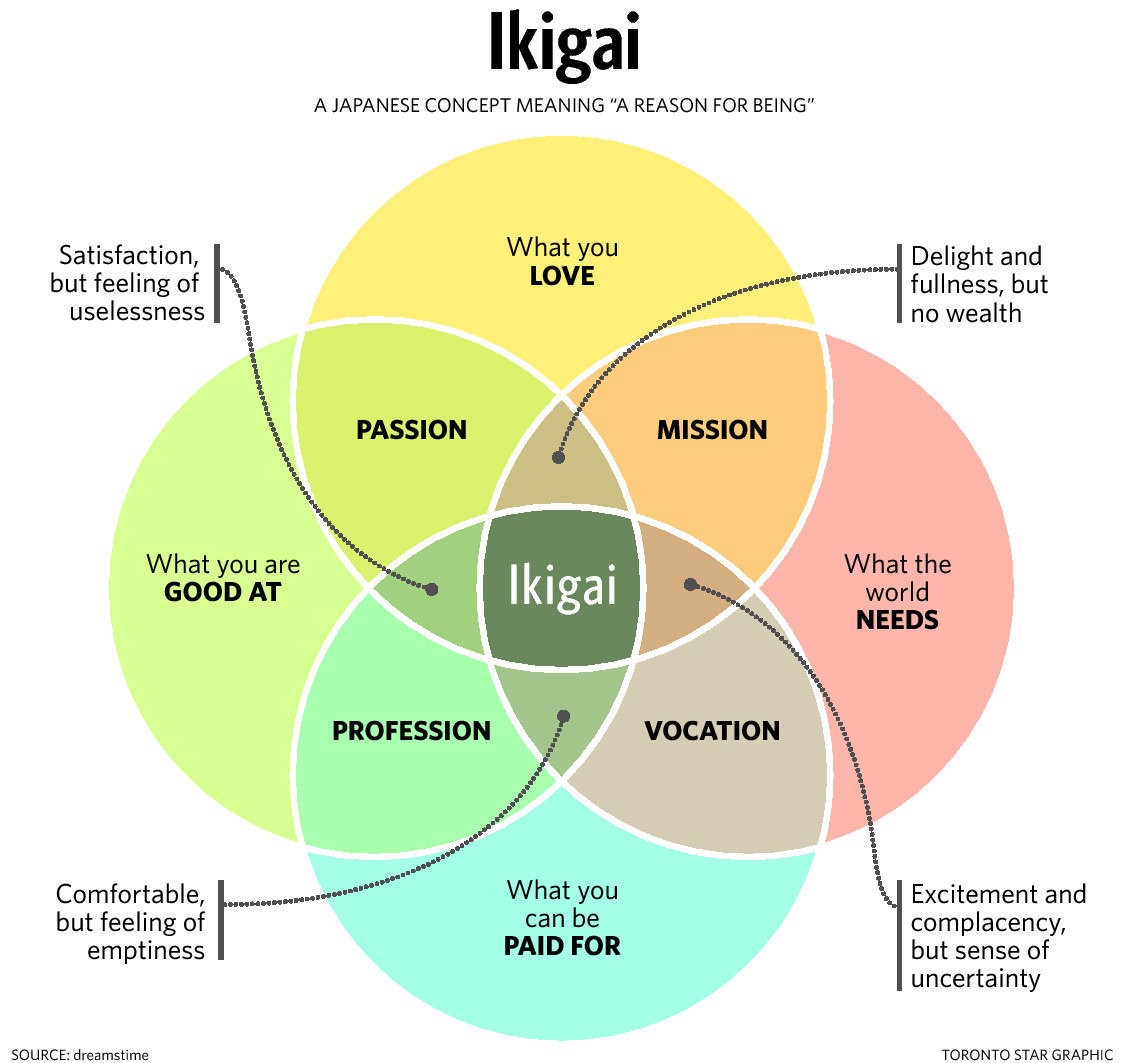
According to best seller author Dan Buettner, Ikigai lies at the cross section between your values, what you like to do and what you are good at. When you are able to figure that out, you have found your personal Ikigai.

So how do you find out your own personal Ikigai? Make four lists – the first one being your passion in life or what you love doing, the second being your mission in this world or what you feel this world needs, the third list being the able to figure what you are good at or your vocation in life and the last list being what you can get paid for doing your vocation which is essentially your profession. The intersection of these four lists will allow you to figure your personal and unique Ikigai.

In their book Ikigai: The Japanese Secret to a Long and Happy Life, Hector Garcia and Francesc Miralles break down the ten rules that can help anyone find their own Ikigai:

  1. Stay active and don’t retire
  2. Leave urgency behind and adopt a slower pace of life
  3. Only eat until you are 80 per cent full
  4. Surround yourself with good friends
  5. Get in shape through daily, gentle exercise
  6. Smile and acknowledge people around you
  7. Reconnect with nature
  8. Give thanks to anything that brightens our day and makes us feel alive.
  9. Live in the moment
  10. Follow your Ikigai

While the concept has been around for centuries now (it originated in the Heian period, sometime during the period 794 to 1185 AD), the majority of us, including the Japanese people haven’t quite figured it out yet.

There have been studies which say that Ikigai promotes a sense of wellbeing which is probably why the Japanese and particularly Okinawians where this concept is said to have originated live the longest. It was statistically proven that presence of Ikigai is correlated with a lower level of stress and an overall feeling of being healthy. The feeling of Ikigai balances out the secretion of neurotransmitters such as dopamine, serotonin and β-endorphin. Some studies demonstrate that a sense of purpose or goal in life or Ikigai is negatively correlated with a need for approval from others and anxiety and studies also found that Ikigai is associated with longevity among Japanese people.

Human beings are born curious. Our insatiable drive to learn, invent, explore, and study deserves to have the same status as every other drive in our lives. So go and channel that curiosity and maybe you will be able to find that sweet spot in your life which is your Ikigai. Once you do, use it every day. Find things to do, simple or complex in your day to day lives which would be an expression of your Ikigai and once you have found and pursued it, you will realise that anything else is just compromise.

I am going to leave you with a Youtube video where Dan Buettner speaks in a Ted-Ed video on how to live to more than a 100 where he also speaks about Ikigai.