World Gratitude Day: The Power of Thankfulness

In a world often dominated by stress, negativity, and the relentless pursuit of more, World Gratitude Day stands as a beacon of positivity, reminding us to pause and appreciate the good in our lives. Celebrated annually on September 21, this day encourages individuals, communities, and nations to express thankfulness and recognise the profound impact of gratitude on our well-being.

World Gratitude Day was born in 1965 during a Thanksgiving dinner in the meditation room of the United Nations building. The idea was proposed by Sri Chinmoy, a spiritual leader and meditation teacher who believed that gratitude could foster global unity and peace. At the dinner, Chinmoy suggested the creation of a global holiday dedicated to gratitude, and each attendee pledged to host an event in their home country on September 21 every year. The first World Gratitude Day was celebrated in 1966, and by 1977, the United Nations Meditation Group officially recognised the day. Since then, it has been observed annually, with people from all walks of life coming together to express their appreciation for the blessings in their lives.

Gratitude is more than just a polite “thank you”; it is a profound emotion that can transform our mental, emotional, and physical well-being. Research has shown that practicing gratitude can lead to increased happiness, improved relationships, and even better physical health.

Gratitude shifts our focus from what we lack to what we have, fostering a sense of contentment and reducing feelings of envy and resentment. Studies have shown that individuals who regularly practice gratitude experience higher levels of happiness and life satisfaction. Expressing gratitude strengthens our relationships by making others feel valued and appreciated. It fosters empathy and compassion, creating a positive feedback loop of kindness and generosity.

Gratitude has been linked to improved sleep, reduced stress, and even a stronger immune system. By focusing on the positive aspects of our lives, we can reduce the harmful effects of stress and promote overall health.

While World Gratitude Day does not have an official theme each year, the overarching message remains the same: to cultivate a sense of appreciation and thankfulness in our lives. There are countless ways to celebrate World Gratitude Day, whether through personal reflection, acts of kindness, or community events.

  • Keep a gratitude journal: Start writing down three things you are grateful for everyday. This simple exercise can help shift your focus to the positive aspects of your life and cultivate a sense of appreciation.
  • Write gratitude letters: Take the time to write heartfelt letters to the people who have made a positive impact on your life. Expressing your gratitude in writing can be a powerful way to strengthen your relationships and make others feel valued.
  • Perform random acts of kindness: Show your appreciation for others by performing small acts of kindness. Whether it’s buying coffee for a stranger, helping a colleague with a project, or volunteering your time, these gestures can have a ripple effect of positivity.
  • Practice mindfulness: Take a few moments throughout the day to be present and appreciate the beauty around you. Notice the small things, like the warmth of the sun on your face or the sound of birds chirping outside your window.
  • Host a gratitude gathering: Organise a gathering with friends, family, or colleagues to share what you are grateful for. This can be a powerful way to foster a sense of community and connection.

Gratitude has the power to transform not only individuals but also entire communities and societies. When people practice gratitude, they are more likely to engage in prosocial behaviors, such as volunteering, donating to charity, and helping others in need. This creates a culture of kindness and generosity, where people feel valued and supported.

In the workplace, gratitude can increase employee satisfaction, improve teamwork, and increase productivity. When employees feel appreciated, they are more motivated and engaged, creating a positive and productive work environment.

On a global scale, gratitude can foster a sense of unity and peace. By recognising and appreciating the good in our lives, we can cultivate a sense of interconnectedness and empathy, leading to a more compassionate and harmonious world.

As we approach World Gratitude Day, let us take the time to reflect on the blessings in our lives and express our appreciation to those who have made a positive impact. Gratitude is a powerful force that can transform our lives, our relationships, and our world. By practicing gratitude, we can create a ripple effect of positivity, kindness, and compassion that extends far beyond ourselves.

So, make gratitude a daily practice. Whether through a simple “thank you,” a heartfelt letter, or an act of kindness, let us spread the message of gratitude and create a world where appreciation and thankfulness are at the forefront of our lives.

Sacred Stones, Spaces and Stories: Shakthipeeta Part 20

Nalhateswari Temple, Nalhati, West Bengal
The Nalateswari Temple, located in Nalhati, Birbhum district is dedicated to Maa Nalateswari, a form of Goddess Sati, and Lord Shiva is worshipped here as Jogesh Bhairava. It is believed that the larynx or nala of Goddess Sati fell at this site.

The temple’s history dates back to the 16th century, with its construction attributed to the Malla kings. However, local legends suggest that the temple was rediscovered by Ram Sharam Devsharma, a devotee who found the larynx of Maa Sati in the dense forests of Nalhati. Over time, the temple became a centre of devotion and was later renovated by Rani Bhavani and Maharaja Ranajit Singh of Nashipur in the late 19th century. The name Nalateswari derives from Nala or larynx and Ishwari or goddess. The temple also served as a refuge for freedom fighters during India’s independence movement.

The sanctum sanctorum houses a self-manifested or swayambhu stone idol of Maa Nalateswari adorned with vermilion, sindoor, a silver crown, and three golden eyes or trinayan. Her golden-red tongue symbolizes her fierce aspect. Below her idol lies the sacred nala or throat of Sati. It is believed that no matter how much water is poured on it, it never overflows or dries up. Devotees often hear a gulping sound resembling human swallowing when water flows through it. A sacred pond known as Lalita Kund lies within the temple premises. Pilgrims take a holy dip in this pond before entering the shrine to purify their souls. The temple features traditional Bengali architecture with a raised pinnacle, a shikhara, above its sanctum. Its design includes a natmandir, a prayer hall, and smaller shrines dedicated to Lord Shiva, Lord Ganesha, and Lord Hanuman. A mysterious neem tree near the temple is considered sacred by devotees. It is said to possess healing powers and is often worshipped alongside Maa Nalateswari.

Daily worship at the temple include the morning and evening aartis. Navratri is celebrated twice a year with grand rituals honoring Maa Nalateswari’s nurturing aspect. Devotees observe fasting during these nine days to seek blessings for prosperity and protection. Kali Puja is celebrated with great fervor at Nalateswari Temple. Elaborate rituals are conducted to honor Maa Durga’s fierce aspect as Kali. Devotees offer red hibiscus flowers symbolic of power and victory over evil forces. Every full moon or Purnima, a grand fair is held within the temple grounds. This event includes cultural programs, stalls selling handicrafts, and community feasts. On new moon or Amavasya nights, special Tantric rituals are conducted by priests to invoke Maa Nalateswari’s protective energy.

According to legend, Kamdev, the Hindu god of love, dreamt about the existence of Maa Sati’s larynx in the forests of Nalhati. Guided by his vision, he discovered the sacred spot where her nala lay buried beneath layers of earth. This marked the beginning of worship at this Shakti Peetha. Devotees believe that pouring water on Maa Nalateswari’s throat produces a gulping sound resembling human swallowing—a phenomenon considered miraculous by pilgrims who visit this shrine. During India’s struggle for independence, freedom fighters used the temple premises as a hideout due to its remote location and supportive priests who provided them shelter and food.

The Nalateswari Temple offers visitors a unique spiritual experience rooted in mythology and devotion. It is a must visit for those seeking solace or want to explore India’s rich cultural heritage.

Tarapith, Rampurhat, West Bengal
Recognised as one of the Shakti Peethas, the Tarapith Temple, located in Rampurhat is dedicated to Goddess Tara, a fierce and compassionate form of Shakti. At Tarapith, it is said that the third eye of Sati fell, sanctifying the location as a center of immense spiritual energy. The temple is closely associated with tantric practices and the mystic saint Bamakhepa, whose life and devotion to Tara are legendary.

The temple is said to have been established in the 13th century and has undergone several renovations over time. The current structure was built in 1225 by Jagannath Ray of Mallarpur village. The temple’s name derives from Tara which means star or eye in Bengali, symbolizing the divine vision of Goddess Tara. Tarapith has been a centre for tantric practices for centuries and is regarded as a Siddha Pitha, a site where devotees can attain enlightenment and supernatural powers or siddhis. The temple’s proximity to the cremation ground further enhances its significance for tantric practitioners.

Goddess Sati is worshipped here as Maa Tara, symbolising protection, compassion, and divine wisdom. Lord Shiva is revered as Akshobhya Bhairava, representing his role as a guardian and protector. The third eye or netra of Sati is believed to have fallen at this site.

The main idol of Maa Tara depicts her suckling Lord Shiva as a child. This unique form symbolises her nurturing aspect while also embodying her fierce power. The idol is adorned with a silver crown, red vermilion or sindoor, and garlands made from skulls or mundamala, emphasising her tantric association. Tarapith is renowned as one of India’s most important centres for tantric worship. Tantriks perform esoteric rituals in the adjoining cremation ground to invoke Maa Tara’s blessings. Offerings such as liquor and meat are made during specific rituals, reflecting ancient tantric traditions.

The cremation ground near the temple is considered highly sacred and serves as a hub for tantric practices. Devotees believe that Maa Tara resides here in her ferocious form. Many pilgrims visit this site to meditate or perform ancestral rites or tarpan. The temple is closely linked to the mystic saint Bamakhepa, who spent his life worshipping Maa Tara. His ashram near the temple continues to attract devotees seeking spiritual guidance.

The temple features an eight-roofed structure, an aatchala, with intricate carvings depicting scenes from Hindu epics like the Mahabharata and Ramayana. Its simplicity contrasts with its profound spiritual energy.

Daily pujas are performed by priests who offer flowers, bananas, coconuts, sweets, liquor, and even meat to Maa Tara. Morning Aarti begins at sunrise with chanting of hymns like Durga Saptashati, while evening Aarti concludes with lighting oil lamps around the temple premises. Kamalakanta Kali Puja is the annual festival dedicated to Maa Kali that attracts thousands of devotees who gather for night-long prayers and rituals. Special offerings like red sarees and garlands made from hibiscus flowers are presented to Maa Tara during this time.

Devotees perform tarpan or ancestral rites at the cremation ground near the temple to honor their ancestors and seek their blessings. Tantriks perform esoteric rituals during auspicious nights like Amavasya or the new moon, to invoke Maa Tara’s blessings for spiritual growth or supernatural powers. Devotees often seek healing from ailments by offering prayers at Maa Tara’s shrine or taking a dip in the sacred tank adjacent to the temple.

According to legend, Sage Vashishtha performed intense penance at Tarapith to please Goddess Tara. Despite reciting her mantra 300,000 times, he failed to invoke her presence. On Lord Buddha’s advice, Vashishtha adopted tantric practices, vamachara, and successfully pleased Maa Tara. She appeared before him in her nurturing form—breastfeeding Lord Shiva—and turned into a stone idol that became enshrined in the temple.

Known as the mad saint, Bamakhepa was one of Maa Tara’s most ardent devotees. He spent years meditating in the cremation ground and was said to possess miraculous healing powers granted by Maa Tara herself. Once when priests denied him food before offering it to Maa Tara, she appeared in a queen’s dream demanding that Bamakhepa be fed first as her beloved son. The sacred tank near the temple is believed to have healing properties. Devotees often bathe here before entering the temple premises or collect its water for use in rituals.

The Tarapith Temple offers visitors a unique spiritual experience rooted in mythology and devotion. Its unique features like tantric practices emphasise ancient traditions while preserving spiritual heritage.

Shrinkala Devi Temple, Pandua, West Bengal
The Shrinkala Devi Temple, once located in Pandua, West Bengal, is shrouded in controversy and uncertainty. Unlike many other Shakti Peethas, this sacred site has a complex history that has led to debates about its current location and status.

Originally situated in Pandua, Hooghly district, the Shrinkala Devi Temple was considered one of the 51 Shakti Peethas and was believed to be the spot where Sati’s stomach fell. However, the original temple structure no longer exists. Historical records indicate that it was destroyed by Muslim invaders, likely during the Delhi Sultanate period. A minar was subsequently built at the site, possibly by Zafar Khan Gazi, a general of Sultan Alauddin Khalji in the late 13th century.

The destruction of the original temple has led to several controversies and competing claims about the true location of the Shrinkala Devi Shakti Peetha. Some believe that the original site in Pandua remains the true Shakti Peetha, despite the absence of a temple structure. The Archaeological Survey of India now maintains the site. Another claim suggests that Rishyasringa Maharshi, on the goddess’s command, moved the deity to Sringeri in Karnataka. Some devotees believe the Shakti Peetha is present in the Ganga Sagar region, also known as Adinath Kshetra. There are also claims that the temple might be located in Chotila, Gujarat while some sources suggest the temple might be near the Somnath temple in Prabhas Pattan.

In recent years, there have been efforts by Hindu organisations to reclaim and revive the worship of Shrinkala Devi. The Sanyukta Hindu Front initiated a campaign in 2022 to restore the significance of the Shrinkala Devi temple. They have started performing regular pujas on Amavasya or new moon days and are seeking information from the Archaeological Survey of India about the original site in Pandua.

Despite the absence of a physical temple, devotion to Shrinkala Devi continues. Given the uncertainty of the temple’s location, many devotees worship Shrinkala Devi in a formless aspect. An annual 30-day festival called Mela Tala is celebrated near the original site in Pandua during the month of Magha, around February. The Sanyukta Hindu Front has encouraged devotees to perform small pujas in their homes or offices on Amavasya days.

As efforts continue to reclaim and revive the worship of Shrinkala Devi, this Shakti Peetha serves as a poignant reminder of the complex interplay between faith, history, and cultural preservation in modern India. It challenges us to consider how spiritual traditions can endure and evolve even in the absence of physical structures, and how devotees can maintain connections to sacred sites across vast distances and through centuries of change.

Adulting 101: Navigating the Job Market – Resume Writing, Interviews, and Networking

The job market can be intimidating, especially for young adults entering the workforce for the first time. Whether fresh out of university or looking for a new role, knowing how to craft a standout resume, ace interviews, and network effectively are critical skills for landing the right job.

Why is navigating the job market important? Entering the job market can be overwhelming, but it’s also an opportunity for growth, exploration, and building your dream career. Here’s why mastering the process is vital. Understanding what employers look for and presenting yourself effectively can set you apart from other candidates. Securing the right job opens doors to new opportunities, mentorships, and long-term career development. Navigating the job market successfully helps you gain confidence in your abilities and value as a professional. Equipped with the right skills, you can make the transition into the workforce more manageable and rewarding. Let’s start by focusing on the first element: creating a powerful resume.

Part 1: Resume Writing – Crafting a Standout Application
Your resume is your first point of contact with potential employers. It’s a snapshot of your professional story that showcases your skills, accomplishments, and experiences. Here’s how to craft a winning resume:

  • The purpose of a resume: The resume’s purpose is to summarise your qualifications and convince hiring managers to invite you for an interview. It should be tailored to highlight the skills and experiences that are relevant to the specific role you’re applying for.
  • Key components of a resume: A well-structured resume typically includes contact information like name, phone number, email address, and LinkedIn profile. Ensure your email is professional. It should also include a brief overview of your qualifications and career goals. Highlight relevant technical and soft skills that align with the job description. List your work experience in reverse chronological order, focusing on accomplishments rather than duties. Mention your degrees, institutions, and graduation dates and include any certifications, awards, or recognitions that boost your credibility for the role.
  • Resume writing tips: Follow these tips for a polished and impactful resume. Customise your resume for each job application by emphasising skills and experience relevant to the role. Start bullet points with strong action verbs like “implemented,” “led,” “optimised,” or “achieved.” Use numbers to quantify achievements (e.g., “Improved sales by 20%” or “Managed a team of 5”). Limit your resume to one page unless you have extensive experience. Check for spelling or grammar mistakes. Errors can make a bad impression.
  • Avoid common resume mistakes: Be mindful of these pitfalls: Avoid cluttering your resume with irrelevant details. Focus on what’s important. Use a clean, professional layout with clearly labeled sections. Replace vague objectives with a professional summary showcasing your value.

Part 2: Interview Preparation – How to Shine in the Spotlight
Securing an interview means that your resume has done its job. Now, it’s time to shine in person (or virtually) by showcasing your skills, personality, and enthusiasm for the role.

  • Types of job interviews: Understanding the types of interviews can help you prepare better. Traditional interviews are one-on-one conversations with hiring managers, while in panel interviews, multiple interviewers ask questions in a formal setting. Behavioural interviews focus on past experiences and how you’ve handled specific situations. Virtual interviews are conducted via video platforms like Zoom or Teams, while group interviews involve interaction with other candidates and assessing your teamwork skills.
  • Preparing for the interview: Preparation is the key to interview success. Study the company and research its mission, values, products, and services to familiarise yourself with the industry and competitors. Understand the role. analyse the job description to identify key responsibilities and required qualifications, and prepare to discuss how your skills align with the role. Practice common interview questions, including “tell me about yourself”, “what are your strengths and weaknesses”, “why do you want to work here”, and “describe a challenge you’ve faced and how you overcame it.”
  • Prepare STAR responses: Use the STAR method when answering behavioral questions. S stands for Situation, where you describe the context of the example. T stands for Task, where you explain the goal or challenge. A stands for Action, which details the steps you took to address the situation. R stands for Result, or the outcome and what you learned. Dress professionally and choose attire appropriate for the company culture (business formal or smart casual). Avoid noisy jewelry or overly casual clothing. Practice mock interviews and practice interviews with friends or mentors to refine your answers and boost your confidence.
  • Performing well during the interview: Make a lasting impression by showcasing professionalism and enthusiasm. Arrive on time. If it’s virtual, test your tech setup and video connection beforehand. For in-person interviews, arrive early. Be engaged and actively listen to questions and respond thoughtfully.
  • Highlight your value and focus on how you can contribute to the company rather than just describing your skills. Ask questions and prepare thoughtful questions about the role or company to show genuine interest. Express gratitude and thank the interviewer for their time and opportunity.

Part 3: Networking – Building and Leveraging Connections
Networking is one of the most powerful tools for career advancement. Building professional relationships and tapping into your network can lead to job opportunities, mentorships, and collaboration.

Networking is crucial for several reasons. Many jobs are not publicly listed but filled through referrals. Networking allows you to learn about industries, roles, and companies from experienced professionals. Consistently connecting with others helps you establish your reputation in your field.

Networking doesn’t mean randomly handing out business cards. It’s about building meaningful connections. Start with your existing network and inform friends and family about your career goals; they may have valuable connections. Reach out to former professors or alumni networks for advice and introductions. Attend conferences, workshops, or seminars in your field. Participate in job fairs to connect with recruiters and learn about opportunities.

Leverage online platforms like LinkedIn by optimising your profile and engaging with professionals by commenting on posts, joining groups, and messaging connections. Build connections at work by connecting with colleagues and building relationships with coworkers by collaborating effectively and supporting team efforts. Seek mentorship by finding experienced colleagues who can share insights and guidance. Practice professional communication and be genuine when networking authentically rather than self-promotion. Follow up and send thank-you emails or messages after meetings or introductions.

Introverted individuals can excel at networking by leveraging their strengths. Focus on one-on-one interactions rather than large groups, and prepare talking points to ease conversations. Use written communication (emails or LinkedIn messages) to connect thoughtfully.

Putting It All Together
Navigating the job market takes effort, strategy, and resilience. By mastering the three pillars—resume writing, interviews, and networking—you can position yourself for success. Here’s how to integrate these strategies:

  • Build a strong foundation by crafting a polished resume and tailoring it for each job application.
  • Prepare for opportunities and practice for interviews thoroughly to showcase your skills confidently.
  • Cultivate relationships and dedicate time to build a network that supports your career goals.
  • Stay persistent because rejections are inevitable in any job search, but persistence is key. Learn from setbacks and keep improving.

Navigating the job market as a young adult is a vital step in personal and professional growth. By focusing on writing a standout resume, preparing thoroughly for interviews, and building a strong network, you can create the foundation for a successful career. Remember, each step in your journey is an opportunity to learn, connect, and grow. With dedication and the strategies outlined here, you’ll be ready to tackle the job market and achieve your goals!

Family Footprints: An Unforgettable Italian Adventure – Part 4

First view of Venice

Venice
We reached Venice around 8 pm, and my god, the first view of the city by the water completely blew me away! We reached just around sunset, and the city was so beautiful! We took a water taxi to the stop closest to our Airbnb, which was the Rialto Bridge, and walked to the house. Venice is full of cobbled streets and lots of bridges, so we had a slightly hard time walking to the house. The flat was on the second floor and didn’t have an elevator, so again I had to climb with the luggage. We went and brought back food, had a nice dinner with wine, and slept after a tiring day.

St Mark’s Square

The next day, our last day of the trip, we woke up slightly late, and then after getting ready and checking out, we left our luggage at a luggage storage place. There are lots around, and we found one midway between our house and the water taxi point. We also booked tickets for a water taxi to get to the airport before leaving the house. After coffee, we walked to St. Mark’s Square, where we took in the beauty of the square and the Doge’s Palace. Then it was time to tick off a bucket list item—a gondola ride. We negotiated and got two gondolas and took the one-hour ride. After that, it was time for a quick lunch before one of us had to leave for the train station, as she was continuing her trip in Italy. The rest of us wandered around and finally picked up our luggage before heading to the water taxi embarkation point at Rialto. The taxi took about an hour to get to the airport, which is also connected to a jetty. It was super hot at this point, and it was the only time I had to put my hair up! Then a two-hour flight back to London before we took a taxi back to my sister’s house.

Another view of the Venice Grand Canal

The next day, the day I was flying back to Singapore, we all woke up late, after being exhausted the previous six days. After getting ready, I got my sister to take me food shopping. I had a list of some cheese, tea, and oils to buy, which I was not able to purchase in Italy because of the rules in the UK. Then we went to lunch at this amazing West African restaurant. We had the tasting menu, which lasted for about 2 hours. After that, we dropped the sister, who also lives in London, at the train station, which was the easiest way for her to get home, and then rushed home because it was late for me to get to the airport. I was stressed at this point because I had heard so much about how long it would take to clear check-in and passport control at London Heathrow that I was constantly refreshing all the apps I had checking about the times it would take me. After quickly changing and putting my things in my bag, we left for the airport. Check-in was smooth, as was passport control and customs, and I was finally on the other side. Then it was another 13 hours to Singapore, which I spent more or less sleeping, and then I was reunited with my family!

And that was our epic trip in spring!

Taking off from London Heathrow

Some last thoughts:

We packed too much into the trip – if I have to redo it, I would only do one main activity or attraction in a day and let us flow through the day. Since this was the first trip to Italy for most of us, we wanted to maximise our time there. What we forgot was that if you have six women trying to get out of the door, things will be delayed! Also, maybe we should not have gone to Venice and had an additional day in Florence. But this just means I have to go back to see all that I missed.

We used the Frecciarossa high-speed train from the Italian Rail, and I was impressed. We decided to spend a bit more and booked business class tickets on both journeys. The trains left and arrived on time on both trips. On the trip from Rome to Florence, other than us, there were two other people in the cabin, while we were the only ones in the cabin on the trip from Florence to Venice. The ticket also included a drink and a cookie. There is a small storage area above the seats, and bigger bags can be stored in a dedicated space at the entrance of the cabin. It was safe, as this was a nonstop trip and we were in eye contact with our luggage at all times. During the Rome to Florence trip, we did have some police asking to see our passports, but this didn’t happen on the second trip.

We also used Rome’s metro almost exclusively during our time there and didn’t have any issues. We all had contactless cards and used them. Rome’s metro has a fixed charge, and we paid €1.5 for each trip, irrespective of the distance, and you only need to tap your card when you enter, not when you exit. We did see a couple jump fare when we were coming back from dinner near Piazza Popolo, so that took us by surprise.

I was also worried about pickpockets in Italy and especially in Rome and had taken the precaution of having my phone on a lanyard around my neck at all times, but we didn’t see anything, and touch wood, nothing happened to us. I guess, growing up in India, we unconsciously were careful, or maybe we didn’t look like it was worth pickpocketing us. I also never had my passport with me; instead, I had a photo and my digital copy on hand.

Somewhere in Florence

Some tips and tricks that may help future travellers:

Overall Italy:

  • The streets are cobbled, and most older buildings don’t have lifts or elevators. So, before you pack that extra piece of clothing, think about whether you will be able to carry it up. My knowledge is from Airbnb, so if you are staying in a hotel, it may be different.
  • When visiting churches, shoulders and knees must be covered (men too), hats off, and no sleeveless tops. Both Florence’s Duomo and St Mark’s Basilica are strict and actively turning people away. Pack a light scarf for instant compliance.
  • Reserve, screenshot, repeat. Timed tickets for hot spots (Colosseum arena, Brunelleschi’s Dome, Accademia, Uffizi) open ~90 days out and often live only in a QR code. Save it offline: Italian turnstiles frequently lose signal, and email apps can lag. Florence’s Dome is now gated by the Brunelleschi Pass, so no pass, no climb.
  • Stamp (or check in) your regional train ticket. Paper regional tickets must be time-stamped in the green/white machines; digital tickets need the Trenitalia/Italo “check-in” tap before departure. Fines start around €50 if the conductor catches an unstamped fare.
  • Historic centres in pretty much all Italian cities are camera-policed limited-traffic zones; a rental car that strays inside can trigger an €80–€120 ticket months after you’re home, plus the agency’s admin fee. Park outside the walls and ride public transport instead.
  • Carry a small cross-body and stay alert.
  • Keep phones zipped away during crowd surges and ignore “helpful” strangers who bump or offer petitions.
Piazza del Popolo

Rome:

  • Book tickets early for major sites like the Colosseum and the Vatican. We booked almost 2 months out and still could not get the dates/times we wanted. Hence, the big miss when we went to Vatican City.
  • Use contactless cards on Rome’s public transit system. We used the same card for both the metro and the bus and, in both cases, paid €1.50 for each ride, irrespective of its length.
  • Hydrate from the street. Rome’s 2,500 nasoni fountains pour free, safe water 24/7. Carry a bottle and skip pricey kiosks. Look for “acqua non potabile” signs before sipping.
Views from Castello di Brolio

Florence:

  • Book Brunelleschi Pass tickets in advance for timed entry.
  • The Uffizi is free on the first Sunday of the month, but expect crowds.
  • Avoid driving in ZTL zones; you will be liable for heavy fines otherwise.
Grand Canal, Venice

Venice:

  • Budget for the “invisible” fees. Venice now charges day-trippers €5 (€10 if you book within 4 days of arrival) on 54 peak-season dates; carry the downloaded QR or risk a €50–€300 fine at the causeways.
  • Take the skip-the-line queue for St. Mark’s Basilica; watch for acqua alta.
  • The vaporetto pass is cheaper, but avoid large luggage. Though when we did use it from the station to our Airbnb, one of us had a large luggage, it was ok, but manageable.
  • There are fines for feeding pigeons or sitting on the Rialto Bridge steps.

Sacred Stones, Spaces and Stories: Shakthipeeta Part 19

Ujaani Temple, Mangalkot, West Bengal
The Ujani Shakti Peeth, located in the serene village of Ujani near Guskara in Bardhaman district is dedicated to Maa Mangal Chandi, a powerful form of Goddess Durga. It is believed that Sati’s right wrist fell at this location in Ujani village.

The temple has been a centre of devotion for centuries. The name Mangal Chandi reflects the goddess’s role as a protector and benefactor of her devotees. The word Mangal means welfare, while Chandi refers to Goddess Durga’s fierce and protective aspect. The temple’s current structure is simple yet exudes an aura of divinity that draws pilgrims seeking peace and blessings. The temple is located about 16 kilometers from Guskara Railway Station and is easily accessible by road. Surrounded by lush greenery and ancient trees, the temple offers a serene environment for meditation and worship.

Goddess Sati is worshipped here as Maa Mangal Chandi, symbolising divine protection and nurturing energy. Lord Shiva is revered as Kapilambar Bhairava, representing his role as a guardian and protector. The combination of Maa Mangal Chandi and Kapilambar Bhairava represents the union of nurturing feminine energy with protective masculine power, making this Shakti Peetha a site of immense spiritual significance.

The Ujani Shakti Peeth stands out for its distinctive characteristics. The sanctum sanctorum houses two idols: one of Maa Mangal Chandi and another of Lord Shiva as Kapilambar Bhairava. Maa Mangal Chandi’s idol depicts her in a benevolent yet powerful form, adorned with ornaments and flowers offered by devotees. Kapilambar Bhairava’s idol symbolises Lord Shiva’s meditative yet protective aspect.

The temple structure is painted yellow and lacks elaborate architectural ornamentation. Its simplicity emphasizes spiritual connection over material grandeur. The courtyard is shaded by ancient trees that add to the temple’s serene ambiance. A pavilion or mandap in front of the deity provides space for devotees to sit and meditate. Pilgrims often describe entering meditative states effortlessly in this peaceful setting. Surrounded by greenery, the temple offers a calm environment ideal for introspection and prayer. Birds chirping in the trees add to its natural charm.

Daily pujas are performed by priests with morning Aarti begining at sunrise with chanting of hymns like Durga Saptashati and evening Aarti concluding with the lighting oil lamps around the temple premises. Durga Puja is celebrated with great fervor at Ujani Shakti Peeth. Elaborate rituals are conducted to honour Maa Mangal Chandi’s victory over evil forces. The deity is adorned with new clothes and jewelry donated by devotees during this time. Navratri is celebrated twice a year with grand rituals honoring Maa Mangal Chandi’s nurturing aspect. Devotees observe fasting during these nine days to seek blessings for prosperity and protection.

Dedicated to Lord Shiva who is worshipped as Kapilambar Bhairava, Mahashivratri involves night-long prayers and abhishekam with milk, honey, ghee, curd, and holy water. Devotees light oil lamps around the temple premises as part of their offerings. Yagnas are conducted during auspicious occasions like Navratri to invoke divine blessings for health, wealth, and spiritual growth.

According to legend, when Sati’s right wrist fell at this site after being dismembered by Vishnu’s Sudarshan Chakra, it radiated immense divine energy that sanctified not only Ujani but also its surrounding regions. Devotees believe that this energy can still be felt within the temple premises during meditation or prayer. Local lore suggests that Kapilambar Bhairava appeared in his fierce form to protect this sacred site from negative energies after Sati’s right wrist fell here. His presence ensures balance and harmony at Ujani Shakti Peeth. Devotees believe that Maa Mangal Chandi possesses miraculous healing powers. Many pilgrims visit the temple seeking relief from physical ailments or emotional distress after hearing stories of miraculous recoveries attributed to her blessings.

The Ujani Shakti Peeth offers visitors a unique spiritual experience rooted in mythology and devotion.

Bargabhima Temple, Tamluk, West Bengal
Located in Tamluk, Purba Medinipur district, the Vibhash Shakti Peeth, also known as the Bargabhima Temple, is dedicated to Maa Kapalini or Bhimarupa, an incarnation of Goddess Durga. As one of the 51 sacred Shakti Peethas, it is believed that the left ankle or heel of Goddess Sati fell at this site. Nestled on the banks of the Roopnarayan River, this ancient temple blends spirituality, history, and cultural heritage. Lord Shiva is worshipped here as Sarvanand Bhairava.

The temple is said to have been constructed during the reign of the Mayur dynasty, which ruled over Tamluk in ancient times. The current structure has undergone several renovations over centuries but retains its spiritual essence. Historical records suggest that the temple has been a centre of devotion for over 1,000 years. Tamluk itself holds special significance as a sacred Vaishnava Tirtha or pilgrimage site. According to the Jaimini Mahabharata and Kashidas Mahabharata, Lord Krishna visited Tamluk to release the divine horse for the Ashwamedha Yajna.

Goddess Sati is worshipped here as Maa Kapalini or Bhimarupa, symbolising power and protection. Lord Shiva is revered as Sarvanand Bhairava, representing his role as a guardian and protector. The left ankle or vama gulpha of Sati is believed to have fallen at this site.

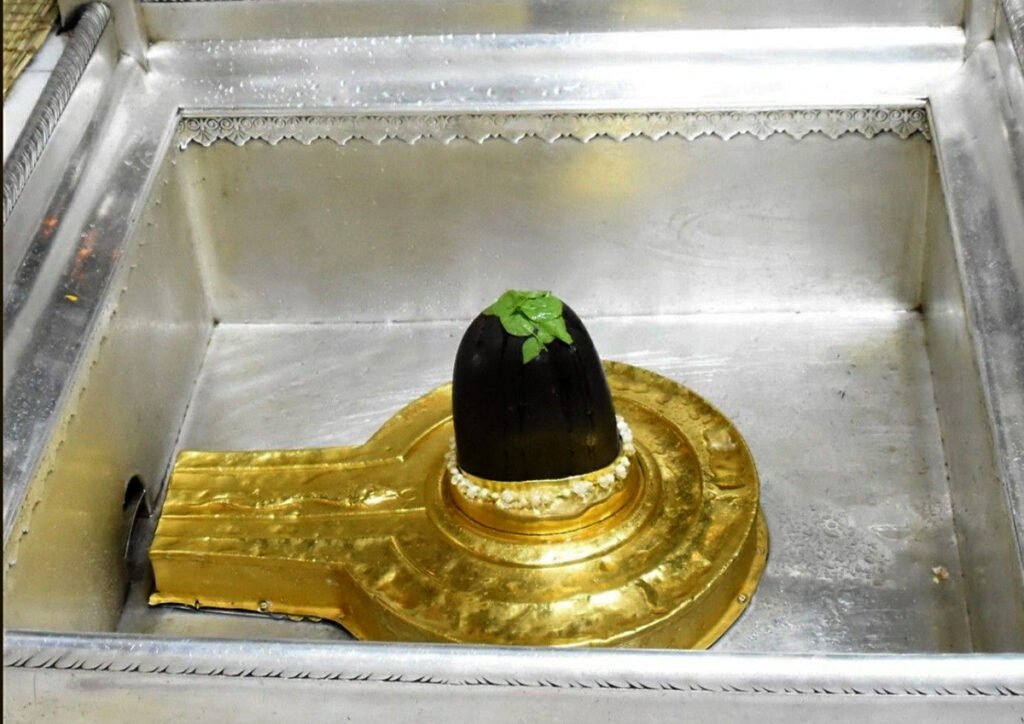
The sanctum sanctorum houses an idol of Maa Kapalini in her fierce form. She is depicted with multiple arms holding weapons and adorned with ornaments offered by devotees. Adjacent to her shrine is a large black stone Shiva Lingam representing Sarvanand Bhairava. The Lingam is surrounded by a circular white marble boundary. The temple architecture reflects a blend of Hindu, Buddhist, and Oriya styles. Its pyramidal dome resembles Kalinga temple tombs, while the natmandir or prayer hall follows the traditional Bengali aatchala style. The intricate carvings on its walls depict scenes from Hindu mythology.

Situated on the banks of the Roopnarayan River amidst lush greenery, the temple offers a serene environment ideal for meditation and prayer. During India’s freedom struggle, revolutionaries like Khudiram Bose visited this temple to seek blessings before embarking on their missions. The temple served as an oath-taking site for many revolutionaries who vowed to free their motherland. Unlike most temples where vegetarian offerings are made, Maa Kapalini’s prasad includes non-vegetarian items such as cooked fish or sol mach. This practice reflects ancient traditions associated with Shakti worship.

The rituals at Vibhash Shakti Peeth reflect deep-rooted traditions combined with local customs. Daily pujas are performed by priests. The morning Aarti begins at sunrise with chanting of hymns like Durga Saptashati, while evening Aarti concludes with lighting oil lamps around the temple premises. Durga Puja is celebrated with grandeur at Vibhash Shakti Peeth. Elaborate rituals are conducted over nine days to honour Maa Kapalini’s victory over evil forces. Devotees participate in cultural programs and community feasts during this time.

Held during Makara Sankranti in January, Barunir Mela is an annual fair that attracts thousands of pilgrims who come to take a holy dip in the Roopnarayan River before offering prayers at the temple. On Sharad Purnima, special prayers are held under moonlight to invoke divine blessings for prosperity and happiness. Dedicated to Sarvanand Bhairava, Mahashivratri involves night-long prayers and abhishekam with milk, honey, ghee, curd, and holy water. Devotees light oil lamps around the Shiva Lingam as part of their offerings.

Tamluk holds special significance due to its association with Lord Krishna. According to local lore recorded in Jaimini Mahabharata and Kashidas Mahabharata, Lord Krishna visited Tamluk during his Ashwamedha Yajna and blessed the region with his divine presence. During India’s freedom struggle, many revolutionaries took oaths at Vibhash Shakti Peeth before embarking on their missions. They believed that Maa Kapalini’s blessings would protect them in their fight for independence.

The Vibhash Shakti Peeth offers visitors a unique spiritual experience rooted in mythology and devotion. Unique features like non-vegetarian prasad emphasise ancient traditions while preserving spiritual heritage. Whether you seek spiritual solace or wish to explore India’s rich cultural heritage, visiting this ancient shrine will leave you feeling connected to divine feminine energy embodied by Maa Kapalini.

Jogadya Temple, Kshirgram, West Bengal
The Jogadya Temple, located in Kshirgram, Purba Bardhaman district s dedicated to Maa Jogadya, a fierce form of Goddess Durga. Lord Shiva is worshipped here as Kshireshwar Bhairava. It is believed that the big toe of Sati’s right leg fell at this site, sanctifying it as a Shakti Peetha. Known for its unique rituals, historical significance, and mystical legends, the Jogadya Temple attracts devotees from across India who come to seek blessings and experience its divine energy.

Historical evidence suggests that the temple dates back to the 11th century CE. It was originally constructed as a brick temple surrounded by a compound wall. Over time, it underwent several phases of destruction and reconstruction. The temple was severely damaged during invasions by Kalapahar but was later restored by local rulers and devotees. The current structure reflects a blend of ancient and modern architecture.

The name Jogadya derives from two Sanskrit words: Jug meaning era and Adya meaning the first, symbolising the goddess as the primordial force who presides over all eras. Locals also refer to the temple as Maa-er Baari or the Mother’s Home, emphasising its importance in their lives. The combination of Maa Jogadya and Kshireshwar Bhairava represents the union of nurturing feminine energy with protective masculine power.

The main sanctum does not house a traditional idol but instead has an altar connected to an underground chamber symbolising Maa Jogadya’s connection to the underworld or Paatalnivasini. Devotees worship this altar as her divine presence. Adjacent to the temple lies a sacred pond known as Kshirdighi. It is believed that Maa Jogadya resides in this water body. The goddess is ceremonially brought out of the water only seven days a year for public worship. Devotees believe that bathing in this pond purifies sins and brings prosperity. A copper pot or kalash filled with water from the sacred pond, Kshirdighi, is placed on the altar during special rituals.

A beautifully carved decagonal statue of Mahishamardini Durga was created by Nabin Chandra Bhaskar in imitation of an older idol lost during invasions. This statue is housed in a new temple built by villagers and remains open for darshan throughout the year. The temple complex includes three main sections: the domed sanctum or the garbhagriha, an entrance hall or the ardhamandap, and a dance hall or the natmandir. Its design reflects traditional Bengali temple architecture with minimal ornamentation. A small shrine dedicated to Lord Shiva as Kshireshwar Bhairava stands near Maa Jogadya’s temple. The idol of Shiva is placed at an elevated height and is accessible via stairs.

Daily pujas are performed by priests with the morning Aarti at sunrise which begins with chanting of hymns like Durga Saptashati, while evening Aarti concludes with lighting oil lamps around the temple premises. On Baishakh Sankranti, the last day of Baishakh, Maa Jogadya is ceremonially brought out of Kshirdighi for public worship. This grand event attracts thousands of devotees who gather to witness her darshan. Buffalo sacrifices are performed during this ritual as part of ancient Shakti worship practices. Apart from Baishakh Sankranti, Maa Jogadya is brought out on select days like Asadh Navami, Vijayadashami or Dussehra, Paush Sankranti, and Makara Sankranti for worship by priests or specific community members. Durga Puja is celebrated with grandeur at Jogadya Temple. Elaborate rituals are conducted over nine days to honor Maa Durga’s victory over evil forces. Devotees participate in cultural programs and community feasts during this time. On new moon nights or Amavasya, special Tantric rituals are conducted by priests to invoke Maa Jogadya’s protective energy.

According to local legend recorded in Chandi Mangal and Jogadya Bandana, Hanuman carried Maa Durga on his back while searching for a suitable place to establish her shrine after rescuing her from Paatal Lok, the underworld. He chose Kshirgram due to its central position on Earth. This story reinforces the belief that Kshirgram is a spiritually significant location. During renovations of Kshirdighi in recent years, villagers discovered an ancient idol believed to be the original statue of Maa Jogadya hidden underwater for centuries to protect it from invaders. In medieval times, human sacrifices were reportedly performed at Jogadya Temple as part of Shakti worship rituals. These were later replaced by buffalo sacrifices under royal decree from the Bardhaman Raj family.

The Jogadya Temple is somewhere one should go if they are seeking spiritual solace or wish to explore India’s rich cultural heritage.