World No Tobacco Day

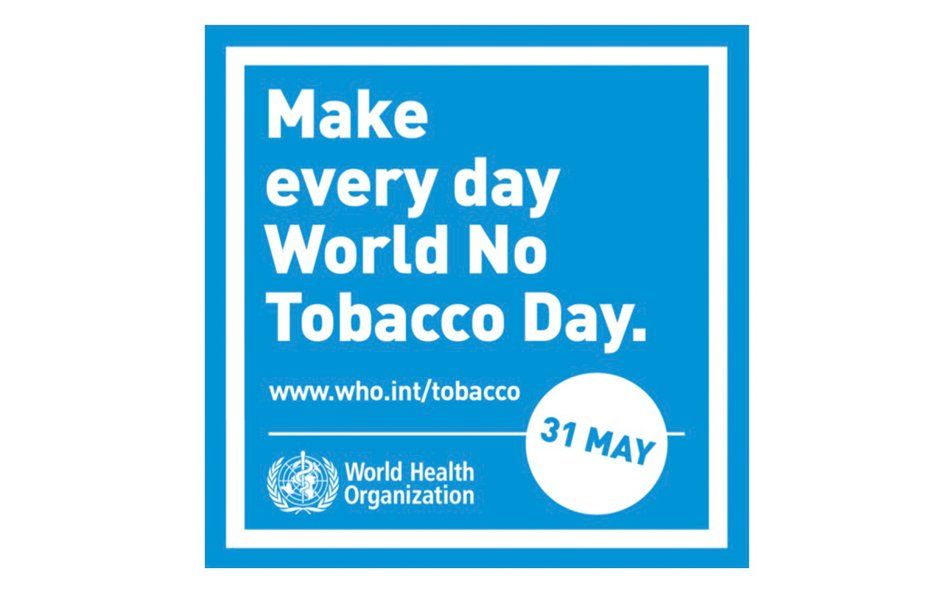
Today is World No Tobacco Day. This yearly celebration informs the public on the dangers of using tobacco, the business practices of tobacco companies, what the World Health Organization or WHO is doing to fight against the use of tobacco, and what people around the world can do to claim their right to health and healthy living and to protect future generations. This day was created in 1987 to draw global attention to the tobacco epidemic and the preventable death and disease it causes. The day is further intended to draw attention to the widespread prevalence of tobacco use and to negative health effects, which currently lead to more than 8 million deaths each year worldwide, including the 1.2 million that are the result of non-smokers being exposed to second-hand smoke.

The theme for 2021 is a year-long global campaign initiated by the WHO for the World No Tobacco Day 2021 with the theme of Commit to Quit. This campaign aims to support 100 million people worldwide in their attempt to give up tobacco through various initiatives and digital solutions and will help create healthier environments that are conducive to quitting tobacco by advocating for strong tobacco cessation policies, by promoting increased access to cessation services, by raising awareness of tobacco industry tactics and by empowering tobacco users to make successful attempts to quit through quit & win initiatives.
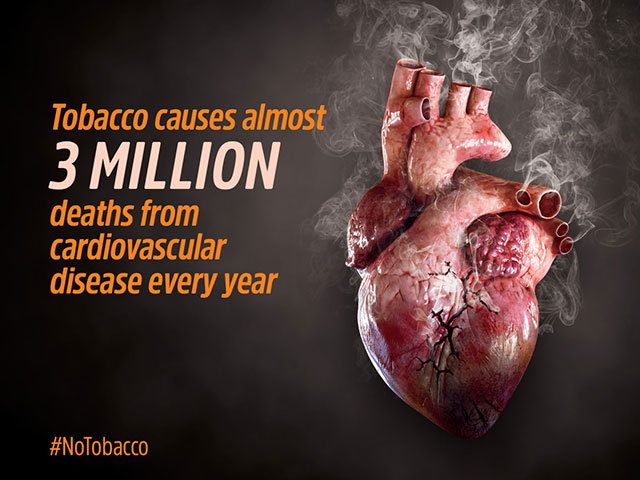
The COVID-19 pandemic has led to millions of tobacco users wanting to quit. However, quitting tobacco is challenging, especially with the added social and economic stresses brought about by the pandemic. Worldwide, around 780 million people say they want to quit, but only 30% of them have access to the tools that can help them to overcome both physical and mental addictions to tobacco. And in today’s COVID world, smokers have a greater risk of developing a severe case and dying from COVID-19. Tobacco affects your looks almost immediately and threatens the health of not just the smoker, but their family and friends. Smoking or using e-cigarettes around children compromises their health and safety and tobacco and its allied products are expensive, money that can be used for other important things. For both men and women, smoking reduces fertility and purchasing tobacco, one is financially supporting an industry that exploits farmers and children and pedals sickness and death. In terms of overall health, smokers are more likely to lose their vision and hearing and tobacco harms almost every organ of the body

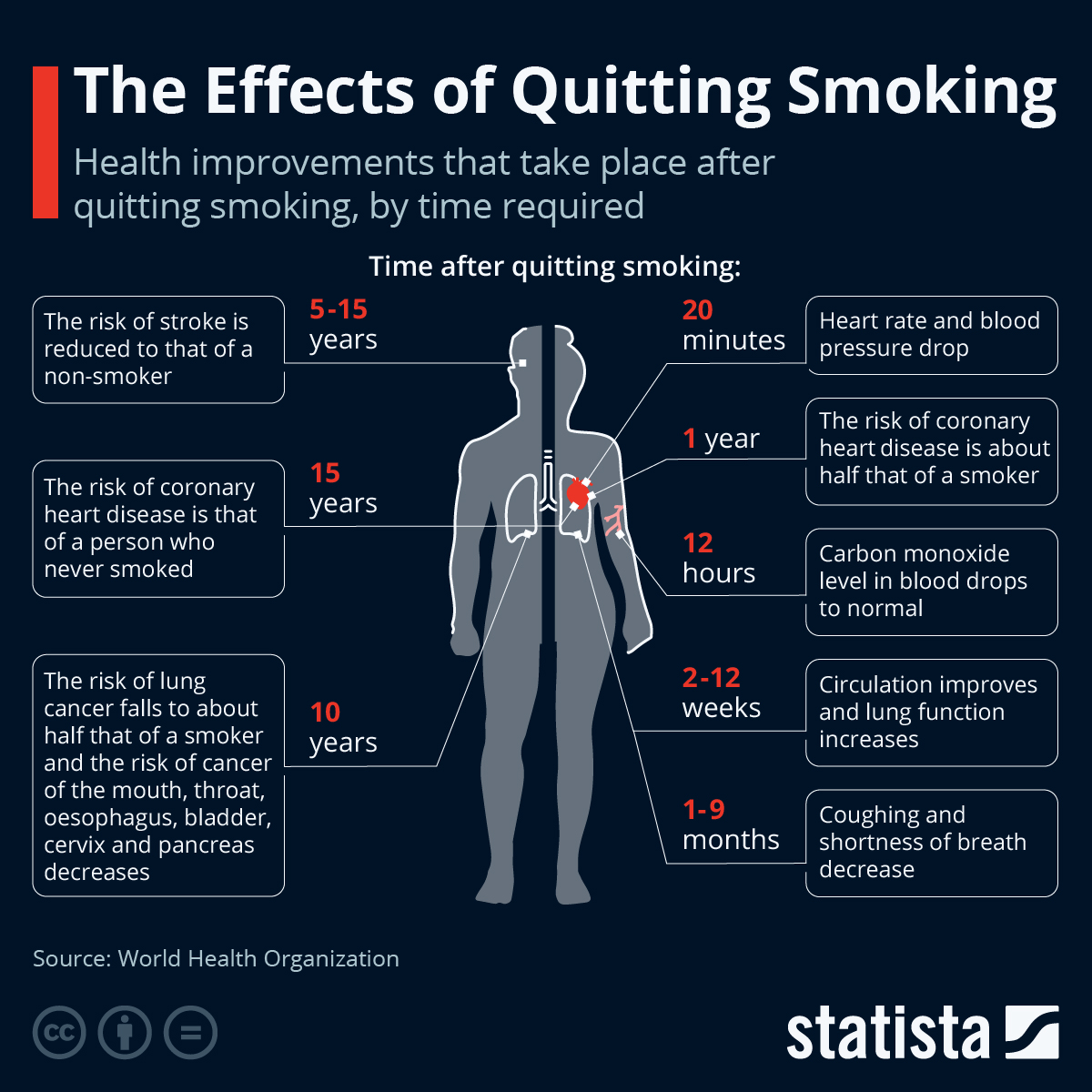
Quitting tobacco has major and immediate health benefits. There are immediate and long-term health benefits to quitting tobacco. After just 20 minutes of quitting smoking, the heart rate drops. Within 12 hours, the carbon monoxide level in the blood drops to normal. Within 2–12 weeks, the circulation improves and lung function increases. Within 1–9 months, coughing and shortness of breath decrease. Within 5–15 years, the stroke risk is reduced to that of a non-smoker. Within 10 years, the lung cancer death rate is about half that of a smoker. Within 15 years, the risk of heart disease is that of a non-smoker. Quitting smoking decreases the excess risk of many diseases related to second-hand smoke in children, such as respiratory diseases like asthma and ear infections. Quitting smoking also reduces the chances of impotence, having difficulty getting pregnant, having premature births, babies with low birth weights and miscarriage.

So please, if you are a smoker, or you know someone who smokes or uses tobacco products, then seriously think of quitting or helping them quit. There are many resources available, with the WHO having a Quitting Toolkit, which also has digital support.

International Tea Day

Did you know there’s a day dedicated to a beverage much loved across the world which is drunk in many different forms?

The International Tea Day aims to raise awareness of the long history and the deep cultural and economic significance of tea around the world. The goal of the day is to promote and foster collective actions to implement activities in favour of the sustainable production and consumption of tea and raise awareness of its importance in fighting hunger and poverty. In many tea growing countries like India, Sri Lanka, Nepal, Vietnam, Indonesia, Bangladesh, Kenya, Malawi, Malaysia, Uganda and Tanzania, the day has been celebrated as December 22 since 2005, but the May 21 date was decided by the United Nations. The first International Tea Day was celebrated in New Delhi in 2005 and later in Sri Lanka in 2006 and 2008 before the UN resolution adopting the day in 2019 when the Indian government proposed to the UN Food and Agriculture Organisation to expand International Tea Day across the world which then was decided to be commemorated on 21 May. So why this date? It’s because the tea production season begins in May in most of the tea producing countries.

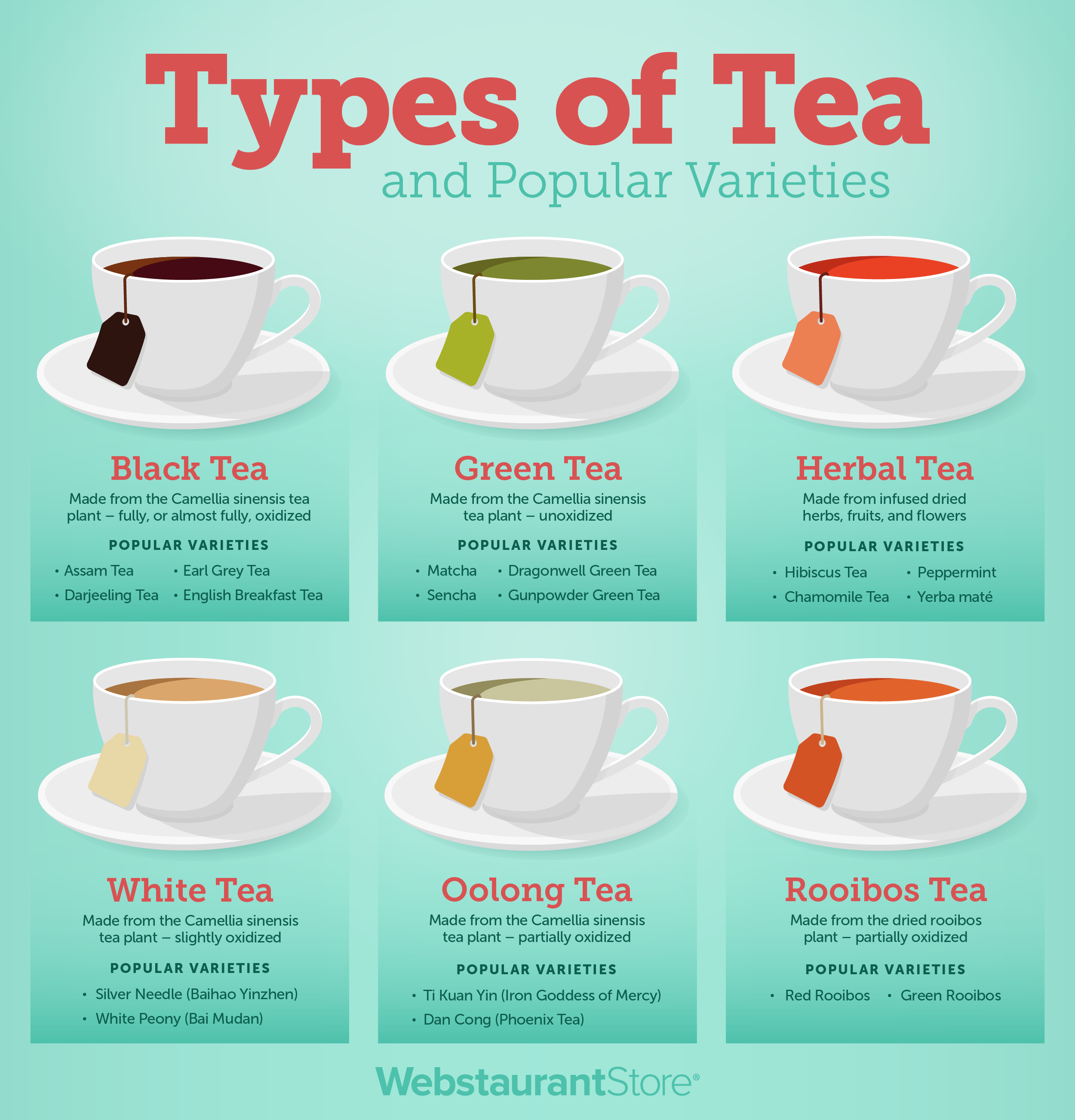
Tea is a beverage made from the Camellia sinesis plant and after water, the world’s most consumed drink. It is believed that tea originated in northeast India, north Myanmar and southwest China, but the exact place where the plant first grew is not known. Tea has been with us for a long time with evidence that tea was consumed in China 5,000 years ago. It was popularised as a recreational drink during the Chinese Tang dynasty, and tea drinking spread to other East Asian countries. Portuguese priests and merchants introduced it to Europe during the 16th century and during the 17th century, drinking tea became fashionable among the English, who started to plant tea on a large scale in India. There are many different types of tea; some, like Chinese greens and Darjeeling, have a cooling, slightly bitter, and astringent flavour, while others have vastly different profiles that include sweet, nutty, floral, or grassy notes. Tea has a stimulating effect in humans primarily due to its caffeine content.

The tea industry is a main source of income and export revenues for some of the poorest countries and, as a labour-intensive sector, provides jobs, especially in remote and economically disadvantaged areas. Thus, tea plays a significant role in rural development, poverty reduction and food security in developing countries, being one of the most important cash crops.

Tea production is highly sensitive to changes in growing conditions. Tea can only be produced in narrowly defined agro-ecological conditions and, hence, in a very limited number of countries, many of which will be heavily impacted by climate change. Changes in temperature and rainfall patterns, with more floods and droughts, are already affecting yields, tea product quality and prices, lowering incomes and threatening rural livelihoods. These climate changes are expected to intensify, calling for urgent adaptation measures. In parallel, there is a growing recognition of the need to contribute to climate change mitigation, by reducing carbon emissions from tea production and processing. Therefore, tea-producing countries should integrate climate change challenges, both on the adaptation and mitigation front, into their national tea development strategies.

Tea has cultural significance in many societies and consumption of tea can bring health benefits and wellness due to the beverage’s anti-inflammatory, antioxidant and weight loss effects. Numerous studies have shown that a variety of teas may boost your immune system, fight off inflammation, and even ward off cancer and heart disease. White tea, the least processed variety is most effective tea in fighting various forms of cancer thanks to its high level of antioxidants.

Herbal teas, sometimes called tisanes, are very similar to white teas, but they contain a blend of herbs, spices, fruits or other plants in addition to tea leaves. Herbal teas don’t contain caffeine, which is why they’re known for their calming properties. Herbal teas like chamomile helps to reduce menstrual pain and muscle spasms, improves sleep and relaxation, and reduces stress, rooibos improves blood pressure and circulation, boosts good cholesterol while lowering bad cholesterol, keeps hair strong and skin healthy, and provides relief from allergies, peppermint contains menthol which can soothe an upset stomach and serve as a cure for constipation, irritable bowel syndrome and motion sickness as well as help with tension headaches and migraines. Ginger helps to fight against morning sickness, can be used to treat chronic indigestion and helps to relieve joint pain caused by osteoarthritis while hibiscus lowers blood pressure and fat levels, improves overall liver health, can starve off cravings for unhealthy sweets, and may prevent the formation of kidney stones.

Green tea is exceptionally high in flavonoids that can help boost heart health by lowering bad cholesterol and reducing blood clotting and studies show this tea can also help lower blood pressure, triglycerides and total cholesterol. Matcha, a form of green tea which is a very fine, high-quality green tea powder made from the entire leaves of tea bushes grown in the shade contains even more antioxidants that regular green tea with some suggesting that one cup of matcha is the equivalent to 10 cups of regular green tea. Black tea is caffeinated unlike the other varieties, but contains flavonoids that combat inflammation and support healthy immune function. Oolong tea is a traditional Chinese tea made from the same plant used to make green and black teas which is partially oxidised which is responsible for it’s colour and characteristic taste. Oolong tea is notable for containing l-theanine, an amino acid that reduces anxiety and increases alertness and attention and scientists have found that l-theanine can help prevent cognitive diseases such as Parkinson’s and Alzheimer’s diseases. It is also high in polyphenols, which are linked to lowering inflammation, preventing the growth of cancers and decreasing type 2 diabetes risk.

For many people across cultures, tea is not just a beverage, but a lifestyle. There’s a tea for every occasion and there’s no occasion for a cup of tea. So grab a cup of tea and enjoy the International Day of Tea.

World Bee Day

Source

In order to be able to feed the world’s growing population, we need ever more food, which must be diverse, balanced and of good quality to ensure the progress and well-being of humankind.

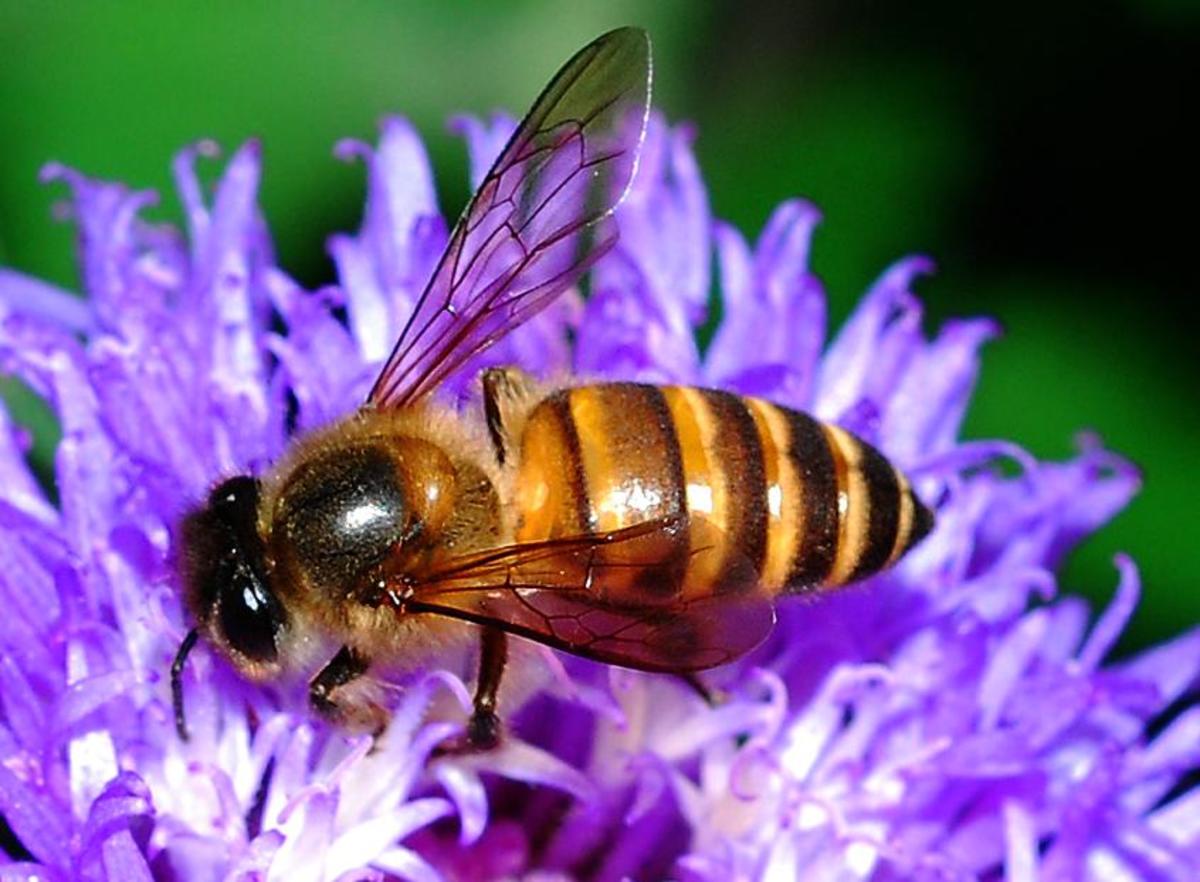
Honey bees are amazing insects that have a lot of impact on humans. They are hardworking creatures that underpin the sustenance of life in this planet earth. However, people have increasingly predisposed them to unfavorable environments, leading to massive deaths. Bees are renowned for their role in providing high-quality food like honey, royal jelly and pollen and other products used in healthcare and other sectors like beeswax, propolis and honey bee venom. The greatest contribution of bees and other pollinators is the pollination of nearly three quarters of the plants that produce 90% of the world’s food. A third of the world’s food production depends on bees, i.e. every third spoonful of food depends on pollination. In addition to being one of the major pollinators, thus ensuring food and food security, sustainable agriculture and biodiversity, bees significantly contribute to the mitigation of climate change and environmental conservation. In the long-term, the protection of bees and the beekeeping sector can help reduce poverty and hunger, as well as preserve a healthy environment and biodiversity. Scientific studies have proven that bees have become increasingly endangered and it is only through joint efforts that we can ensure the protection of bees and their habitats.

If all of the world’s bees died off, there would be major rippling effects throughout ecosystems. A number of plants, such as many of the bee orchids, are pollinated exclusively by specific bees, and they would die off without human intervention. This would alter the composition of their habitats and affect the food webs they are part of and would likely trigger additional extinctions or declines of dependent organisms. Other plants may utilize a variety of pollinators, but many are most successfully pollinated by bees. Without bees, they would set fewer seeds and would have lower reproductive success. This too would alter ecosystems. Beyond plants, many animals, such as the beautiful bee-eater birds, would lose their prey in the event of a die-off, and this would also impact natural systems and food webs.

Celebrated every year on 20 May since 2017, the World Bee Day was proposed by Slovenia, which is the birth anniversary of Anton Janša, a Slovenian beekeeper and the pioneer of modern beekeeping, who was born on this day in 1734. Also in May, the northern hemisphere sees bees and nature develop profusely, while the southern hemisphere enters autumn, when hive products are harvested and the season of honey and honey-based products begins.

This day has become increasingly important in recent times. Bees have become increasingly endangered of late. The 2015 IUCN report, which contains the first comprehensive assessment of the European bee species, states that nearly 10% of bees are facing extinction, and around 5% of them are probably endangered, while no data is available for nearly 57% of species. The number of pollinators is in decline around the world, while the need for pollination is on the rise, especially in developing countries. In some parts, this situation has become known as the pollinator crisis. According to researchers, the main reasons for the mortality of bees include diseases specific to bees, the mass use of products intended to protect plants in modern farming and their potential impact on pollinators, especially plant protection products whose harmful effect on bees has been documented, new pests which spread faster due to globalisation, urbanisation, which is shrinking the agricultural space, climate change and the global trade in low-quality honey, which impacts the beekeeping economy. A study published in the journal Lancet predicts that smaller consumption of fruit and vegetables due to climate change which also affects pollinators, will cause twice as many deaths by 2050 than hunger and malnutrition.

We need to act now. Present species extinction rates are 100 to 1,000 times higher than normal due to human impact. Close to 35 percent of invertebrate pollinators, particularly bees and butterflies, and about 17 percent of vertebrate pollinators, such as bats, face extinction globally. If this trend continues, nutritious crops, such as fruits, nuts and many vegetable crops will be substituted increasingly by staple crops like rice, corn and potatoes, eventually resulting in an imbalanced diet. Intensive farming practices, land-use change, mono-cropping, pesticides and higher temperatures associated with climate change all pose problems for bee populations and, by extension, the quality of food we grow.

So what can we as individuals do? We can plant a diverse set of native plants, which flower at different times of the year, buy raw honey from local farmers, buy products from sustainable agricultural practices, avoid pesticides, fungicides or herbicides in gardens, protect wild bee colonies when possible, sponsor a hive, make a bee water fountain by leaving a water bowl outside, help sustain forest ecosystems and raise awareness by sharing information within our communities and networks. Remember, the decline of bees affects us all!

Filter Coffee: The best way to wake up!

Growing up in a tambram household in the seventies meant you woke to the sounds of MS Subbalakshmi singing the Venkatesha Suprabhartam and the smell of fresh filter coffee. I have always loved this ritual of coffee drinking and even today take my time to drink my first cup of coffee.

Filter coffee or kaapi as we southies call it, is the perfect cup of coffee. I rate it far above any coffee chain and with due apologies to coffee drinkers from popular coffee chains, I just don’t see the attraction for those, especially with the prices they charge. So what’s the difference between an espresso and filter coffee? I looked this up since I used to think an espresso is just the decoction of the filter coffee which is thinned slightly. An espresso, Italian for quick, is brewed with with high-temperature at almost boiling and has pressurised water running through finely ground coffee beans. It is also denser and more concentrated than filter coffee. The filter coffee is somewhat similar, it is made by filtering packed ground coffee through hot, boiling water through a filter, but instead of being pushed out by pressure, the water poured on the top half of the coffee filter runs down to the bottom purely on the basis of gravity. This means the brewing process takes much longer and is not really instant as the espresso is. It also means, you need much more water and coffee grounds to get the same amount of decoction for filter coffee.

I have never liked drinking milk and there are many stories in my home about how my paternal grandmother would force feed me milk, even as a toddler. Because of this intense distaste for milk, I must have made the switch to some sort of chocolate milk pretty early on. It was some protein powder in various flavours including chocolate that I drank for a few years. I switched to drinking coffee pretty early considering that most people I know didn’t start drinking tea or coffee until their teens.

My grandmother and then my mother used to buy raw coffee beans from the coffee board once every few months and then grind them till the house was full of this evocative aroma of coffee. Then using a small coffee blender they used to grind a small amount of the beans which would be just enough for a week or so. This ensured that the coffee we brewed was absolutely fresh. When I started college, it became my responsibility to get the raw coffee beans since there was a coffee board office not too far from my college. I still remember she would buy the Peaberry and Plantation beans. The Peaberry beans are also known as caracol, which is Spanish for snail, and is a naturally occurring mutation present in arabica and robusta coffee varieties where only one bean is present inside of the coffee cherry instead of two. The Plantation variety is probably a coffee plantation crop and I have no idea if it is a robusta or arabica.

A few years after I graduated and started working, the coffee board closed down its office from where we used to purchase our stock of raw coffee seeds and once my mother finished up her stash, she started buying blended coffee powder. Fortunately for us, we live very close to the heart of the tambram community, Matunga, where there is a store which sells freshly ground coffee powder, so that’s where she buys it from today. And when I make a trip to Mumbai, I never come back to Singapore without a few kilos of that freshly ground coffee powder in my luggage.

I have always been an early riser and used to wait for my mother to boil the milk and make coffee when I was young. Usually at that point, it would be just the two of us who were awake and in that dim lighting in the kitchen when the world is just waking up. Coupled that with a cup of hot steaming filter coffee in the traditional tumbler and dawara where the coffee is not stirred, but pulled is sheer bliss. When my mother makes coffee for BB, GG and S who usually drink in mugs, she will use a tumbler and dawara, which is a small cup which is used to pull the coffee and pull it to mix the milk, coffee and sugar together, with that lovely layer of froth on top and then pour it into a cup for them to drink. Even today my favourite time of the day is in the morning when I am the only one awake and it’s just me and a cup of coffee. Although now, I prefer my coffee to be black rather than with milk, it’s still a filter coffee which I brew every few days and refrigerate.

Another tradition in my home and I think most tambram households, is the ritual of a second cup of coffee after breakfast. Though I don’t follow it in Singapore, but when I am in Mumbai, that half glass of coffee after breakfast is something I really look forward to. And I drink my coffee with milk while in Mumbai because that to me is the taste of my childhood, adolescence and youth and it doesn’t matter how old I get, when I drink that cup, I am instantly transported back in memory.

Source

I can drink lots of coffee, but a few years back, decided to restrict it to twice a day and only indulging in the third cup if I am super tired or outside with friends. I wrote an ode to coffee some time back, so pop by there to read if you are a fan of coffee. As with all my memory posts, writing this brought a smile on my face while I was transported back in time, a time when life was uncomplicated and simpler, when our needs were simple and a cup of good filter coffee was all it took to welcome someone to your home! What’s your favourite coffee memory?

Poem: Life is not Impossible

Life is sometimes unfair,
It seems like its all despair
But then comes a time when things start to turn around
And makes you think, that maybe things are not so bad

When it’s the darkest hour before dawn and life seems a curse
When one is sure that things can’t be anymore worse
Then there’s that little voice which comes deeo from the heart
And says life is not impossible, everything is possible

If you have a dream, then go ahead to grab it
Do all you can to make it come true
Make sure every second of your life is of value
A value you set and bid troubles adieu

Transform every weakness into a strength
Gather together those who are in the same wavelength
Pursue all opportunities and mitigate threats before they occur
Plan a path to success, here’s your answer

Life is beautiful, see the beauty in everything
Everything is possible, walk your steps with a spring
Nothing is impossible as you can see
Remember you are the creator of your destiny