Five Everyday Things that Bring Happiness?

Today’s blog post is based on a prompt I saw on WordPress a couple of months back. The prompt sounded interesting and so I wrote it down and today decided to write a blog post on it.
Let’s start with defining what happiness is. Happiness is a very subjective experience and difficult to define precisely, as it can mean different things to different people. Broadly, happiness can be described as a positive emotional state that is characterised by feelings of joy, contentment, satisfaction, and well-being. Some people may experience happiness as a fleeting emotion that arises in response to a particular event or circumstance, while others may view it as a more enduring state of being that is influenced by a range of factors, including personal values, social relationships, life experiences, and mental and physical health.

There are many different theories about what contributes to happiness, including a sense of purpose, social connectedness, self-esteem, financial security, health, and positive emotions. However, the specific factors that contribute to happiness can vary depending on individual circumstances, cultural backgrounds, and personal preferences.

What makes one person happy may not necessarily bring joy to another. Some things that one does daily that bring positivity to our lives include exercising, spending time with loved ones, doing something creative, being grateful, spending time with nature, and probably the most basic of all, smiling.

Some of the everyday things that bring me happiness daily are

Coffee: I enjoy my first cup of coffee. I wake up at least an hour before everyone else and before I start my chores of the day, that first cup of coffee, drunk slowly and reflectively in a quiet house, in semi-darkness is sheer bliss. I don’t have to talk to anyone until the caffeine hits my system and once I am done with the coffee, I am energised to start the day.

Meditation: After coffee, the next thing that brings a smile to my face is my daily meditation session. I have written in detail about meditation and the benefits it brings to an individual, so I won’t repeat them here. But meditating regularly has changed my thinking and my stress and anxiety levels are very manageable now. If you are not meditating regularly, try it once and see what I mean. Today, if I don’t meditate any day, I feel something is missing that day.

Spending time with my children: As much as I love being alone, I also love spending time with BB & GG. Evenings and afternoons spent talking to them and finding out what makes them tick is a real mood booster. And the cuddle sessions we used to have when they were younger were such a serotonin booster that sometimes, even today, we try to get in a cuddle session or two.

Exercise: I am probably the world’s least fit person, but I love my daily dose of walking. I try to walk a minimum number of steps daily and if by 6 pm, these steps are not in, something feels off. The satisfaction I get when I hit my daily step target is so good that a person needs to do it to experience it.

Reading: Regular readers of my space know that I consider myself a bookworm and wear that label as a badge of honour. I am constantly reading and a day not spent reading feels like I did nothing that day. So this is something that brings a smile to my face whenever I read, especially if it is something that hooks me from page one.

And as a bonus, writing: I love writing and have to write something daily. I am not a very good writer but it’s the thought that counts, right? So writing brings me joy and on most days a smile on my face when a sentence is beautifully constructed.

So there you go, six things I enjoy doing daily that make me happy. What about you? What do you do to put a smile on your face every day? Make sure you do something that brings a smile to your face and brings you joy and happiness. It can be something as simple as hugging your family, but make sure you do something that makes you look back on the day with a smile.

2023 Week 25

Norman Vincent Peale is the author of our quote for today. An influential American minister, author, and speaker, Norman Vincent Peale is best known for his work in the field of positive thinking and self-improvement. He authored the internationally acclaimed book The Power of Positive Thinking, which has sold millions of copies worldwide. Peale’s teachings emphasised the importance of faith, optimism, and the power of the mind in achieving personal and professional success. This quote suggests that our thoughts and mindset play a significant role in shaping our perception of the world and ultimately influencing our experiences and outcomes. Peale believed that by consciously altering our thoughts and adopting a positive perspective, we have the power to transform our lives and the world around us. If we consistently entertain negative thoughts and focus on limitations, we may find ourselves trapped in a cycle of negativity that affects our overall well-being and limits our potential. On the other hand, by consciously choosing to think positively and embracing an optimistic outlook, we can cultivate a mindset that empowers us to overcome challenges, seek opportunities, and create a more positive reality.

Life continues even when it seems as if nothing remarkable has occurred between last week and this week. In seemingly uneventful moments, routines persist, relationships evolve subtly, and personal growth unfolds quietly. While there was nothing of note that happened this week, life continues to shape us through small victories, moments of reflection, and the incremental progress we make each day. In the absence of notable occurrences, it is the continuity of life’s rhythm that reminds us of its inherent beauty and the potential for growth in even the seemingly ordinary moments.

And that’s all that is there from me this week. Take care and see you next week.

In My Hands Today…

The Angel Makers: Arsenic, a Midwife, and Modern History’s Most Astonishing Murder Ring – Patti McCracken

The horror occurred in a rustic farming enclave in modern-day Hungary. To look at the unlikely lineup of murderesses–village wives, mothers, and daughters–was to come to the shocking realization that this could have happened anywhere, and to anyone. At the center of it all was a sharp-minded village midwife, a “smiling Buddha” known as Auntie Suzy, who distilled arsenic from flypaper and distributed it to the women of Nagyrév. “Why are you bothering with him?” Auntie Suzy would ask, as she produced an arsenic-filled vial from her apron pocket. In the beginning, a great many used the deadly solution to finally be free of cruel and abusive spouses.

But as the number of dead bodies grew without consequence, the killers grew bolder. With each vial of poison emptied, a new reason surfaced to drain yet another. Some women disposed of sickly relatives. Some used arsenic as “inheritance powder” to secure land and houses. For more than fifteen years, the unlikely murderers aided death unfettered and tended to it as if it were simply another chore–spooning doses of arsenic into soup and wine, stirring it into coffee and brandy. By the time their crimes were discovered, hundreds were feared dead.

Anonymous notes brought the crimes to light in 1929. As a skillful prosecutor hungry for justice ran the investigation, newsmen from around the world–including the New York Times–poured in to cover the dramatic events as they unfolded.

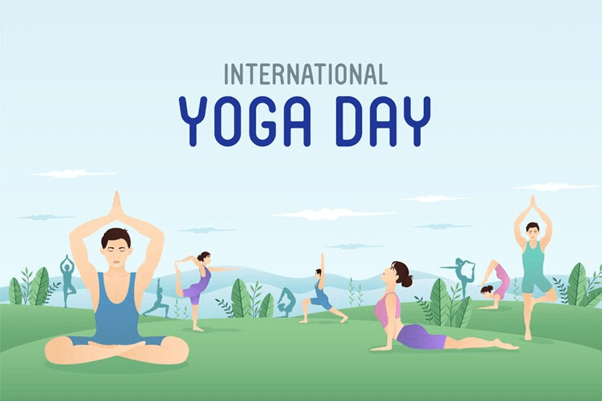
International Yoga Day

A practice originating in ancient India, yoga today is popular worldwide because of the physical, mental and spiritual benefits it provides to its practitioners. The word yoga is derived from Sanskrit and means to join or to unite, symbolising the union of body and consciousness. Yoga promotes a holistic approach to health and well-being.

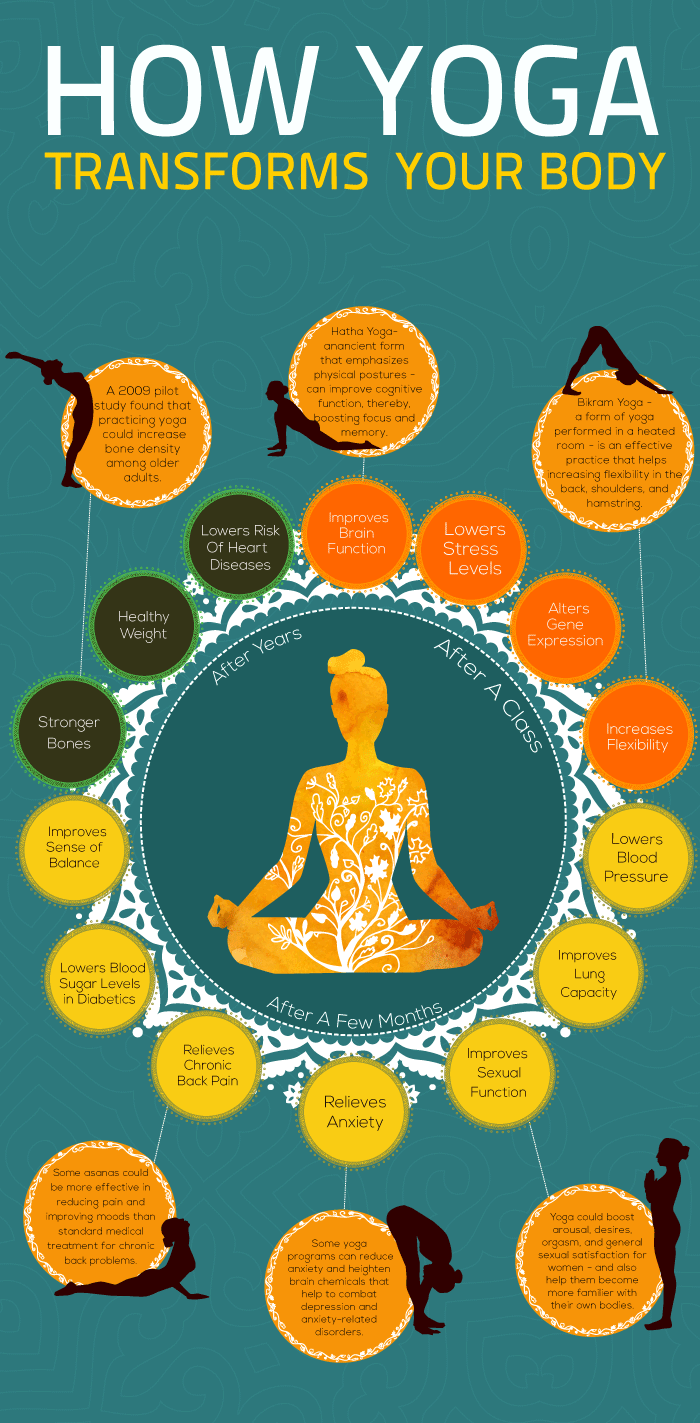
Yoga is a low-impact form of exercise that promotes flexibility, strength, and balance. The practice of yoga involves a series of physical postures or asanas that help improve muscle tone, increase range of motion, and improve overall physical health. Regular practice of yoga can also help improve cardiovascular health and reduce the risk of chronic diseases such as diabetes, heart disease, and obesity. Yoga is known for its ability to promote mental clarity, reduce stress, and improve overall mental health. The practice of yoga involves deep breathing exercises and meditation that can help calm the mind and reduce stress levels. Yoga can also help improve mood, reduce symptoms of anxiety and depression, and promote overall mental well-being. Yoga is deeply rooted in spirituality and promotes a connection with the inner self. The practice of yoga involves developing self-awareness, compassion, and gratitude, which can help promote spiritual growth and well-being. Yoga can also help individuals develop a sense of purpose and meaning in their lives. The practice of yoga promotes a holistic approach to health and well-being, which encompasses physical, mental, and spiritual health. Yoga can help individuals develop a healthier lifestyle, including healthier eating habits, improved sleep quality, and reduced stress levels. The practice of yoga can also help individuals develop stronger social connections and a sense of community.

In addition to the above benefits, yoga is also a highly accessible practice that can be adapted to suit individuals of all ages, fitness levels, and abilities. Yoga can be practised at home, in a studio, or outdoors, making it a highly flexible and convenient form of exercise. Other than the obvious physical benefits, yoga is also known to promote mental clarity, reduce stress and anxiety, and improve overall mental well-being. The deep breathing exercises used in yoga help calm the mind and reduce stress levels and make the practitioner sleep well. Yoga also helps improve cognitive function and mental clarity as the practice involves focusing the mind on the present moment, helping to improve concentration and focus as well as memory and cognitive flexibility, essential for mental health and well-being.

Yoga is also known to boost the immune system, which is crucial in these trying times. A strong immune system plays a vital role in protecting the body against infections and can help prevent or reduce the severity of infections. Yoga can help boost the immune system by reducing stress, improving sleep quality, and promoting overall physical health.

The importance of yoga has been recognised by the United Nations, which declared June 21 as International Yoga Day in 2014. The idea of June 21 came from Indian Prime Minister Narendra Modi, who, in his UN address in 2014, suggested the date June 21, as it is the longest day of the year in the Northern Hemisphere and shares a special significance in many parts of the world. In Indian calendars, the summer solstice marks the transition to Dakshinayana. The second full moon after the summer solstice is known as Guru Poornima. In Hindu mythology, Shiva, the first yogi or Adi Yogi, is said to have begun imparting the knowledge of yoga to the rest of mankind on this day and became the first guru Adi Guru.

To achieve a healthy life, the theme for the 8th World Yoga Day 2023 is Humanity. This theme is relevant in the current pandemic where the practice of yoga is very beneficial in promoting mental, physical and spiritual health and well-being. COVID-19 has impacted millions of people, both physically and mentally. Daily routines have been disrupted and stress and anxiety levels have skyrocketed and so in these times, yoga can be an effective tool to promote mental and physical health.

In My Hands Today…

Vanderbilt: The Rise and Fall of an American Dynasty – Anderson Cooper, Katherine Howe

When eleven-year-old Cornelius Vanderbilt began to work on his father’s small boat ferrying supplies in New York Harbor at the beginning of the nineteenth century, no one could have imagined that one day he would, through ruthlessness, cunning, and a pathological desire for money, build two empires—one in shipping and another in railroads—that would make him the richest man in America.

His staggering fortune was fought over by his heirs after his death in 1877, sowing familial discord that would never fully heal. Though his son Billy doubled the money left by “the Commodore,” subsequent generations competed to find new and ever more extraordinary ways of spending it. By 2018, when the last Vanderbilt was forced out of The Breakers—the seventy-room summer estate in Newport, Rhode Island, that Cornelius’s grandson and namesake had built—the family would have been unrecognizable to the tycoon who started it all.

Now, the Commodore’s great-great-great-grandson Anderson Cooper, joins with historian Katherine Howe to explore the story of his legendary family and their outsized influence. Cooper and Howe breathe life into the ancestors who built the family’s empire, basked in the Commodore’s wealth, hosted lavish galas, and became synonymous with unfettered American capitalism and high society. Moving from the hardscrabble wharves of old Manhattan to the lavish drawing rooms of Gilded Age Fifth Avenue, from the ornate summer palaces of Newport to the courts of Europe, and all the way to modern-day New York, Cooper and Howe wryly recount the triumphs and tragedies of an American dynasty unlike any other.

Written with a unique insider’s viewpoint, this is a rollicking, quintessentially American history as remarkable as the family it so vividly captures.