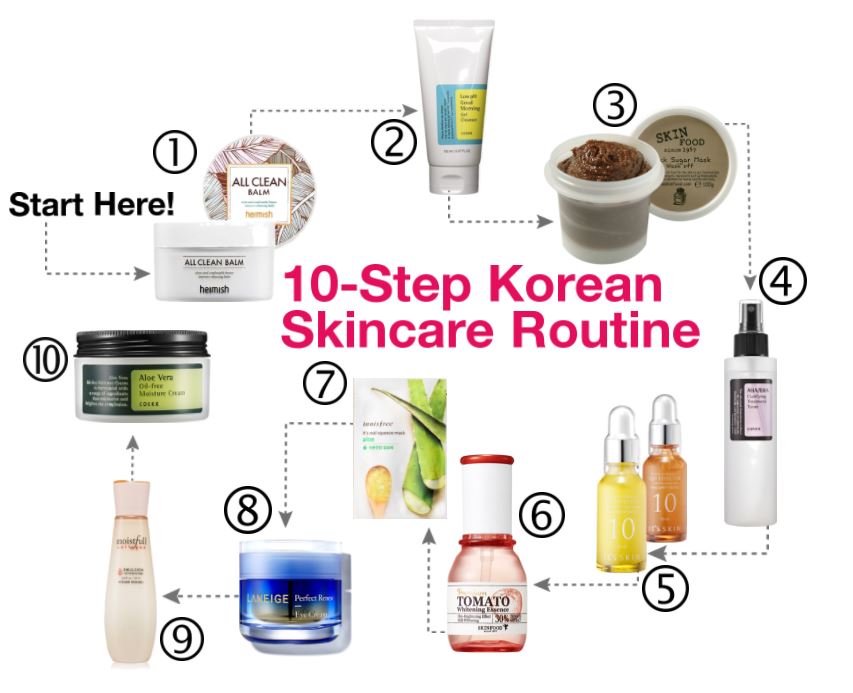
The Korean 10-Step Skincare Regime

Source

I normally don’t post about beauty or skincare and so if I am right, this is a first for me!

But I have been hearing a lot about Korean skincare products and makeup and some time at the beginning of this year, I decided to start a night-time skincare ritual and soon realised that I had already subconsciously incorporated the ten steps.

Living in Singapore means having easy access to Korean and Japanese skincare and beauty products, most of which are highly affordable. This means a lot of the skincare products I use are from these countries. I am a little wary about Japanese and Korean makeup as the colours may not suit my south Asian skin, being more geared to east Asian skin. I like their skincare products because I believe that skin types are pretty much similar across races and so this meant that I could use Korean and Japanese skincare products and also start doing the 10-step skin care.

The 10-Step Skincare method refers to the number of products layered onto the skin one by one. A lot of people (including me) are initially put off by the sheer amount of time that we think this process will take. But after two months of diligently doing it, I can confidently tell you that it does not take more than 10 minutes (more if you are putting on a mask).

Although there are a total of 10 steps in this beauty ritual, most of the time you do between 6-8 steps on any given day or night. It is quite rare that someone does all the steps all the time. The steps change depending on your skin type as well as any seasonal changes where you live. Since I live in the tropics, my skincare regime does not change through the year, but if you are inspired on doing the 10-Step Skincare Regime after reading this post, then please do take note of seasonal changes and your own skin type when you embark on this journey.

So what’s the Korean 10-Step Skincare Routine?
The 10 steps commonly associated with this regime are:

  1. Oil cleanser
  2. Foam/cream cleanser
  3. Exfoliation
  4. Toner
  5. Essence
  6. Treatments
  7. Masks
  8. Eye Cream
  9. Moisturizer
  10. Suncare/Lip Care

Step 1 and Step 2: Double Cleansing

Makeup removal and then cleansing with an oil cleanser is the mainstay of the Korean 10-step regime. Not only are oil cleansers relaxing to use, but applied to dry skin, they also remove all makeup and other oil-based product debris like sebum, sunscreen and pollution particles. You can also massage your skin as you oil cleanse which will stimulate the surface of the skin, preparing it for the products you’re about to apply. It also drains lymphatic glands in your face and neck that can cause puffiness.

Cleansing twice is recommended by dermatologists as it helps to thoroughly remove all impurities that can cause breakouts. Water-based cleansers dissolve the water-based impurities such as dirt and sweat that your oil cleanser didn’t pick up.

I normally don’t use make-up, so generally skip this step, moving straight to my normal cleanser. On days when I do apply some make-up, I usually will use micellar water to remove the make-up before cleansing with my usual foam or cream cleanser.

Step 3: Exfoliation

Exfoliation not only cleans out clogged pores, but it also sloughs off dead skin cells. When you remove this dull layer of cells, brighter skin is revealed. Regular exfoliation will also help your other skincare products absorb and work more efficiently. This step is not recommended for daily use. If you have sensitive skin, you’ll only want to exfoliate once a week. If you have a tougher complexion, you can do it more regularly (about three times a week).

I usually exfoliate around three times a week.

Step 4: Toner

In Korean skincare, toners are typically a thin layer of moisture meant to regulate your pH and soften your skin, preparing it for the steps that will follow. Toners remove any leftover residue from the cleansers while also repairing your skin’s barrier to effectively absorb the moisturisers that follow. Toners also balance the skin’s pH levels, otherwise, the skin can become dry and dehydrated.

I usually apply toner by pouring some in the palms of my hand and then patting it on my skin. I also very lightly slap my skin to help the toner melt into the skin and prep it for the next step.

Step 5: Essence

One of the keys to the glowy results of a regular Korean skincare routine is layering products. Rather than relying on one thick cream to do all the work, Koreans believe that layering products allow the skin to breathe and avoids clogging the pores. So if you think of your toner as the first layer of moisture, think of the essence as the second. These products are typically also thinner in texture, and some even feel watery. They penetrate the skin at a deeper level and aid with the absorption of the products to come.

I pretty much use the essence the same way I use the toner, which is pouring a small amount in the palms of my hands and patting it in with very mild slaps.

Step 6: Treatments

This step includes boosters, serums and ampoules. Packed with powerful ingredients, they target specific skin concerns such as acne, fine lines and hyperpigmentation. This is where you get to play with what you need for your skin. You could also use multiple treatments on the same day, depending on what your skin requires or if you already have perfect skin, you can ignore this step.

I generally use two treatment serums daily, a vitamin C serum and another treatment depending on what my skin needs. I pour a bit in my palms and then pat the serums on my skin. I normally wait for a couple of minutes before the next treatment.

Step 7: Masks

If essences are the heart of Korean skincare, masks or specifically sheet masks are the soul. The key to sheet masks is the sheet, which when in prolonged contact with your face, allows the skin to fully absorb the nutrients and moisture. The purpose of the mask is to give your skin what it needs. Korean sheet masks are also very affordable, especially where I live and it’s very easy to amass a huge stash.

I usually flit between sheet masks and other traditional wash off masks. If I am using a wash off mask, then I do it right after cleansing and before toning. If using sheet masks, then it comes here, in step seven.

Step 8: Eye Cream

The eye cream is not unique to the Korean skincare routine, but it is one of the hardest products to consistently use because it’s more a preventative product if you’re under the age of 40. The eye cream is designed to moisturize the ultra-thin skin around your eyes where crow’s feet and fine lines are bound to appear. However, if you use eye cream regularly before they show up, you’ll see a marked difference in how old you look (or in this case, how young!)

I miss this step more often than I do it, so this post is a reminder for me to do this step more consistently.

Step 9: Moisturiser

More moisture you may be thinking, but in the traditional Korean beauty 10-step routine, you use a cream – also known as an occlusive layer – to seal in all the layers before it. Think of it as making a fragrant stew and putting the lid on the pot. It allows the fragrances and flavours inside to mingle and absorb, which is a lot like what all the luscious ingredients you layered are doing in your epidermis when you add a moisturizer.

I usually use a facial oil and then any normal moisturiser in this step during the day. During the night, I use the facial oil plus a sleeping mask, which I use as a moisturiser since I sleep in an air-conditioned room and I have super dry skin which the air conditioning makes drier.

Step 10: Sun Care/Lip Care

We all know that we should always wear sun protection, even if we are inside the house. It’s the easiest and most effective way to prevent skin cancer as well as ageing that comes from the sun’s harmful rays. It should be the last step, just before you start applying make-up so that it does not get diluted by other skincare products.

I try to use sunscreen as the last step in my morning ritual. This is another step I am sometimes guilty of skipping, especially if I am going to be at home the whole day. But I will make sure I don’t do that and use SPF daily.

In the night, I use a heavy lip balm to finish up my Korean 10-Step Skincare ritual before calling it a night!

My thoughts on doing this diligently for slightly over two months now is that it no longer seems a chore to me now as it was when I first started doing it. Previously, I used to sometimes skip doing a night-time skincare ritual if I was tired or sleepy, but now it’s a part of what I do at night before sleeping, the same as brushing my teeth. It does not take very long to do, I timed it last night and it took me less than 10 minutes to do all steps excluding exfoliation and masking. So to those who are intimidated by the sheer number of steps, take heart that it will become simpler as you continue doing it.

Was this post useful? Did you learn something new? Are you using a skincare regime which is similar to the Korean one? Would love to hear comments, so please write and comment below.

Ghee a Superfood?

coverimage-30-1512031935

For centuries, Ghee has been an integral part of the Indian household. In ancient times, all food was cooked in ghee and no religious ceremony is complete without the addition of ghee to the sacred flames.

In most tambram households, no meal was complete without ghee. After the rice and dal were put on the plate, a dollop of ghee was put, after which you started eating. I also remember children getting extra ghee in their palms just because it is so tasty. However, a few years back, with the saturated fats controversy, a lot of people stopped eating ghee and switched to more healthier (or so they were told) alternatives.

Today, Ghee or clarified butter has gotten the status of a superfood! Shocked right? I was too and so decided to find out more and also check if the ancient Indians were correct in the usage of ghee.

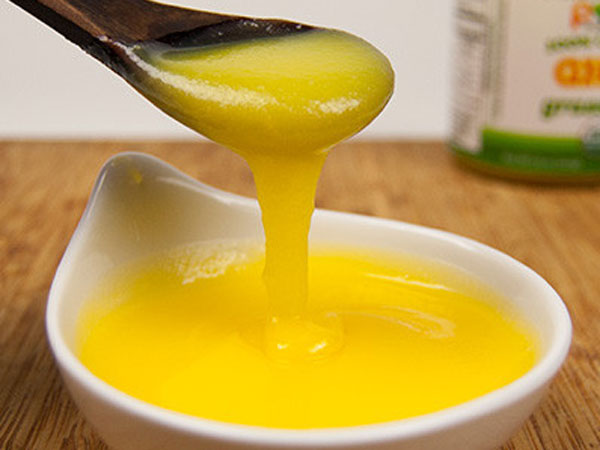
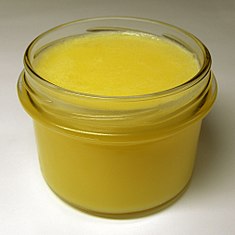
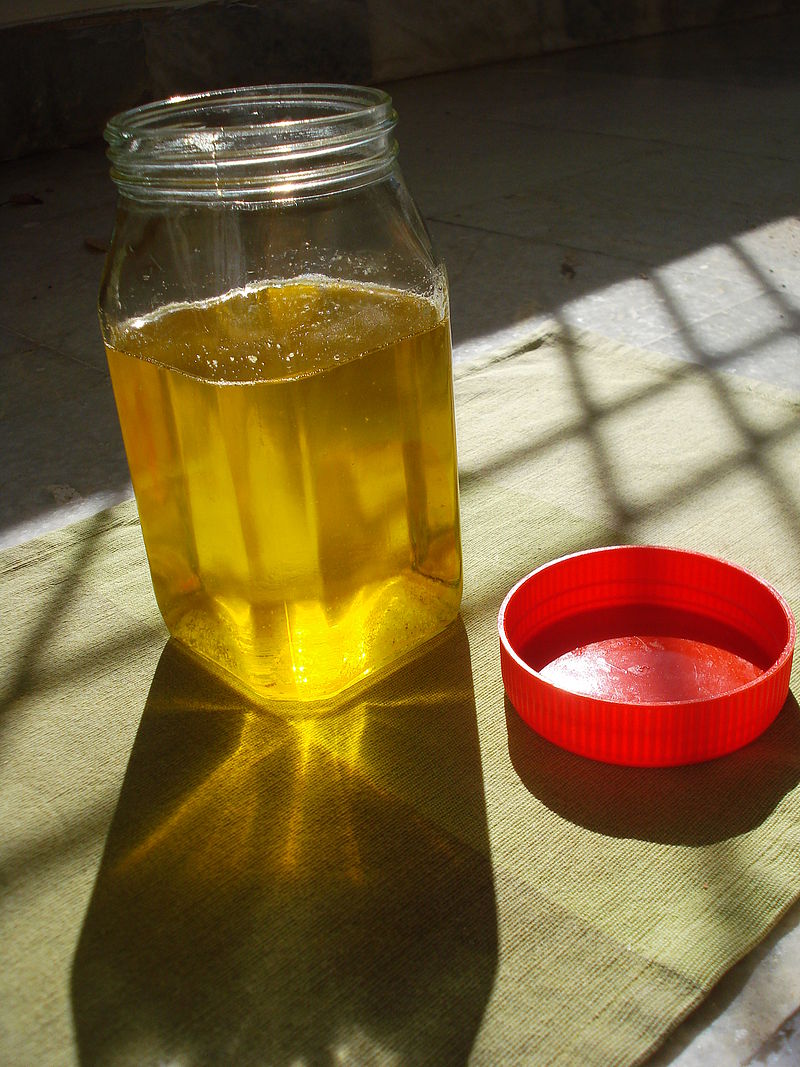
So what exactly is ghee? Ghee is clarified butter where the milk solids in butter or cream which float to the top or sink to the bottom have been skimmed off and what remains is a clear golden product with a high smoking point and a delicate, nutty flavour. Ghee is liquid when you first make it and then solidifies to a whitish opaque creamy consistency. It hardens when you chill it, but regains its creaminess when it stays outside for some time.

235px-butterschmalz-3Because it has no milk or water solids, people with lactose intolerance can use this as a very good substitute for butter in cooking. It’s been part of the ancient medical system of Ayurveda for thousands of years, stretching back to at least 800 BC; Ayurvedic medicine claims that ghee is good for everything from sleep quality to semen health, joint suppleness, intelligence, memory and wrinkles.
Ghee is casein and lactose-free and so a great addition for those with dairy sensitivities. In addition, ghee is gluten-free and high in butyric acid, a short-chain fatty acid used in the body as an energy source and anti-inflammatory. Ghee is also rich in essential fatty acids and Vitamins A, D and E.

Ghee contains medium-chain fatty acids which the liver can absorb directly and burn immediately, making it a healthier source of energy than most of the carbs we eat today. Ghee is packed with butyric acid, a short-chain fatty acid that has several benefits, one of which is better digestion. Our bodies actually convert fibre into butyric acid, so eating it makes the body’s job easier. Butyric acid heals the digestive tract and keeps it healthy. The butyric acid in ghee also promotes immunity, by increasing the production of killer T cells in the gut.

Indian food contains several herbs and spices, each of which is loaded with numerous nutrients. Ghee absorbs these nutrients and helps them reach the correct part of the body, where they are most required. Also because of its high smoking point, ghee does not break down into free radicals while cooking, which other oils with a lower smoking point do.

800px-desi_gheeA 2010 review of ghee science in the International Quarterly Journal of Research In Ayurveda by scientists from Ohio State noted that animal studies of ghee have found a series of possible benefits, including decreases in cholesterol, low-density lipoproteins and triglycerides (which are associated with cardiovascular disease), and a potential link between ghee and lower coronary heart disease risk. One study in 2016 found that ghee was better for cooking than sunflower oil when looking at antioxidants and liver protection, while another in 2013 found that it helped to protect against the development of fatty deposits in arteries. Multiple studies in 2015 found that ghee, particularly low-cholesterol ghee, seemed to improve general cholesterol levels. It’s worth noting that virtually all of these studies were done on rats, not humans. But the qualities of ghee have attracted medical attention for other reasons; it was suggested in early 2017 that ghee might be a good way to administer chemotherapy, as it may help the chemo get into the body more efficiently.
Ghee is super easy to make at home. I started making ghee at home around two years ago and don’t look at store-bought ghee anymore. Buy unsalted butter and heat it in a heavy bottomed pan. Make sure your pan is deep as it will bubble a lot during the process. Boil it in a low to medium heat until the milk solids separate and sink to the bottom of the pan. The ghee will become a lovely golden colour and will have a lovely aroma. When the milk solids start to brown, stop the flame and let it cool. Strain the ghee and let it cool. Once it starts to solidify, you can start using it. It stores very well outside, it need not be refrigerated, but in the fridge, it can keep for years without spoiling.

Are you convinced about the health benefits of ghee yet? Go on and buy a container of it and start cooking with it, you will never look back and wonder why it took you so long to convert.


Sleep

77bad0a0bd30b40d5f8221b20282333c

Bedtime, for BB and GG at 12 and a half years on school nights is between 9 and 9:30 pm. Last week, one night when i was hounding them to bed, both said that they sleep the earliest among their friends and classmates. Most people their age, according to them, slept around 10 pm on school nights and even midnight and beyond on weekends and holidays.

I’ve always believed that in order to function at 100% capacity the next day, an adult has to have a minimum of 7-8 hours of sleep the previous night and this increases for children (including teens). So I set out to show GG & BB why I ask them to sleep early, especially on school nights and this post is all the research I did and my findings….

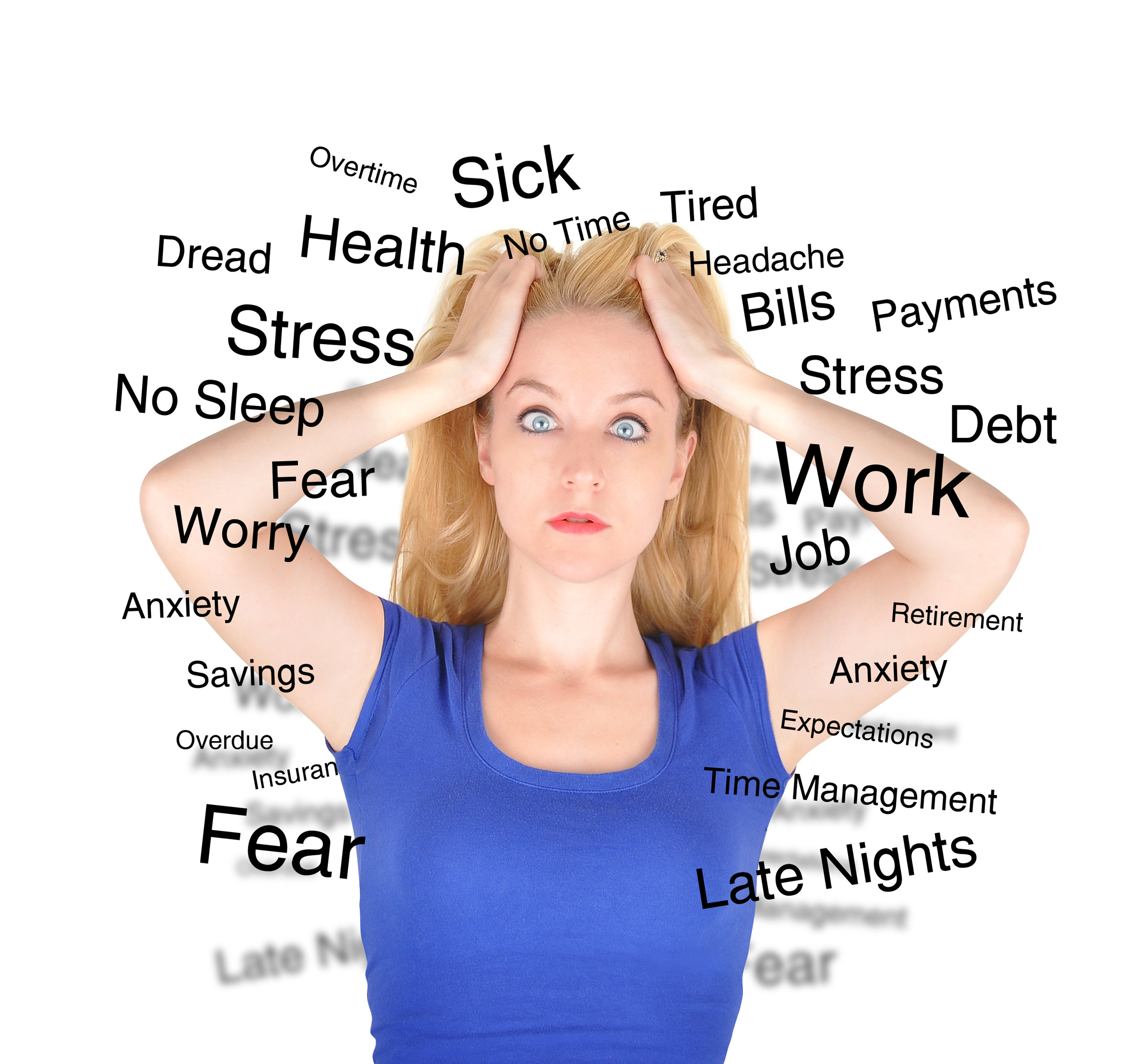
Stress Worry Woman with Text on White

Sleep plays probably one of the most important roles in allowing us to function as normal, functioning human beings! Not getting enough sleep can impair mental and physical health as well as the quality of life. Worse, it makes you make wrong judgments in life (both mentally as well as physically) which leads to safety issues, for you as well as the people around you. We’ve all read, heard or seen many accidents which take place because people didn’t have enough sleep or how someone was diagnosed with a chronic disease where the real underlying cause was inadequate sleep!

For children, growing and otherwise, sleep is incredibly important as that is the time, when their brain cells work overtime to help them grow, both physically as well as mentally. Scientists believe that too little or not enough sleep in children can affect growth as well as their immune system. This is true for both young children as well as teens.

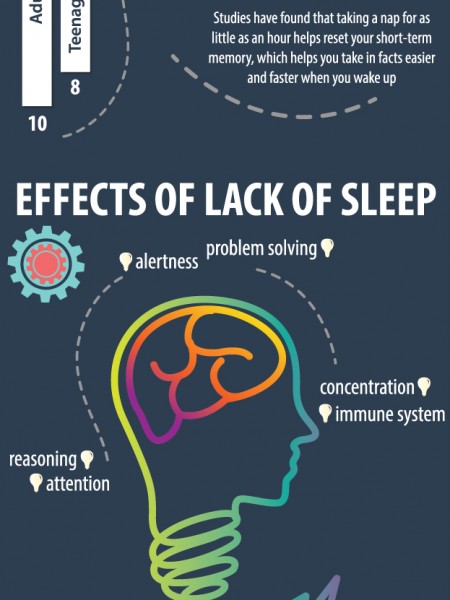
the-importance-of-sleep-before-your-exams_537341377350b_w450_h600It has also been researched that loss of sleep or not having enough sleep can cause students not to do well academically. This is true, not only the night before a big exam, but also on a day-to-day basis when a student has to be alert and perform in class. I read that research has proved that after two weeks of sleeping six hours or less a night, students feel as bad and perform as poorly as someone who has gone without sleep for 48 hours. Sleep is also very important for learning and memory and motor tasks as research has proved that students who slept better did better in these tasks than those who did not get the required amounts of sleep.
However, it’s not the quantity of sleep, but also the quality of sleep that is important. So even if a student has his full complement of sleep, but this is fractured, disturbed or otherwise not in full REM mode, he will not be fully alert the next day.

One report I read for this post says that studies have shown that factors such as self-reported shortened sleep time, erratic sleep/wake schedules, late bed and rise times, and poor sleep quality have been found to be negatively associated with school performance for adolescents from middle school through college. Thus, there is ample evidence to indicate that the lack of adequate nighttime sleep can lead to disturbances in brain function, which in turn, can lead to poor academic performance.

So given how important sleep is for everyone, especially students, what do we do to get a good night’s sleep?

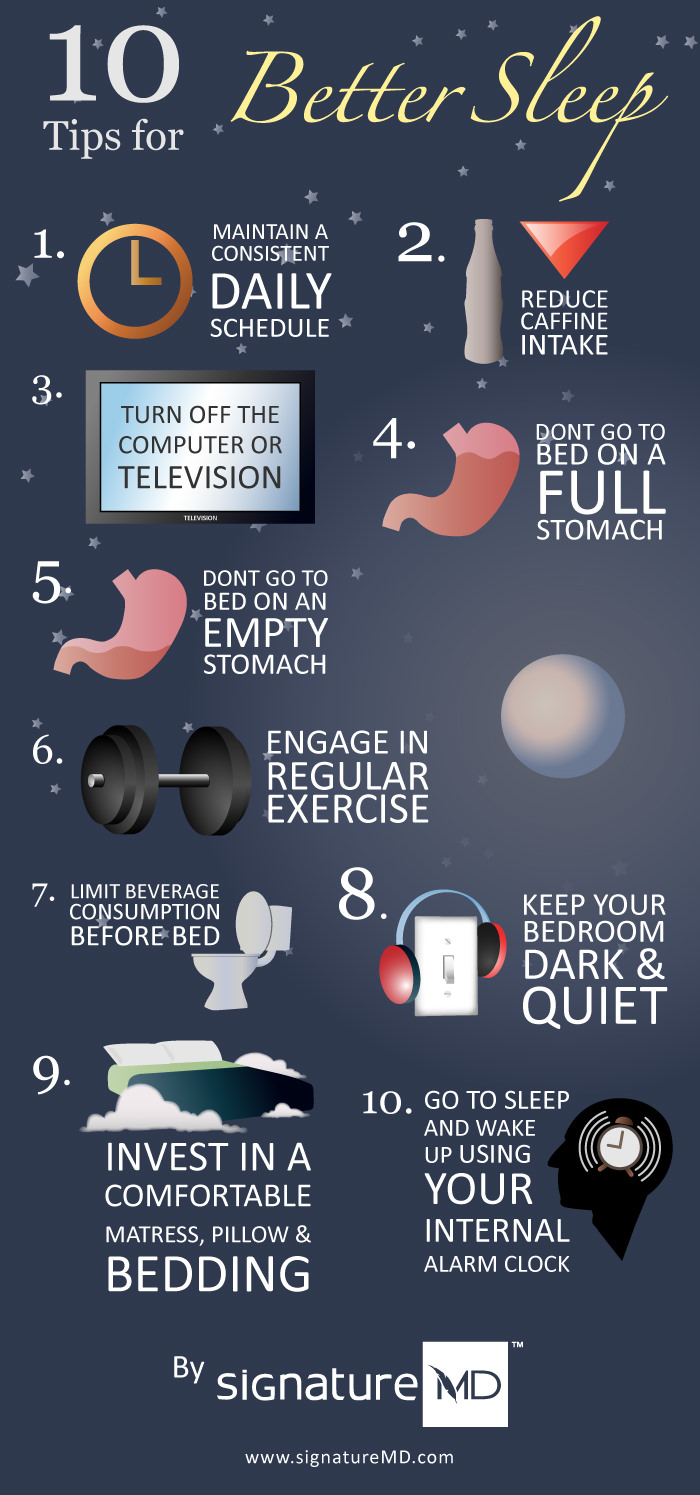
10-tips-for-better-sleep-infographic

Go to bed early and at a consistent time: Students need around 9-10 hours of sleep daily, but given the constraints on their time, I seriously don’t think they get enough, but even if we put an adult’s requirements on them, they need at least eight hours of sleep. So try to work backwards from your wake-up time and go to bed 8-9 hours before that. If you need time to fall asleep, take that time also into account.

Use the bed only for sleeping: Don’t read, study, watch TV or study on your bed. Your mind needs to associate the bed with sleep only and so by avoiding all other activities on the bed, it becomes easier for the mind to wind down and start sleeping once you actually get into bed.

Limit naps: Naps during the day, and especially closer to bedtime will play havoc with your sleep and circadian rhythms. If you must nap, don’t sleep for more an hour and try to wake up at least 6-7 hours before your bed-time.

Sleep-ins during the weekend: Don’t try to catch up on sleep during weekends. Try to stick to the same schedule as during the week as this may throw your schedule out of sync otherwise and Monday morning will be pain to wake up.

Caffeine: Avoid caffeine in any form after 3 pm. Caffeine stays for a long time in your system and make it hard to fall asleep. Although small portions of the population have no ill effects to caffeine, and if you are one of them, you should be ok!

Lights in the bedroom: Try and adjust the lights in your bedroom so that when you are ready to sleep, you are not blasted by bright lights which can try your mind.

Consistent meal schedule: Try to maintain a consistent eating schedule. Research says to have your last meal of the day two to three hours before bedtime so that your body has time to digest the food before sleep. This way your body is able to let you relax and sleep better.

Exercises: Exercising for a minimum of 30 minutes a day in the mornings allow you to become energized for the day and gives you deep and uninterrupted sleep at night. But remember not to exercise within three hours of bedtime as then exercise will stimulate your body, making it harder to fall asleep.

Stress and Anxiety: These are part and parcel in a student’s life and I assume a large proportion of students lose sleep because of stress and anxiety – about exams, a paper etc. Drink a glass of hot milk before bed as milk helps in managing stress. Also writing down what stresses you can make it go away from your head, at-least for the moment and lets you get good sleep.

Electronics Ban: Take some time to “wind down” before going to bed. Get away from all electronics (computer, television, mobile devices etc) 30 minutes before bedtime and let your body and mind relax with a good book. It’s very hard to do this and all of us are guilty of this almost all the time, but research has shown that being exposed to the blue light given out by electronic devices at night prevents our brain from releasing melatonin, which a hormone which regulates sleep. So the longer we are on electronic devices close to bedtime, the longer it will take us to actually sleep and this will affect both sleep quality and quantity, leading to all the issues at the beginning of this article.

I hope this post has been useful, especially if you need help in convincing your child that sleep is essential for him/her. I also spoke to GG after I finished my research for this post and asked her again about her friends. She replied they slept much less than her, but when asked if they were mentally present in class, as opposed to being just physically present, she replied in the negative and said most of them were zoned out or sleeping in class most times. This, more than anything else I said or could say in my defense of sleep seemed to have made a difference in how she viewed her sleep time!

Little Girls…or Miniature Women?

Ok, here’s a warning, rant coming on, so leave now if you want…

On Friday night, BB & GG had their music concert, which I wrote earlier. There I realised that most people found it very normal to put on make-up to their little girls – some as young as three and four!

My view about this is fairly straitforward – GG gets to wear make-up when she turns 15. If there are compeling reasons to wear make-up earlier, it will not be anytime before secondary school (13 or thereabouts) and then too it has be something very light – maybe lipgloss when she goes out. I am not discounting the odd make-up when is forced to wear it (like a performance in school etc), but in situations where it is not needed, I totally dislike it on young girls. According to me putting on chemicals on their faces now will lead to many problems later on in life. Also they are children, not miniature adults! Is there a need to make them look like adults so soon? Let them enjoy their childhood first. Are the parents even aware what is in the cosmetics that they are putting on their daughters? Have they read labels? This has the makings of their faces looking older than their real ages by the time they reach their mid-twenties. Even if the girls ask for it, isn’t it our jobs as parents to not let them do it?

The show on Friday was a very casual one with just the children who learn from this particular teacher and their parents. I saw girls with full make-up (by this I mean eyeshadow, eye liner, blush, lipstick and nail polish) while the others did variations of the theme. I think GG along with just 2-3 other girls was sans makeup at all. The colours used were the real dark colours like dark red and burgundy.

Another thing which gets my goat is the same young girls wearing shoes with heels. The same rule that applies for make-up applies for shoes for GG, although she has been longing for heels. When heels are said not be good even for adults, imagine what it would do to a young girl’s feet even before it has had a chance to fully grow!

Ok rant over, we can all go back to our lives now

What do you think about girls being allowed to wear make-up and heels before they should?

Depression

I was not going to publish this post, this was supposed to be something just for me, but I think, since this blog is a my digital diary, I will publish it.

I think I am suffering from depression. This is not my imagination, but something that’s been bothering me for a while now – in fact from the beginning of this year. On hindsight, this was one of the biggest reasons I left my previous jobs, thinking a change of place and pace would ease all that was happening inside me. Web MD defines depression as “Depression is a serious and pervasive mood disorder. It causes feelings of sadness, hopelessness, helplessness, and worthlessness. Depression can be mild to moderate with symptoms of apathy, little appetite, difficulty sleeping, low self-esteem, and low-grade fatigue. Or it can be more severe.”

Depression is apparently more common in women than in men and twice as many women are likely to develop clinical depression as compared to me. Some of the symptoms of depression are:

  • persistent sad, anxious, or “empty” mood
  • loss of interest or pleasure in activities, including sex
  • restlessness, irritability, or excessive crying
  • feelings of guilt, worthlessness, helplessness, hopelessness, pessimism
  • sleeping too much or too little, early-morning awakening
  • appetite and/or weight loss or overeating and weight gain
  • decreased energy, fatigue, feeling “slowed down”
  • thoughts of death or suicide, or suicide attempts
  • difficulty concentrating, remembering, or making decisions
  • persistent physical symptoms that do not respond to treatment, such as headaches, digestive disorders, and chronic pain

Image from Wikipedia

I’ve mentioned before just how toxic the environment was in my previous place and I think that environment was the cause for all this. The way I was treated in my previous work place is the underlying cause for this. I have now decided that after they give me the one thing I still haven’t gotten from them – my testimonial – I will cut all contact with the organisation and the people there. Unfortunately quite a bit of my coworkers are my friends on Facebook and now I have to decide how to get rid of them from my life without seeming to get rid of them. Any ideas?

The symptoms that I’ve been experiencing look like this – No interest in anything any more, especially the things I used to enjoy doing; Sleep patterns all over the place. Most of the time, I just want to sleep – even if I have just gotten off bed less than a couple of hours back. Then some days I just can’t sleep at night even if I am yawning away to kingdom come!; No energy to do anything and a feeling of tiredness all the time

I just took this test at the Health Promotion Board website and my test results reads “Your responses suggest that you have some depressive symptoms. You may feel down from time to time but these symptoms are unlikely to impair your daily function. It might be wise to reassess your symptoms in a few weeks.”

I told S about this yesterday and he wants me to see a doctor this week. I’m not sure if I want to, but in this case, I guess I may just have to give in.

I initially wrote this post yesterday and didn’t want to publish it. But looking back, the very act of putting my feelings down on paper has put me on the path to healing! I’ll go and see a doctor today but I know in my gut, I will get better soon