

After the beautiful islands of Lakshadweep, we make our way up north to India’s largest and most populous state, Uttar Pradesh. Its name meaning Northern Province, Uttar Pradesh with over 200 million inhabitants, is the most populous state in India as well as the most populous country subdivision in the world. Created on 1 April 1937 as the United Provinces of Agra and Oudh during the British colonial rule, the state was renamed Uttar Pradesh in 1950, with the acronym UP. Lucknow is the state capital and Allahabad the judicial capital. On 9 November 2000, a new state, Uttaranchal, now Uttarakhand, was carved from the state’s Himalayan hill region. The two major rivers of the state, the Ganges and Yamuna, join at Triveni Sangam in Allahabad and flow further east as Ganges.
The state is bordered by Rajasthan to the west, Haryana, Himachal Pradesh and Delhi to the northwest, Uttarakhand and an international border with Nepal to the north, Bihar to the east, Madhya Pradesh to the south, and touches the states of Jharkhand and Chhattisgarh to the southeast. It is equal to 7.34% of India’s total area and is the fourth-largest Indian state by area and has the second-largest state economy. Hindus are the largest religious group, with three quarters of the state’s population Hindu and Islam is the next most widely practiced religion. Hindi is the most widely spoken language and also the official language of the state, along with Urdu. The state houses several holy Hindu temples and pilgrimage centres and has three World Heritage sites.

Modern human hunter-gatherers have been in Uttar Pradesh since between around 85,000 and 72,000 years ago. There have also been prehistorical finds here from the Middle and Upper Paleolithic eras dated to 21,000 – 31,000 years old and a Mesolithic/Microlithic hunter-gatherer settlement, near Pratapgarh, from around 10550–9550 BC. Villages with domesticated cattle, sheep, and goats and evidence of agriculture began as early as 6000 BC, and gradually developed between 4000 and 1500 BC beginning with the Indus Valley Civilisation and Harappa Culture to the Vedic period and extending into the Iron Age. Out of the sixteen mahajanapadas or great realms or oligarchic republics that existed in ancient India, seven fell entirely within the present-day boundaries of Uttar Pradesh. The divine king Rama of the epic, Ramayana reigned in Ayodhya, the capital of Kosala. Krishna, another divine king, who plays a key role in the Mahabharata and is revered as the eighth reincarnation or avatar of Lord Vishnu, is said to have been born in the city of Mathura. The aftermath of the great battle in the Mahabharata is believed to have taken place in the area between the Upper Doab and Delhi, in what was Kuru Mahajanapada, during the reign of the Pandava king Yudhishthira. The kingdom of the Kurus corresponds to the Black and Red Ware and Painted Gray Ware culture and the beginning of the Iron Age in northwest India, around 1000 BC.
Following the Huns’ invasions that broke the Gupta empire, the Ganges-Yamuna Doab saw the rise of Kannauj and it was during the reign of Harshavardhana between 590–647 that the Kannauj empire reached its zenith, spanning from Punjab in the north and Gujarat in the west to Bengal in the east and Odisha in the south and included parts of central India, north of the Narmada River and encompassed the entire Indo-Gangetic plain. Soon after Harshavardhana’s death, his empire disintegrated into many kingdoms, which were invaded and ruled by the Gurjara-Pratihara empire, which challenged Bengal’s Pala Empire for control of the region. Kannauj was several times invaded by the south Indian Rashtrakuta Dynasty, from the 8th to the 10th centuries and after the fall of the Pala empire, the Chero dynasty ruled from between the 12th and 18th centuries.
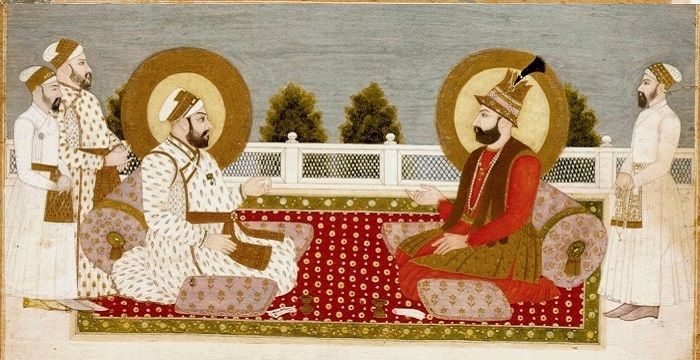
Parts or all of Uttar Pradesh were ruled by the Delhi Sultanate for 320 years, between 1206–1526. In the 16th century, Babur, a Timurid descendant of Timur and Genghis Khan from the Fergana Valley in modern-day Uzbekistan, swept across the Khyber Pass and founded the Mughal Empire, covering India, along with modern-day Afghanistan, Pakistan and Bangladesh. The Mughals were descended from Persianised Central Asian Turks with significant Mongol mix and in the Mughal era, Uttar Pradesh became the heartland of the empire. In the 18th century, after the fall of the Mughals, the power vacuum was filled by the Maratha Empire. In 1803-04, following the Second Anglo-Maratha War, when the British East India Company defeated the Maratha Empire, much of the region came under British suzerainty.
Starting from Bengal in the second half of the 18th century, a series of battles for north Indian lands finally gave the British East India Company accession over the state’s territories which was named the North-Western Provinces (of Agra). Although UP later became the fifth-largest state of India, NWPA was one of the smallest states of the British Indian empire and its capital was shifted twice between Agra and Allahabad. A serious rebellion erupted in various parts of North India, known as the Indian Rebellion of 1857 and after the revolt failed, the British divided the most rebellious regions by reorganising their administrative boundaries, splitting the Delhi region from NWFP of Agra and merging it with Punjab, while the Ajmer- Marwar region was merged with Rajputana and Oudh was incorporated into the state. The new state was called the North Western Provinces of Agra and Oudh, which in 1902 was renamed as the United Provinces of Agra and Oudh and was commonly referred to as the United Provinces or its acronym UP. In 1920, the capital of the province was shifted from Allahabad to Lucknow, but the high court continued to be at Allahabad, with a bench established at Lucknow. After India’s independence, the United Provinces were renamed Uttar Pradesh or the Northern Province, preserving UP as the acronym on 24 January 1950.

Roughly the same size as the United Kingdom, Uttar Pradesh is situated on the northern part of India and shares an international boundary with Nepal. The Himalayas border the state to the north, but the plains that cover most of the state are distinctly different from the high mountains with the larger Gangetic Plain region in the north and the smaller Vindhya Range and plateau region in the south. The state has more than 32 large and small rivers; of them, the Ganges, Yamuna, Saraswati, Sarayu, Betwa, and Ghaghara are larger and of religious importance.
Agriculture is the leading occupation in the state and plays a vital role in its economic development with wheat being the principal food crop and sugarcane the main commercial crop particularly in Western Uttar Pradesh with about 70% of India’s sugar coming from Uttar Pradesh. Meerut is known as the sports capital of India and is also a jewellery hub. Noida, Kanpur and Lucknow are becoming major hubs for the IT industry and Sonebhadra, a district in the eastern part of the state, has large-scale industries with its southern region known as the Energy Capital of India.
Unlike other states, instead of starting with the state capital of Lucknow and then moving to other cities, we will start from the west and move eastwards. Our first stop will therefore be Noida.
Noida
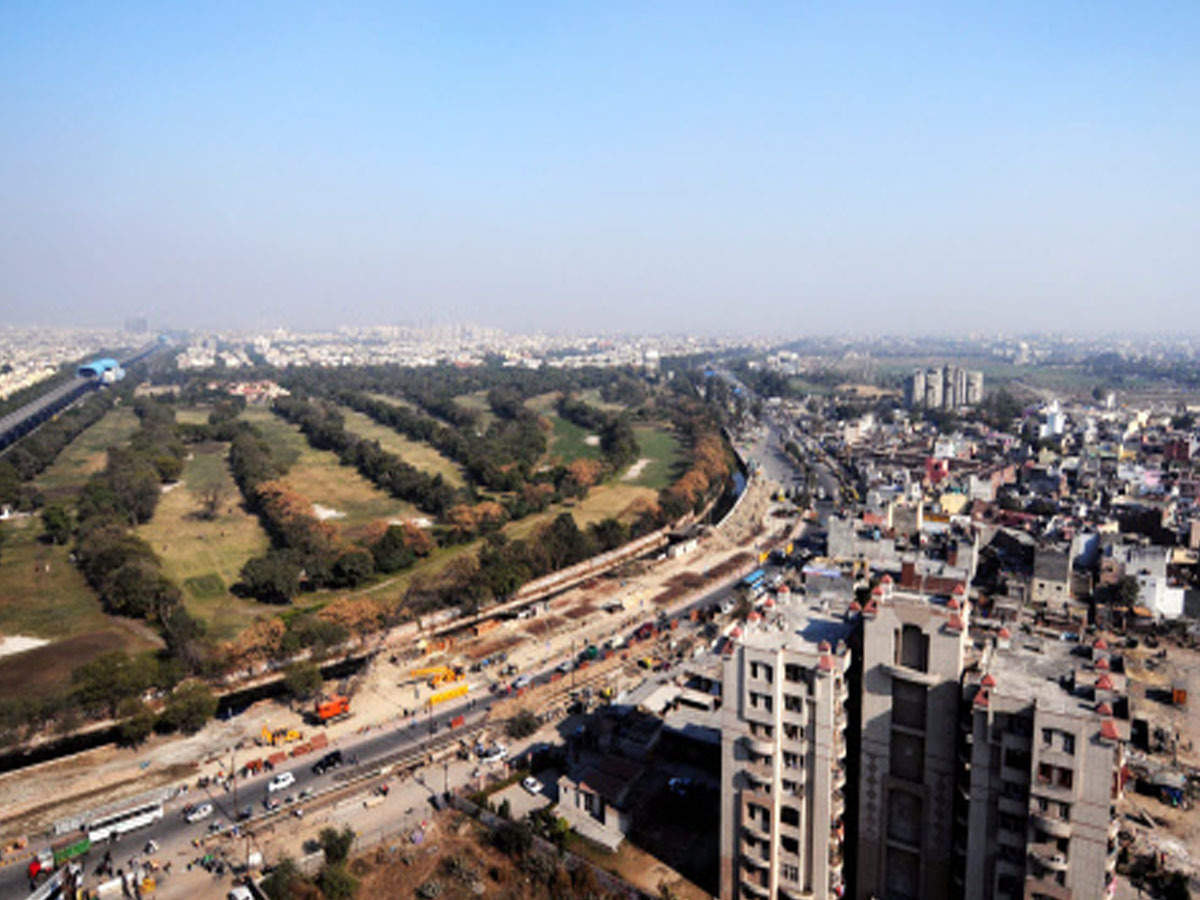
Noida which is short for New Okhla Industrial Development Authority, is a planned city and a satellite city of Delhi, about 25 km southeast of New Delhi and is part of the National Capital Region (NCR) of India. Located on the old river bed of the river Yamuna, Noida falls under it’s catchment area and came into administrative existence on 17 April 1976 as part of an urbanisation thrust in the seventies. With the highest per capita income in the whole National Capital Region, Noida is classified as a special economic zone and the Noida Authority is among the richest civic bodies in the country.
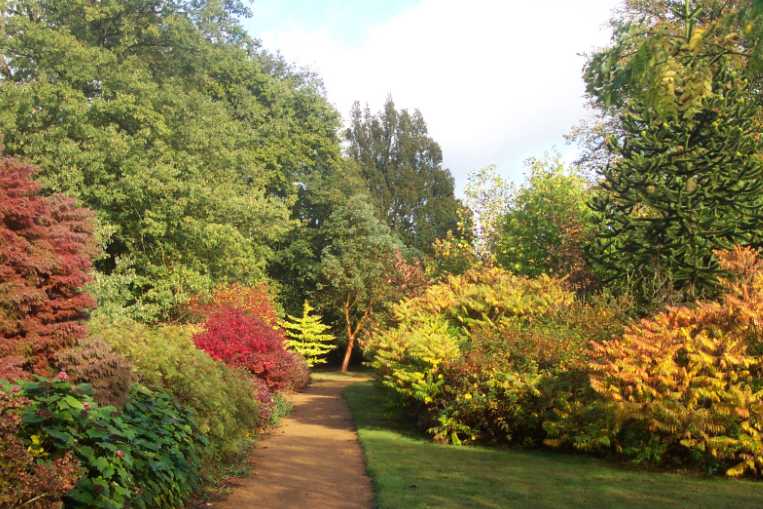
The Botanical Garden in Noida is a vast expanse of lush green garden packed with a plethora of plants Founded in 2002, the garden houses a primitive plant called Psilotum Nudum which means bare naked in Latin, said to be a descendant of probably one of the first group of vascular plants found 400 million years ago. Another ancient plant found here is the Equisetum Hyemale or Horsetail which is dated over 145 million years ago during Jurassic or Dinosaur era. Green roses, 250 varieties of medicinal plants and vast fruit section are some of the other plants the garden boasts of. A jogging track encircles the perimeter of the garden which encompasses an area of about 160 acres with over 7,500 varieties of plants, including several endangered species. The garden has been divided into 10 distinct sections which are further subdivided into smaller sections. The garden also houses a section of fruit plants and trees, namely mango, pomegranate, lemon, pear, plum, mulberry, and black guava. The major highlight of the garden is a huge map of India carved across an area of 68 x 61.4 ft with each state plants planted in their respective location. There is a Cactus House which is a small greenhouse with a variety of cacti. The garden is closed on weekends and on weekdays is open from 10 am to 5 pm and does not charge an entry fee.

Officially known as Shaheed Chandra Shekhar Azad Sanctuary, the Okhla Bird Sanctuary sprawls over an area of 3.5 sq km at the Okhla Barrage over the Yamuna River, at the point where the river enters Uttar Pradesh. The sanctuary was established in 1990 and is home to over 400 species of native birds and about 1,00,000 migratory birds, especially water birds. The most prominent feature of the sanctuary is the large lake created by damming the river. The bird species of thorny scrub, grassland and wetland are seen in the sanctuary. It is now one of the 466 IBAs (Important Bird Areas) in India. Two critically endangered species, nine vulnerable species and seven near threatened species can be seen in the sanctuary.
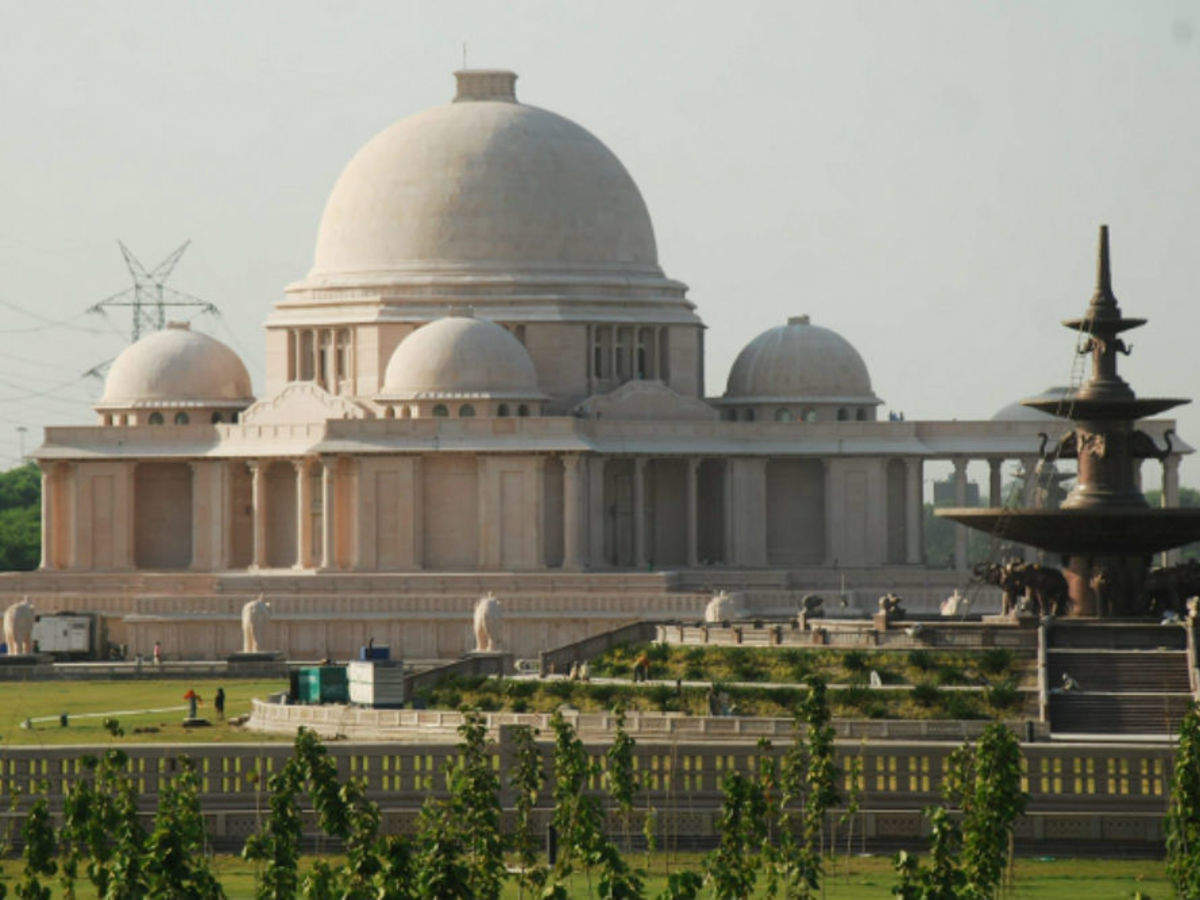
The Rashtriya Dalit Prerna Sthal & Green Garden is a memorial dedicated to inspirational people from the Dalit community who devoted their life to social justice and equality. The memorial expands over 80 acres of land on the banks of the River Yamuna and houses a museum, statues of the stalwarts and a serene green zone. It is a perfect attraction for those interested in anthropology and history.

The Shree Jagannath Temple in Noida is dedicated to Lord Jagannath. The construction of the temple was proposed in 2004 and the idol of the deity was installed in 2006 on the auspicious day of Akshaya Tritiya. The festival of the Ratha Yatra is celebrated every year at this temple.

The Buddha International circuit is the venue of the annual Indian grand prix. The race track is about 10 sq. km in area and was designed by German racetrack designer Hermann Tilke. One can book passes for any of the scheduled F1 races with passes ranging between INR 1,500 to INR 21,000
Loni
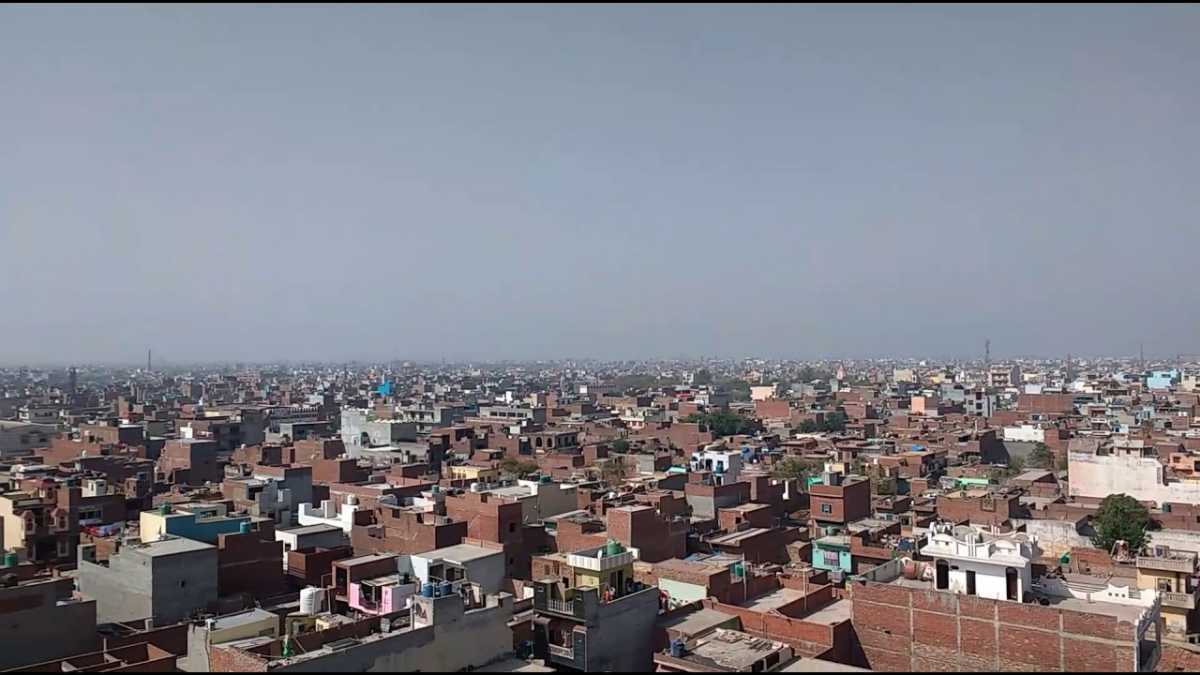
Our next stop is Loni, near Ghaziabad, about 34 km north of Noida. A lesser-known town Loni is of religious and historical significance. It was listed in the Ain-i-Akbari as a pargana under the Delhi empire and had a brick fort at that time. The town is connected to many Hindu mythological stories and there are many significant temples around the city. The name of the city is derived from the historic legend of King Lonnkaran who ruled this area and named his kingdom after himself. During the 12th century, Prithviraj Chauhan ruled the town. During the Mughal era, Zinat Mahal, the wife of Bahadur Shah Zafar built the three famous orchards. They are believed to be over 500 years old and are a major historical attraction in the city.

The Loni Fort is believed to have been where Lord Ram’s brother, Shatrugana killed the evil demon Lavansura. The fort which is ruins today is believed to have been in this state because of Mohammed Shah’s invasion in the 18th century. Apart from the spiritual sites, there is also the Lal Bagh Ashram and IdiraPuri Gurudwara. The town has the world’s largest LPG pipeline which is 1.270 km long and a must visit place. The April Park in Tronica City is filled with greenery. Tronica City is one of the city’s fast developing places which is a must-visit.

The remains of the three famous orchards Uldipur, Ranap and Kharanji Bagh, believed to be 500 years old should be visited. The Katu Shyam Baba Mandir, Loni Hanuman Mandir and Shiv Mandir are some places of holy significance in the city. At a distance of 13 k, from central Loni is the Shiv Temple. A massive flight of stairs reaches the sanctum and the view from the peak gives a one a view of the neighbourhood and town.
Ghaziabad
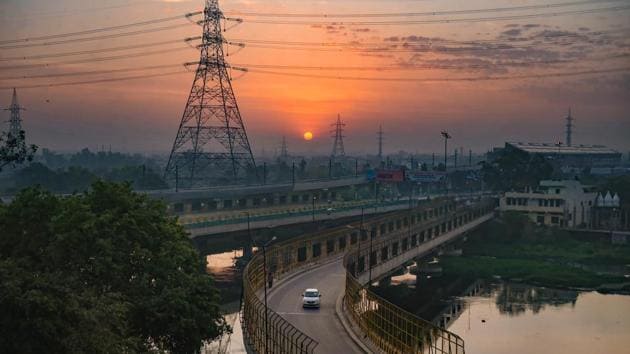
Our next stop is the city of Ghaziabad, about 23 km east of Loni and today part of the NCR as well as the administrative headquarters of the Ghaziabad district and the largest city in western Uttar Pradesh. Situated in the Upper Gangetic Plains, the city has two major divisions separated by the Hindon River, namely Trans-Hindon on the west and Cis-Hindon on the east.
The city of Ghaziabad was founded in 1740 AD by Ghazi-ud-Din, who served as a wazir in the court of the Mughal emperor Muhammad Shah, and named it Ghaziuddinnagar after himself, which was shortened to its present form with the opening of the railways in 1864. During the Mughal period, Ghaziabad and especially the banks of the Hindon, was a picnic spot for the Mughal royalty. With the completion of the Amritsar-Saharanpur-Ghaziabad line of the Sind, Punjab and Delhi Railway in 1870, Delhi was connected to Multan through Ghaziabad, and Ghaziabad became the junction of the East Indian Railway and Sind, Punjab and Delhi Railway. Ghaziabad, along with Meerut and Bulandshahr, remained one of the three Munsifis of the District, under the Meerut Civil Judgeship during most periods of the British Raj.
Although connected by railway since 1865, it was not until 1940 that the first modern industry appeared in Ghaziabad and the post-independence period was when industry really expanded.
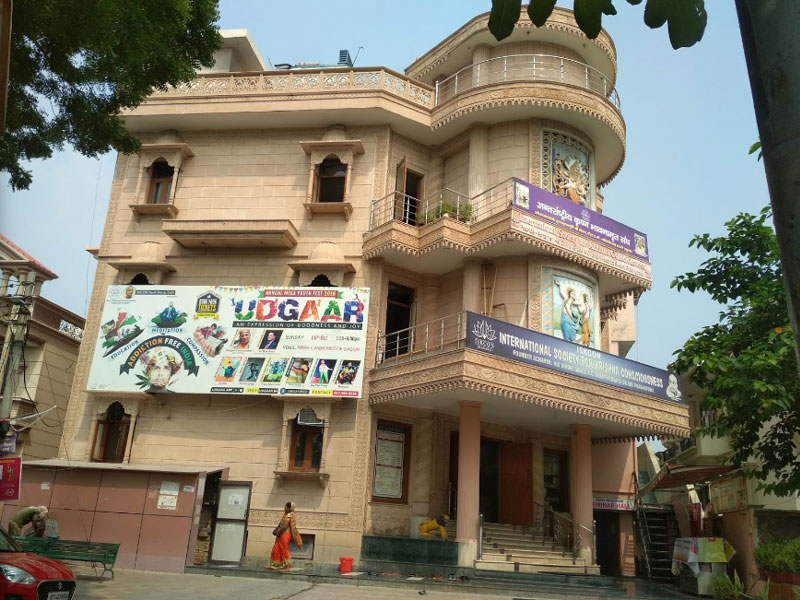
The ISKCON Temple should definitely be visited if you are in Ghaziabad during the festival of Krishna Janmasthami. The temple houses various idols signifying Lord Krishna and his life. Although relatively smaller than other ISKCON temples, this temple has its intricate architecture. There is also a souvenir store and a multimedia museum based on the Indian epics the Ramayana and the Mahabharata in the premises. The fountain show in the evening is a major attraction and the temple is open between 4:30 am and 1 pm and then again between 4 and 8:30 pm.
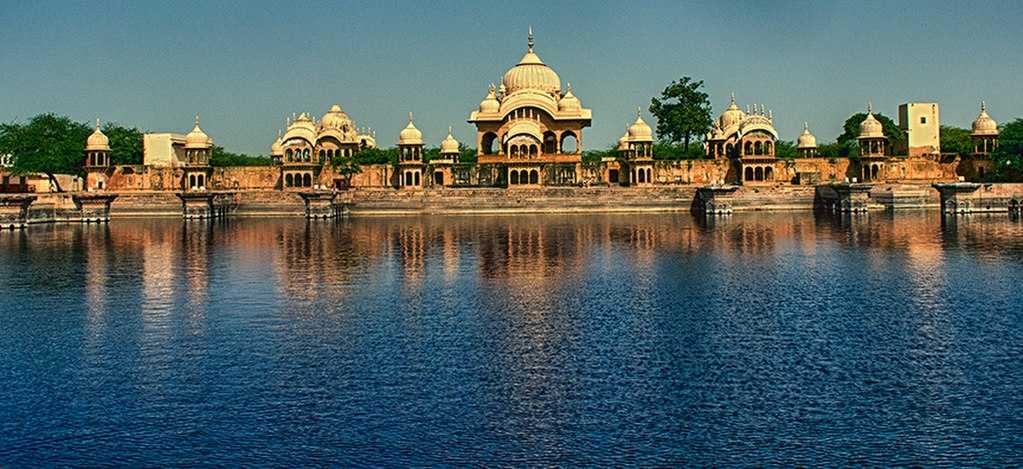
The Lakshmi Narayan Temple located in Modinagar is dedicated to Goddess Lakshmi and Lord Vishnu. Also known as Modi Temple, it houses idols of Lord Hanuman, Goddess Santoshi Mata, Goddess Durga, Lord Venkateshwara, Lord Lakshmi Narayan and Goddess Gayatri. The temple was built in 1963 in the Kalinga-style out of red standstone and also houses two smaller temples dedicated to Goddess Durga and Lord Uma Maheshwar. The temple also hosts sacred relics such as a silver umbrella and a trident of Lord Shiva and has also has fountains and brass artefacts on its front courtyard embellished in white marble. It also hosts a vast Ramlila stage that hosts regular performances. The temple There are smaller holy sites within this temple such as the Sri Ram Darbar and the Yagyashala.
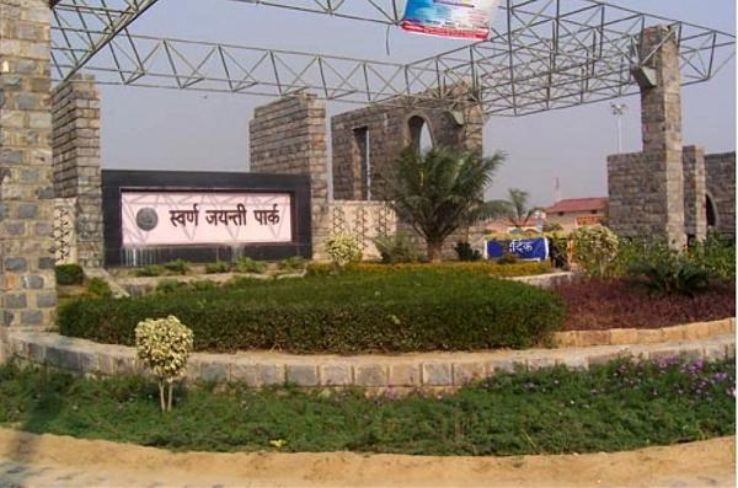
The Swarna Jayanti Park is a recreational and adventure park with a beautiful Japanese garden, a boating facility, a jogging track, walkways lined by tall green trees and a children’s play area amidst lush green lawns with fountains and statues of legendary figures. There are some mini food stalls offering snacks and juices. The park has an entry fee of INR 10 per person.

The City Forest is a splendid park spreading over 175 acres and a local favourite . A graded local picnic spot, the park contains two lakes, five acres and three acres each of which are a water reserve and a wetland respectively. Divided into 9 different sections, the forest is lined with an array of medicinal and fruit-bearing trees. The forest park encompasses a deer park, a bamboo park, walking and hiking trails, cycling tracks, horse riding facility and guided Gypsy or Jeep Tours. The forest also hosts spaces for booked events and sports such as tennis and softball. In addition to a children’s playground, the park also has other leisure activities such as bungee jumping, toy train ride, occasional camel rides and an adventure camp. The forest park is open between 7 am and 7 pm and has an entry fee of INR 10.

Mohan Nagar is a bustling area famous for the Institute of Technology and Science and the beautiful Mohan Nagar Temple dedicated to Goddess Durga. A couple of km from Mohan Nagar is a site of an ancient civilisation located on the banks of the River Hindon dating back to approximately 2500 BC.

Dasna is a quaint little town on the outskirts of Ghaziabad believed to have been established by a Rajput Ruler, King Salarsri. It is believed that the king was suffering from leprosy and was mesmerised by the beauty of the location when he had come to the sacred ghats of the River Ganges for his treatment. He ended up building a fort for himself on the banks of the river. The town was later captured by Ahmad Shah Abdali who destroyed it in 1760.

Modinagar is a small town, close to Ghaziabad, famous as an educational hub and is among the pioneer sugar producers in Uttar Pradesh. The most popular attraction in Modi Nagar is the Laxmi Narayan Temple, also known as the Modi Temple. Earlier known as Begumabad, it is believed to have been founded and ruled by Nawab Zafar Ali. The village is named after Gujarmal Modi who established a Sugar Mill in 1933, thus claiming the land. Begumabad was further changed to Modinagar during colonial India, along with honouring Gujarmal Modi with the title of Raja Bahadur.
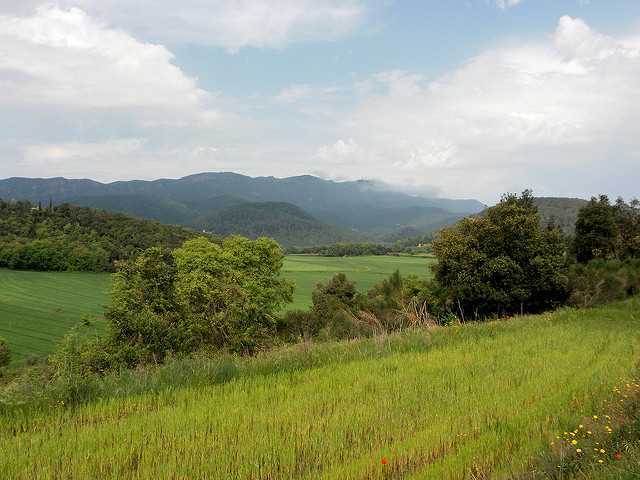
Dadri is a small town near Ghaziabad with the tiny hamlet popular amongst offbeat travellers and nature lovers as it has large areas of wetland providing the best climatic conditions for Blackbucks, Neelgai and several species of migratory birds. Dadri was once ruled by the Bhati Kings belonging to the Gurjar community.

Hapur is the smallest district in the state of Uttar Pradesh and is known as one of the important religious centres for Hindus in the north as the ancient town is home to several temples. Among the popular temples in Hapur are the Shiv Mandir, the Shani Mandir, the Sai Mandir, the Sabli Shiv Temple, the Garhmukteshwar and Chandi Mandir. Each of these temples are supposed to be at least 500 years old. There are several Jain and Buddhist temples as well as dargahs, churches and mausoleums in Hapur. The town has many famous monuments, the most popular one of which is the Kuchesar Fort. Dedicated to Lord Shiva, the Shiv Bari Mandir is a revered Hindu temple near Hapur, believed to be 700 years old. It is believed that the shivling installed here rises a little every year. The Dudheshwar Nath Temple is dedicated to Lord Dudheshwar Nath and attracts hordes of devotees during the festival of Janmashtami. Situated in the heart of the town, Chandi Mandir was built by Raja Harishchandra 500 years back.

Meerut
Moving on from Ghaziabad, we next visit the city of Meerut, which is about 51 km northeast of Ghaziabad and lies between the plains of the Ganges and the Yamuna rivers. An ancient city, Meerut has settlements dating back to the Indus Valley Civilisation found in and around the area and lies 70 km northeast of New Delhi, within the National Capital Region, the largest city in the region after Delhi. The city is one of the largest producers of sports goods, and the largest producer of musical instruments in India as well as an education hub in western Uttar Pradesh and is known as the Sports City of India. Students of Indian history will know the city as the starting point of the 1857 Sepoy Mutiny against the British colonial rule.
According to some versions, the city may have derived its name from Mayarashtra, the capital of the kingdom of Mayasura who was Mandodari’s father and the demon king Ravana’s father-in-law. This name may have mutated to Mairashtra, Mai-dant-ka-khera, Mairaath and eventually Meerut. According to another version, Maya(sura), being a distinguished architect, received from King Yudhishthira the land on which the city of Meerut now stands and he called this place Maharashtra, a name which in the course of time became shortened to Meerut. Tradition also has it that the city formed a part of the dominions of Mahipala, the king of Indraprastha, and the word Meerut is associated with his name. After the archaeological excavations at Vidura-ka-tila, a collection of several mounds named after Vidura, in 1950–1952, it was concluded to be remains of the ancient city of Hastinapur, the capital of Kauravas and Pandavas of the Mahabharata, which was washed away by Ganges floods. Fragment of the 6th Ashoka Pillar in sandstone, with inscription of Edicts of Ashoka, in Brahmi, originally from Meerut, are now in the British Museum.

Meerut also contained a Harappan settlement known as Alamgirpur and was the easternmost settlement of the Indus Valley Civilisation. It had been a centre of Buddhism in the period of Mauryan Emperor Ashoka between 273 to 232 BC, and remains of Buddhist structures were found near the Jama Masjid in the present-day city. The Ashoka Pillar was carried to Delhi from Meerut, by Firuz Shah Tughluq which was later damaged in a 1713 explosion, and restored in 1867.
In the eleventh century, the region to the south-west of the city was ruled by Har Dat, who was later defeated by Mahmud of Ghazni in 1018, while in 1399, Timur attacked and sacked Meerut and the city came under the rule of the Mughal Empire. The city saw Sikh and Maratha invasions in the 18th centuries, with interruptions by the Jats and Rohillas. In 1803, with the fall of Delhi, Daulat Rao Scindia of the Marathas ceded the territory to the British after which the cantonment of Meerut was set up in 1806. With time Meerut advanced into one of the biggest and most vital military stations of India and was made headquarters of the eponymous district in 1818.
Meerut, especially the cantonment is famously associated with the Indian Rebellion of 1857 against the British East India Company with the famous slogan Dilli Chalo or Let’s march to Delhi first raised here. Meerut was also the venue of the controversial Meerut Conspiracy Case in March 1929, in which several trade unionists, including three Englishmen, were arrested for organising Indian-rail strike.
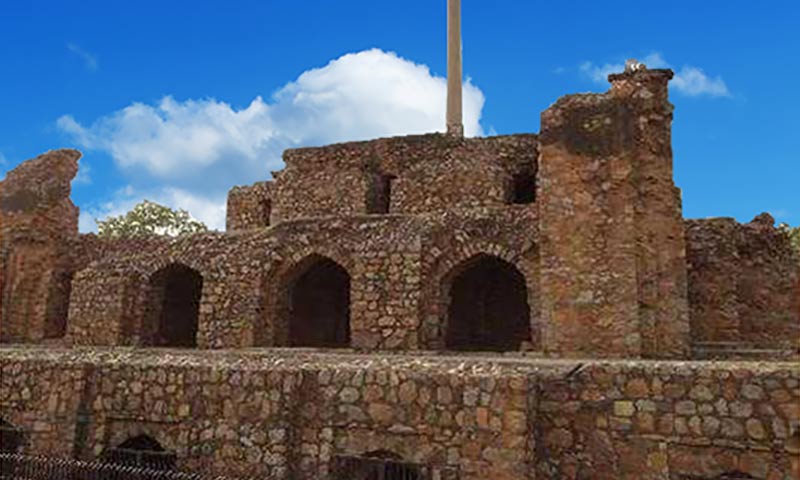
Translating to Draupadi’s Kitchen, Draupadi-ki-Rasoi is set on the banks of the Buriganga river where legend has it that Draupadi, the wife of the Pandavas, cooked meals for the entire family. When the Pandavas stayed at Hastinapur in exile, Lord Krishna is believed to have visited them and when he asked for food, Draupadi had nothing to offer him. Krishna is said to have produced a miracle vessel which produced an unlimited supply of sumptuous food in Draupadi’s kitchen, and the site marks this incredible feat. Previously a forgotten village until the site was excavated, today this place is a favoured picnic spot, right next to Draupadi Ghat. The archaeology department unearthed copper utensils, ornaments made out of silver and gold, several oblong shaped ivory dice, and iron seals.
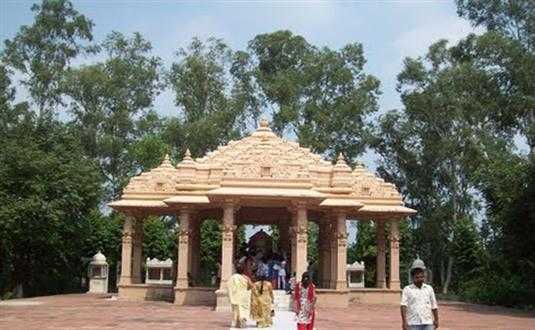
At Vidur Ka Tila, the Mahabharata plays out in all its glory. Said to be the former abode of Vidura, the minister of the Kauravas, this archaeological site, full of 50-60 feet tall mounds is located on the banks of the river Buriganga and has stunning sunset views.

Mustafa Castle is a historic landmark built in the memory of Nawab Mustafa Khan Shaifta, a renowned poet and critic, by his son, Nawab Mohammad Ishak Khan in 1900. During India’s independence struggle, the castle was witness to some of the most significant events in the history of the freedom struggle. The castle has some fine wooden furniture, paintings and various arts and artefacts from all over the world and several chambers are named after colours like Basanti or golden yellow and Gulabi or pink and so on, which are distinctly used in the different seasons with relevant colour schemes. The castle is built using various styles of architecture and shares prominent features with the buildings of Rajasthan and Oudh and is said to have used clay from the holy city of Mecca in the construction. There is no entry fee to enter the castle which is open between 7 am and 6 pm.

Built in memory of the 1857 revolt, the Shaheed Smarak is located quite close to the Company Gardens and events during important Indian national holidays. The grounds also houses the Government Freedom Struggle Museum which was set up in 1997, a crucial preservation of documents and other essentials that are currently used for educational and informative needs. The museum also cites two galleries showcasing some artefacts and paintings of the time as well as five galleries out of which three are operational. The first gallery comprises materials which depict the events leading to the war with paintings of the elusive fakir or medicant who was actively involved in the war and soldiers who refused to use cartridges are on display. The 2nd gallery showcases events which happened during the war and paintings of Rani Lakshmi Bai, Sati Choura Ghat, and Lucknow Bagh as well as collectables such as gun cartridges and swords displayed. The 3rd gallery contains inscriptions from the past including the ancient civilisation of Meerut, books about freedom struggle, and coins. Closed on Mondays, public holidays and the Sunday following the 2nd Saturday of the month, the museum is open between 10:30 am and 4:30 pm.
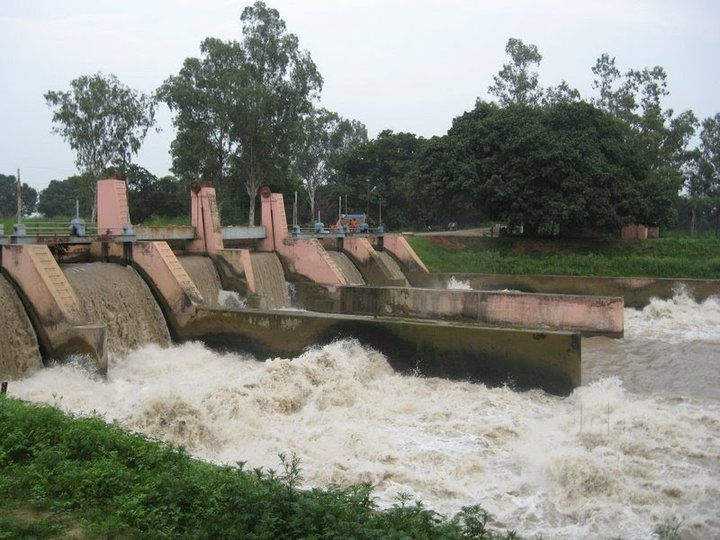
Bhole ki Jhaal, also called Salawa ki Jhaal is an important dam that is responsible for providing most of the electricity in the city. The area around this dam is a popular picnic spot in the city frequented by both locals and tourists. It is a good place to swim as the waters don’t run very deep here. There is also temple dedicated to Lord Shiva in the dam’s vicinity. The best time to visit Bhole ki Jhaal is during sunrise or sunset and with no entry fee, the dam is open between sunrise and sunset between 6 am and 7 pm.
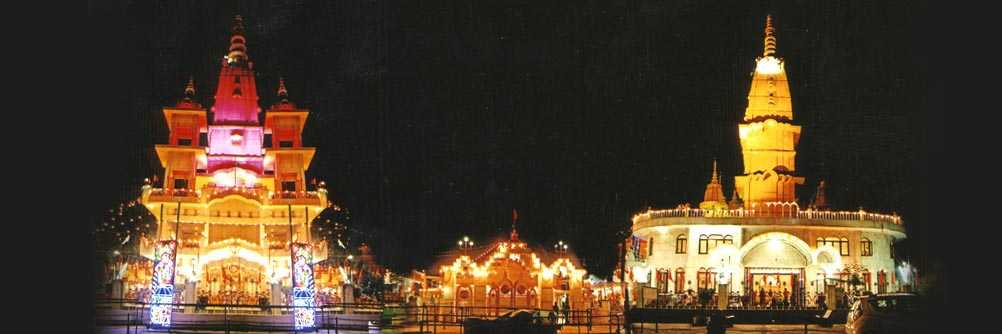
The Augharnath Temple is also known as the Kali Paltan Mandir and is the oldest Shiva temple in the city as well as the most frequented one. The Shiva Linga at this temple is believed to be a Swayambhu or a self-manifested one. The temple’s historical significance stems out from the fact that it played an important role during India’s freedom struggle. Apart from the Shiva Linga, there are shrines for Lord Radha Krishna and Goddess Durga. The temple is flocked by hundreds of devotees on occasions like Mahashivratri and Purnima. The Indian soldiers were referred to as the Kali Paltan or the Black Army during the British colonial rule. This temple is situated very close to the Cantonment area and hence, it was popularly called the Kali Paltan Mandir then. The soldiers would hold their secret meetings and other dealings at this temple and would use the water from the temple well to quench their thirst. During the war, the temple was used to store essentials. There is a war memorial built in the temple premises to honour those who died during the First War of Indian Independence. The old temple was reconstructed in 1968 and a hexagonal hall was added with a 4.5 kg gold-plated kalasha installed in 2001. The temple is open between 6 am and 8:30 pm.

Constructed in white stone, the Digambar Jain temple is one of the oldest temples in the city and dates back thousands of years and houses two important altars. The shrine of Tikal Wale Bala is believed grant all wishes made here. The main idol of Bhagwan Parshwanath is seven feet tall and is a green emerald structure decked in beautiful silks. Five minor altars complete the temple. The snake sculptures that adorn the top are noteworthy and the six-feet tall statue of Lord Mahaveer is stunningly intricate. There are around 720 idols of the 24 teerthankaras with various details found in the sanctum. The Samavsharan Mandir is also a part of the temple complex. The temple complex was recently renovated.

The Saint John’s Church is one of the oldest churches in Northern India as well as one of the biggest with a seating capacity of 3000. The church is built in a very traditional style and has lush greenery surrounding it. Built in 1819, the church was constructed by the East India Company and comes under the diocese of Agra. This church has a typical English Anglican style with a large open interior space and an upper seating area. The wooden pews and kneelers, pretty stained glass window, marble Baptistery, and brass eagle lectern inside the church are original fittings and there is also a non-functioning pipe organ from that era. The church is open between 7 am and 6 pm with the Sunday service at 8:30 am in the summer and at 9:30 am during winters.
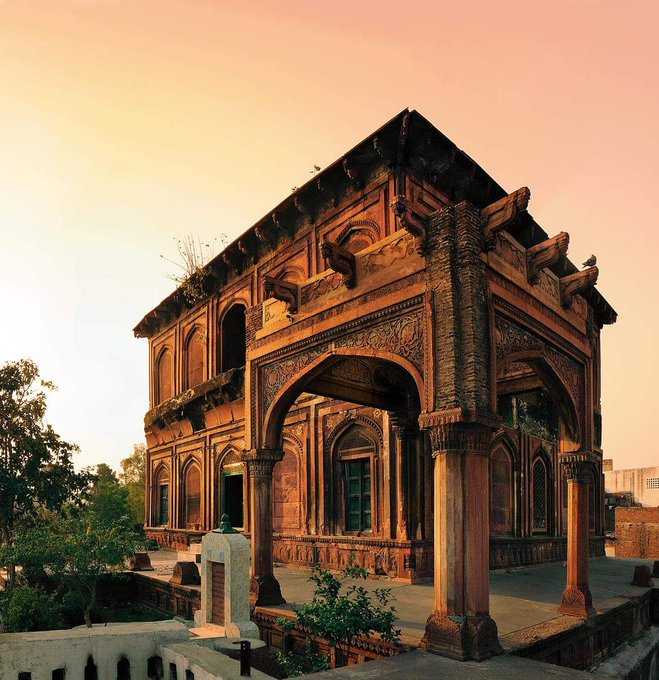
Shapir or Shahpeer Sahab ki Dargah is a mausoleum constructed during Mughal era by Queen Noor Jahan in 1628 to honour a local muslim Hazrat Shahpeer who is said to be the teacher of Emperor Jahangir and physician and advisor to the queen. The monument is built of stark red stones and there is a religious fair held here annually during the month of Ramadan. It is believed that this structure was planned within 24 hours of the death of Shahpeer and is of the oldest tombs, about 450 years old and has been around even before the Taj Mahal was constructed. Glistening red sandstone is used in the construction of the entire tomb with beautiful carvings of traditional motifs and floral designs. The structure is incomplete without a roof, but there are several arches and pillars near the main tomb which could have been in the original plan to close the structure and even with an open roof, rainwater does not reach the main tomb. There are two different theories on why the structure is incomplete. One of them being that Jahangir left for the war in Kashmir where he breathed his last. And, another being Noor Jahan’s fall out with the saint thereby ordering the construction to stop. The local Raja Jahagirdar built a gate for this structure in 1829 and today this is maintained by the Archaeological Survey of India and considered as the National Heritage Monument.
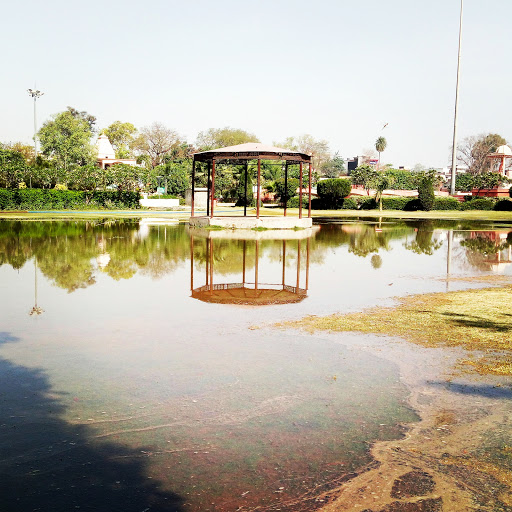
A popular spot, the Suraj Kund Park was built by Lawar Jawaharlal, a businessman, in the early eighteenth century. This green spot is a great place for walking, jogging or even just relaxing. There is an earthen pond called the Kund, which has both historical and mythical significance and the nearby Mansa Devi temple is a must-visit as well. The outer vicinity of the park also has a line of street food stalls and there is the Indian flag and a statue of Swami Vivekananda on its grounds.
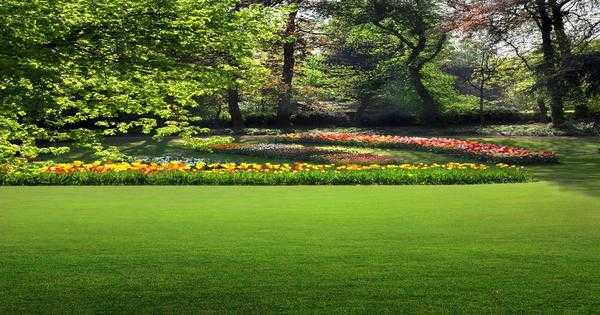
Gandhi Bagh is one of the oldest parks set up by East India Company and is famous for the musical fountain show which happens every evening. Today, the park is maintained by the Meerut Cantonment Board who are adding a beautiful children play area, car rides, boat rides, and even camel rides. The park is lush with greenery with mango, mulberry and bamboo trees and a walking trek path, terracotta park, and cricket ground. The garden is open from 6 am to 8 pm and though there are no entry charges to enter the garden, there are nominal charges for the rides.
Muzaffarnagar
Our next stop, Muzaffarnagar is less than 60 km north of Meerut. Also known as the Sugar Bowl of India and part of the Delhi NCR, it is situated midway on the Delhi – Haridwar/Dehradun National Highway (NH 58) in the middle of the highly fertile upper Ganga-Yamuna Doab region, making it one of the most developed and prosperous cities of Uttar Pradesh. The town was renamed in 1633 from Sarwat or Sarasvatipur by the son of a Mughal commander Sayyid Muzaffar Khan during the reign of Shah Jahan. The town is famous for its paper mills, sugar industry and steel rolling mills and is dotted with some Mughal-era monuments and small temples. The town speaks a dialect known as Khari Boli, which resembles the Haryanvi dialect of Hindi. It is also said that the famed war between the Kauravas and the Pandavas, was fought in the fields of Pachenda with the bases of their army camps now famed as Kaurawali and Pandavli respectively.
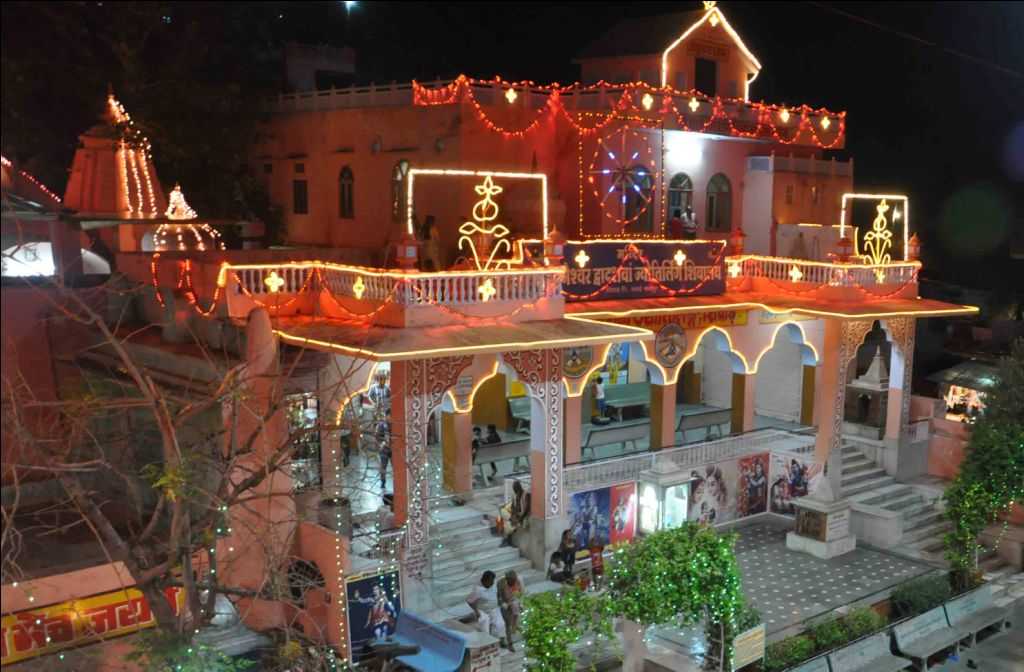
Ganeshdham is a famous temple popular for its 35 feet high statue of Lord Ganesha. With the river Tripatha flowing on one side and the Vat Vraksha on the other, it is a local favourite. There is also a massive statue of Lord Hanuman at the back of the temple. The Bhairon Ka Mandir is a temple dedicated to Lord Bhairo and is known for the Ekadashi Shivlinga, a cluster of different shivlingas. Sankirtan Bhawan is a temple dedicated to Lord Tirupati Balaji, making it the only temple dedicated to the lord in northern India. Also known as Kirtan Bhawan as kirtans or religious hymns are held daily at dusk, the temple provides free food to devotees on a daily basis at around 12 noon and about of 100 thousand poor are fed here every year.

The Akshay Vat Vatika is an enormous banyan tree, about 5100 years old, with roots spreading all around and the height of the tree about 150 feet. It is understood that Sage Sukhdeva, sat under this tree and recited the Puranas to the grandson of Arjun, King Parikshit for 7 days continuously and hence this tree is seen as a symbol of sacredness, truth and forgiveness. The Akshaya Vat is believed not to shed any of its leaves and therefore named as the Tree of Undying Character and newlyweds visit this place as a ritual and tie a red thread around it.
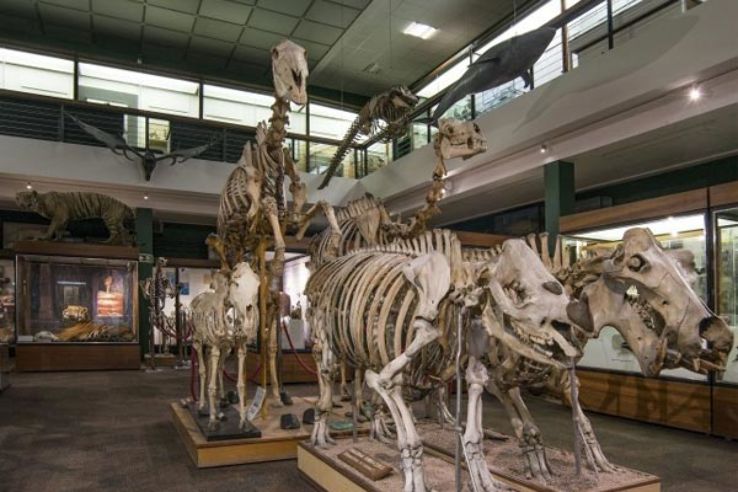
Established in 1970, the Zoology Museum is on the premises of the Sanatan Dharma College. Hosting a variety of species galleries, including fossils and insects with the insect gallery here is the biggest draw as well as a library.

Vahelna is a small village about 4 kms from Muzaffarnagar, famous for the Vahelna Jain Temple. Also known as the Shri 1008 Parshvnath Digamber Jain Atishye Kshetra, the main attraction here is the 31-feet high statue of Lord Parshvanatha. There is a Naturopathy Hospital & Research Centre in the complex. The temple sees a throng of devotees every year on 2 October, the annual day of the temple. According to legend, some thieves who used to rob statues or deities from the temple decided to break into the Vahelna Temple and take away the statue. When they were about to leave the vicinity of the temple, they fell on the ground and lost their eyesight. The next day, people of the village understood the reason behind the statue lying on the ground and from that moment on they knew the real power of Lord Parshvanatha and since then Vahelna became an important pilgrimage site. Apart from the Jain temple, Vahelna also houses a mosque and a Shiva Temple.
We’ll continue to visit more cities as we move eastwards…





/GettyImages-654400557-58ae7ca13df78c345ba39c26.jpg)





 Memories and Such