International Day of Families

Today is the International Day of Families. The day was proclaimed by the UN General Assembly in 1993 and reflects the importance the international community attaches to families. The International Day of Families provides an opportunity to promote awareness of issues relating to families and to increase knowledge of the social, economic and demographic processes affecting families.

Families—both traditional and non-traditional—are the foundation of society. Some of the most formative years of our lives are spent growing up with our families, so they should be celebrated! A parent is the the first and most important teacher in every child’s life. There’s an Indian adage in Sanskrit which goes, “Mata, Pita, Guru, Daivam”. This shows the four most important people in a person’s life – their mother, father, followed by their teacher and finally the divine or God. So the first teacher for a child is his or her mother who is responsible for giving him life and sustaining him. So the importance of family starts at birth and stays constant throughout life. As children grow into their teens and early adulthood, families can be a bedrock of support during times of change. Families meet a child’s physical and emotional needs, model good values to them, provide them with sustenance and protection, advocate for them and offer guidance in all areas of their lives.

Although families all over the world have transformed greatly over the past decades in terms of their structure and as a result of global trends and demographic changes, the United Nations still recognizes the family as the basic unit of society. This day provides an opportunity to promote awareness of issues relating to families and to increase knowledge of the social, economic and demographic processes affecting them. It has inspired a series of awareness-raising events, including national family days. In many countries, this day is an opportunity to highlight different areas of interest and importance to families.

Families are both beneficiaries but most importantly the agents of development. The role of families in development was recognized by the World Summit for Social Development in its Copenhagen Declaration. The message of Copenhagen still rings true after a quarter century of development: “The goals and objectives of social development require continuous efforts to reduce and eliminate major sources of social distress and instability for the family and for society.” Then, governments pledged to “place particular focus on and give priority attention to the fight against the world-wide conditions that pose severe threats to the health, safety, peace, security and well-being of our people”.

The Copenhagen Declaration recognized that the family was the basic unit of society and acknowledged that it plays a key role in development and is entitled to receive comprehensive protection and support. Governments further recognized that the family should be strengthened, with attention to the rights, capabilities and responsibilities of its members. It is important to remind us that the Declaration also recognized that “in different cultural, political and social systems various forms of family exist”.

This year, the 25th anniversary of the World Summit for Social Development, is probably one of the most challenging times globally with the COVID-19 panademic making everything topsy-turvy. We now know that governments world over have to put into place social policies protecting the most vulnerable individuals and families. It is the families who bear the brunt of the crisis, sheltering their members from harm, caring for out of school children and at the same time continuing their work responsibilities. Families become the hub of intergenerational interactions that support us in the crisis. Under economic duress poverty deepens. In times of uncertainty stress increases often resulting in growing violence against women and children. That is why the support for vulnerable families, those who lost income, those in inadequate housing, those with young children, older persons and persons with disabilities is imperative now more than ever. So the theme this year is “Families in Development: Copenhagen & Beijing + 25”.

This year’s celebration of the International Day of Families reminds us that the goals of Copenhagen are still relevant in the rapidly changing world. The World Social Summit as well as the International Year of the Family and its follow-up processes have served as catalysts for integrating a family perspective into overall social policy making. Further advancement of family policy in the context of the 2030 Agenda for Sustainable Development depends on how well issues of family policy are integrated into the overall development planning at national levels. It is imperative that such policies effectively respond to the numerous challenges faced by families in a rapidly changing world now facing an unprecedented global health and social crisis.

How can you observe this day? Today, you can’t get out of the home, so since it’s a day for family, spend more time with your family and today reflect what family means to you. Family can also mean the family you choose – your friends and extended family who love and accept you no matter what.

The International Day of Families is important because it highlights the importance of family in society. A stronger family leads to a stronger community and help each member in the family lead fulfilling lives while caring for each other. Not all families look like yours, but they are also a family. This day bring that reality in focus and helps us understand that different families exist. Finally this day is an opportunity to have conversations with your own family, those serious conversations with your children and significant other which you may have been postponing.

So how will you celebrate this day? Will you have ‘that’ conversation with your family and if yes, which one will that be?

World Book and Copyright Day

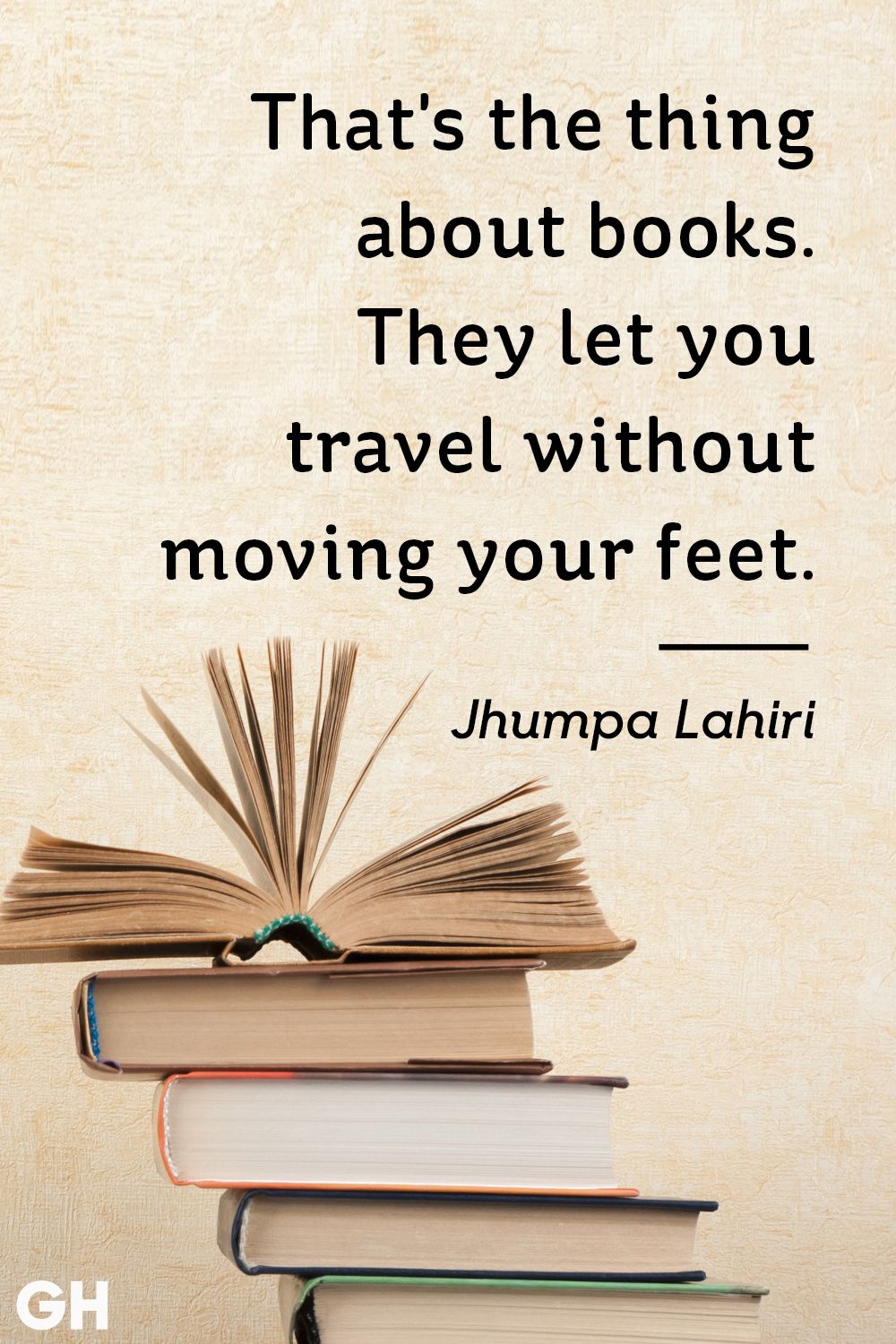
Also known as World Book Day and or International Day of the Book, the World Book and Copyright Day is an annual event organized by the United Nations Educational, Scientific and Cultural Organization or UNESCO to promote reading, publishing, and copyright. World Book Day was first celebrated on 23 April 1995, and continues to be recognized on that day. A related event in the United Kingdom and Ireland is observed in March.

I have written in detail about the event previously here, here and here, so just pop by there for more information on the history of this day.

World Book and Copyright Day is a celebration to promote the enjoyment of books and reading. Each year, on 23 April, celebrations take place all over the world to recognize the scope of books – a link between the past and the future, a bridge between generations and across cultures. On this occasion, UNESCO and the international organizations representing the three major sectors of the book industry – publishers, booksellers and libraries, select the World Book Capital for a year to maintain, through its own initiatives, the impetus of the Day’s celebrations.

The 2020 World Book Capital or WBC is Kuala Lumpur, Malaysia. Kuala Lumpur or KL as it is known in the region, was selected on the recommendation by the World Book capital Advisory Committee, comprising representatives of the International Publishers Association (IPA), the International Federation of Library Associations (IFLA) and UNESCO based on applications received from cities all over the world. To know more, here’s the link to the website of the Kuala Lumpur World Book Capital. Previous World Book Capitals have been Sharjah in 2019, Athens in 2018, Conakry in 2017 and Wroclaw in 2016. UNESCO is also accepting applications for the World Book Capital for 2022 and the deadline for the same is Thursday 25 June 2020 in case anyone is interested for their city to become the WBC. The application form and more information is available on the UNESCO website.

Why April 23? It is because 23 April is a symbolic date in world literature. It is the date on which several prominent authors, William Shakespeare, Miguel Cervantes and Inca Garcilaso de la Vega all died. Therefore this date was a natural choice for UNESCO at its 1995 General Conference, held in Paris, to pay a world-wide tribute to books and authors on this date, encouraging everyone to access books.

Today with schools and other institues of learning closed because of the panademic caused by Covid-19, and people having to limit their time spent outside their homes, it is all the more important that all of us continue to read, to leverage the immense power that books wield and expand their horizons. Books are the best medium to stimulate our minds and creativity, while ensuring we stay inside.

For parents, please take time to read on your own or with your children not just in April, but throughout the year. With your children, celebrate the importance of reading, foster your children’s growth as readers and promote a lifelong love of literature.

Books allow you to travel distances, go to worlds not available on this earth and have zany adventures, all from the comfort of your chair, sofa or bed. Books are the best ways to allow your imagination to soar and combat the lonliness that most of us are feeling right now.

As someone who loves reading, I can’t emphasise books enough. Today when electronic gadgets affect our minds to the extent that we get bored in a matter of minutes, a good book, which can capture and sustain our interest for a few hours is invaluable. We read and then we grow our minds, our thinking not only becomes critical, we also become open to other view points.

From a parents perspective, reading is essential for a child’s mental well-being. I remember dragging myself down to our community library about 15 days post partum, armed with BB & GG’s birth certificates to get them their own library cards. I also used to borrow books for them on a weekly basis until they were old enough to borrow their own books.

A 2019 study published in the US found that parents who regularly read with their toddlers were less likely to be overly harsh with them and the children more likely to be better behaved. Of course, we all know that a child who reads performs better academically. A European study published earlier this year in February suggested that children and teens who read a good quality book daily may benefit from improved academic performance at school. Reading naturally improves your language and it doesn’t just have to be English, but yes, that’s the language that has the biggest benefit because we generally tend to read more in this language. But if you want to improve any langague, read more in that language and see how your spoken and written skills bloom. Reading can also improve children’s receptive language skills. A British study which reviewed 40 years of reading intervention studies from the US, South Africa, Canada, Israel and China, found that children who were read to at a young age showed improved receptive language skills, which is the ability to understand information. The children who were read to also showed smaller but still positive improvements in their expressive language, which is how a child puts their thoughts into words such as vocabulary and grammar, and pre-reading skills, such as how words are structured.

So there you have it, the benefits of reading and what a good book does to you. So spend this time where we are quarantined, locked down or just advised not to venture out with a good book and read together as a family! Sit in a comfortable position, grab a good book, have some hot coffee or tea next to you with some snacks and read away! Aah, bliss!!!

International Mother Earth Day

Our planet is at a turning point. The massive global migration underway now from countryside to cities demands huge investments in energy, water, materials, waste, food distribution and transportation. At the same time, we are dealing with the fight against carbon emissions, climate change, air pollutants, marine debris and contaminated ground water.

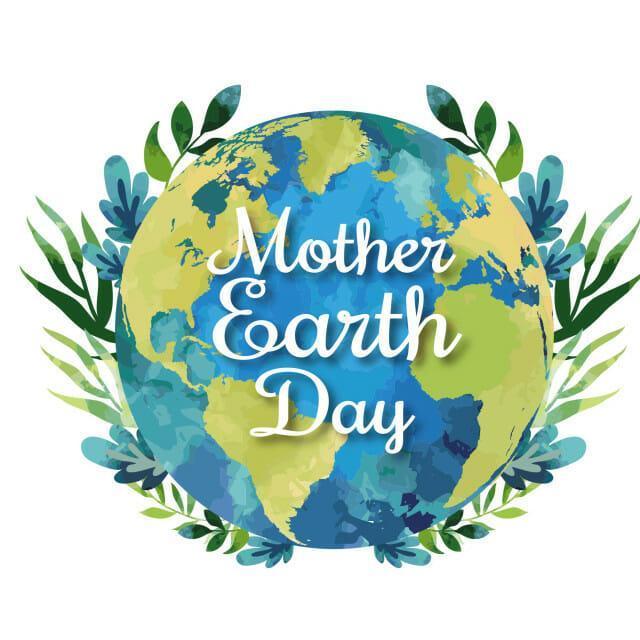
Today, the 22nd of April is celebrated as International Mother Earth Day. This day is a globally celebrated holiday that often extends into Earth Week – a full seven days of events focused on green awareness. Typically on April 22 men, women, and children around the world will collect garbage, plant trees, clean up coral reefs, show movies, sign petitions, and plan for a better future for our planet.

Mother Earth is a common expression for the planet Earth in a number of countries and regions, which reflects the interdependence that exists among human beings, other living species and the planet we all inhabit. The Earth and its ecosystems are our home. In order to achieve a just balance among the economic, social, and environmental needs of present and future generations, it is necessary to promote harmony with nature and the Earth.

Source

International Mother Earth Day is celebrated to remind each of us that the Earth and its ecosystems provide us with life and sustenance. It promotes the view that the Earth as an entity sustains all living things found in nature. Shared responsibilities and inclusiveness is at the heart of this day which allows us to rebuild man’s troubled and fractured relationship with nature. This cause can also unite people across nations as it is a common cause not dependant on existing strife and enemity. Today, more than ever, we need to remember what the Earth does for us and what we have given back to the Earth.

This Day also recognizes a collective responsibility, as called for in the 1992 Rio Declaration, to promote harmony with nature and the Earth, to achieve a just balance among the economic, social and environmental needs of present and future generations of humanity. The International Mother Earth Day provides an opportunity to raise public awareness around the world to the challenges regarding the well-being of the planet and all the life it supports.

The United Nations designated 22 April as International Mother Earth Day through a resolution adopted in 2009, joining civic groups that celebrated Earth Day earlier. The resolution recognises that “the Earth and its ecosystems are our home” and that “it is necessary to promote harmony with nature and the Earth.” The term Mother Earth is used because it “reflects the interdependence that exists among human beings, other living species and the planet we all inhabit”

In fact, the original roots go back to 1970 with the first American protests against air pollution due to amounts of leaded gas through massive and inefficient automobiles and irresponsible industries. Environmental protection was not a priority of the political agenda. Soon awareness of environment grew and the movement went global, especially during the nineties, with more than 140 countries joining the initiative through different environmental platforms. In 1992, the Rio Declaration on Environment and Development, and the Statement of principles for the Sustainable Management of Forests were adopted by more than 178 Governments at the Rio de Janeiro Earth Summit, the first major conference in which Sustainable Development was the main issue discussed by member states.

Today many companies are implementing strategic ecological thinking as part of their strategy to be responsible global businesses. How can all of us be ecological warriors in our own small ways?

We should avoid driving and take public transportation when we leave our homes. Organisations should also allow employees to work remotely, which is what is happening in a huge way today. I really hope that once organisations see how effective remote working is, they do this even after we beat Covid-19 and lockdowns across the world are lifted. Building authorities across the world should look and mandate green materials when building or renovating. Everyone should avoid printing unnecessarily and if you do need to print anything, print it on both sides of the paper and also use paper that has been certified as being made from recycled paper. Recycle and upcycle everything you can including paper, clothes, bottles and cans. Save energy by turning off computers monitors, printers, copiers and lights at the end of each working day in your workplace and all switches which are not being used at home. You should also remove plugs when not needed. If you are using airconditioning, make sure you don’t keep the thermostat lower than 24 or 25 degrees celcius and also use a timer to maximise efficiency.

Did you know?
Recycling one aluminum can saves enough electricity to run a TV for 3 hours
Recycling one glass bottle or jar saves enough electricity to light a 100-watt bulb for four hours
Recycling one ton of plastic saves the equivalent of 1,000–2,000 gallons of petrol
More than 30 million trees are cut down to produce a year’s supply of newspapers
Recycling a pound of steel saves enough energy to light a 60-watt light bulb for 26 hours.
One drip per second from a faucet wastes 540 gallons of water a year.
It takes between 400 and 500 years for a Styrofoam cup to decompose. It takes an orange peel six months to decompose.
Using recycled glass uses 40% less energy than making products from all new materials.

A ton of paper made from recycled paper saves:
7,000 gallons of water
Between 17 and 31 trees
60 pounds of air pollutants

There’s an old Cree Indian proverb which is very apt here as an ending to this post – Only after the last tree has been cut down; Only after the last river has been poisoned; Only after the last fish has been caught; Only then can you find that money can’t be eaten. Remember we don’t have a Planet B!

World Health Day

The word ‘health’ comes from the old English ‘hale’ which means ‘whole’ or ‘complete’. The World Health Organisation or WHO has given an international definition of health: “Health is a state of complete physical, mental and social well-being and not merely the absence of disease or infirmity.”

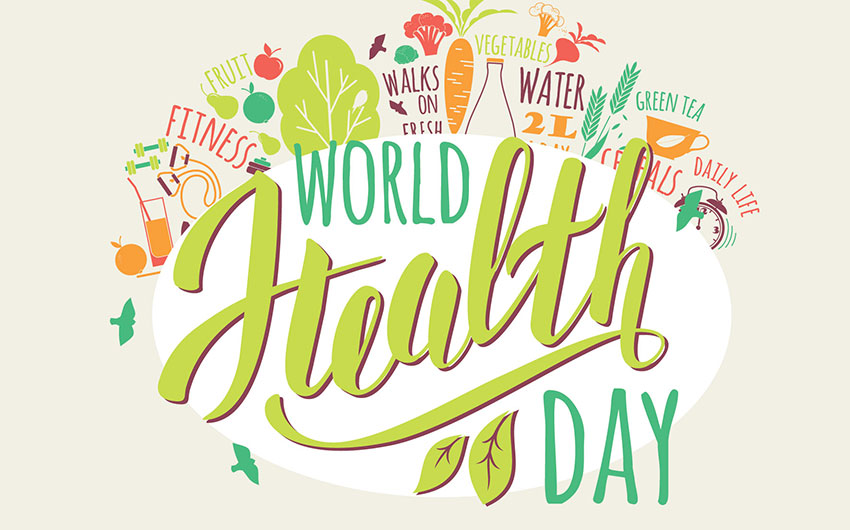
Tomorrow, April 07 marks the celebration of World Health Day. A global health awareness day, this day, held to mark the founding of the World Health Organisation is celebrated every year and is aimed to create awareness of a specific health theme to highlight a priority area of concern for the WHO. On this day, the WHO organizes international, regional and local events on the Day related to a particular theme. World Health Day is acknowledged by various governments and non-governmental organizations with interests in public health issues, who also organize activities and highlight their support in media reports, such as the Global Health Council. The World Health Day is one of eight official global health campaigns marked by WHO, along with World Tuberculosis Day, World Immunization Week, World Malaria Day, World No Tobacco Day, World AIDS Day, World Blood Donor Day, and World Hepatitis Day. Over the past 50 years this has brought to light important health issues such as mental health, maternal and child care, and climate change. The celebration is marked by activities which extend beyond the day itself and serves as an opportunity to focus worldwide attention on these important aspects of global health.

Why is health important? The way the body works depends on a person’s health. The body is designed to deal with everyday obstacles in order to be able to live life to the full, but poor health makes these everyday obstacles become larger and more difficult to overcome. For some the odds of leading a healthy life are stacked against them from the start. Health is important to everything a person does. Poor health affects people differently.

Health is also often thought of in terms of illnesses which endanger it like AIDs, Malaria and Tuberculosis – three of the most devastating diseases and today we could probably include Covid-19 which is has been the deadliest disease our generation has seen which has now been called a pandemic as it has extended over pretty much all continents with the exception of Antartica. The world we live in is a world that is increasingly interconnected and though this brings many benefits it also brings responsibility. Health is a shared responsibility, which means ensuring equal access to essential healthcare and collective action to health threats in different countries to look after those that are sick and to stop deseases from spreading.

The theme for the 2020 edition is a focus on health support staff with the theme being “Support Nurses and Midwives”. World Health Day 2020 will shine a light on the vital role played by nurses and midwives in providing health care around the world, and call for a strengthening of the nursing and midwifery workforce. There was supposed to be “dawn to dusk” advocacy events held around the world to mark World Health Day, but given the conditions we now live in and with health workers globally being streteched thin, I doubt if this is possible. There was supposed to be the launch of the first ever State of the World’s Nursing Report 2020, a report which will provide a global picture of the nursing workforce and support evidence-based planning to optimise the contributions of this workforce to improve health and wellbeing for all. This report will provide a global picture of the nursing workforce and support evidence-based planning to optimize the contributions of this workforce to improve health and wellbeing for all and to make meaningful progress toward UHC and the SDGs. The report will set the agenda for data collection, policy dialogue, research and advocacy, and investment in the health workforce for generations to come. A similar report on the Midwifery workforce will be launched in 2021.

The WHO has also designated 2020 as the Year of the Nurse and the Midwife and the 2020 theme follows this. Nurses and midwives play a vital role in providing health services. These are the people who devote their lives to caring for mothers and children; giving lifesaving immunizations and health advice; looking after older people and generally meeting everyday essential health needs. They are often, the first and only point of care in their communities. The world needs 9 million more nurses and midwives if it is to achieve universal health coverage by 2030. This is why 2020 has been designated the year of the nurse and midwife.

Educating nurses and midwives to international standards makes economic sense. It saves resources by reducing the need for costly and unnecessary interventions and increases quality of care and health for all. Strengthening nursing and midwifery – and ensuring that nurses and midwives are enabled to work to their full potential – is one of the most important things countries can do to achieve universal health coverage and improve health globally. This is especially true in times of epidemics as we are in now. By developing nursing and midwifery, countries can achieve the triple impact of improving health, promoting gender equality and supporting economic growth. Strengthening nursing and midwifery will have the additional benefits of promoting gender equity (SDG5), contributing to economic development (SDG8) and supporting other Sustainable Development Goals.

The goals for World Health Day 2020 include triggering a wave of public appreciation for the work of nurses and midwives and the part they play in delivering health care; raise the profile of nurses and midwives within the health workforce and catalyse support and investment in nurses and midwives.

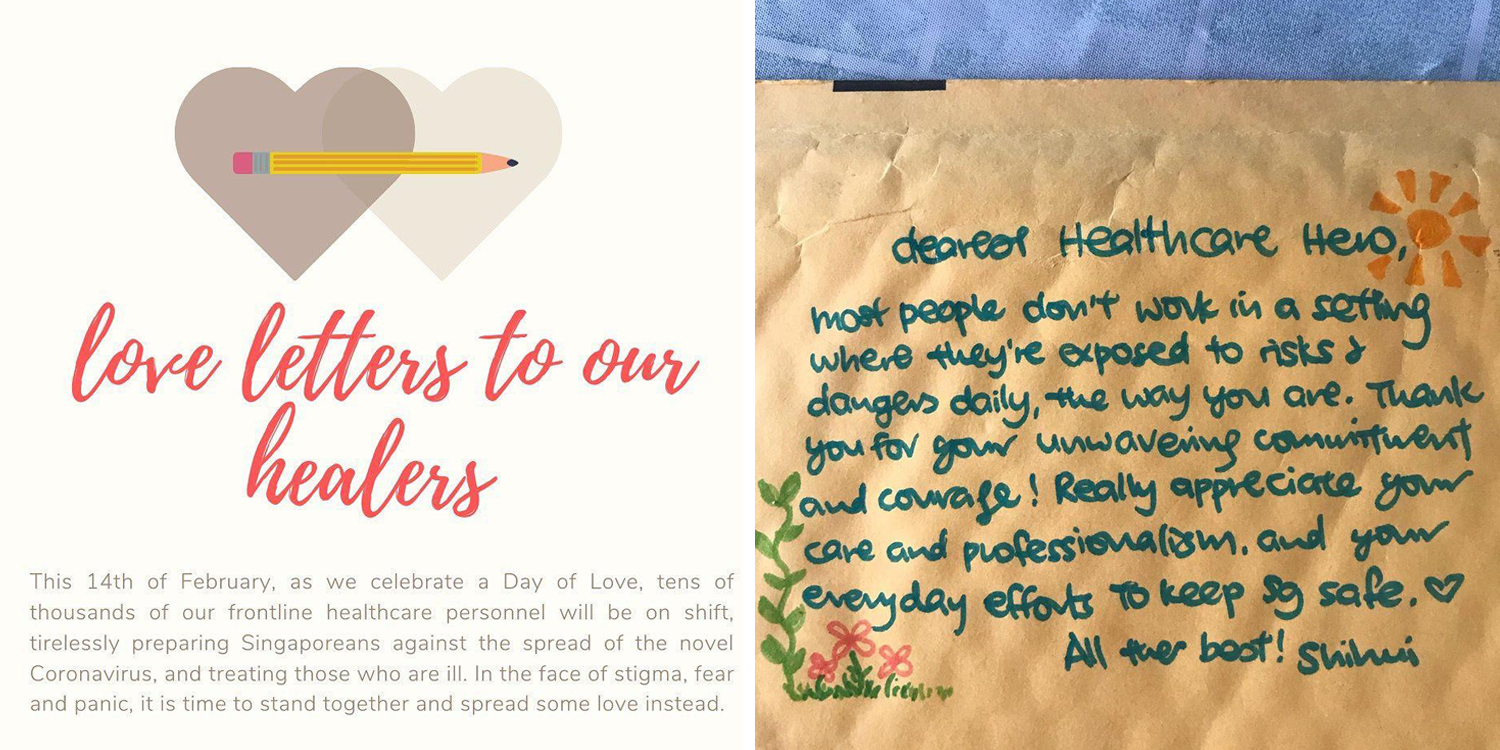
Tomorrow, please remember to thank all healthcare workers in your country. They are risking their lives on a daily basis and in many countries don’t have access to proper preventive personal equipment just so they can save our lives!

The healthcare workers are the superheros of our times!

World Autism Awareness Day

Yesterday, 02 April was the World Autism Awareness Day worldwide and this day has been commemorated since 2008 to raise awareness about people with Autism Spectrum Disorder (ASD) throughout the world. This day brings individual autism organizations together all around the world to aid in things like research, diagnoses, treatment, and acceptance for those affected by this developmental disorder.

Someone in my family recently had their toddler diagnosed with ASD and so this topic is something that is quite close to my heart. When I started researching on this topic, I realised that World Autism Day was close, hence this blog post to showcase and bring more awareness to this developmental disorder.

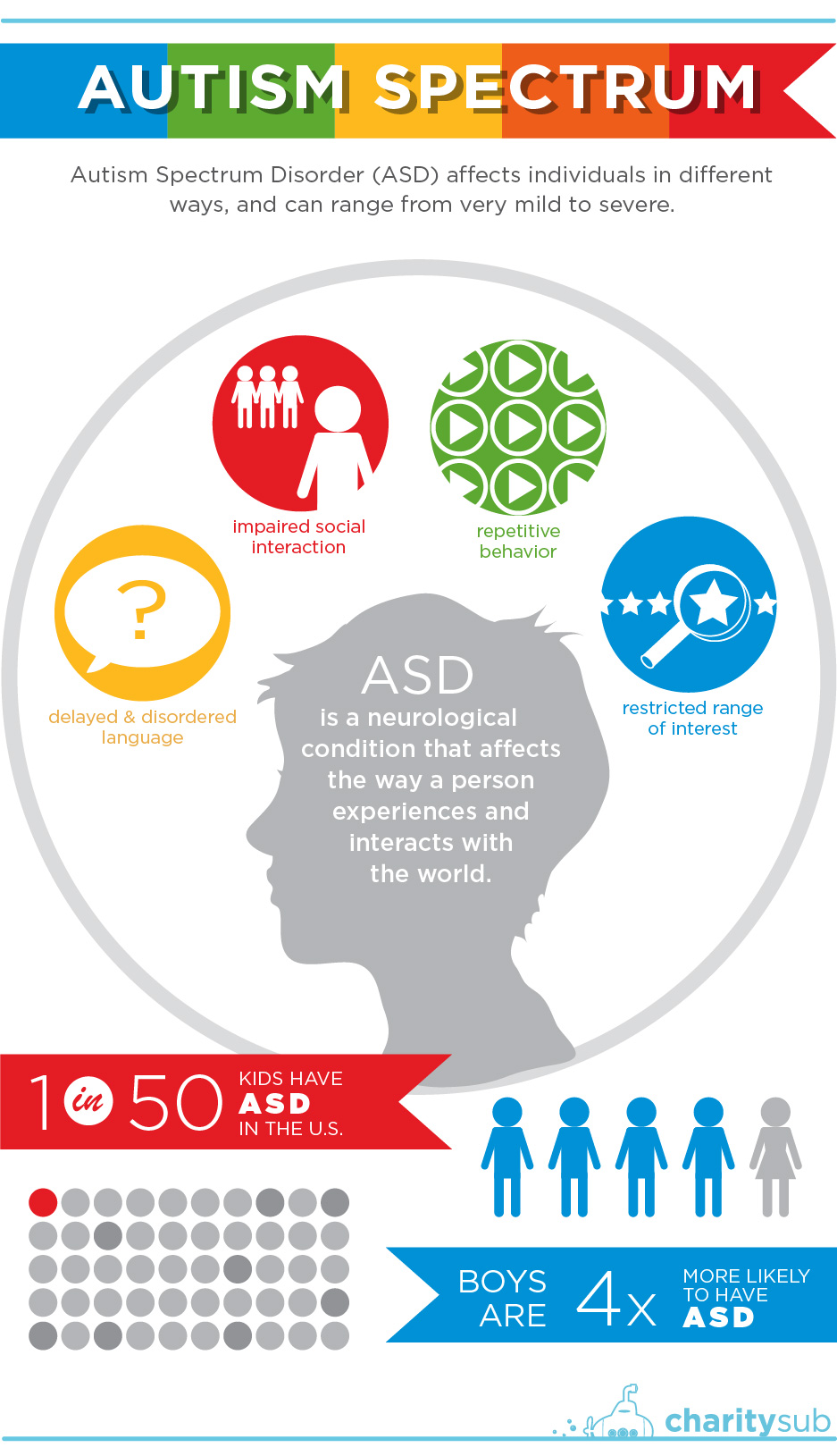
So what actually is Autism Spectrum Disorder or ASD? Autism is a lifelong, developmental disability that affects how a person perceives the world, communicates with and relates to other people, and how they experience the world around them. The spectrum refers to a range of conditions which are characterised by some degree of impaired social behaviour, communication and language and a narrow range of interests and activities that are both unique to the individual and carried our repetitively. Autistic people see, hear and feel the world differently to other people. If you are autistic, you are autistic for life; autism is not an illness or disease and cannot be ‘cured’. Often people feel being autistic is a fundamental aspect of their identity. ASDs begin in childhood and tend to persist into adolescence and adulthood. In most cases the conditions are apparent during the first 5 years of life.

Autism is a spectrum condition. All autistic people share certain difficulties, but being autistic will affect them in different ways. Some autistic people also have learning disabilities, mental health issues or other conditions, meaning people need different levels of support. All people on the autism spectrum learn and develop. With the right sort of support, all can be helped to live a more fulfilling life of their own choosing.

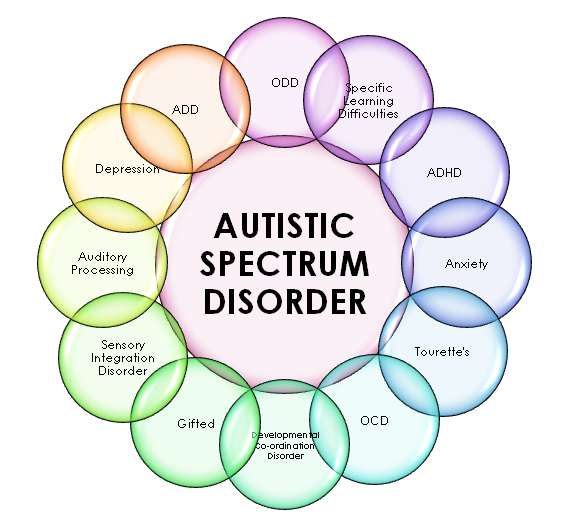
Individuals with ASD often present other co-occurring conditions, including epilepsy, depression, anxiety and attention deficit hyperactivity disorder (ADHD). The level of intellectual functioning in individuals with ASDs is extremely variable, extending from profound impairment to superior levels.

Autism is actually more common than we think. In 2018, the CDC determined that approximately 1 in 59 children is diagnosed with an ASD. It is estimated that worldwide one in 160 children has an ASD, though it may be reported lower in many less developed countries. Autism hits boys harder than girls with 1 in 37 boys and 1 in 151 girls diagnosed with an ASD. Boys are four times more likely to be diagnosed with autism than girls. And most children are still being diagnosed after age 4, though autism can be reliably diagnosed as early as age 2. 31% of children with ASD have an intellectual disability with an intelligence quotient or IQ of below 70, 25% are in the borderline IQ range of between 71-85 and 44% have IQ scores in the average to above average range of more than 85. Autism does not discriminate and affects all ethnic and socioeconomic groups, though minority groups tend to be diagnosed later and less often. If you suspect a child is autistic, please reach out to their healthcare provider as it has been proven that early intervention affords the best opportunity to support healthy development and deliver benefits across the lifespan. Also you can’t detect or even predict autism.

Studies over the last 50 years have shown the prevelance of ASD to be increasing globally. There are many possible explanations for this apparent increase, including improved awareness, expansion of diagnostic criteria, better diagnostic tools and improved reporting.

So what makes someone on the spectrum? Research indicates there are probably many factors which make a child likely to have an ASD including genetic and the environment. If the child is born to older parents, the child is at a higher risk to be on the autisim spectrum. Parents who have a child with ASD have a 2 to 18 percent chance of having a second child who is also affected. Studies have also shown that among identical twins, if one child has autism, the other will be affected about 36 to 95 percent of the time. In non-identical twins, if one child has autism, then the other is affected about 31 percent of the time. Researchers have done extensive research over the last two decades on the link between childhood vaccinations and autism. The results of this research are clear: Vaccines do not cause autism. So please people, if you are on the fence on this, please do your research and do vaccinate your child for the health of them and the community you live in.

Autistic people see the world differently compared to you and me. Some autistic people say the world feels overwhelming and this can cause them considerable anxiety. In particular, understanding and relating to other people, and taking part in everyday family, school, work and social life, can be harder. Other people appear to know, intuitively, how to communicate and interact with each other, yet can also struggle to build rapport with autistic people. Autistic people may wonder why they are ‘different’ and feel their social differences mean people don’t understand them. Autistic people often do not ‘look’ disabled. Some parents of autistic children say that other people simply think their child is naughty, while adults find that they are misunderstood.

The world can seem a very unpredictable and confusing place to autistic people, who often prefer to have a daily routine so that they know what is going to happen every day. They may want to always travel the same way to and from school or work, or eat exactly the same food for breakfast. The use of rules can also be important. It may be difficult for an autistic person to take a different approach to something once they have been taught the ‘right’ way to do it. People on the autism spectrum may not be comfortable with the idea of change, but may be able to cope better if they can prepare for changes in advance.

Many autistic people have intense and highly-focused interests, often from a fairly young age. These can change over time or be lifelong, and can be anything from art or music, to trains or computers. An interest may sometimes be unusual. One autistic person loved collecting rubbish, for example. With encouragement, the person developed an interest in recycling and the environment. Many channel their interest into studying, paid work, volunteering, or other meaningful occupation. Autistic people often report that the pursuit of such interests is fundamental to their wellbeing and happiness.

Autistic people may also experience over- or under-sensitivity to sounds, touch, tastes, smells, light, colours, temperatures or pain. For example, they may find certain background sounds, which other people ignore or block out, unbearably loud or distracting. This can cause anxiety or even physical pain. Or they may be fascinated by lights or spinning objects.

Early diagnosis and intervention can improve learning, communication and social skills, as well as underlying brain development. Intervention during early childhood is important to promote the optimal development and well-being of people with an ASD. Applied behavior analysis (ABA) and therapies based on its principles are the most researched and commonly used behavioral interventions for autism. Many children affected by autism also benefit from other interventions such as speech and occupational therapy. Developmental regression, or loss of skills, such as language and social interests, affects around 1 in 5 children who will go on to be diagnosed with autism and typically occurs between ages 1 and 3.

It is important that, once identified, children with an ASD and their families are offered relevant information, services, referrals, and practical support according to their individual needs. There is no known cure for ASD. Evidence-based psychosocial interventions, however, such as behavioural treatment and skills training programmes for parents and other caregivers, can reduce difficulties in communication and social behaviour, with a positive impact on the person’s well-being and quality of life.

The health-care needs of people with ASD are complex and require a range of integrated services, including health promotion, care, rehabilitation services, and collaboration with other sectors such as education, employment and social care. Interventions for people with ASD and other developmental disorders need to be accompanied by broader actions for making their physical, social, and attitudinal environments more accessible, inclusive and supportive.

Parenting an autistic child is not without challenges. An estimated one-third of people with autism are nonverbal. 31% of children with ASD have an intellectual disability with significant challenges in daily function. Nearly half of those with autism wander or bolt from safety while nearly two-thirds of children with autism between the ages of 6 and 15 have been bullied. Nearly 28 percent of 8-year-olds with ASD have self-injurious behaviors. Head banging, arm biting and skin scratching are among the most common. Drowning remains a leading cause of death for children with autism and accounts for approximately 90 percent of deaths associated with wandering or bolting by those age 14 and younger.

Parents also find that those with ASD also have other medical and mental health issues as autism
can affect the whole body. Attention Deficient Hyperactivity Disorder (ADHD) affects an estimated 30 to 61 percent of children with autism and more than half of children with autism have one or more chronic sleep problems. Anxiety disorders affect an estimated 11 to 40 percent of children and teens on the autism spectrum. Depression affects an estimated 7% of children and 26% of adults with autism while children with autism are nearly eight times more likely to suffer from one or more chronic gastrointestinal disorders than are other children. As many as one-third of people with autism have epilepsy (seizure disorder). Studies suggest that schizophrenia affects between 4 and 35 percent of adults with autism. By contrast, schizophrenia affects an estimated 1.1 percent of the general population. It’s not just in childhood, autism-associated health problems extend across the life span – from young children to senior citizens. Nearly a third (32 percent) of 2 to 5 year olds with autism are overweight and 16 percent are obese. By contrast, less than a quarter (23 percent) of 2 to 5 year olds in the general population are overweight and only 10 percent are medically obese.

ASD also has a social and economic impact. ASDs may significantly limit the capacity of an individual to conduct daily activities and participate in society. ASDs often negatively influence the person’s educational and social attainments as well as employment opportunities. While some individuals with ASD are able to live independently, others have severe disabilities and require life-long care and support. This imposes a significant emotional and economic burden on people with these disorders and their families. Caring for children with a severe form of the condition may be demanding, especially where access to services and support are inadequate. Therefore the empowerment of caregivers is increasingly being recognized as a critical component of care for children with ASD.

Other than a social and economic impact, those with an ASD and their parents and caregivers also suffer from backlash in society. They are often subject to stigma and discrimination in all areas of their lives, including sometimes an unjust deprivation of health care, education and opportunities to engage and participate in their communities. People with ASD have the same health problems that affect the general population. Furthermore, they may have specific health-care needs related to ASD or other co-occurring conditions. They may be more vulnerable to developing chronic noncommunicable conditions because of behavioural risk factors such as physical inactivity and poor dietary preferences, and are at greater risk of violence, injury and abuse. Those with ASD have higher rates of unmet health-care needs compared with the general population. They are also more vulnerable during humanitarian emergencies. A common barrier is created by health-care providers’ inadequate knowledge of ASD and misconceptions.

The theme for the day in 2020 draws attention to issues of concern related to the transition to adulthood, such as the importance of participation in youth culture and the community self-determination and decision-making, access to post-secondary education and employment, and independent living. Becoming an adult is typically equated with becoming a full and equal participant in the social, economic and political life of one’s community. However, the transition to adulthood remains a significant challenge for persons with autism because of the lack of opportunities and support devoted to this phase of their life. As a result, the completion of high school, when education and other supported services provided by some governments tend to cease, has often been likened to “falling off a cliff”.

Wear blue today to support and raise awareness for this developmental disorder. Use social media to promote awareness and talk to the people around you and let them know how they can support those who are on the spectrum within their communities. These individuals, especially the children and young adults deserve your support so they too can become contributing members of our society.