Festivals of India: International Sand Art Festival

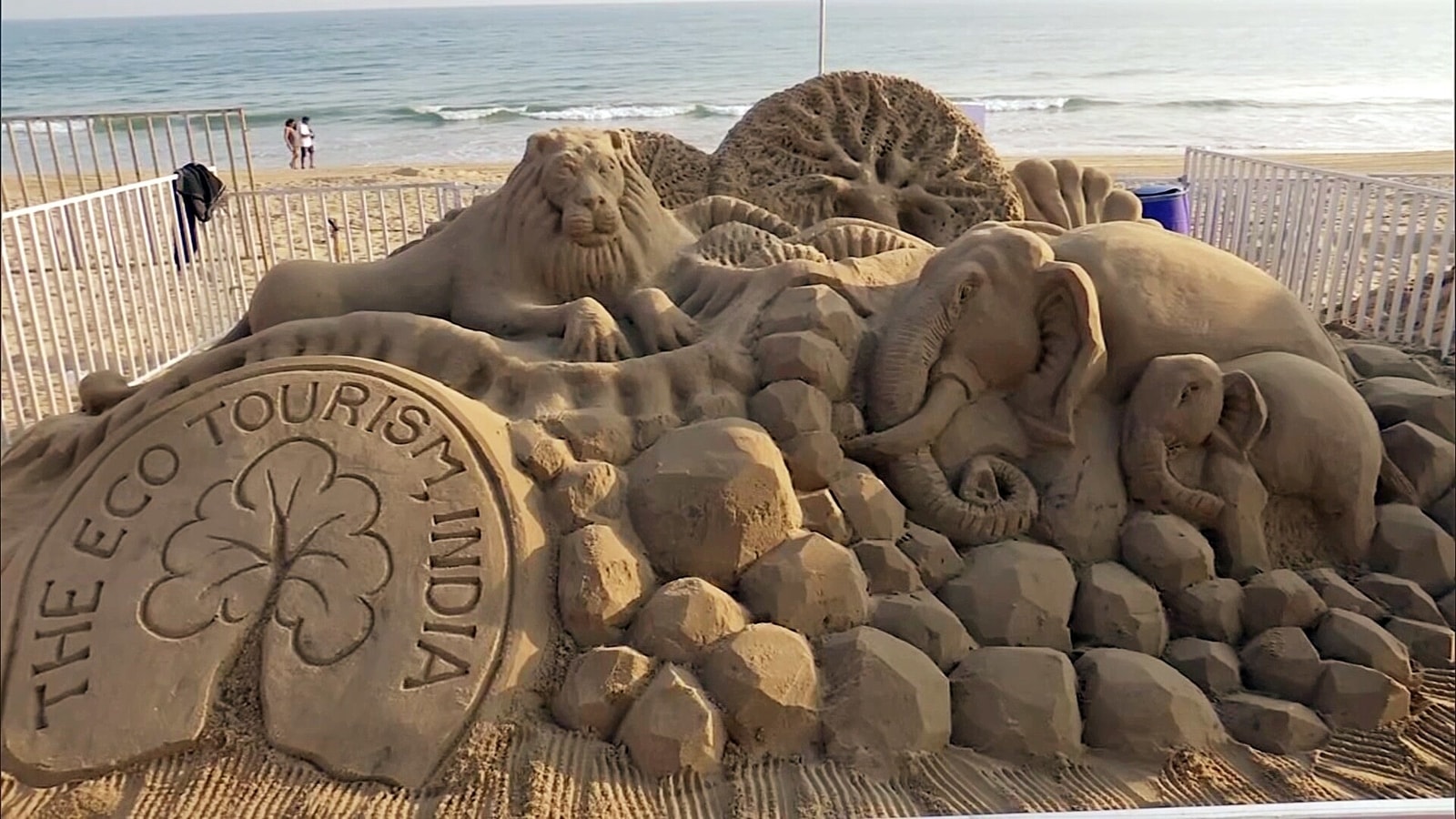
The International Sand Art Festival, held annually from November 24 to December 1, in Odisha, is a testament to the boundless creativity of artists who craft delicate sculptures from the most humble of materials—sand. This unique festival, which takes place on the shores of Chandrabhaga Beach in Konark, has been captivating the hearts of visitors and art enthusiasts from around the world since its inception. This annual event transforms ordinary grains of sand into magnificent masterpieces of creativity and imagination.

The festival is set against a stunning backdrop—Chandrabhaga Beach. Known for its pristine beauty and tranquil ambience, this beach, nestled in the coastal town of Konark with its golden sands, provides the perfect canvas for the artists’ sand sculptures to come to life.

At the heart of the International Sand Art Festival lies the legacy of one man, Sudarsan Pattnaik. A renowned sand artist hailing from Odisha, Pattnaik has not only earned international acclaim for his sand sculptures but has also been a driving force behind the festival’s inception and continued success.

The International Sand Art Festival began as a modest local event in Puri, Odisha, in the early 1990s, primarily showcasing the talents of Sudarsan Pattnaik and his students. Over the years, it grew in stature, attracting sand artists from India and beyond. In 2011, the festival found its current home on Chandrabhaga Beach, offering artists a larger canvas and a stunning coastal backdrop.

Each year, the festival adopts a specific theme, guiding artists to create sculptures that resonate with the chosen motif. Themes have ranged from environmental conservation to cultural heritage, and artists draw inspiration from a wide array of sources.
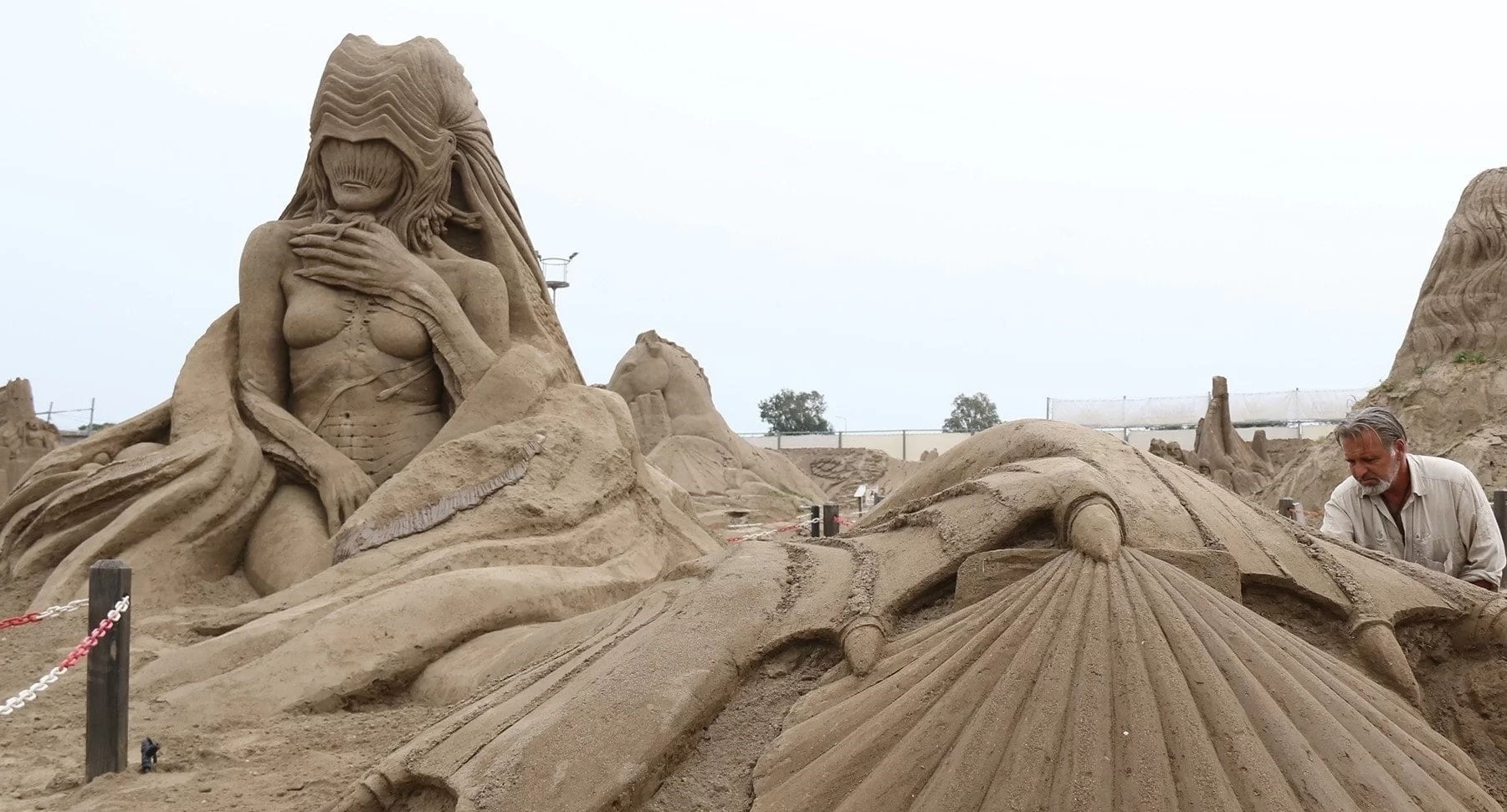
Artists begin with an empty patch of sand, meticulously sculpting their visions using only sand and water. The delicate nature of the medium demands precision and patience, as sculptors must work quickly before the sand dries. The festival showcases a diverse range of sculptures, from intricate figurines and lifelike portraits to towering structures that seem to defy gravity. The level of detail that artists achieve with grains of sand is nothing short of awe-inspiring. Alongside local talents like Sudarsan Pattnaik, the festival often attracts renowned sand artists from around the world. Their participation adds an international flair to the event, fostering cross-cultural exchange and artistic collaboration.

In 2023, the International Sand Art Festival will embrace the theme of “Celebrating Cultural Heritage.” This theme invites artists to explore and depict the rich tapestry of cultural diversity that defines India and the world. Through their sand sculptures, artists pay homage to the traditions, rituals, and artistic expressions that have shaped our collective heritage.

The theme highlights the importance of preserving and celebrating cultural heritage in a rapidly changing world. It serves as a reminder that our past informs our present and shapes our future. By showcasing the cultural heritage of different regions and communities, the festival encourages dialogue and understanding among people from diverse backgrounds. It fosters an appreciation for the beauty of our shared human heritage. Sand art transcends language barriers, allowing artists to communicate complex cultural narratives through their sculptures. It demonstrates the power of art to convey messages and emotions across cultures. The theme inspires artists and visitors alike to reflect on the significance of their cultural backgrounds and the contributions of diverse cultures to our global society.

The festival plays a pivotal role in promoting art and culture, not only in Odisha but on a global scale. It showcases the immense artistic talent of sand sculptors and fosters an appreciation for the arts. The festival draws tourists from all over the world, benefiting the local economy and supporting tourism-related businesses in Odisha. It serves as a platform for cultural exchange, allowing artists from different parts of India and the world to come together, share their perspectives, and learn from one another. The festival engages the local community in various ways, from providing opportunities for local artisans to showcase their crafts to offering art workshops for children.

The International Sand Art Festival, with its mesmerizing sculptures and cultural celebrations, reminds us of the power of art to bridge divides, celebrate diversity, and inspire generations. In the delicate grains of sand sculpted into intricate forms, we find not only beauty but also a profound message – that creativity knows no bounds and that cultural heritage is a treasure to be cherished and shared.
Short Story: A Mother’s Service

The aroma of brewing coffee provided a fleeting moment of solace as Alice moved through the kitchen. She found herself mechanically going through the motions, preparing breakfast for her family. The weight in her chest mirrored the heaviness in the atmosphere. Today marked the beginning of a significant chapter in Daniel’s life, and Alice couldn’t shake the mix of emotions coursing through her.

As the family gathered around the breakfast table, the usual lively chatter felt subdued. Daniel, normally brimming with energy, seemed quieter today. His younger sister, Chloe, glanced at him with wide, worried eyes. Simon, Alice’s husband, attempted to lighten the mood with small talk, but the unspoken tension hung in the air.

After the simple family breakfast, the car ride to the Pasir Ris Bus Interchange was marked by intermittent silence. Daniel stared out the window, his thoughts known only to him. Alice couldn’t help but steal glances at her son, marvelling at the young man he had become. Memories of his childhood flashed through her mind, and she couldn’t believe how quickly time had passed.

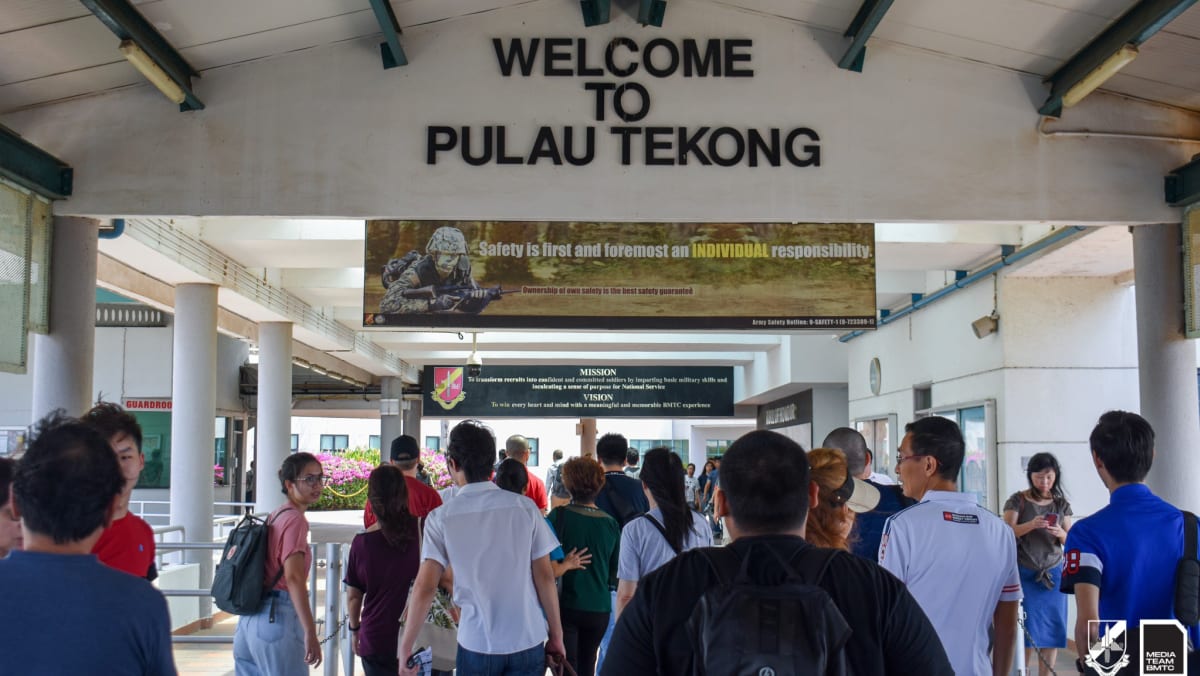
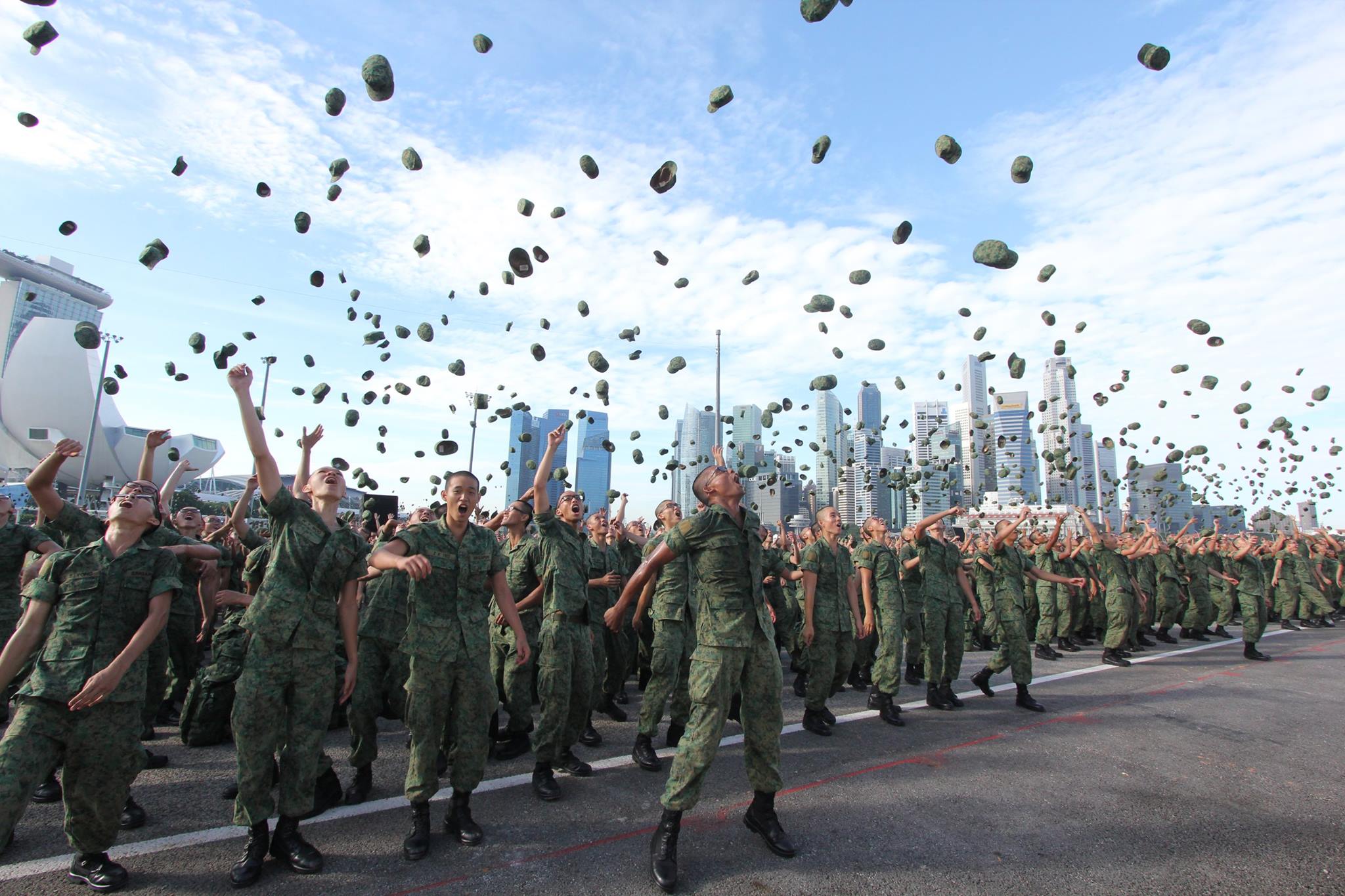
Upon reaching the bus interchange, the gravity of the moment became tangible. Alice’s heart felt as if it were in her throat as they navigated through the procedural steps of enlistment. Soon it was time to board the ferry to reach Pulau Tekong. After the oath-taking ceremony, the family had one last meal together and then it was time.

As they stood in the waiting area, families embracing their loved ones, Alice took a deep breath, willing herself to be strong for Daniel. She held back tears, knowing that this was a day he had been anticipating, a day that marked his entry into adulthood and service to his nation.

Source

Finally, the time arrived for the recruits to bid farewell to their families. Alice hugged Daniel tightly, fighting back tears. “Make us proud, Daniel,” she whispered into his ear. His response was a determined nod, a silent promise that he took with him as he joined the ranks of his fellow recruits.

The initial two weeks passed like a blur for Alice. The silence at home was deafening, and the absence of Daniel’s laughter was a constant reminder of his newfound commitment. Phone calls and video calls between Daniel and his family brought comfort to both of them. He spoke about the challenges of Basic Military Training, BMT, the camaraderie with his platoon, and the physical demands that were pushing him to his limits.

Soon, it was time for Daniel’s Passing Out Parade or POP. Daniel had already told his family about the route march and where they would stop for breaks. Alice, Simon and Chloe made their way to where they would hope to see Daniel. While waiting with other parents and families, Alice could not help but share in their son’s journeys with the other mothers.

As Daniel’s platoon approached, Alice’s heart swelled with emotion. She spotted her son, his face adorned with a mix of exhaustion and pride. Their eyes met, and in that moment, Alice saw not just a soldier but a resilient young man who had embraced the challenges of National Service and emerged stronger.

The cheers of the families, the pride in their eyes, and the shared joy among the recruits created an atmosphere of celebration. The route march symbolized the completion of a significant milestone, a collective achievement that resonated beyond the parade ground.

As Daniel passed by, he gave his family a quick salute, a gesture that spoke volumes. Alice, Simon, and Chloe cheered loudly, their voices blending with the chorus of families expressing their pride. Tears welled in Alice’s eyes, but this time, they were tears of joy and triumph.

Alice, along with Simon and Chloe, attended the Basic Military Training Passing Out Parade at the Floating Platform with a mixture of anticipation and pride. The parade ground was a sea of crisp uniforms and polished boots. The rhythmic sound of marching feet echoed in the air, each step symbolizing the resilience and discipline instilled during the training.

As Daniel’s platoon marched onto the parade ground, Alice’s heart swelled with pride. She spotted him among the young soldiers, standing tall and confident. The transformation from the day he enlisted was evident in his bearing, a testament to the rigours of BMT.

The Passing Out Parade unfolded with precision and pride. The recruits showcased their newly acquired skills in a display of drills, marches, and physical exercises. Alice couldn’t help but marvel at the cohesion of Daniel’s platoon; their movements synchronized as if they were one collective force.

The Passing Out Parade route march marked the end of Daniel’s Basic Military Training, a journey that had begun with uncertainty and separation. As the platoons dispersed, families gathered around their loved ones, and Alice embraced Daniel with a newfound sense of appreciation. He was not just her son; he was now a soldier, a defender of their nation, and Alice couldn’t have been prouder.

Together, they walked away from the parade ground, the weight in Alice’s heart replaced with an overwhelming sense of pride and gratitude. The National Service experience had transformed Daniel, and as a family, they had weathered the challenges and celebrated the triumphs. The journey continued, but now, they walked it with the knowledge that Daniel had emerged from his Basic Military Training stronger, more disciplined, and ready for the adventures that lay ahead.

World AIDS Day

Observed on December 1st each year, World AIDS Day is a global call to action, an opportunity to remember those we’ve lost and a reminder of the ongoing fight against HIV/AIDS.

World AIDS Day was first conceived in August 1987 by James W. Bunn and Thomas Netter, two public information officers for the Global Programme on AIDS at the World Health Organization, or WHO, in Geneva, Switzerland. Their goal was to create a day dedicated to raising awareness about HIV/AIDS and honouring those affected by the virus. December 1st was chosen and the inaugural World AIDS Day was observed later that year.

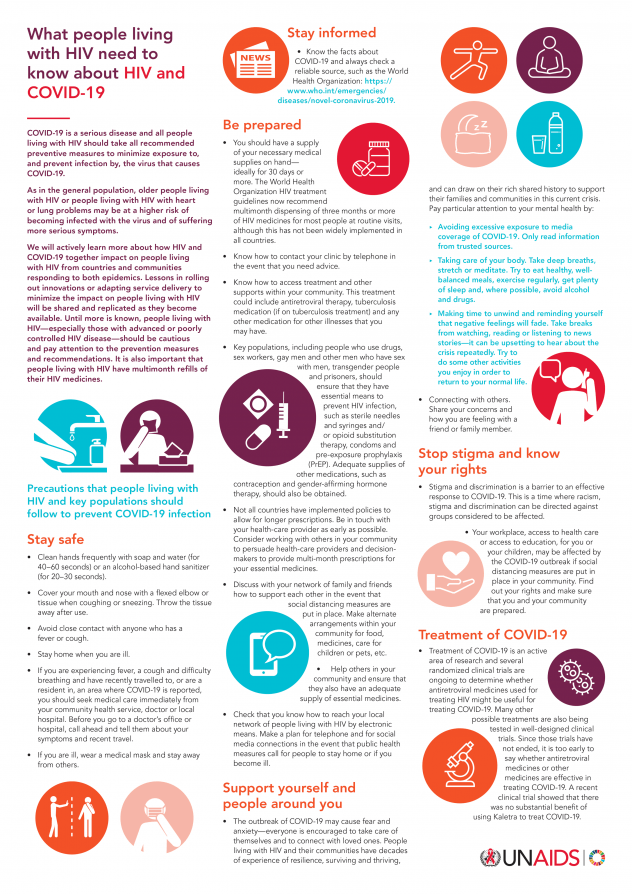
HIV, or the Human Immunodeficiency Virus, and AIDS, or Acquired Immunodeficiency Syndrome, have had a profound impact on global health and society. HIV is a virus that attacks the immune system, weakening the body’s ability to fight off infections and diseases. It is primarily transmitted through unprotected sexual intercourse, the sharing of needles among intravenous drug users, and from mother to child during childbirth or breastfeeding. The virus can also be transmitted through blood transfusions and organ transplants if the blood or organs are not screened for HIV.

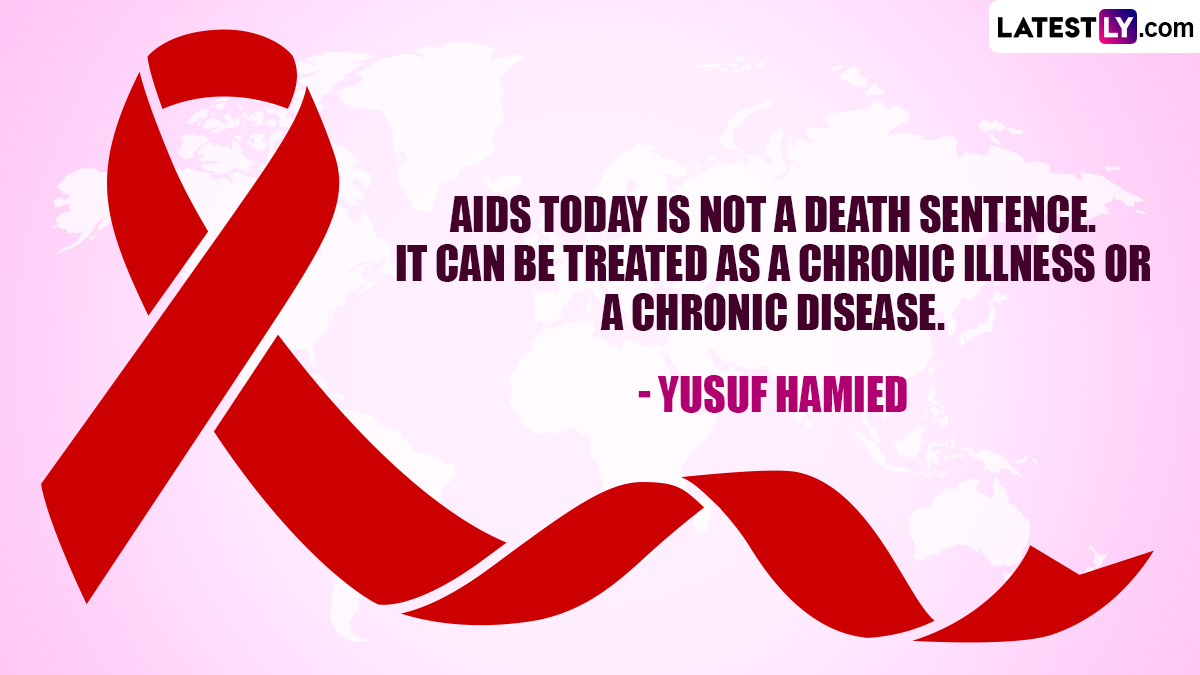
AIDS is the final stage of HIV infection, characterized by a severely compromised immune system. At this stage, the body becomes vulnerable to opportunistic infections and cancers that a healthy immune system would typically fend off. Without proper medical care and treatment, AIDS can be life-threatening.

Since the beginning of the HIV/AIDS pandemic, it has claimed the lives of millions of people worldwide. It has also had far-reaching social and economic consequences, particularly in sub-Saharan Africa, which remains the most affected region. HIV/AIDS has challenged healthcare systems, strained resources, and tested our collective ability to respond to a global health crisis.

The World AIDS Day theme for 2023 is “Ending the HIV/AIDS Pandemic: Equitable Access to Care and Prevention.” This theme encapsulates the urgent need to tackle the HIV/AIDS pandemic on multiple fronts. The theme underscores the shared commitment to bringing an end to the HIV/AIDS pandemic once and for all. It acknowledges the progress made over the years but emphasizes the work that remains to be done.

The term “equitable access” is central to the theme. It highlights the importance of ensuring that all individuals, regardless of their background, geographical location, or economic status, have equal access to essential HIV/AIDS care and prevention measures. The theme also recognises that tackling HIV/AIDS requires a dual approach. Care involves providing support, treatment, and medical services to those living with HIV/AIDS. Prevention focuses on education, awareness, and measures to stop the further spread of the virus.

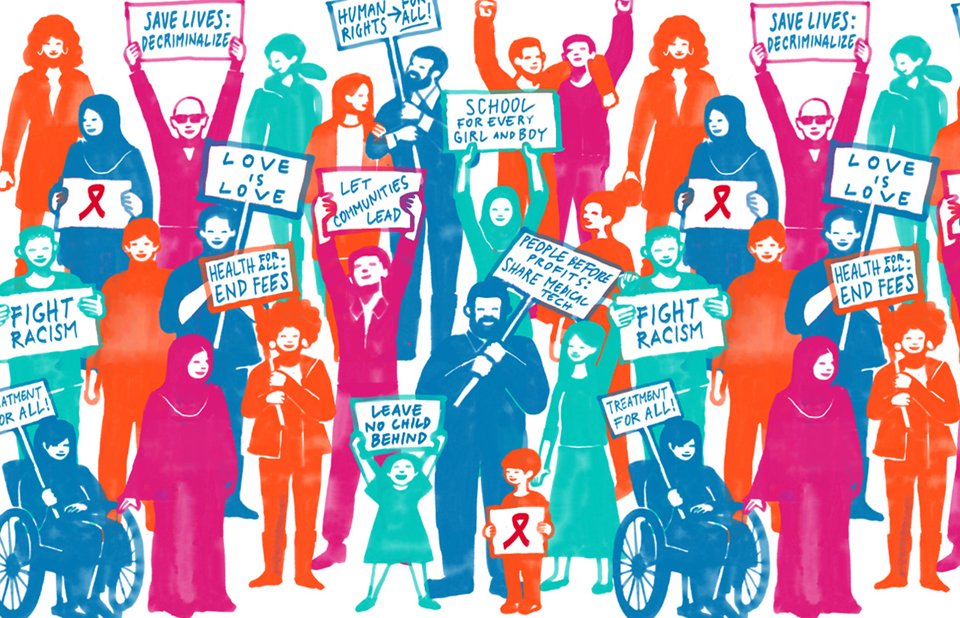
The theme aligns with the broader global health equity movement, emphasizing the need to bridge healthcare disparities and ensure that everyone has the same opportunities for a healthy life. It underscores the importance of eliminating stigma and discrimination associated with HIV/AIDS. Equitable access means creating an environment where individuals feel safe and supported to seek testing, treatment, and care. Addressing HIV/AIDS requires the active involvement of communities, governments, healthcare systems, and international organizations. The theme encourages collaboration and a shared responsibility in the fight against the virus. Equitable access extends to education and awareness programs that empower individuals with knowledge about HIV/AIDS prevention, transmission, and treatment. It’s a reminder that information is a powerful tool in the fight against the virus.

As we reflect on the theme of World AIDS Day 2023, it’s crucial to acknowledge that the battle against HIV/AIDS is far from over. But there is hope, and there are concrete steps we can take. We should support policies and initiatives that promote equitable access to HIV/AIDS care, treatment, and prevention measures and advocate for increased funding for research and healthcare infrastructure.

As we commemorate World AIDS Day 2023 and reflect on its theme, we are reminded that the fight against HIV/AIDS is a shared responsibility. It is a testament to our capacity to come together as a global community, transcending borders and differences in pursuit of a common goal – ending the HIV/AIDS pandemic and ensuring equitable access to care and prevention.

This World AIDS Day, let us honour the memory of those we have lost, support those living with HIV/AIDS, and recommit ourselves to the collective effort to create a world where no one is left behind in the fight against this devastating virus. In our unity and resolve, we find hope and the potential for a brighter, healthier future for all.

Poem: The Forgotten Diary

The Forgotten Diary

In the quiet hush of the attic’s embrace,
Amidst the dust and shadows’ chase,
I found a relic of a bygone year.
A forgotten diary, whispering secrets near.

Its cover is time-worn, leather-bound,
Held stories within, in faded ink, unbound.
The ink that once danced with fervour and grace
Now aged, its tales are etched on time’s face.

I cradled it gently, like a fragile heart,
A portal to moments, a forgotten art,
The diary’s pages, a silent plea,
To unlock its secrets, set them free.

I turned the pages, a journey in ink,
To the world of the diary’s keeper, I’d think,
In a sepia-toned world of yesteryears,
I found their joys, hopes, and fears.

In cursive loops, they poured their soul,
Each entry is a piece of a life, a whole,
Dreams penned in the soft candlelight,
Worries are hidden beneath the cover of the night.

They spoke of love, pure and true,
Of a world once vibrant, where dreams once grew,
But as I read on, a tear I’d find,
The diary held heartaches left behind.

Through ink-stained pages, their life unfurled,
A map of their heart, a vintage world,
The forgotten diary, a time machine,
Revealing a life that once had been.

In those quiet moments, as I read,
I felt their presence, their every need,
For in this attic’s dusty, secret lair,
Their memories lived on, suspended in the air.

So, I closed the diary with reverence and care,
Tucked it away, in its hiding, aware,
Though the diary’s keeper was long gone,
Their words and dreams would forever dawn.

International Men’s Day

Just like we celebrate the accomplishments and contributions of women on International Women’s Day, it’s equally important to recognise and celebrate the achievements, challenges, and roles of men in our society. Yesterday, as we celebrated International Men’s Day, let’s discuss why dedicating a day to celebrate men is crucial.

Let’s take a moment to understand what this day represents. International Men’s Day, observed on November 19th each year, is a day dedicated to celebrating men and promoting positive masculinity. It’s an occasion to raise awareness about men’s health, gender equality, and the important contributions men make to their families, communities, and society as a whole.

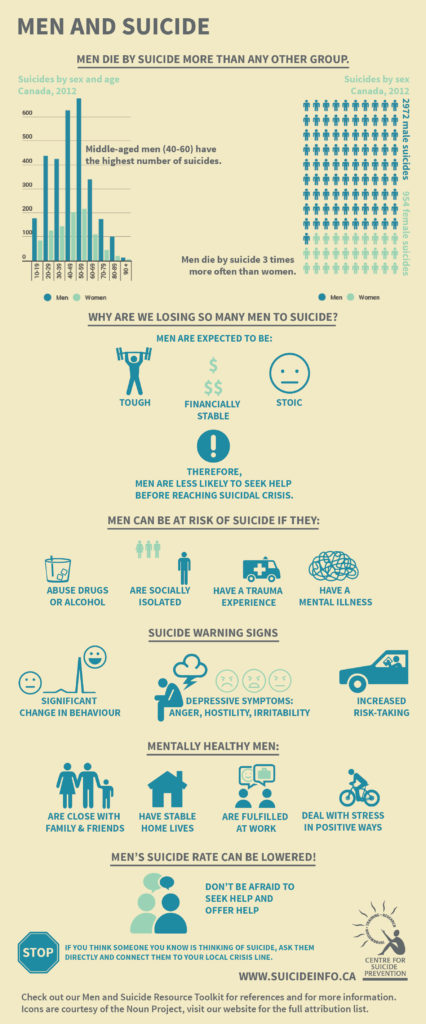
The theme for International Men’s Day in 2023 is “Zero Male Suicide”. This theme highlights the critical importance of addressing men’s mental health and the alarming rates of suicide among men worldwide. It calls for increased awareness, open dialogue, and support systems to prevent male suicides. By striving for zero male suicide, the focus is on destigmatising seeking help, encouraging early intervention, and fostering a culture of emotional well-being where men can reach out without fear or shame. This theme underscores the urgent need to create a world where every man knows that his life is valued and that he is not alone in his struggles.

The theme draws attention to the critical issue of men’s mental health, which is often overlooked or stigmatised. By emphasising the need to prevent male suicide, it encourages society to acknowledge and address the mental health challenges that men face. Men have disproportionately higher suicide rates than women in many parts of the world. This theme underscores the urgency of the issue and highlights the need for targeted interventions and support to reduce these rates. Suicide is often associated with shame and stigma, which can deter individuals, especially men, from seeking help. “Zero Male Suicide” aims to destigmatize mental health issues and promote an environment where men feel comfortable seeking assistance when needed. Encouraging early intervention and providing accessible mental health services is crucial for preventing suicides. The theme emphasizes the importance of identifying signs of distress and providing timely support to those at risk. It also challenges traditional notions of masculinity that discourage emotional expression and seeking help by encouraging a more inclusive and positive definition of masculinity that embraces emotional well-being.

So, why do we need a day dedicated to celebrating men in the first place? International Men’s Day complements International Women’s Day by promoting gender equality. It acknowledges that both men and women face unique challenges and encourages dialogue on achieving equity for all. Traditional notions of masculinity can sometimes be limiting and harmful. International Men’s Day provides an opportunity to redefine masculinity positively and inclusively, encouraging men to express their emotions, seek help when needed, and be nurturing caregivers. Celebrating men who contribute positively to their communities and society at large provides role models for younger generations. It encourages boys and young men to aspire to be compassionate, empathetic, and responsible individuals. Just as women’s issues are important, so are men’s issues. International Men’s Day shines a light on topics like men’s health, fatherhood, and workplace challenges that men may face, helping to address and rectify these issues. This day encourages open conversations about men’s experiences, challenges, and needs. It fosters understanding and empathy among individuals of all genders, ultimately strengthening relationships and communities.

Why can’t we celebrate men every day? The truth is, we should celebrate and support men every day. However, by having a specific day, the day provides a dedicated space to focus on specific issues and challenges that men face. It ensures that these topics are not overlooked amidst the busyness of daily life. The observance of International Men’s Day generates global awareness and participation. It encourages individuals, communities, and organisations worldwide to come together, creating a collective impact that is hard to achieve daily.

The day serves as an inspiration for initiatives and conversations that extend beyond November 19. It offers an educational platform to learn more about men’s issues and how to address them effectively. It also promotes a sense of unity and solidarity among men and their allies. It reminds us that we are all part of a global community committed to addressing gender-related challenges.

In a world that increasingly recognizes the importance of diversity and gender equality, International Men’s Day stands as a meaningful occasion to honour and support men from all walks of life. The day reminds us that men’s well-being, both physical and mental, is a vital part of the gender equality conversation. While we should strive to celebrate and support men every day, having a dedicated day amplifies our efforts and sends a powerful message: that men’s experiences, contributions, and challenges matter.

So, on yesterday, today, and every day beyond, let’s celebrate International Men’s Day by fostering understanding, empathy, and positive change in our communities and across the globe.