Sacred Journeys: Exploring some Andhra Pradesh Temples Part 1

During our recent trip to India, my father wanted to visit my family’s ancestral temple or Kuladevta. A Kuladevta is is a clan deity or an ancestral tutelary deity in Hinduism and Jainism. Such a deity is often the object of one’s devotion and is coaxed to watch over one’s clan, gotra, family, and children from misfortune. This is distinct from an ishta-devata or personal tutelar and a grama devata or village deity. Male kula devatas are sometimes referred to as kuladeva, while their female counterparts are called kuladevi. The word kula devata is derived from two words: kula, meaning clan, and devata, meaning deity, referring to the ancestral deities that are worshipped by particular clans.
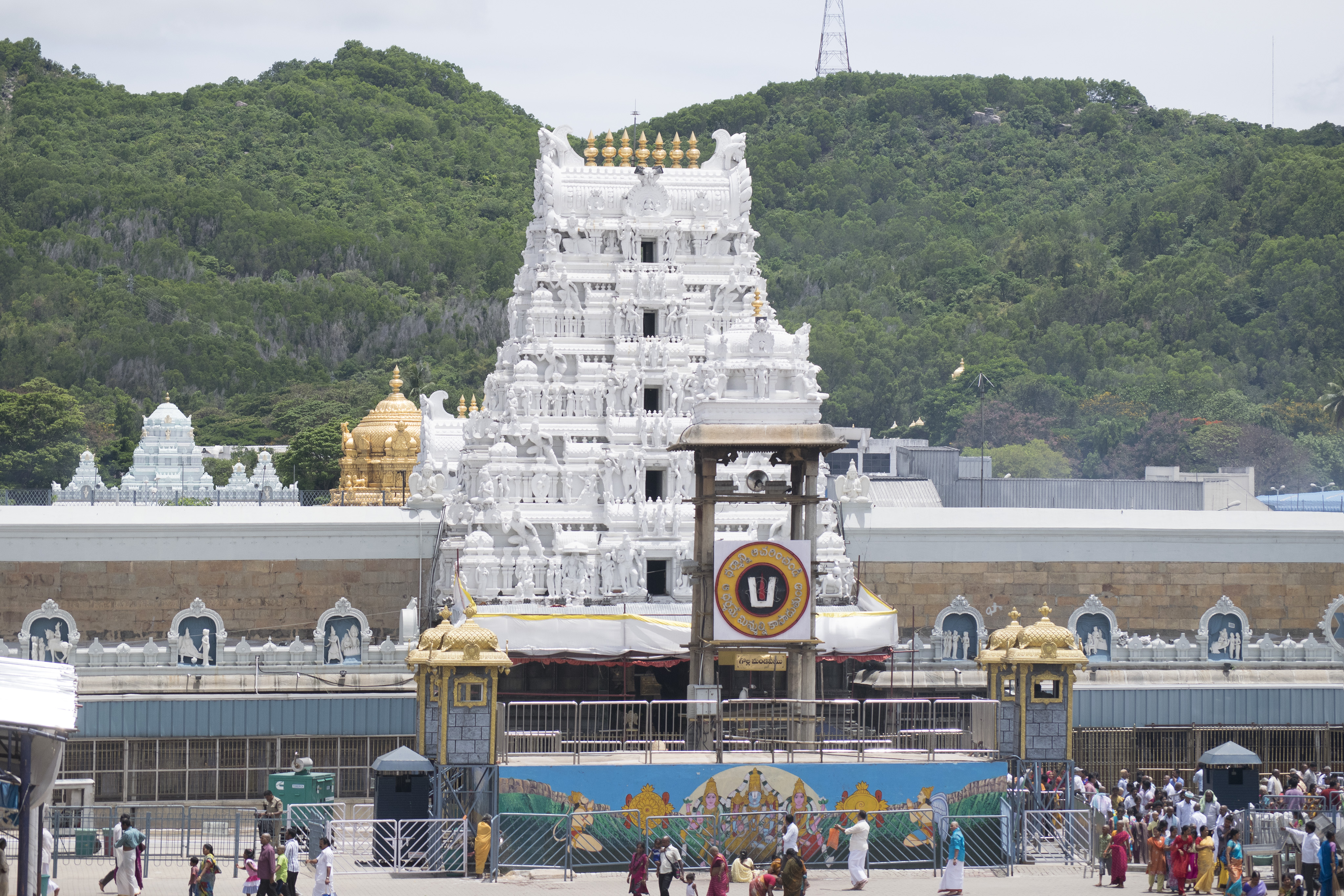
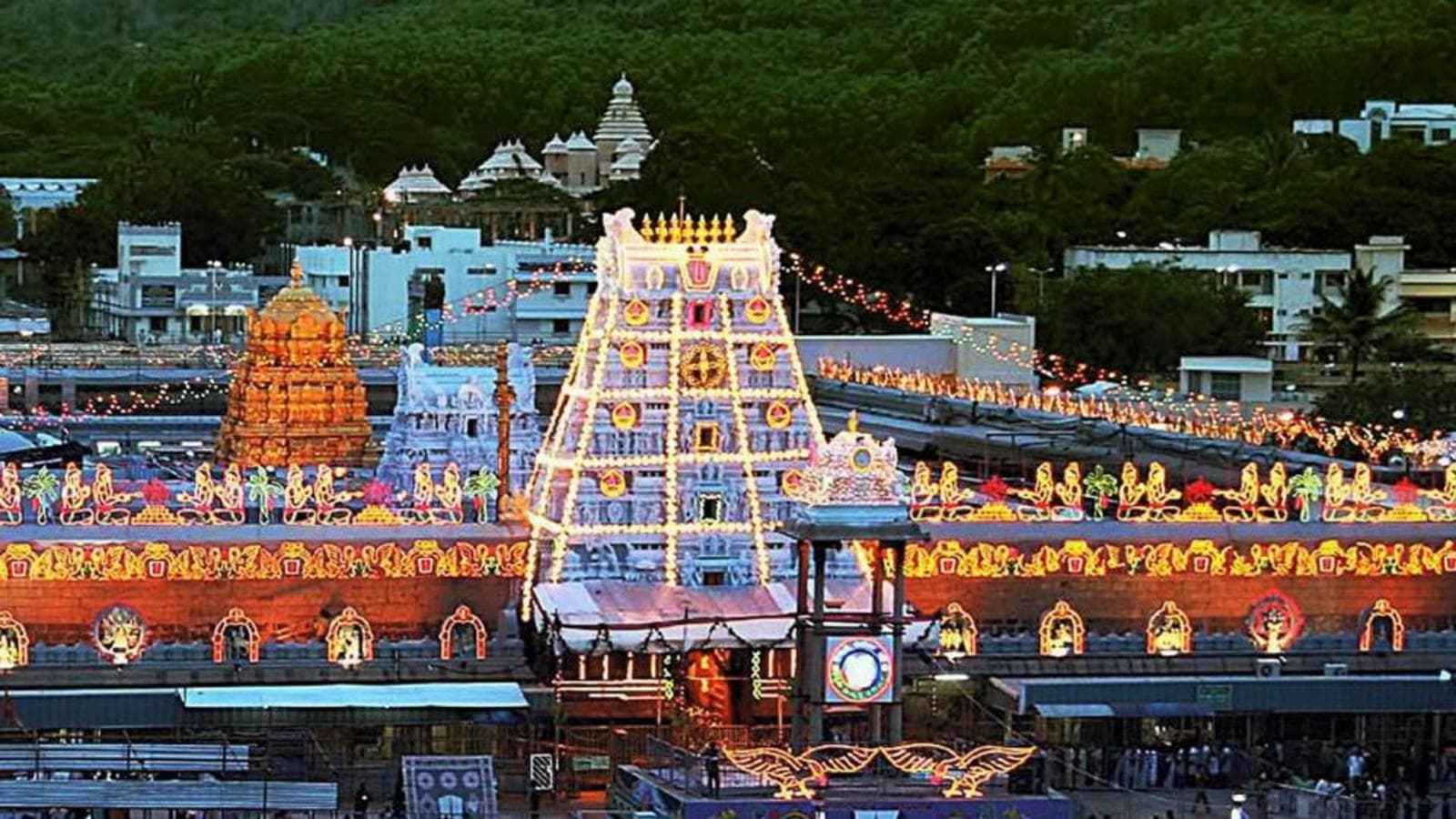
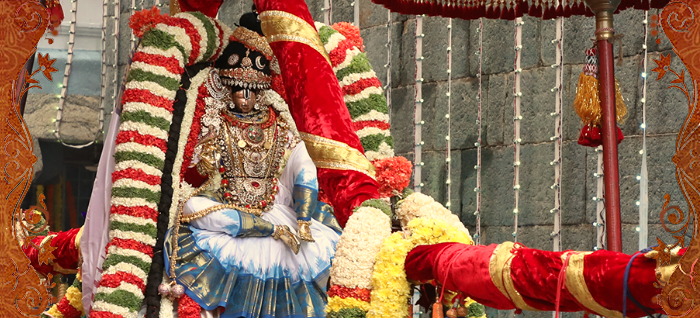
In my father’s family, Tirupati Balaji is the kuladevta and so he wanted to make one last trip to see the Lord before he becomes unable to travel at all. Tirupati is about 280 km from where they live on the outskirts of Bengaluru and we decided to hire a car with a driver to take us there. The driver was very experienced and since he usually makes at least three trips to Tirumala and Tirupati weekly, he knew all the ins and outs of the temple and was able to guide us accordingly.

By the time we left Bengaluru, it was almost 7 am and it took us almost two hours to navigate the city and get into the Bengaluru-Tirupati Highway. The highway, especially the part that falls in the state of Andhra Pradesh was a super smooth six-lane highway with extremely good roads that could be driven at 100 kph. For those travelling from Bengaluru to Tirupati, I can recommend Hotel Sapthagiri as a rest stop for lunch or brunch. We stopped here both ways and I found the food good and reasonable, and most importantly during a road trip, the restrooms are clean and useable. Travelling from Bengaluru to Tirupati, the restaurant is on the side towards Tirupati and comes just after the toll plaza and is about 30ish minutes before Tirupati. We had breakfast before leaving home and stopped there around 10:30 am for an early lunch or brunch.
After a brunch stop, we continued on our journey and then I had my first surprise. On reaching the town of Tirupati, at the turn-off to Tirumala, we saw many people in other vehicles getting down with their luggage and walking. I was very curious but realised very soon that, just like you clear customs and immigration when you go from one country to another, just like that, before entering Tirumala, you need to get out of your vehicle, carry all your luggage and get them scanned, before getting a pat-down. While this is going on, your vehicle also gets a scan and then once everyone and everything is cleared, you are allowed to sit back in your vehicle and start the journey up the seven hills. Since my parents were old, they were allowed to remain in the car and were scanned along with the vehicle. This whole process reminded me of clearing customs in Singapore and Malaysia when we travel between the two countries by public transport. Tirumala is also a plastic free zone and our driver told us that plastic water bottles are asked to be binned at this point. But our bottles went through, though it may be because they were not single use bottles. From the time we reached the checkpoint to the time we were allowed to resume our journey, it took us about 20-25 minutes. According to our driver, this was the off-season and during the peak season, this process can easily take an hour or more.

The time taken from the checkpoint to Tirumala takes about 30 minutes and once at the top, we went to leave my parents to a special senior citizens queue. We had gotten the agency that supplied us with the car and vehicle to get us special tickets for my parents under the senior citizen scheme and for us under the NRI scheme. But don’t think this meant we got special privileges. The cost of all the tickets was Rs 300 each and all this meant was that we were in a different line and instead of spending about five hours, we spent about three hours in the line. This queue is also available to others and most of the people in the line with us looked to be locals, so I am not sure how we were in a special line.

After dropping off my parents, we went to secure our room. An aunt’s friend who is a frequent temple visitor got us one room, but we were six people and the second room was only available from midnight. After securing the room, we were dropped off for our darshan queue.
All the temples we visited are electronic-free zones and we had to leave our phones in the car with the driver. At some point in the line, our bags were scanned and there was a power bank in my bag that I forgot to remove. I was asked about it and when I explained that there are no phones in the bag, a senior official was called and even though I was thinking of giving up the power bank if needed, they allowed me to keep it. But the problem with not having any mobile phones during the darshan meant that after we came out, we needed to get access to a phone to call the driver. But according to him, most employees are more than happy to share their phones with us and this is what happened to us. While getting the famous laddoos, we asked someone working there if we can use their phone and they obliged. And this was useful because we were looking for my parents and after speaking to the driver, we learnt that they were already in the vehicle.

After the darshan, we reached our room which was on the second floor. This was a problem because there was no lift and my father who was already exhausted by this point could not walk up. After trying to reason with the person giving the keys to the guest house, we tried to get him to walk up, but after seeing him, another employee got the first employee to speak with the main booking office and finally shifted us to a room on the ground floor. After resting for a while, we adults went out because my father wanted to do a hair tonsure which is free. The barbers ask for some money which we are supposed to give discreetly because the room is fitted with CCTV cameras and there are signs which remind pilgrims not to pay the barbers as they are salaried. After that, we brought some food and went back to a room that was meant for three people, but was going to sleep six people now. The guest house refused to give us an extra mattress or even extra pillows or sheets, so we made do with what was available.

Tirumala is incredibly clean and where we stayed was close to some houses, where even at 9 pm, we saw women washing their doorsteps and putting rangoli which seemed odd to us as usually this is only done first thing in the morning. Also there are RO water machines everywhere and pilgrims can refill their water bottles throughout the temple complex. We spent a sleepless night except for the children who shared a bed and we four adults shared the double bed. After the sleepless night, we woke up early and after getting some coffee, left the room around 6:45 am to go to our next temple, the Padmavati temple.

Please watch this space for Part 2 where we visit two more temples.
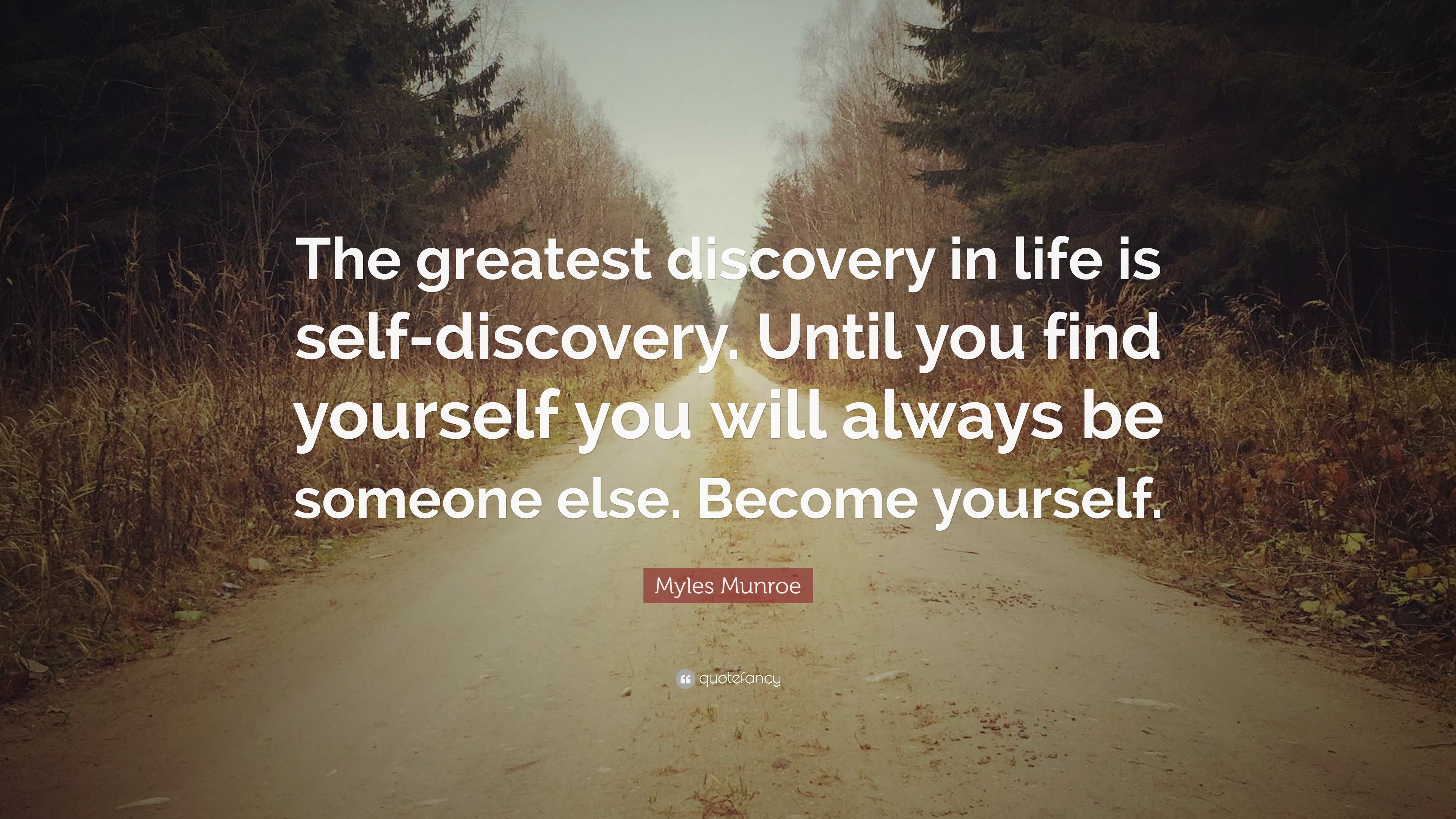
Self-Discovery: A Satisfying Journey Inwards

After my poem on the same topic, I became inspired to write more about Self Discovery.

Self-discovery is the process of understanding one’s true self and is a journey that we all undertake at some point in our lives. It’s the process of getting to know oneself, including values, beliefs, strengths, weaknesses, and one’s purpose in life. Self-discovery can be a difficult process, but it’s worth taking because it can lead to a more fulfilling and purposeful life. Going deeper into self-discovery can transform your life. True self-discovery starts when one evaluates their life and thinks about what’s energising and what’s not, what will bring more joy into their life and probably the most important question, what inspires one to jump out of bed each morning.

So what exactly is Self-Discovery? Self-discovery is the process of exploring and understanding who one is as a person. It involves gaining insight into their thoughts, emotions, behaviours, and motivations. It’s a process of introspection that can help one understand what makes them unique, what drives them, and what they want to achieve in life.

Self-discovery is not a one-time event. It’s an ongoing process that can continue throughout their life. As one grows and evolves, their understanding of themselves will also change. Self-discovery is about staying curious and open to learning about oneself and the world around them. Self-discovery needs courage and resilience to stick with the process and in the process of looking inward, one may learn things about themselves that one finds hard to accept. Discovering the inner self also requires lots of self-awareness, otherwise known as self-knowledge. Self-knowledge usually refers to their knowledge of their feelings, beliefs, and desires. If one has more of this in their life, they’ll have better emotional regulation and this helps them better their personal and work relationships and improve stress management. Knowing more about the way the mind works also improves empathy, helps exercise better self-control, be more creative, and have higher self-esteem. One also becomes more honest as a result.

Why is Self-Discovery Important? Self-discovery is important for several reasons. Firstly, it can help understand one’s own needs and desires. When one knows themselves well, one can make decisions that are aligned with their values and goals, leading to greater fulfilment and happiness in life. Secondly, self-discovery can help to develop a sense of purpose. When one understands their strengths and weaknesses, one can identify areas where one can make a meaningful contribution, giving life direction and meaning. Lastly, self-discovery can help build better relationships. When one understands themself, one can also understand others better. This can lead to more empathy, better communication, and stronger connections with the people around them.

When one cannot live in alignment with their true self, one must spend energy attempting to deny and distort one’s experiences to make sense of a pervasive lack of happiness and personal fulfilment. According to experts, this ongoing effort can go so far as to produce psychological states and conditions such as depression. The goal in life should not be to pursue imagined or externally derived ideals, but rather to develop a more realistic understanding of one’s strengths and limitations. By doing so, one can avoid negative psychological states and self-actualise, feel contentment, and make better contributions to the world. This is why self-discovery is so important.

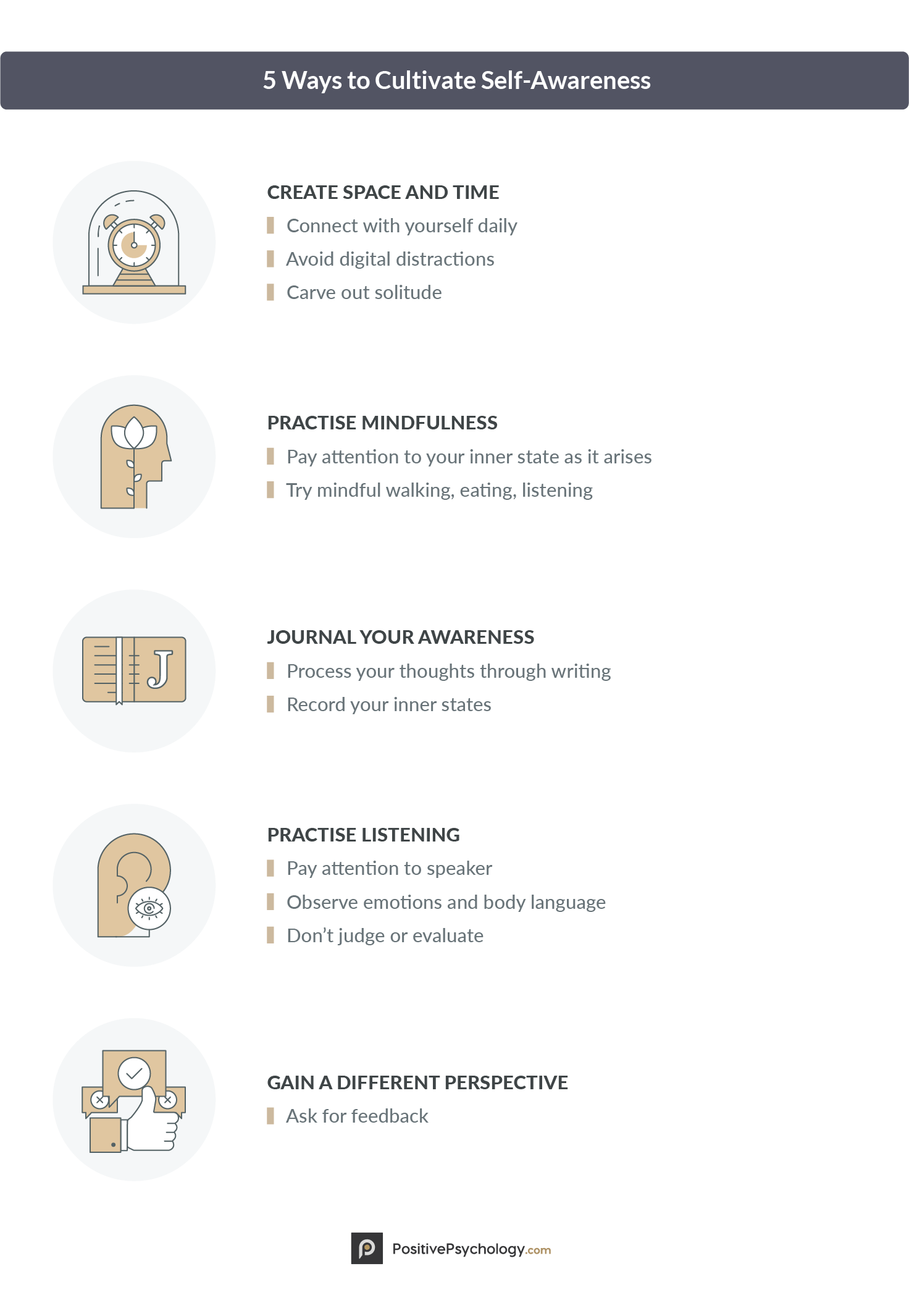
How to Embark on a Self-Discovery Journey? Embarking on a self-discovery journey can be a daunting task, but it’s worth taking. Here are some steps one can take to get started:

Reflect on life experiences: The first step in self-discovery is to reflect on one’s life experiences. Think about the things that have shaped one as a person. What were the defining moments? What were the biggest challenges and what did one learn from these experiences? Reflecting on one’s life experiences can help one understand their values and beliefs. It can also help identify patterns in their behaviour that may be holding them back.

Identify strengths and weaknesses: Identifying one’s strengths and weaknesses is an important part of self-discovery. One’s strengths are the things that come naturally, while weaknesses are the areas where one needs to improve. Understanding one’s strengths and weaknesses can help one identify areas where one can excel. It can also help identify areas where one needs to work on themself.

Practice mindfulness: Mindfulness is the practice of being present and aware of the moment. It involves paying attention to thoughts, emotions, and physical sensations without judgment. Practising mindfulness can help one become more aware of their thoughts and emotions. This can help identify patterns in one’s behaviour that may be holding one back.

Try new things: Trying new things is an important part of self-discovery. It can help one step out of their comfort zone and discover new things about themself. Trying new things can be as simple as taking a different route to work or trying a new hobby. It can also involve travelling to a new place or learning a new skill.

Seek feedback from others: Seeking feedback from others can be a valuable part of self-discovery. Other people can often see things that they can’t see in themselves. One can ask friends, family, or colleagues for feedback on their strengths.

So, start working on the road to self-discovery and work to be the best self each day, no matter what. Take risks and try new things. Self-discovery is a journey that can lead to a more fulfilling and purposeful life. It involves gaining insight into one’s thoughts, emotions, behaviours, and motivations. The process of self-discovery is ongoing and can continue throughout one’s entire life. It’s important to reflect on one’s life experiences, identify one’s strengths and weaknesses, practice mindfulness, try new things, and seek feedback from others. By taking these steps, one can gain a better understanding of themselves, their values, and purpose in life. Remember, self-discovery is a process that requires patience, curiosity, and openness to learning. The journey may be difficult, but it’s worth taking because it can lead to a more fulfilling and meaningful life.

International Dance Day

Observed annually on 20 April, International Dance Day celebrates the art of dance and its impact on cultures around the world. In 2023, International Dance Day will mark its 41st anniversary and continues to be an important occasion for dancers, dance enthusiasts, and the general public to come together and celebrate the power of dance.

International Dance Day takes place every year on 29 April, which is the anniversary of the birth of Jean-Georges Noverre who lived between 1727 and 1810 and is considered to be the father or creator of modern ballet, rather the classical or romantic ballet as we know it today and not the modern ballet as this is sometimes confused with contemporary ballet. The day strives to encourage participation and education in dance through events and festivals held all over the world. International Dance Day celebrates dance, revels in the universality of this art form, crosses all political, cultural, and ethnic barriers, and brings people together with a common language of dance.

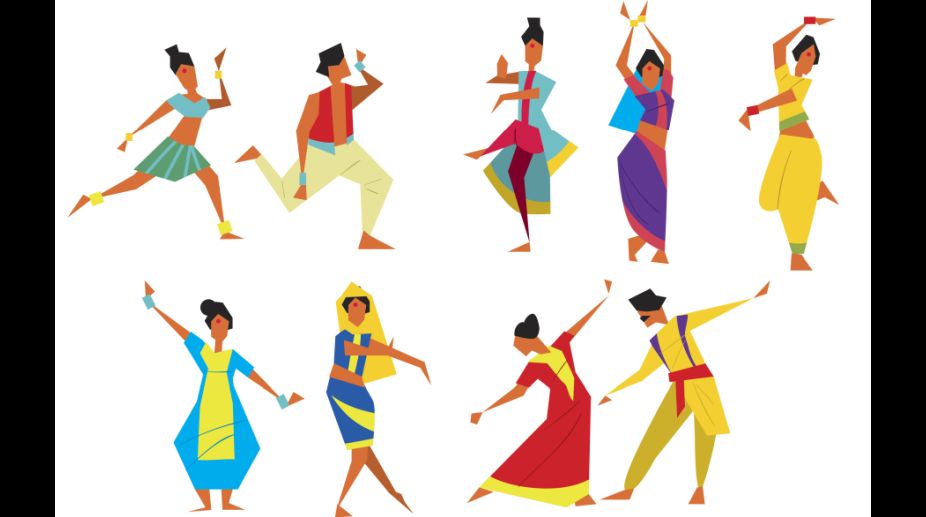
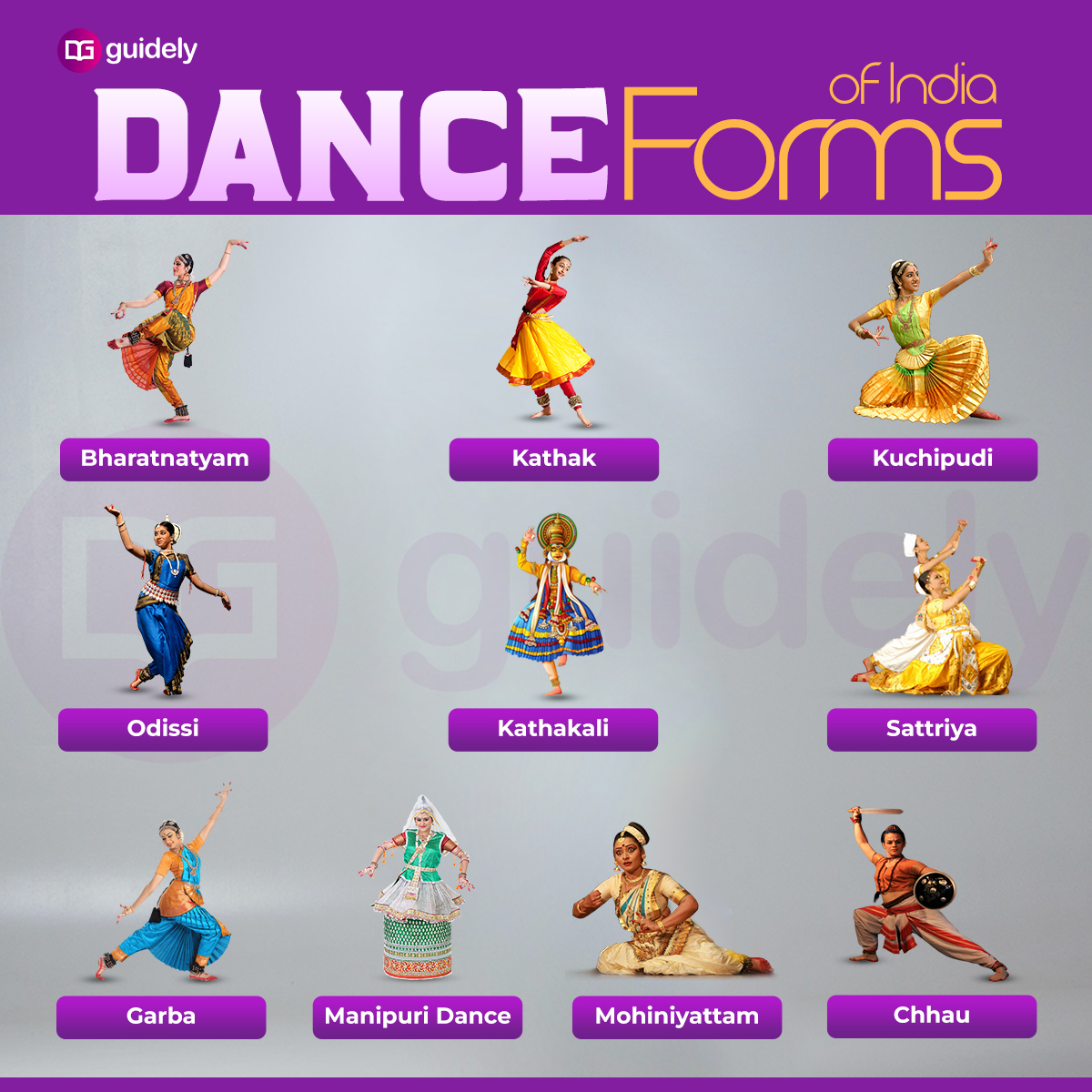
Dance has been an integral part of human culture for centuries, serving as a way to express emotions, tell stories, and connect with others. Dance can bring people together, regardless of their language, race, or cultural background, making it a universal art form that transcends borders. From classical ballet to hip-hop, from salsa to contemporary dance, there is a wide variety of dance styles that reflect the diversity of cultures and traditions around the world. Each dance style has its unique history, techniques, and expressions, making dance a rich and varied art form that offers something for everyone.

Dance has many benefits for both the dancer and the audience. For dancers, dance is a physical and creative outlet that can improve their physical health, increase their sense of well-being, and enhance their mental clarity. For audiences, watching dance can be an enriching and uplifting experience, providing a way to connect with others and escape from the daily routine. One of the most significant benefits of dance is its ability to bring people together. In today’s world, where division and division often dominate the headlines, dance provides a unifying force, bringing people together in a shared experience. Dance classes, workshops, and performances provide a space for people to connect, learn, and grow together, fostering a sense of community and belonging.

International Dance Day is an opportunity to celebrate the power of dance and its impact on the world. The goals of International Dance Day are to promote dance in all its forms across the world, to make people aware of the value of dance in all its forms, and to enable the dance community to promote their work on a broad scale, so that governments and opinion leaders are aware of the value and importance of dance in all its forms and support it, to enjoy dance in all its forms for its own sake and to share the joy of dance with others.

This day is observed in many countries around the world with special events, performances, and workshops. Some cities host large-scale dance festivals, showcasing the talents of local and international dancers, while other communities organize smaller-scale events, such as dance classes, demonstrations, and competitions.

Whether you are a seasoned dancer or a beginner, a fan of the art form, or just someone who enjoys watching others dance, there are many ways to get involved and celebrate this day. You can attend a dance performance or workshop or find a local dance performance or workshop to attend and learn about different dance styles, techniques, and expressions. You could also take a dance class, whether it’s ballet, hip-hop, salsa, or another style, and learn a new dance technique or style. Or you could organize a dance event and share your love of dance with others. You could also watch a dance film, whether it’s a documentary, a feature film, or a concert film, and learn more about the history and cultural significance of dance. Share your dance experiences on social media and encourage others to celebrate International Dance Day by participating in dance events or taking dance classes.

International Dance Day provides an opportunity for the world to come together and celebrate the art of dance. Whether you are a dancer or a dance enthusiast, there are many ways to get involved and celebrate this special day. So let’s come together and dance our way into a better future, one step at a time.

Festivals of India – Shirui Lily Festival

The Shirui Lily Festival celebrates the state flower of Manipur and is part of the state’s efforts to develop and implement sustainable and responsible tourism in the state and also to save and increase awareness about the endangered species of Manipur’s Shirui Lily found only in the Shirui Hills. The festival is organized every year around April-May. The 5th edition of the festival will take place between 17 to 20 May at Ukhrul.

In celebration of the stunning and rare Shirui Lily, a beautiful flower that grows only in the region of Shirui Hill in Manipur, the festival is a celebration of the beauty and richness of the local culture and attracts tourists from all over the world to this region.

The festival starts with a parade through the streets of the city, with participants dressed in traditional attire, dancing and singing to the beat of the drum. The parade is led by the Queen of the festival, who is usually a local girl selected for her beauty and grace. The Queen is adorned with a crown made of Shirui Lily, which is a symbol of her royalty and is considered a great honour.

The Shirui Lily grows on top of the Shirui hills in Manipur and cannot be replanted anywhere else in the world. It fills the air with its pleasant fragrance during the blooming season. The festival is observed to spread awareness and conserve the endangered state flower.

Climbing the Shirui hills is one of the most interesting treks in Manipur and a chance to see the rare flower. It is the ultimate treat for nature and adventure lovers.

One of the most fascinating aspects of the Shirui Lily Festival is the display of the Shirui Lily. The flower is considered a symbol of purity and beauty and is used extensively in various rituals and ceremonies. During the festival, the flower is displayed in various forms, such as garlands, bouquets, and arrangements, and is admired by tourists and locals alike. Another highlight of the Shirui Lily Festival is the traditional music and dance performances. The local folk dances, such as the Rasa Dance and the Khamba-Thoibi Dance, are performed with great passion and enthusiasm. The music, which is accompanied by instruments such as the pena and the drum, is a fusion of traditional and contemporary styles and creates a unique and mesmerizing sound.

In addition to the cultural events, the Shirui Lily Festival is also a time for people to come together and enjoy the delicious local cuisine. Events during the festival include live music concerts, folk performances, traditional dances, indigenous games and competitions, art and handicraft exhibitions, ethnic food eateries and various adventure activities like camping, biking and a lot more. Shirock, the musical extravaganza of live music concerts and competitions is one of the major highlights of the festival that attracts a large number of crowds not only from different corners of the state, and even from neighbouring states.

The Shirui Lily Festival is not just a celebration of the beauty of the Shirui Lily, but it is also a celebration of the local culture and heritage. Visitors to the festival can experience the traditional way of life of the people of Manipur, and learn about their customs, traditions, and beliefs. The festival is a time for people to come together and celebrate the richness of their culture and to share it with others.

One of the most unique and exciting aspects of the Shirui Lily Festival is the opportunity to trek to Shirui Hill, where the Shirui Lily grows in abundance. This trek is a challenging but rewarding experience, as visitors can admire the breathtaking beauty of the region and see the Shirui Lily in its natural habitat. The trek is also a great opportunity for adventure enthusiasts, as the route is surrounded by stunning natural scenery and offers a glimpse into the rich and diverse flora and fauna of the region.

Poem: Who Am I?

Who Am I?

I am but a reflection,
Of thoughts and experiences combined,
A tapestry of memories,
Woven into a single mind.

I am the laughter and the tears,
The triumphs and the fears,
The hopes and dreams that I hold dear,
And the secrets I keep near.

I am the sum of my past,
Of every joy and every pain,
The choices I have made at last,
And the lessons learned in vain.

I am a work in progress,
Ever changing, ever growing,
A mystery in the making,
A story that’s forever flowing.

I am the thoughts that fill my head,
The passions that burn in my heart,
The voice that speaks what must be said,
And the fire that sets me apart.

So who am I, you might ask,
A soul still searching for its name,
A journey that will always last,
With possibilities as vast as the sky and the ocean combined.

But one thing is for certain,
I am unique, I am me,
A composition of all that’s happened,
And the person I choose to be.