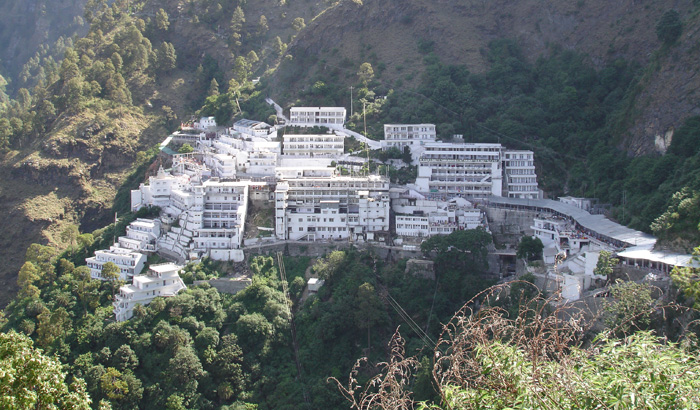
Jammu The winter capital of the erstwhile state and protected and blessed by Mata Vaishno Devi, who seems to have found her earthly abode on the Trikuta Hills, Jammu City is almost a sacred place to visit. Dubbed the city of temples, this city brims with grand ancient temples and beautiful palaces.
Nestled against the backdrop of the snow-capped Pir Panjal Mountains, the region of Jammu constitutes the southernmost unit of the state of Jammu & Kashmir. It forms part of the transition between the Himalayan range in the north and the dusty plains of Punjab in the south. Between these two extremities lie a series of scrub-covered hills, forested mountain ranges and river valleys, encompassing several microclimatic regions that extend from Kishtawar in the north-east to Akhnoor in the south-west, and the historic town of Poonch in the north-west to the borders of Kangra (Himachal Pradesh) in the south-east. The Shivalik hills cut across the area from the east to the west while the rivers Ravi, Tawi and Chenab cut their way through the region.
The unmatched divinity at Raghunath temple, Ranbireshwar temple, Mahamaya temple, Peer Baba and Peer Khoh invigorates visitors. One must visit the Bahu temple, which is situated inside the majestic Bahu Fort. The temple is dedicated to presiding deity of Jammu, Goddess Kali or Bawe Wali Mata as she is popularly called in the region. Besides the temple, a travel enthusiast can witness architectural grandeur of Bahu Fort and Mubarak Mandi Palace. The Aquarium at Bagh-e-Bahu (Bahu Fort) also catches the eyes of the tourists as it is the largest underground aquarium in the country.
Jammu was founded by Raja Jambu Lochan in 14th century, when he constructed Bahu fort on the banks of river Tawi. There also have been excavations found 32 km away from Jammu, in the city of Akhnoor which suggest that Jammu was once a part of Harappan Civilization as well. Remains from Maurya and Gupta dynasties have been found, followed by the invasions by Mughals and Sikhs. The Dogra rule brought back the glory to the city. After the partition of India, Jammu continued to be the official winter capital of the state.
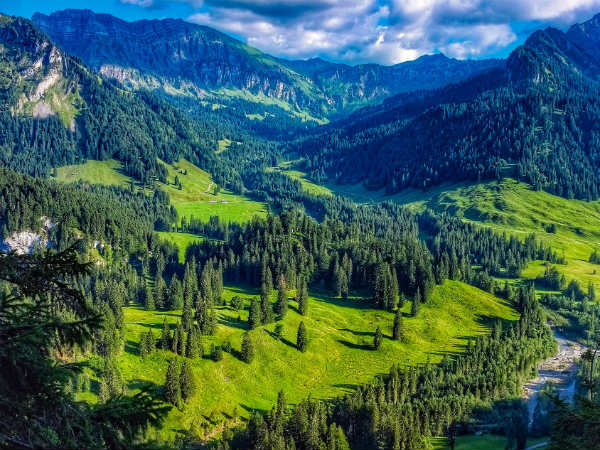
Patnitop Perched on a hilltop at an altitude of 2024m, with endless meadows and panoramic views of the snow capped peaks of the Himalayas, Patnitop is the best place to experience nature at its picturesque best. With views of the Shivalik Range, the area has a plethora of activities like skiing and trekking as well as water springs.
Visit Gaurikund, which not only holds great spiritual value, but you can also see the holy Kailash Mountain. A leisure walk to the Pine forest is ideal for the nature lovers. At Shivgarh, you can enjoy a spot of trekking at Shivgarh and paragliding, abseiling (rappelling), rock climbing and camping at Sanasar. At a little distance from Patnitop, there is a village called Kud that is famed for multitude varieties of sweets, so enjoy and don’t worry about calories!
Rajouri The refuge of several Gujjars and Bakerwalas, Rajouri is situated around 154kms away from Jammu. The district shares border with Pakistan and is blessed with many charming places to visit; Dehra Ki Gali, Thanamandi and Kotranka Budhal are few places that are apt for sightseeing. One can retire to these remote places in summers as the weather remains pleasant here all year round. The magnificent Rajauri Fort, Balidan Bhavan, Dhanidhar Fort and Rama Temple are few places that can be visited in the vicinity of Rajouri.
Udhampur Named after Raja Udham Singh, Udhampur city is the second-largest city in Jammu region. Set amidst lush green surroundings and fringed by eucalyptus trees, Udhampur is one of the best tourist attractions in Jammu & Kashmir. A delight for history lovers, the city offers many relics dating back to the time of epic of Mahabharata. The Krimachi group of temples are said to be the oldest structures in the city. Udhampur is also famous for the underground river Devika, which is considered the sister of Ganga. Visit the Ramnagar fort, located approximately 40kms from Udhampur and built by Raja Suchet Singh. Moungri Cave shrine, Pingla Mata and Sudh Mahadev temple are other prominent places that must be visited in Udhampur.
Kathua Owing to the existence of a large number of Sufi shrines, Kathua is dubbed as the City of Sufis. True to its title, Kathua houses several religious places including Jasrota temple (inside Jasrota fort), Mata Sundrikote, Mata Bala Sundri, Sapt Sarober and Airwan temple. It is ideal to pay homage to one of these sacred places as in to understand the spirituality prevailing in Kathua. A recreation park called Dream has also been set up in Kathua promising an enthralling rafting experience. The Ujh Barrage located 20kms away from Kathua is an idyllic picnic spot. History buffs can also visit the Jasrota Fort to witness the grandeur built by Maharaja Ranbir Singh. Also the temple of Maha Kali in the Jasrota village has emerged as a popular pilgrimage centre in the region.
Katra and Vaishno Devi It is often seen that whenever Katra is discussed; it is referred merely as a base camp for devotees who visit Vaishno Devi. Katra is worth visiting, even if you are not on a pilgrimage, because attractions like the Banganga, the Chenab river, and a large amount of peaks around offer great places for mountain climbing and family outings.
The shrine of Vaishno Devi, one of the most important places of worship in India calls the little town of Katra its home. Located in Trikuta hills, 13 km from Katra at the height of 1560 m above sea level this town is the holy cave temple of Mata Vaishnodevi. This famous shrine is a beacon for millions of devotees from all over the world. Popularly known as Mata Rani, Vaishno Goddess is a manifestation of the Hindu Goddess Durga. It is believed that during the pooja and Aarti, Goddesses arrive at the Holy cave to pay their respect to Mata Rani. Devotees believe goddess herself calls the devotees to reach here.
Thousands of pilgrims visit each year to seek blessings and show unflinching faith in this temple. Vaishno Devi is a religious trekking destination where pilgrims walk about 13 km uphill to reach the little caves which are among one of the 108 Shakti Peetha. It takes about 6 to 9 hours depending on the fitness, age and weather conditions. Ponies and palanquins, as well as helicopter services, are available by various vendors to take you there at the top.
The pilgrimage route is only complete when Shiv Khori, 1.6 km away from Vaishno Devi is also visited. Shiv Khori is second to Vaishno Devi in religious value and is famed for its 4ft tall naturally formed Shiva Linga.
Kishtwar Kishtwar is another gem from the crown of Jammu & Kashmir. Situated approximately 255kms away from Jammu city, Kishtwar is surrounded with lofty mountains and dense deodar and pine forests. Situated on a plateau above chenab river and below the nagin sheer glacier, Kishtwar has saffron growth in a limited time and its harvesting is accompanied by ceremonies and festivals, this is typically during summer.
There is a 400 sq km National Park in Kishtwar called Kishtwar National Park. Spread over an area of 400 sq.km the park contains 15 mammal species including the musk deer and Himalayan black and brown bear. Even though Kishtwar is not the only high altitude wildlife sanctuary, it is made special because of its large variety of flora and fauna. There are also two sacred voyages namely, Machail Yatra and Sarthal Yatra that begins from Kishtwar.
Ignited Minds: Unleashing the Power Within India – A.P.J. Abdul Kalam
Authored by the most influential Indian President yet, this book delves into the obstacles that are preventing India from rising up to the challenge of development. India has unmatched talent and ambition with an inherent tendency to work hard, then what is it that keeps India from overtaking the world. Why does India as a nation settle for the ordinary when the extraordinary is well within the reach?
Dr. Kalam shares his dream of a nation that is unrivaled, he discusses how he has, from his experience, met such skilled people whose visions can transform the nation. It is imperative that one searches for own solutions and find role-models in countrymen instead of looking towards the other nations. India must not strive to be the next America or Japan but has to be the strong nation that she is capable of becoming. For this, all the trapped energies and initiatives need to be freed instead of suppressing them.
In the book, we are introduced to numerous role models that are hiding amongst us. Words of wisdom from saints and seers that the author encountered through his life have been quoted. The book proceeds to address the issues at hand and mentions some reforms that have to be incorporated in politics and policies. The policy making procedure of the nation requires major reforms. The youth has to be given a stage and the reins of the nation need to be passed on. The book motivates the young minds and forces the positive auras together to build the face of a new nation.
After having visit the north-eastern and western parts of India, let’s turn to another of India’s frontiers, this time the northernmost state of Jammu and Kashmir.
This state has been in the news lately as everyone probably knows why. When I started work on this blog post, the state was still intact, but the abolition of Article 370 of the Indian constitution means that the original state of Jammu & Kashmir or J&K as it is known is now bifurcated into two separate union territories, Jammu & Kashmir and Ladakh. I will however, go by the original state as it were before August 5 and continue with the post.
This state has always been on my bucket list, but events in the past, including terrorism has deterred tourists from visiting the valley. Just when I would think things were settling down, something would happen to return things to status quo. Now with this new law, I really don’t know how it will affect life in the valley. I sincerely hope things change for the better in the state and I can soon visit this paradise. If I do make it, here’s where I want to visit.
Traslated to as, “If there is a paradise on earth, it is here, it is here, it is here. These words attributed to the Persian poet, Amir-e-Khusru Dehluvi beautifully says it all about the beauty of this region.
Jammu and Kashmir is located in the northern part of the Indian subcontinent, and a part of the larger region of Kashmir, which has been the subject of dispute between India, Pakistan, and China since 1947.
The underlying region of this state was the southern and eastern part of the former princely state of Jammu and Kashmir, whose western districts, now known as Azad Kashmir, and northern territories, now known as Gilgit-Baltistan, are administered by Pakistan. The Aksai Chin region in the east, bordering Tibet, has been under Chinese control since 1962.
Jammu and Kashmir consists of three regions – the Kashmir Valley, which accounts for 54.93% of the population of Jammu and Kashmir, and 15.7% of the area; the Jammu Division, which accounts for 42.89% of the population of Jammu and Kashmir, and 25.9% of its area; and Ladakh, which accounts for 2.8% of the population of Jammu and Kashmir and 58.4% of its area. Srinagar is the summer capital, and Jammu is the winter capital.
We start our journey from the north of the state, which is Kashmir and its capital of Srinagar.
Srinagar The summer capital of Jammu & Kashmir, Srinagar is one of the most beautiful places in Kashmir. Lying on the banks of the Jhelum river and known as ‘Heaven on Earth’, the name Srinagar originated from two Sanskrit words – ‘Sri’ meaning wealth and ‘Nagar’ which means city. Prehistoric people used to refer Srinagar as ‘Siri – nagar’ which was a local alteration of ‘Surya – nagar’ or City of Sun. King Pravarasena II found this city 2000 years ago, formerly named Parvasenpur. Soon it became a part of the Mughal Empire, one of the largest Empires on India at that time. After the disintegration of Mughals, Srinagar was under the control of Durranis who ruled for several decades on the valley. In 1947, the struggle to gain dominance over Srinagar started between India and Pakistan. This led to the beginning of the Indo – Pak War.
Visiting Srinagar is like living in a beautiful painting. The fresh mountain air plus the novelty of living in a houseboat all add to the surrealness of the city.
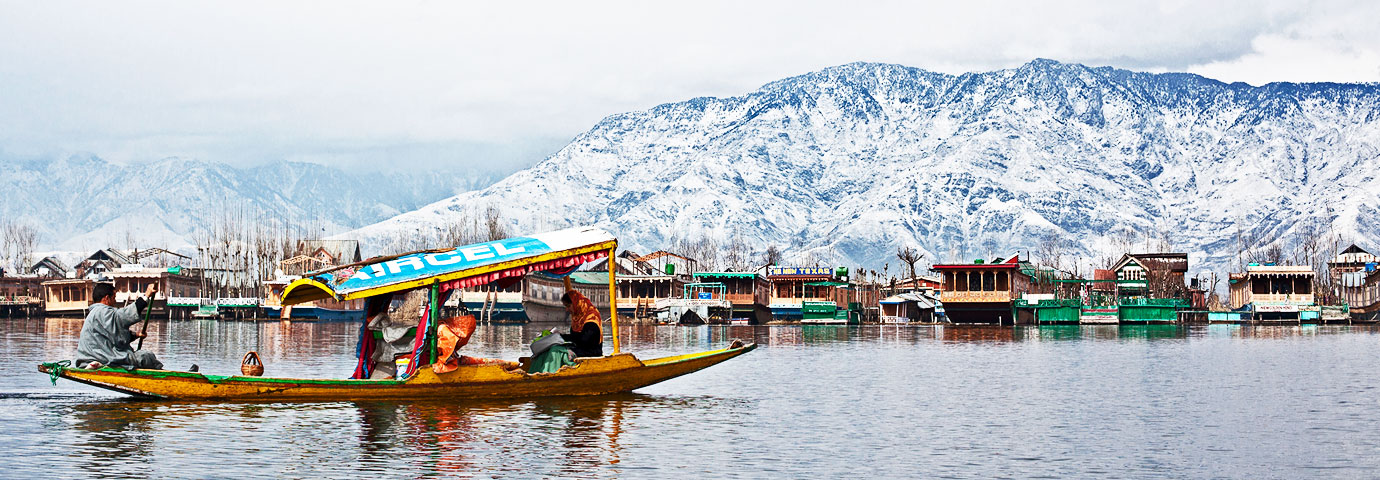
Dal Lake Dal Lake is everything you could ask for in a hillside lake, and more. Considered the jewel of Srinagar and an attraction associated with Srinagar, the beauty of this pristine lake, spread over 26 square kilometres, only grows around every corner. It is not one lake but a combination of three separated by causeways that in itself becomes an attraction. Be it the beautiful wooden houseboats drifting casually through the waters, the colourful Shikharas that cruise by with awestruck passengers, the floating markets at the crack of dawn, or the manicured lush gardens from the Mughal era along the shore, Dal lake is practically a representation of the Srinagar itself. The Dal lake consists of four main char chinars in the middle of the lake which is a means of its recognition. The Mughals saw the potential in the Dal lake and surrounded it with beautiful gardens and pavilions and also built the Shalimar and Nilshad Gardens exactly at a place where the beautiful outstretched lake can be seen in all its glory. The Britishers brought forward the concept of boat houses in the Dal Lake, which further promoted tourism to the lake. A tourist hub, one should not miss the pristine beauty of Dal Lake.
Houseboats and Shikara are synonymous with the Dal Lake, especially since the Shikaras are a cultural symbol and seen only in Srinagar. These are wooden boats pointed at both ends and have beautifully decorated canopies overhead. It is the favoured means of transport for local people, and you can see them ferrying a variety of goods across the lake to the mainland. A ride in a Shikara is a must have. A unique shopping experience in the Dal Lake is that of the lake market, which includes a number of shops located right on the midst of the lake. Much like a roadside market would have, hawkers are present here as well. They have Shikaras of their own and have all sorts of good for sale, which include Kashmir’s specialities such as wooden artwork, hand made earrings, saffron and even Kashmiri ponchos. The other attraction in the waters of Dal Lake is the houseboat, which are stationary boats meant to serve as accommodation for visitors. Overlooking the Dal Lake, they provide the most exquisite views of the lake and its surrounding mountains. They are made of good quality wood with intricate carvings and floral motifs. These could range from a simple one-room affair to huge luxurious suites and are graded accordingly by the Department of Tourism. Often, the interiors are beautifully decorated with Kashmiri carpets, crystal chandeliers and plush furniture.
Mughal Gardens The Mughal Gardens are one of the most popular and the most visited tourist attractions of Srinagar. During their rule, the Mughals began to build several types of gardens in Persian architecture, and the combination of these gardens is referred to as the Mughal Gardens. The natural beauty of the place filled with lush green grass and the scented flowers is a stress-buster and pleasing to the eyes. The Mughal Gardens in Srinagar comprise of Nishat Bagh, Shalimar Bagh, Chashme Shahi, Pari Mahal, Achabal and Verinag Garden. The grandeur of the gardens is dedicated to Emperor Jahangir who always had an undying love for Kashmir. Jahangir was responsible for the selection of the site and planning the requirements of the paradise gardens. They follow a Persian style of architecture and have been influenced by the Persian gardens. Some typical features of Mughal Gardens which are a treat for its visitors include canals, pools and fountains.
Gulmarg Dubbed as skiers’ paradise, Gulmarg is the snow paradise of Kashmir. Located approximately 52kms away from capital city of Srinagar, the Meadow of Flowers as it is popularly called, Gulmarg is a haven for adventure enthusiasts. Along with prominent skiing options, trekking, snowboarding, golfing, mount biking and fishing are the prime options that the town offers adventure seekers. . This skier’s paradise is popular for having one of world’s highest and largest ropeways with an aerial distance of approx. 5kms. The view from top of the mountains at 3979 metres above sea level is absolutely stunning. Snow falls are regular even during summer, giving every tourist a fair chance to enjoy snow! Places to visit near Gulmarg include Kongdori, Shark Fin and Apharwat Peak not only for skiing but also to witness the splendid natural landscape. of Gulmarg. Other places where you can see nature at her majestic best includes a trek to Nagin Valley, Khilanmarg, Frozen Lake and Bota Pathri. Baba Reshi and Gulmarg Gondola (Cable car) also makes for a must visit in Gulmarg.
Sonmarg Sonmarg which translates to ‘Meadow of Gold’ is one of the most picturesque towns in Kashmir at an elevation of around 2,800 feet from sea level with snow-covered flower-laden fields, surrounded by majestic glaciers and serene lakes This town is also one of the base points for starting the Amarnath Yatra. River rafting, zorbing, trekking are the various events conducted around this popular tourist spot. Sonmarg is inaccessible in winters due to heavy snowfall and avalanches.
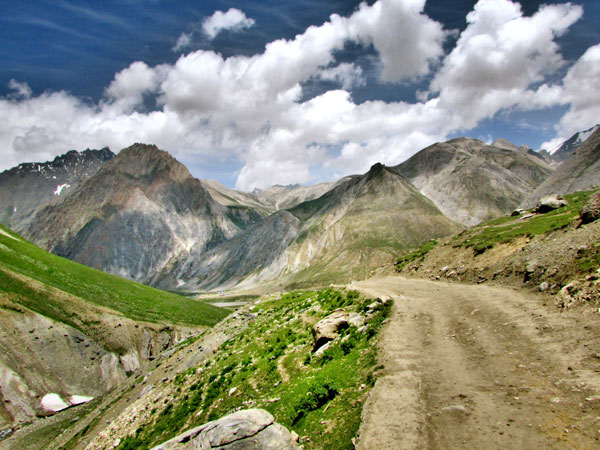
There are a large number of trek and short routes that lead to mountain lakes like Gangabal Lake, Krishansar Lake and Vishansar Lake, Other places like Naranag, Harmukh Mountain and the famous Baltal and Thajiwas Glacier are also must-see spots in Sonmarg. Baltal, which is located 15kms away from Sonmarg, is used as the base camp for pious Amarnath Yatra. Also try and visit Zojila Pass, which is situated near Sonmarg and connects Kashmir and Ladakh.
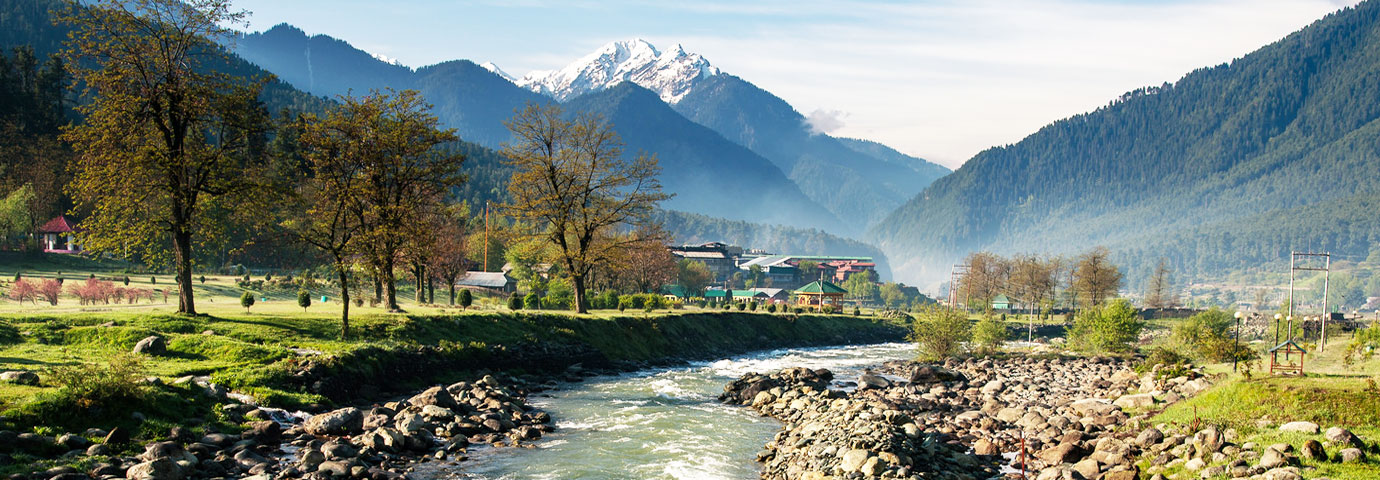
Pahalgam Surrounded by Lidder Lake and Betaab Valley, Pahalgam is the place to experience clear water rivers and exhilarating deep valleys. This place is famous for river rafting at Lidder Lake, golfing and shopping for traditional Kashmiri items.
The green meadows and the lofty mountains are followed with tranquility and serenity in Aru Valley, Betaab Valley, Baisaran, Sheshnag lake and Tulian Lake can invigorate your senses and activities like horse riding; trekking and golf make sure that you remain engaged all through your journey. Chandanwari, which is located 16kms away from Pahalgam is the base camp for Amarnath Yatra, a trekking route of approximately 30kms lead up to the holy shrine of Amarnath from here.
Amarnath Amarnath is one of the most important pilgrimage in India for the worshippers of Lord Shiva. The Amarnath cave is haven to an enshrined image of ice called the Shivaling formed naturally out of ice, which resembles Lord Shiva. This destination is visited by millions of tourists every year from all across the world in what is famously known as the ‘Amarnath Yatra’. The Amarnath cave situated in this town is considered to be a devout location for the pilgrims, most notably Hindus. Legend has it that, this place is regarded to be the same cave where Lord Shiva revealed the secret of life and eternity to Goddess Parvati. The Amarnath Yatra takes place once a year for a duration of 45 days, starting from somewhere in July and extending till late August. There are various means to reach the Amarnath cave; on foot, on horses, or by a helicopter. The entire rendezvous with the ice Shiva Linga does not last more than a few seconds due to a flood of people, but a mesmerizing experience, nevertheless.
Pulwama Also known as the city of colour burst, Pulwama is best known for its saffron fields. A picturesque terrain, pleasant weather and a rich culture means that Pulwama describes Kashmir to a T. It is almost 40 km from summer capital of Srinagar and is often called ‘Anand of Kashmir’ or ‘Dudha-Kul of Kashmir’ due to its high milk production. A lot of trekking trails are also available from the city into the beautiful valley of Kashmir. Pulwama gives you quite a large number of places for sightseeing including Nagberan, Tarsar Lake, Marsar Lake, Shikargarh and Aripal Nag. Where, Nagberan is a small scenic town that draws lot of nature lovers to it, there Shikargarh is known for attracting wildlife lovers. On the other side, Tarsar and Marsar are two legendary lakes that must be visited for its unmatched beauty. Another allure of Pulwama is Aripal Nag, which is situated 11kms from Tral town and is famed for natural water springs. If you cherish visiting historical places and shrines then the Avantishwar Temple is a must visit for you.
Kupwara Knowns as the ‘Crown of Kashmir’, the beautiful city of Kupwara is filled with lush, alpine mountains, gushing clear waters and mountains. Boasting of lofty mountain peaks like Shamsbari (12000ft above sea level), Nastachun (10273ft above sea level) and Dajalonjun (16000ft above sea level), this district exemplifies the beauty of Kashmir. The Ainch Mountain offers the opportunity to get a panoramic view of the Vale of Kashmir from its top. There are also many historical villages that allow the history lovers to contemplate including Gushi (Built by Kashi Shah), Karnah (mentioned in Raj Tarangini written by Kalhana) and Keran. However, the Lolab Valley steals the limelight and Kheer Bhawani Asthapan, Hazrat Mehmood Shah Shrine, Shaloora shrine and many other make for other brilliant option for sightseeing in Kupwara.
Poonch Located in the border of India and Pakistan, this place is frequently in the news for news of fighting. Fringed by Pir Panjal range, it is one of the most scenic places that we encounter in Kashmir. The waterfall at Behram Galla named as Noori Chhamb, the seven lakes (Sukhsar, Neelsar, Bhagsar, Katorasar, Kaldachnisar and Nandansar) at Girgan Dhok, the 18th century Poonch Fort and small villages like Mandi and Surankote are the highlights of the valley. There are many shrines and temples like Budha Amarnath in Mandi, Gurudwara Nangali Sahib, Gurudwara Deri Sahib, Ziarat Sain Illahi Bakash Sahib, Battalkote that are quite popular and should be visited in Poonch.
Anantnag Strategically positioned and organized, Anantnag has some of the most picturesque towns of the valley of Kashmir. Kokernag, Pahalgam, Verinag and Daksum are few places that are places you must visit. Near Anantnag exists the confluence of three streams, Arapath, Brengi and Sandran, and the resulting river is named Veth or Jhelum. There are several larger streams such as Brengi. Another stream Lidder joins the river a little downstream and from that point the river becomes navigable. In olden times river Jhelum was the main source of transportation between Anantnag and other towns downstream. Visit Kokernag for the most interesting ‘Claw-like’ formation of the streams that divide from here, the largest fresh water springs in Kashmir. Standing at 2438m, Daksum is apt for those seeking perfect peaceful ambiance. The prominent feature of the Anantnag city is the Martand Temple, which is a must see. A few kilometers away from the city are Daksum, which is the heaven for nature lovers. Here is at solitude finds its real meaning. A tour to Verinag can leave you stunned; the variety of flowers and the sparkling Verinag springs is truly worth seeing here.
Baramulla Reckoned to be the Gateway of Kashmir, Baramulla is another bright gem from the Kashmir’s treasure trove. Both the city and the district of Baramulla are generously blessed with natural endowments. Gulmarg, Khilanmarg and Tangmarg are also places of interest in Jammu & Kashmir tourism along with being important tourist attractions in the district. Where Gulmarg is an idyllic skiing resort, there Khilanmarg is a flower-spangled wide valley, you will get ample of opportunities to click beautiful pictures here. If in Baramulla, you must also visit Wular Lake, which is considered Asia’s largest fresh water lake and if you enjoy bird watching, you can also visit Manasbal Lake. Vijimarg, Mahalishamarg and Uri are some ideal picnic spots. However, it can rightly be said that a journey to Uri is more interesting rather than the destination.
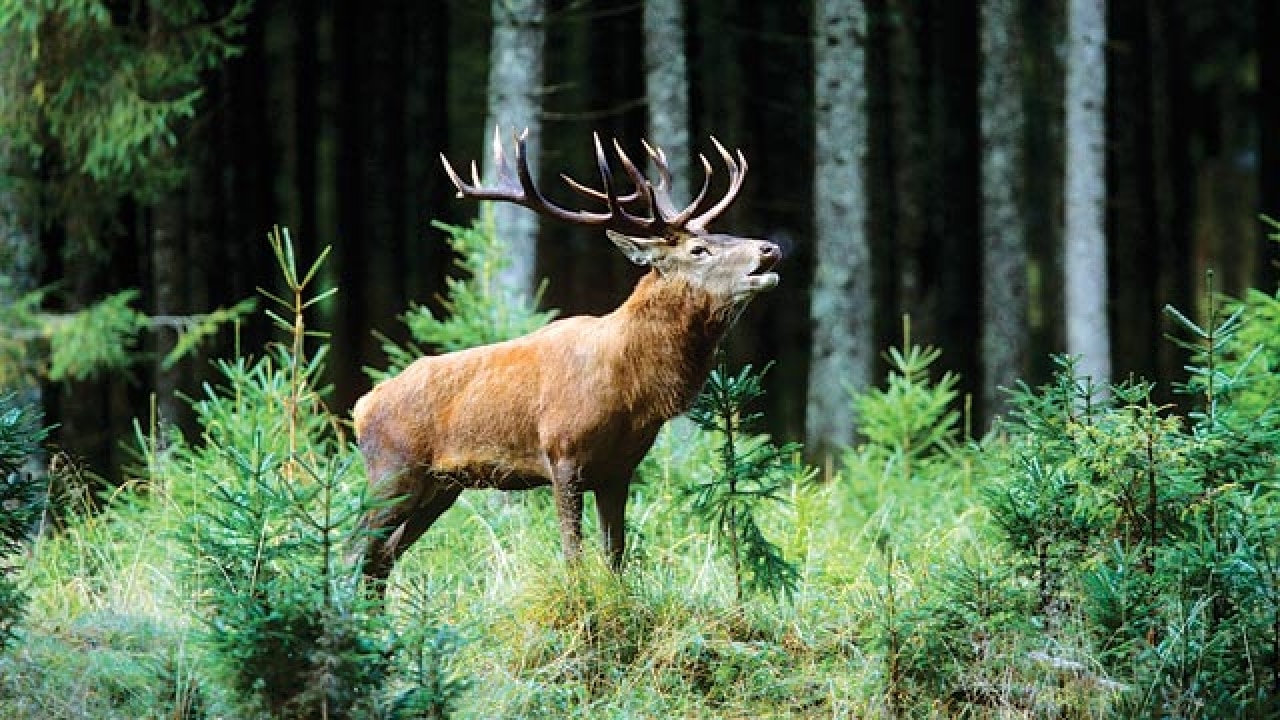
Dachigam National Park The park is best known for having the rarest of species – the hangul, or Kashmir stag, the only species of red deer to be found in India. It is India’s most elevated forest reserve at an altitude of 1,700 m. to 4,300 m. above sea level and is spread over a sprawling 141 sq kms. Right from the Himalayan grey langur that feed on the barks of trees to the rare Himalayan brown bear to Pygmy Owlets to the predators, the leopards. Other inhabitants include the Himalayan black bear, species of exotic Himalayan birds. The elusive snow leopard is also found at the higher altitude. Other animals that can be spotted are rare musk deer and the Himalayan marmot. The magnificent golden eagle and vulture and seen in the soaring skies. Dachigam National Park is situated a mere 22 km from Srinagar. Dachigam literally stands for ‘ten villages’, which is kept in memory of the ten villages that had to be relocated in order to create the catchment area and the park.
I will travel more around the state to the southern parts of Jammu as well as to the exotic westen part of Ladakh in my next post.
Another thing I noted while researching for this blog post – when I searched for images, for most destinations, my first hits were images from attacks. I had to search and refine my search to look for photos on the beauty of the place. This is real sad!
After eight idyllic months in the Mediterranean, Lady Julia Grey and her detective husband are ready to put their investigative talents to work once more. At the urging of Julia’s eccentric family, they hurry to India to aid an old friend, the newly widowed Jane Cavendish. Living on the Cavendish tea plantation with the remnants of her husband’s family, Jane is consumed with the impending birth of her child—and with discovering the truth about her husband’s death. Was he murdered for his estate? And if he was, could Jane and her unborn child be next?
Amid the lush foothills of the Himalayas, dark deeds are buried and malicious thoughts flourish. The Brisbanes uncover secrets and scandal, illicit affairs and twisted legacies. In this remote and exotic place, exploration is perilous and discovery, deadly. The danger is palpable and, if they are not careful, Julia and Nicholas will not live to celebrate their first anniversary.
A fairly short week with the National Day at the end of the week meant that things were a little easy this week.
I spent the weekend thinking each day was the next day because it’s not often we get a long weekend all the way from Friday to Monday off. I spent the weekend without any alarms and it was so nice to wake up when I wanted to and not when the alarm asked me to.
This week also starts with a public holiday for Hari Raya Haji or Bakri Eid as it’s called in South Asia.
I was quite good at clearing my to-do list last week and am hoping to replicate the same this week too.











 Memories and Such