In My Hands Today…

The World Without Us- Alan Weisman

In The World Without Us, Alan Weisman offers an utterly original approach to questions of humanity’s impact on the planet: he asks us to envision our Earth, without us. In this far-reaching narrative, Weisman explains how our massive infrastructure would collapse and finally vanish without human presence; which everyday items may become immortalized as fossils; how copper pipes and wiring would be crushed into mere seams of reddish rock; why some of our earliest buildings might be the last architecture left; and how plastic, bronze sculpture, radio waves, and some man-made molecules may be our most lasting gifts to the universe.

The World Without Us reveals how, just days after humans disappear, floods in New York’s subways would start eroding the city’s foundations, and how, as the world’s cities crumble, asphalt jungles would give way to real ones. It describes the distinct ways that organic and chemically treated farms would revert to wild, how billions more birds would flourish, and how cockroaches in unheated cities would perish without us. Drawing on the expertise of engineers, atmospheric scientists, art conservators, zoologists, oil refiners, marine biologists, astrophysicists, religious leaders from rabbis to the Dalai Lama, and paleontologists—who describe a prehuman world inhabited by megafauna like giant sloths that stood taller than mammoths—Weisman illustrates what the planet might be like today, if not for us.

From places already devoid of humans (a last fragment of primaeval European forest; the Korean DMZ; Chernobyl), Weisman reveals Earth’s tremendous capacity for self-healing. As he shows which human devastations are indelible, and which examples of our highest art and culture would endure longest, Weisman’s narrative ultimately drives toward a radical but persuasive solution that needn’t depend on our demise. It is narrative nonfiction at its finest, and in posing an irresistible concept with both gravity and a highly readable touch, it looks deeply at our effects on the planet in a way that no other book has.

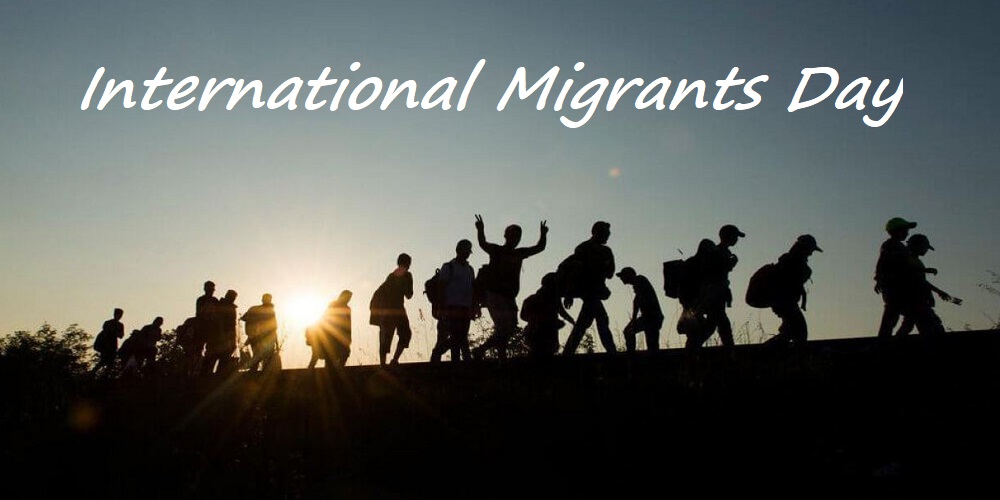
International Migrants Day

On Saturday, the world will commemorate another International Migrants Day amidst the pandemic. Celebrated since 2000, the International Migrants Day highlights the contributions made by the roughly 272 million migrants, including more than 41 million internally displaced persons, and the challenges they face.

In 1997, Filipino and other Asian migrant organizations began celebrating and promoting 18 December as the International Day of Solidarity with Migrants and the date was chosen because it was on 18 December 1990 that the UN adopted the International Convention on the Protection of the Rights of All Migrant Workers and Members of Their Families.

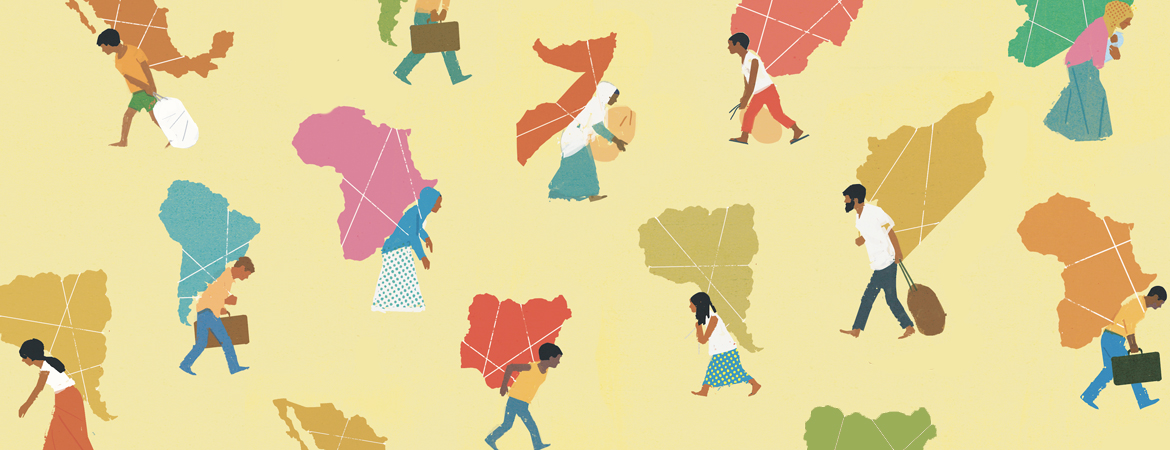
Since the earliest times, humanity has been on the move. Some people move in search of work or economic opportunities, to join family, or to study. Others move to escape conflict, persecution, terrorism, or human rights violations. Still others move in response to the adverse effects of climate change, natural disasters, or other environmental factors. Migration has been a courageous expression of the individual’s will to overcome adversity and to live a better life. Today, globalisation, together with advances in communications and transportation, has greatly increased the number of people, who have the desire and the capacity to move to other places, but has created challenges and opportunities for societies throughout the world. It also has served to underscore the clear linkage between migration and development, as well as the opportunities it provides for co-development, that is, the concerted improvement of economic and social conditions at both origin and destination.

Today, more people than ever live in a country other than the one in which they were born. According to the IOM World Migration Report 2020, as of June 2019 the number of international migrants was estimated to be almost 272 million globally, 51 million more than in 2010. Nearly two thirds were labour migrants. International migrants comprised 3.5% of the global population in 2019. This compared to 2.8% in 2000 and 2.3% in 1980. While many individuals migrate out of choice, many others migrate out of necessity. According to UNHCR, the number of globally forcibly displaced people worldwide was 79.5 million at the end of 2019, of which 26 million were refugees, 45.7 million people were internally displaced, 4.2 million were asylum-seekers, and 3.6 million were Venezuelans displaced abroad.

Migration draws increasing attention in the world nowadays. Migration is a global phenomenon driven by many forces. These start with aspirations for dignity, safety and peace. The decision to leave home is always extreme, and, too often, the beginning of a dangerous, sometimes fatal journey. The lure of a well-paid job in a wealthy country is a powerful driver of international migration. The attraction has intensified as income differentials among countries continue to grow. This holds true not only regarding the large and growing differentials between high and low-income countries, but also with regard to the more dynamic and the less dynamic developing countries.

Many advanced and dynamic economies need migrant workers to fill jobs that cannot be outsourced and that do not find local workers willing to take them at going wages. Population ageing also underlies this growing demand, as it gives rise to deficits of workers relative to dependants. And as younger generations become better educated, fewer in their ranks are content with low-paid and physically demanding jobs. Migration may reduce wages or lead to higher unemployment among low-skilled workers in advanced economies, many of whom are themselves migrants who arrived in earlier waves. However, most migrants complement the skills of domestic workers instead of competing with them. By performing tasks that either would go undone or cost more, migrants allow citizens to perform other, more productive and better-paid jobs. They also maintain viable economic activities that, in their absence, would be outsourced. By enlarging the labour force and the pool of consumers and by contributing their entrepreneurial capacities, migrants boost economic growth in receiving countries.

At the point of origin, deeper poverty does not lead automatically to higher migration. The poorest people generally do not have the resources to bear the costs and risks of international migration. International migrants are usually drawn from middle-income households. However, when migrants establish themselves abroad, they help friends and relatives to follow and, in the process, the costs and risks of migration fall, making it possible for poorer people, though not for the poorest, to join the stream. Low-skilled migration has the largest potential to reduce the depth and severity of poverty in communities of origin. Mounting evidence indicates that international migration is usually positive both for countries of origin and of destination. Its potential benefits are larger than the potential gains from freer international trade, particularly for developing countries.

Contrary to what some may believe, migrants play a vital role in the global economy. Studies show that immigrants bring growth and innovation in both the countries they come from, and in those they move to. Most advanced nations face a demographic time-bomb as their aging populations and low birth rates mean that they will have to rely on immigrants to drive and sustain economic growth. It is, therefore, in the best interests of these developed nations to support a safe and orderly migration.

So if you have any migrants who live or work near you, take some time and actually get to know them, their hopes and aspirations and who they really are. They are far away from their family and friends in an unknown land just to make a living. Among the migrant workers in our midst could be teachers, authors, poets and businessmen who for reasons beyond our knowledge are forced to do hard labour. So the least we can do is smile and ask them about themselves.

In My Hands Today…

The Rise and Fall of the Third Reich: A History of Nazi Germany – William L. Shirer

Hitler boasted that The Third Reich would last a thousand years. It lasted only 12. But those 12 years contained some of the most catastrophic events Western civilization has ever known.

No other powerful empire ever bequeathed such mountains of evidence about its birth and destruction as the Third Reich. When the bitter war was over, and before the Nazis could destroy their files, the Allied demand for unconditional surrender produced an almost hour-by-hour record of the nightmare empire built by Adolph Hitler. This record included the testimony of Nazi leaders and of concentration camp inmates, the diaries of officials, transcripts of secret conferences, army orders, private letters—all the vast paperwork behind Hitler’s drive to conquer the world.

The famed foreign correspondent and historian William L. Shirer, who had watched and reported on the Nazis since 1925, spent five and a half years sifting through this massive documentation. The result is a monumental study that has been widely acclaimed as the definitive record of one of the most frightening chapters in the history of mankind.

This worldwide bestseller has been acclaimed as the definitive book on Nazi Germany; it is a classic work.

The accounts of how the United States got involved and how Hitler used Mussolini and Japan are astonishing, and the coverage of the war-from Germany’s early successes to her eventual defeat-is must reading

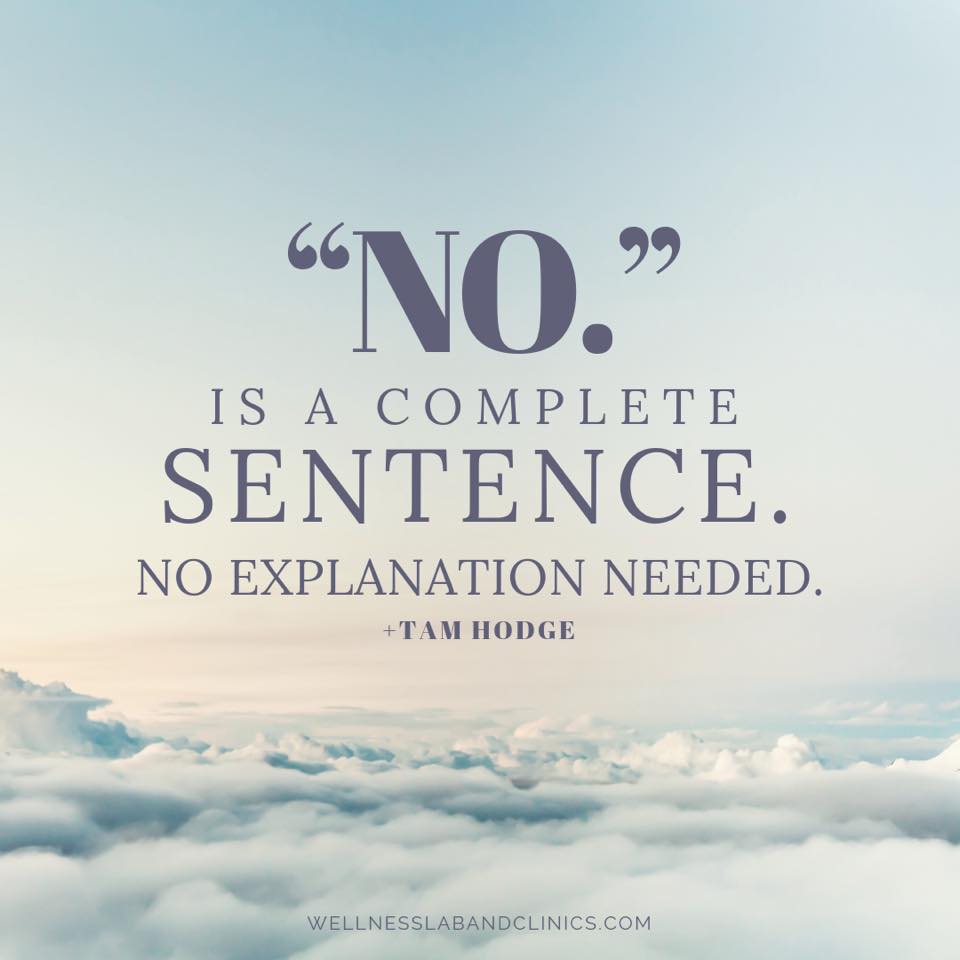
No is a complete sentence

Source

A few months back, I finally saw the Bollywood film, Pink. This film, which is a Hindi language legal thriller about three women who are sexually assaulted and who are then portrayed to be culprits and women of loose character because they live alone, away from their families, dress in not conservative clothes, drink and date. One sentence from the film, uttered by the lawyer Deepak Sehgal, played by Amitabh Bachchan stood out in my mind and the sentence is the title of my post; “No is a complete sentence”

If you think about it, No is indeed a complete sentence. It’s okay to say it whenever we need to, without fear or guilt. Yet many of us find it hard to say no because our boundaries have become so eroded that we scarcely know where we stop and other people begin. We don’t need to justify our actions when we refuse someone’s request. At work, at home and in any situation, when people ask us for help, we usually find it very hard to refuse the request or command. Hence, reluctantly even, we agree to help because we feel guilty in refusing. If we don’t know how to say no to things, then saying yes loses meaning. By saying yes to everything that is asked of us, we are setting ourselves up for failure at some point or the other.

Our need for connection is what instils fear of saying no, because we believe that it will make the people on the other end upset, creating a barrier in our relationship with them. Saying no can also cause cognitive dissonance in us — that uncomfortable feeling in our solar plexus and mind when our actions don’t match up with our words, values, and morals. When we believe ourselves to be a helpful, kind person above all else, and then choose to say no to something helpful and kind, it causes this feeling.

As if this was not enough, our culture places an unrealistic value on the pursuit of busyness. Society tells us that if we aren’t working on something, anything, we are just wasting time. Thus, if the reason we are saying no is so that we can find time to do something for ourselves or, perhaps, even manage to do nothing at all, we feel unworthy. And even when we finally muster up the courage to say no or I can’t, we then feel obligated to offer up an explanation to justify this unfavourable response. And this is why No is a complete sentence.

Saying the word no when someone asks you to do something, and then not following it up with the why may feel odd and even rude. The charged space that word leaves behind is palpable. But learning to say no and letting it hang out there all alone in its glory is a small kind of superpower. Of course, the person getting the no from you will fire back a why when you decline to do what they are asking you to do. If this happens and you feel that stating no is a complete sentence is a bit harsh, try bundling up your courage with a little vulnerability. When pushed for a reason, you could say something on the lines that you are tired or you have other commitments, but more often than not, just saying no will be very liberating. Of course, you may have to give some explanation if it’s at work and your manager pushes you, but keep it as simple as possible so you don’t get into any complicated explanations.

It’s pretty natural that after years of societal and generational impact, no has a distinctively negative connotation and denotation. The No has to be reframed as not being a negative term and we have to begin to think of no not as a solitary decision but in the context of the positive impact saying no has.

Here is what you need to do when you don’t want to do something: say No. That’s no, period, end of the story. If you want to say, No, thank you, that is acceptable, but don’t add anything else to the sentence. However, if you feel it is rude or abrupt by simply stating no, there are many alternative ways to say no without ever uttering the word. One degree of departure from the word No would be saying I can’t. Two degrees of departure would be saying, I’ll get back to you and buying yourself enough time to give yourself a pep talk so that you can politely decline. Three degrees of departure would be saying yes to something else by creating alternatives, kind of like a reverse mind trick. By doing this, you shift the response from a negative one of something you can’t or won’t do to something positive and something you can or are willing to do.

Learning to say no is sort of like learning how to meditate; it’s a habit that you have to cultivate. The more you say it, the easier it gets. The easier it gets, the less guilty you feel. We need to set up personal boundaries around what we are and aren’t willing to accept for our mental stability. And saying no doesn’t just mean declining invitations or saying no to extra work.

Learning to say no isn’t something you only need to do with other people, it’s something you need to learn to say to yourself. Saying no to yourself means creating personal boundaries that will ultimately contribute to your well-being in the long term. Setting up boundaries means recognizing that other people have boundaries, too. It means asking for consent. No is the magic word to getting your life back. Just remember that it is a complete sentence, and act accordingly. Because if you can’t say no, your Yes doesn’t mean anything.

2021 Week 49 Update

It’s just a couple of weeks till the end of the year. I think we are all waiting to see if 2022 is better than the last two years.

After posting last week’s update I realised I had not updated my walking stats. So I am in the last province of Myanmar before I hit India’s borders. I will most likely not hit the borders by the end of the year but will do so in early January.

This past week has been all about doctor visits for us. GG had an ultrasound which showed up as completely normal, so all her issues are because of her thyroid. So we are still on medication and hope by the next review, she will have better results.

I also had to get a tooth extracted this week because it was quite decayed. I have always prided on having excellent teeth and having the dentist tell me that it is very decayed and even a root canal may not save it was very hard. It took me a while to digest the fact before I could sign the waivers for the extraction.

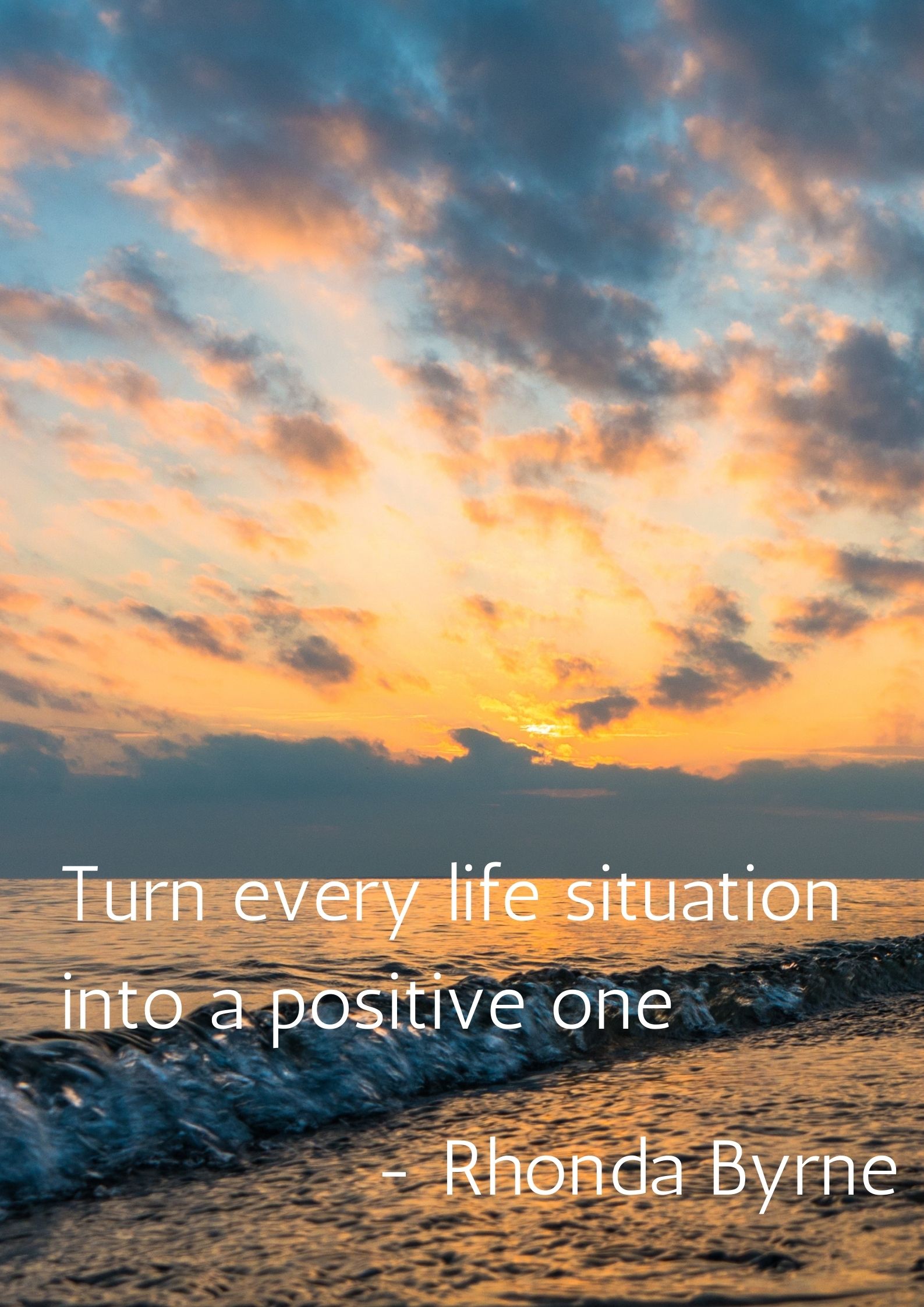
Today’s quote comes to us from Rhonda Byrne, an Australian television writer and producer, whose best selling book, The Secret and then the film based on the book is based on the law of attraction. She tells us to turn every situation in life into a positive one. This is akin to saying the glass is half full instead of half empty where we look at the positive aspect of a situation and perceive life through an optimistic lens instead of being pessimistic.

And after flipping and flopping, as of this morning, travellers from Singapore need not spend time in a home quarantine when they go to India. So this is really good news for all those wanting to visit family. I am seriously considering making a short trip to Mumbai early next year, and hope and pray that things stay the same, or become better and not take a turn for the worse.

And with that, stay safe, stay masked and get vaccinated!