In My Hands Today…

Step by Step – Simon Reeve

TV documentary maker Simon Reeve has dodged bullets on frontlines, hunted with the Bushmen of the Kalahari, dived with manta rays, seals and sharks, survived malaria, walked through minefields, tracked lions on foot, been taught to fish by the President of Moldova, and detained for spying by the KGB.

After a decade spent making more than 80 programmes he has become a familiar face on British TV, well known for his extraordinary journeys across jungles, deserts, mountains and oceans, and to some of the most beautiful, dangerous and remote regions of the world.

But what most people don’t know is that Simon’s own journey started in a rough area of Acton, West London where he was brought up and left school with no qualifications. For the first time he will tell his life story with a book rich in anecdotes to entertain and inform readers about some of the most fascinating (and often dangerous) places in the world and what it took to reach them.

In My Hands Today…

Wanderlust: The Amazing Ida Pfeiffer, the First Female Tourist – John van Wyhe

I found no one to accompany me, and was determined to do; so I trusted to fate, and went alone”.

In 1797 in Vienna, Ida Pfeiffer was born into a world that should have been too small for her dreams. The daughter of an Austrian merchant, she made clear from an early age that she would not be bound by convention, dressing in boys’ clothing and playing sports. After her tutor introduced her to stories of faraway lands, she became determined to see the world first-hand. This determination led to a lifetime of travel —much of it alone — and made her one of the most famous women of the nineteenth century.

Pfeiffer faced many obstacles, not least expectations of her gender. She was a typical nineteenth century housewife with a husband and two sons. She was not wealthy nor well connected. Yet after the death of her husband, and once her sons were grown and settled, at the age of forty-one she set off on her first journey, not telling anyone the true extent of her travel plans. Between that trip and her death in 1858, she would barely pause for breath, circling the globe twice—the first woman to do so—and publishing numerous popular books about her travels. Usually traveling solo, Pfeiffer faced storms at sea, trackless deserts, plague, malaria, earthquakes, robbers, murderers, and other risks.

In Wanderlust, John Van Wyhe tells Pfeiffer’s story, with generous excerpts from her published accounts, tell of her involvement with spies, international intrigue, and more. The result is a compelling portrait of the remarkable life of a pioneer unjustly forgotten.

World Diabetes Day

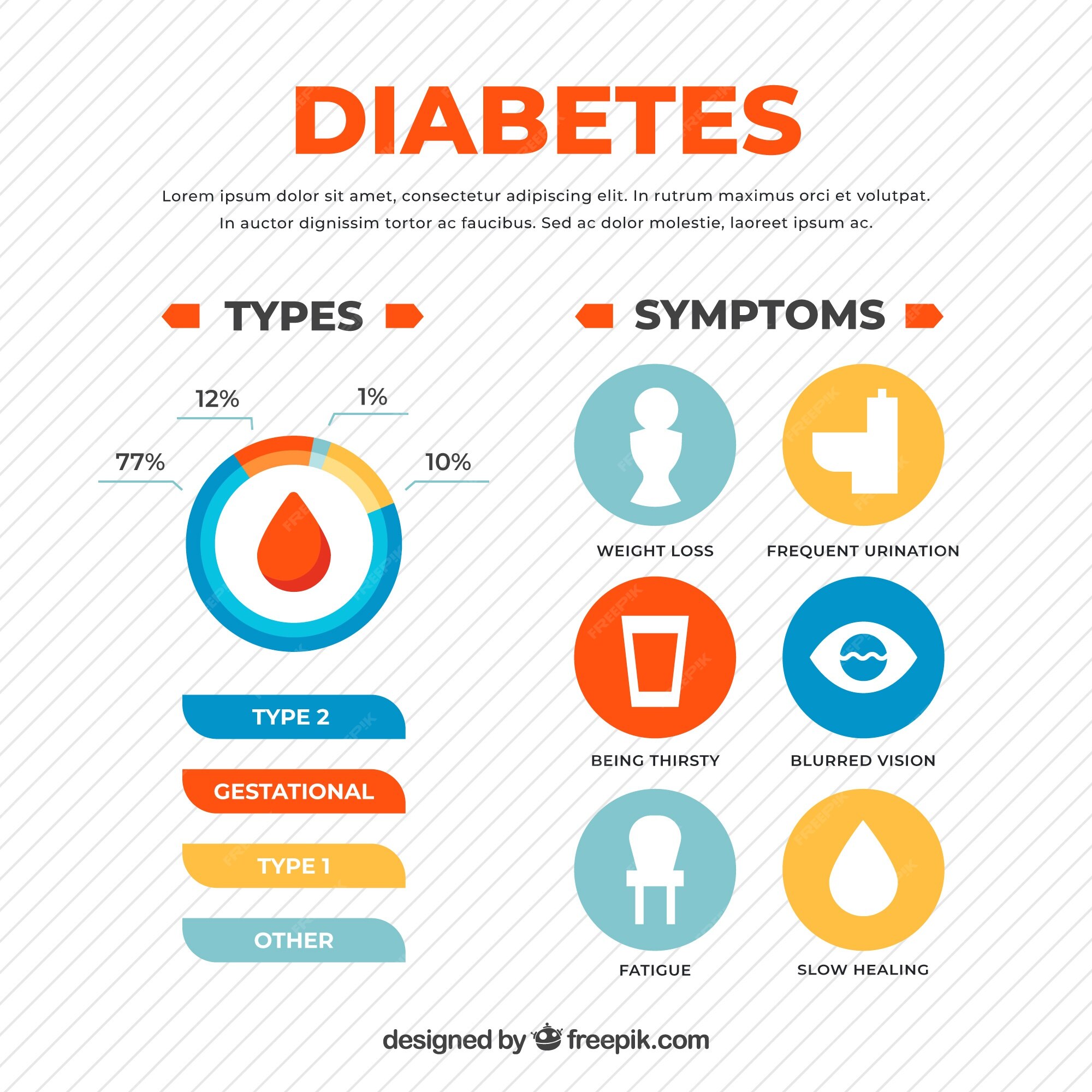
Also known as Diabetes Mellitus, diabetes, as it is popularly known, is a group of metabolic disorders characterised by a high blood sugar level or hyperglycemia over a prolonged period. Symptoms often include frequent urination, increased thirst and increased appetite. If left untreated, diabetes can cause many health complications, including diabetic ketoacidosis, hyperosmolar hyperglycemic state, or death. Serious long-term complications include cardiovascular disease, stroke, chronic kidney disease, foot ulcers, damage to the nerves, damage to the eyes, and cognitive impairment. Diabetes occurs when either the pancreas is not producing enough insulin or the cells of the body are not responding properly to the insulin produced. There are three main types of diabetes mellitus. Type 1 diabetes results from the failure of the pancreas to produce enough insulin due to the loss of beta cells and was previously referred to as insulin-dependent diabetes mellitus or juvenile diabetes and usually appears during childhood or adolescence, but can also develop in adults. Type 2 diabetes begins with insulin resistance, a condition in which cells fail to respond to insulin properly. As the disease progresses, a lack of insulin may also develop which was previously referred to as non-insulin-dependent diabetes mellitus or adult-onset diabetes. Though more common in older adults, a significant increase in the prevalence of obesity among children has led to more cases of type 2 diabetes in younger people. Gestational diabetes is the third main form and occurs when pregnant women without a previous history of diabetes develop high blood sugar levels and blood sugar usually returns to normal soon after delivery. However, women who had gestational diabetes during pregnancy have a higher risk of developing type 2 diabetes later in life.

The seventh leading cause of death globally, in 2021, approximately 537 million adults between the ages of 20 and 79 are living with diabetes with the total number of people living with the disease projected to rise to 643 million by 2030 and 783 million by 2045. 3 in 4 adults with diabetes live in low-and middle-income countries and almost 1 in 2 or 240 million adults living with diabetes are undiagnosed. The disease has caused 6.7 million deaths and at least US 966 billion dollars in health expenditure which is 9% of total spending on adults. More than 1.2 million children and adolescents between the ages of 0 and 19 are living with type 1 diabetes with 1 in 6 live births or 21 million affected by diabetes during pregnancy. 541 million adults are at increased risk of developing type 2 diabetes.

I have been a diabetic for about eight years now and so like to use this day to highlight this silent disease. Held annually on 14 November, the birthday of Sir Frederick Banting, who co-discovered insulin along with Charles Best in 1922, World Diabetes Day’s main focus is the global awareness campaign focusing on diabetes mellitus. World Diabetes Day was launched in 1991 by the International Diabetes Federation, IDF and the World Health Organization, WHO in response to the rapid rise of diabetes around the world. By 2016, World Diabetes Day was being commemorated by over 230 IDF member associations in more than 160 countries and territories. It became an official United Nations Day in 2006. The campaign is represented by a blue circle logo that is the global symbol for diabetes awareness. It signifies the unity of the global diabetes community in response to the diabetes epidemic.

Every year, the World Diabetes Day campaign focuses on a dedicated theme that runs for one or more years. The theme for World Diabetes Day for the years 2021 to 2023 is Access to Diabetes Care. Millions of people with diabetes around the world do not have access to diabetes care. People with diabetes require ongoing care and support to manage their condition and avoid complications. Medicine, technologies, support and care have to be made available to every diabetic that requires them. Governments have to increase investments in diabetes care and prevention. The rising number of people affected by diabetes is putting added strain on healthcare systems because it is the healthcare professionals who must know how to detect and diagnose the condition early and provide the best possible care. And simultaneously, people living with diabetes need access to ongoing education to understand their condition and carry out the daily self-care essential to staying healthy and avoiding complications.

2022 is also the centenary of the discovery of insulin. In May 1921, the experiments that would culminate in the synthesis of commercially available insulin first began in Toronto, Canada. Frederick Banting and Charles Best experimented on several diabetes-induced dogs with limited success. A breakthrough came when one of the dogs, named Marjorie by the Toronto team, survived for 70 days with injections of the pancreatic extract, or Isletin as the team were calling it. On January 23, 1922, the first successful injection of insulin was administered to a person living with diabetes.

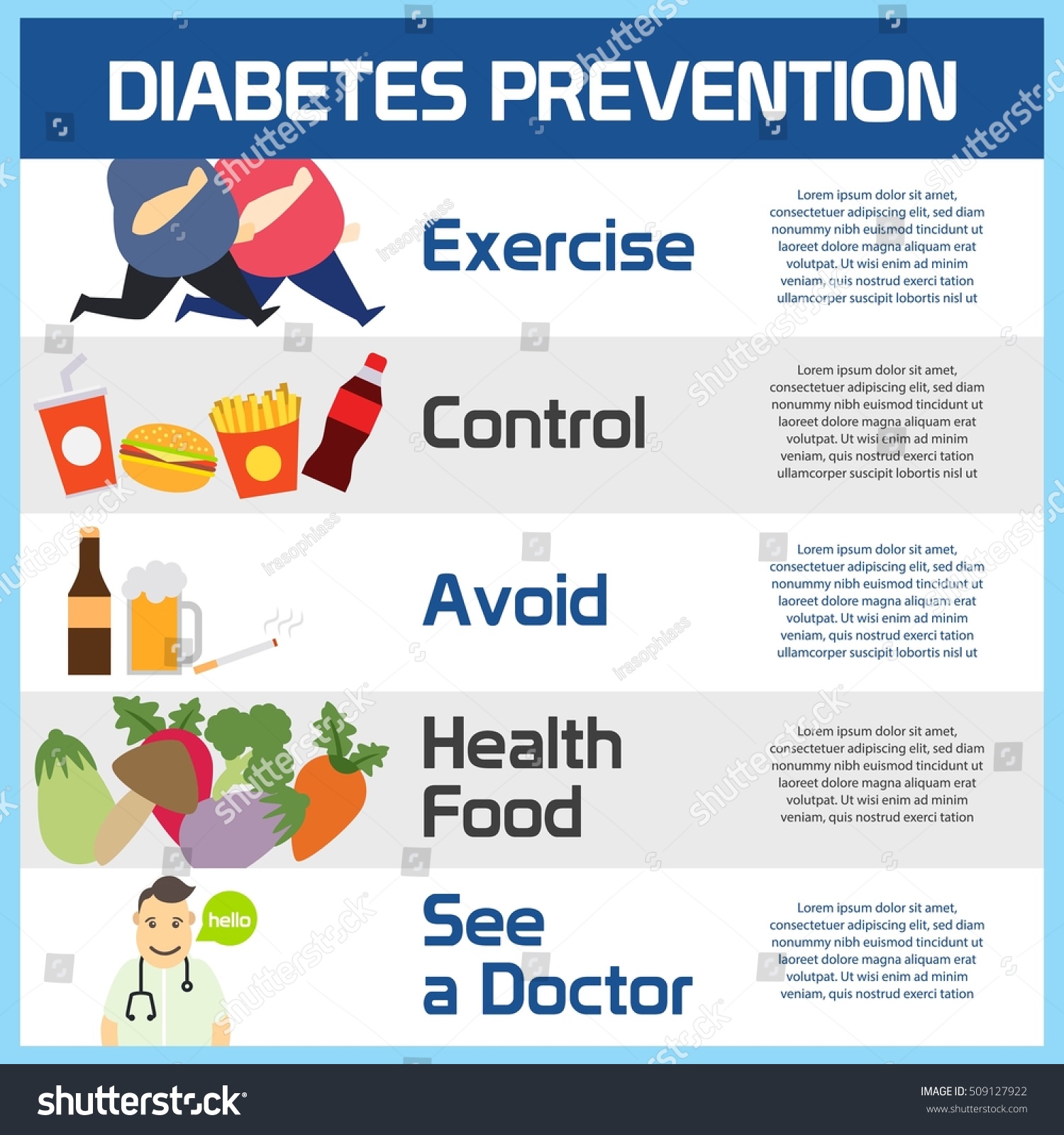
More people must know the importance of this condition and how they can recognise the signs and symptoms. This knowledge will allow individuals and entire families alike to support each other in their efforts to live healthier, diabetes-free lives. While some risk factors for developing diabetes cannot be changed, making healthy lifestyle choices can dramatically reduce a person’s chances of developing it. The key ways one can reduce the risk of developing diabetes include exercising 30 minutes or more, at least five days a week because exercise helps in losing weight, naturally lowers and maintains blood sugar levels, and boosts the body’s sensitivity to insulin, allowing the body to properly manage its blood sugar levels. It is also important to maintain a healthy weight because in many cases, being overweight or obese is the number one trigger that sets off the development of diabetes. One should also eat a healthy diet which includes plenty of fruits, vegetables, whole grains, nuts and seeds, as opposed to sugary drinks and snacks.

So get moving, eat healthily and stay healthy to beat diabetes, the silent killer.

2022 Week 45 Update

One of the most decorated skaters in Olympic history, Bonnie Blair comments that winning doesn’t always mean being first; winning means we’re doing better than we’ve done before. By its very definition, winning is the ultimate victory, but according to Blair, winning means being better each time, that we should focus on our personal growth and each time we get better at something, that is akin to a win.

I saw this slideshow on MSN a few days back and given what we know about climate change, this is fascinating and is a must-see. Please have a look so we can do something so that in our lifetime, the earth is still a place that we can gift to our children and their children.

Another interesting article I read this week in the Straits Times was about India’s predicted urban boom. According to the article, India is projected to see an explosion in its urban population in the coming decades, but its cities already cannot cope, and climate change will make living conditions harsher still. My hometown of Mumbai, one of India’s biggest metropolis, grew by some eight million people in the past 30 years, the rough equivalent of the whole of New York City, to a population of 20 million, and is forecast to add another seven million by 2035. And like other Indian megacities, Mumbai’s housing, transport, water and waste management infrastructure has not kept pace, with around 40 per cent of people living in slums, which often have no regular water, power supply or proper sanitation. As the world’s population approaches eight billion, most of them in the developing world, it is a situation replicated globally. Those living on the outskirts of Mumbai commute for hours to work, with many hanging out of doors on packed trains, and others travelling by car or motorbike on clogged, pothole-filled roads that flood during the monsoon.

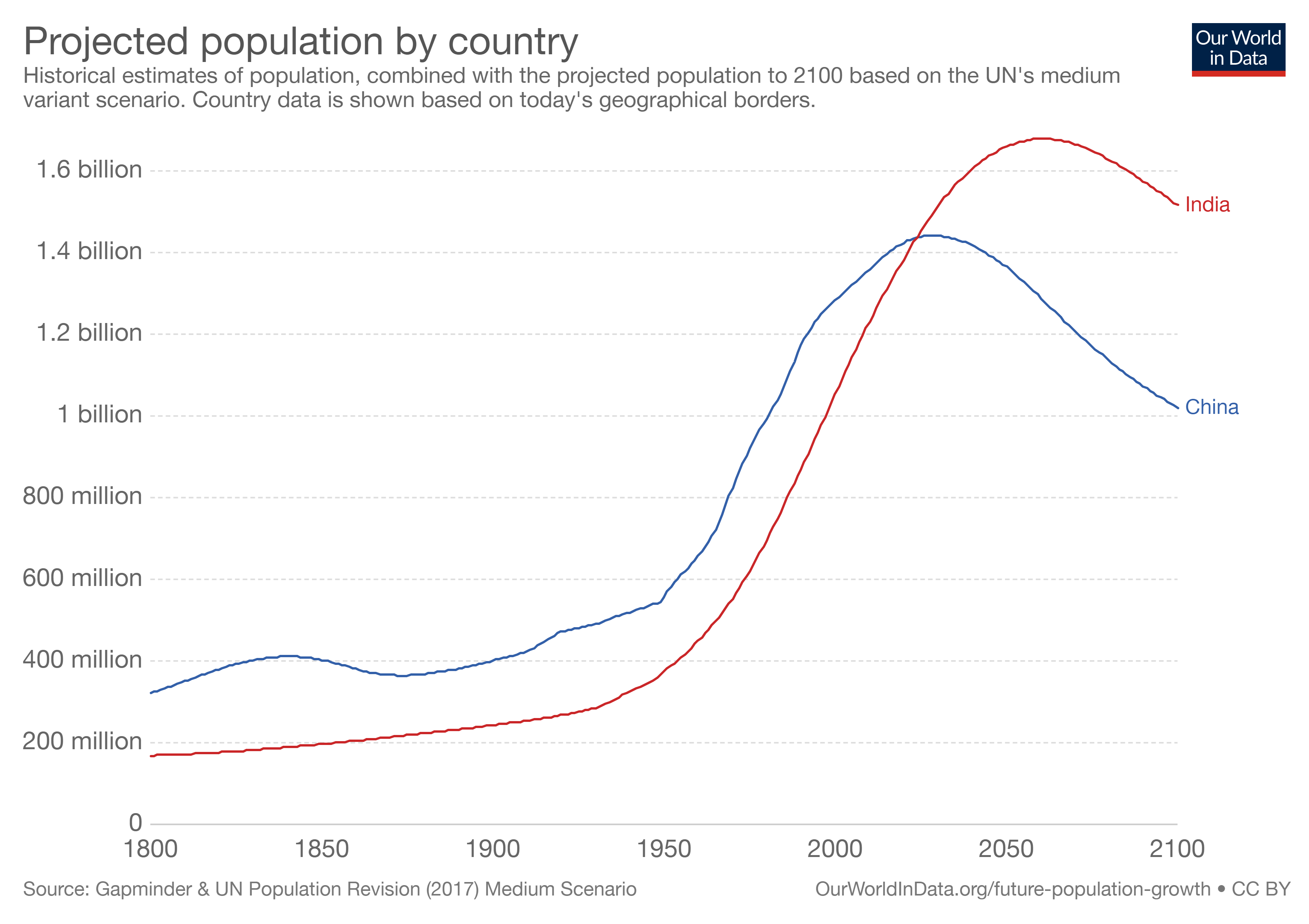
The United Nations projects that India’s population will rise from its current 1.4 billion to overtake China’s and peak at 1.7 billion in the 2060s, before dropping back to 1.5 billion by the start of the next century. By 2040, 270 million more people will live in Indian cities, according to the International Energy Agency, driving carbon emissions higher from power generation and transport, and from the production of steel and concrete to house them. Overcrowding, shoddy infrastructure and severe air, water and noise pollution are part of everyday life in India’s megacities. About 70 per cent of the billions of litres of sewage produced in urban centres every day goes untreated, a government report said in 2021. Every winter, the capital New Delhi, home to 20 million people, is cloaked in toxic air pollution that, according to one Lancet study, caused almost 17,500 premature deaths in 2019.

On that sombre note, take care people and stay safe.

In My Hands Today…

The Professor and the Madman: A Tale of Murder, Insanity and the Making of the Oxford English Dictionary – Simon Winchester

The Professor and the Madman, masterfully researched and eloquently written, is an extraordinary tale of madness, genius, and the incredible obsessions of two remarkable men that led to the making of the Oxford English Dictionary — and literary history.

The compilation of the OED, begun in 1857, was one of the most ambitious projects ever undertaken. As definitions were collected, the overseeing committee, led by Professor James Murray, discovered that one man, Dr. W. C. Minor, had submitted more than ten thousand.

When the committee insisted on honoring him, a shocking truth came to light: Dr. Minor, an American Civil War veteran, was also an inmate at an asylum for the criminally insane.