The Smartest Kids in the World: And How They Got That Way – Amanda Ripley
Through the compelling stories of three American teenagers living abroad and attending the world’s top-notch public high schools, an investigative reporter explains how these systems cultivate the “smartest” kids on the planet.
America has long compared its students to top-performing kids of other nations, but how do the world’s education superpowers look through the eyes of an American high school student? Author Amanda Ripley follows three teenagers who chose to spend one school year living and learning in Finland, South Korea, and Poland. Through their adventures, Ripley discovers startling truths about how attitudes, parenting, and rigorous teaching have revolutionized these countries’ education results.
In The Smartest Kids in the World, Ripley’s astonishing new insights reveal that top-performing countries have achieved greatness only in the past several decades; that the kids who live there are learning to think for themselves, partly through failing early and often; and that persistence, hard work, and resilience matter more to our children’s life chances than self-esteem or sports.
Ripley’s investigative work seamlessly weaves narrative and research, providing in-depth analysis and gripping details that will keep you turning the pages. Written in a clear and engaging style, The Smartest Kids in the World will enliven public as well as dinner table debates over what makes for brighter and better students.
Friendships are life’s gifts that keep on giving. They are the threads that weave the fabric of our lives and the bonds that uplift us, support us, and bring joy to our days. True friendships go beyond surface-level interactions and create a sense of belonging, trust, and understanding. They offer a safe space where we can be ourselves, share our joys and sorrows, and find comfort in times of need. Friendships provide companionship, laughter, and a shoulder to lean on, reminding us that we are never alone on this journey. They enrich our lives and leave an indelible mark on our hearts, reminding us of the power and beauty of human connection. On that note, here’s a poem that celebrates the beauty of friendships.
In the tapestry of life, friendships bloom, A kaleidoscope of colours, casting away gloom. Like delicate flowers, they grace our days, Guiding us through life’s meandering maze.
Friends are the stars that light up the night, Glowing with warmth, their love shining bright. Through laughter and tears, they stand by our side, With open hearts, in them, we confide.
A friend is a melody, harmonising our soul, Their presence is a balm that makes us whole. In their embrace, our spirits find release, A sanctuary of trust, offering inner peace.
They lift us when we stumble and fall, Supporting our dreams, answering the call. With every word spoken, a bond is sealed, A connection so profound, it’s never concealed.
In times of sorrow, they’re a comforting shoulder, Whispering solace, making our burdens grow colder. They celebrate our triumphs, big and small, Cheering from the sidelines, cheering through it all.
Friendships are bridges, crossing divides, Uniting hearts, no matter the tides. Through differences and diverse paths, we roam, True friends are a place where we find a home.
They’re the laughter that echoes in memories past, The secrets we share, forever they’ll last. In a world full of chaos, they’re a beacon of light, Guiding us forward, shining pure and bright.
So let’s cherish these treasures, these friendships we hold, For they are more precious than silver or gold. With love as the thread that weaves us as one, Friendships endure, their beauty never undone.
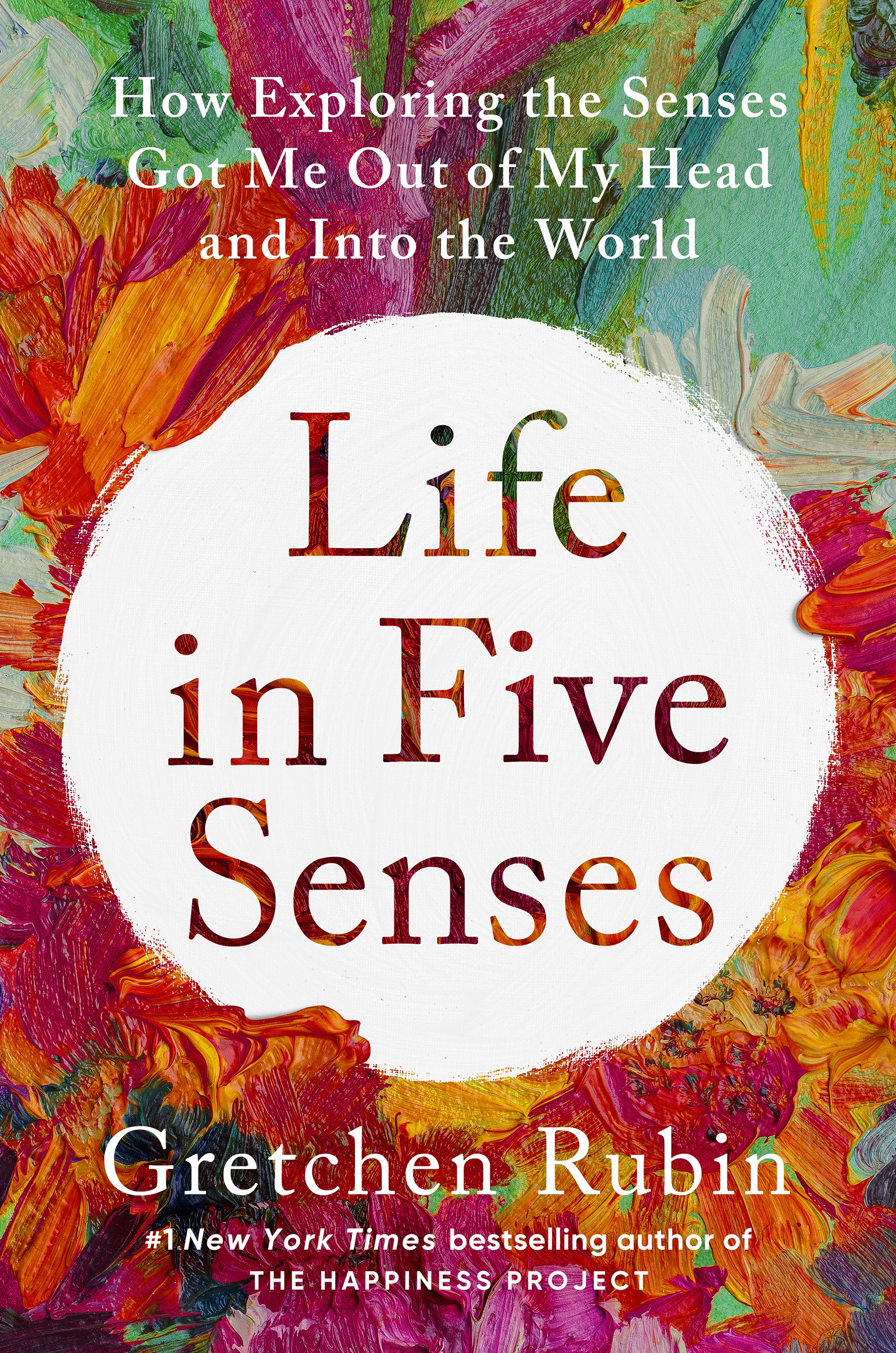
Life in Five Senses: How Exploring the Senses Got Me Out of My Head and Into the World – Gretchen Rubin
For more than a decade, Gretchen Rubin had been studying happiness and human nature. Then, one day, a visit to her eye doctor made her realize that she’d been overlooking a key element of happiness: her five senses. She’d spent so much time stuck in her head that she’d allowed the vital sensations of life to slip away, unnoticed. This epiphany lifted her from a state of foggy preoccupation into a world rediscovered by seeing, hearing, smelling, tasting, and touching.
In this journey of self-experimentation, Rubin explores the mysteries and joys of the five senses as a path to a happier, more mindful life. Drawing on cutting-edge science, philosophy, literature, and her own efforts to practice what she learns, she investigates the profound power of tuning in to the physical world.
From the simple pleasures of appreciating the magic of ketchup and adding favorite songs to a playlist, to more adventurous efforts like creating a daily ritual of visiting the Metropolitan Museum of Art and attending Flavor University, Rubin show us how to experience each day with depth, delight, and connection. In the rush of daily life, she finds, our five senses offer us an immediate, sustainable way to cheer up, calm down, and engage the world around us—as well as a way to glimpse the soul and touch the transcendent.
Life in Five Senses is an absorbing, layered story of discovery filled with profound insights and practical suggestions about how to heighten our senses and use our powers of perception to live fuller, richer lives—and, ultimately, how to move through the world with more vitality and love.
There is a line in the 2007 Bollywood movie, “Jab We Met” where the female lead, Geet, played by Kareena Kapoor, tells the male lead, Aditya, played by Shahid Kapoor, that “Main to apni favourite hoon”, translated to “I am my favourite”. This iconic line is, to me, the essence of what self-love is.
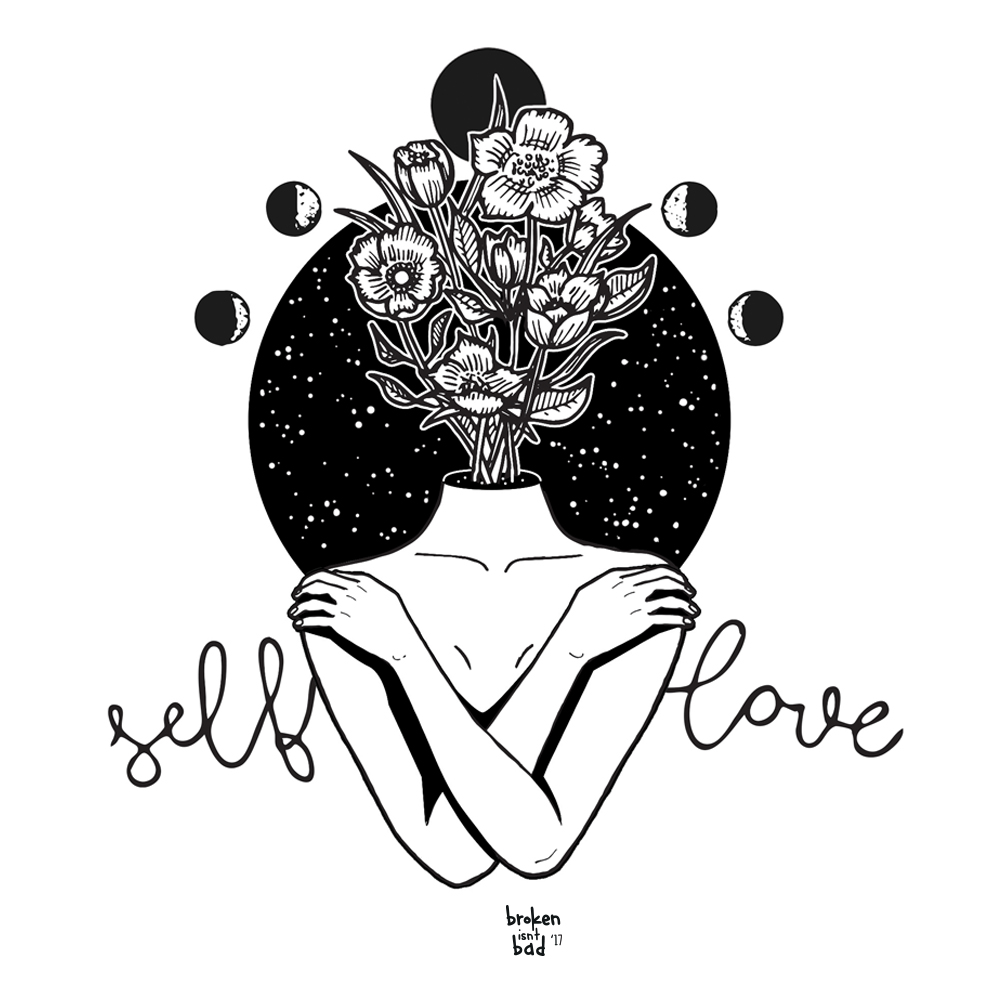
In the hustle and bustle of our daily lives, it’s all too easy to lose sight of the most important relationship we’ll ever have — the one with ourselves. Self-love, a concept often misunderstood or overlooked, holds the key to personal growth, resilience, and a life of fulfilment.
Self-love, defined as the love of self or regard for one’s happiness or advantage, has been conceptualised both as a basic human necessity and as a moral flaw akin to vanity and selfishness, synonymous with amour-propre, conceitedness, egotism, narcissism, etc. However, today, self-love has adopted a more positive connotation as well through the increase in mental health awareness that promotes self-love as intrinsic to self-help.
Self-love is a state of appreciation for oneself that grows from actions that support our physical, psychological and spiritual growth. Self-love means having a high regard for your well-being and happiness. It means taking care of your own needs and not sacrificing your well-being to please others, and it means not settling for less than you deserve.
Self-love is not narcissism, arrogance, or self-indulgence. Rather, it is the deep appreciation, acceptance, and compassion we nurture towards ourselves. It’s about recognising our worth, valuing our unique qualities, and embracing our imperfections as part of our journey of growth. Self-love is the foundation upon which we build a life that aligns with our values, passions, and aspirations.
Self-love is important to every one of us. When we cultivate self-love, we develop a strong sense of self-acceptance. This allows us to be authentic, honour our true selves, and live in alignment with our core values. Through this process, we discover inner peace as we release the need for external validation and embrace our innate worthiness. Self-love creates a nurturing environment for mental and emotional well-being. By practising self-compassion, we develop resilience in the face of challenges and setbacks. We learn to manage stress, anxiety, and self-doubt with kindness, empowering ourselves to bounce back stronger and cultivate a positive mindset. The foundation of any healthy relationship begins with self-love. When we love and respect ourselves, we set healthy boundaries, communicate effectively, and attract relationships that uplift and support us. By valuing our own needs and desires, we create space for deeper connections built on mutual respect and understanding.
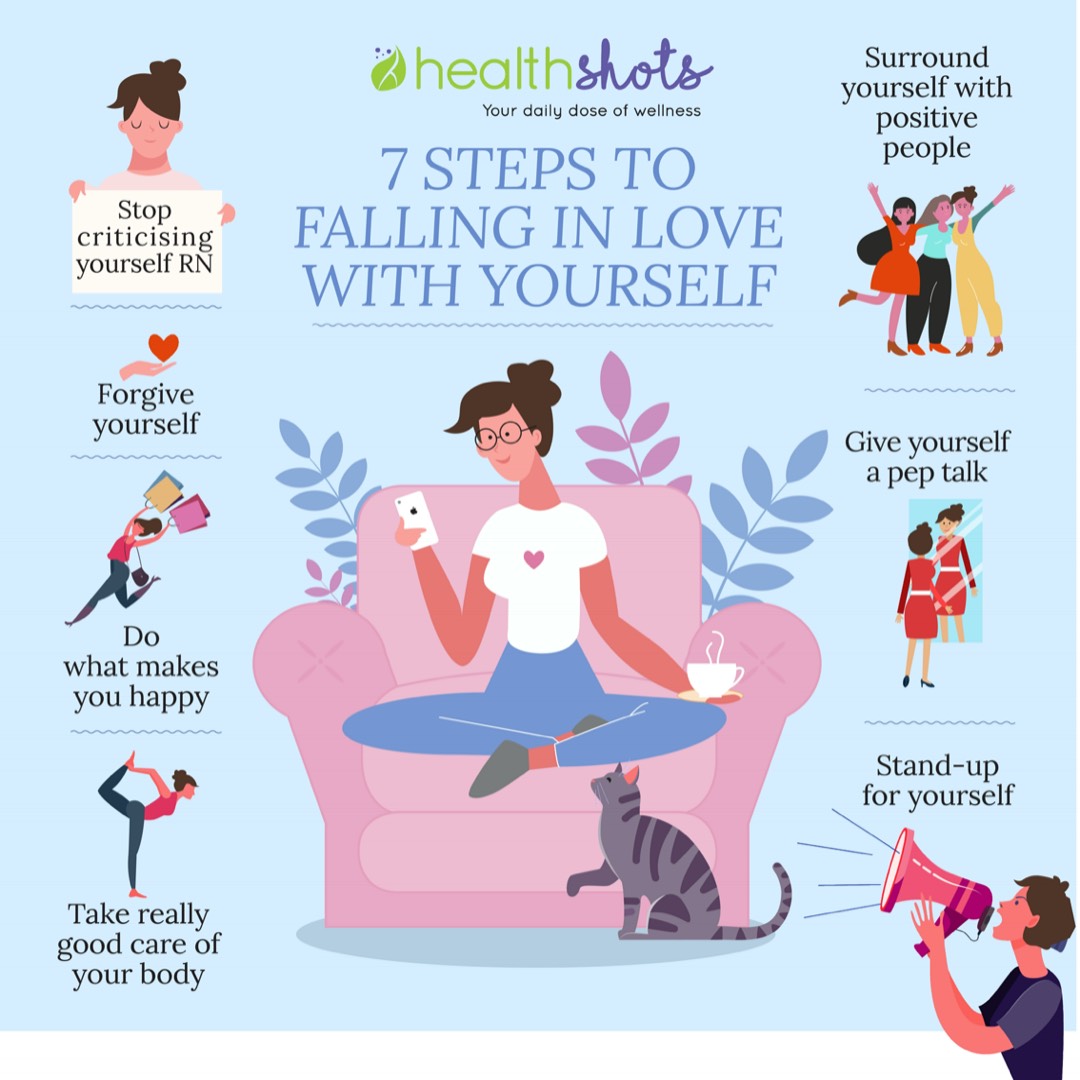
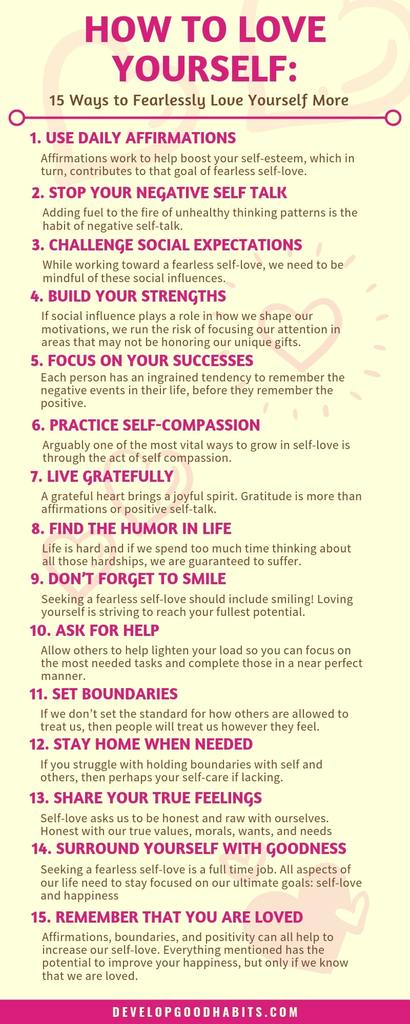
So how do we develop, cultivate and nurture self-love? There are various ways one can become more in love with ourselves. Developing self-love begins with self-awareness. Take time to reflect on your thoughts, emotions, and patterns of behaviour. Notice your inner dialogue and challenge self-critical thoughts. Journaling, meditation, and therapy can be powerful tools for self-discovery and nurturing self-awareness. People who have more self-love tend to know what they think, feel, and want. They take actions based on need rather than want, and by staying focused on what they need, they turn away from automatic behaviour patterns that get them into trouble, keep them stuck in the past, and lessen self-love.
One also needs to practice self-compassion and treat oneself with the same kindness and compassion they would extend to a dear friend. Embrace your flaws, celebrate your successes, and acknowledge your efforts. Embracing self-compassion helps us break free from the grip of perfectionism and fosters a nurturing environment for personal growth.
Self-love requires actively prioritising self-care. You should engage in activities that bring joy, recharge energy, and support your overall well-being. People high in self-love nourish themselves daily through healthy activities, like sound nutrition, exercise, proper sleep, intimacy and healthy social interactions. Start truly caring for yourself by mirroring that in what you eat, how you exercise, and what you spend time doing. Do stuff, not to get it done or because you have to, but because you care about yourself.
Boundaries are essential for self-love. Learn to say no when your well-being is at stake, and establish limits that honour your time, energy, and emotional capacity. Setting boundaries allows you to create space for self-care, pursue your passions, and protect your mental and emotional health. Surrounding yourself with positive influences—whether it be supportive friends, inspiring mentors, or uplifting content—can reinforce self-love. Choose relationships and environments that foster growth, encouragement, and acceptance.
Lastly, to practice self-love, start by being kind, patient, gentle and compassionate to yourself, the way you would with someone else that you care about.
Self-love can mean something different for each person because we all have many different ways to take care of ourselves. Figuring out what self-love looks like for you as an individual is an important part of your mental health. Self-love is a lifelong journey that requires conscious effort, patience, and compassion. By embracing our worth, nurturing self-acceptance, and prioritising self-love, we can unlock our true potential and create a life of authenticity, inner peace, and fulfilment.
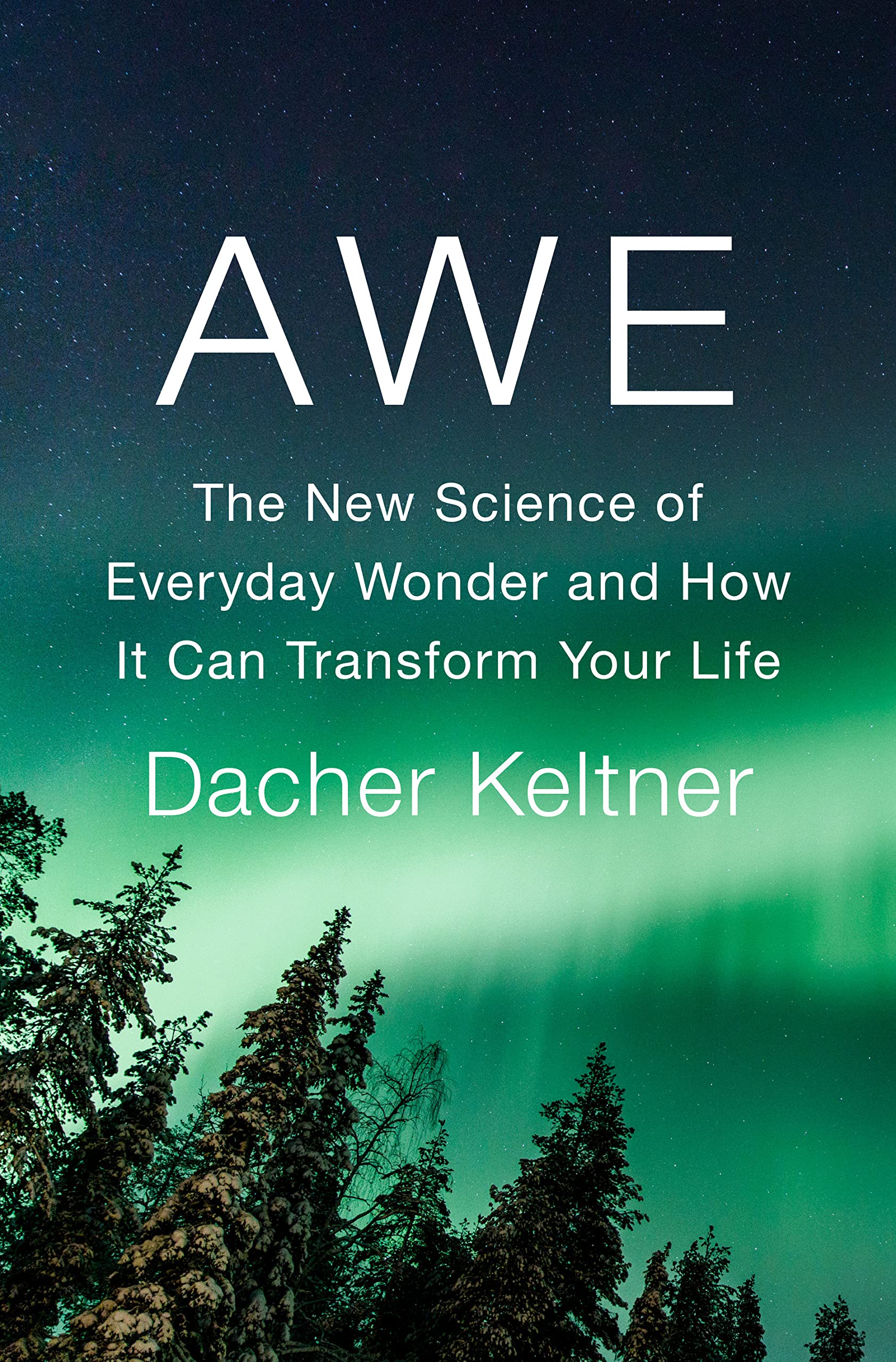
Awe: The New Science of Everyday Wonder and How It Can Transform Your Life – Dacher Keltner
Awe is mysterious. How do we begin to quantify the goose bumps we feel when we see the Grand Canyon, or the utter amazement when we watch a child walk for the first time? How do you put into words the collective effervescence of standing in a crowd and singing in unison, or the wonder you feel while gazing at centuries-old works of art?
Up until fifteen years ago, there was no science of awe, the feeling we experience when we encounter vast mysteries that transcend our understanding of the world. Scientists were studying emotions like fear and disgust, emotions that seemed essential to human survival. Revolutionary thinking, though, has brought into focus how, through the span of evolution, we’ve met our most basic needs socially. We’ve survived thanks to our capacities to cooperate, form communities, and create culture that strengthens our sense of shared identity—actions that are sparked and spurred by awe.
In Awe, Dacher Keltner presents a radical investigation and deeply personal inquiry into this elusive emotion. Revealing new research into how awe transforms our brains and bodies, alongside an examination of awe across history, culture, and within his own life during a period of grief, Keltner shows us how cultivating awe in our everyday life leads us to appreciate what is most humane in our human nature. And during a moment in which our world feels more divided than ever before, and more imperiled by crises of different kinds, we are greatly in need of awe. If we open our minds, it is awe that sharpens our reasoning and orients us toward big ideas and new insights, that cools our immune system’s inflammation response and strengthens our bodies. It is awe that activates our inclination to share and create strong networks, to take actions that are good for the natural and social world around us. It is awe that transforms who we are, that inspires the creation of art, music, and religion. At turns radical and profound, brimming with enlightening and practical insights, Awe is our field guide, from not only one of the leading voices on the subject but a fellow seeker of awe in his own right, for how to place awe as a vital force within our lives.