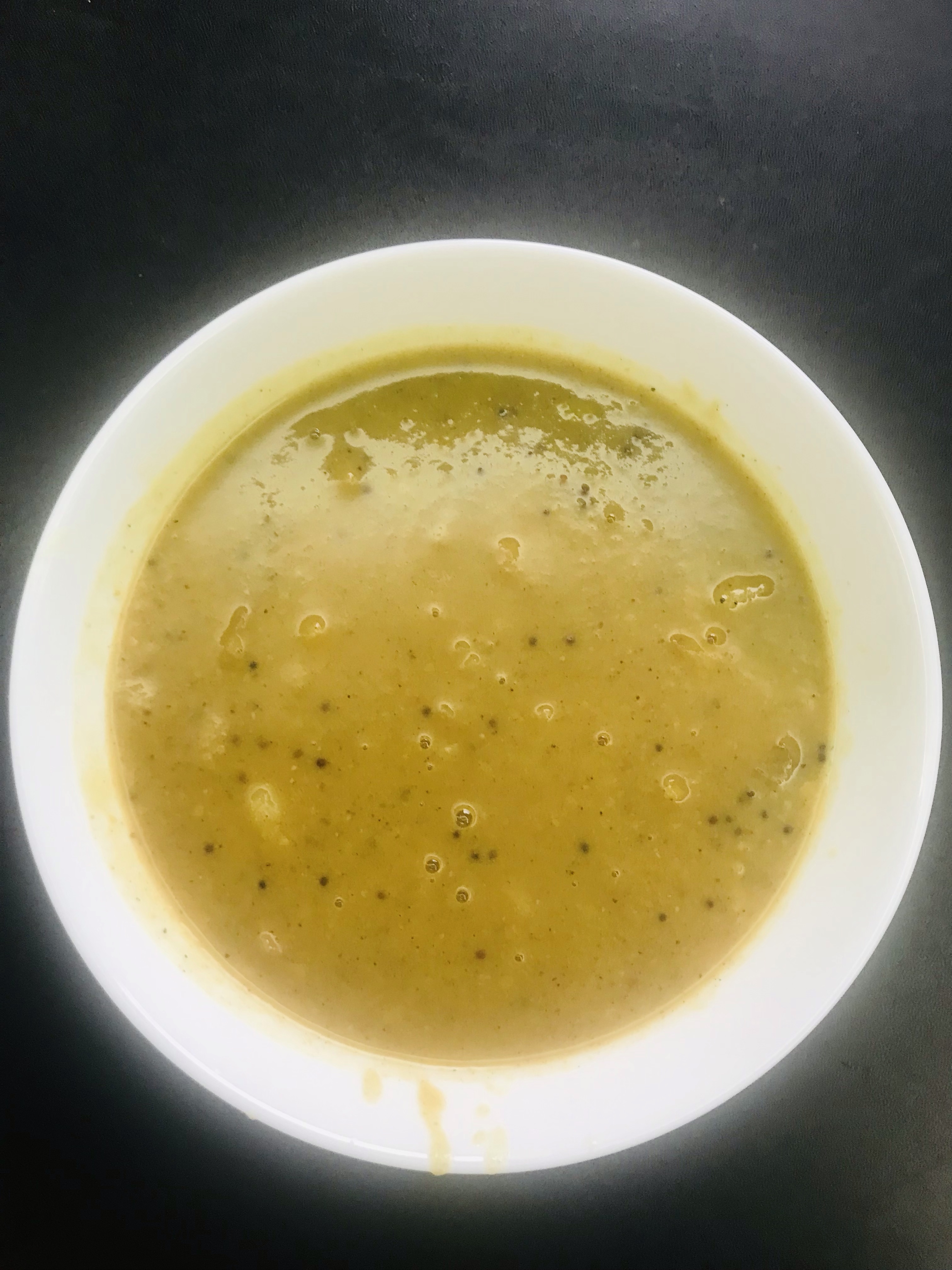
Recipes: Sambar without using Sambar Powder

I usually get my stash of Sambar Powder from my mum who makes it at home, either when we go down to India or she comes to Singapore. But because of travel restrictions in the past 18 months and no travel happening, as expected, my stock of Sambar powder finally finished. I then asked my mother for the recipe to make the powder, but because she told me it was a tedious process, I kept putting it off. And then last month, I needed to make Sambar and with no powder available, I decided to use the recipe that mother gave me and tweaked it slightly to make a paste which I used to make the Sambar. It was super tasty and I thought it’s a good alternative to those who don’t have access to a good quality powder.

For this recipe, I used raw bananas, but you can use any other vegetable you like including potatoes, carrots, pumpkins, bell peppers etc.

Sambar without using Sambar Powder

Ingredients:

  • 1 lemon sized ball of tamarind, soaked in hot water for 20-30 minutes
  • 1 cup tuvar dal, soaked in warm water for 20 minutes
  • 1 cup peeled and chopped raw bananas, cut in bite sized pieces which are then soaked in a bowl of water to prevent oxidation
  • ¾ tsp chana dal
  • 1 tsp tuvar dal
  • 1 tsp coriander seeds
  • 4-5 dried red chillies (reduce this amount if you want it less spicy)
  • 2 tbsp desiccated coconut
  • ½ tsp peppercorns
  • ¼ tsp fenugreek seeds
  • 1 tbsp jaggery powder (You can use brown sugar instead, but the taste would not be the same)
  • 1 tsp mustard seeds
  • 1/8 tsp asafoetida
  • 2 tsp oil
  • Salt to taste

Method:

  • Heat 1 tsp oil in a pan and in the following order fry the spices for the sambar paste, making sure you fry each ingredient for about 30 seconds before adding the next ingredient. Fry the tuvar dal, chana dal, coriander seeds, dried red chillies, coconut, peppercorns and fenugreek seeds and let the dal become brown and the coconut become brown and crisp and loses all water. Do not let them burn. Take off from the flame and let it cool.
  • Once cool, blend with some water to a fine paste. You can also powder this and use it as a powder.
  • Cook the tuvar dal in a pressure cooker or on the stovetop and whisk it to a fine paste and keep aside.
  • Mash the tamarind and strain it to get just the water and thin it to get the preferred sourness.
  • In the same pan, heat the balance 1 tsp oil and when the oil warms up, add the mustard seeds and let them pop. Then add the asafoetida and the turmeric powder and stir for a couple of seconds.
  • Now add the peeled, chopped and soaked raw banana pieces and stir for a few minutes.
  • Add half a cup of water, just enough to cover the bananas (or any of the vegetables used) and let it cook covered for about 5-10 minutes, until the vegetables are about half cooked.
  • Now add the sambar powder or paste, depending on how you have blended it and the tamarind water as well as the jaggery powder and salt and cook until the vegetables are almost cooked, like about 90%.
  • At this point, add the cooked dal and check for seasoning and add what seems to be missing.
  • Let it boil together in a medium boil for another 5 minutes, garnish with coriander leaves and serve hot with rice and as an accompaniment to a South Indian meal.

2021 Week 35 Update

At the end of August, I have walked 2000 km, which brings me to spitting distance of the border of Myanmar. I plan that in the next four months, I will walk the 1400 odd km and reach the border of India and the goal in 2022 will be to walk all through the country to reach my home in Mumbai.

My reading this month has been quite steady and I have read 85% of my reading target, so it looks like this year I will easily exceed my targets.

BB & GG are in their school holidays and while GG is busying studying for the first of many professional exams which will take place in about six weeks, BB is enjoying his free time.

Singapore has seen an upsurge of infections, and so it’s a little frustrating that even after more than 80% of the population is fully vaccinated, cases have not gone down daily. But with 80% of the population vaccinated and still cases happening, it looks like the virus is endemic in Singapore and sooner or later we will probably get it. It’s a fatalistic attitude and I am sure it’s not the right one, but I am tired. Ah well, that’s my venting done for the day. Singapore will also start booster shots for senior citizens and those who are immunocompromised later this month. This means sooner or later, we will also get the booster shot which should help with more virulent strains.

Today’s quote comes from Aristotle who tells us what should be very obvious to us, but we don’t see. According to Aristotle, happiness is something that comes from within and should not be directly proportionate to the amount of money one has or what one is willing to splurge on.

That’s all for this week. Stay safe people!

In My Hands Today…

Half the Sky: Turning Oppression Into Opportunity for Women Worldwide – Nicholas D. Kristof and Sheryl WuDunn

With Pulitzer Prize winners Nicholas D. Kristof and Sheryl WuDunn as our guides, we undertake an odyssey through Africa and Asia to meet the extraordinary women struggling there, among them a Cambodian teenager sold into sex slavery and an Ethiopian woman who suffered devastating injuries in childbirth. Drawing on the breadth of their combined reporting experience, Kristof and WuDunn depict our world with anger, sadness, clarity, and, ultimately, hope.

They show how a little help can transform the lives of women and girls abroad. That Cambodian girl eventually escaped from her brothel and, with assistance from an aid group, built a thriving retail business that supports her family. The Ethiopian woman had her injuries repaired and in time became a surgeon. A Zimbabwean mother of five, counseled to return to school, earned her doctorate and became an expert on AIDS.

Through these stories, Kristof and WuDunn help us see that the key to economic progress lies in unleashing women’s potential. They make clear how so many people have helped to do just that, and how we can each do our part. Throughout much of the world, the greatest unexploited economic resource is the female half of the population. Countries such as China have prospered precisely because they emancipated women and brought them into the formal economy. Unleashing that process globally is not only the right thing to do; it’s also the best strategy for fighting poverty.

Instagram Interludes

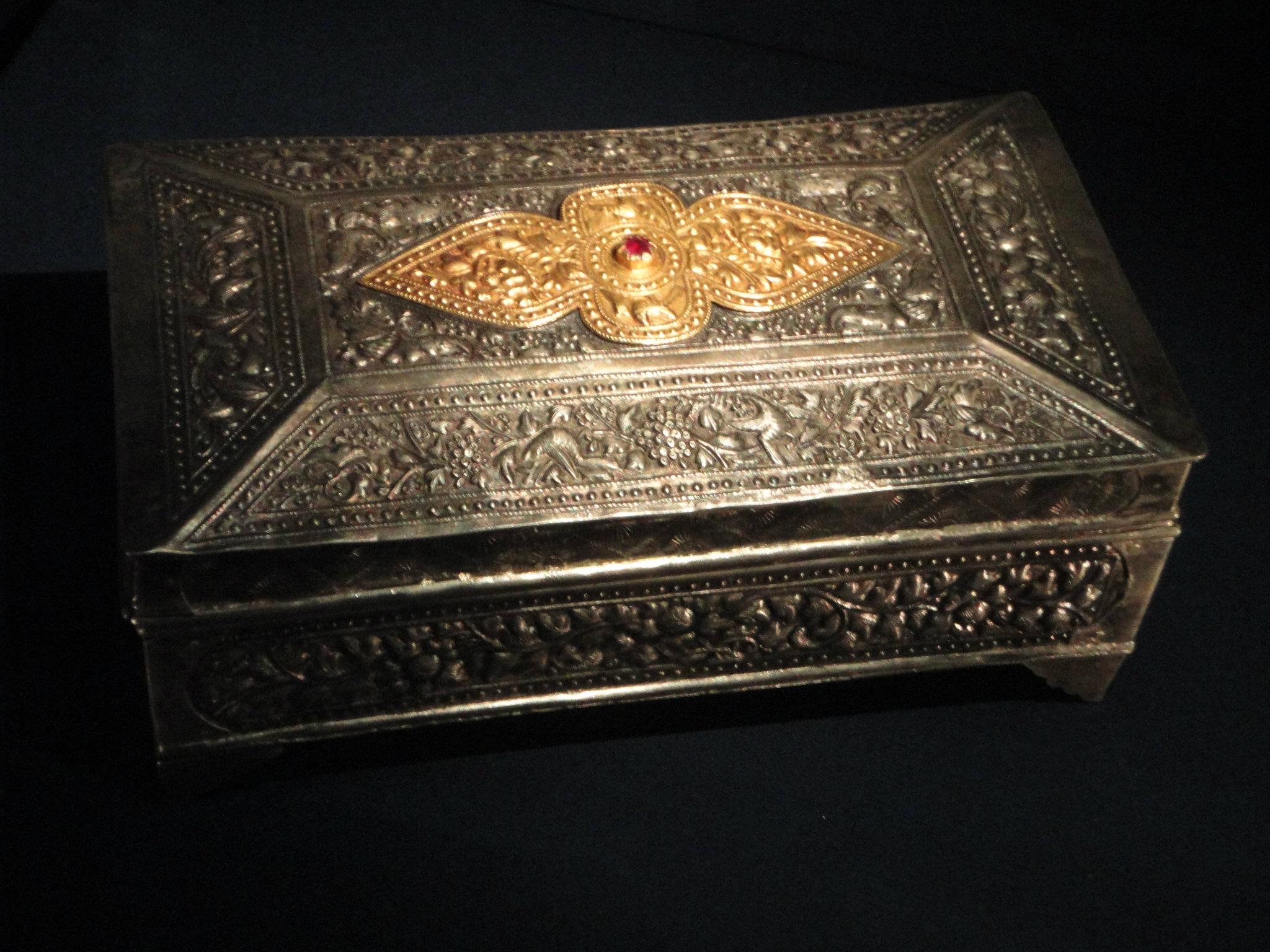
The other day I was doing a digital detox and came across these photos. They are quite old, more than a decade old and most of them are from an exhibit at the Asian Civilisations Museum, here in Singapore. We had decided to take BB & GG when they were still in kindergarten to showcase the museum, my favourite, if I may add.

In My Hands Today…

A Short History of Nearly Everything – Bill Bryson

In Bryson’s biggest book, he confronts his greatest challenge: to understand —and, if possible, answer — the oldest, biggest questions we have posed about the universe and ourselves.

Taking as territory everything from the Big Bang to the rise of civilization, Bryson seeks to understand how we got from there being nothing at all to there being us. To that end, he has attached himself to a host of the world’s most advanced (and often obsessed) archaeologists, anthropologists, and mathematicians, travelling to their offices, laboratories, and field camps.

He has read (or tried to read) their books, pestered them with questions, apprenticed himself to their powerful minds. A Short History of Nearly Everything is the record of this quest, and it is a sometimes profound, sometimes funny, and always supremely clear and entertaining adventure in the realms of human knowledge, as only Bill Bryson can render it. Science has never been more involving or entertaining.