A man with a faded, well-worn notebook open in his lap. A woman experiencing a morning ritual she doesn’t understand. Until he begins to read to her. The Notebook is an achingly tender story about the enduring power of love, a story of miracles that will stay with you forever.
Set amid the austere beauty of coastal North Carolina in 1946, The Notebook begins with the story of Noah Calhoun, a rural Southerner returned home from World War II. Noah, thirty-one, is restoring a plantation home to its former glory, and he is haunted by images of the beautiful girl he met fourteen years earlier, a girl he loved like no other. Unable to find her, yet unwilling to forget the summer they spent together, Noah is content to live with only memories…until she unexpectedly returns to his town to see him once again.
Allie Nelson, twenty-nine, is now engaged to another man but realizes that the original passion she felt for Noah has not dimmed with the passage of time. Still, the obstacles that once ended their previous relationship remain, and the gulf between their worlds is too vast to ignore. With her impending marriage only weeks away, Allie is forced to confront her hopes and dreams for the future, a future that only she can shape.
Like a puzzle within a puzzle, the story of Noah and Allie is just the beginning. As it unfolds, their tale miraculously becomes something different, with much higher stakes. The result is a deeply moving portrait of love itself, the tender moments and the fundamental changes that affect us all. Shining with a beauty that is rarely found in current literature, The Notebook establishes Nicholas Sparks as a classic storyteller with a unique insight into the only emotion that really matters.
“I am nothing special, of this I am sure. I am a common man with common thoughts and I’ve led a common life. There are no monuments dedicated to me and my name will soon be forgotten, but I’ve loved another with all my heart and soul, and to me, this has always been enough.”
And so begins one of the most poignant and compelling love stories you will ever read…The Notebook
The other day I caught up with a friend and she brought along her niece with her whom she was baby sitting for the day.The little girl’s antics strongly reminded me of the comic strip, “Dennis the Menace”. So I thought, what better post to do today than some comics from the strips to brighten your day!
Every young Indian leaving the homeland for the United States is given the following orders by their parents: Don’t eat any cow (It’s still sacred!), don’t go out too much, save (and save, and save) your money, and most important, do not marry a foreigner.
Priya Rao left India when she was twenty to study in the U.S., and she’s never been back. Now, seven years later, she’s out of excuses. She has to return and give her family the news: She’s engaged to Nick Collins, a kind, loving American man. It’s going to break their hearts.
Returning to India is an overwhelming experience for Priya. When she was growing up, summer was all about mangoes – ripe, sweet mangoes, bursting with juices that dripped down your chin, hands, and neck. But after years away, she sweats as if she’s never been through an Indian summer before. Everything looks dirtier than she remembered. And things that used to seem natural (a buffalo strolling down a newly laid asphalt road, for example) now feel totally chaotic.
But Priya’s relatives remain the same. Her mother and father insist that it’s time they arranged her marriage to a “nice Indian boy.” Her extended family talks of nothing but marriage?particularly the marriage of her uncle Anand, which still has them reeling. Not only did Anand marry a woman from another Indian state, but he also married for love. Happiness and love are not the point of her grandparents’ or her parents’ union. In her family’s rule book, duty is at the top of the list.Just as Priya begins to feel she can’t possibly tell her family that she’s engaged to an American, a secret is revealed that leaves her stunned and off-balance. Now she is forced to choose between the love of her family and Nick, the love of her life.
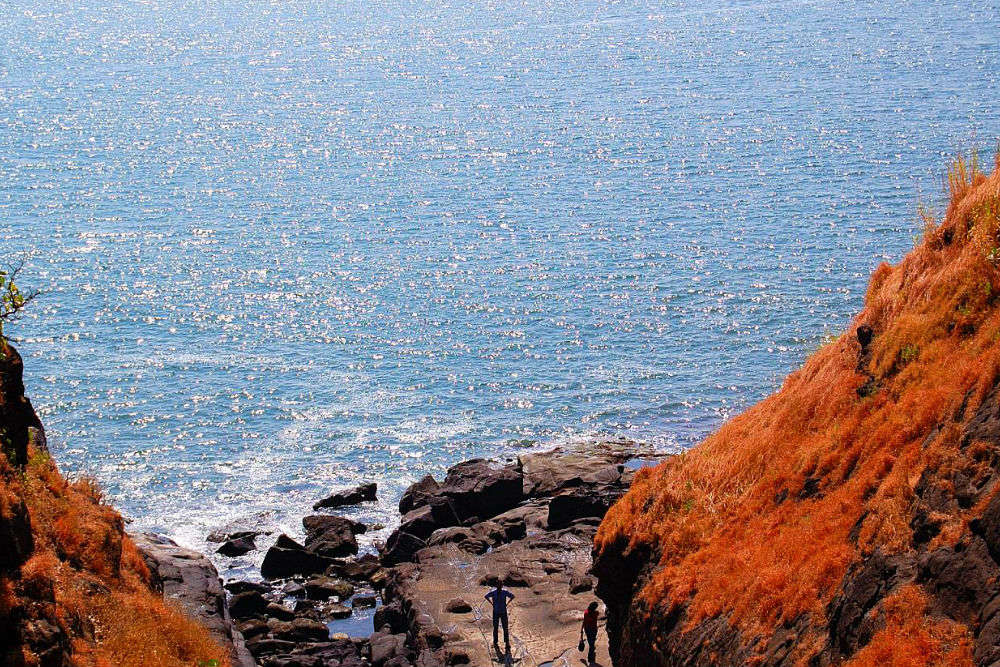
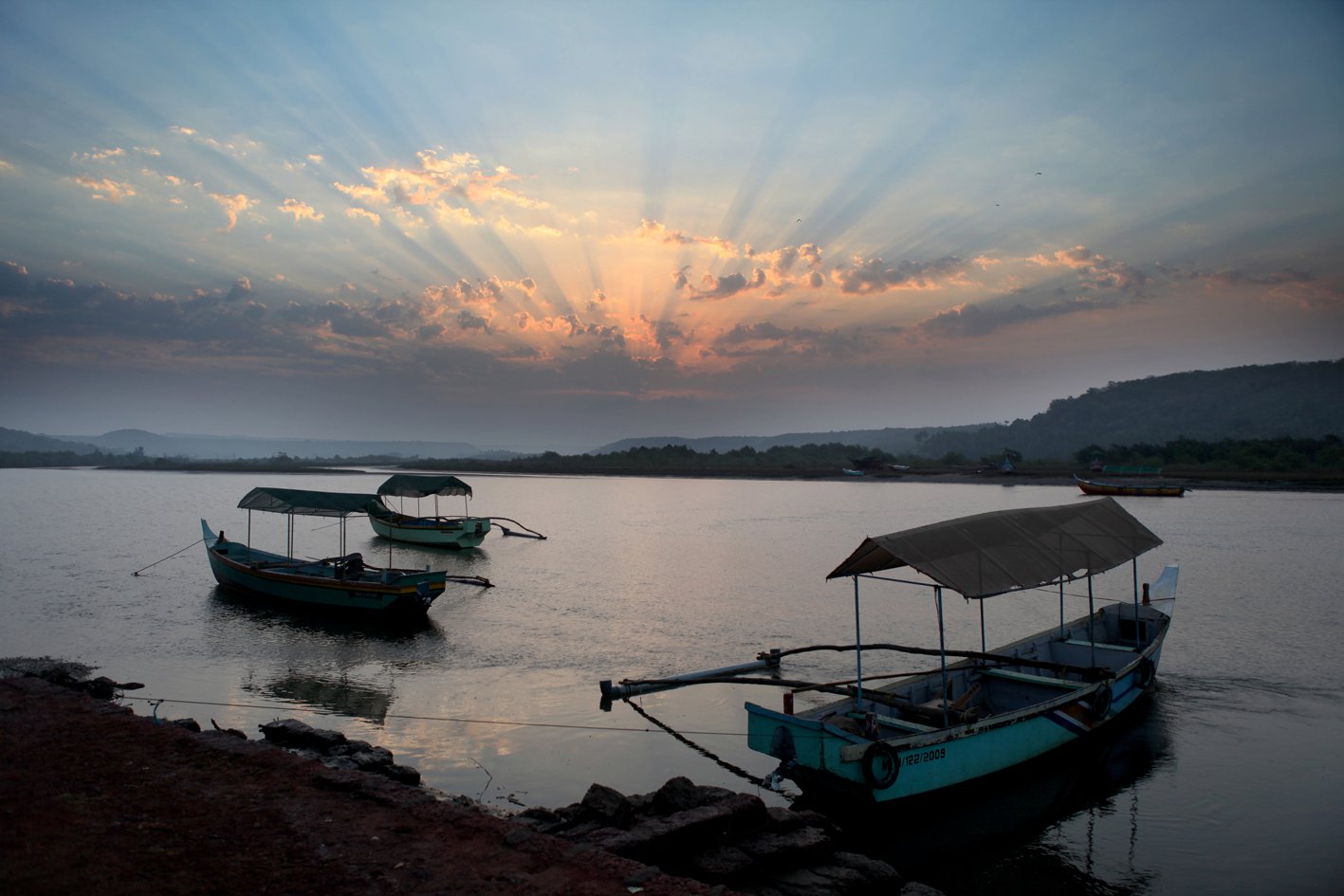
Being a state with a rich western coastline of about 720 kms along the Arabian Sea, Maharashtra has some stunning beaches. This post is all about the beaches and some of the wildlife sanctuaries found in the state. The beaches are categorised from north to south
Dahanu Dahanu is a coastal town in the Palghar district of Maharastra. Located at a distance of 135 km north of Mumbai, it is situated along the coast of Arabian Sea. The name of the city was obtained from Dahanu Gram which means village of cows. This emerged because, back in time, most people in the town used to cattle cows. At an elevation of 9.88 metres, the city has several beautiful mountains. There are a few famed beaches around the city which are commonly visited by the locals and tourists. There are also some dams, which are a nice spot for sightseeing. The vegetation in the city is also extraordinary. With a variety of plant life, ranging from tadee, coconuts, chickoo and palm, the town offers an excellent look of greenery. Bordi, which is about 30 minutes drive from Dahanu also offers some stunning pristine beaches.
Alibag A little coastal town tucked away in the Konkan region of Maharashtra, Alibaug is a very popular weekend getaway holiday destination and has earned itself the name of ‘mini-Goa’, owing to the high tourist footfall all year round. Steeped in colonial history, Alibaug is a quaint little town located about 110 kilometres from Mumbai, and is replete with sandy beaches, clean unpolluted air and plenty of forts and temples, ensuring that despite being a small town, you never run out of activities to do. Alibaug has numerous beaches, and all the beaches are only a few minutes’ drives away from each other, so you won’t have to worry about which beach to visit and which one to leave out. The most visited in the beach in Alibaug is, of course, Alibag beach, which offers a spectacular of view of not only the sunrise and sunset but of the Colaba fort as well, which you can take a short boat ride to. The Colaba fort was once the cornerstone of the Maratha Empire, and most of the fort is still in good shape. Other popular beaches in the area include Kihim Beach, and Nagaon Beach, with Kihim beach being a photographer’s paradise. The Mandwa beach offers a stunning view of the Gateway of India in Mumbai from its bay. The best time to visit Alibag is between November to July and you should avoid the monsoon season. Other local attractions include the Kanakeshwar Devasthan Temple, Vikram Vinayak Temple, Versoli Beach, Nagaon Beach, Akshi Beach, Kashid Beach and Kulaba or Colaba Fort
Kashid A beach town, popular for its white sand and blue seas situated in Konkan region of Maharashtra, Kashid is the perfect destination for a quiet weekend getaway from Mumbai. Kashid is mildly enchanting with its quiet environment and picturesque location. This beach town is known also for its majestic mountains and whispering Casuarinas. Kashid’s spotless water and clean beach makes it one of the most beautiful spots in the nearby areas. A drive through the area in itself is a great experience. Chaul, which lies near Kashid, has many Buddhist caves that are of public interest, and also famous churches and temples. The Korlai Fort is another beautiful attraction here.
Diveagar Gleaming white sand, pristine blue water, swaying coconut palms and betel nut trees and gentle breeze producing a serene and calming effect, this is not a dream but the enchanting place called Diveagar. This place is a beautiful beachside village nestled on the Konkan coast of Maharashtra offering its visitors a sight of pure bliss. Diveagar is better referred to as seashore extending up to 6 kms and serves as prime attraction of the region. Tourists can also catch an unusual sight of rarely found Suru (Casuarina equisetifolia, or Australian pine tree) trees on the coast. Where one end of the beach is fishing settlement, the other end is blessed with an eye catching sight of thousands of migratory seagulls in the sanctuary. Apart from that, a temple dedicated to Lord Ganesha is another prime attraction of the region. In fact it is a perfect destination where one can unclutter their minds and relax with family and friends amid the glory of immaculate nature. With Mumbai-Goa National highway located just 40 kms off the village; the place is highly accessible and waiting to be explored.
Harihareshwar Surrounded by four hills and with river Savitri flowing through the town, Harihareshwar is famous for its temple of Lord Harihareshwar and is a popular weekend beach destination especially for people in Mumbai and Pune. Harihareshwar comes across as a pleasant surprise with some of the most peaceful and beautiful beaches along the Konkan Coast. The nearby Pushpadri hill and surrounding dense woods only make the beaches more attractive. The name literally translates into the abode of Lord Shiva and the place assumes significant spiritual and religious importance. Harihareshwar’s ancient temples also let the visitors view a unique blend of the Indian and Maratha architecture
Murud and Karde Murud and Karde form what is apparently the longest stretch of beach on the Konkan Coast. Hotels and homestays have mushroomed in the area, and there are many options for a beachfront stay. The main attraction is dolphin watching, especially during the winter when sightings are frequent. A little further north, Harnai is renowned for its massive daily fish market. The nearby Suvarnadurg Fort can also be visited.
Ganpatipule A beach town on the Konkan coastline, Ganpatipule has temples of Lord Ganesha as major attractions apart from the beautiful virgin beaches. There is a hill shaped like Lord Ganesh, from which Ganpatipule probably got its name. The village of Ganapatipule is famous for its 400-year-old Ganesha temple. The idol is said to be a self-created monolith of Lord Ganesha, allegedly discovered 1600 years ago. Ganpatipule also has water sports to offer between the months of November-May. Ganpatipule is typically clubbed with Ratnagiri and other smaller villages like Velneshwar, Malgund and Pawas for a perfect 2-3 day trip.
Tarkarli Tarkarli is famous for its long and narrow stretch of beach, with its pristine water, white sand, and of course Singhudurg, Maharashtra’s popular sea fort. Tarkarli with a series of pristine beaches made up of white sand makes it an ideal choice for a holiday weekend. If lucky enough, you might spot dolphins too. Tarkarli boasts of the finest talcum-powder sand to be found along Konkan. It could be called the most beautiful beach in all of Maharashtra, if not in India. As this place is just being discovered, you might be in time to find it untarnished by commercialization. The pristine white beaches shrouded with Suru trees (Casuarina equisetifolia, or Australian pine trees) are a perfect place to relax, get in touch with nature and eat amazing Malvani food. The choice ranges from a long stroll along pristine white sand beaches to revisiting the past glory of Maratha bastion and forts.
Vengurla Located only 30 minutes from the Goa border, semi-circular Vengurla beach is surrounded by lush hills. The road leading down to the beach provide dramatic vistas. Attractions in the area include a lighthouse, a jetty where fishermen return with the evening catch, and Vengurla Rocks (also known as Burnt Island) which is excellent for bird watching.
Tadoba National Park Overlooked by tourism until recently because it was off the beaten track and lacked accommodations, these days Tadoba National Park and Tiger Reserve in Maharashtra is fast gaining a reputation as one of the best places to see a tiger in the wild in India. Famous for its natural heritage, Tadoba Andhari Tiger Reserve is definitely one of India’s most exciting and best protected Tiger Reserve, with most visible tiger sightings in the state of Maharashtra. Tadoba national park is located in Chandrapur district of Maharashtra. This place is an ideal weekend gateway for wildlife and nature lovers. Spotted in this region are rare species of flora and fauna, soothing your very being. Tadoba is famous for Tadoba national park, Tadoba-Andhari Tiger Reserve, Tadoba lake, Erai dam, Moharli and Khosla village. These attractions serves the tourists of an enchanting wildlife experience.
Bhamragarh Wildlife Sanctuary The Bhamragarh Wildlife Sanctuary of the Bhamragarh town is located in the Chandrapur district of Maharashtra and is home to various animal species like leopards, the blue bull, peacock, flying squirrel, wild boar, etc. Spread over an area of about 104.38 sq.km, the sanctuary is very green and is covered by various species from the plant kingdom including mango, jamun, Kusum, Bamboo trees along with shrubs of Neel, Tarota, Kuda, etc. The Pamalgautam and Parlkota rivers flow through the sanctuary providing water to the flora and fauna and as well as to the tribes living nearby namely Gonda and Madia tribes which depend on the forest for their habitation.
Chandoli National Park Located in Sangli district of Maharashtra, the Chandoli National park is famous for the Sahyadri tiger reserve and the Koyna Wildlife sanctuary. It was established in the year 2004 and is spread over an area of 317.67 sq.km. Located near the Chandoli dam, the Sahyadri Tiger reserve as well as the entire area under the Chandoli National Park was declared as a ‘Project Tiger Reserve’ by the National Tiger Conservation Authority in the year 2007. Home to 9 tigers and 66 leopards, the area is abundant with forts from the era of Shivaji and other Maratha Kings. The park also has major falls as well as a dam namely; Kandardoh falls, Tanali falls and the Vasant Sagar reservoir that attract tourist attention. The best time to visit is between October to February while heavy rainfall is usually expected between June to September.
Gugumal National Park Built in 1974, the Gugumal National Park is located in Amravati in Maharashtra. It is the home to a variety of diverse flora and fauna like tigers, crocodiles, wild deer and the bison. This wildlife reserve oers a glimpse into the lives of animals and birds in their natural habitat. The hills of the area known as Melghat have the southern deciduous forest which has about 750 dierent species of plants and herbs. Crocodiles were artificially introduced into the area in 1990 near the rivers that flow through the park. The best time to visit the Gugumal National Park is from March to the month of June.
Navegaon National Park Based in the Gondia District which is the easternmost part of Maharashtra, Navegaon National Park is a forest reserve nestled in the lush green hills of Navegaon. Built in the 1800s, the park also has a serene lake and a watchtower just adjacent to it. You get to see breath-taking views of the natural sceneries and marvel at the sight of exotic wildlife: a bird sanctuary, a deer park, and three lovely gardens. The bird sanctuary, known as Dr Salim Ali Bird Sanctuary houses almost 65% of the bird species that are found in the state of Maharashtra. Flocks of stunning migratory birds visit the park every winter and unwind by the lake – an eye-catching view. The national park also boasts diverse types of flora – ranging from moist to dry deciduous forest. A unique experience here is staying in tree houses, going on a jungle safari in the dense forest, and sailing boats in the pristine lake. The park is open from 6 am to 6 pm daily and remains closed on Fridays and from 16 July to 30 September each year. The park also remains closed on the festivals of Holi and Buddha Poornima (the first and second days only)
Malvan Marine Sanctuary The only marine sanctuary in the state, Malvan Marine Sanctuary was established in 1987 to preserve this biologically rich coastal region. The core zone of the sanctuary expands over an area of 27 square kilometres and offers an unexploited environment for marine flora and fauna including coral, Pearl oysters, seaweed, molluscs and over 30 species of fish.
Rehekuri Blackbuck Sanctuary Spread across an area of 2.17 sq km, the Rehkuri Sanctuary is home to one of the rare and famous animals, Indian Black Buck. The Sanctuary is located at a distance of about 80 km away from the city of Ahmednagar. The Sanctuary serves as a safe haven for nearly 400 Black Bucks. The Blackbuck, called ‘Kalvit’ in Maharashtra, is easily recognised by its magnificent spiral horns, colour and long jump. It is the only member of its genus and is found predominantly in India. Also, known as the Indian Antelope there are only four sanctuaries in India that can boast of the presence and conservation of the blackbuck. The Rehekuri Blackbuck Sanctuary in Maharashtra is one of the best places for blackbuck sightings. The sanctuary was established in the 1980s and at one point the number of blackbucks dwindled to 15. Today Rehekuri is home to about 400 blackbucks making it an excellent example of sustained conservation. Besides, the sanctuary is also the abode to various other wildlife and birds. The jeep safari from 7:00 AM to 3:00 PM, as well as, walking or trekking along with a guide are the best ways to explore the sanctuary.
Rakhi, a young painter and single mother, is struggling to come to terms with her relationship with ex-husband Sonny, a hip Bay Area DJ, and with her dream-teller mother, who has rarely spoken about her past or her native India.
Rakhi has her hands full, juggling a creative dry spell, raising her daughter, and trying to save the Berkeley teahouse she and her best friend Belle own.
But greater challenges are to come. When a national tragedy turns her world upside down and Rakhi needs her mother’s strength and wisdom more than ever, she loses her in a freak car accident.
But uncovering her mother’s dream journals allows Rakhi to discover her mother’s long-kept secrets and sacrifices–and ultimately to confront her fears, forge a new relationship with her father, and revisit Sonny’s place in her heart.






.jpg.jpg?1458195687)


 Memories and Such

