2024 Week 42 Update

I am knee-deep in annual cleaning and prepping for the festival of lights, Diwali. In Singapore, we don’t go as all out as we do in India, but there is still that air of anticipation and excitement for this pan-Indian festival. It doesn’t matter which region you belong to, which language you speak, or even which religion you adhere to, the festival of Diwali or Deepavali as it is sometimes also called, brings out the inner child in you. Whether it is wearing new clothes, eating loads of sweets and savoury foods, meeting family and friends, going to Diwali parties, or bursting firecrackers, everyone is caught up in the festivities. Do you celebrate the festival? Where are you in the planning process?

Today’s quote by American author Augusten Burroughs highlights the acceptance of human imperfections. Burroughs is best known for his memoirs, particularly Running with Scissors, which chronicles his unconventional and often difficult upbringing, and his work often explores themes of resilience, imperfection, and finding humour in life’s challenges, which resonates with his own experiences of overcoming adversity. In the quote, Burroughs emphasises that flaws are a natural part of being human. He finds comfort in being around others who are also imperfect, suggesting that vulnerability and authenticity are more relatable than striving for perfection. He acknowledges his own flaws but views them with understanding, knowing that despite his imperfections, he has good intentions. This reflects a healthy self-awareness and acceptance of the complexities of human nature. The quote suggests that true connections with others come from shared imperfections rather than a façade of perfection. Being open about flaws allows for deeper, more meaningful relationships.

Life is going on for all of us. I am still unemployed on a fulltime basis, but am doing some freelance writing, so that is some small consolation. I have been continuously applying for positions where I feel I would add value, but nothing has clicked so far. Please send positive thoughts my way, if you can that something clicks soon. GG is busy with school and the stress and pace has picked up a notch, but she is doing ok, so that’s a blessing. BB is also doing ok at national service, which, frankly speaking, I am surprised because most boys do not seem to enjoy the two years. I guess since he is doing something somewhat relevant to his course of study, he is not finding it as difficult as others. We miss him terribly, of course, but speak with him daily and see him for 48 hours every weekend!

That’s all from me this week. Stay positive and keep smiling!

In My Hands Today…

The Art Thief: A True Story of Love, Crime, and a Dangerous Obsession – Michael Finkel

For centuries, works of art have been stolen in countless ways from all over the world, but no one has been quite as successful at it as the master thief Stéphane Breitwieser. Carrying out more than two hundred heists over nearly eight years—in museums and cathedrals all over Europe—Breitwieser, along with his girlfriend who worked as his lookout, stole more than three hundred objects, until it all fell apart in spectacular fashion.

In The Art Thief, Michael Finkel brings us into Breitwieser’s strange and fascinating world. Unlike most thieves, Breitwieser never stole for money. Instead, he displayed all his treasures in a pair of secret rooms, where he could admire them to his heart’s content. Possessing remarkable athleticism and an innate ability to circumvent practically any security system, Breitwieser managed to pull off a breathtaking number of audacious thefts. Yet these strange talents bred a growing disregard for risk and an addict’s need to score, leading Breitwieser to ignore his girlfriend’s pleas to stop—until one final act of hubris brought everything crashing down.

Adulting 101: Staying Physically and Mentally Fit

As young adults navigate the complexities of life, from university to the workplace, maintaining physical and mental fitness becomes increasingly important. The demands of academic responsibilities, job expectations, and social pressures can take a toll on both the body and mind. 

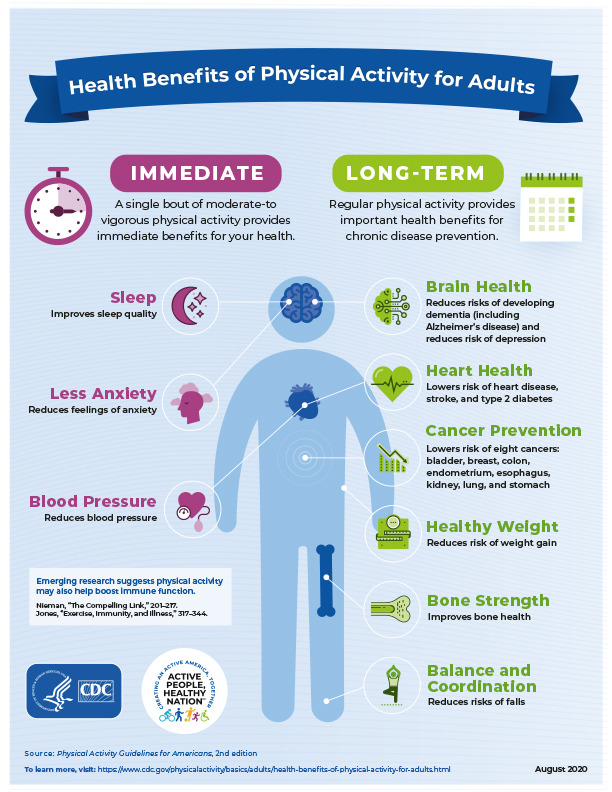
Before diving into specific strategies, it’s essential to understand why physical and mental fitness are crucial for young adults. Regular exercise helps prevent chronic diseases such as obesity, diabetes, and heart disease. It strengthens the cardiovascular system, boosts the immune system, and enhances overall health. Physical activity increases stamina and reduces fatigue, allowing you to tackle daily tasks with more vigour. Exercise releases endorphins, which are natural mood lifters. Regular physical activity can reduce symptoms of anxiety and depression. Regular exercise can help regulate sleep patterns, leading to more restful and restorative sleep. Achieving fitness goals, whether big or small, can enhance self-esteem and body image.

The benefits of mental fitness are many and varied. Practising self-care techniques help to manage stress levels, leading to a more balanced and peaceful life. Mental fitness practices, such as mindfulness and meditation, enhance cognitive function and improve attention span. Developing mental fitness helps individuals cope with challenges and setbacks more effectively, fostering a greater sense of control over life circumstances. A mentally fit individual is often more empathetic and better equipped to communicate effectively, leading to healthier relationships. Mental clarity and emotional well-being contribute to higher levels of productivity in both academic and professional settings. 

By prioritising physical and mental fitness, young adults can cultivate a healthier, more fulfilling life.

So how can one stay physically fit? Creating a consistent exercise routine is essential for maintaining physical fitness. Some tips to help one get started include setting realistic goals like SMART goals, which stand for Specific, Measurable, Achievable, Relevant, and Time-bound goals. Finding activities one enjoys, whether it’s dancing, swimming, hiking, or playing a sport. This will make it easier to stick to the routine. Incorporating different types of workouts prevents boredom and works different muscle groups. One can consider combining cardio, strength training, and flexibility exercises. Make exercises a priority. One should treat workouts like appointments and schedule them into one’s calendar to ensure one makes time for them. 

Staying active doesn’t have to mean hitting the gym for an hour every day. Some ways to incorporate movement into the daily routine include choosing walking or biking over driving for short trips. This not only adds physical activity but also reduces one’s carbon footprint. Opt for stairs instead of elevators whenever possible. It’s a simple way to get the heart rate up. If one has a desk job or studies for long periods, one should take short breaks to stand up, stretch, or walk around. \

What one eats significantly impacts one’s physical fitness. Aim for a diet rich in fruits, vegetables, whole grains, lean proteins, and healthy fats. This ensures one gets a wide range of nutrients. Aim for at least eight 8-ounce glasses of water a day. Staying hydrated is crucial for overall health and can improve energy levels and cognitive function. Pay attention to hunger and fullness cues. Eating mindfully can help prevent overeating and promote a healthier relationship with food. 

Sleep is a vital component of physical fitness. One should go to bed and wake up at the same time every day, even on weekends. This helps regulate the body’s internal clock. Make the bedroom a quiet, dark, and comfortable space. Consider using blackout curtains and white noise machines if necessary. Avoid screens for at least an hour before bedtime. The blue light emitted by devices can interfere with the ability to fall asleep.

To stay mentally fit, here are some tips:

Practice Mindfulness and Meditation: Mindfulness and meditation are powerful tools for enhancing mental fitness. Start with just a few minutes of mindfulness or meditation each day. Gradually increase the duration as one becomes more comfortable. Use guided meditations using apps like Headspace, Insight Timer or Calm, which offer guided meditations for beginners. Incorporate mindfulness into daily activities and everyday tasks, such as eating or walking. Focus on the sensations and experiences in the moment. 

Engage in Self-Care Activities: Self-care is essential for maintaining mental health. Create a self-care routine and schedule self-time by setting aside regular time for self-care activities, whether it’s reading, taking a bath, or engaging in a hobby. Explore new hobbies and try new creative activities, such as painting, writing, or playing a musical instrument that can provide a mental boost and help relieve stress. 

Spend Time in Nature: Get outside as nature has a calming effect on the mind. Spend time outdoors, whether it’s hiking, gardening, or simply taking a walk in the park. 

Build Strong Social Connections: Social support is vital for mental well-being. Make an effort to stay in touch with friends and family. Regular communication can help strengthen bonds and provide emotional support. Consider joining clubs, sports teams, or interest groups to meet new people and build connections. Volunteering not only helps others but also provides a sense of purpose and fulfilment. One can look for local organisations or causes that resonate with themselves.

Manage Stress Effectively: Stress management is crucial for maintaining mental fitness. Identify stressors by keeping a journal to identify situations or activities that cause stress. Understanding one’s triggers can help one develop coping strategies. Practice relaxation techniques and incorporate deep breathing exercises into one’s daily routine. Inhale deeply through the nose, hold for a few seconds, and exhale slowly through the mouth. Progressive muscle relaxation is a technique that involves the tensing and relaxing of different muscle groups to release tension and promote relaxation. 

Set Boundaries: Learn to say no and avoid overcommitting oneself. Setting boundaries protects one’s time and energy, allowing for adequate rest and self-care. 

Seek Professional Help When Needed: If one is struggling with mental health issues, don’t hesitate to seek help from a professional. Consider speaking with a therapist or counsellor who can provide support and guidance in navigating challenges. Look for support groups in the community or online. Sharing experiences with others who understand can be incredibly beneficial. If necessary, consult a healthcare professional about medication options for managing mental health conditions.

Staying physically and mentally fit is essential for young adults as they navigate the challenges of life. By prioritising exercise and self-care, one can cultivate a healthier, more balanced lifestyle. Remember that fitness is a journey, not a destination. It’s about finding what works and making gradual changes that lead to lasting habits.

Celebrate successes, no matter how small, and remember that taking care of the body and mind is one of the most important investments one can make for one’s future. By fostering both physical and mental fitness, one’ll be better equipped to handle life’s challenges, pursue their passions, and enjoy a fulfilling and vibrant life.

In My Hands Today…

Poverty, by America – Matthew Desmond

The United States, the richest country on earth, has more poverty than any other advanced democracy. Why? Why does this land of plenty allow one in every eight of its children to go without basic necessities, permit scores of its citizens to live and die on the streets, and authorize its corporations to pay poverty wages?

In this landmark book, acclaimed sociologist Matthew Desmond draws on history, research, and original reporting to show how affluent Americans knowingly and unknowingly keep poor people poor. Those of us who are financially secure exploit the poor, driving down their wages while forcing them to overpay for housing and access to cash and credit. We prioritize the subsidization of our wealth over the alleviation of poverty, designing a welfare state that gives the most to those who need the least. And we stockpile opportunity in exclusive communities, creating zones of concentrated riches alongside those of concentrated despair. Some lives are made small so that others may grow.

Elegantly written and fiercely argued, this compassionate book gives us new ways of thinking about a morally urgent problem. It also helps us imagine solutions. Desmond builds a startlingly original and ambitious case for ending poverty. He calls on us all to become poverty abolitionists, engaged in a politics of collective belonging to usher in a new age of shared prosperity and, at last, true freedom.

World Food Day

World Food Day is observed annually on October 16th to commemorate the founding of the Food and Agriculture Organisation (FAO) of the United Nations in 1945. This day serves as a platform to raise awareness about global hunger, food security, and the importance of sustainable agriculture. 

World Food Day was established by the FAO’s Member Countries during the Organisation’s 20th General Conference in November 1979. The Hungarian delegation, led by Dr. Pál Romány, proposed the idea of celebrating World Food Day to raise awareness about hunger and food security issues globally. The day was officially recognised and celebrated for the first time on October 16, 1981.

The establishment of World Food Day came at a time when the world was facing significant challenges related to hunger and malnutrition. The post-World War II era saw a growing recognition of the need for coordinated efforts to address food insecurity and improve agricultural practices. The FAO was created to lead these efforts, focusing on eradicating hunger and promoting sustainable agriculture.

The significance of food security is also intertwined with the Universal Declaration of Human Rights, adopted by the United Nations in 1948. Article 25 states that everyone has the right to a standard of living adequate for health and well-being, including food, clothing, housing, and medical care. This declaration underscores the importance of ensuring all individuals have access to sufficient and nutritious food.

World Food Day serves several important purposes. The day helps educate the public about the global hunger crisis and the importance of food security and highlights the challenges faced by millions of people who don’t have access to sufficient food. World Food Day encourages individuals, communities, and governments to take action to combat hunger and malnutrition. It serves as a call to mobilise resources and support initiatives at improve food security. The day recognises the progress in addressing hunger and promoting sustainable agricultural practices. It celebrates the efforts of organisations, governments, and individuals working to improve food security. World Food Day fosters collaboration among various stakeholders, including governments, NGOs, businesses, and communities, to address the complex challenges of food security. The day provides a platform for advocating for policies that support sustainable agriculture, food security, and the rights of marginalised communities.

The theme for World Food Day 2024 is “Right to foods for a better life and a better future.” The world’s farmers produce enough food to feed more than the global population yet, hunger persists. Up to 783 million people face hunger due to conflict, repeated weather shocks and economic downturns. This impacts the poor and vulnerable most severely, many of whom are agricultural households, reflecting widening inequalities across and within countries.

Food is the third most basic human need after air and water – everyone should have the right to adequate food. Human rights such as the right to food, life and liberty, work and education are recognised by the Universal Declaration of Human Rights and two legally binding international covenants. emphasises the critical role of agriculture and food systems in addressing global hunger and ensuring that everyone has access to sufficient and nutritious food.

‘Foods’ stands for diversity, nutrition, affordability, accessibility and safety. A greater diversity of nutritious foods should be available in our fields, fishing nets, markets, and on our tables, for the benefit of all. Over 2.8 billion people in the world are unable to afford a healthy diet. Unhealthy diets are the leading cause of all forms of malnutrition – undernutrition, micronutrient deficiencies and obesity, which now exist in most countries, cutting across socio-economic classes. Yet today, too many people suffer from hunger and are unable to afford healthy diets. More vulnerable people are often forced to rely on staple foods or less expensive foods that can be unhealthy, while others suffer from the unavailability of fresh or varied foods, lack the information they need to choose a healthy diet, or simply opt for convenience.

Hunger and malnutrition are further exacerbated by protracted or prolonged crises that are driven by a combination of conflict, extreme weather events and economic shocks. Agrifood systems, as a whole, are vulnerable to disasters and crises, particularly the impacts of climate change, but at the same time, they are generating pollution, degrading soil, water and air, contributing to greenhouse gas emissions, and causing biodiversity loss. By transforming agrifood systems, there is great potential to mitigate climate change and support peaceful, resilient and causing inclusive livelihoods for all.

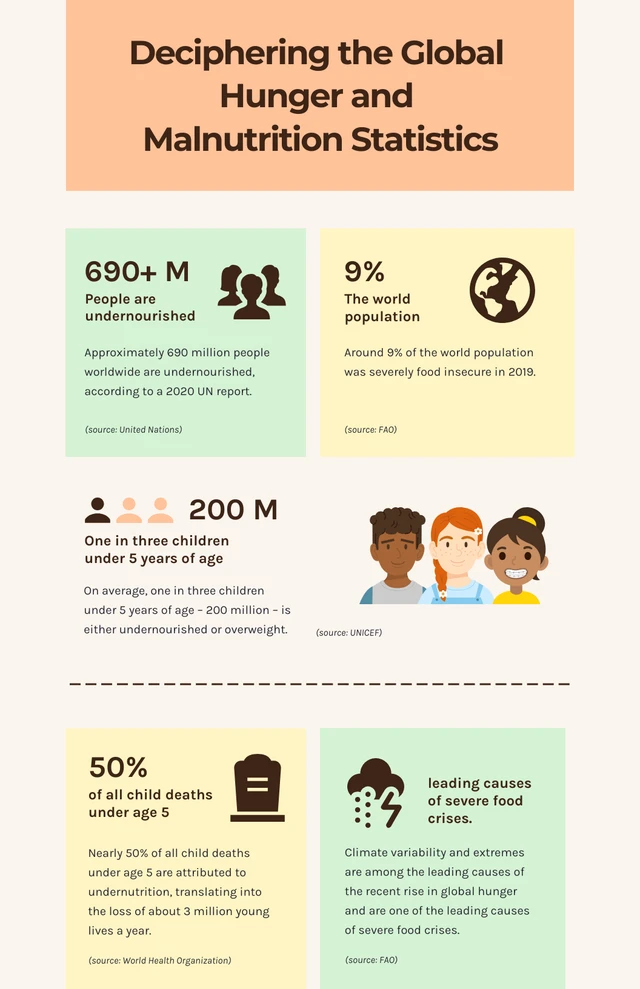
Despite progress in addressing hunger, significant challenges remain. According to the FAO, nearly 690 million people were undernourished in 2020, and millions suffer from micronutrient deficiencies. The COVID-19 pandemic has exacerbated food insecurity, pushing more people into hunger. Climate change poses a significant threat to food security, impacting agricultural productivity and increasing the frequency of extreme weather events. Farmers are facing challenges such as droughts, floods, and changing growing seasons.

Armed conflicts and political instability disrupt food production and distribution, leading to increased hunger. Displaced populations often lack access to food and essential services. Economic disparities and poverty limit access to food for many individuals and families. Addressing the root causes of poverty is essential for improving food security. Approximately one-third of all food produced globally is wasted, contributing to hunger and environmental degradation. Reducing food waste is crucial for improving food security.

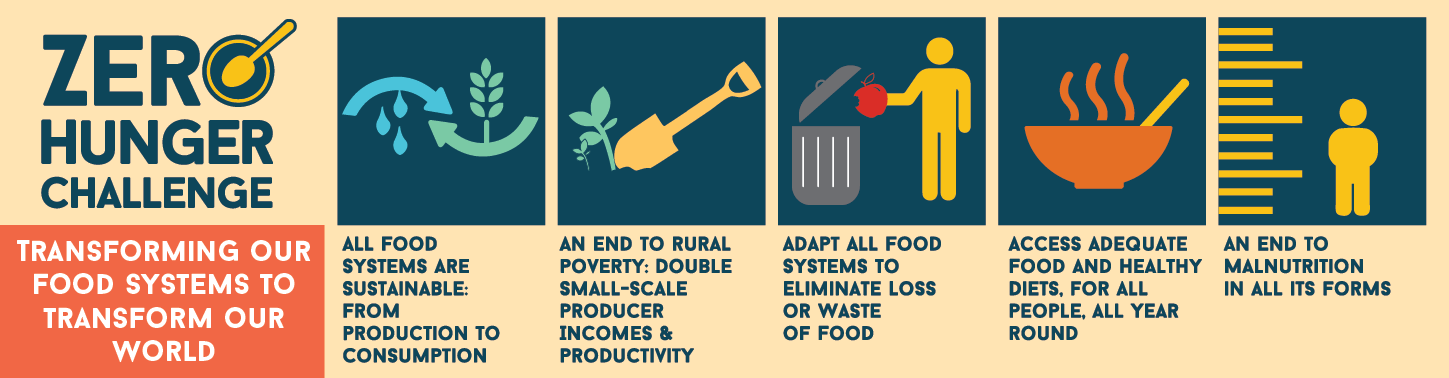
World Food Day is celebrated in over 150 countries, with various events and activities aimed at raising awareness and promoting action. The FAO plays a crucial role in addressing global food security challenges. Established in 1945, the organization works to eliminate hunger, improve nutrition, and promote sustainable agriculture. Launched by the UN Secretary-General, the Zero Hunger Challenge calls for a world where no one suffers from hunger. It aims to promote sustainable food systems and eliminate food waste. The Scaling Up Nutrition or SUN movement brings together governments, civil society, and the private sector to improve nutrition and address malnutrition in all its forms. The Global Agriculture and Food Security Program or GAFSP initiative provides funding to support agricultural investments in developing countries, aiming to improve food security and reduce poverty. The International Fund for Agricultural Development, IFAD focuses on rural development and poverty reduction by supporting smallholder farmers and promoting sustainable agricultural practices.

Innovations in agriculture and food systems are essential for addressing the challenges of food security. Key areas of innovation include agroecology, which promotes sustainable farming practices that enhance biodiversity, improve soil health, and increase resilience to climate change. Precision agriculture uses technology, such as drones and sensors, that allows farmers to optimise resource use, reduce waste, and improve crop yields. Vertical farming is an innovative farming method that involves growing crops in stacked layers, often in urban environments, maximising space and minimising resource use. The development of plant-based and lab-grown proteins provides sustainable alternatives to traditional livestock farming, reducing environmental impact. Innovations in food preservation, packaging, and distribution can help reduce food waste and improve food security.

Education and awareness are critical for promoting food security and sustainable agriculture. Integrating food education and nutrition programs into school curricula can help children develop healthy eating habits and understand the importance of sustainable food systems. Organising workshops and training sessions for farmers and community members can promote sustainable agricultural practices and improve food production. Launching campaigns to raise awareness about food security issues, healthy eating, and sustainable practices can engage the public and promote action. Partnering with media outlets to share stories and information about food security challenges can help raise awareness and inspire action. Involving young people in food security initiatives and encouraging their participation in advocacy efforts can help create a new generation of advocates for sustainable agriculture.

World Food Day serves as a vital reminder of the ongoing challenges related to hunger and food security. It is essential to recognise the critical role that sustainable agriculture plays in addressing these challenges. Through collective action, innovative practices, and a commitment to promoting food security for all, one can work towards a world where everyone has access to sufficient, nutritious food. World Food Day provides an opportunity for individuals, communities, and organisations to come together, raise awareness, and take meaningful action to combat hunger and promote sustainable agriculture. Food is not just a basic human right; it is also a vital component of health, well-being, and social stability. By prioritising food security and sustainable agricultural practices, a more equitable and sustainable future for all can be created.